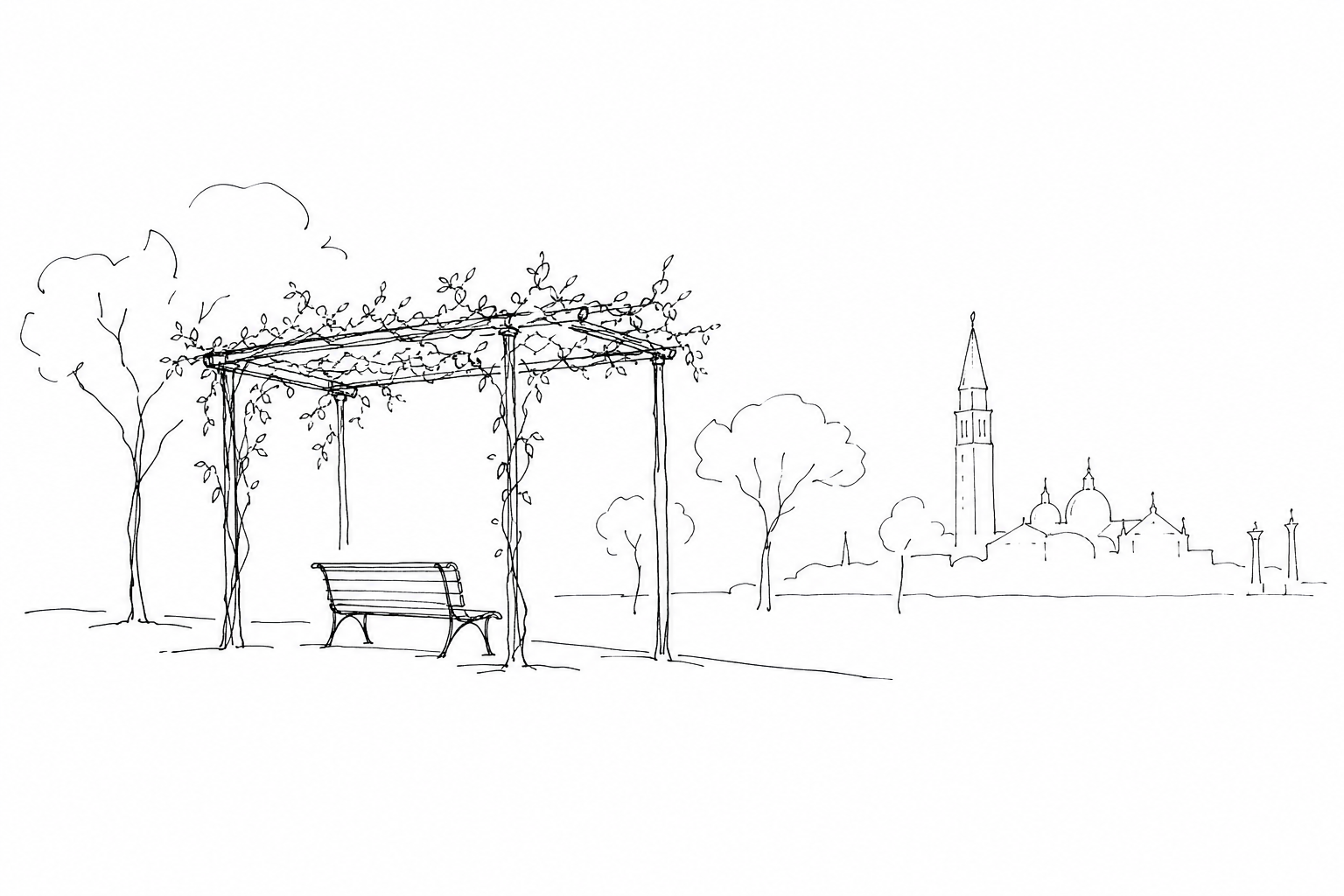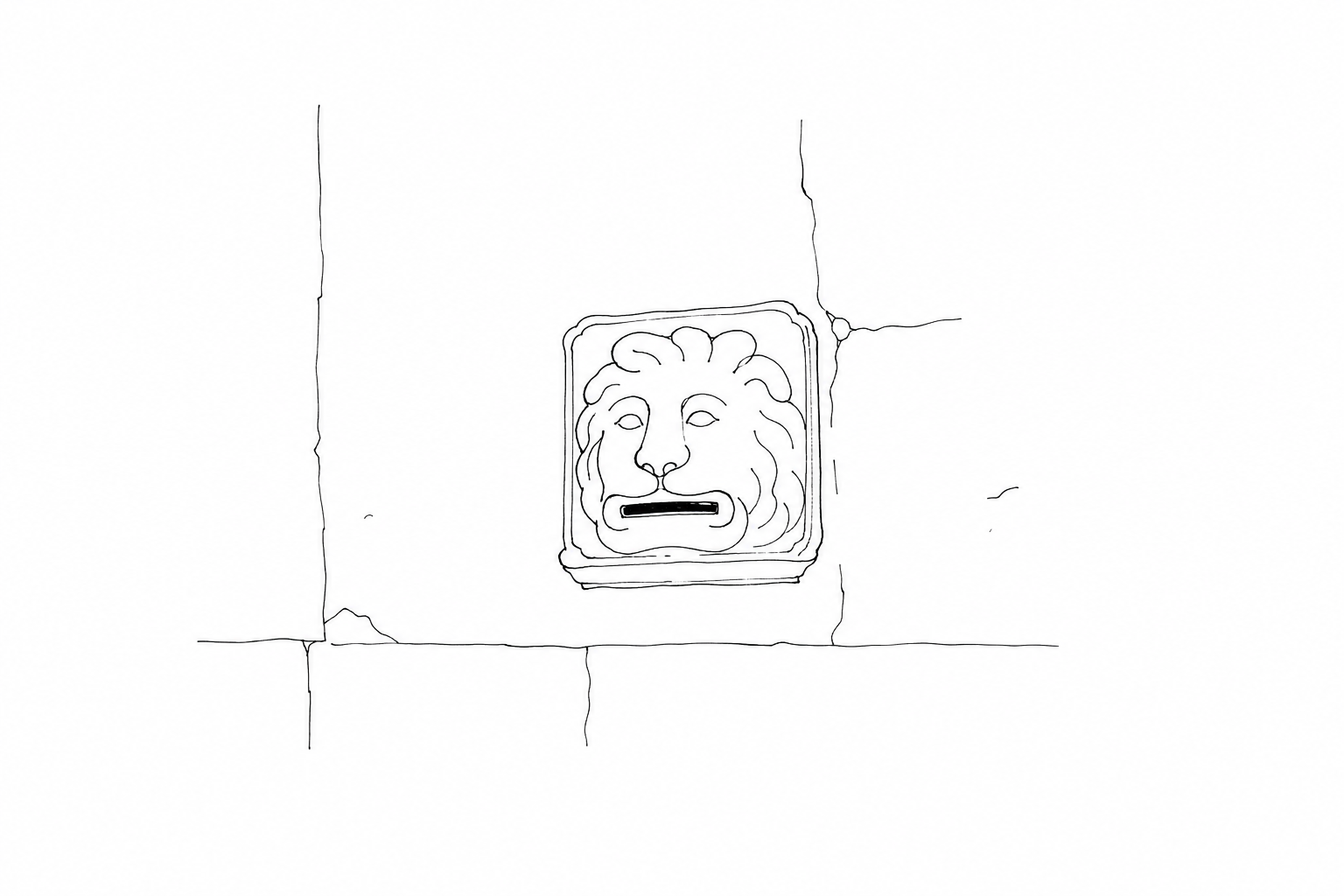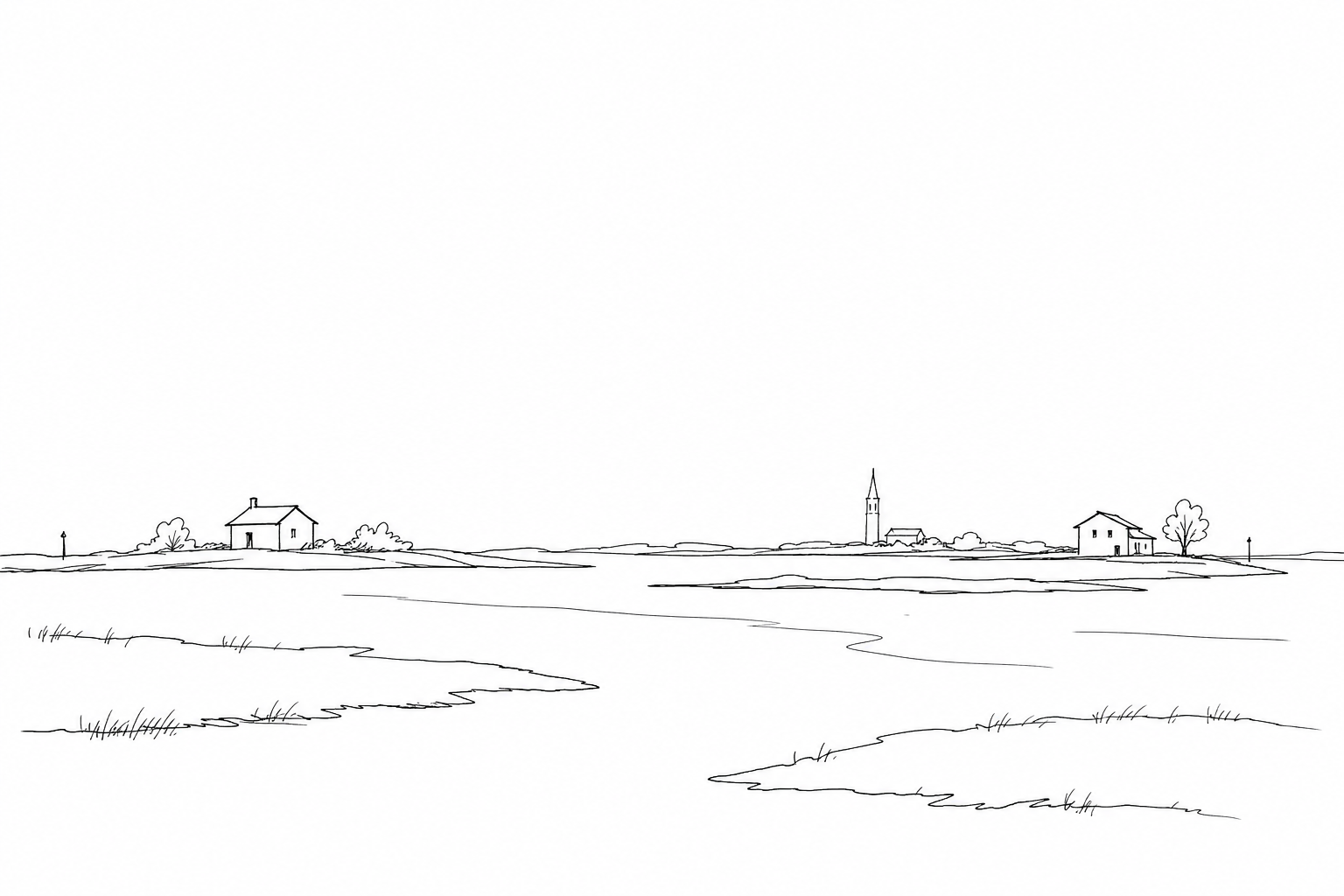
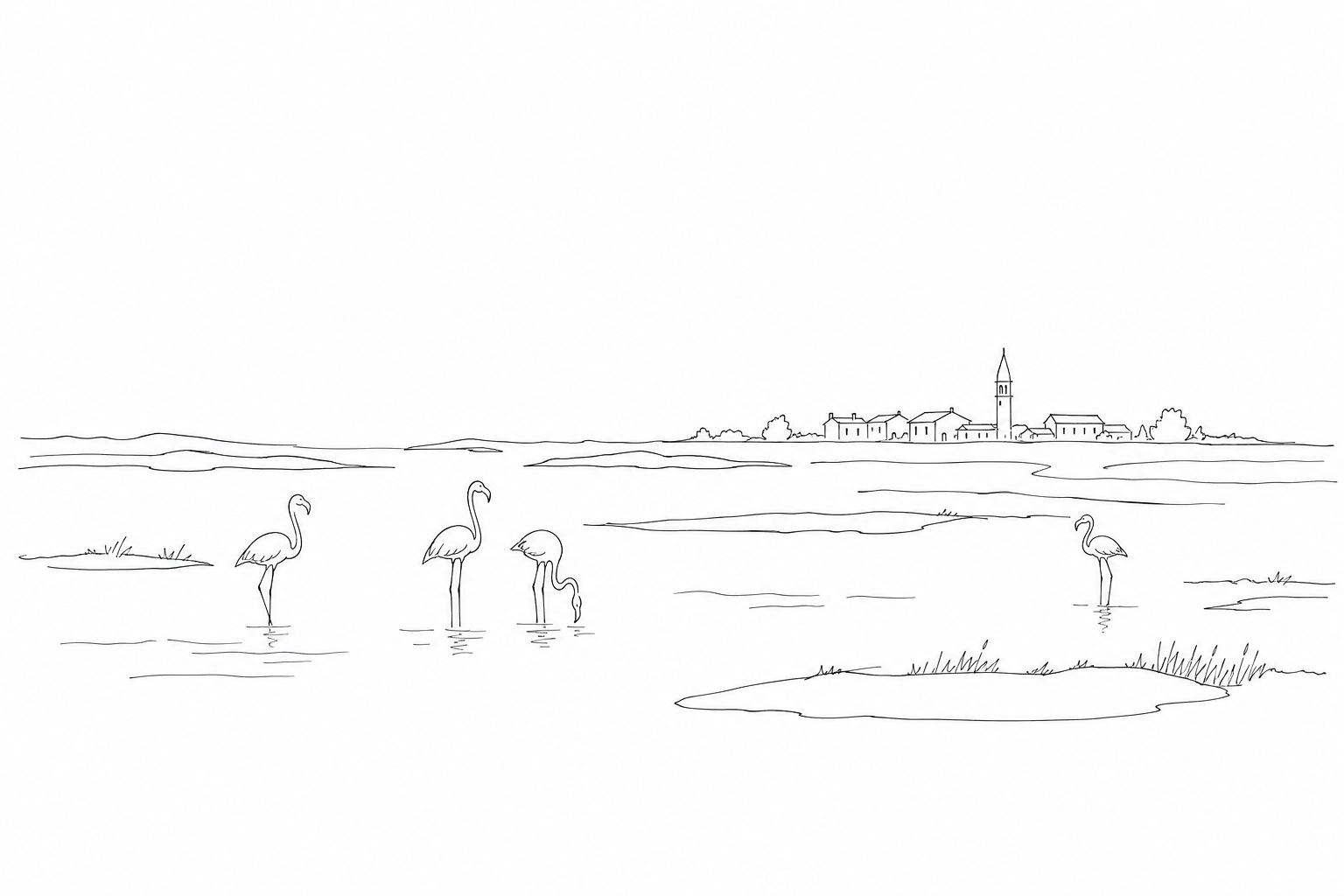
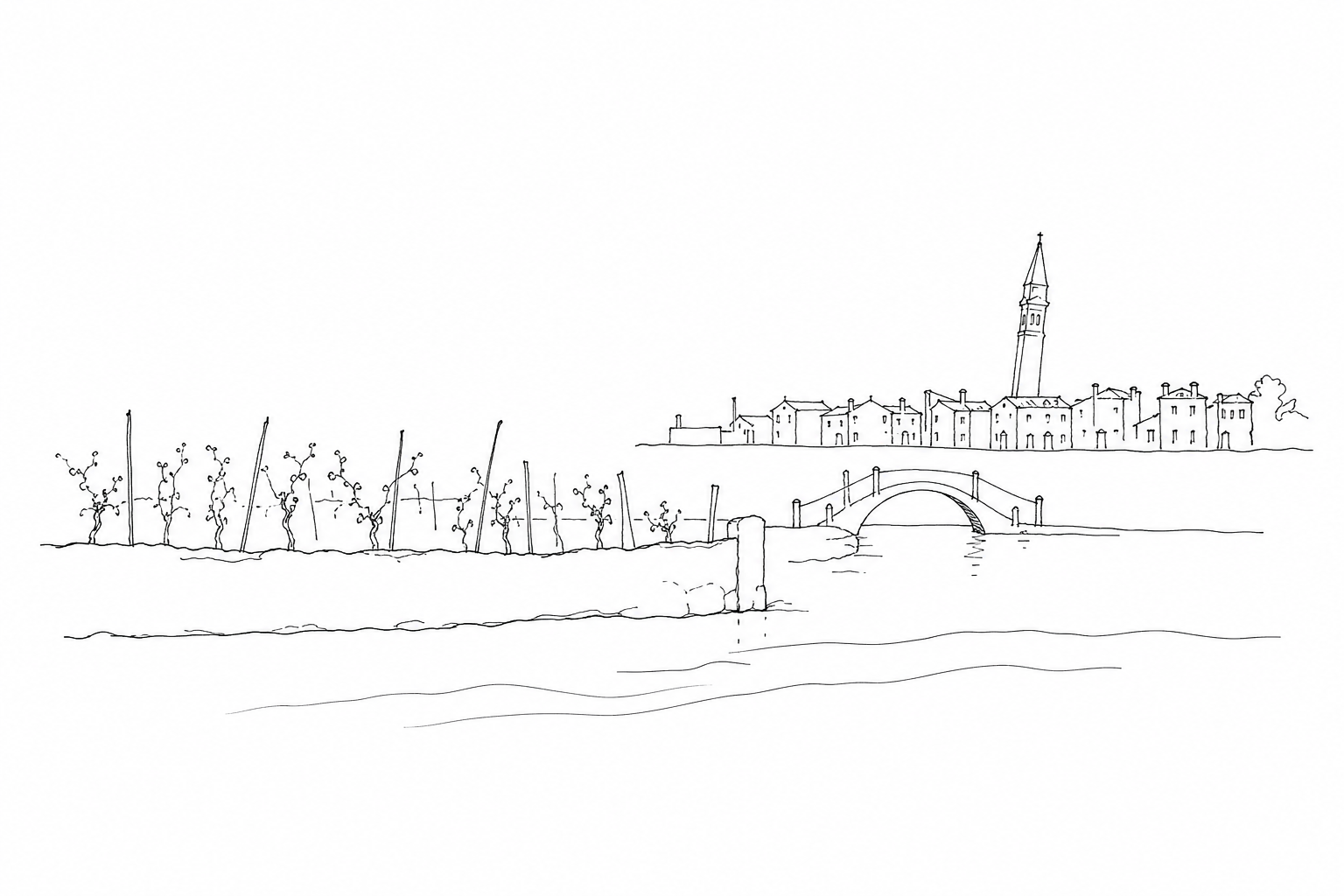
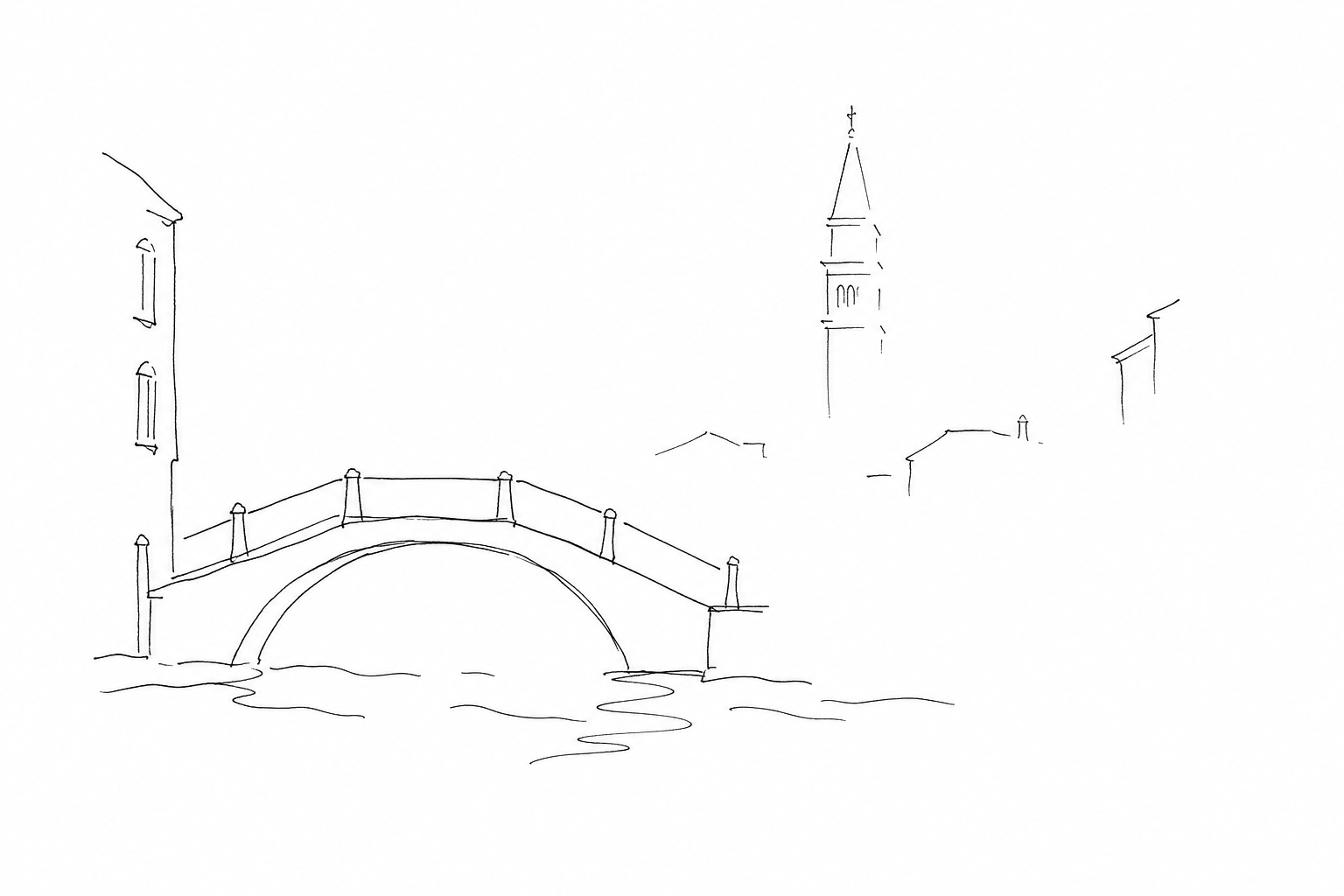

In Venice, fog is not only an atmospheric phenomenon: it is a different way of measuring the city. Caìgo, a Venetian word indicating that dense, damp haze capable of rising from the lagoon and stopping among stone, water and brick, changes distances, softens colors, isolates sounds. Calli, canals and bell towers do not really disappear: they change weight, become silhouettes, details, brief apparitions. Looking at it means accepting a less frontal and slower Venice, where orientation also passes through the ear, the memory of footsteps and the light held back by surfaces.
What caìgo is and why it belongs to the lagoon
Caìgo is Venetian fog: not a simple haze, but a dense, damp veil that is born from the continuous relationship between water, air and stone. The term, rooted in local speech, indicates that condition in which the city seems to lose its outlines: the shores grow shorter, the canals become milky surfaces, the bell towers emerge at times like suspended points of orientation.
The lagoon favors this phenomenon because it is a low, aquatic environment rich in temperature variations. When colder air meets the humidity rising from the stretches of water, the droplets remain suspended and envelop calli, bridges and fondamente. In Venice, caìgo also changes sounds: it softens voices, makes the passage of boats more muffled, hides the real distance between one bank and the other.
For this reason it belongs to the city in a profound way: it is not only an atmospheric event, but a natural lens that transforms the perception of its architecture and its lagoon geography.
Calli and campi: short distances, stronger details
In Venetian calli, fog shortens perspective: what normally guides the eye — a bell tower at the end, the curve of a canal, the sudden opening of a campo — disappears sooner than expected. The step then becomes more attentive and the city is read at close range.
Surfaces are noticed better: the humidity that darkens the plaster, the opaque reflection of the masegni, the worn Istrian stone thresholds, the low railings, the red house numbers painted on the façades. Sounds also change function: a voice around the corner, the noise of a cart, the water moved by a boat help to understand the space even before seeing it.
In the campi, where the gaze usually widens, the damp veil isolates wells, portals and wellheads like small points of orientation. Venice no longer appears as a panoramic sequence, but as a succession of clues: every turn forces you to reconstruct the city piece by piece.
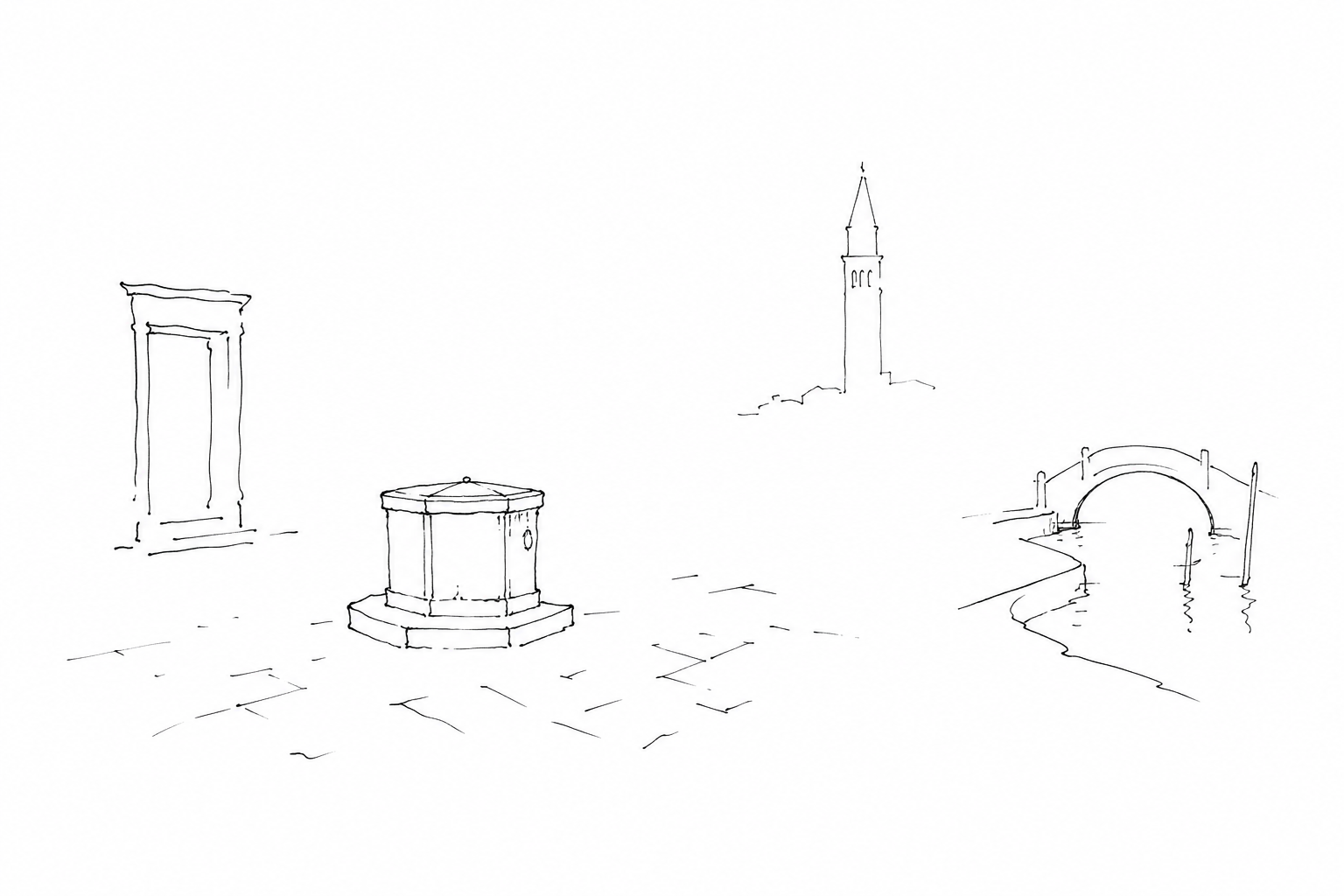
Canals, rii and bell towers: Venice seen through silhouettes
On the canals, fog works differently than on Venetian dry land: it erases depth and lets dark lines, muted reflections, stone edges emerge. A narrow rio can seem closed after just a few meters; the Grand Canal, instead, loses its façades in sequence and keeps only water portals, mooring poles, profiles of gondolas or stationary motorboats.
The water makes the effect even more unstable. The surface softens the colors of the palaces and sends back broken silhouettes, so a Gothic two-light window or a Renaissance balcony is read in fragments. The fondamente become uncertain margins: they do not disappear, but seem detached from the rest of the city.
The bell towers, when they surface, function as vertical signals. That of San Marco can be reduced to a reddish blade above the square; San Giorgio Maggiore often appears isolated between basin and sky; the smaller bell towers indicate parishes and sestieri even before recognizable buildings. In this vision through silhouettes, Venice does not offer complete views: it asks you to read water and architecture through outlines, voids and sudden apparitions.
How to read caìgo without chasing a view
To understand the lagoon veil, it is best to give up the hunt for the postcard. Stop on a low bridge, beside a fondamenta or at the exit of a sottoportego: modest points, but useful because they offer short distance, the sound of water and sudden passages.
- Look in planes. First the parapet, then the opposite shore, finally what vanishes: the city appears in layers, not in linear perspective.
- Listen to orientation. Oars, footsteps on the masegno, bells and slow engines help measure space when sight recedes.
- Observe the lights. Street lamps and windows do not only illuminate: they draw halos that reveal the suspended humidity.
- Accept the incomplete. San Giorgio, the Salute or a smaller bell tower may appear only in fragments: it is precisely that loss of outline that makes the phenomenon readable.
A few minutes standing still are better than a long chase: here seeing means waiting.
Reading Venetian caìgo means giving up the perfect view and observing what remains when the city loses its usual outlines. A fondamenta that ends in white, a bell tower just incised in the air, a boat that announces itself first with its noise rather than its shape: these are clues to a fragile, concrete, everyday urban and lagoon landscape. In those moments Venice does not offer itself as a complete image, but as a sequence of proximities. This is perhaps the most fitting way to cross it in the fog: without haste, letting the details indicate the direction.
Related Posts
Barene and velme: the words of the lagoon that explain why Venice is not only stone
A lagoon vocabulary for reading Venice beyond calli and palaces: what barene and velme are, how they change with the tide and why they matter.High water for visitors to Venice: what really changes on a day of sustained tide
A clear guide to understanding what really changes during a day of high water in Venice: timing, areas, routes and practical precautions.
Campiello, corte, ramo: a small sentimental guide to the words of the Venetian map
A short guide to reading Venice through the words of its nizioleti: campielli, corti, rami, calli, fondamenta and rii.Questions Answered
What is caìgo and what makes it unique to Venice?
Caìgo is a dense, damp fog formed by water, air, and stone interactions in the lagoon.How does caìgo alter the way Venice's calli and campi are perceived?
It shortens perspectives and isolates details, making close observation more important.In what ways do canals and bell towers appear different under caìgo?
Canals appear as silhouettes and fragments, and bell towers become simple vertical signals.What is the best approach to experience and read Venetian caìgo?
Pause to listen and observe layers, accepting incomplete views and subtle clues.
From the city into the lagoon
Which places show how deeply Venice depends on water, navigation and island margins?
 The mascareta: small, agile and Venetian, long before the regatta photosHistory and use of the mascareta, a light boat created for rii, canals and the lagoon.
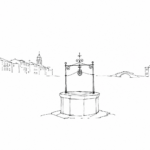 Wellheads: how Venice collected fresh water in the middle of the lagoonHistory and operation of Venetian wellheads, among campi, cisterns, rain and everyday life.
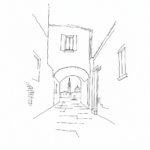 Venetian sottoporteghi: small urban tunnels where the city suddenly changes rhythmGuide to Venetian sottoporteghi: covered passages between calli, campi and rii, urban thresholds where light, sound and pace suddenly change.
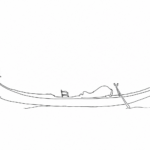 How a gondola is made: ferro, asymmetry and details that are not decorationBow ferro, hull asymmetry, forcola and finishes: the gondola read as a precise machine, not as Venetian ornament.