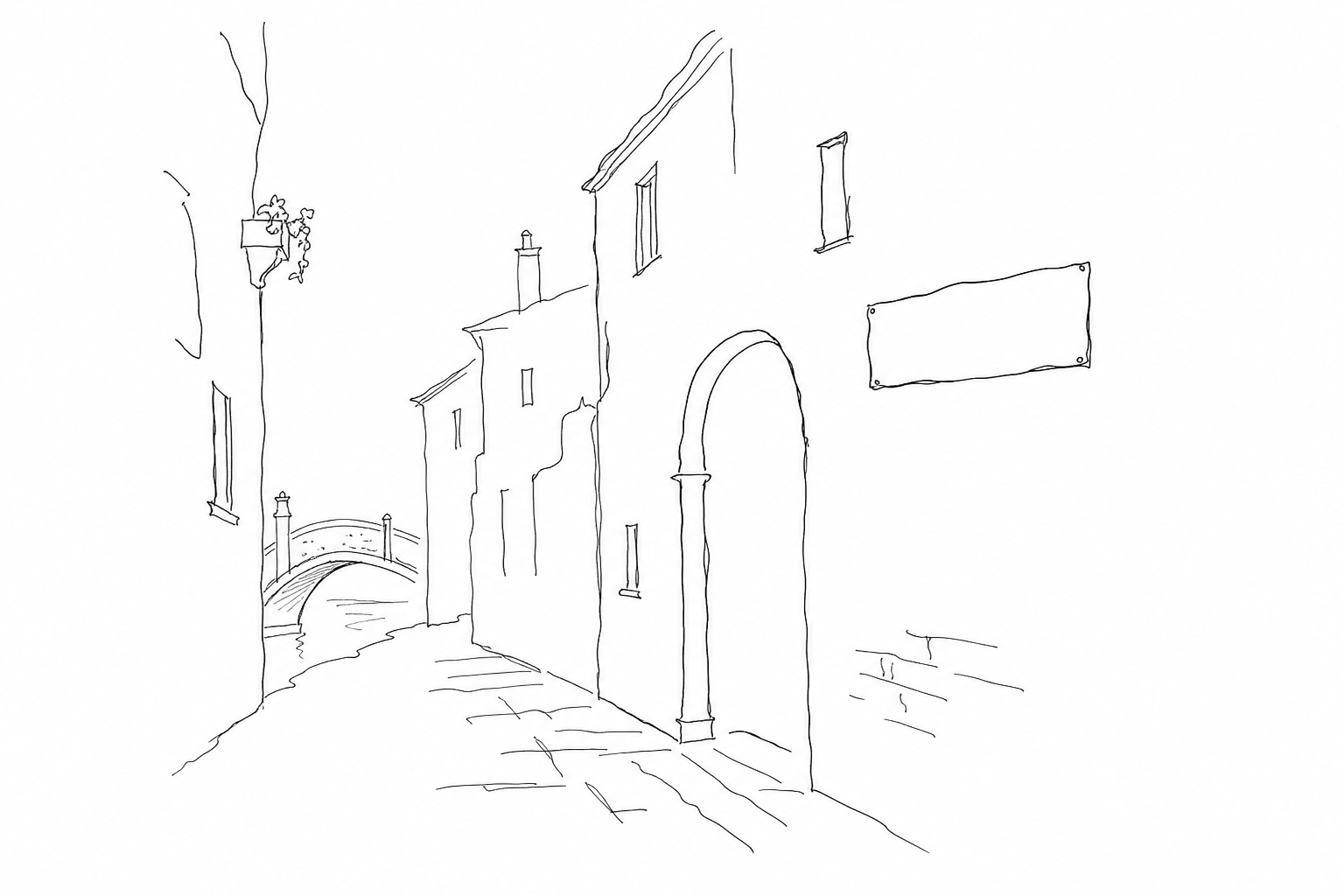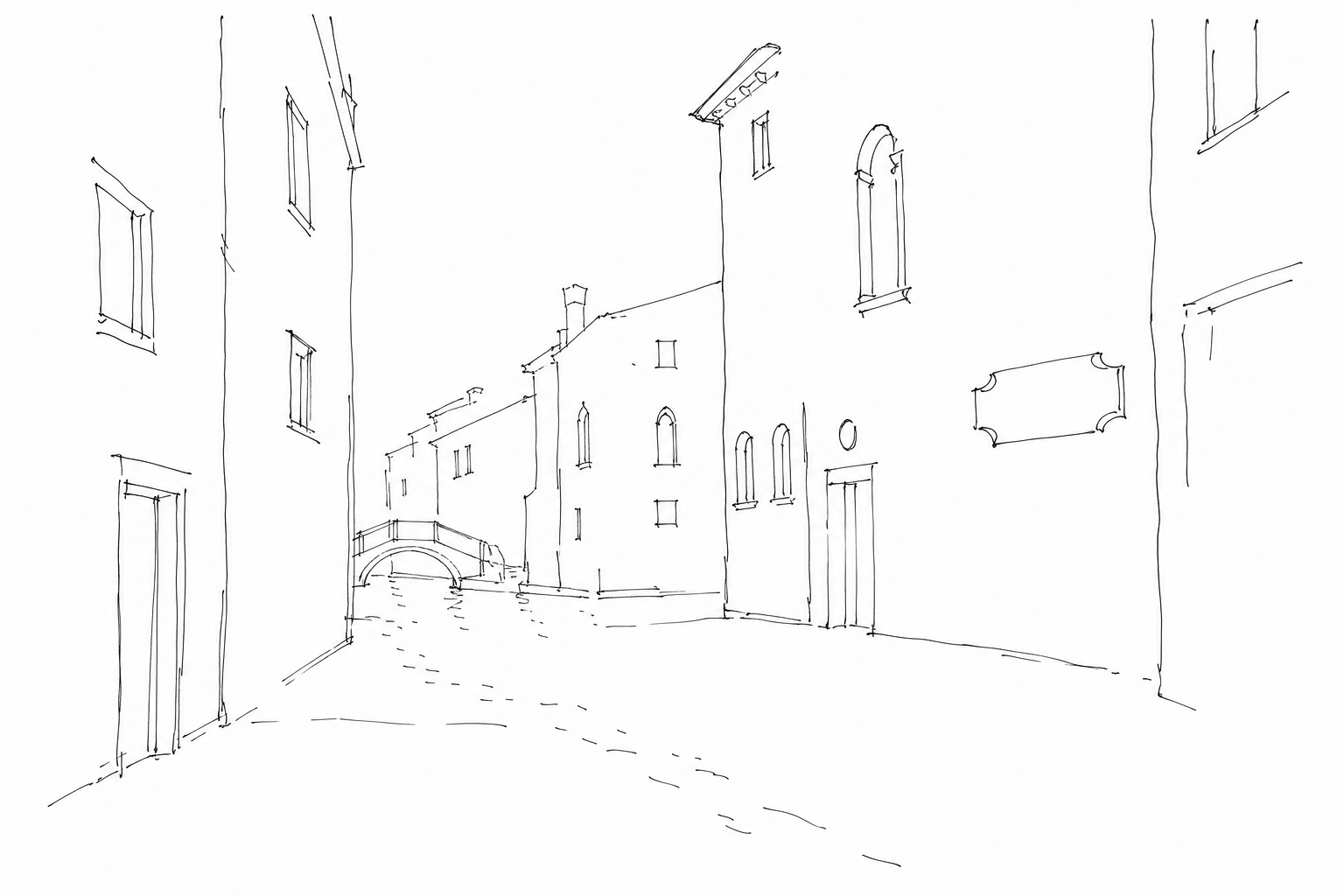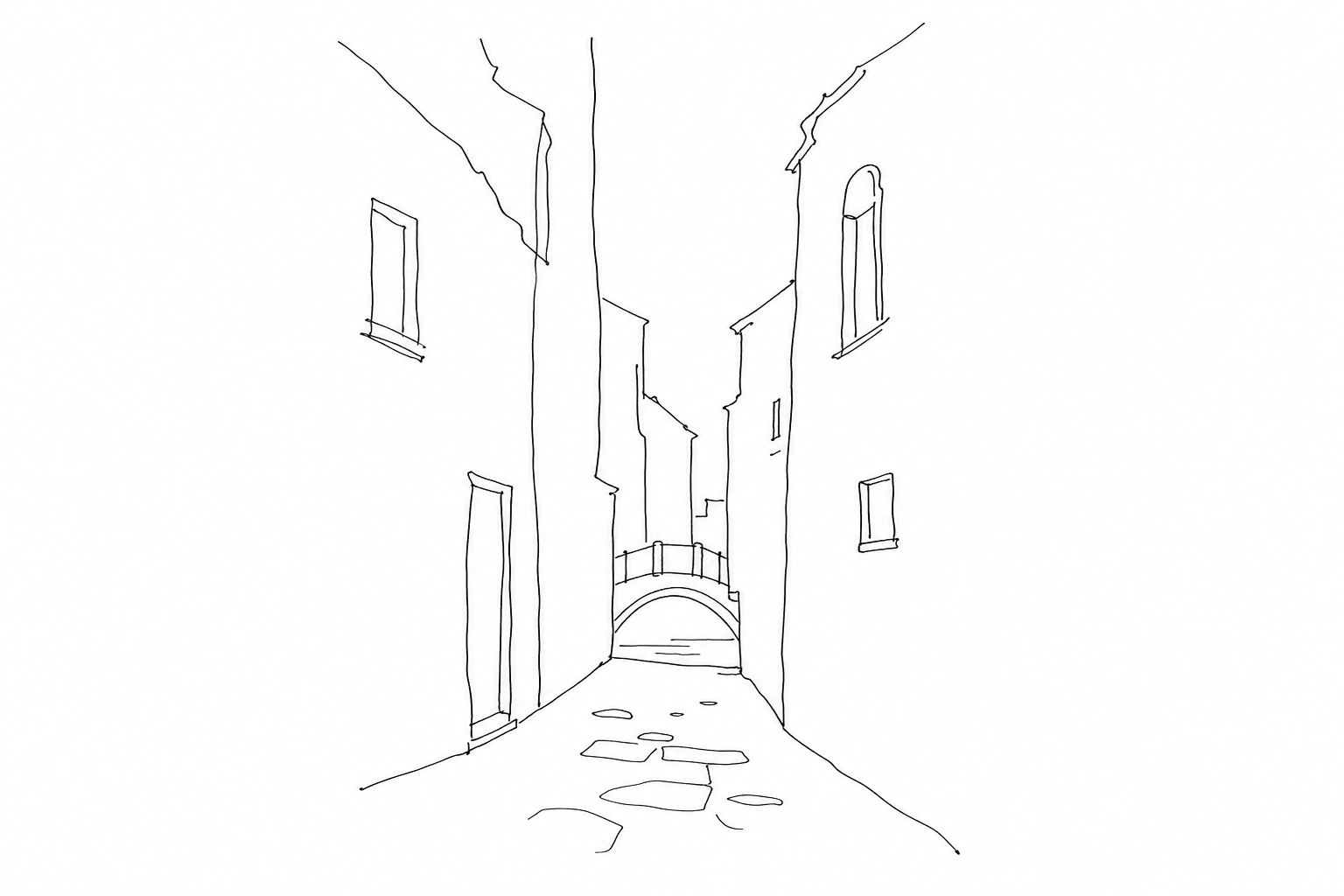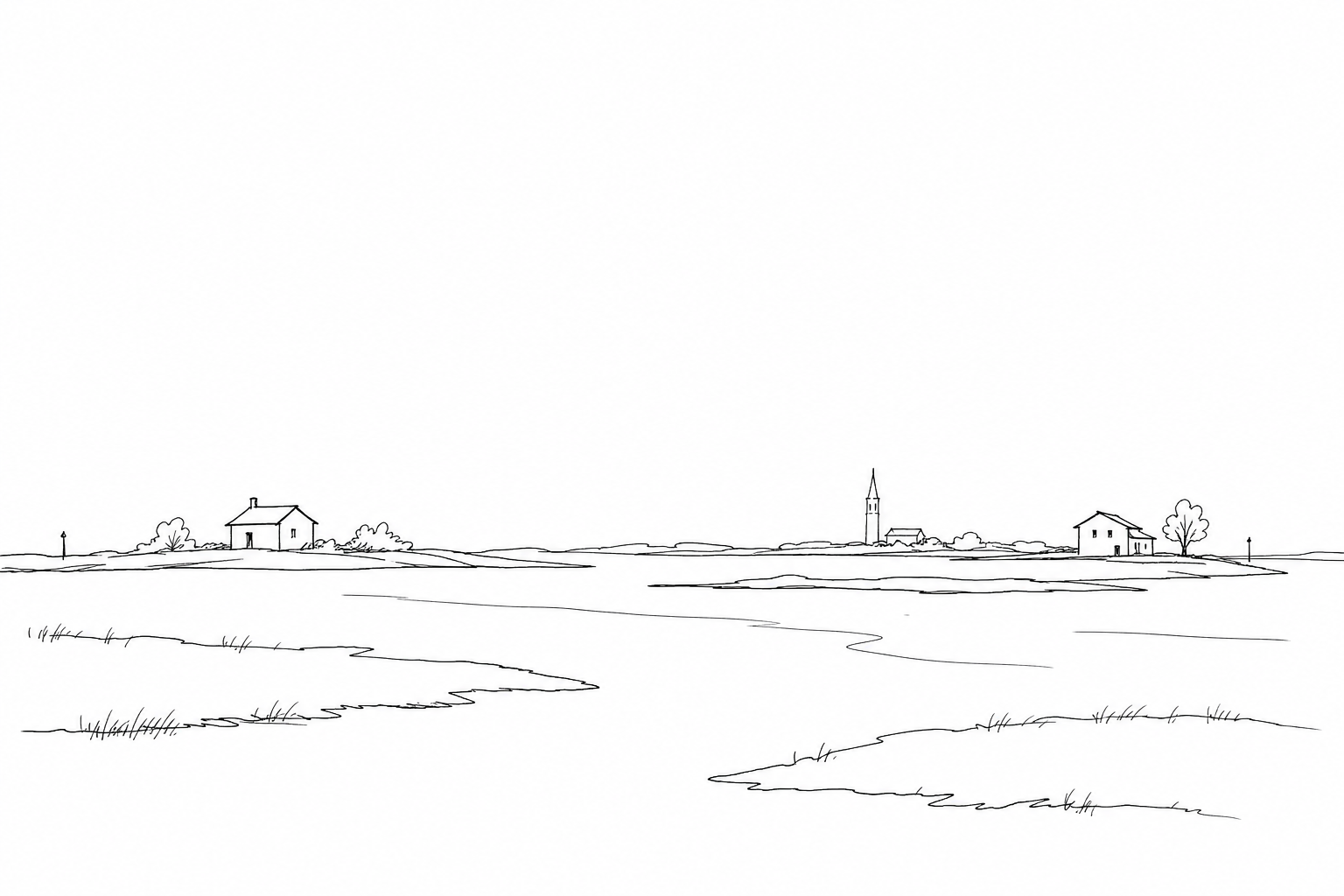

In Venice, the map is not only read: it is listened to. Campiello, corte, ramo, fondamenta are not simple directions, but words born from a particular way of inhabiting space, between water and stone, neighborhood and passage. Understanding them means finding your way better, certainly, but also recognizing the city in its everyday gestures: a square without a square, a calle that narrows, a bridge that connects more than it seems. This small sentimental guide tries to enter the Venetian urban vocabulary without folklore, following the names as traces of history, use and human measure.
Why the map of Venice speaks a language of its own
In Venice, the map is not just a list of streets: it is a small urban vocabulary. Where elsewhere one looks for squares, streets and alleys, here there appear campi, campielli, corti, rami, fondamente and rio terà. Every word says something about the shape of the city and the way it has been inhabited.
The campo, often born as a grassy space or open area in front of a church, was the place of water, the market, conversation. The campiello is its more intimate version: less scenic, more domestic, made for recognizing one another among neighbors. The corte instead suggests a shared interior, sometimes closed off by narrow passages, almost an outdoor room. The ramo is a deviation: a calle that branches off, slips in, promises an exit or a silence.
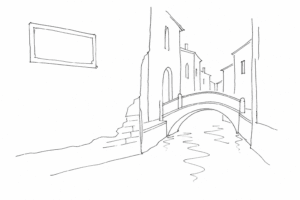
Reading these names means finding your way not only in space, but in the everyday memory of Venice: a city that has transformed necessity into language.
Campi and campielli: the everyday square on a Venetian scale
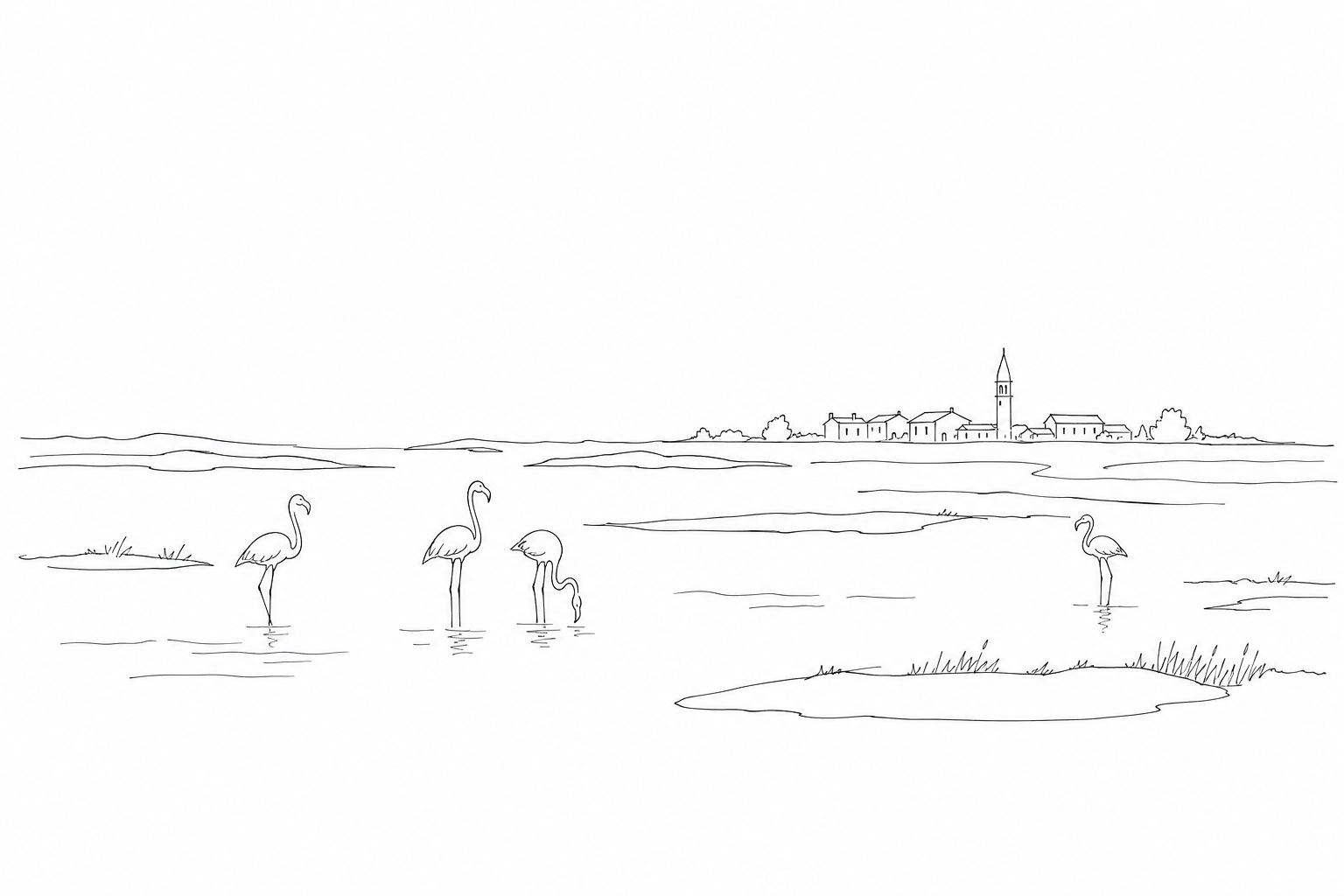
The word campo preserves a very concrete trace: it indicates the open space that, originally, could truly be grassy, used for vegetable gardens, markets, gatherings, festivals, communal wells. Only San Marco officially bears the name of piazza; the other open spaces of the city are campi, and this difference is not a linguistic affectation, but a different way of thinking about public space.
The campo is not only a place to cross. It is the point where a parish breathed: in front of the church, near the devotional school, around the wellhead, among shops and houses. The name often tells of a function or a presence: a saint, a trade, a family, a vanished building.
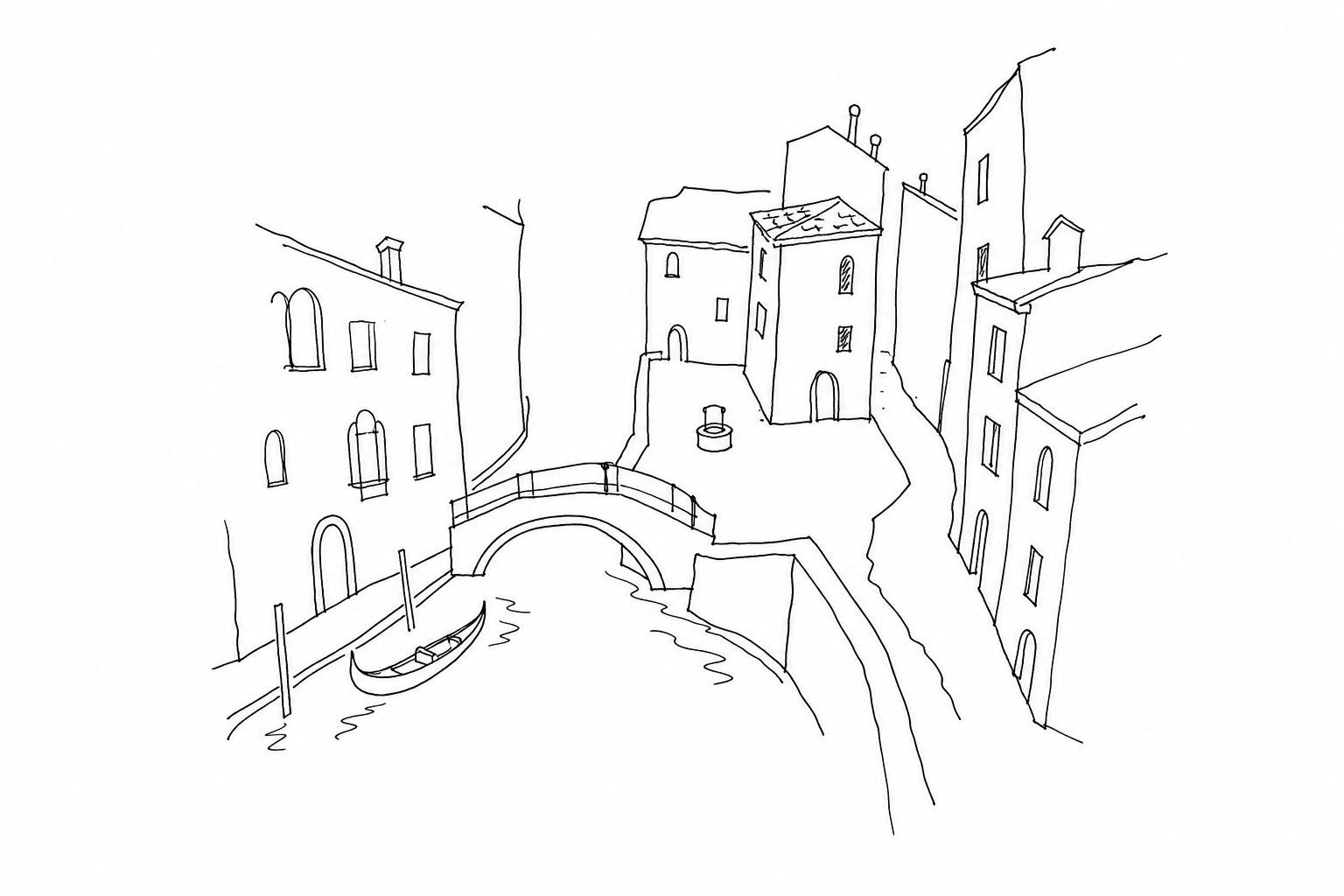
The campiello is the same idea reduced in scale. More intimate, less representative, often half-hidden among calli and corti, it resembles an outdoor room. Here the map becomes domestic: a few steps, nearby windows, a threshold, a well, the sound of dishes or voices. If the campo is the living room of the sestiere, the campiello is its conversation in a low voice.
Corte, ramo, calle: words of passage and intimacy
Alongside the open spaces appear more minute terms, useful for understanding how one truly enters the lagoon urban fabric. The calle is the pedestrian street par excellence: narrow or wide, commercial or silent, it replaces the road for vehicles and often takes its name from a trade, a family, a shop, a nearby church.
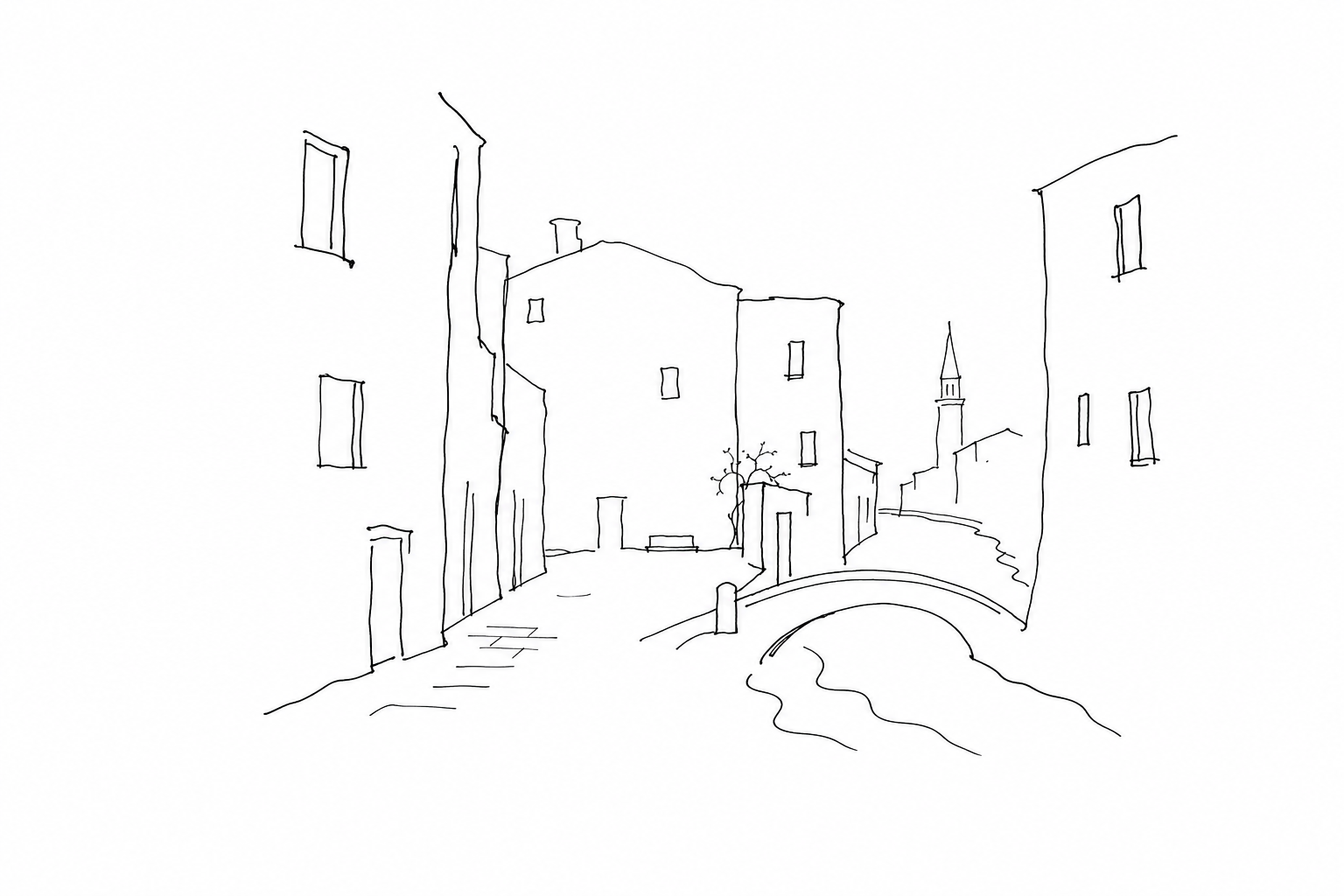
The corte instead indicates a more intimate place, almost interior while remaining outdoors. It may be closed on several sides, serve a group of houses, keep a well, an external staircase, entrances close together. It is a word that suggests neighborhood: not only transit, but pause, recognition, shared everyday life.
The ramo is different again: literally a branch. It begins from a main calle and leads toward a doorway, a bridge, a fondamenta; sometimes it ends in a dead end. Reading it well avoids unnecessary detours: “Ramo del…” often signals a secondary, short, lateral route.
Together, these names form a practical grammar: the calle crosses, the corte gathers, the ramo deviates. They are not simple labels, but instructions for walking and intuiting relationships between houses, water and community.
Fondamenta, rii, bridges: reading the water in the names
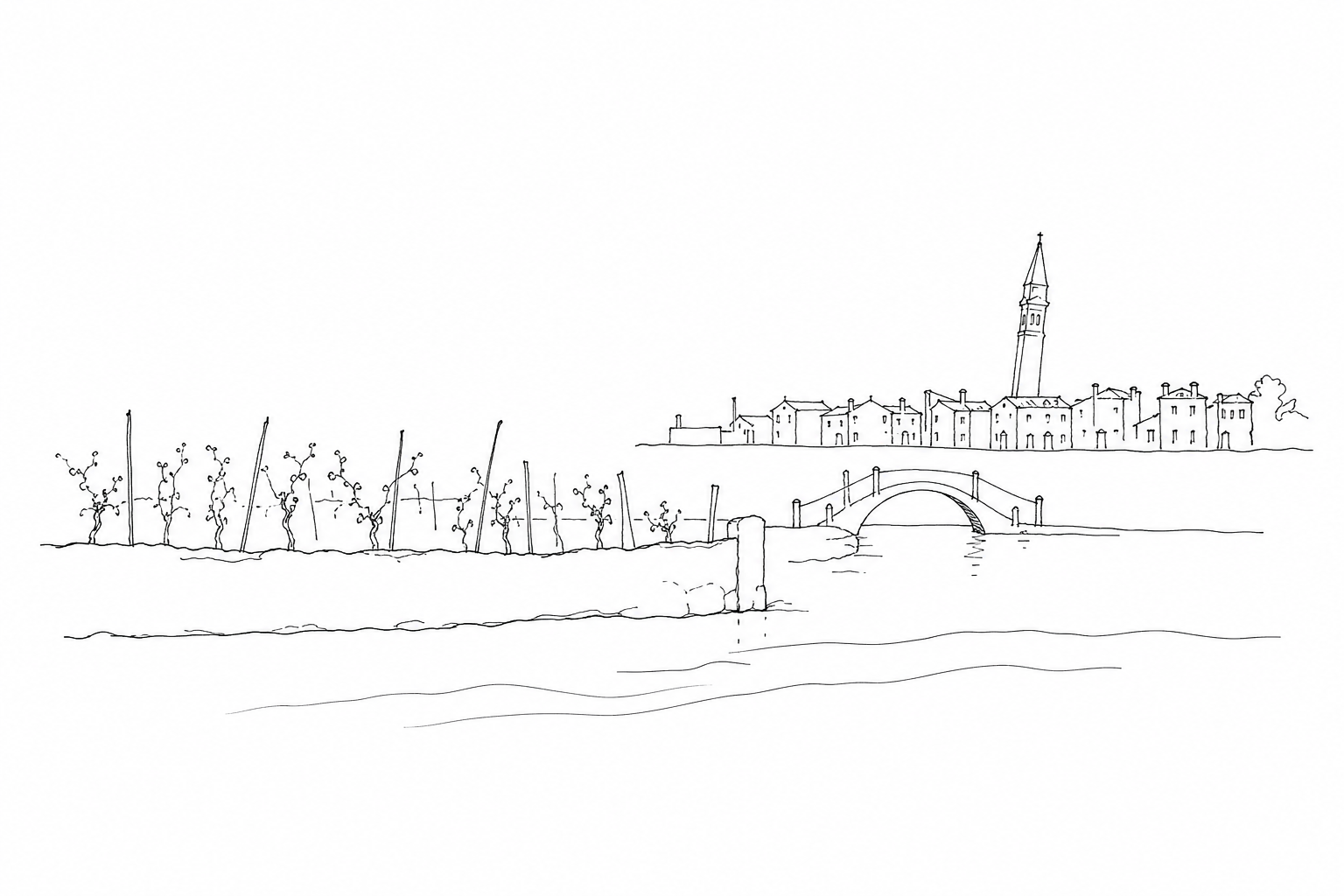
To find your way in the lagoon city, you must also listen to the names linked to water. The fondamenta indicates the pedestrian stretch that runs along a canal: it is not only a bank, but the built edge on which houses, warehouses, landing places rest. Walking along it means following a liquid line, often older and more logical than many internal turns.
The rio is the smaller canal that enters between the blocks; when it is found as rio terà, the name preserves the memory of a watercourse filled in and transformed into a street. The bridge, finally, signals a stitching point: it joins two banks, but also parishes, trades, properties, customs. Its names may recall a nearby church, a family, a workshop, a commercial activity.
Thus toponymy does not only describe places: it suggests directions. The words follow canals, crossings and everyday routes, teaching how to read the city from the step and from the water together.
Learning the words of the Venetian map changes the pace. A campiello stops being only an open space, a corte reveals its intimacy, a fondamenta tells of the continuous relationship with water. There is no need to turn every walk into a lesson: it is enough to let yourself be guided by the names, notice them on the nizioleti, connect them to what you see. Venice thus becomes less abstract and more concrete, made of thresholds, deviations, views and small stays. It is a simple way to cross it with more attention, accepting that here even orientation has a language of its own.
Related Posts
Barene and velme: the words of the lagoon that explain why Venice is not only stone
A lagoon vocabulary for reading Venice beyond calli and palaces: what barene and velme are, how they change with the tide and why they matter.Venetian nizioleti: reading the names of the calli like a map written on the walls
Guide to Venetian nizioleti: origin, form, recurring words and practical use for finding your way among calli, campi, rii and sestieri.
Piscina in Venice: when a name on the map recalls the water that can no longer be seen
A name in the nizioleti tells of filled-in basins, toponyms and Venice’s urban memory.Questions Answered
What makes the Venetian map unique in its vocabulary?
It uses specific terms that describe the city's form and social use.What is the difference between campo and campiello?
Campo is a large communal square; campiello is a smaller, intimate outdoor space.How do corte, ramo, and calle differ?
Corte is an interior shared space, ramo a side branch, calle a pedestrian street.What do fondamenta and rio tell about Venice?
They show the city's relation to water and affect navigation.
Follow the names written on the walls
Want to move from this word to other clues showing how the city grew?
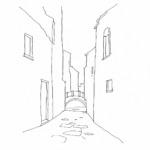 Salizada: the oldest Venetian streets and the sign of routes that were already importantWhat a salizada indicates in Venice: origin of the name, paving, historic routes and urban interpretation among calli, campi and sestieri.
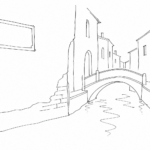 Venetian nizioleti: reading the names of the calli like a map written on the wallsGuide to Venetian nizioleti: origin, form, recurring words and practical use for finding your way among calli, campi, rii and sestieri.
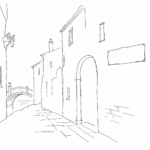 Calle del Paradiso: a gentle name for looking at Venetian toponymy more carefullyA small Venetian name becomes a guide for reading nizioleti, calli and urban memory with greater precision.
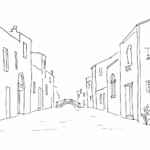 Rio terà: why some streets in Venice were canalsWhat rio terà means, why some rii were filled in, and how to recognize them while walking among calli, campi, and sestieri.