Three days in Venice are enough to enter the rhythm of the city, but not enough to see everything. That is why the best itinerary is not the one that fills every hour, but the one that chooses well: San Marco and Rialto without being overwhelmed, Dorsoduro and Cannaregio to experience a more everyday Venice, the lagoon islands or one last slower walk before leaving.
This guide is designed for travellers who choose to visit Venice with a base in Mestre city centre, especially around Viale Garibaldi: a tree-lined, urban and convenient avenue, just a few minutes from Piazza Ferretto, with restaurants, bars, aperitivo spots and practical connections to Venice.
The idea is not to sleep “almost in Venice” while pretending that Mestre is the lagoon. The idea is more concrete: using Mestre as a central and lively base, visiting Venice during the day and returning in the evening to a simpler, clearer and more pleasant urban setting.
The short answer
For a first trip, the best way to see Venice in 3 days from Mestre is to divide the stay like this:
- Day 1: arrival in Venice, San Marco, Doge’s Palace, Bridge of Sighs, Rialto and first return to Mestre.
- Day 2: Dorsoduro, Zattere, Accademia or Guggenheim, then San Polo, bacari and Cannaregio.
- Day 3: the lagoon islands or Castello, the Arsenale and a less compressed Venice.
A base in Mestre works well if you organise transport with a little margin: leave in the morning without rushing, keep some parts of the day flexible and use the evening return as part of the trip, not as something to endure.
Why use Mestre as a base for 3 days in Venice
A 3-day Venice itinerary needs balance. If you sleep in the historic centre, you get a more immersive and scenic experience. If you stay in Mestre city centre, you can have a more urban base, easier to manage and often better suited to travellers who want to alternate intense days in the lagoon with more practical evenings.
The Viale Garibaldi area is especially interesting because it is not an anonymous outskirts location: you are in the central fabric of Mestre, close to Piazza Ferretto, in an area with restaurants, cafés, bars, services and transport connections. This makes the return from the lagoon feel more natural: after a day among narrow streets and bridges, you can have dinner, enjoy a drink or simply slow down in a lively urban setting.
The point is not to replace Venice. Venice remains the heart of the trip. Mestre becomes the place you leave from and return to, with a clear routine and a less tourist-driven atmosphere.
Before you start: how to plan the 3 days
Do not overfill the plan
Venice looks small on the map, but walking across bridges, narrow streets and crowds takes energy. Always leave room for detours, pauses and calm returns.
Choose museums carefully
In three days, you do not need to enter everywhere. It is better to choose one or two important places and visit them properly, booking ahead when needed.
Plan the evening return
If you sleep in Mestre, check bus, tram or train timetables before going out in the evening. The trip works better when the return is planned, not improvised.
Day 1: San Marco, Rialto and the first impact with Venice
The first day should give you the impact of Venice, but without turning into a race between monuments. Leave Mestre in the morning and enter Venice from Piazzale Roma or Santa Lucia station. From there, you can start walking towards Rialto and San Marco, entering the historic centre gradually.
Morning: from Piazzale Roma or Santa Lucia towards Rialto
If you arrive at Piazzale Roma by bus or tram, you can begin on foot through Santa Croce and San Polo. If you arrive at Santa Lucia by train, the first view of the Grand Canal is already a powerful beginning. In both cases, avoid heading straight to San Marco as if it were a race: let Rialto arrive naturally along the route.
The Rialto Bridge is almost always crowded, but it remains one of the most recognisable places in the city. The advice is not to stop only on the bridge: explore the narrow streets around the market, the side waterfronts and the passages that lead down towards San Polo.
Afternoon: San Marco, the Basilica and the Doge’s Palace
Piazza San Marco should be seen, especially if this is your first time in Venice. But it should be approached with realistic expectations: it is the city’s most iconic place and also one of the busiest. If you want to visit St. Mark’s Basilica or the Doge’s Palace, check opening times, tickets and availability in advance.
If time is limited, choose one main interior visit: either the Basilica or the Doge’s Palace. If, instead, you have already booked and want to dedicate the first day to monumental Venice, you can combine them, but expect a more intense day.
Evening: return to Mestre and dinner in the centre
After the first day, returning to Mestre can be an advantage. Instead of looking for yet another place in a crowded tourist area, you can return towards Viale Garibaldi and Piazza Ferretto, have dinner more calmly or enjoy a drink in Mestre city centre.
This is one of the reasons why a base in Mestre city centre can work well: the day remains Venetian, but the evening does not necessarily have to continue inside the most tourist-heavy circuit.
A lighter version of Day 1
If you arrive in Mestre in the afternoon or you are tired from travelling, do not force San Marco immediately. Take a walk from Piazzale Roma to Rialto, stop for a simple aperitivo and return to Mestre for dinner. San Marco can become the focus of the following morning.
Day 2: Dorsoduro, art, bacari and Cannaregio
The second day is when Venice begins to become more readable. After the first monumental impact, you can focus on neighbourhoods, museums, walks and pauses. It is the best day to understand that Venice is not only San Marco.
Morning: Dorsoduro and Zattere
Leave Mestre with a simple goal: reaching Dorsoduro. You can arrive at Piazzale Roma and walk towards Campo Santa Margherita, or enter from Santa Lucia and cross the city slowly. Dorsoduro is perfect for a less compressed morning: wider squares, views over the water, galleries, waterfronts and a different light.
If you love art, consider the Peggy Guggenheim Collection or the Gallerie dell’Accademia. Do not do both if you do not want to turn the day into a museum marathon. Choose according to your interests: modern art and a compact collection at the Guggenheim, great Venetian masters at the Accademia.
Lunch and afternoon: San Polo, Frari and smaller routes
After Dorsoduro, you can move back towards San Polo. Here the itinerary can become Venetian in the best sense: fewer boxes to tick and more passages to notice. The Frari Basilica, the Scuola Grande di San Rocco and the surrounding squares deserve time, but they should not be piled up without breathing space.
If you prefer a more food-oriented day, this is also the right moment to include bacari and cicchetti, without turning the pause into an organised crawl. One or two well-chosen places are enough to change the rhythm of the afternoon.
Late afternoon: Cannaregio
Cannaregio is ideal towards the end of the day. It is a large, lived-in sestiere, crossed by more open waterfronts and by areas where Venice shows a less theatrical but more everyday side. You can walk through the Ghetto, Fondamenta della Misericordia and the side streets, choosing whether to have dinner in the lagoon or return to Mestre.
If you decide to return, Mestre city centre lets you close the day more simply: Piazza Ferretto and the nearby streets work well for dinner or an aperitivo without having to stay inside Venice’s tourist flow until late.
Rainy-day version of Day 2
In case of rain, reduce long walks and choose one main museum. Dorsoduro is a good area for alternating short walks, art and indoor pauses. If the weather is very unstable, returning to Mestre before dinner can be a very sensible choice.
Day 3: the lagoon islands or Castello and slower Venice
The third day depends on your rhythm. If you feel like exploring the lagoon, you can dedicate it to the islands. If you prefer to stay in the historic centre, Castello is a slower and less obvious choice. Do not try to do everything: the third day should close the trip, not consume it.
Option A: Murano, Burano and the lagoon
Murano and Burano are among the most requested excursions. Murano is linked to glassmaking, Burano to colours and lace tradition. Doing both on the same day is possible, but it requires vaporetto travel, waiting times and a certain amount of energy.
If you choose the islands, leave Mestre early and do not overload the day. It is better to see fewer things and experience them more calmly.
Option B: Castello, Arsenale and San Pietro
If you want to stay in Venice, Castello is perfect for a less obvious day. You can start from San Marco and move away towards Riva degli Schiavoni, the Arsenale, Via Garibaldi and San Pietro di Castello.
It is an ideal choice if you are interested in seeing a wider, more residential Venice, less concentrated around the symbolic landmarks.
Last evening: returning to Mestre without rushing
The last evening can be the right moment to appreciate the Mestre base. After three days of bridges, narrow streets, vaporetti and walking, returning to Viale Garibaldi and reaching Piazza Ferretto in just a few minutes can become a pleasant part of the trip: dinner, an aperitivo, a walk under the arcades or simply a lighter evening.
This is the meaning of the choice: not taking Venice away from the stay, but giving the trip a more breathable structure.
If you have little time on Day 3
If you leave in the afternoon, avoid the islands. Choose a short walk in Venice, perhaps through Santa Croce, San Polo or Cannaregio, or dedicate the morning to Mestre city centre, Piazza Ferretto and an unhurried breakfast before departure.
Quick itinerary overview
| Day | Morning | Afternoon | Evening |
|---|---|---|---|
| Day 1 | Arrival in Venice, Santa Croce or Santa Lucia, walk towards Rialto | San Marco, Basilica, Doge’s Palace or monumental walk | Return to Mestre, dinner or aperitivo in the centre |
| Day 2 | Dorsoduro, Zattere, Accademia or Guggenheim | San Polo, Frari, San Rocco, bacari | Cannaregio or return to Mestre |
| Day 3 | Murano/Burano or Castello | Lagoon, Arsenale, San Pietro or final slow walk | Last evening in Mestre or early return |
Recommended transport for this itinerary
From Mestre city centre, you can reach Venice by bus, tram or train. If you start from the Viale Garibaldi area, the bus towards Piazzale Roma is often the most direct option. The train from Venezia Mestre to Venezia Santa Lucia is very fast, but you first need to reach the railway station.
For a 3-day stay, consider ACTV / Venezia Unica passes carefully. If you only plan to use bus and tram between Mestre and Venice, you may not need a full pass. If you plan to use vaporetti, visit the islands and move frequently by water, a multi-day pass can make the trip easier.
Where to stay for this itinerary
This itinerary is designed for travellers who want to visit Venice in 3 days without giving up a convenient base on the mainland. The apartment being prepared at Viale Garibaldi 52/C, Mestre, follows exactly this logic: short stays, two guests as the ideal setup, up to four people, and a central Mestre location from which to organise days in the lagoon.
It is not a solution for travellers who want to sleep among canals and narrow streets. It is a solution for those who want to experience Venice during the day and return in the evening to a central urban neighbourhood with services, places to eat and practical connections.
Bookings are expected to open around October 2026.
Frequently asked questions about Venice in 3 days from Mestre
Are 3 days enough to visit Venice?
Three days are enough for a well-organised first trip, but not to see everything. They are enough for San Marco, Rialto, one or two less touristy sestieri, a few food stops and a choice between the islands or quieter areas.
Does it make sense to stay in Mestre for a 3-day itinerary?
Yes, especially if you choose a central area of Mestre and plan transport well. A Mestre base works when you do not expect to remove transport completely, but want to make it clear and sustainable within the rhythm of the trip.
Is it better to enter Venice from Piazzale Roma or Santa Lucia?
It depends on the day’s route. Piazzale Roma is convenient if you arrive by bus or tram from Mestre and want to walk towards Santa Croce, San Polo or Dorsoduro. Santa Lucia is perfect if you use the train and want to start with the view of the Grand Canal.
Is it worth visiting Murano and Burano in 3 days?
Yes, but only if you want to dedicate a significant part of the third day to the lagoon. Murano and Burano require vaporetto travel and waiting time: if your rhythm is slower, you may choose only one island or skip the islands to explore Castello and Cannaregio better.
Do I need a transport pass for 3 days?
It depends on how many transport services you will use. If you only plan to travel between Mestre and Venice, single tickets may be enough. If you plan to use vaporetti, visit the islands and move around Venice by water, a multi-day ACTV pass can be more practical.
Where should I have dinner if I stay in Mestre?
It depends on the plan. Some evenings it may make sense to have dinner in Venice, especially if you want to experience Cannaregio, Dorsoduro or San Polo in the late afternoon. Other evenings, returning to Mestre and eating around Viale Garibaldi, Piazza Ferretto and the nearby streets can be more relaxed and practical.
Is this itinerary suitable for couples?
Yes. It is designed mainly for couples or two travellers, with a rhythm that is not too rigid. It can also work for a small group of up to four people, as long as everyone accepts a slower and more selective way of visiting Venice.
Continue planning your trip
- How to get from Mestre to Venice: transport, travel times and parking
- Staying in Mestre to visit Venice
- Frequently asked questions about Mestre, Venice and your stay
Plan three days from a Mestre base
Want to pair the itinerary with the practical information that makes travel and returns easier?
 Staying in Mestre to visit VeniceVisiting Venice does not necessarily mean sleeping inside the lagoon. For many travellers, especially on a short stay, it can make more...Frequently asked questions about Mestre, Venice and your stayA practical FAQ for travellers considering staying in Mestre to visit Venice, planning a short stay and deciding whether an apartment in...
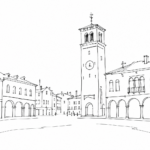 Mestre city center after Venice: Piazza Ferretto, porticoes and the return to the everyday cityA slow return from Venice to Mestre city center: Piazza Ferretto, porticoes, Civic Tower, M9 and everyday rhythm.


