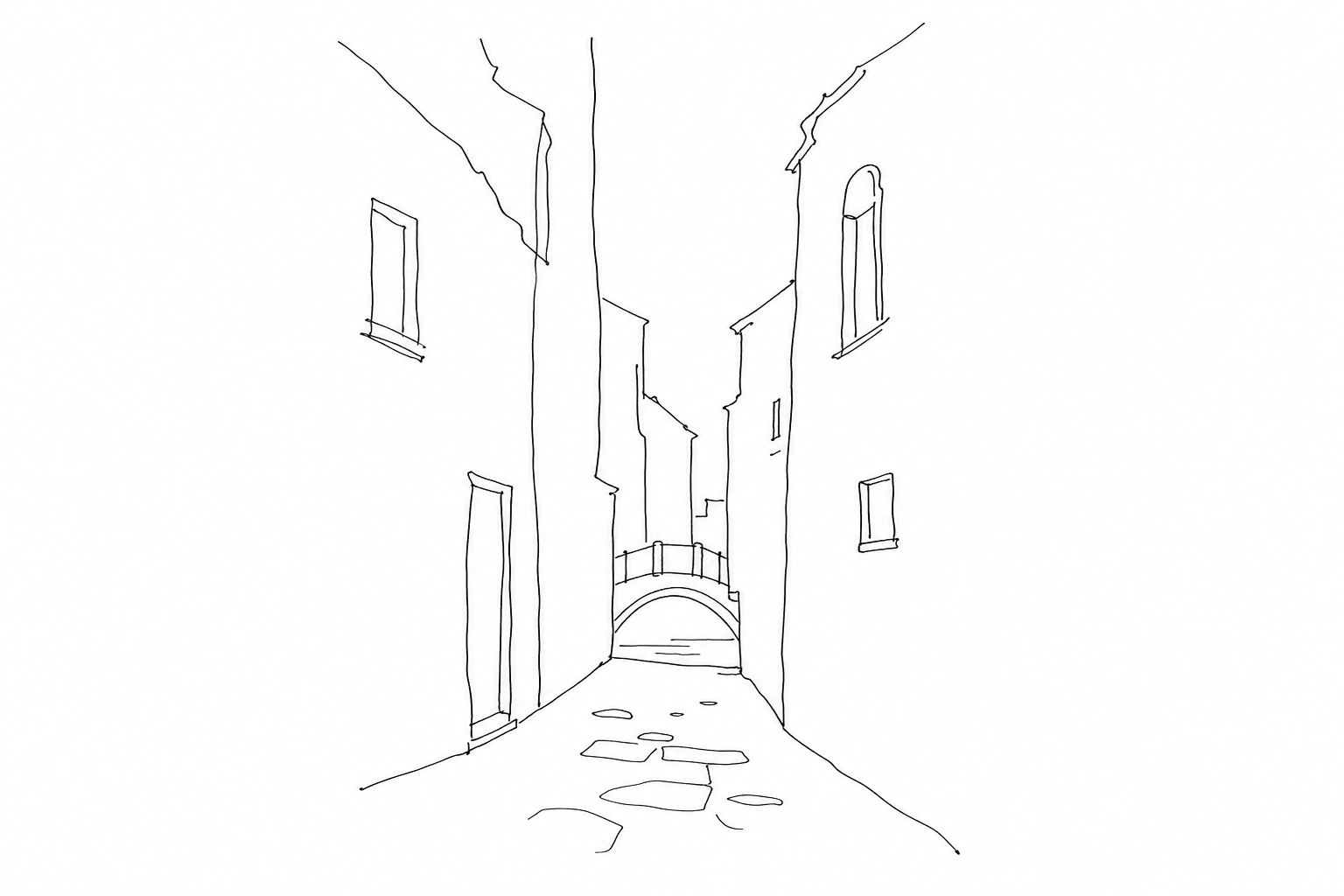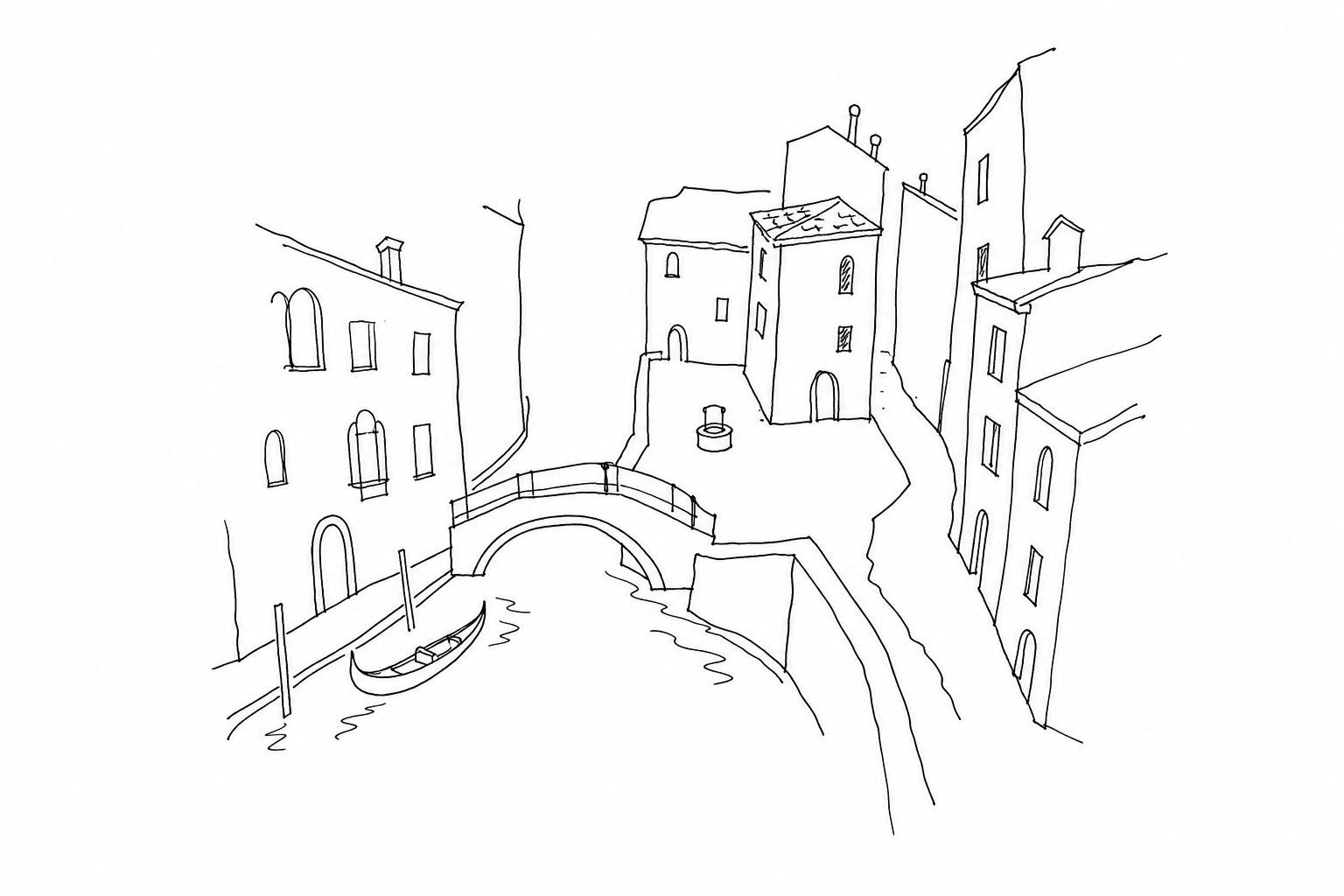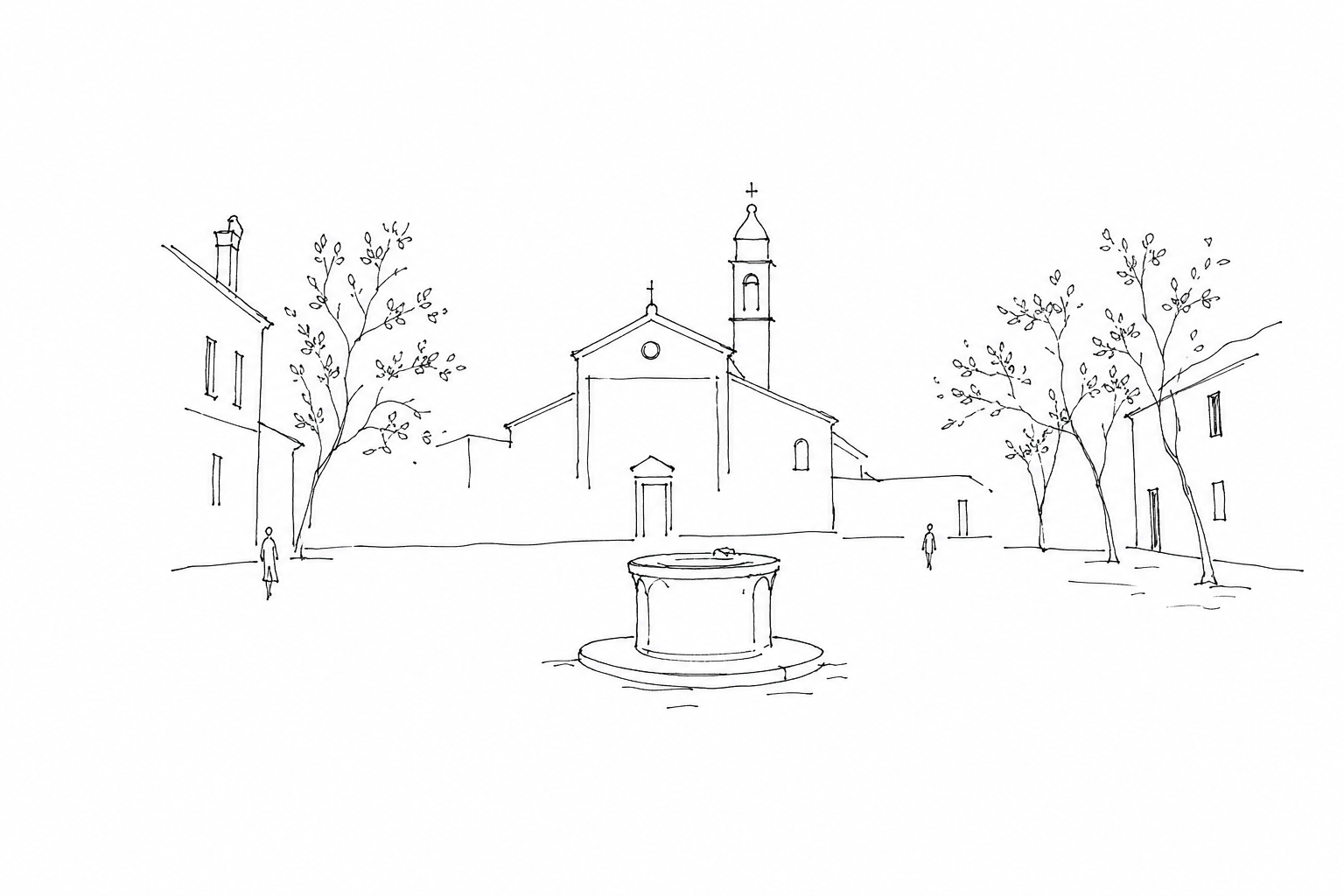
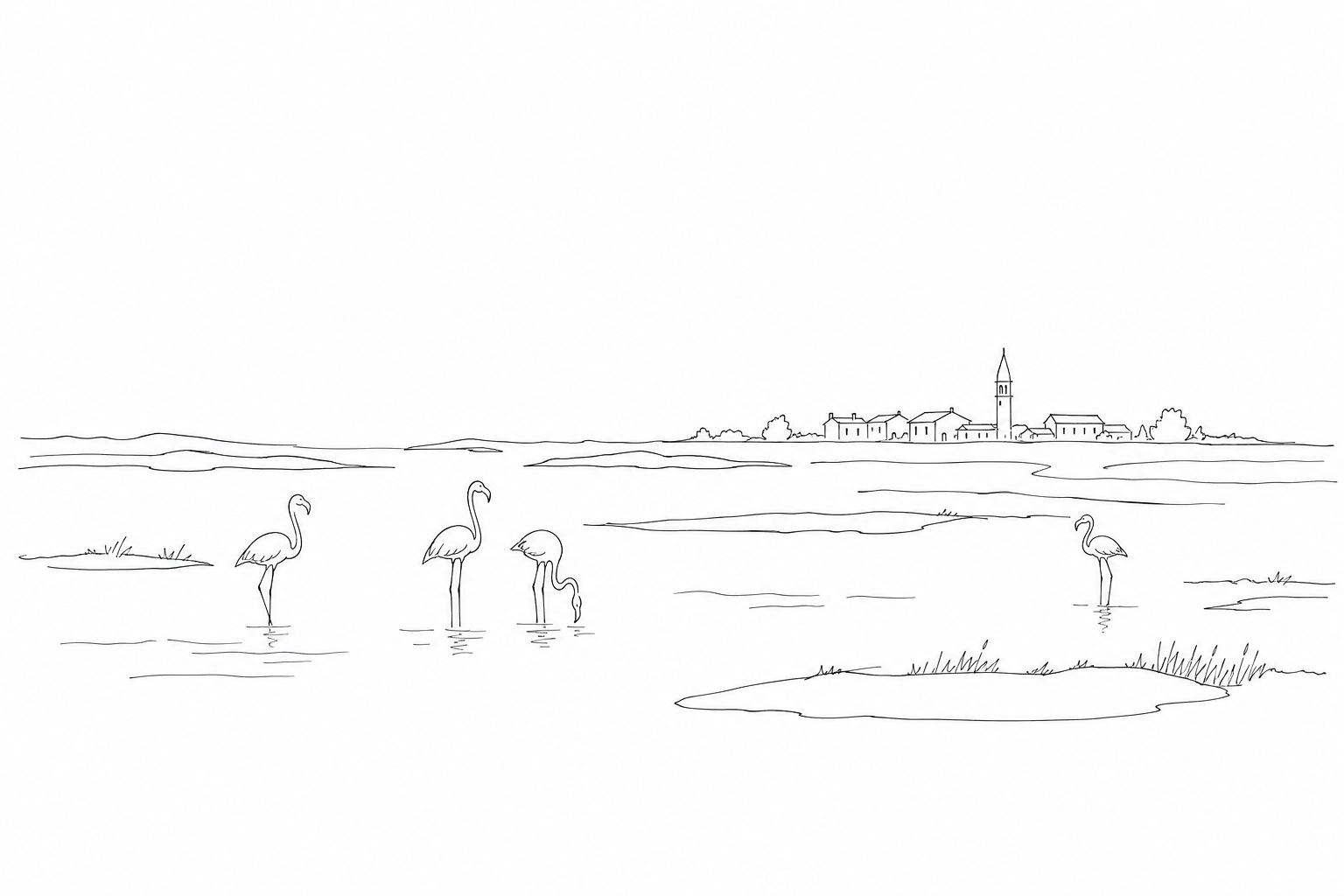
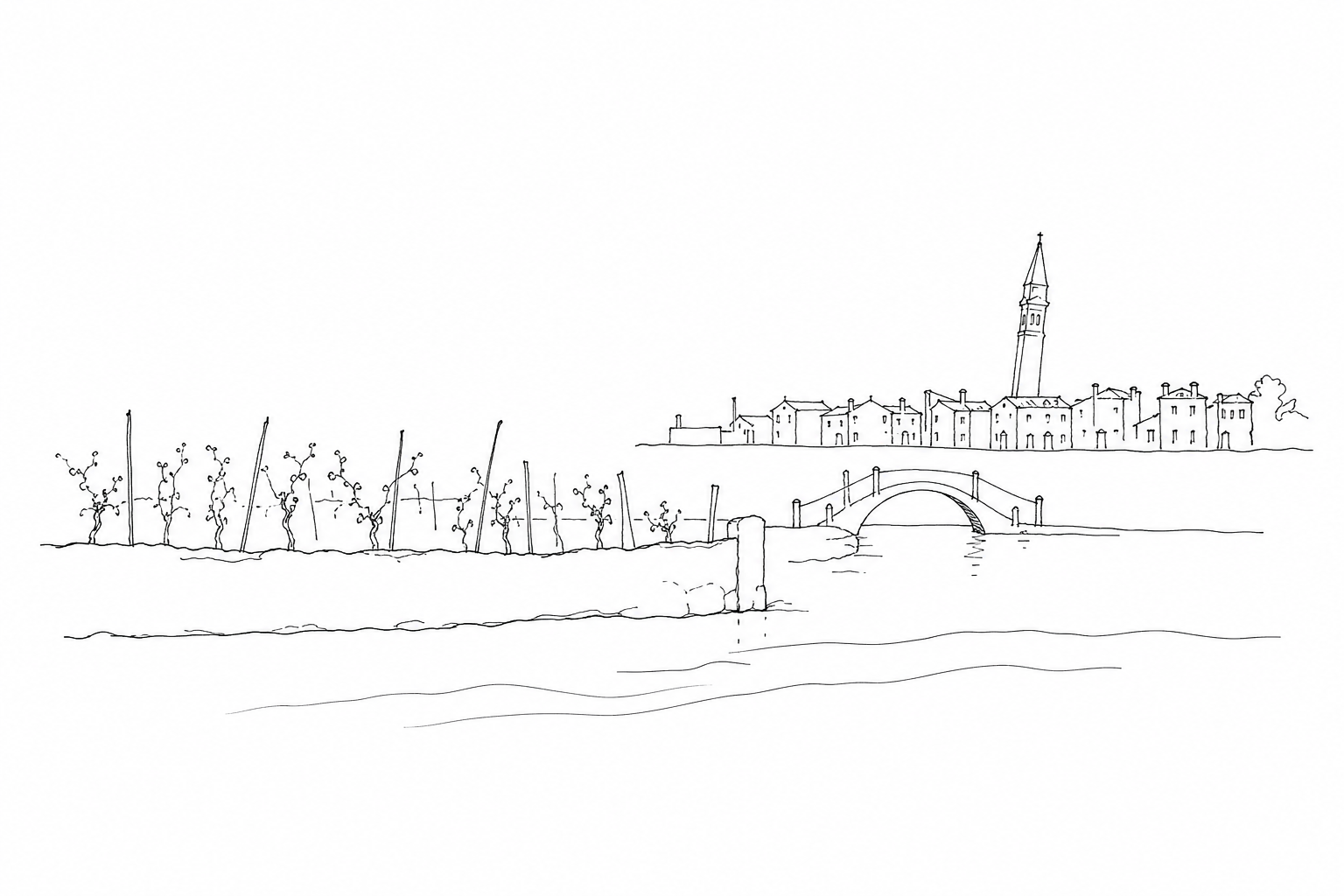
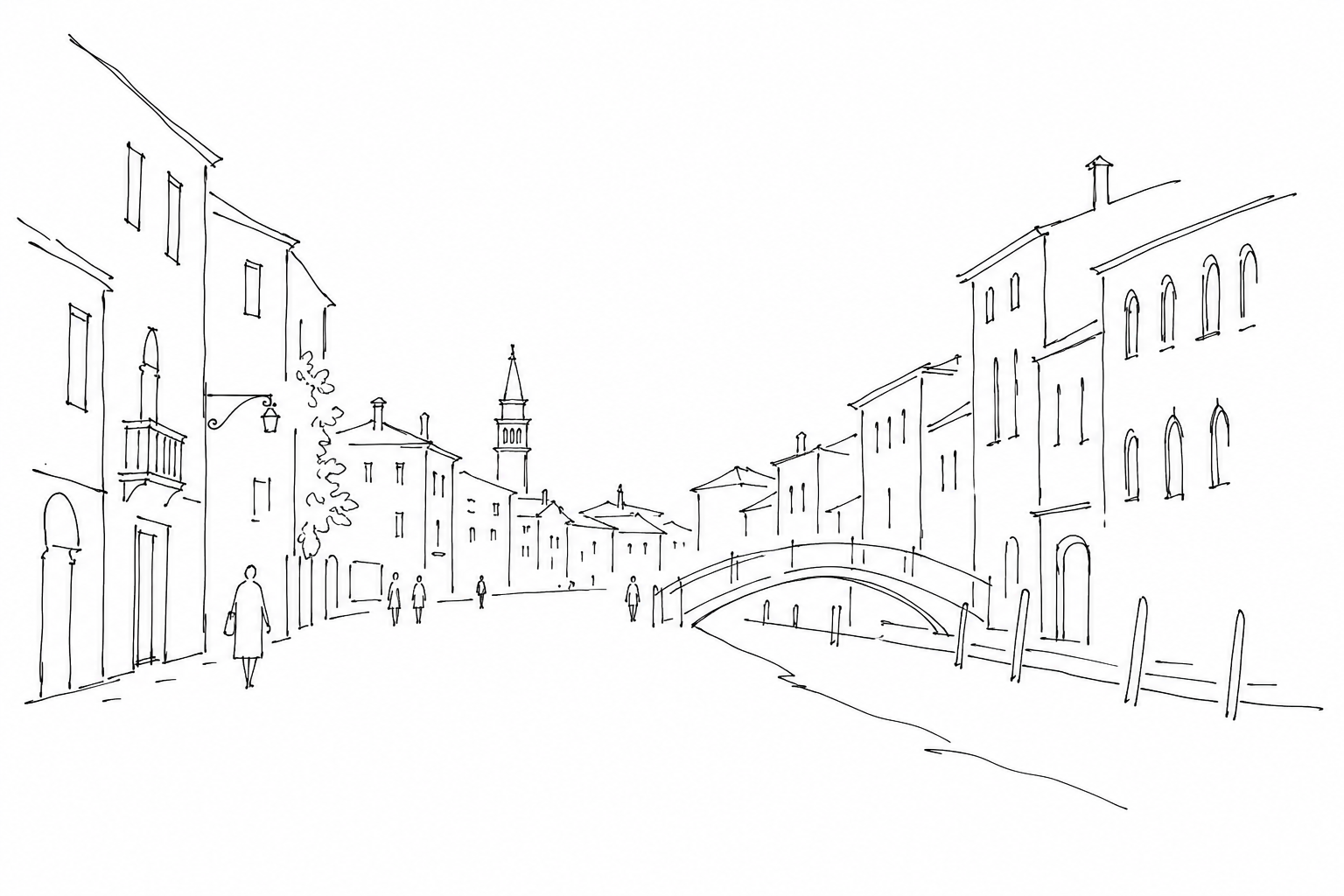

Via Garibaldi is an exception that says a great deal about Venice. In the city’s urban vocabulary, where calli, salizzade, fondamenta and campielli dominate, this street in Castello bears a name that seems common elsewhere but is rare here: “via”. Its width, its origin as a filled-in rio and the daily life that still passes through it make it a place to observe carefully, not only to walk through. Among shops, working-class houses, trees, neighborhood bars and traces of the nearby Arsenale area, Via Garibaldi preserves a rhythm that is less scenic and more lived-in, capable of showing a concrete, historic and surprisingly familiar Venice.
Why in Venice it is really called a “via”
In Venice, streets are almost never called “vie”. The city has its own vocabulary: calle for narrow passages, fondamenta along canals, salizada for ancient paved streets, rio terà for filled-in canals, campo instead of square. Precisely for this reason, Via Garibaldi, in the Castello sestiere, already stands out from its name: it is one of the most obvious and symbolic exceptions in Venetian toponymy.
Its form explains a great deal. It is not a winding calle, but a wide, straight, almost “mainland” axis, created by the filling in of a canal in the Sant’Anna area during the Napoleonic transformations of the early nineteenth century. Before being dedicated to Giuseppe Garibaldi, after the annexation of Veneto to the Kingdom of Italy, it bore a name linked to the French period.
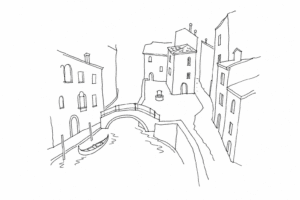
Calling it a “via”, therefore, is not a casual detail: it signals a break in traditional Venice, a modern urban stretch inserted into Castello, a working-class and maritime district, where the city seems to widen its step and breathe like a village.
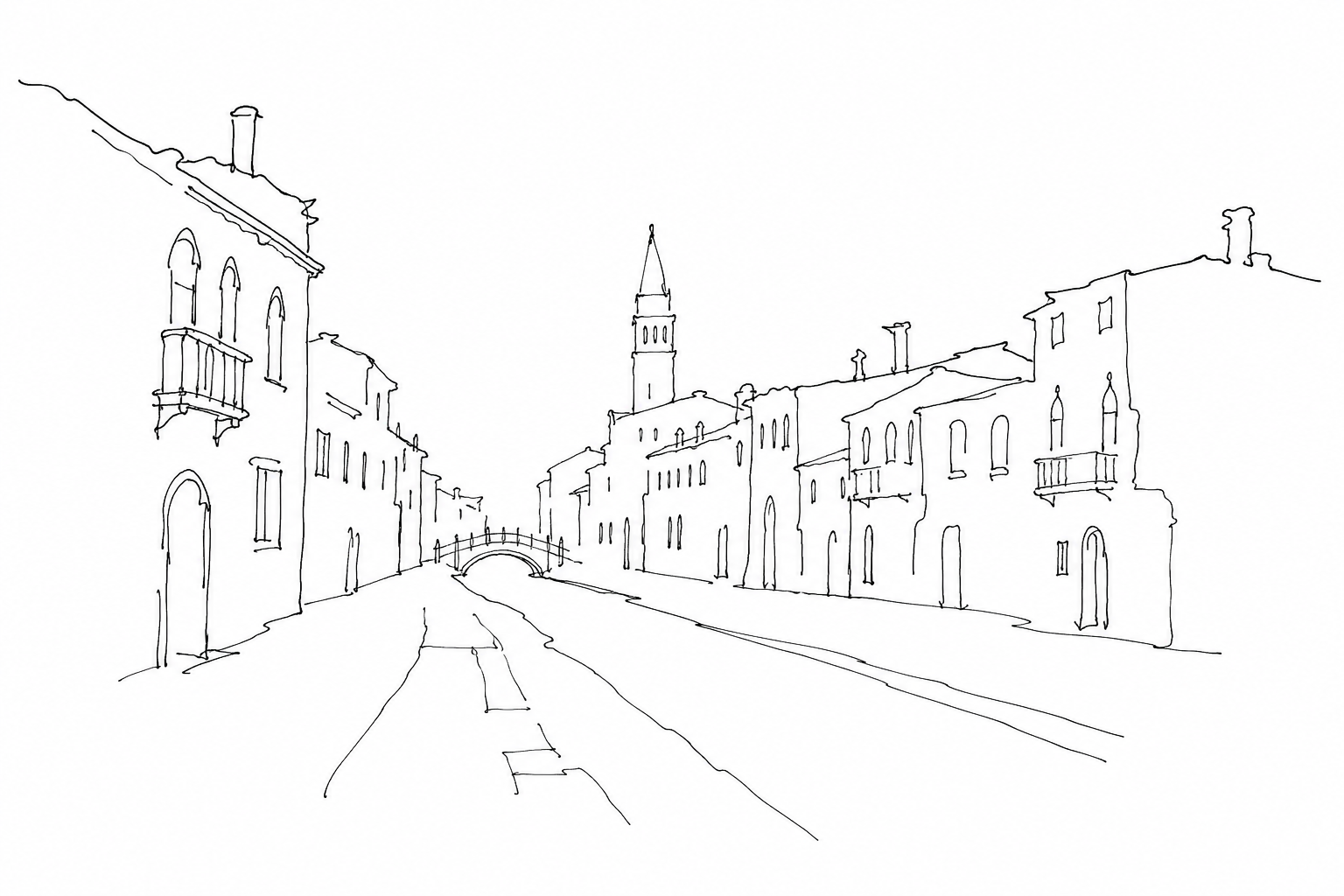
The unusual form of Via Garibaldi comes from a precise urban operation: the filling in of the rio di Sant’Anna, decided in the Napoleonic age at the beginning of the nineteenth century. Where today one walks along a broad and almost straight street, an internal canal of Castello once passed, connected to the water network that served houses, shops, gardens and activities linked to the Arsenale.
The filling transformed that furrow of water into a wide pedestrian thoroughfare, different from the nearby calli. It was not only a change of paving: it changed the way of crossing the district. The new street opened up a longer perspective, encouraged passage, and made the accesses toward the riva and toward the working-class interior of Castello more legible.
Before taking its current name, the route had names linked to the political period of the nineteenth century; the dedication to Giuseppe Garibaldi came after annexation to the Kingdom of Italy. This detail too explains why here the toponymy seems less medieval and more modern: Via Garibaldi is a nineteenth-century graft inside an ancient fabric, a street born from a vanished canal and turned into the daily corso of a district.
The district that breathes like a village
The particularity of Via Garibaldi is not only in its name, rare in a city of calli, salizzade and fondamenta. It is in the way its width produces neighborhood life: people meet without making an appointment, slow down in front of the shops, exchange a phrase between a doorway and a food stall.
This stretch of Castello preserves a popular tone linked to the history of the Arsenale and to the families who have lived for generations in the eastern area of the city. The street functions like a small corso: not monumental, but domestic. The ground floors occupied by shops, bars and everyday services make visible a sociability that elsewhere remains hidden in the campielli or behind the entrances of houses.
The relationship with the water is also different: the filled-in rio can no longer be seen, but it survives in the side rii, in the boats moored just beyond and in the memory of an axis born from an urban transformation. For this reason, walking along it means reading a Venice that is less scenic and more lived-in, where the street becomes a public living room, a necessary passage and the concrete measure of a community.
How to read it during a slow walk
To understand Via Garibaldi, it is best to walk along it without immediately looking for a monument. The first key is the section: it is wide because it was born from the filling in of the rio di Sant’Anna, carried out in the Napoleonic age and initially linked to the name of Eugène de Beauharnais. Looking at its breadth helps distinguish this axis from the nearby calli.
The second key is to observe the edges. The shops on the ground floor, the side entrances, the simple façades and the small widenings tell of a use function even before a decorative one. Stopping at the openings toward the water allows one to perceive the old relationship between rio, fondamenta and houses.
Finally, read the rhythms: the passage toward Riva dei Sette Martiri, the proximity of the Arsenale and the detours to Sant’Anna explain why this street remains a daily axis, not only a crossing route.
Reading Via Garibaldi means looking at Venice from a less monumental and more urban perspective. Its wide, straight form recalls the rio that occupied this space; its name signals a linguistic particularity; the surrounding district reveals habits, encounters and daily continuities often invisible on the most crowded routes. Walking along it slowly, perhaps arriving from the Giardini or from the Arsenale, allows one to grasp minute details: simple façades, neighborhood shops, voices, laundry hanging out, tables, shadows on the trees. It is here that Venice seems to breathe like a village, without ceasing to be profoundly a city.
Related Posts
Castello, Venice at its widest: a walk among the Arsenale, hanging laundry and everyday campi
A slow itinerary in Venice’s largest sestiere, among the Arsenale, fondamenta, laundry and inhabited campi.Campiello, corte, ramo: a small sentimental guide to the words of the Venetian map
A short guide to reading Venice through the words of its nizioleti: campielli, corti, rami, calli, fondamenta and rii.
Calle Varisco: seeking one of Venice’s narrowest calli without turning it into a trophy
A brief guide to Calle Varisco: where to look for it, why it matters and how to pass through it with restraint, without reducing it…Questions Answered
Why is Via Garibaldi called a 'via' when most Venetian streets are not?
Because it breaks traditional Venetian street naming by being a wide, modern axis.How was Via Garibaldi created?
By filling in the rio di Sant’Anna during Napoleonic urban reforms.What kind of life does Via Garibaldi support today?
A working-class, neighborhood life with shops and social interactions.How does Via Garibaldi change the typical Venice experience?
It shows Venice as a lived-in village rather than just a historic city.
Keep walking through Castello
Want to stay among churches, waterfronts and places where Venice opens out and feels more everyday?
 Calle del Paradiso: a gentle name for looking at Venetian toponymy more carefullyA small Venetian name becomes a guide for reading nizioleti, calli and urban memory with greater precision.
 Riva degli Schiavoni: reading the ancient port behind the most photographed promenadeAn urban reading of the Riva degli Schiavoni: landings, palaces, mercantile memory and a slow gaze between San Marco and Castello.
 Calle dei Assassini: history, atmosphere and caution behind a striking nameA strong name, a calle in San Marco and what it really tells: toponym, urban context and interpretive caution.
 San Giorgio dei Greci: the leaning bell tower that tells the story of Venice’s foreign communitiesHistory, architecture and an urban reading of San Giorgio dei Greci, between the Greek community, Castello and a leaning bell tower.