
Calle del Paradiso is one of those Venetian names that seem simple, almost gentle, but that invite the gaze to slow down. In the city’s toponymy, words are never just labels: they preserve trades, devotions, families, urban transformations and small clues of daily life. Starting from this calle means observing Venice on a minute scale, where a name can open up questions about context, the memory of places and the way the city tells its story without explaining itself too much.
Why start from Calle del Paradiso
Calle del Paradiso is a good starting point because its name seems simple, almost sentimental, but it immediately forces you to read Venice with greater precision. We are not looking at a generic “street”: a calle indicates a small street, often narrow, set within a fabric of bridges, campielli and covered passages.
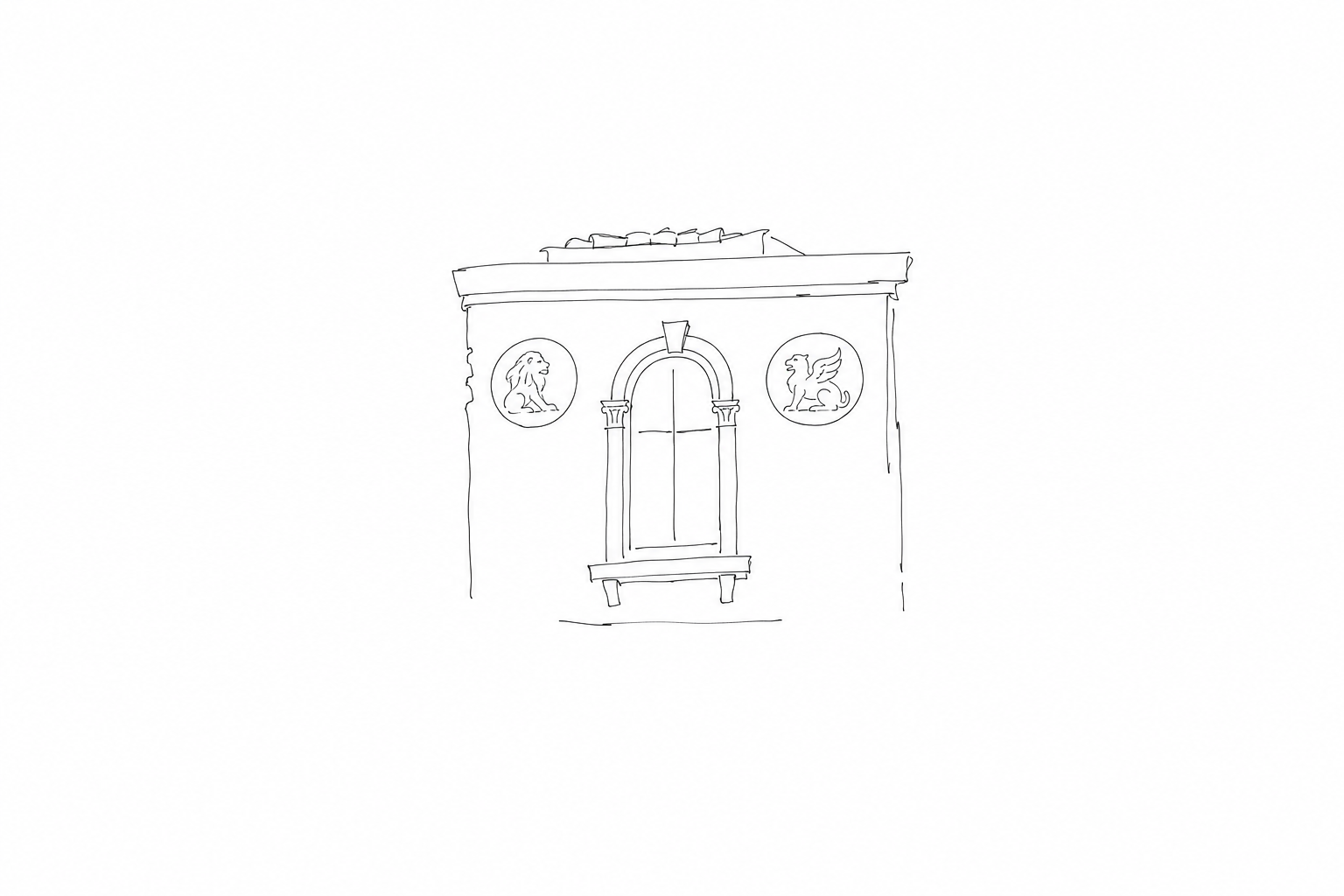
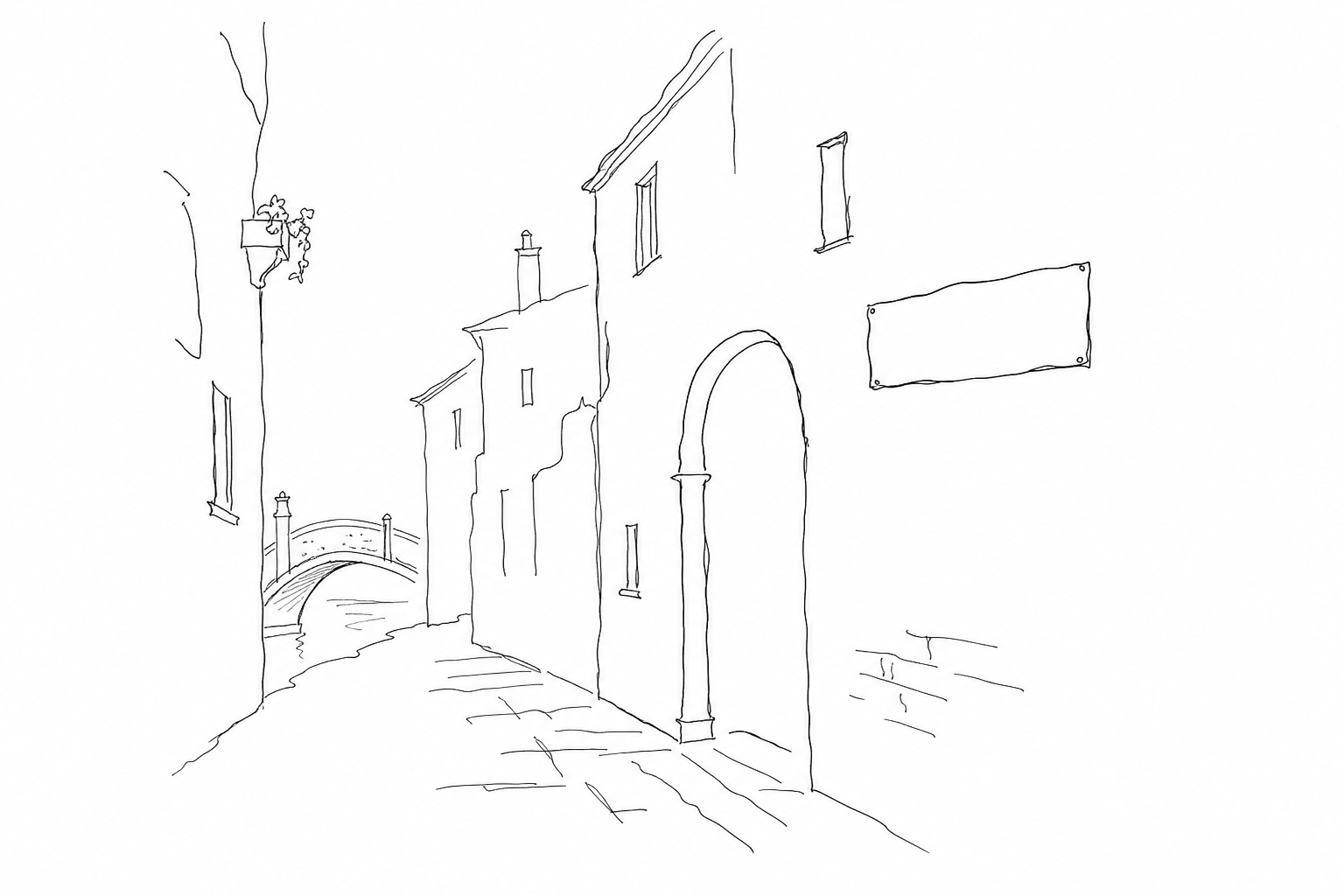
In the Santa Maria Formosa area, the name Paradiso does not exist in isolation: it returns among calle, bridge and sotoportego, forming a small urban sequence. Here toponymy is not just a label, but memory fixed on walls. The famous Gothic arch of Paradiso, with its decorative and devotional presence, recalls that a Venetian name can arise from the interweaving of families, buildings, sacred images and the everyday use of space.
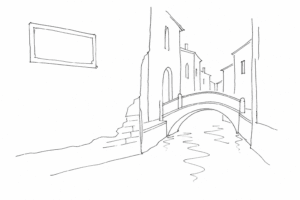
Starting from this place therefore means avoiding a postcard-style reading. “Paradiso” should not be taken only as a gentle word: it is a concrete trace, useful for understanding how Venice has transformed architectural details and local memories into orientation.
Where to look for it and how to observe the context
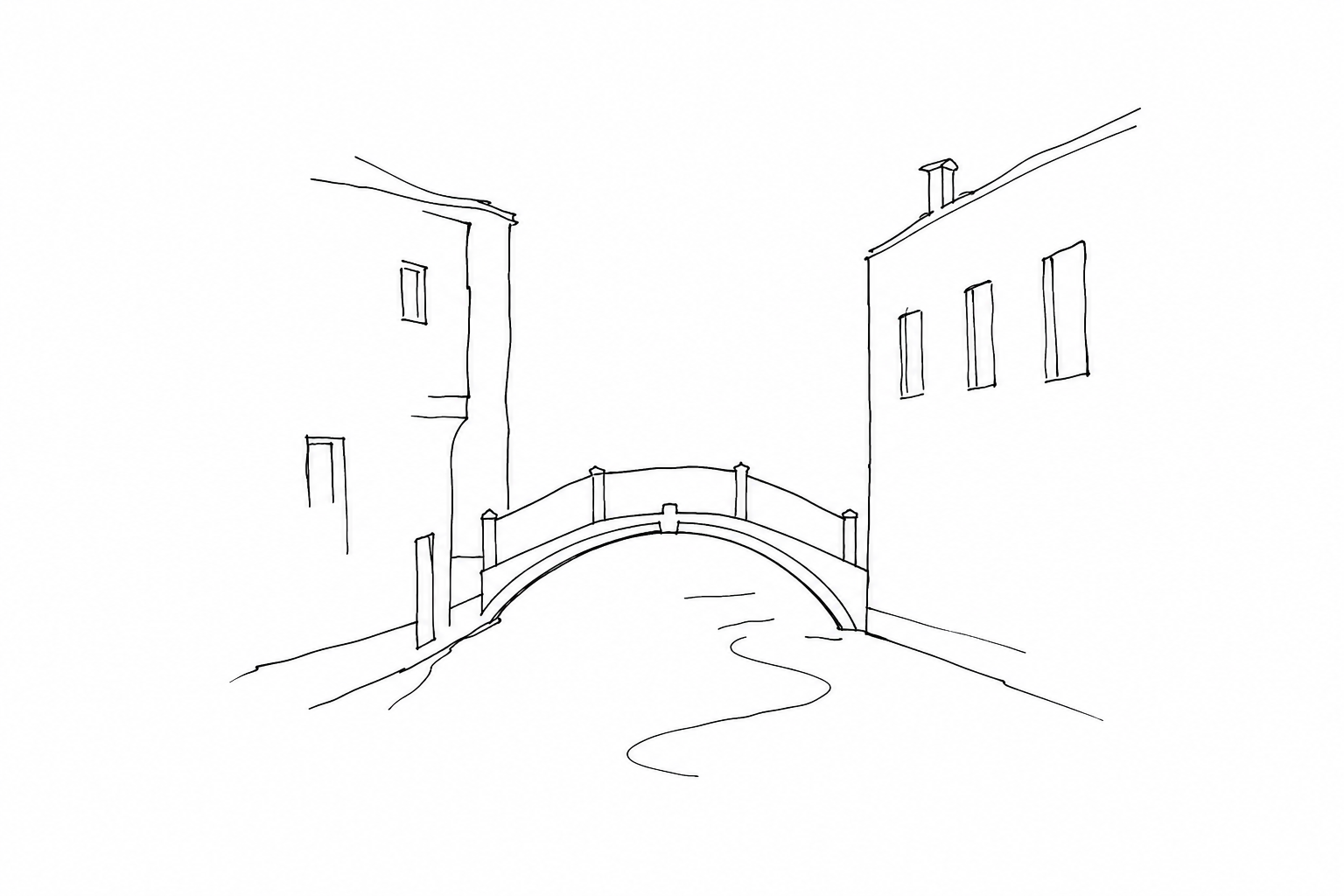
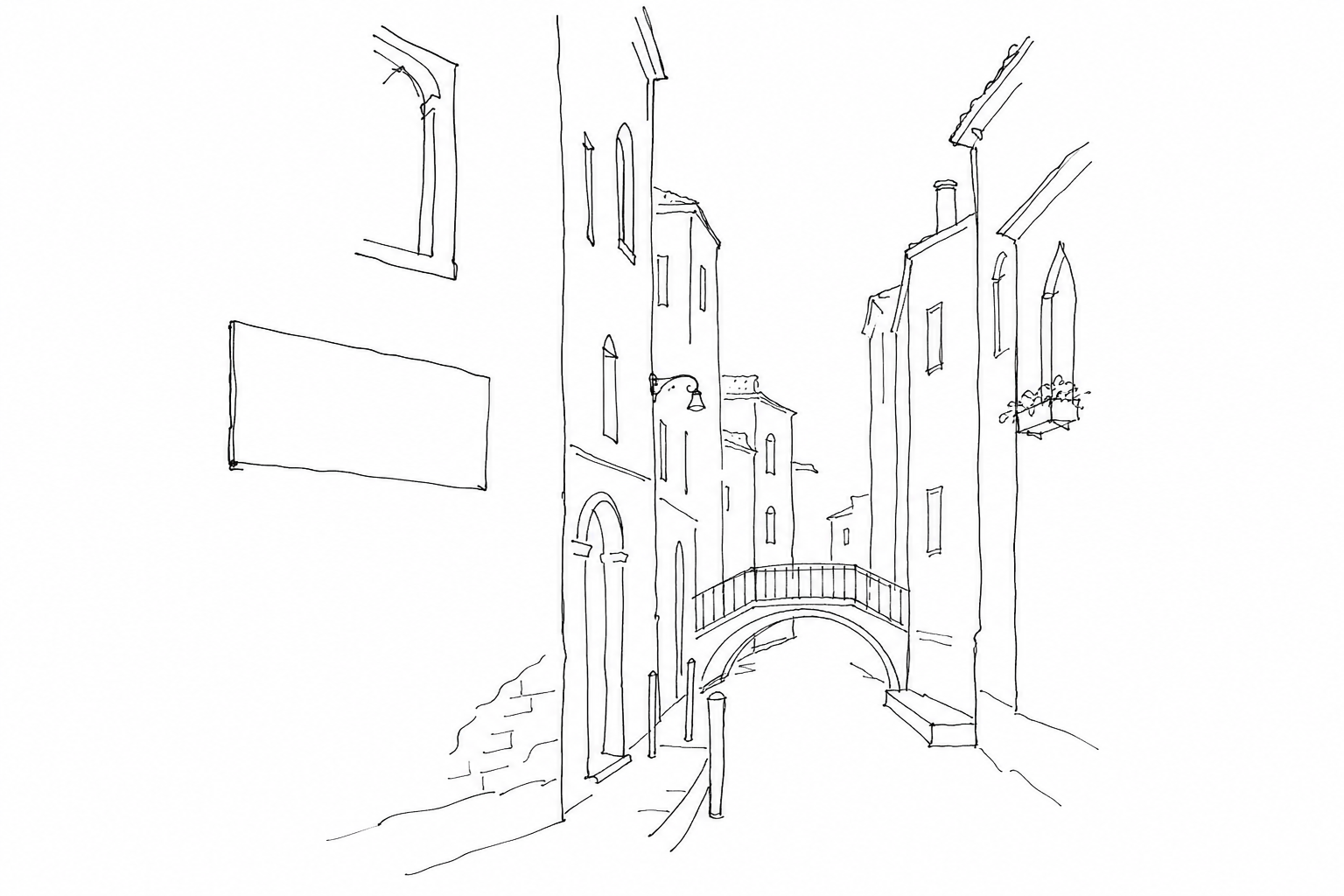
Calle del Paradiso is located in the sestiere of Castello, in the area of Santa Maria Formosa: it is not an isolated episode, but a stretch set within a dense network of campielli, narrow passages, small bridges and façades that change scale within just a few steps. To understand it, it is better to look at its relationship with the nearby fabric, rather than only looking for the sign.
The most significant reference is the Arco del Paradiso, an architectural element that transforms the route into a small urban threshold. The arch, with its Gothic character and the presence of a devotional image, clearly shows how in Venice orientation, private building and religious signs can overlap in the same point.
The context also helps avoid reading the toponym as pure poetic fantasy. Here the name dialogues with stone, passage and local memory: the street does not “tell” by itself, but asks us to observe what surrounds it, from the openings of the houses to the continuity between inhabited space and public route.
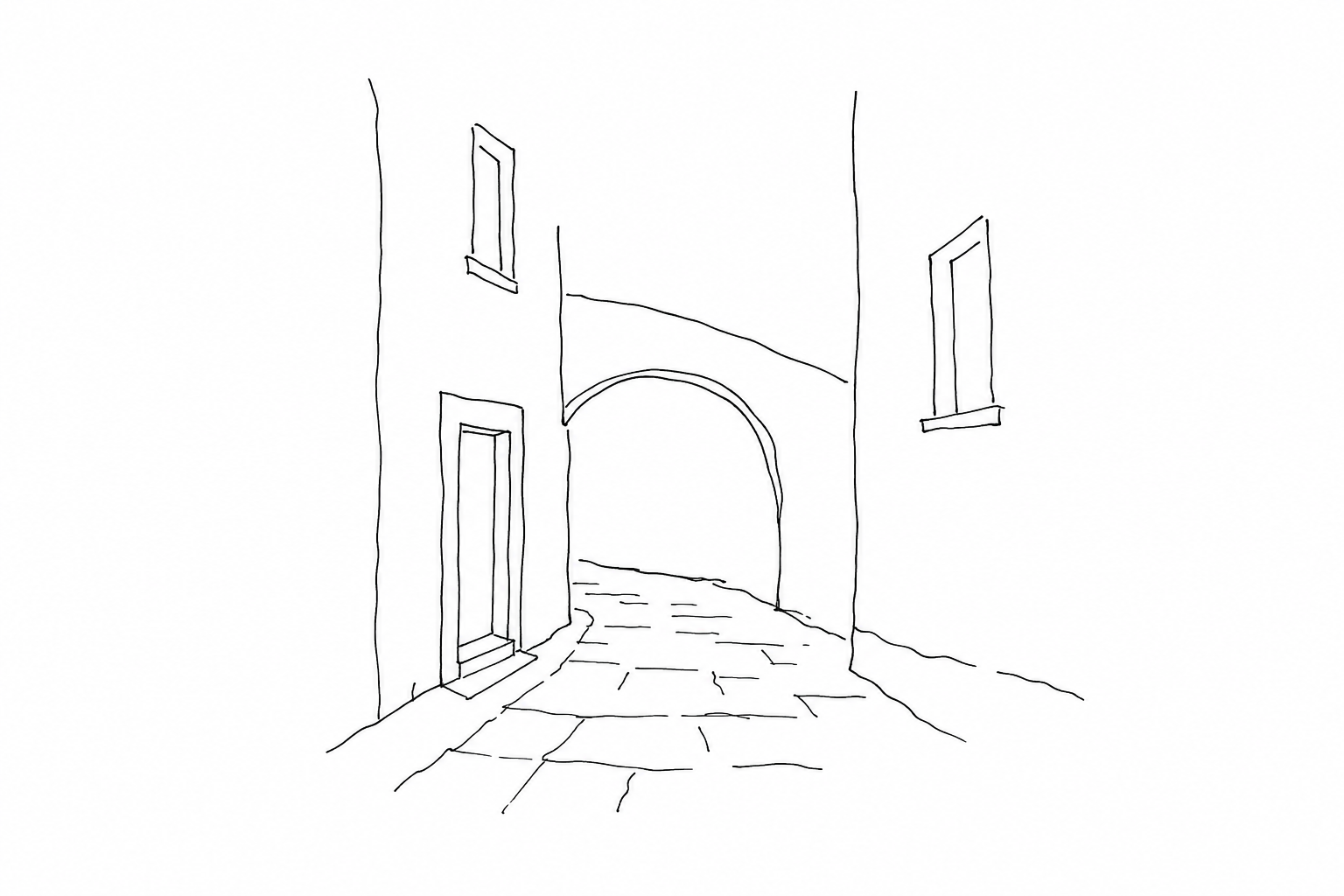
In a city where many names arise from trades, families, inn signs, sacred images or small signs of ownership, Paradiso should be read with caution. There is no need to imagine a single and certain origin: Venetian toponymy often preserves traces born from everyday use, later fixed in the nizioleti, the black-and-white wall inscriptions that made official what previously circulated in local speech.
For this reason, the value of the toponym does not lie only in its sweetness. It may refer to a sign, a devotional decoration, or a residential or commercial memory that is not immediately recognizable today. In the area of Santa Maria Formosa, rich in covered passages, layered façades and small courtyards, a name like this works as a clue: it invites us to ask what visible sign, what house or what custom made that reference stable enough to remain.
The lesson is methodological: do not turn an evocative sound into an automatic legend. It is better to observe the context, compare historical maps and local repertories, and accept that some toponyms also have value for their ability to preserve a question.
What it teaches attentive visitors
This short passage invites us to use minute toponymy not as decoration, but as a tool for historical orientation. The first clue is the nizioleto, the cartouche painted on the walls: spelling, position and relationship with bridges, rii and sottoporteghi help us understand whether the indication serves to guide, distinguish property or fix an ancient use.
A practical method consists of proceeding in circles. First, observe the immediate surroundings: façades, arches, votive shrines, patere, wellheads, possible coats of arms. Then widen the gaze to the historic parish and the sestiere, remembering that Venetian house numbering follows large zones, not individual streets. Finally, compare maps and repertories, without forcing a single explanation.
In this way the gentle name becomes a small test of urban reading: it teaches us to slow down, connect material signs and words, and distinguish between a plausible hypothesis and a too-easy story.
Looking carefully at Calle del Paradiso does not mean searching for a definitive answer, but learning a method: reading names, comparing them with the space, noticing arches, campielli, passages, relationships between buildings and urban habits. Venice becomes more interesting when it is not crossed only to reach a monument, but listened to in its minor details. Even a calle with a light name can remind us that the city is made of overlapping traces, and that every slow route adds depth to the visitor’s experience.
Related Posts
Campiello, corte, ramo: a small sentimental guide to the words of the Venetian map
A short guide to reading Venice through the words of its nizioleti: campielli, corti, rami, calli, fondamenta and rii.Venetian nizioleti: reading the names of the calli like a map written on the walls
Guide to Venetian nizioleti: origin, form, recurring words and practical use for finding your way among calli, campi, rii and sestieri.
Calle dei Assassini: history, atmosphere and caution behind a striking name
A strong name, a calle in San Marco and what it really tells: toponym, urban context and interpretive caution.Questions Answered
Why is Calle del Paradiso a useful starting point?
Because it reveals Venice’s detailed urban fabric and meaningful toponymy.What does the Arco del Paradiso represent?
It shows the overlap of religious, architectural and orientation elements.How should Venice’s street names be interpreted?
By observing context, historical maps, and local signs carefully.What lesson does Calle del Paradiso teach visitors?
To slow down and connect names with physical and social urban traces.
Inside the Venice of Castello
Would you like to connect this story with places showing the district’s maritime and lived-in character?
 Via Garibaldi: Venice’s only “via” and the district that breathes like a villageHistory, urban form and daily life of Via Garibaldi, a wide and popular axis in the Castello sestiere.
 Calle dei Assassini: history, atmosphere and caution behind a striking nameA strong name, a calle in San Marco and what it really tells: toponym, urban context and interpretive caution.
 Venetian nizioleti: reading the names of the calli like a map written on the wallsGuide to Venetian nizioleti: origin, form, recurring words and practical use for finding your way among calli, campi, rii and sestieri.
 Piscina in Venice: when a name on the map recalls the water that can no longer be seenA name in the nizioleti tells of filled-in basins, toponyms and Venice’s urban memory.