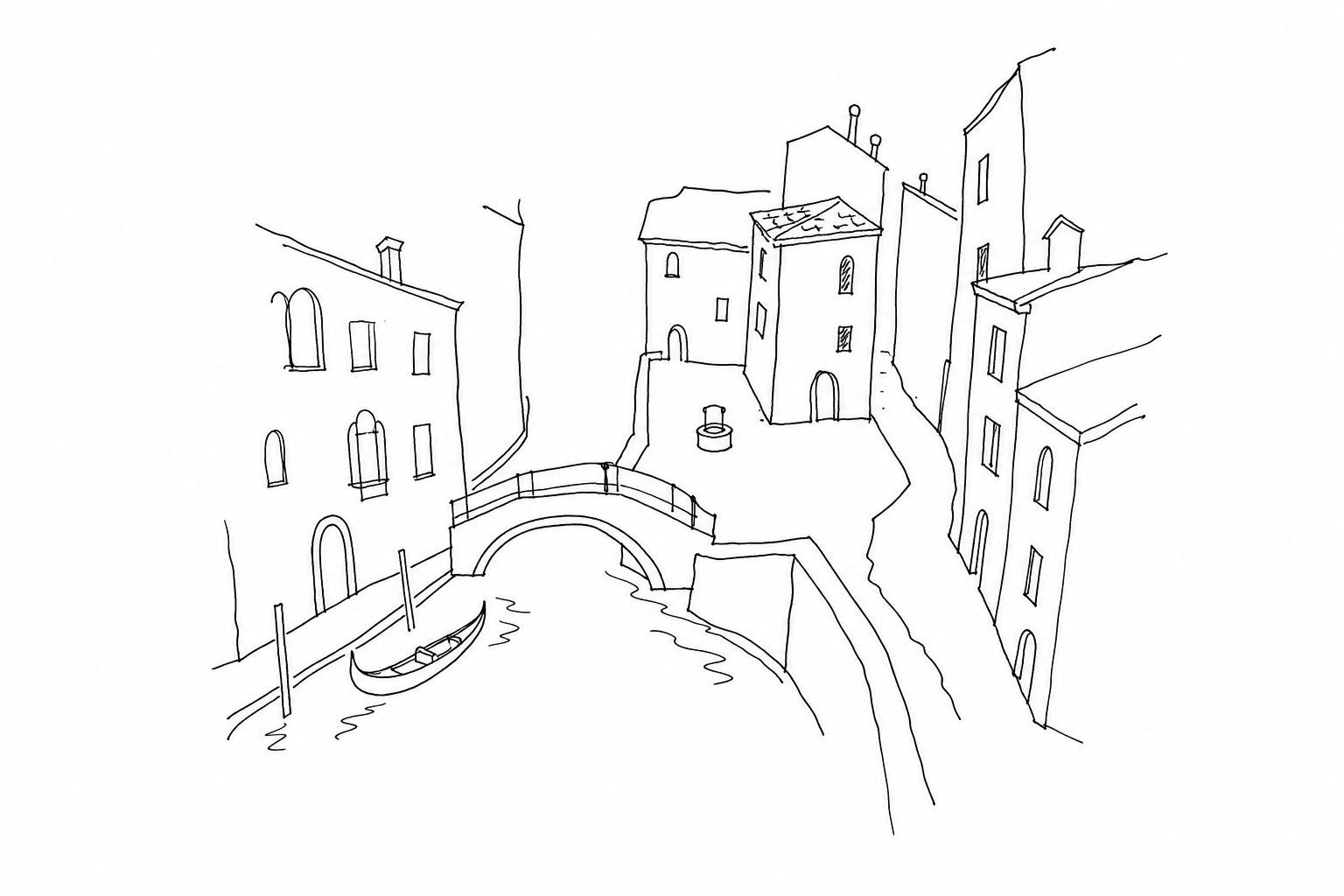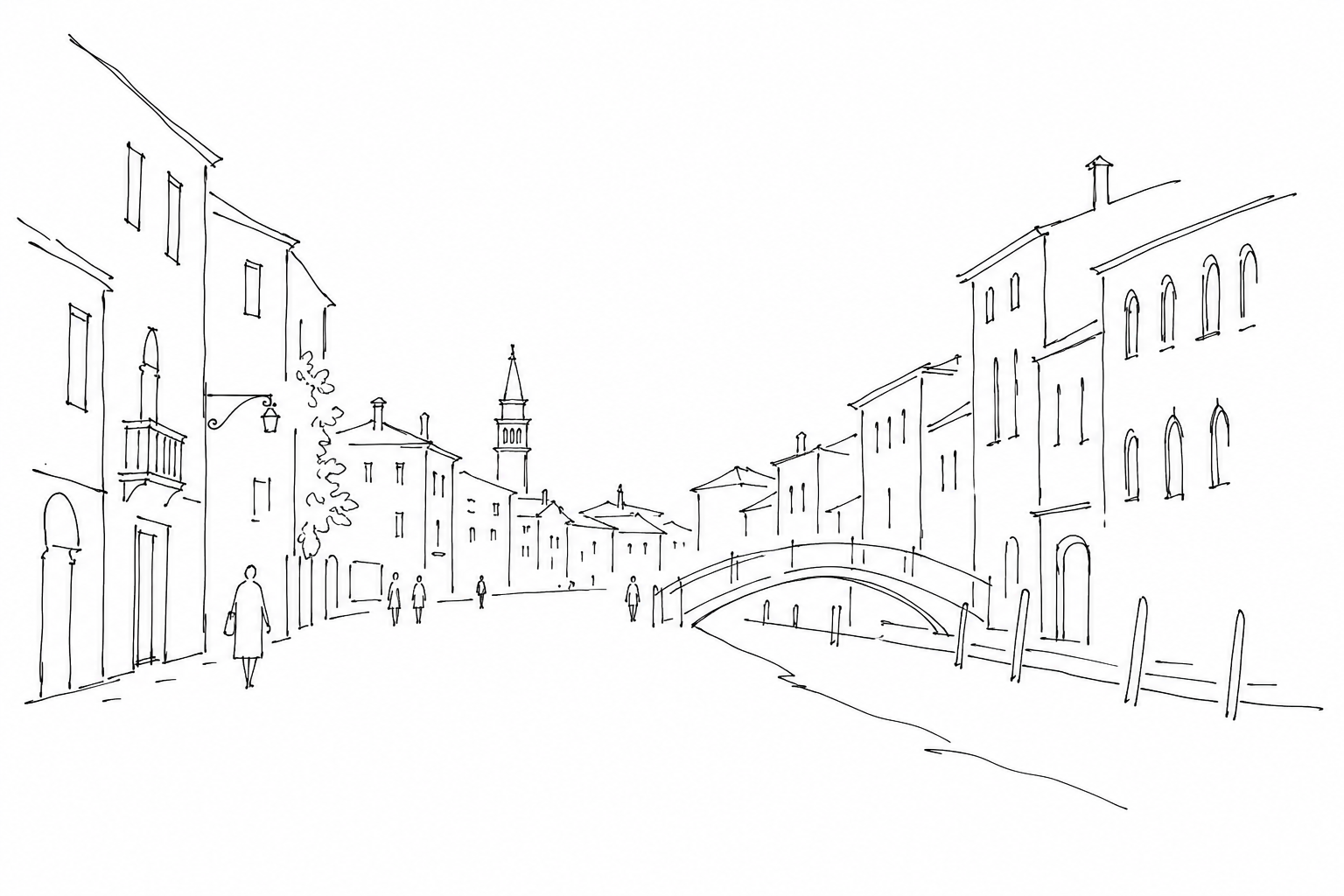
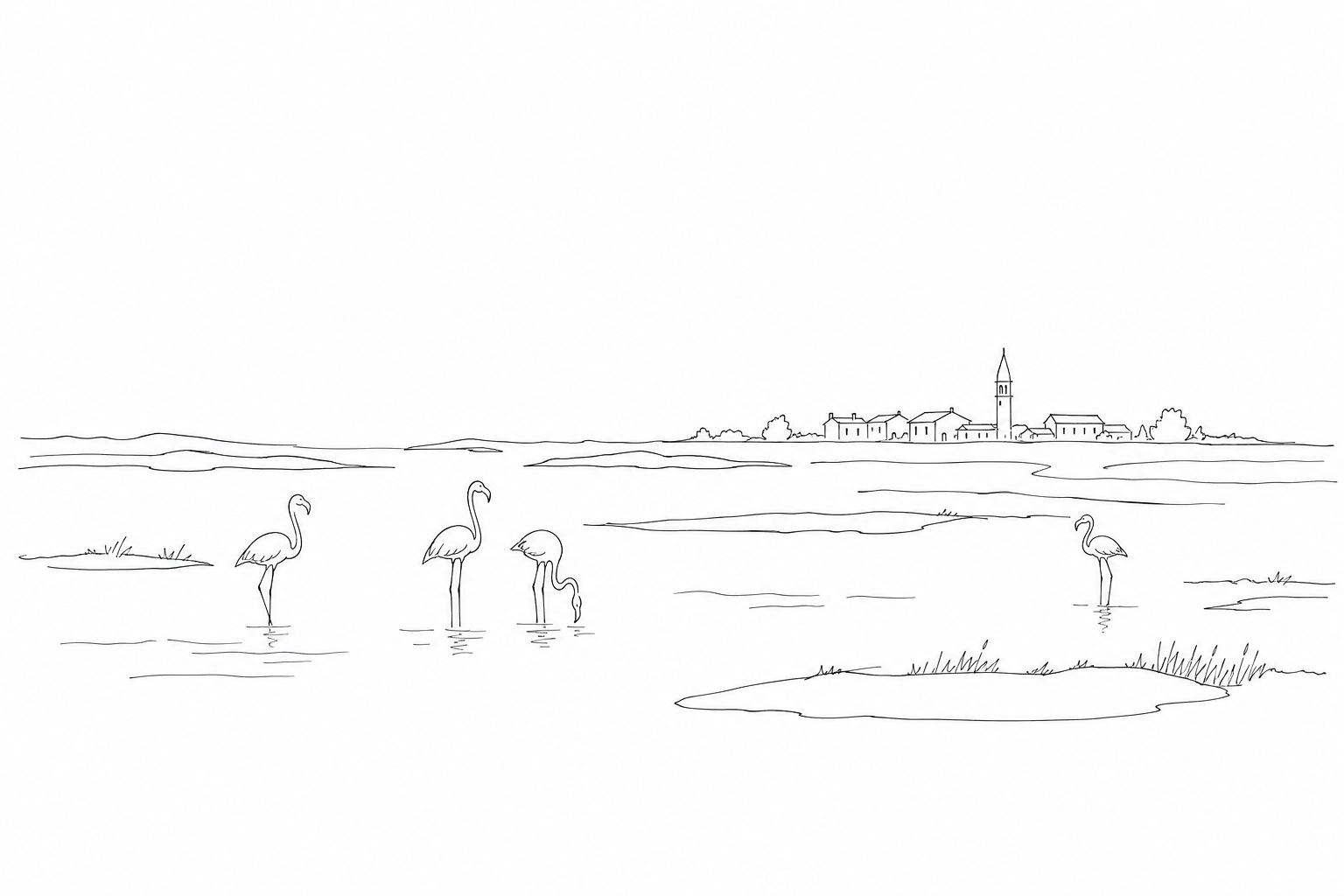
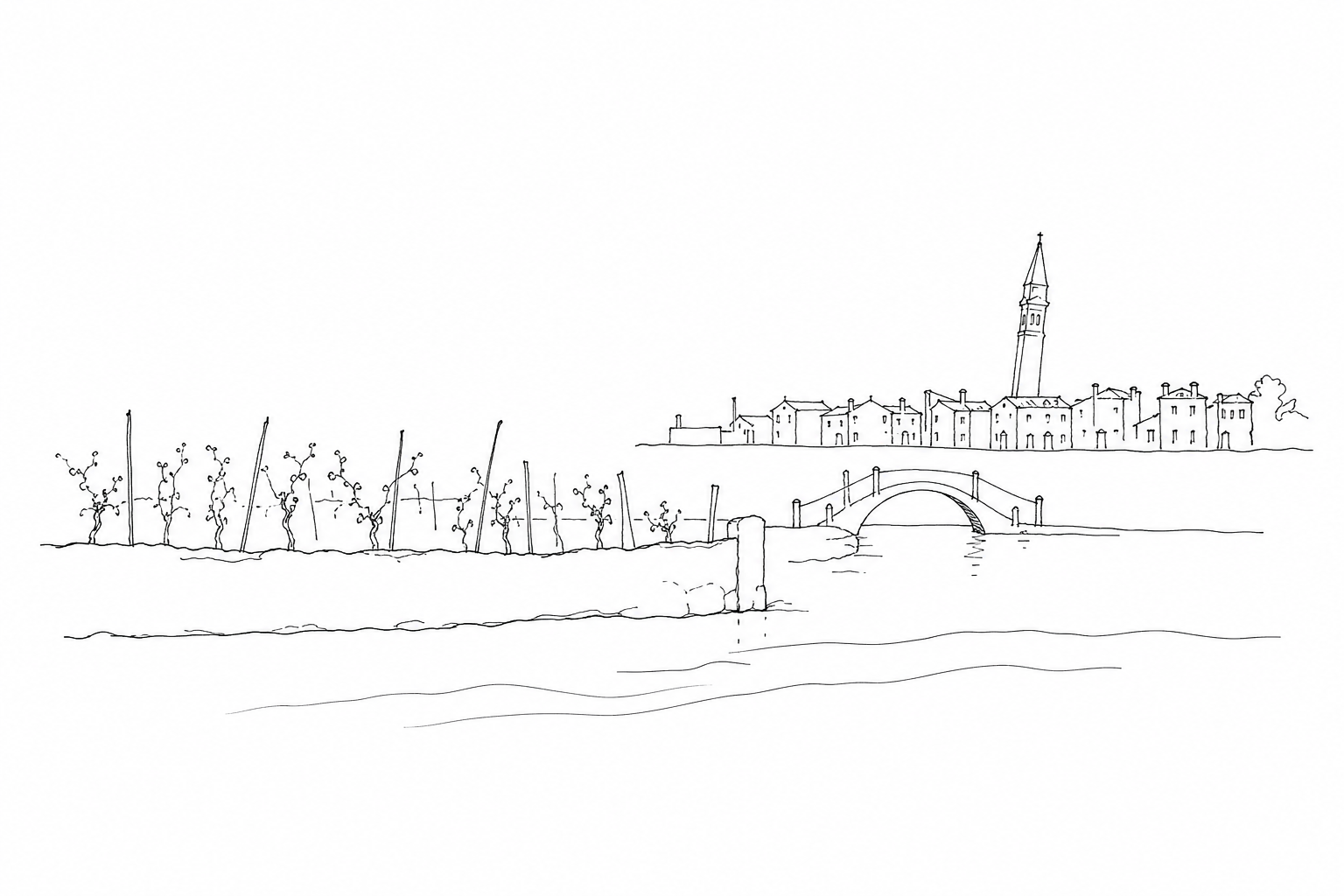
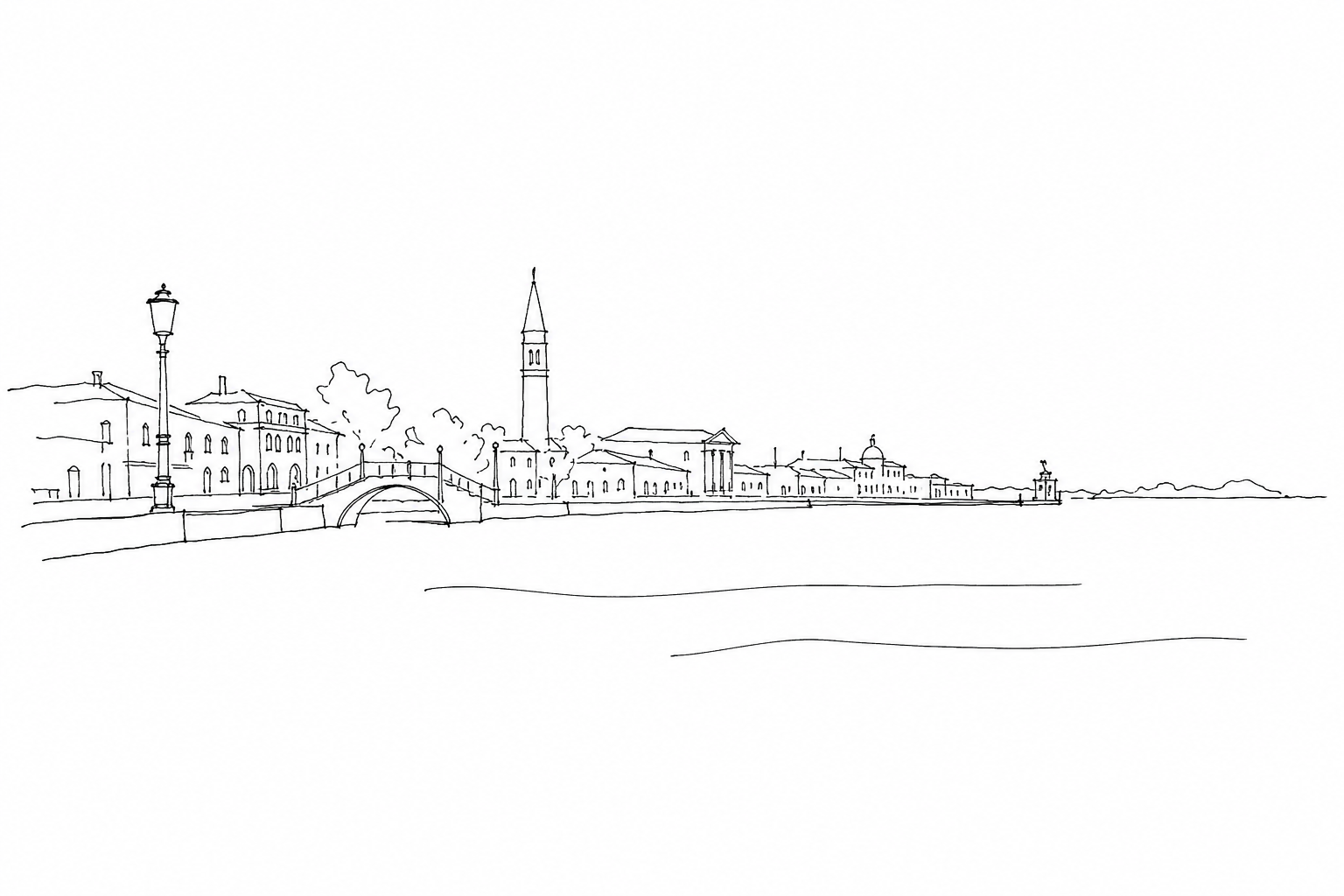

The Riva degli Schiavoni is one of the most photographed places in Venice, but reducing it to a panoramic backdrop means losing its deeper function. Here the city looked out to the sea, welcomed ships, goods and communities arriving from the eastern Adriatic, while palaces, churches and warehouses drew a living threshold between water and stone. Reading it today requires slowing down: observing the landings, the fronts of the buildings, the traces of trades and the way in which the daily flow continues to transform this long urban line.
Not just a promenade: where the reading of the Riva begins
The Riva degli Schiavoni is better understood if it is seen as a threshold, not as a simple backdrop for photographs. On one side are San Marco, the Doge’s Palace and the ceremonial power of the Republic; on the other the open basin, where for centuries ships, goods, ambassadors, pilgrims and sailors arrived. Proceeding toward Castello, the perspective changes: the monumental scene allows a more port-related Venice to emerge, linked to the Arsenale, the landing places and foreign communities.
The name itself is a concrete trace: the “Schiavoni” were merchants and navigators from the Dalmatian coast, a habitual presence in Venice’s Adriatic trade. The current promenade therefore covers an ancient function: a landing quay, a place for unloading, a space for waiting and meeting.
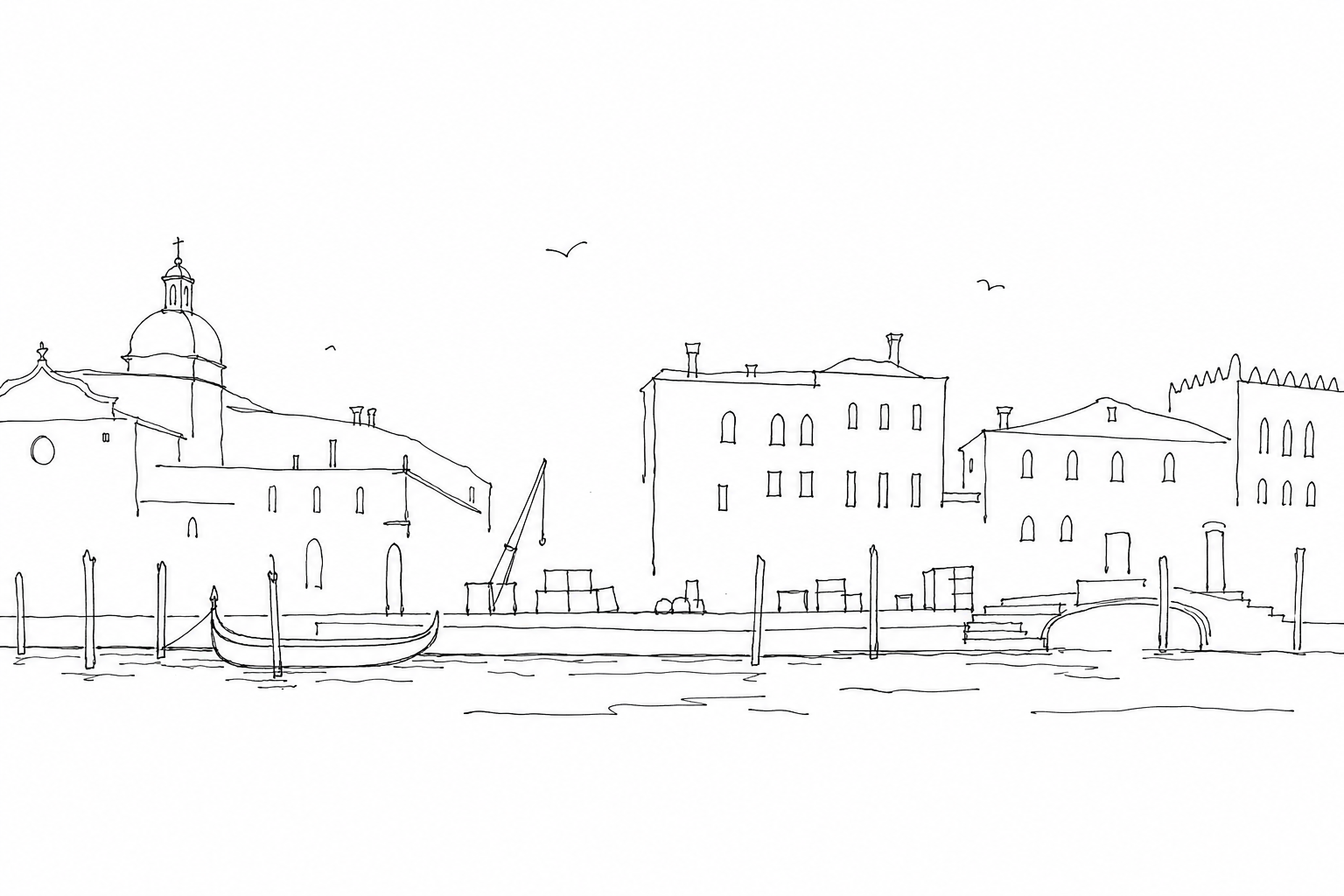
Reading the Riva means observing the line between stone and water: bridges, quays, hotel façades born from historic palaces, churches and side openings toward Castello indicate that here the city did not end at the sea, but began from the port.
The port in front of the city: goods, peoples and landings
The very name of the Riva preserves the memory of its function: the “Schiavoni” were the inhabitants of the Slavic and Dalmatian lands overlooking the Adriatic, habitual interlocutors of Venice. Boats and ships arrived here from Zadar, Split, Ragusa and many other eastern ports, carrying timber, stone, wine, oil, salt, hides and products destined for the city markets.
The position was not accidental. In front of the Doge’s Palace and a short distance from the Molo di San Marco, the Riva connected political power with maritime traffic. The basin was a great antechamber of water: vessels dropped anchor, unloaded, waited for checks, contracts and permits. Today’s promenade therefore retraces an operational quay, where the movement of goods mingled with different languages, clothing and trades.
Reading the Riva as a port also means observing its width and continuity: not an ornamental edge, but a useful space for stopping, bargaining, transporting. The façades overlooking the water were urban backdrops, but also signals for those arriving from the sea and recognizing Venice first from its waterfront rather than from its inner squares.
Palaces, churches and signs to observe while walking
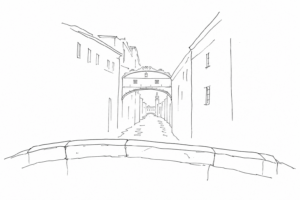
To read the waterfront without stopping at the photo, it is useful to proceed by thresholds. To the west, the Palazzo delle Prigioni and the Bridge of Sighs recall that here the scenic image is intertwined with judicial functions: the bridge connected the new prisons to the rooms of the Doge’s Palace. A little further on, the Gothic mass of Palazzo Dandolo, today known for its hotel use, preserves in the rhythm of its windows and arches the idea of a patrician residence exposed to arrivals from the basin.
Looking toward the land, the church of Santa Maria della Visitazione, known as della Pietà, introduces another layer: the women’s hospital and conservatory linked to Antonio Vivaldi. It is not a side detail: music, assistance and devotion coexisted a few steps from the landings.
The equestrian monument to Vittorio Emanuele II, with Risorgimento reliefs, also indicates how the nineteenth century rewrote this edge with national memory. Underfoot, finally, the masegni paving stones, the steps down to the water, the metal rings and the stone parapets are small but essential clues: they show the continuous passage between the built city and the lagoon, precisely along this stretch of the Schiavoni.
How to cross it without stopping at the photo
A good way to cross this stretch is to alternate three gazes, without always remaining on the panoramic edge. First look down: steps, landings, rings, worn stones indicate a line of work, not just a setting. Then turn toward the façades: windows, transformed warehouses, side entrances and narrow passages explain how religious buildings, prisons, hospitality and trade coexisted on the same urban front.
- Stop on the bridges: from there you can better understand the relationship between internal canals and the open basin.
- Walk in a zigzag: one side shows the water, the other the city that serves it.
- Observe the levels: raised thresholds, parapets and steps tell of continuous adaptations to the lagoon level.
Only afterward return to the long view toward San Giorgio and the Dogana: the photograph becomes clearer because you have already recognized the operational structure hidden behind the famous image.
Crossing the Riva degli Schiavoni attentively means changing perspective: no longer merely walking in front of a celebrated landscape, but recognizing an ancient port still legible in the details. The façades, the churches, the side calli and the movement on the water tell of an open, commercial, layered Venice. Even amid the crowd, this promenade preserves concrete clues to its history: it is enough to remove it for a moment from the obligatory photo and let it return to being what it was for a long time, an operational and cultural edge of the city.
Related Posts
Le Zattere: the Venetian walk where the sun says more than the monuments
A slow guide to Le Zattere, the fondamenta in Dorsoduro where light, lagoon and everyday history matter more than the list of monuments.Ponte della Paglia: the spot from which everyone photographs the Sighs without wondering where they are
Where Ponte della Paglia really is, why the Bridge of Sighs can be seen from there and what this crowded spot in Venice tells.
The Molo of San Marco: columns, departures and the maritime power of the Serenissima
History and interpretation of the Molo of San Marco: the columns, the Basin, State departures and the language of Venetian power.Questions Answered
What was the original function of the Riva degli Schiavoni?
It served as an ancient landing quay and operational port space for Venice.Who were the Schiavoni and why are they important?
Merchants and navigators from the Dalmatian coast crucial to Venice's trade.How do the buildings along the Riva reflect Venice’s history?
Palaces, churches, and monuments reveal layers of commerce, religion, and politics.What clues reveal the ongoing port activity at the Riva?
Details like steps, rings, and paving stones show continuous operational use.
St Mark’s seen through its details
Want to connect architecture, ceremony and power without stopping at the postcard view?
 Carpaccio in Venice: where to look for the city’s painted stories among saints, animals and everyday detailsA route through the Accademia, the Scuola degli Schiavoni and the Correr to read Carpaccio through saints, animals and everyday life.
 San Zaccaria beyond San Marco: crypt, water and the suspended calm of Giovanni BelliniA slow guide to San Zaccaria: the church between San Marco and Castello, the flooded crypt and the altarpiece by Giovanni Bellini.
 The Piazzetta dei Leoncini: the small side space that many cross without understandingA brief guide to the Piazzetta dei Leoncini, next to St. Mark’s Basilica: name, location, lions, details and urban meaning.
 The Bocche di Leone: secret denunciations and administered fear in the Venice of the SerenissimaHistory, function and urban reading of the Bocche di Leone, boxes for secret denunciations in the Venice of the Serenissima.