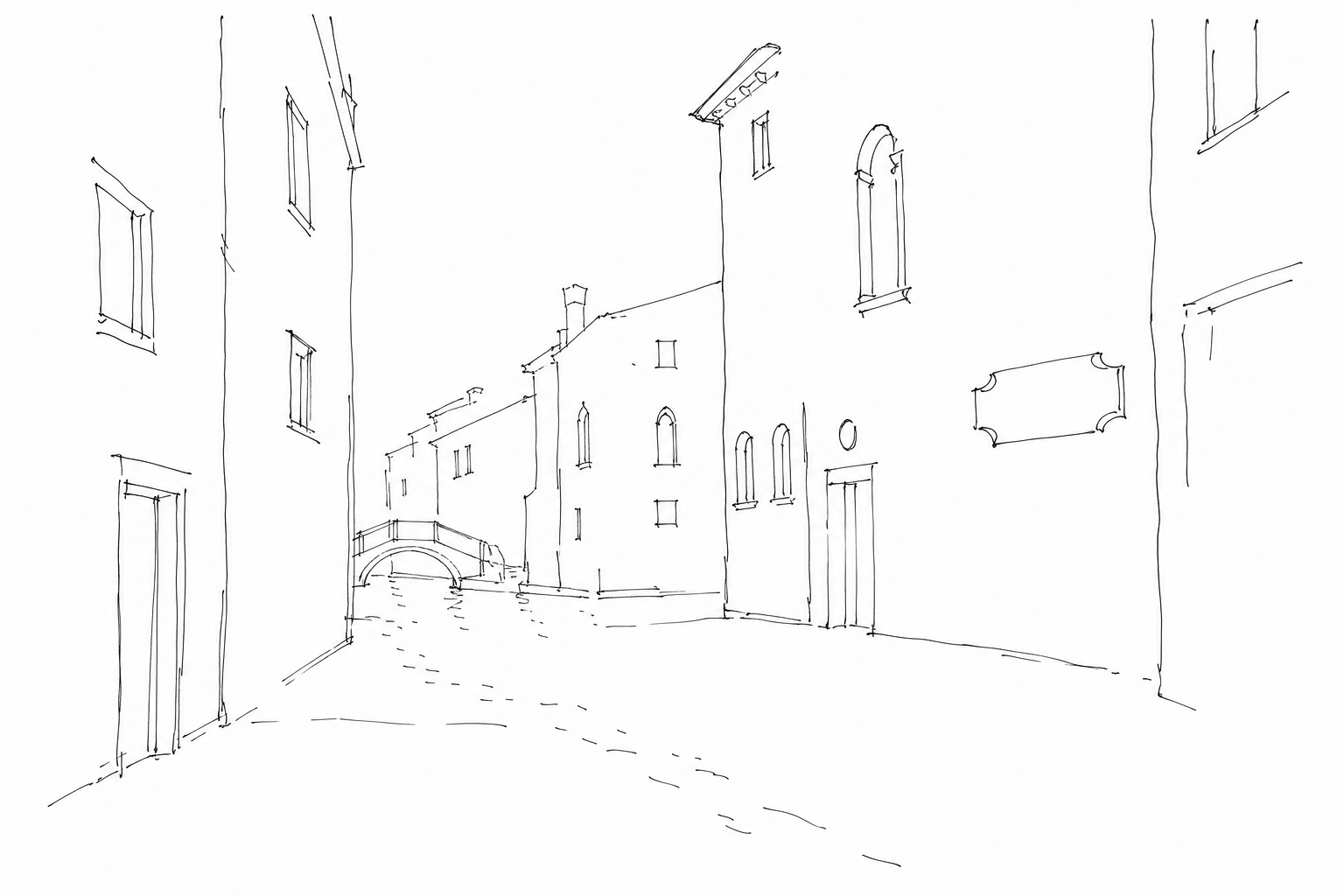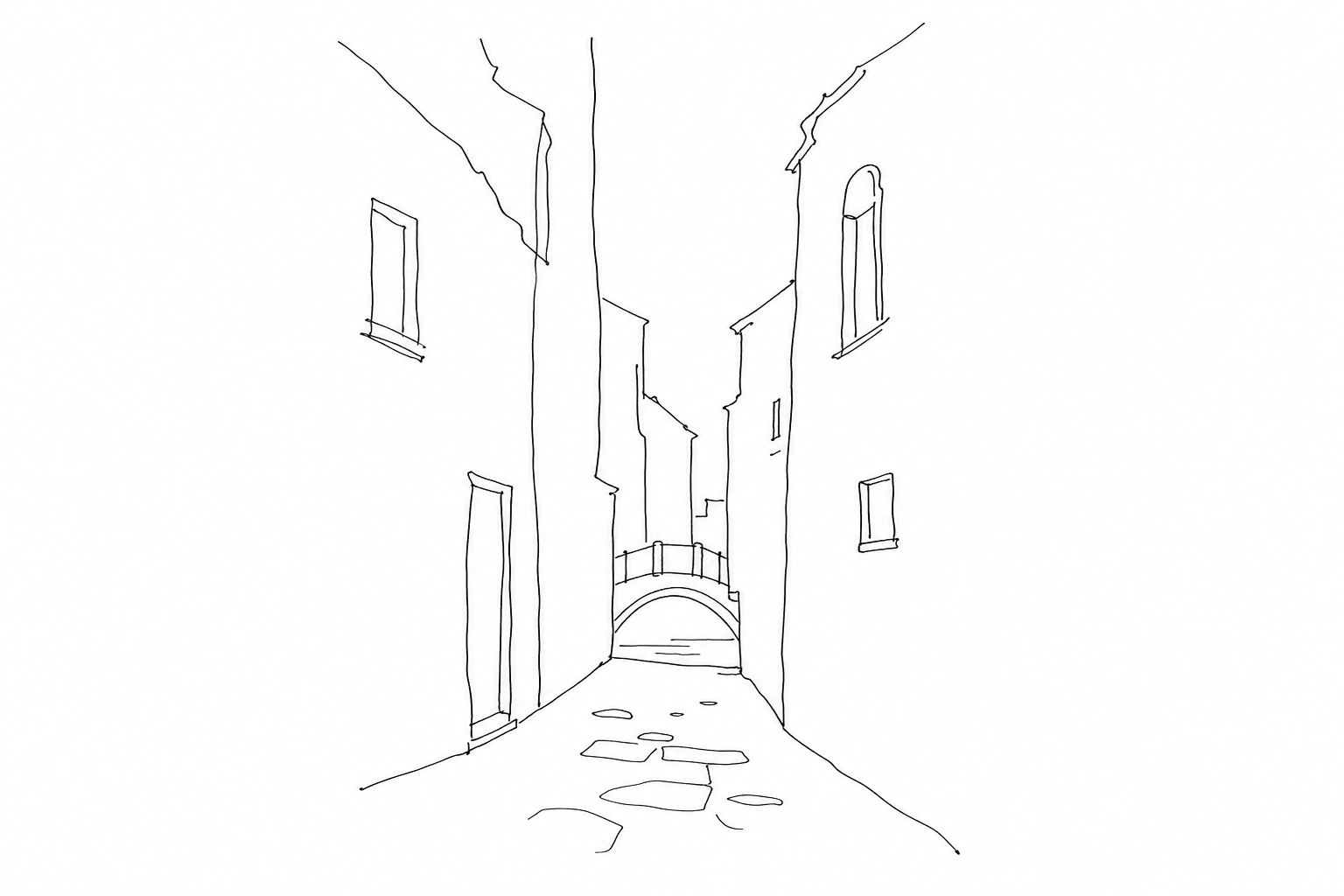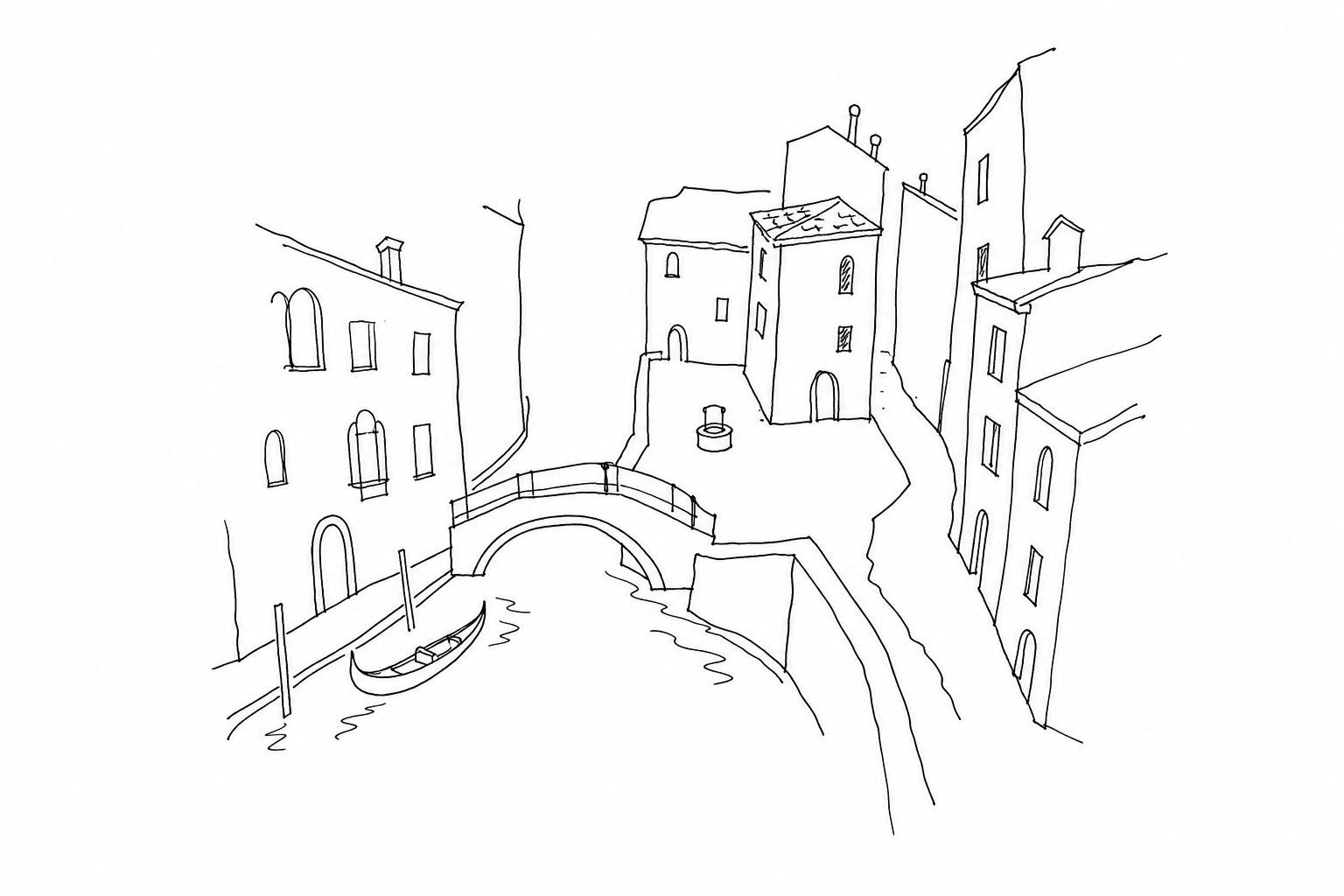
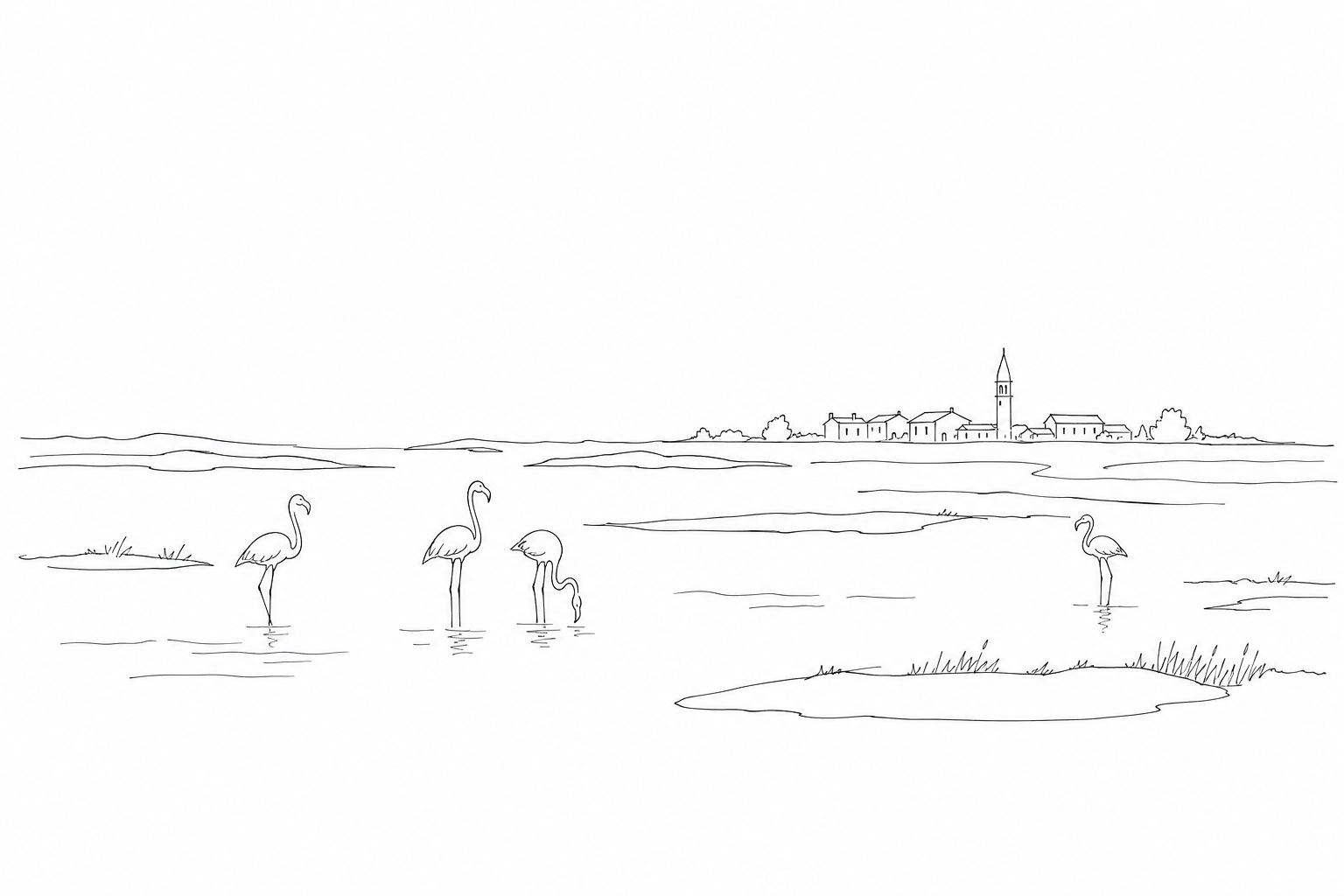
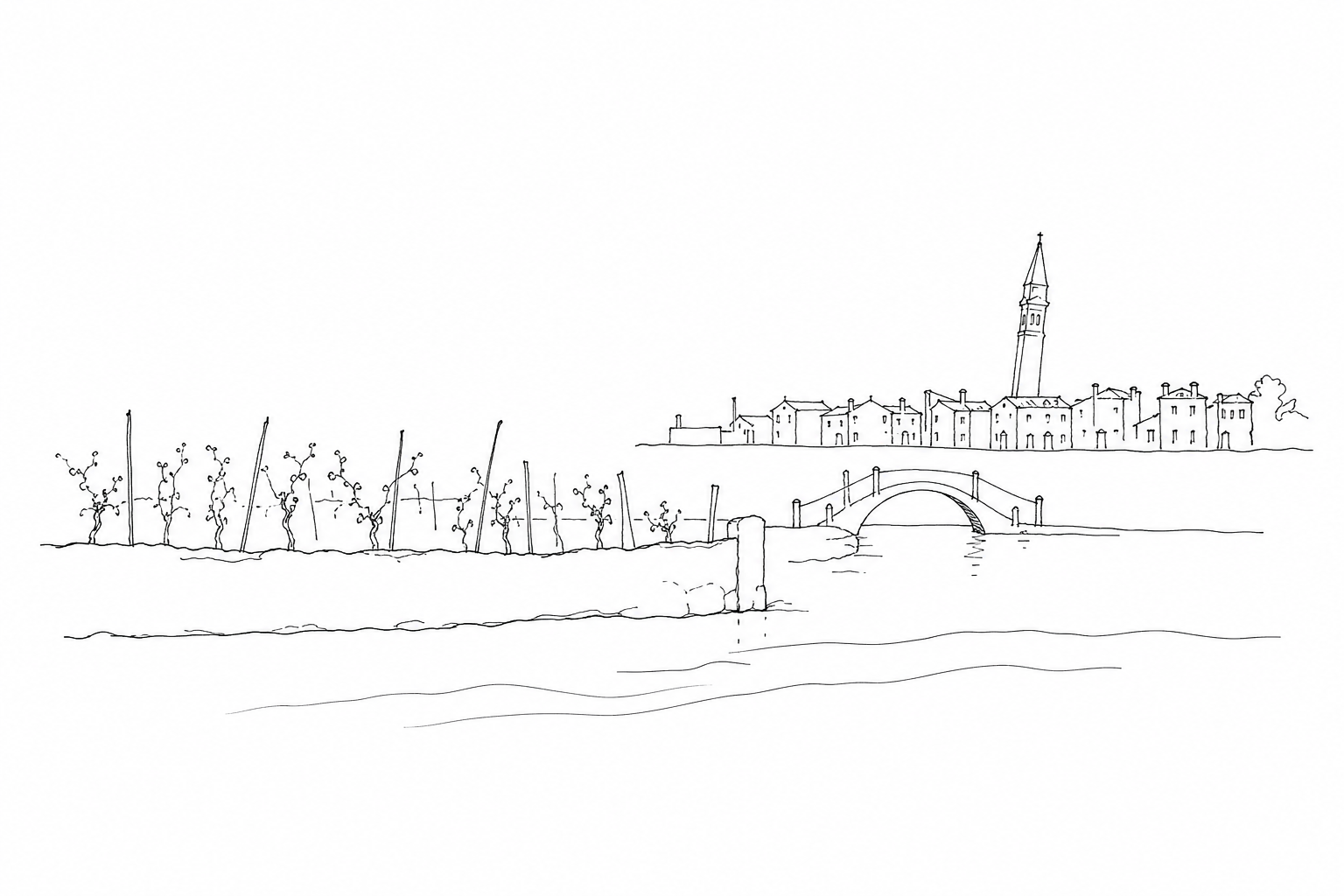
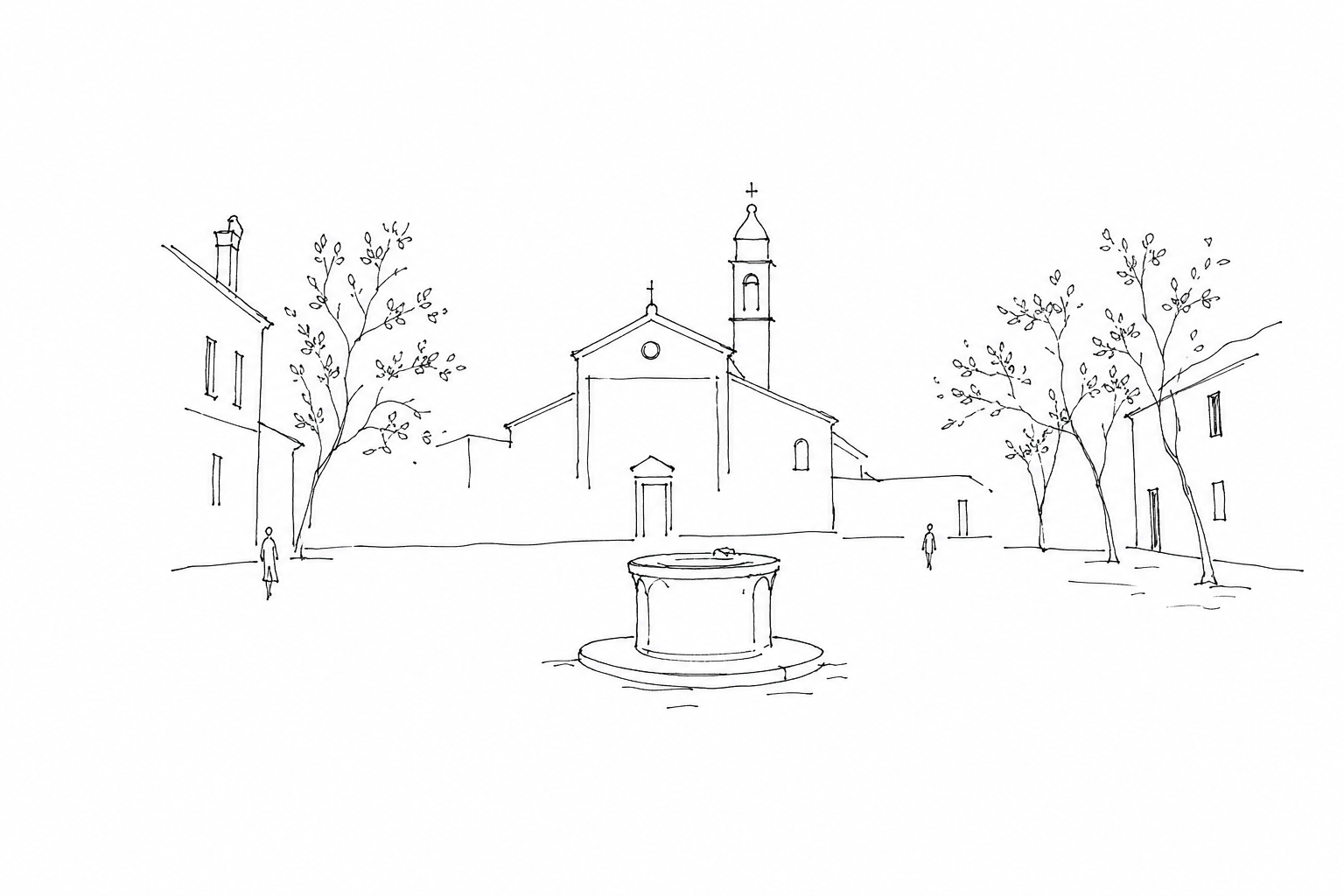

Campo San Giacomo dell’Orio does not impose itself with a scenic façade or with a monument to photograph at the center. In the evening, however, it clearly reveals its rarest quality: being an inhabited, irregular Venetian space, crossed by low lights, voices, slow footsteps and perspectives that are never perfectly ordered. Here history does not become a solemn backdrop, but an everyday presence: in the ancient church, in the houses that enclose the campo, in the routes that arrive from Santa Croce and disperse toward quieter calli. Looking at it as the light fades means understanding why some Venetian campi work precisely without seeking a monumental effect.
A campo that is better understood when evening falls
Campo San Giacomo dell’Orio, in Santa Croce, does not impose its importance with a scenic façade or with an isolated monument at the center. In the evening it becomes more legible precisely because the light softens the noise of details and highlights the form of the place: a large irregular space, crossed by everyday routes, with the church of San Giacomo dell’Orio as an ancient but not dominant presence.
The campo functions like an urban room. The trees, the wellheads, the fronts of the houses and the openings of the calli create a domestic measure that in Venice is as precious as a statue. The church, linked to medieval origins and transformed several times, remains in the background as a stratified memory: it does not ask to be contemplated from afar, but encountered in passing.
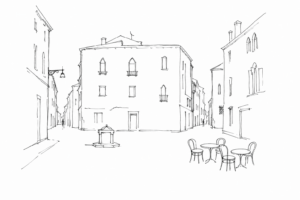
That is why the evening helps to explain the title: some Venetian campi do not need monuments because they are already collective architectures, made of proportions, uses, silences and ordinary presences.
The irregular form: more lived-in square than monumental backdrop
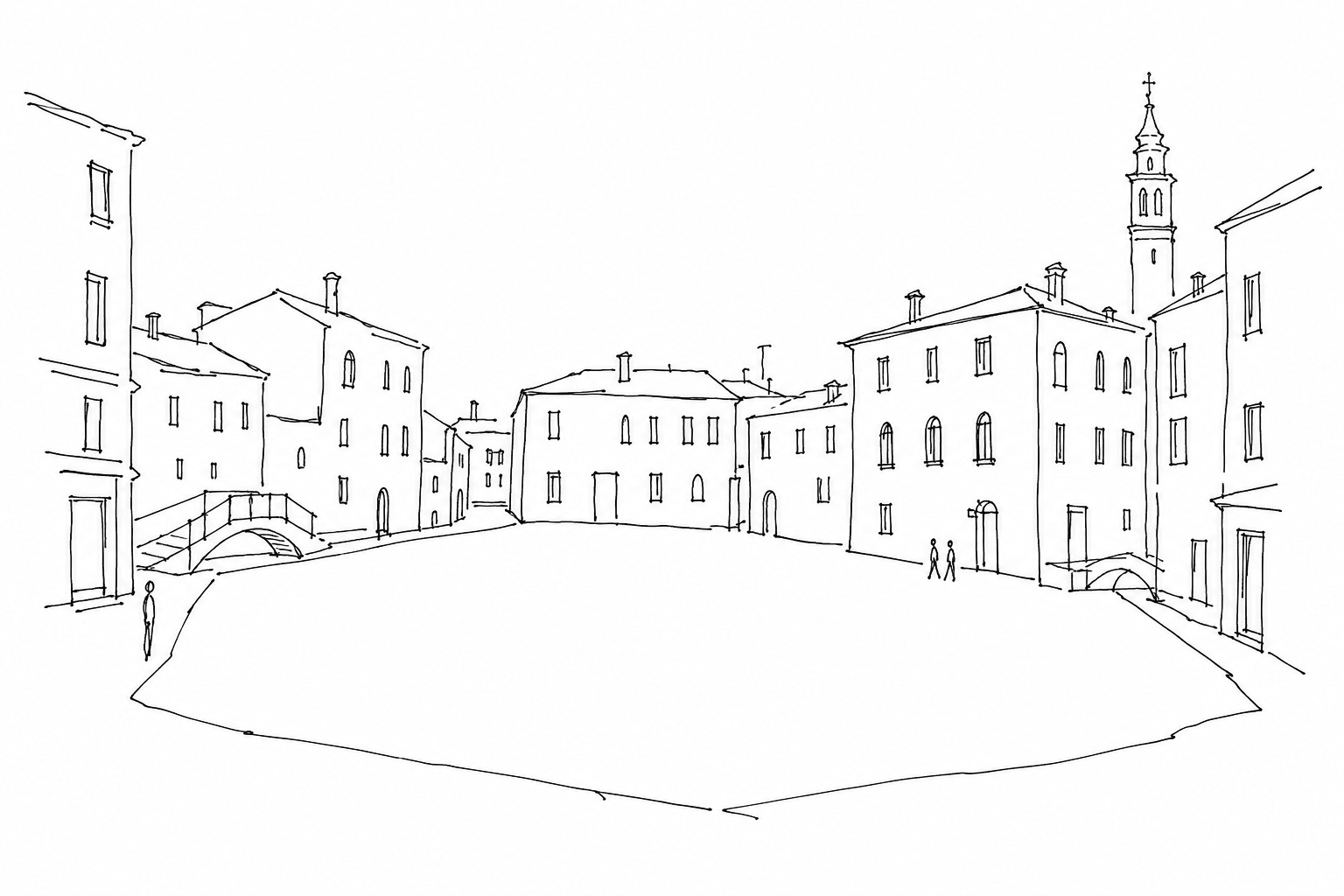
Campo San Giacomo dell’Orio does not function according to the idea of an ordered square, built to guide the eye toward a single dominant point. Its plan is irregular, opened through successive expansions, with building fronts that differ from one another and accesses that arrive from calli, narrow passages and small neighborhood axes. In the evening this absence of symmetry becomes legible: there is no backdrop to contemplate, but a perimeter to walk around slowly.
The church of San Giacomo dell’Orio is decisive, but it does not overwhelm the space. It stands within a more minute balance, together with the houses, the trees, the wellhead and the thresholds of the homes. The campo thus preserves the memory of the Venetian parish: not only a place of worship, but an area for meeting, crossing, stopping and everyday life.
For this reason the value of the campo does not depend on a central monument. It is the form itself, not perfectly regulated, that produces intensity: each side adds a different scene, and in the evening the short distances make the inhabited character of the place more evident.
San Giacomo dell’Orio: history present but not intrusive
Here history does not impose itself with a celebratory façade: it remains distributed in the details, and precisely for this reason it accompanies the evening well. The church of the same name, of very ancient origin and rebuilt in the thirteenth century, does not dominate the space with a theatrical façade. It allows itself to be encountered from the side, through simple volumes, stratified masonry and a bell tower that participates in the urban profile without turning it into a postcard.
Inside, those who visit at times to be verified find a building richer than the exterior would suggest: non-uniform columns and capitals, a wooden ship’s-keel roof, Gothic and Renaissance traces, works linked to the long religious and civic life of the parish. This contrast explains much about the place: the value is not absent, it is held back.
In the evening this discretion becomes decisive. The stones do not demand continuous attention; they allow voices, footsteps, lit windows and trees to compose the scene. The architectural memory remains present, but does not interrupt the everyday use of the space.
How to read it during a slow walk
To understand Campo San Giacomo dell’Orio in the evening, it is best to enter from a side calle and not immediately look for a visual center. The first gesture is to stay at the edge: the trees filter the lights, the low façades let the space breathe, the voices arrive before the images. Here observation works in layers, not at a glance.
- Look at the ground: the masegni guide the steps and make everyday trajectories perceptible, more than a ceremonial route.
- Follow the edges: doorways, illuminated windows, recessed planes and small discontinuities tell of an inhabited use, not a museum-like one.
- Observe the church obliquely: from a side angle, the bell tower and apsidal volumes emerge without dominating the whole.
- Listen to the pauses: the value of the place also lies in the intervals between conversations, footsteps, bicycles wheeled by hand and domestic noises.
The slow walk reveals why a centralizing monument is not needed: identity is born from the sum of minute presences, made more legible by the fading light.
San Giacomo dell’Orio teaches us to read Venice without always looking for a culminating point. Its strength lies in its open and imperfect form, in its domestic measure, in the way the church, the trees, the benches and the façades build a common space more than a scene. Arriving there in the evening, during a slow walk, makes it possible to grasp details that can escape notice during the day: the rhythm of the accesses, the light on the masonry, the continuity between local life and historical memory. It is one of those places where Venice does not appear less important, but simply closer.
Related Posts
San Giacomo dall’Orio: beams, silence and ancient stone in the less obvious heart of Santa Croce
A slow reading of San Giacomo dall’Orio: campo, wooden beams, ancient columns and urban quiet in Santa Croce.Campo San Luca: the Venice of quick passage, among cafés, offices and intersecting calli
A central, everyday campo, between Rialto and San Marco, read as an urban junction of passages, short stops, offices and calli.
Campo Santa Margherita: how to read a Venetian square that is still a space of daily life
A concrete reading of Campo Santa Margherita: history, urban edges, daily uses and details that help understand a lively square in Dorsoduro.Questions Answered
Why does Campo San Giacomo dell’Orio not need a central monument?
Because its form, uses, and silences create an intense collective space.How does the evening light affect the perception of the campo?
It softens details and reveals the inhabited character and spatial form.What role does the church play in the campo's identity?
It stands as a subtle historical presence without overwhelming the space.What is the best way to experience Campo San Giacomo dell’Orio?
Entering from the side and taking a slow walk observing edges and pauses.
From small things to the whole city
Would you like to connect this detail with other clues that make Venice easier to read?
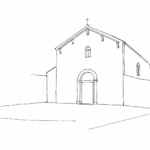 San Giacomo dall’Orio: beams, silence and ancient stone in the less obvious heart of Santa CroceA slow reading of San Giacomo dall’Orio: campo, wooden beams, ancient columns and urban quiet in Santa Croce.
 San Simeon Piccolo: the green dome in front of the station that seems to welcome those who arriveWhy San Simeon Piccolo, with its green dome on the Grand Canal, is the first face of Venice for those arriving at...
 Palazzo Mocenigo: perfumes, textiles and noble life in the Venice of San StaeEditorial guide to Palazzo Mocenigo, among clothing, perfumes, noble rooms and the urban context of San Stae.
 Natural History Museum: whales, fossils and a Venice that is not only about artA museum on the Grand Canal where Venice displays whales, fossils and science, inside the Fontego dei Turchi.