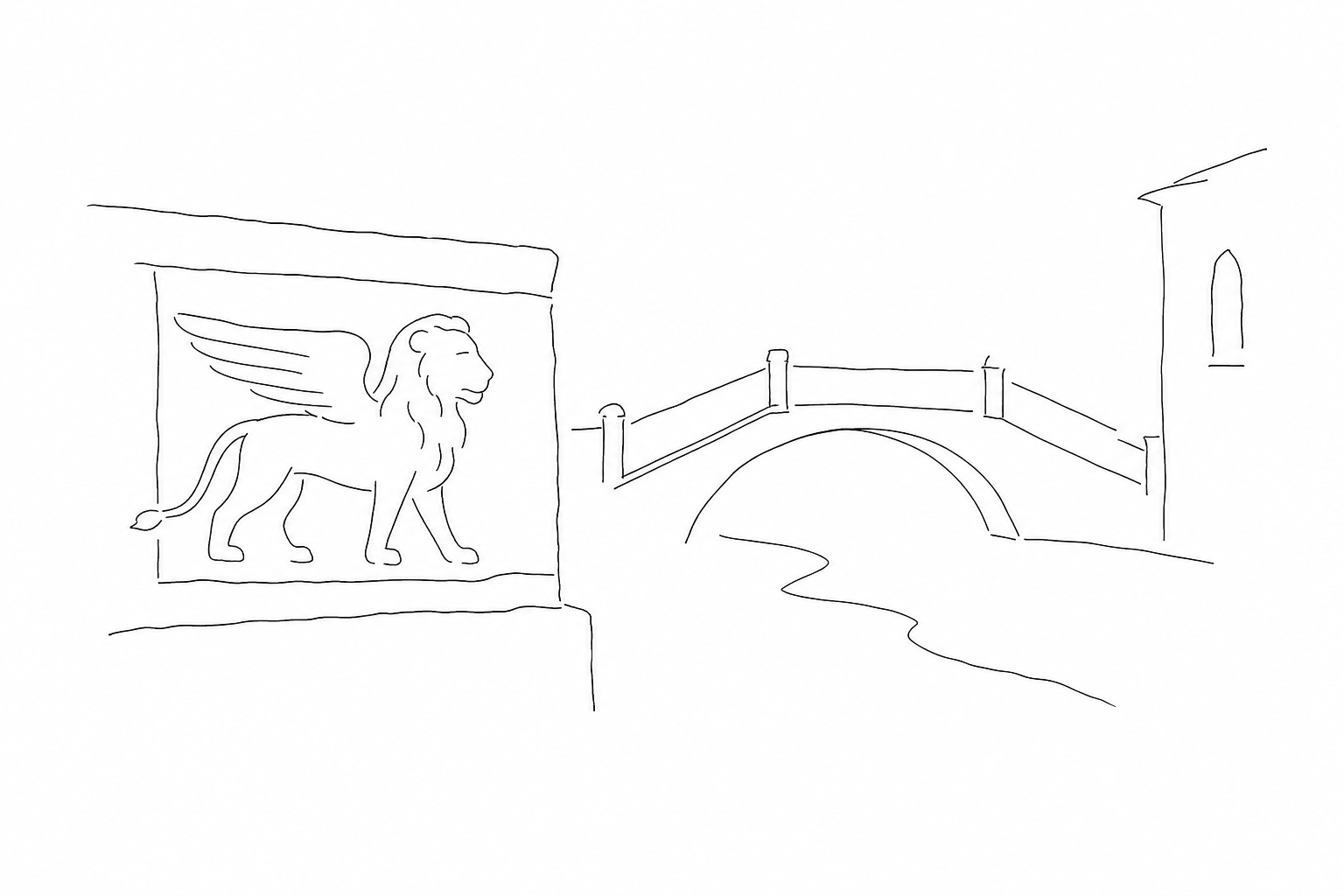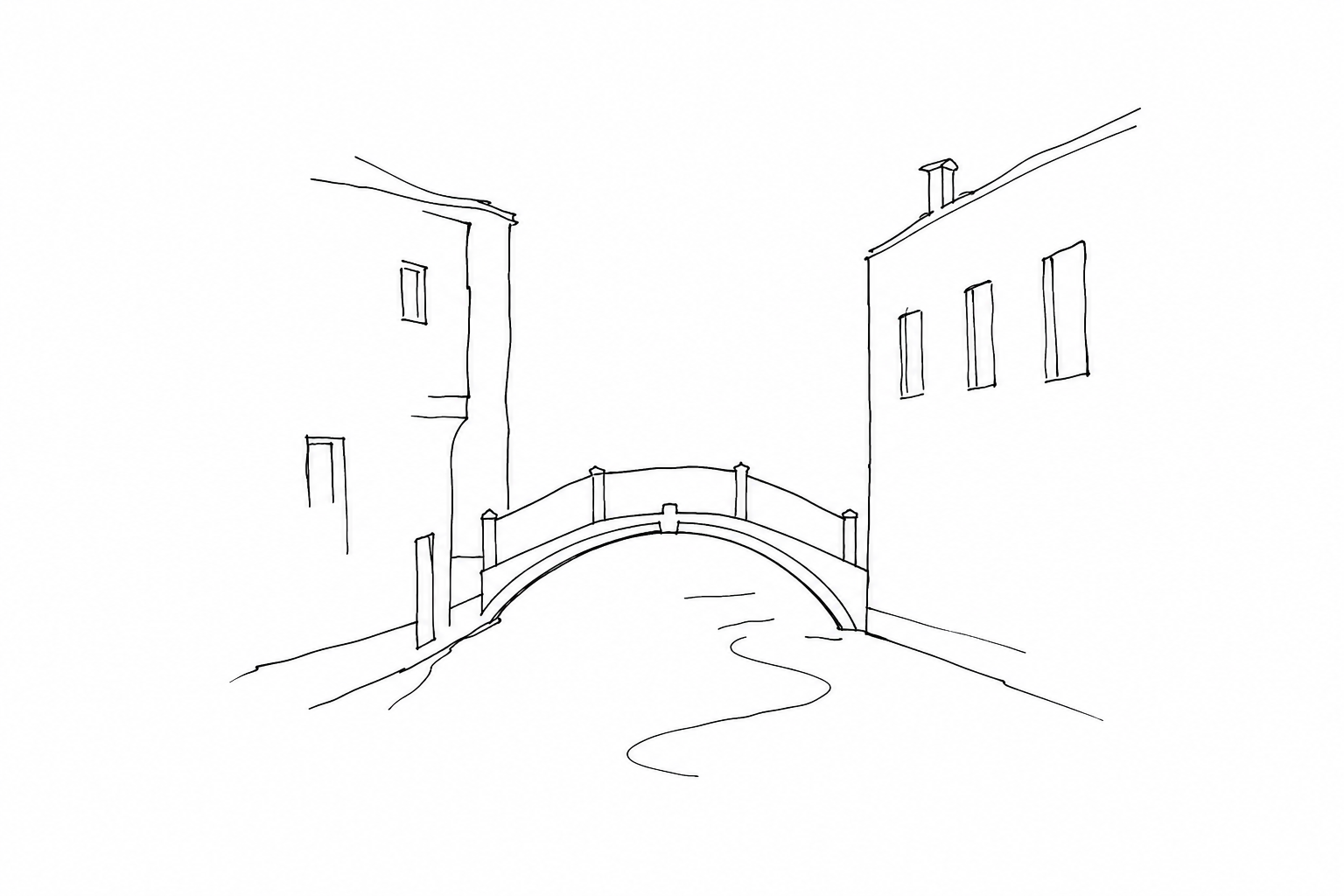

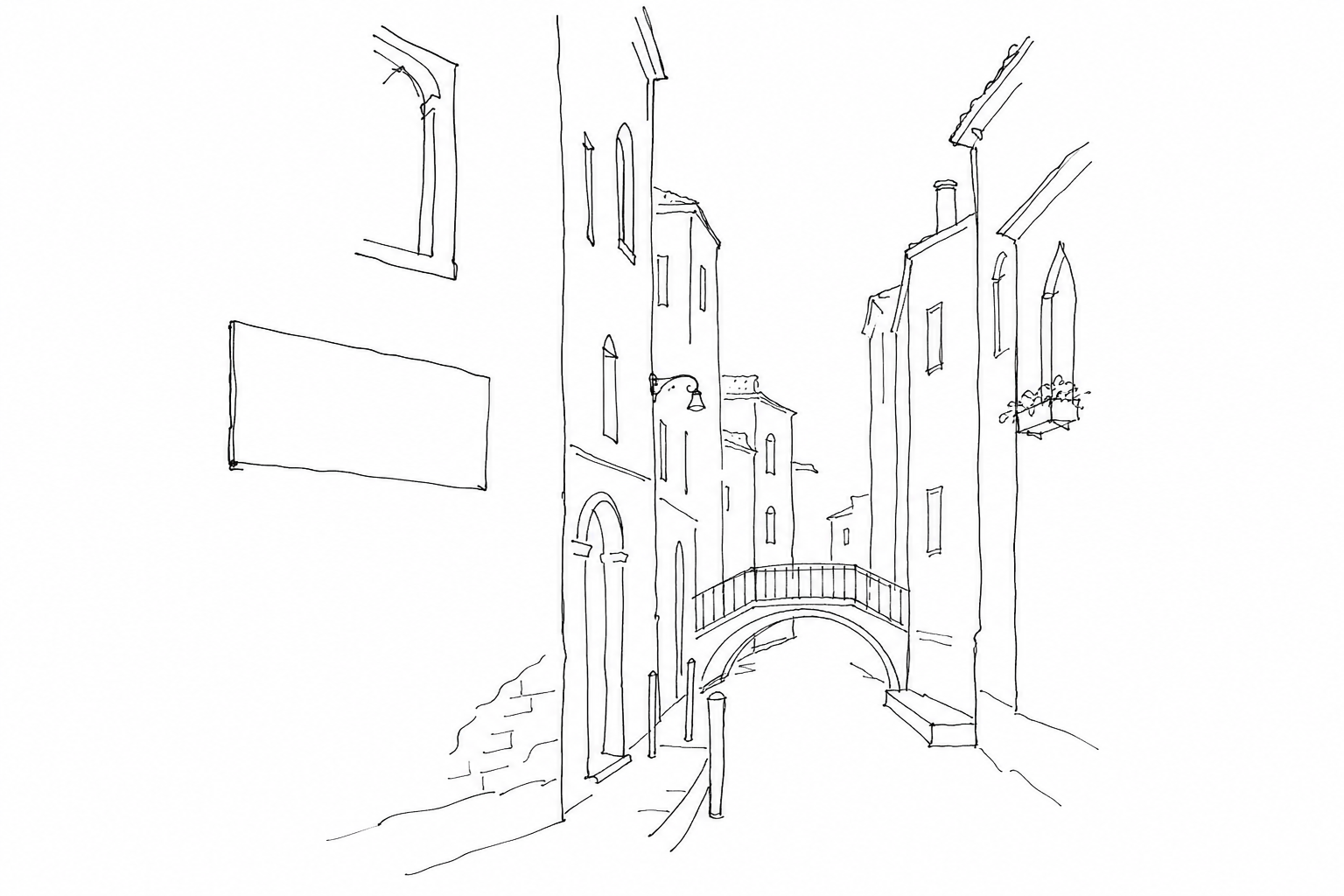

Calle dei Assassini is one of those Venetian names that forces you to slow down. It does not indicate only a point on the map: it opens a question about the relationship between urban memory, popular storytelling and historical reality. In Venice, calli often preserve traces of trades, families, minor episodes or layered legends; here, however, the name has a different force, almost theatrical. To understand it without yielding to an easy taste for mystery, it is worth observing the place, its position and the way in which the city has transformed even its most unsettling names into part of its everyday landscape.
A name that stops you in your tracks
In Venice, certain street names work like a threshold: even before understanding where they lead, they force you to slow down. Calle dei Assassini belongs to this category. Its toponym, painted on the traditional Venetian nizioleti, strikes you because it seems to promise a dark, almost theatrical story. But precisely for this reason it should be approached with caution: not as immediate proof of documented crimes, but as a trace of urban memory.
Venetian calli often have names linked to trades, families, signs, confraternities or handed-down episodes. In this case, the word “assassini” recalls the imagery of narrow streets, poorly lit passages and ambushes that popular tradition placed in the most secluded parts of the city. The fascination arises from the contrast between the minute beauty of the Venetian fabric and the harshness of the name.
Opening the history of this calle therefore means distinguishing suggestion from certainty: listening to what the name evokes, without turning it into a sensationalist legend.
Where it is and what Venice it tells
Calle dei Assassini belongs to the sestiere of San Marco, but to an internal and minute part of it, far from the monumental image of the Piazza. It is set within the dense network of passages that, between Campo Manin, Sant’Angelo, San Luca and the Fenice area, connects very busy routes with almost domestic detours.
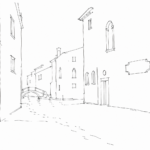
Here Venice shows a different scale: not the celebratory façade, but the sequence of narrow calli, sudden turns, sottoporteghi, courtyards and small openings. The calle should be read within this urban fabric, where orientation comes more from bridges, campi and rio terà than from straight axes. The toponym is striking precisely because it appears in an everyday environment, among high walls, closely spaced windows and passages that reduce the distance between public space and homes.
San Marco, in this area, tells of a mercantile and inhabited city, not only a ceremonial one. The atmosphere of the calle also derives from this contrast: a harsh indication, placed in the elegant and labyrinthine heart of central Venice.
History, tradition and caution
To interpret Calle dei Assassini, it is useful to distinguish between narrative fascination and historical proof. Venetian toponymy often arises from trades, resident families, shop signs, religious institutions or episodes that remained in the memory of the neighborhood. In this case, however, the toponym recalls a dark event without, on its own, providing a verifiable chronicle.
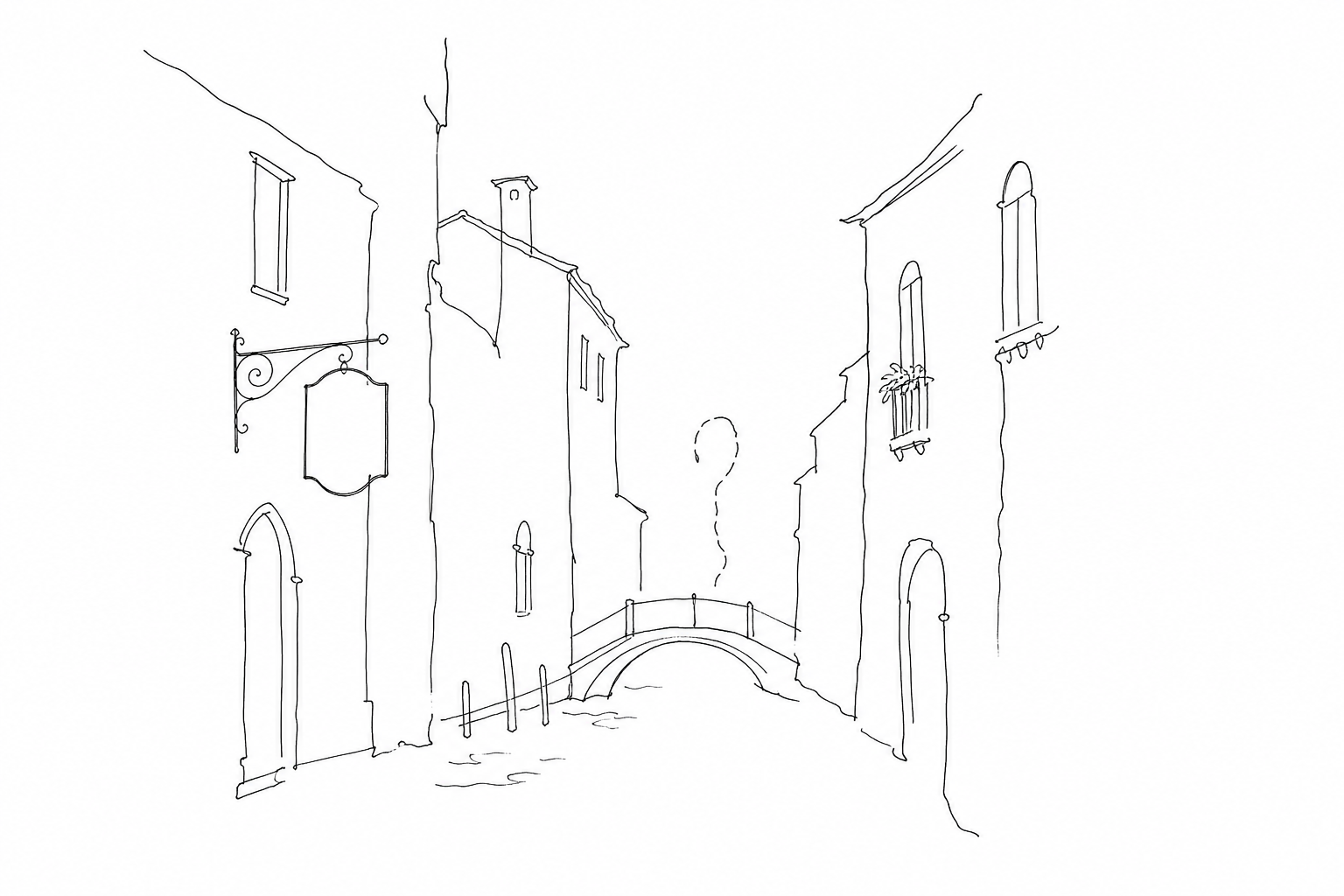
Local traditions have linked the name to nighttime attacks, ambushes or crimes that occurred in a narrow and difficult-to-control passage. It is a plausible explanation on the level of the urban imagination: the minor routes of San Marco, especially before modern lighting, could appear dangerous after sunset. But plausible does not mean definitively documented.
The Republic of Venice had judicial bodies attentive to serious crimes, from the Signori di Notte al Criminal to the Council of Ten, and many trial records have survived. Precisely for this reason, it is prudent not to turn the name into a historical sentence: without a document that precisely links that place to a specific episode, it remains a trace to be read with caution.
The value of the site also lies here: it shows how a simple urban indication can preserve fear, oral memory and curiosity, without obliging us to invent certainties.
How to look at it today
The visit is more rewarding if you set aside the idea of the “cursed” place and observe concrete elements: narrow course, short perspectives, side passages, the relationship between façades and half-light. In such a dense urban fabric, even a few meters can change perception and explain why certain names have taken root in the imagination.
A useful detail is the nizioleto, the white rectangle with black letters used to indicate rii, campi and routes: it is not only signage, but part of the lagoon’s public graphic identity. Reading it helps to treat the toponym as an urban document, not as proof of a specific crime.
The most respectful way is to pause briefly, not obstruct residents, avoid sensationalist tones and look at the whole: masonry, building height, sudden silences, turns. The atmosphere remains, but becomes an opportunity for attention, not a macabre setting.
Looking at Calle dei Assassini today means accepting a double reading: on one side the immediate suggestion of a dark name, on the other the necessary caution in the face of traditions that are not always verifiable. It is precisely in this balance that the calle becomes interesting. There is no need to seek a constructed thrill there, but to listen to what it tells of lesser-known Venice: a city made of narrow passages, ancient names, fragmentary memories and ordinary life. Stopping here, even for just a few minutes, helps to read Venice with more attention and fewer automatisms.
Related Posts
Calle del Paradiso: a gentle name for looking at Venetian toponymy more carefully
A small Venetian name becomes a guide for reading nizioleti, calli and urban memory with greater precision.Ca’ Dario: beauty, superstition and dark legends on the Grand Canal’s most unsettling façade
History, façade and dark fame of Ca’ Dario, a Renaissance palace on the Grand Canal among art, famous names and dark tales.
Corte del Milion: Marco Polo, toponyms and hidden memory behind Rialto
A reading of the Corte del Milion among the Polo houses, nizioleti and urban traces behind Rialto.Questions Answered
What does the name Calle dei Assassini signify?
It evokes dark imagery linked to urban memory, not confirmed crimes.Where is Calle dei Assassini located in Venice?
It lies in the San Marco sestiere, in a quiet, internal area.Is there historical proof of crimes related to the calle?
No verified documents confirm specific crimes there.How should visitors approach Calle dei Assassini today?
With caution, observing the environment without sensationalism.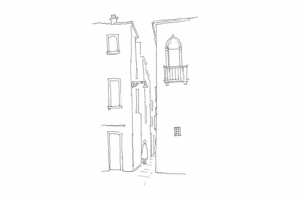
St Mark’s seen through its details
Want to connect architecture, ceremony and power without stopping at the postcard view?
 Calle del Paradiso: a gentle name for looking at Venetian toponymy more carefullyA small Venetian name becomes a guide for reading nizioleti, calli and urban memory with greater precision.
 Calle Larga XXII Marzo: luxury, hotels and modern transformations near San MarcoHistory and urban reading of Calle Larga XXII Marzo, a modern axis of luxury between San Moisè, Giglio and San Marco.
 Venetian nizioleti: reading the names of the calli like a map written on the wallsGuide to Venetian nizioleti: origin, form, recurring words and practical use for finding your way among calli, campi, rii and sestieri.
 Piscina in Venice: when a name on the map recalls the water that can no longer be seenA name in the nizioleti tells of filled-in basins, toponyms and Venice’s urban memory.