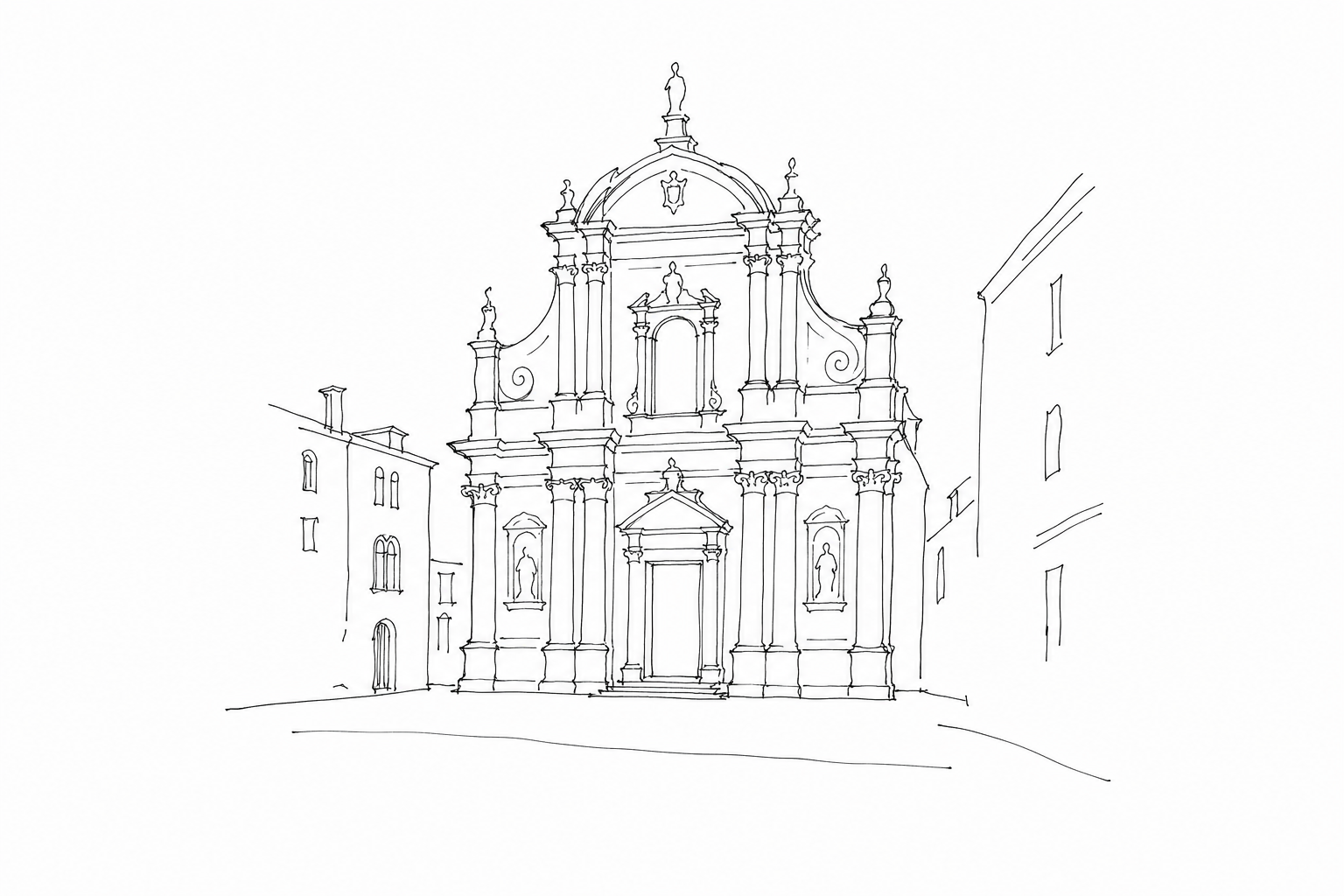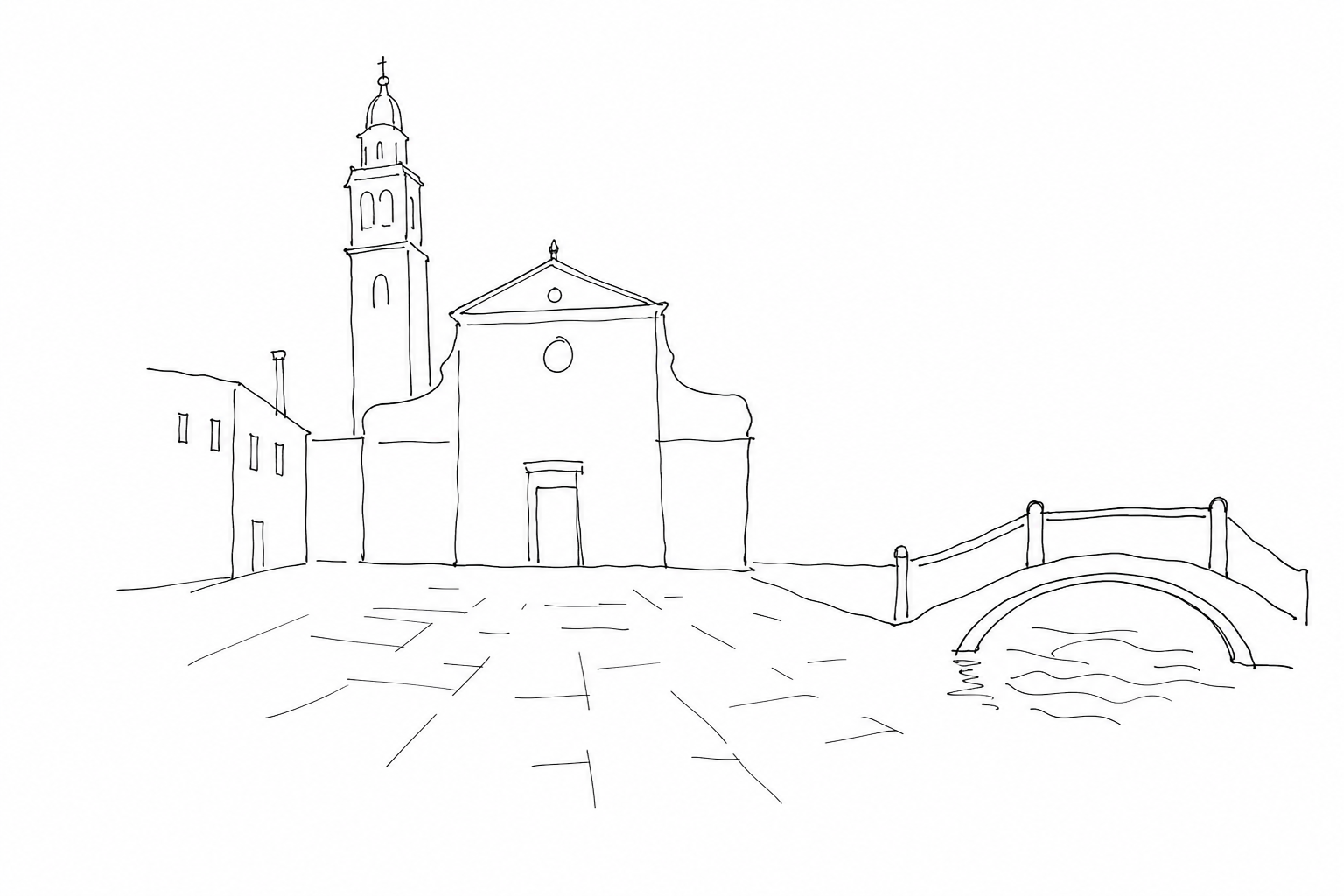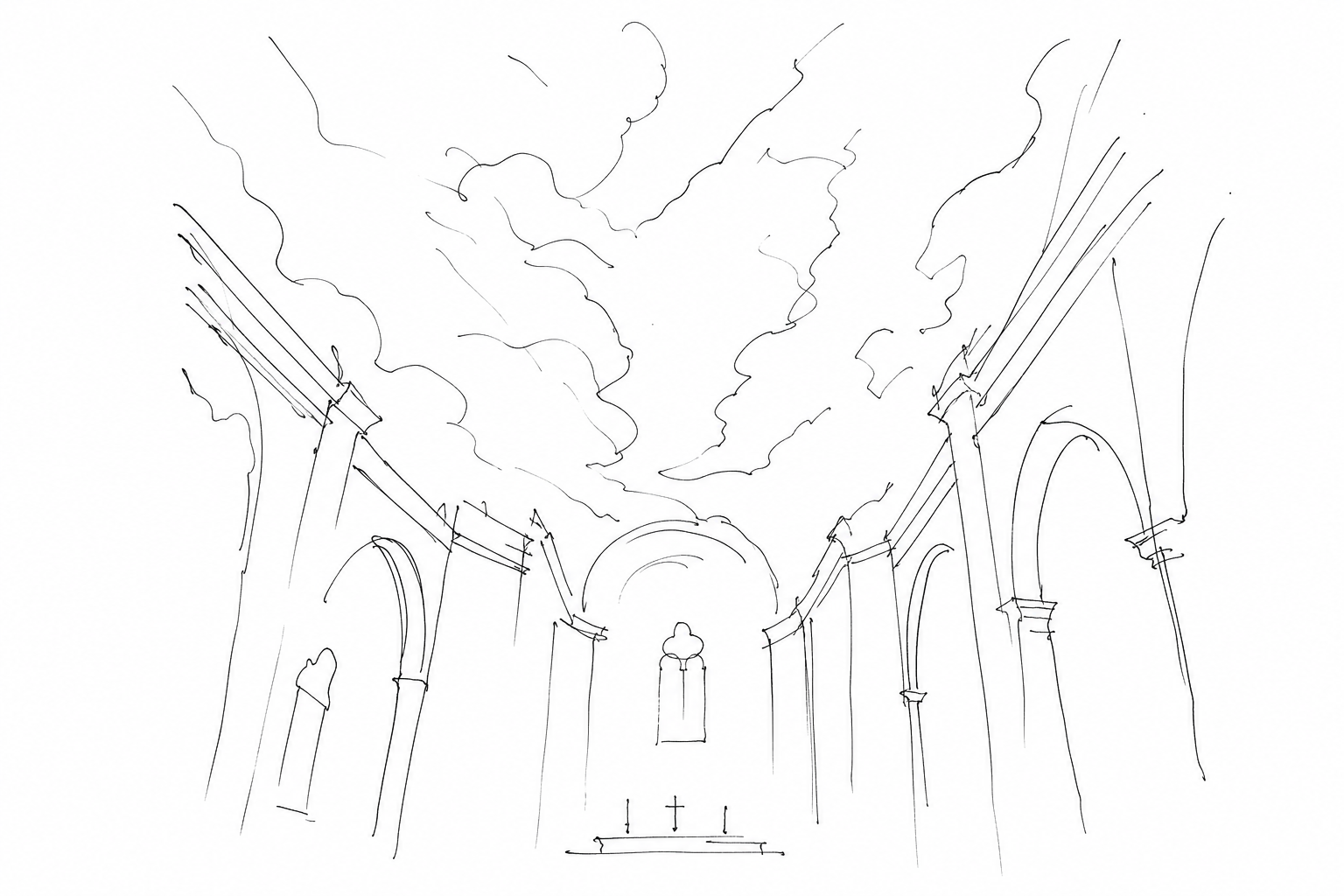

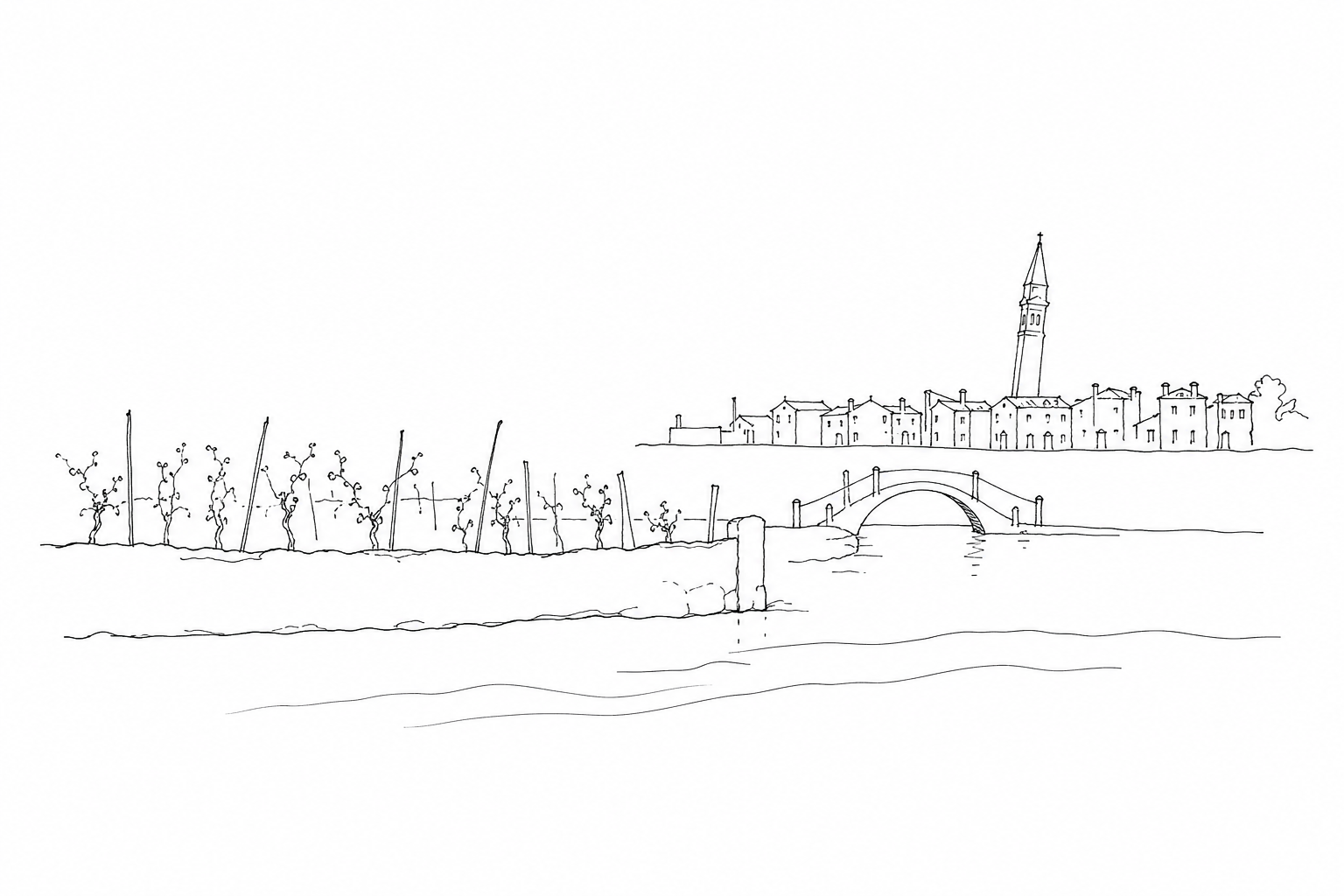
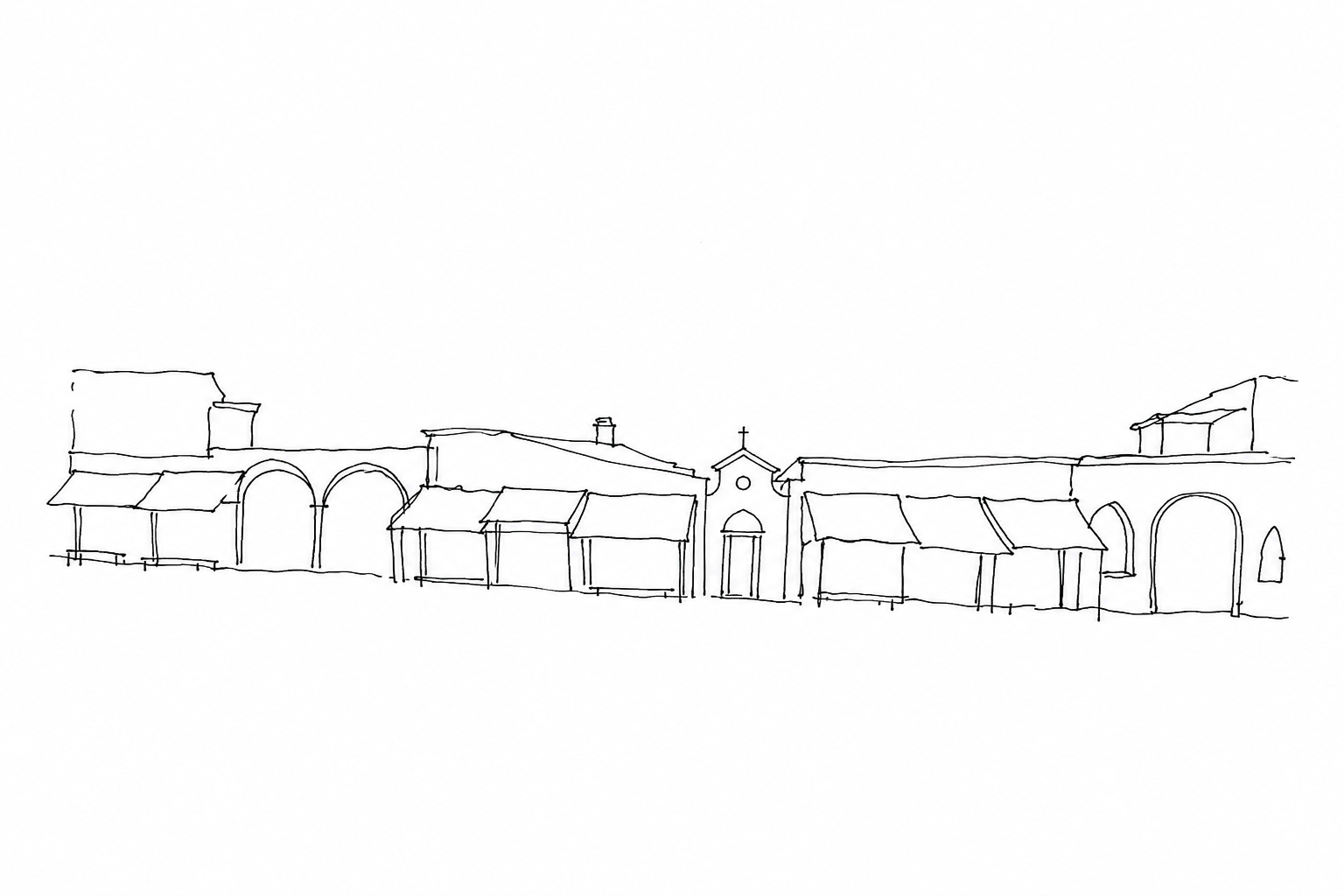

In Rialto, where the passage seems to belong above all to goods, signs, and the dense noise of the shops, San Giovanni Elemosinario remains almost removed from sight. It does not dominate a square, it does not announce its presence with a monumental façade: it lets itself be found within the commercial fabric, like a sudden pause among calli, stalls, and everyday routes. This very position makes it interesting. Its history passes through fires, reconstructions, and commissions linked to the economic heart of Venice, while the interior preserves works and spaces that call for slow attention, rather than a hurried visit.
A church you pass through almost without seeing it
In Rialto, San Giovanni Elemosinario does not present itself like many Venetian churches: it does not dominate a campo, it does not open a broad façade onto the water, it does not call the eye from afar. It is almost swallowed up by the dense fabric of the shops and mercantile passages, in an area where for centuries commerce traced routes more urgent than contemplation. This very position makes it particular: the church seems to belong to the daily life of the market before it belongs to the city’s monumental postcard.
The entrance, compact and not very theatrical, is located among tightly packed building fronts, a short distance from the Mercerie and the historic area of Rialto. Those walking while following shop windows, signs, and pedestrian flows may pass beside it without immediately recognizing it. Yet its visual isolation is not accidental: it tells of a Venice in which the sacred and economic activities coexisted in the same block, without clear separations.
San Giovanni Elemosinario is therefore “almost invisible” because it does not impose itself on the urban space: it inhabits it from within, hidden in the operational heart of Rialto.
Origins, the fire of 1514, and Renaissance reconstruction
The roots of San Giovanni Elemosinario precede the Renaissance arrangement that can be perceived today among the shops. The church is remembered in the Middle Ages as a parish of the Venetian mercantile heart, dedicated to John the Almsgiver, patriarch of Alexandria known for his charity toward the poor. The choice of the saint was not accidental: in an area linked to exchanges, money, spices, and daily traffic, the idea of almsgiving introduced a spiritual counterpoint to economic life.
The decisive turning point came with the great fire of 1514, which devastated the commercial district of Rialto and forced the Serenissima to rethink public spaces, warehouses, porticoes, and places of worship. San Giovanni Elemosinario too was rebuilt within the new urban order, in Renaissance forms attributed to Antonio Abbondi known as lo Scarpagnino, the architect active in reorganizing the area after the disaster.
The new church did not seek external monumentality: it was incorporated into the rebuilt fabric, with compressed entrances and an interior more eloquent than the façade. This post-fire origin explains its secluded character: a sacred building born within the practical reorganization of the market.
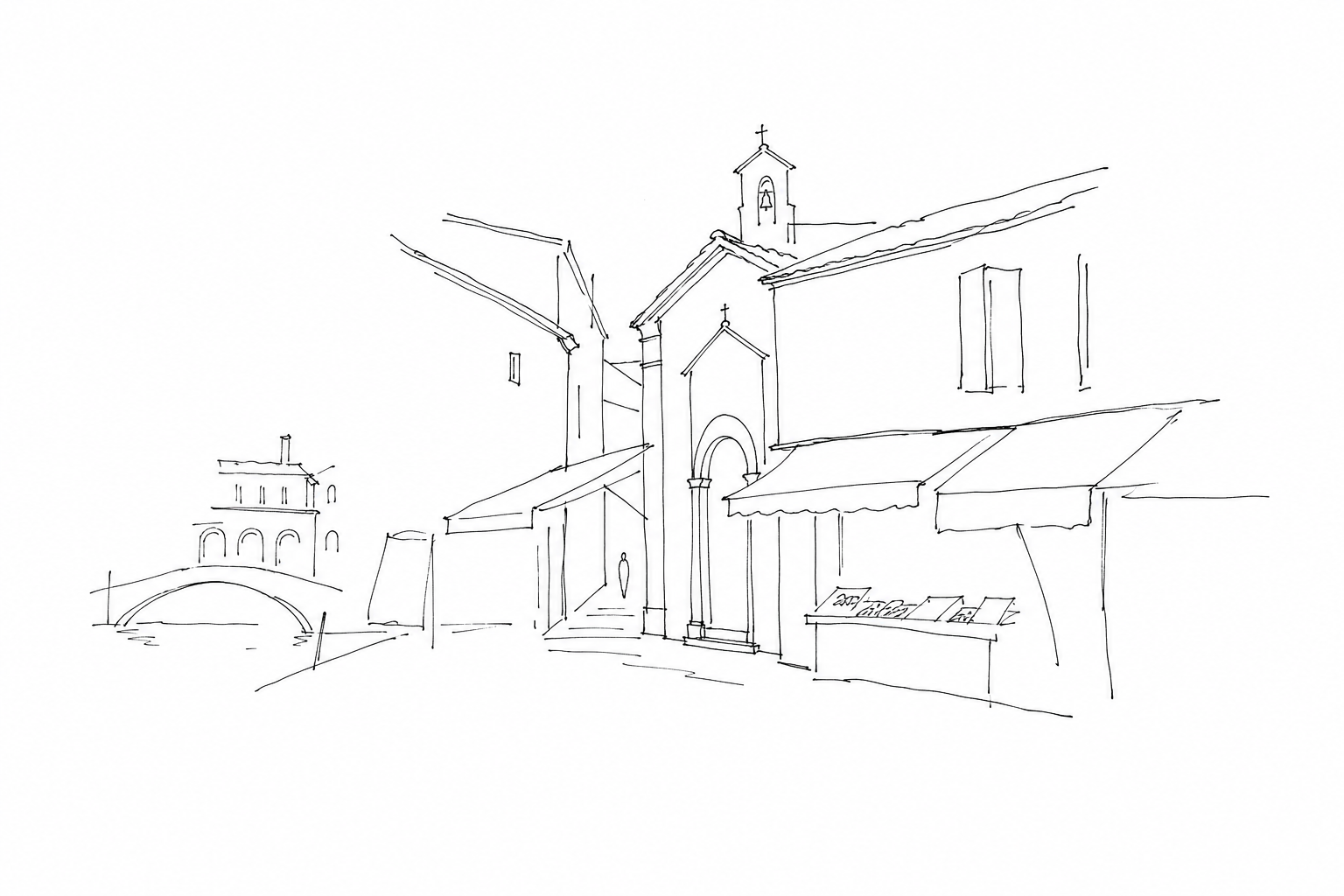
Once you cross the threshold, the effect changes: the building that from the outside barely lets itself be identified reveals a compact nave, designed more for concentration than for representation. The sixteenth-century reconstruction attributed to Antonio Abbondi, known as lo Scarpagnino, organizes the space with Renaissance measure: clear volumes, controlled proportions, altars inserted as points of reading along the route.
The focal point is the high altar, where the dedication to the titular saint becomes an image. Here the altarpiece by Titian with San Giovanni Elemosinario is preserved, a work that links the place to the theme of charity: not an ancillary scene, but the theological and civic heart of the interior, particularly suited to a building born within the mercantile fabric of Rialto.
The gaze should then be shifted to the sides, where the chapels and minor altars help read the devotional stratification. Among the most important pictorial presences, Pordenone is also remembered, with figures of saints rendered with more dramatic energy than the Titianesque balance. This coexistence of languages makes the interior surprising: not large in size, but dense in quality.
To visit it attentively, it is best to observe the architectural layout first, then return to the individual altarpieces. Any opening hours or access conditions should be checked before the visit.
How to read it during a stop at the market
The best way to understand San Giovanni Elemosinario is not to look for a monumental façade. Arriving from the market area, it is worth slowing down and identifying the small campo, the threshold, and the sudden pause in the row of shops: the value of the place lies precisely in the gap between everyday traffic and sacred space.
A quick reading can follow three steps. First observe the urban interlocking: the building does not dominate the scene, but is part of it, like a civic chapel inserted into the commercial fabric. Then consider the titular saint, John the Merciful, patriarch of Alexandria remembered for almsgiving: in a district of exchanges and money, this dedication takes on a very concrete meaning. Finally enter with a selective gaze, choosing a few already oriented points: presbytery, side altars, relationship between light and canvases. For up-to-date access details, it is prudent to check before stopping.
Reading San Giovanni Elemosinario means observing Rialto from a less obvious perspective: not only market and bridge, but an interweaving of devotion, work, mercantile wealth, and urban architecture. It is a short church to visit, but not a minor one, because in a small space it concentrates many of Venice’s tensions: hiding and resisting, adapting to commerce, preserving art within ordinary life. Entering it during a stop in Rialto is not for adding another stop to the list, but for better understanding the district in its historical and everyday depth.
Related Posts
San Giacomo di Rialto: the small church that tells the story of the commercial heart of medieval Venice
History, architecture and urban reading of San Giacomo di Rialto, the church that overlooks Venice’s medieval market.San Cassiano: Tintoretto, market and silence a few minutes from the chaos of Rialto
A short route between Rialto and San Cassiano: market, quiet calli, church and canvases by Tintoretto.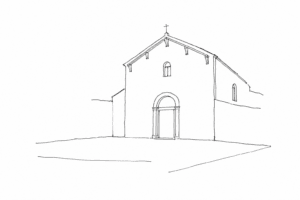
San Giacomo dall’Orio: beams, silence and ancient stone in the less obvious heart of Santa Croce
A slow reading of San Giacomo dall’Orio: campo, wooden beams, ancient columns and urban quiet in Santa Croce.Questions Answered
What makes San Giovanni Elemosinario 'almost invisible' in Rialto?
Its integration into the dense commercial fabric without monumental presence.How did the fire of 1514 influence the church's architecture?
It led to a Renaissance reconstruction by Antonio Abbondi within the market's new urban order.Why is the church dedicated to John the Almsgiver?
Because his charity offers a spiritual counterpoint to the mercantile life of Rialto.What notable artworks are preserved inside San Giovanni Elemosinario?
Titian's altarpiece depicting San Giovanni Elemosinario and works by Pordenone.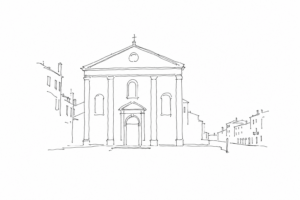
Keep reading Rialto
Want to see how the market, churches, shops and palaces tell the story of the same commercial heart?
 Palazzo dei Camerlenghi: money, public offices and economic power next to RialtoHistory and interpretation of the Palazzo dei Camerlenghi, the financial seat of public Venice next to Rialto.
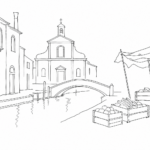 San Cassiano: Tintoretto, market and silence a few minutes from the chaos of RialtoA short route between Rialto and San Cassiano: market, quiet calli, church and canvases by Tintoretto.
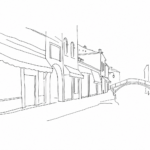 Ruga Rialto: a street of shops for understanding Venetian commerce before global storefrontsA reading of Ruga Rialto as a living trace of Venetian commerce: shops, place names, markets and urban rhythm before global chains.
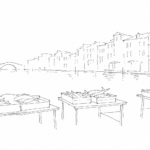 Rialto at dawn: the fish market before the photographs arriveRialto at dawn told through work: stalls, crates, voices, lagoon and respect before the tourist gaze.