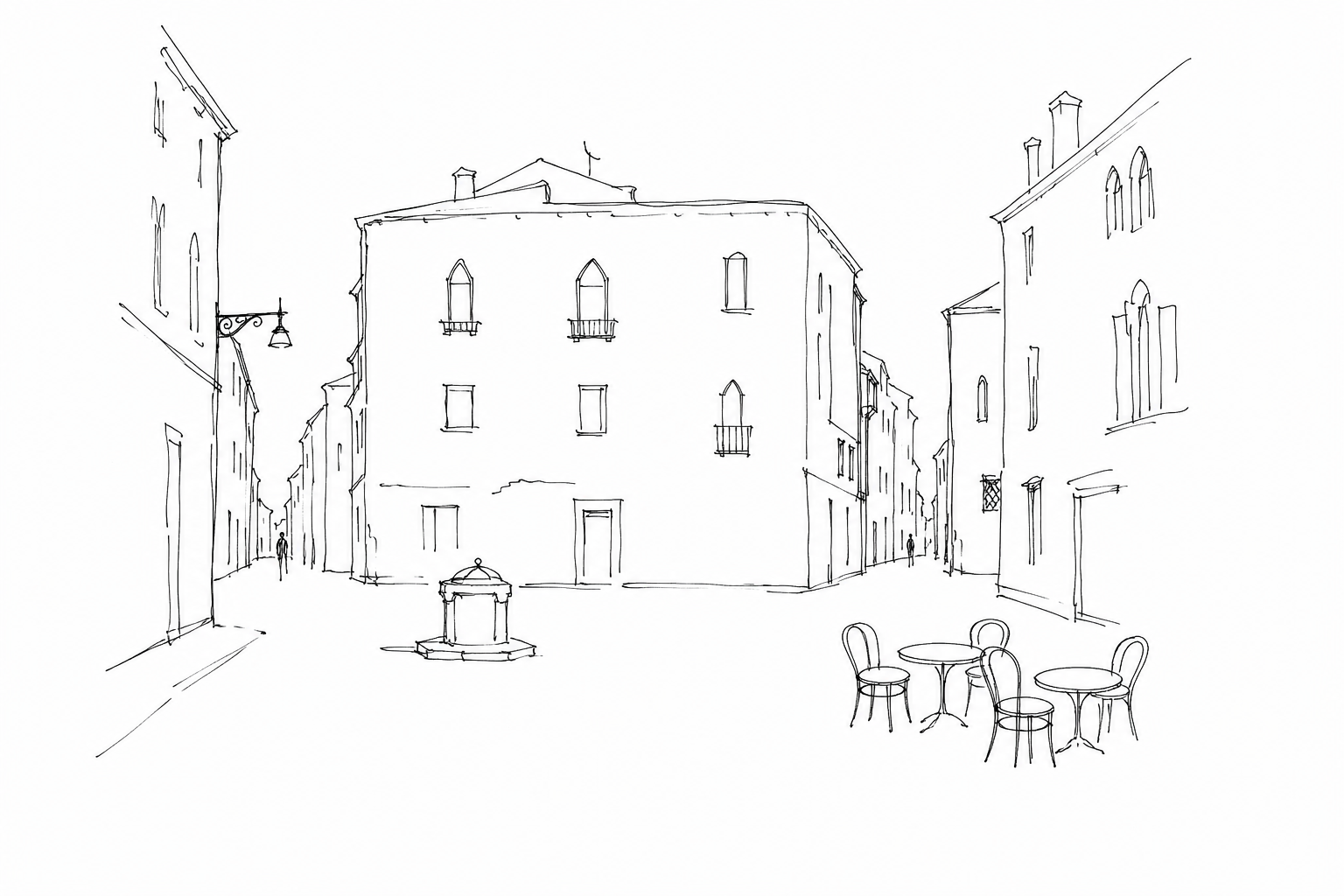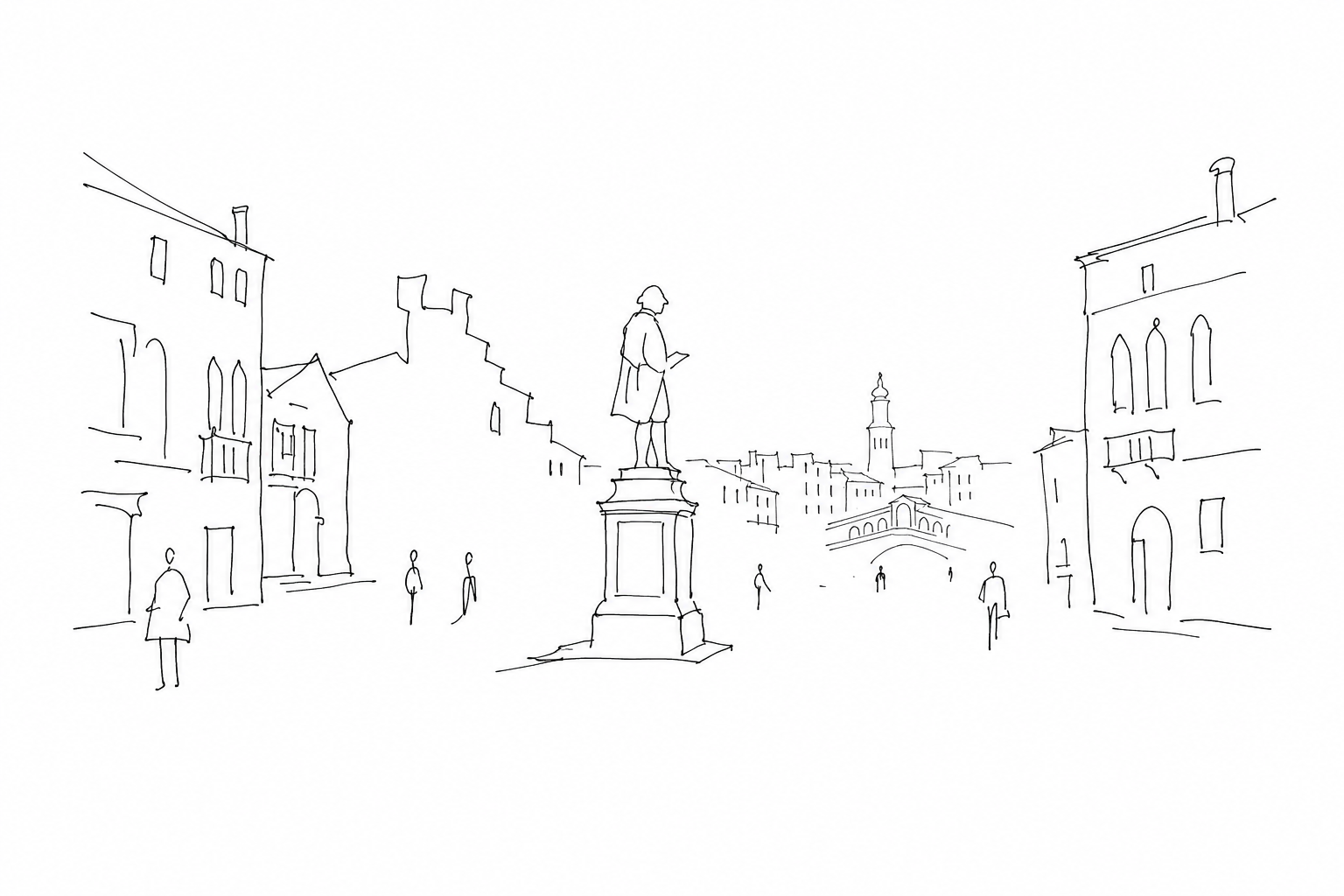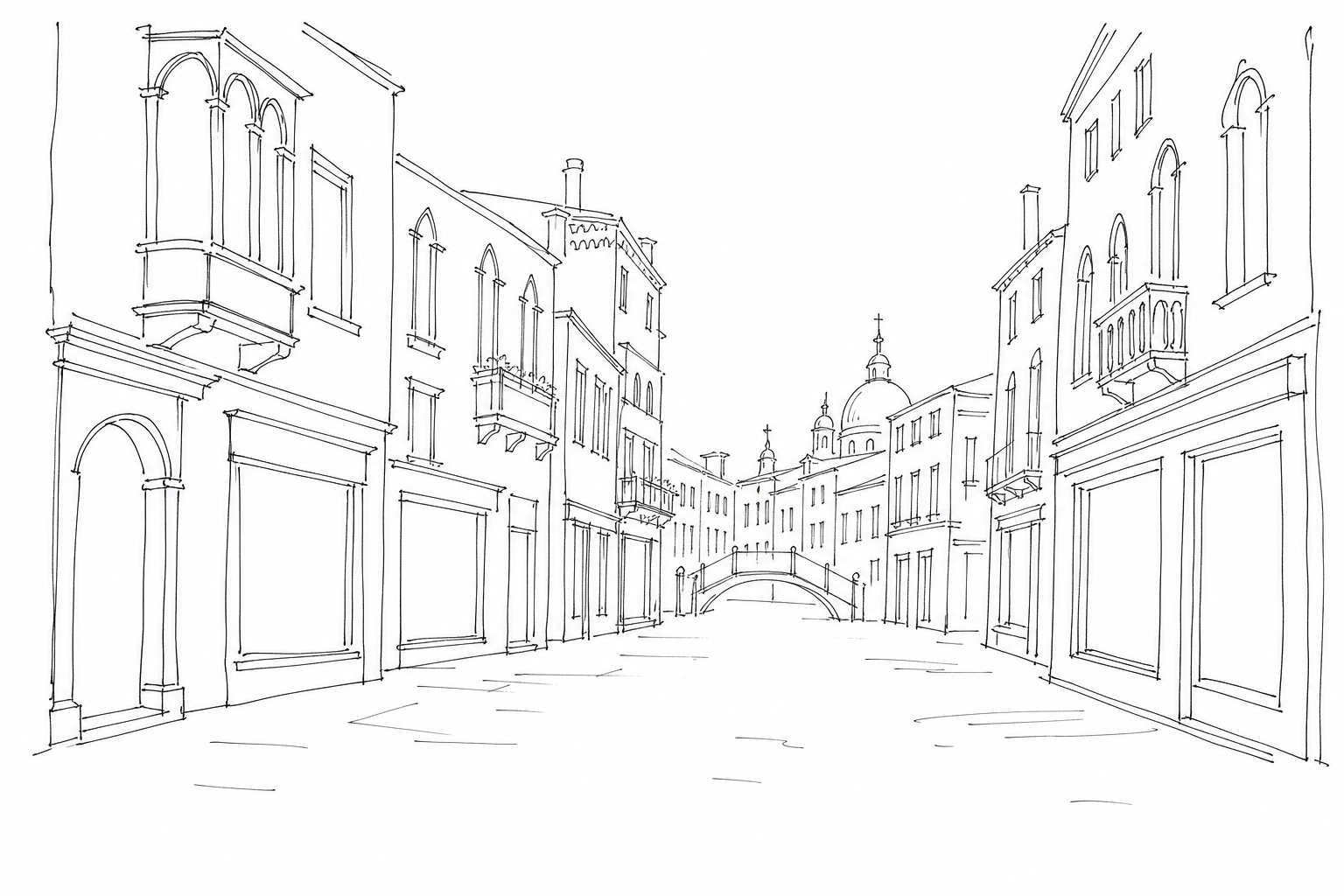
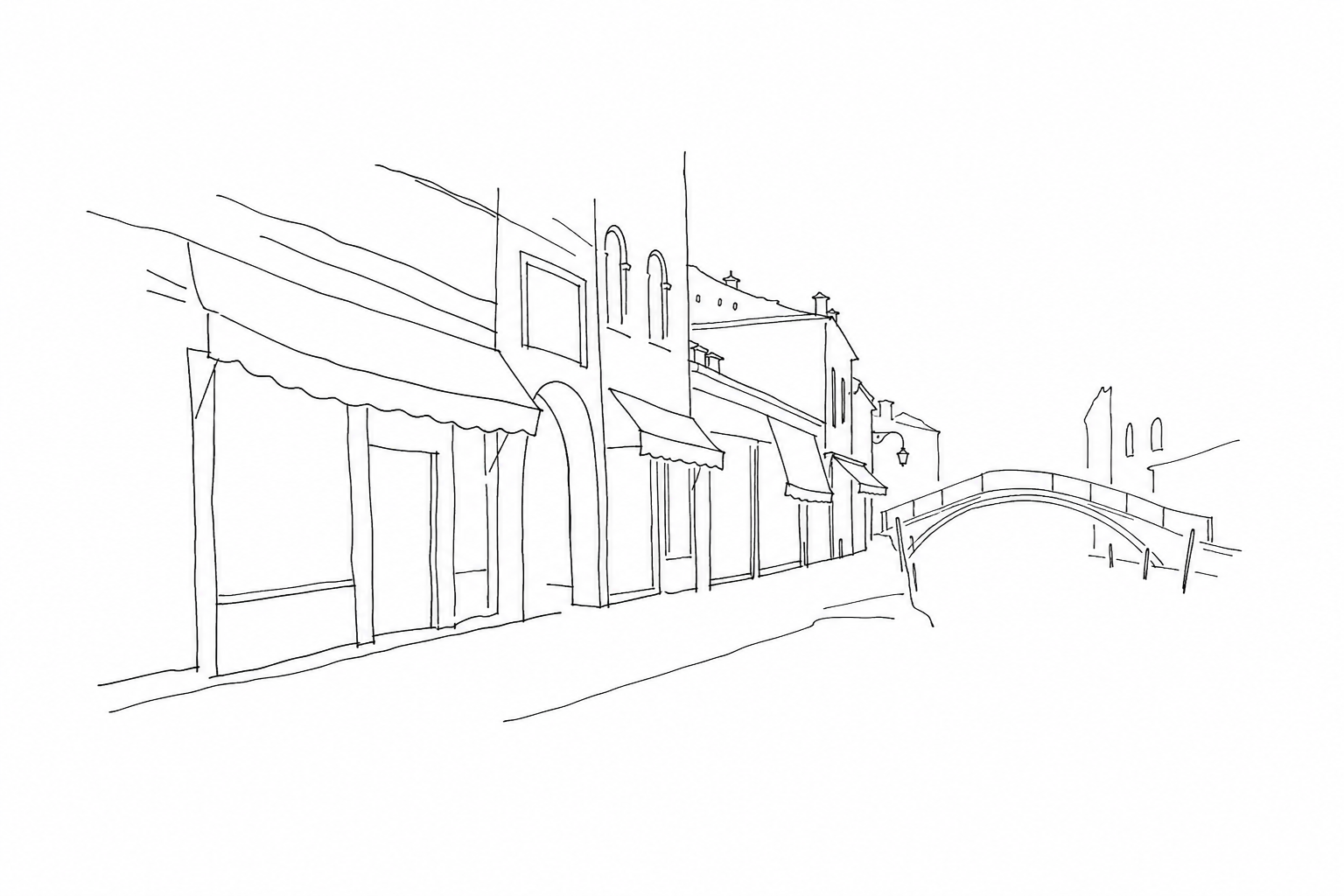

Ruga Rialto is not just a passageway between the bridge and the market: it is a small urban machine built around exchange. Its name, its narrow form, the sequence of shops and its proximity to the stalls of Rialto tell of a Venetian way of selling and buying before global signs and standardized storefronts. Walking along it attentively means reading a concrete part of the city: not the isolated monument, but the everyday commerce that shaped spaces, trades, habits and relationships.
Why Ruga Rialto still matters
Ruga Rialto matters because it preserves, in just a few steps, the commercial logic of Venice before shopping became a sequence of interchangeable signs. The name itself, ruga, indicates a street lined with shops: not a simple passageway, but a corridor of exchange where goods, news and credit met near the economic heart of the city.
Its importance comes from its position. Rialto was not only the bridge or the fish market: it was the district where banks, warehouses, spice sellers, goldsmiths, weavers, money changers and intermediaries connected to Mediterranean trade were concentrated. Around San Giacomo di Rialto, the Fabbriche Vecchie and the market calli, the Venetian shop functioned as a point of sale, workshop, storage space and place of trust-based relationships.
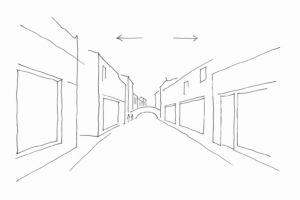
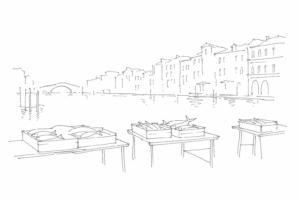
Walking along Ruga Rialto therefore means reading a city built on small-scale commerce yet connected to distant routes. The narrow façades, closely spaced entrances and density of spaces tell of an urban economy made of specializations, proximity and reputation.
A ruga: an urban form made for selling
In Venetian vocabulary, a ruga is not just a street: it is a calle recognized for the continuity of its shops. The word, related to Latin and to the Romance languages that indicate the street, takes on a practical value in Venice: it marks a route where passage becomes an opportunity for sale.
Along the stretch of Ruga Rialto this function can be read in the small scale of the buildings. On the ground floor there were closely spaced entrances, counters and working thresholds; on the upper levels there could be warehouses, dwellings, workrooms. The façade did not yet serve to create a scenic storefront, but to make the relationship between goods, seller and customer immediate.
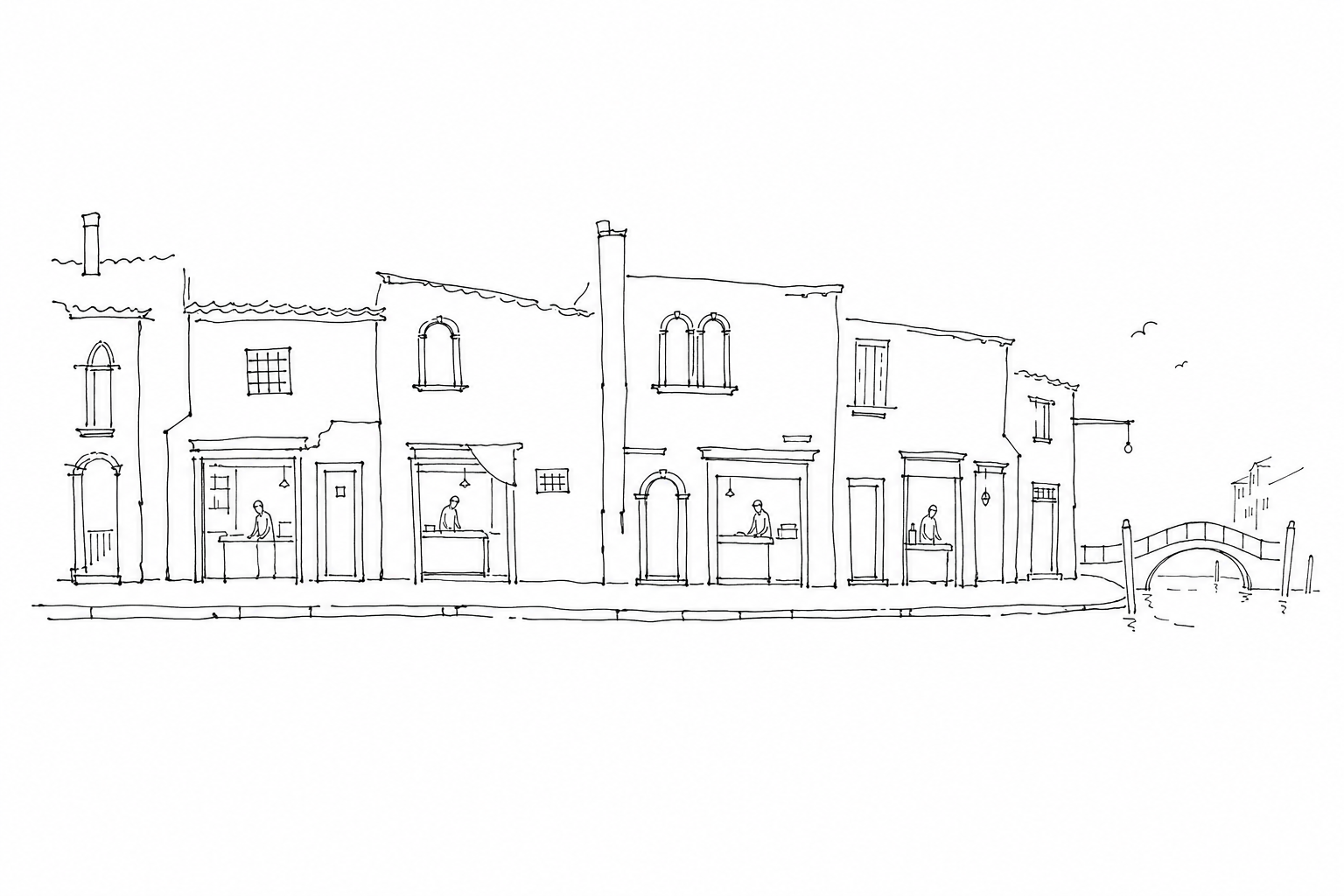
This urban form was effective because it channeled movement between landing places, market and bridge. Those who arrived to buy fish, spices, cloths or everyday objects passed through a sequence of trades. The ruga therefore functioned as a physical catalogue of the mercantile city: not an enclosed shopping center, but a specialized, public street, governed by custom and reputation.
From the Rialto market to specialized shops
To read Ruga Rialto, it is not enough to imagine a crowded passageway: it must be placed within a geography of trades. Around the bridge and San Giacomo, places clustered whose names indicated what was bought, weighed or negotiated there: the Pescaria for fish, the Erbaria for vegetables and fruit, the Naranzeria for citrus fruits, the Casaria for cheeses and dairy products.
In this system, the shops along the axis were not all the same. Some sold small goods that moved quickly; others displayed richer products, connected to spice sellers, goldsmiths, textiles or imported objects. Proximity to the Grand Canal mattered: crates, sacks and baskets arrived by boat; a little farther on, in the fondaci and public buildings, exchanges, guarantees and controls were recorded.
Nearby place names still function as a fossil economic map. Before global signs, commercial identity arose from the repetition of gestures, goods and reputations: buying here meant knowing in which stretch to look for a spice, a fish, a fruit or a work of applied art.
How to read it today without stopping at the storefronts
To observe this Venetian axis, it is worth slowing down and separating what is recent from what preserves the ancient logic of commerce. Signs change, but slower clues remain: narrow plots, closely spaced fronts, frequent thresholds, upper floors inhabited or once used for storage and work.
- Look at the heights. The shop on the ground floor was not an isolated world: above it there could be warehouses, dwellings, accounting rooms, according to a continuity between sale and family management.
- Read the openings. Low arches, Istrian stone frames, reused jambs and irregular masonry tell of later adaptations, not a uniform shopping-center design.
- Follow the imagined goods. Approaching the bridge and the market areas, the route should be read in relation to fish, fruit, spices, textiles and small specialized services, not only to the goods displayed today.
- Observe the rhythm. The tightly packed succession of thresholds explains a Venice made of small purchases, personal trust and the reputation of the trade.
Observing Ruga Rialto today requires a slow gaze: it is not enough to count the shops or judge the storefronts. One must recognize the continuity between market, calli, porticoes, goods and people, even when functions change. In this short street, one can see how Venice transformed commerce into urban form, and how every detail — a threshold, a sign, a sudden widening — can suggest a story. It is a place to cross without haste, letting the commercial city emerge beneath the most visible surface.
Related Posts
Le Mercerie: the commercial route between Rialto and San Marco that was not created for modern shopping
History and urban reading of the Mercerie, a dense axis of calli between Rialto and San Marco born from civic, artisan and mercantile functions.Rialto at dawn: the fish market before the photographs arrive
Rialto at dawn told through work: stalls, crates, voices, lagoon and respect before the tourist gaze.
The Rialto Fish Market: how to read stalls, columns and details of a market still alive
A short guide to observing the Rialto Fish Market: stalls, architecture, marine signs and the daily rhythm of the market.Questions Answered
What is Ruga Rialto's significance in Venetian commerce?
It preserves the logic of small-scale trade before global storefronts.How was a 'ruga' defined in Venetian terms?
As a street recognized for continuous shops serving trade.What types of goods and trades clustered around Ruga Rialto?
Fish, spices, goldsmiths, textiles, and Mediterranean trade intermediaries.How can one read Ruga Rialto today to understand its commercial history?
By observing shop heights, openings, rhythms, and relation to markets.
Keep reading Rialto
Want to see how the market, churches, shops and palaces tell the story of the same commercial heart?
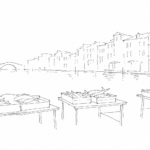 Rialto at dawn: the fish market before the photographs arriveRialto at dawn told through work: stalls, crates, voices, lagoon and respect before the tourist gaze.
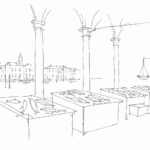 The Rialto Fish Market: how to read stalls, columns and details of a market still aliveA short guide to observing the Rialto Fish Market: stalls, architecture, marine signs and the daily rhythm of the market.
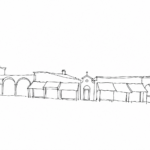 San Giovanni Elemosinario: the almost invisible church hidden among the shops of RialtoA short guide to the church of San Giovanni Elemosinario, amid the Rialto market, Renaissance history, and works by Titian and Pordenone.
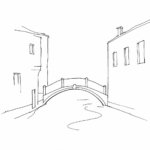 Ponte delle Tette: trade, control and nightlife in the Venice of the SerenissimaHistory and urban reading of the Ponte delle Tette, among the Carampane, regulated prostitution, trade and Venetian nightlife.