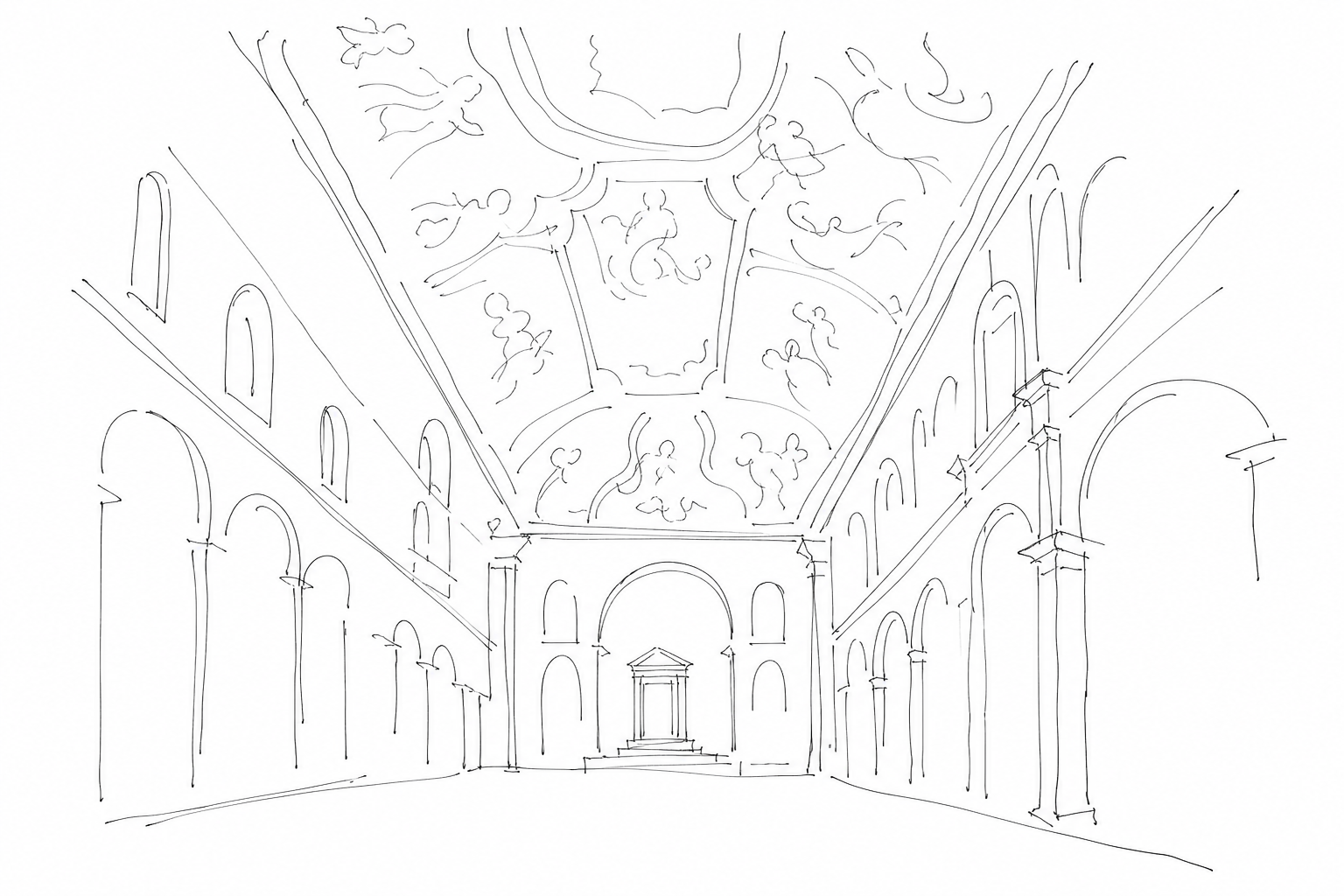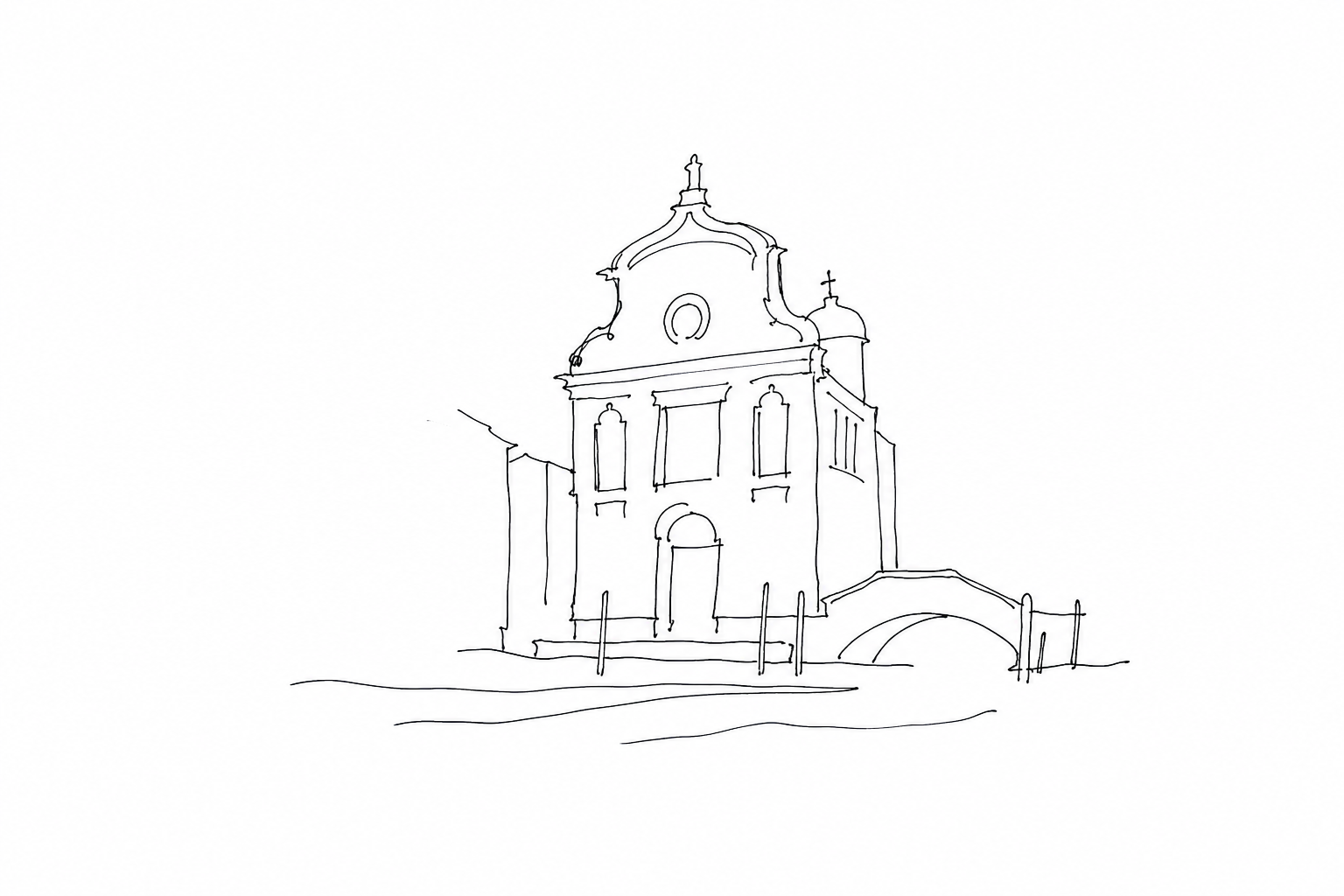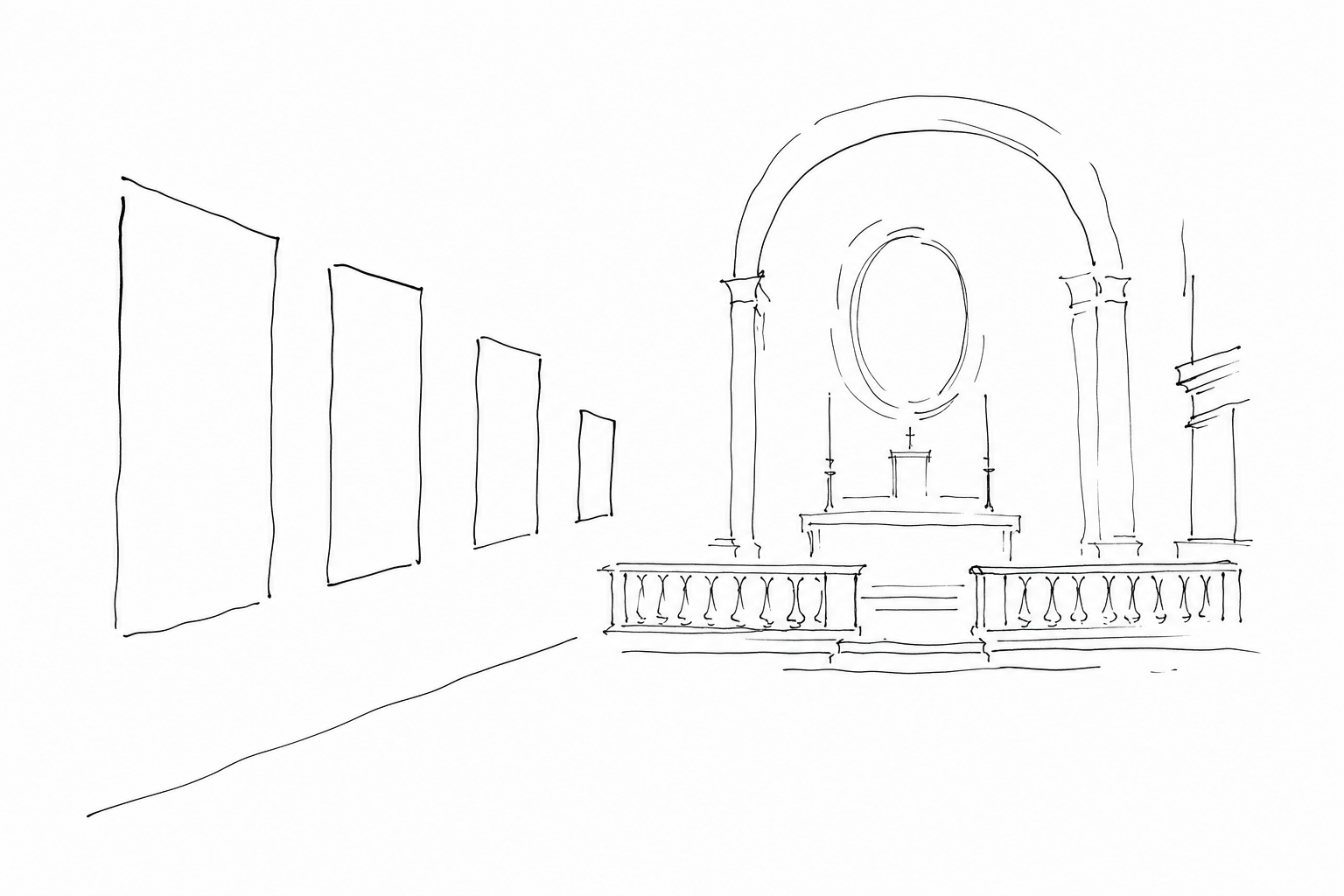

Looking for Carpaccio in Venice means entering a city observed up close: not only sacred apparitions and legends, but calli, rooms, animals, domestic gestures, recognizable architecture and details that seem to have been noted from life. In his narrative cycles, painting becomes almost an urban archive, capable of restoring Venice between the fifteenth and sixteenth centuries with a precision that often escapes the quickest itineraries. This route follows his works in the places where they speak best: the Scuola degli Schiavoni, the Gallerie dell’Accademia and the Museo Correr, where the city’s painted history is read through fragments, clues and small everyday presences.
Why Carpaccio tells Venice better than many maps
Looking at Carpaccio in Venice means entering a city that lets itself be read through clues: bridges, altane, calli, fabrics, signs, domestic animals, foreign delegations. Vittore Carpaccio, active between the late fifteenth and early sixteenth centuries, does not paint only sacred episodes or legends of saints; he sets them in a recognizable Venice, constructed with the precision of someone who knows the rhythm of the lagoon.
In his canvases, the stories of Saint Ursula, Saint George, Saint Jerome or Saint Augustine become almost urban chronicles. Alongside the protagonists appear dogs, birds, servants, merchants, oriental carpets, armor, boats and façades that tell of a city open to Mediterranean trade. For this reason, looking for Carpaccio does not mean only visiting museums and confraternal schools: it means learning to recognize how Venice imagined itself, represented itself and observed itself in everyday details.
The Scuola degli Schiavoni: saints, dragons and Venetian rooms
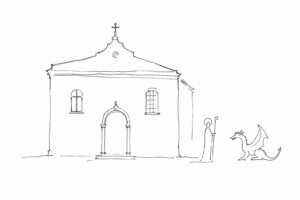
The most intense place to encounter Carpaccio in Venice is the Scuola Dalmata dei Santi Giorgio e Trifone, known as the Scuola degli Schiavoni, near San Giovanni in Bragora. It is not a neutral hall: it is the historic seat of a confraternity linked to the Dalmatian community, and the canvases were conceived for this space, not simply hung here later.
The cycle, painted in the early years of the sixteenth century, brings together some of the painter’s most memorable images. Saint George confronts the dragon in a landscape strewn with remains, bones and fantastical architecture; Saint Tryphon tames the basilisk; Saint Jerome appears in episodes where the lion, the friars, the books and domestic objects transform legend into everyday narrative.
Here it is worth looking slowly: the sacred stories seem to open onto recognizable rooms, thresholds, floors, shelves, small animals and minute gestures. It is precisely this closeness between miracle and urban setting that makes the Scuola degli Schiavoni an essential stop. Before visiting, it is prudent to check the updated procedures and opening hours.
At the Gallerie dell’Accademia: the cycle of Saint Ursula
At the Gallerie dell’Accademia, the great narrative of Saint Ursula allows Vittore Carpaccio to be read in a different dimension: no longer the intimate room of the Dalmatian confraternity, but a museum sequence of large teleri, created for the Scuola di Sant’Orsola and painted mainly in the 1490s.
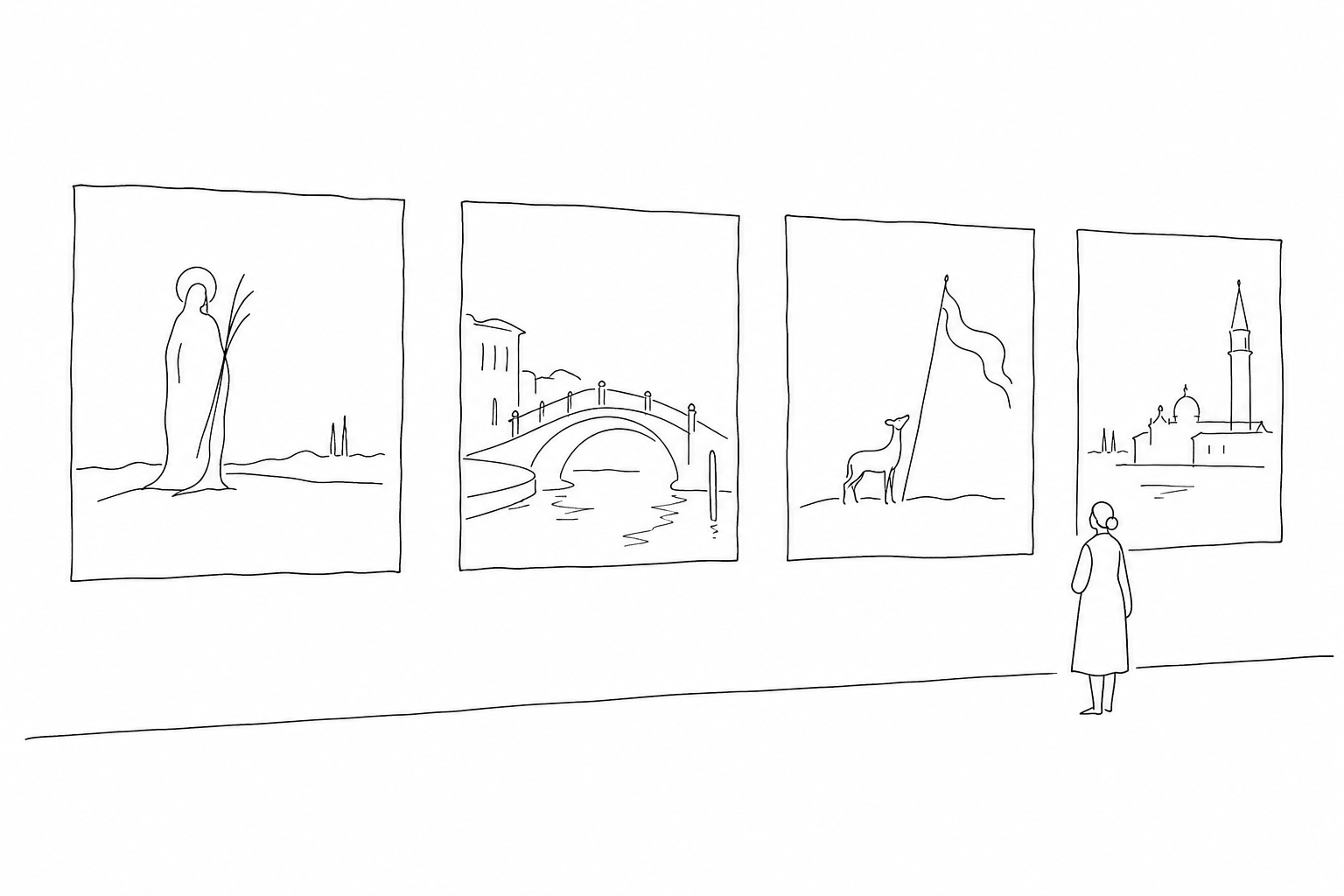
The cycle follows the legend of the Breton princess promised in marriage, the pilgrimage to Rome and the martyrdom in Cologne. Today, in front of the canvases, it is worth looking not only for the main episode, but for the staging of the details: ambassadors entering orderly rooms, beds with canopies, windows opening onto imaginary architecture, ships, loggias, brocades and small groups of spectators.
Among the most revealing scenes are the Arrival of the Ambassadors, the Dream of Saint Ursula and the farewell before the journey: the painted city becomes a precise theater, where devotion passes through domestic furnishings, public ceremonies and everyday gestures. In the museum, the narrative should be followed slowly, checking the current arrangement and information on site.
Museo Correr: reading everyday details without haste
At the Museo Correr, the most useful encounter for understanding the domestic side of Vittore Carpaccio is often the one with the Two Venetian Ladies. The painting, long interpreted in a reductive way, should be observed as a suspended scene: two women on a terrace, animals beside them, minute objects, a slow time that does not coincide with a great sacred action.
Here the narrative passes through clues: the dogs, the raised footwear, the vase, the birds, the parapet, the restrained gaze. The panel also dialogues with the upper part now known as Hunting on the Lagoon, preserved elsewhere: knowing this helps to imagine a broader original image, where interior, waiting and lagoon landscape were connected.
A practical method: first look at the whole scene, then choose three non-central details, and finally ask yourself what they tell about social rank, habits, domestic spaces and the relationship with water. Before visiting, it is advisable to check the museum website for location and updated information.
Carpaccio invites you to look at Venice without haste, as a set of scenes to decipher rather than as a sequence of monuments. His works do not offer only great religious episodes: they show floors, windows, clothes, boats, animals and objects that transform painting into a sensitive map of urban life. Visiting the places that preserve his cycles means learning a method of observation useful even outside museums, in the calli and campi. After Carpaccio, Venice appears less abstract and more concrete: a city made of stories, details and gazes that continue to accumulate in layers.
Related Posts
Carpaccio’s Stories of Saint Ursula: a painted tale to follow like a Venetian novel
Narrative guide to Carpaccio’s Stories of Saint Ursula: origin, episodes, Venetian details and keys to interpretation at the Gallerie dell’Accademia.The Scuola Dalmata degli Schiavoni: Carpaccio, dragons and saints in an almost domestic Venice
Editorial guide to the Scuola Dalmata degli Schiavoni, amid Carpaccio, Dalmatian saints and a Venice gathered in the sestiere of Castello.
Visiting Venice without entering any museum: a day made of details, campi and water
A slow itinerary in Venice without museums, among calli, campi, bridges, rii, fondamenta and stops to read the inhabited city.Questions Answered
Why is Carpaccio's depiction of Venice unique?
Because it presents the city through detailed everyday and sacred scenes.Where can you see Carpaccio’s cycle of Saint George?
At the Scuola degli Schiavoni, near San Giovanni in Bragora.What makes the Saint Ursula cycle special?
Its scale and detailed narratives connecting devotion to Venetian life.How does Carpaccio depict domestic life?
Through minute objects and gestures revealing social rank and habits.
Keep exploring the Venice of St Mark’s
Which spaces help you read the square as a system of symbols, institutions and images?
 San Zaccaria beyond San Marco: crypt, water and the suspended calm of Giovanni BelliniA slow guide to San Zaccaria: the church between San Marco and Castello, the flooded crypt and the altarpiece by Giovanni Bellini.
 The Scuola Dalmata degli Schiavoni: Carpaccio, dragons and saints in an almost domestic VeniceEditorial guide to the Scuola Dalmata degli Schiavoni, amid Carpaccio, Dalmatian saints and a Venice gathered in the sestiere of Castello.
 Riva degli Schiavoni: reading the ancient port behind the most photographed promenadeAn urban reading of the Riva degli Schiavoni: landings, palaces, mercantile memory and a slow gaze between San Marco and Castello.
 The mosaics of San Marco: how to look at the gold without being dazzled only by its beautyA brief guide to reading the mosaics of San Marco: gold, light, scenes, spaces and details to observe calmly.