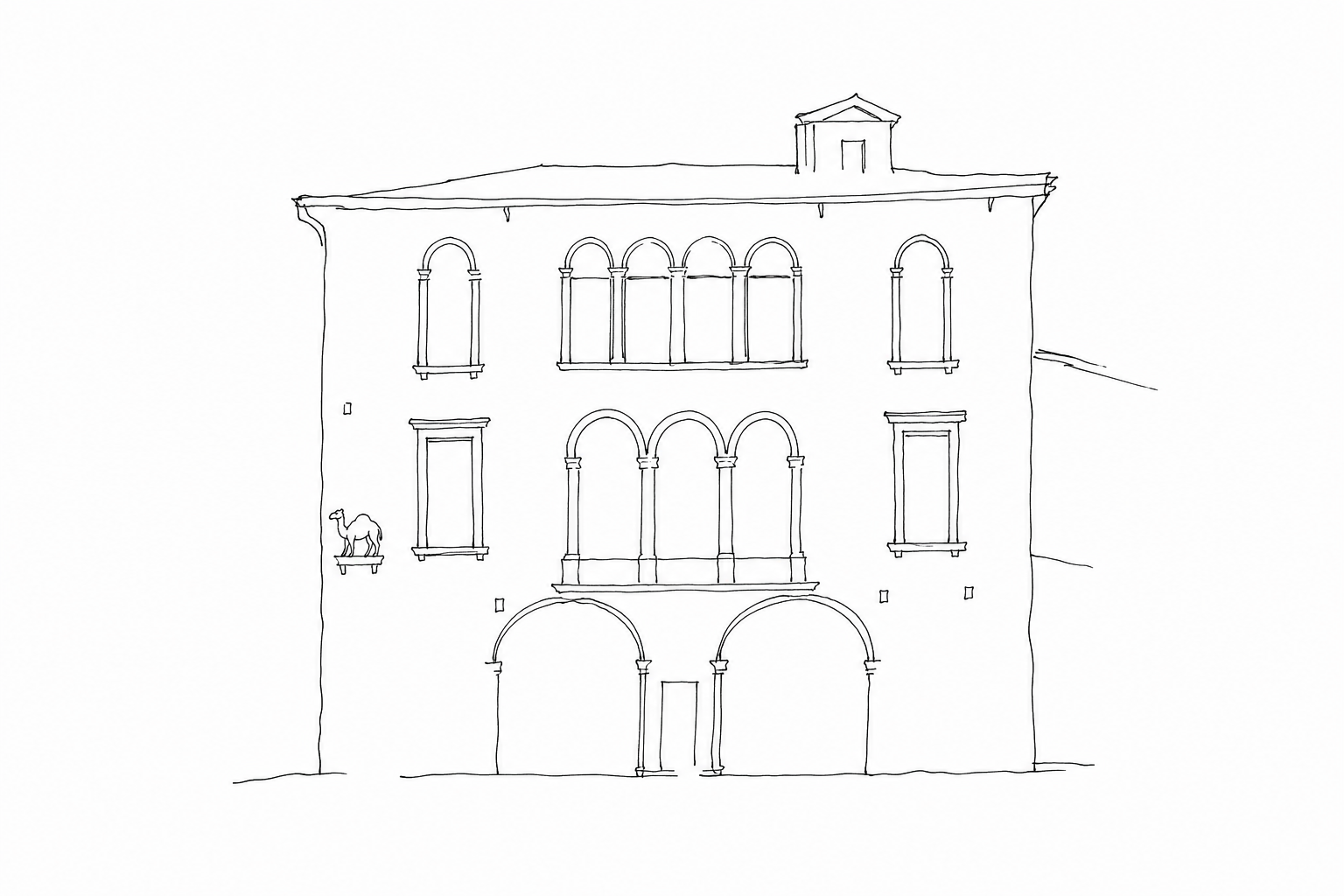

In the heart of Cannaregio, Palazzo Mastelli preserves an unexpected detail on its façade: a camel carved in stone. It is neither a random decoration nor a simple exotic element, but a concrete trace of the commercial relations that linked Venice to the eastern Mediterranean. Observing it means reading the city at a different height, far from the most celebrated monuments and close to the small stories of the families, goods and routes that built its urban identity.
Where the camel of Palazzo Mastelli is located
The camel of Palazzo Mastelli can be found in the sestiere of Cannaregio, in an area set apart from Venice’s most beaten flows. The most useful urban reference is Campo dei Mori, a small campo linked to the figures of Eastern merchants carved into the surrounding walls. From here, following the fabric of calli and fondamenta toward the rio, you can recognize the façade of the palace and, on it, the famous relief of the animal.
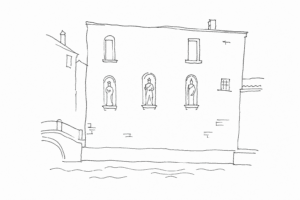
The detail is not an isolated element: it dialogues with the water, with the Gothic houses and with the mercantile memory of the district. Cannaregio, at this point, preserves a residential and silent character; precisely for this reason the camel surprises, because it introduces an Eastern image onto a Venetian wall. To get your bearings, it is best to look first for Campo dei Mori and then calmly observe the façades overlooking the nearby waterway.
The Mastelli are remembered by Venetian tradition as a family of merchants linked to trade with the Levant. Local sources often connect them to the Morea, that is, the Peloponnese, and to the names of three brothers: Rioba, Sandi and Afani. Their memory has remained impressed not only in documents and legends, but also in the carved figures that inhabit this part of Cannaregio.
The detail of the camel should be read within this commercial history. It is not a random ornament: it evokes an imagery of caravans, precious goods and Eastern routes. Venice, between the Middle Ages and the early modern age, built a decisive part of its wealth thanks to exchanges with Byzantine, Greek, Syrian and Egyptian ports. Spices, silks, dyes and metals traveled by sea, but their symbolic value came from much farther away.
On the façade of the Mastelli building, the animal therefore becomes a sort of speaking sign. It tells of the identity of a family that wanted to be recognized for its Mediterranean and Eastern contacts. In a secluded waterway, that relief transforms stone into mercantile memory.
To truly read the relief, it is best to stop at a distance and then move closer: the animal is not a simple ornament, but a narrative heraldic sign. The camel is depicted in profile, with a compact body and an outline rendered in an essential way, more symbolic than naturalistic. Precisely this simplicity makes it effective: a recognizable outline is enough to evoke caravans, goods, journeys and Mediterranean routes.
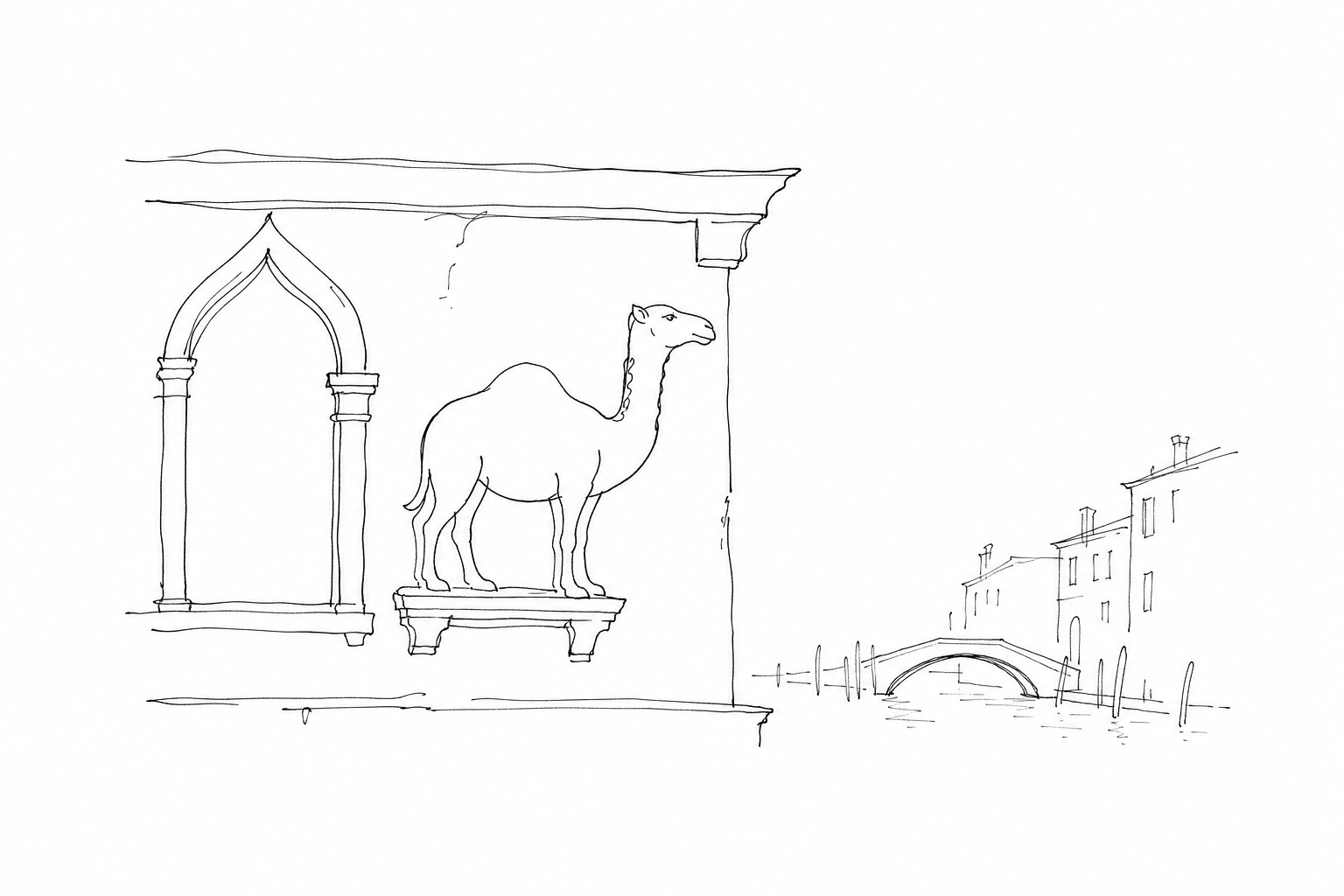
Observed together with the façade, the detail dialogues with a still medieval Venetian language: arched openings, brick surfaces and stone inserts do not seek a monumental effect, but build a family memory visible from the waterway. The relief functions almost like a stone sign, designed to be noticed by those passing along the rio.
One element not to be overlooked is the contrast between the exotic theme and the urban context. The image of the camel does not merely “decorate”: it introduces a geographical and commercial reference onto the house, translating into immediate form the origin of the Mastelli’s wealth and relationships. In this sense, the small carved animal is worth as much as a document: it does not tell a scene, but concentrates in an emblem the idea of mobility, exchange and mercantile prestige.
During a slow walk, this carved sign changes the way of reading the area around the Madonna dell’Orto. It is not an isolated curiosity: it relates the Mastelli house to nearby Campo dei Mori, where the statues of the merchants “who came from afar” transform family memory into an urban narrative.
For the attentive visitor, the camel functions as an interpretive threshold. It invites you to connect stone, trade and geography: Venice did not live only from the lagoon, but from routes toward the Levant, prized goods, different languages and reputations built through visible symbols. Looking at it means understanding that even a small element can direct the gaze toward a broader history.
The value of stopping lies precisely here: recognizing, in a secluded spot, a concrete trace of the Venetian mercantile vocation, far from the most celebrated routes but still legible on the surface of the building.
The camel of Palazzo Mastelli is a small sign that changes the way of crossing Cannaregio. It invites you to slow down, to look at façades as documents and not only as backdrops, to recognize in architectural details the memory of journeys, exchanges and distant presences. On a Venetian walk, stopping in front of this figure means grasping a less evident but more precise city: made of stone, water, trade and stories left on the surface, for those who know how to notice them.
Related Posts
Campo dei Mori: statues, merchants and legends carved on the walls of Cannaregio
A brief guide to Campo dei Mori, among walled-in statues, eastern merchants and legends of Cannaregio.Corte del Milion: Marco Polo, toponyms and hidden memory behind Rialto
A reading of the Corte del Milion among the Polo houses, nizioleti and urban traces behind Rialto.
The Fontego dei Turchi: from home of Ottoman merchants to museum on the Grand Canal
History, architecture and urban interpretation of the Fontego dei Turchi, from the Ottoman presence in Venice to the Museum of Natural History.Questions Answered
Where is the camel on Palazzo Mastelli located within Venice?
It is situated in Cannaregio near Campo dei Mori by a secluded waterway.Who were the Mastelli family and what was their trade connection?
They were merchants linked to the Levant and trade routes with the Morea.What does the camel relief symbolize on the palace façade?
It represents Eastern trade routes, caravans, and the family’s mercantile identity.How does the camel carving affect the reading of Venetian architecture?
It encourages viewing façades as historic documents that reveal trade and family stories.
Inside the less obvious Cannaregio
Would you like to follow nearby details that give the district its distinctive character?
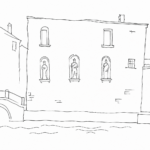 Campo dei Mori: statues, merchants and legends carved on the walls of CannaregioA brief guide to Campo dei Mori, among walled-in statues, eastern merchants and legends of Cannaregio.
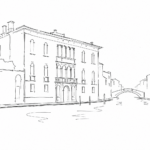 Palazzo Labia: Tiepolo, Cleopatra and the Eighteenth Century Overlooking CannaregioHistory, frescoes and urban context of Palazzo Labia, between Tiepolo, Cleopatra and the eighteenth-century face of Cannaregio.
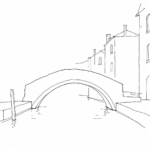 Ponte Chiodo in Cannaregio: one of the last Venetian bridges without a parapetHistory, form and urban context of Ponte Chiodo, a rare Venetian bridge without a parapet in the Cannaregio district.
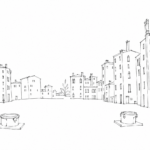 Campo del Ghetto Nuovo: very tall houses, wells and memory in a strangely wide spaceEditorial guide to Campo del Ghetto Nuovo: space, tall houses, wellheads and Jewish memory in Cannaregio.