
Overlooking the Grand Canal with its long sequence of arches, the Fontego dei Turchi is one of those Venetian buildings that seem to bring together several cities in the same place: the Venice of noble palaces, that of Mediterranean trade, that of nineteenth-century restorations and that of civic museums. The name refers to the Ottoman merchants who lived and worked here for centuries, within a space that was controlled but indispensable to exchange. Observing it today means reading an urban history made of water, goods, diplomacy, architecture and transformations.
Where it is located and why it stands out from the Grand Canal
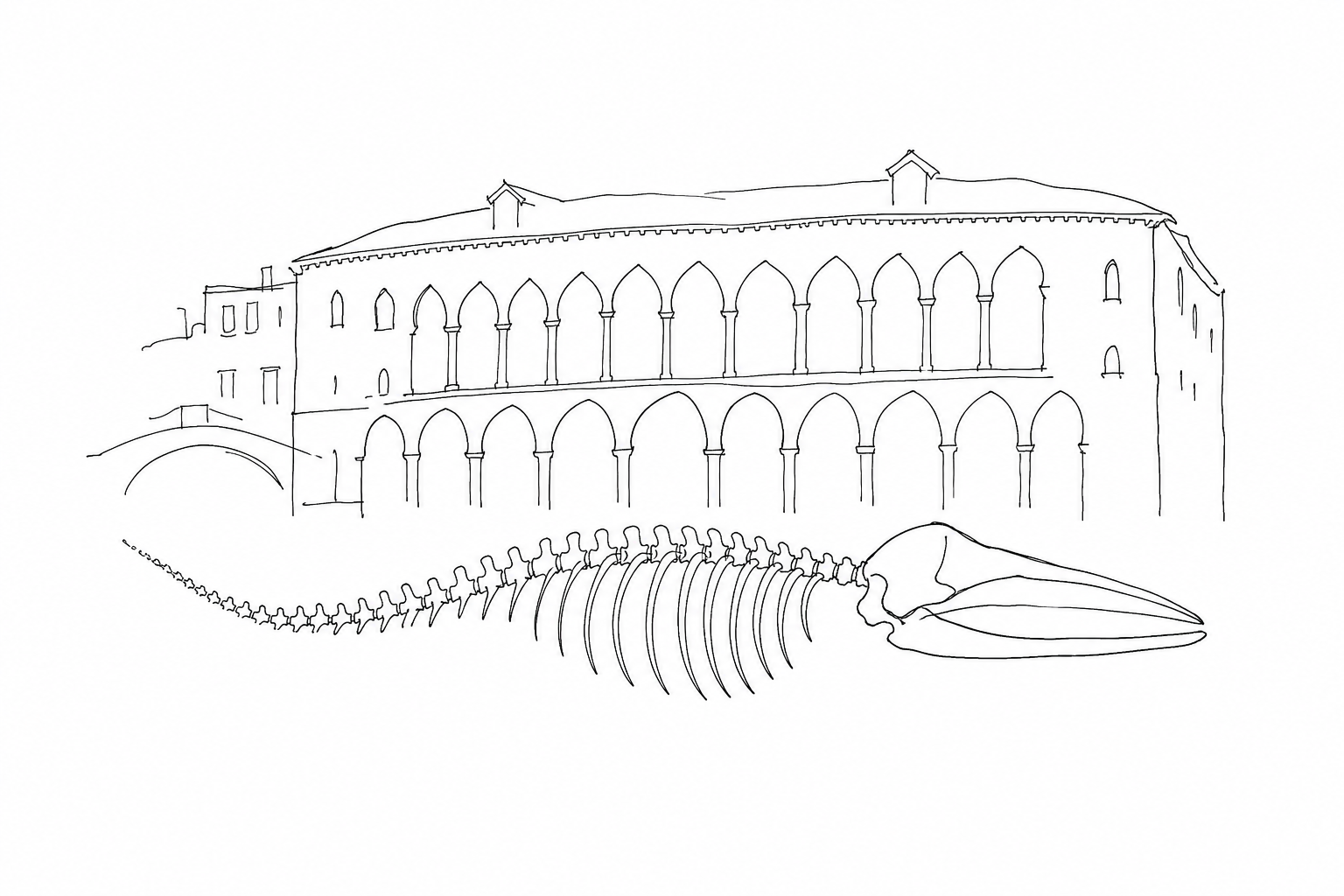
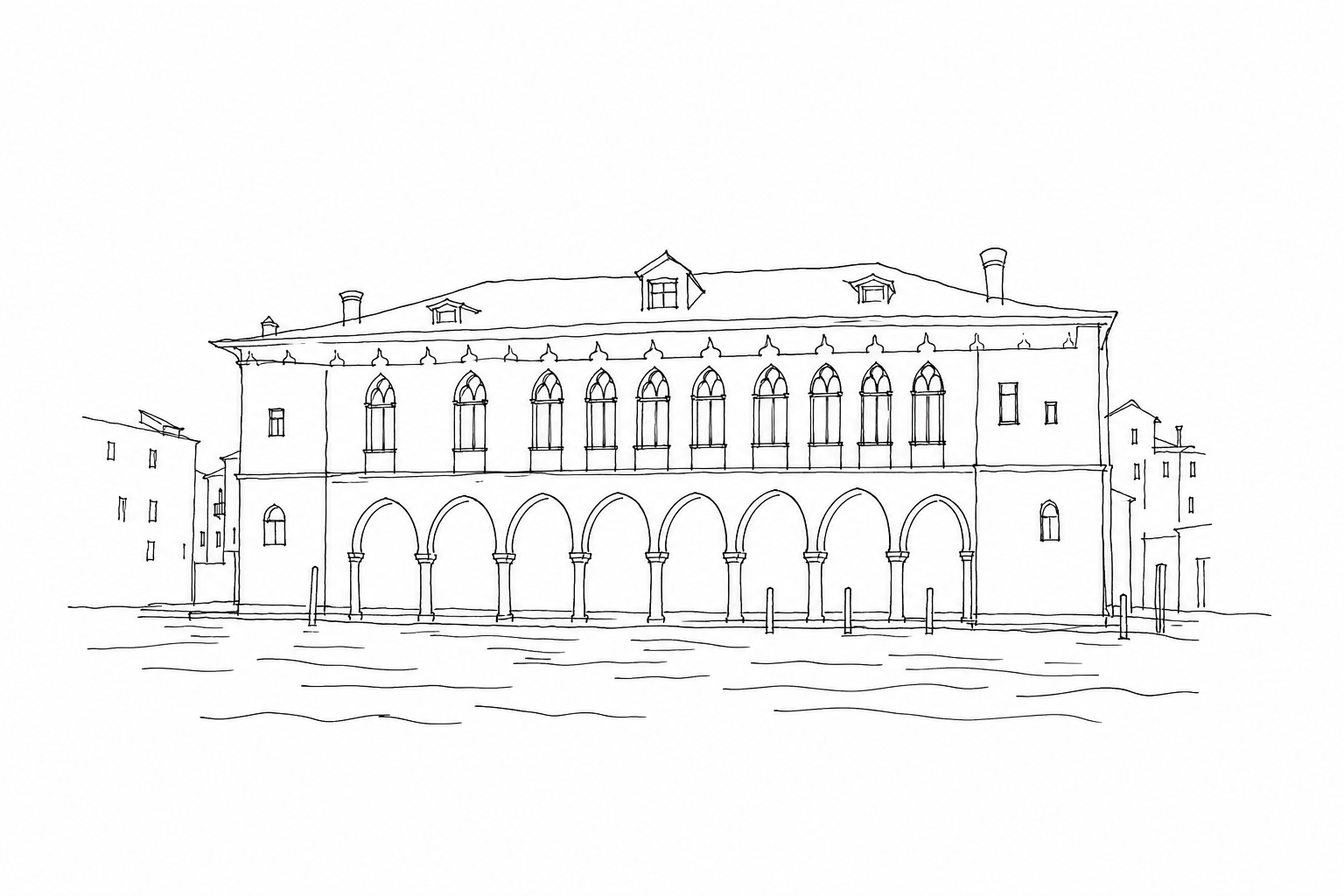
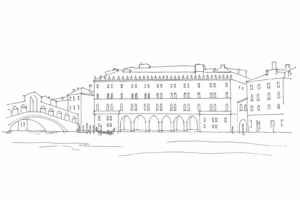
The Fontego dei Turchi directly overlooks the Grand Canal in the sestiere of Santa Croce, not far from the San Stae area. Arriving by water, the palace is immediately recognizable because it has a broad, almost theatrical frontage, different from many narrower and more vertical Venetian residences. Its façade seems to stretch along the bank: on the ground floor runs an arched portico, originally designed for the practical relationship with goods, boats and landing places.
The first impact comes above all from the rhythm of the columns and loggias, which recalls Veneto-Byzantine models and conveys an idea of mercantile antiquity. The battlements and regular openings accentuate the monumental appearance, even though the current image owes much to nineteenth-century restorations. It is precisely this compact presence, overlooking the water, that helps explain why the building was suited to becoming a fondaco: not only a dwelling, but a place of exchange, control and representation for Ottoman merchants in Venice.
From noble palace to fontego for Ottoman merchants
Before being associated with merchants from the Levant, the building was a highly prestigious aristocratic residence, linked to the period of Veneto-Byzantine palaces overlooking the Grand Canal. Its transformation into a fontego took place in the seventeenth century, when the Republic of Venice assigned the palace to the Ottoman merchants present in the city, within a framework of relations that were at once commercial, diplomatic and supervised.
The term fontego, or fondaco, indicated a place where foreigners and goods were concentrated: not a simple warehouse, but a complex with lodgings, storage areas, spaces for negotiation and fiscal controls. In the case of the “Turks,” the Venetian definition included merchants who were subjects of the Ottoman sultan, active in trade between the Adriatic, the eastern Mediterranean and the city markets.
The choice to bring them together in a single building responded to specific needs. Venice could monitor the arrival of goods, apply duties, limit unauthorized contacts and at the same time offer a recognizable headquarters to indispensable counterparts. Silk, spices, cereals, hides, cottons and eastern products passed through networks that did not eliminate political rivalry with Istanbul, but made it manageable through rules and customs.
The Fontego dei Turchi was therefore also a diplomatic threshold: within its walls, business, translations, mediation and surveillance were intertwined. The solemn façade on the Grand Canal communicated prestige, while the internal function translated into architecture the complex coexistence between Venice and the Ottoman world.
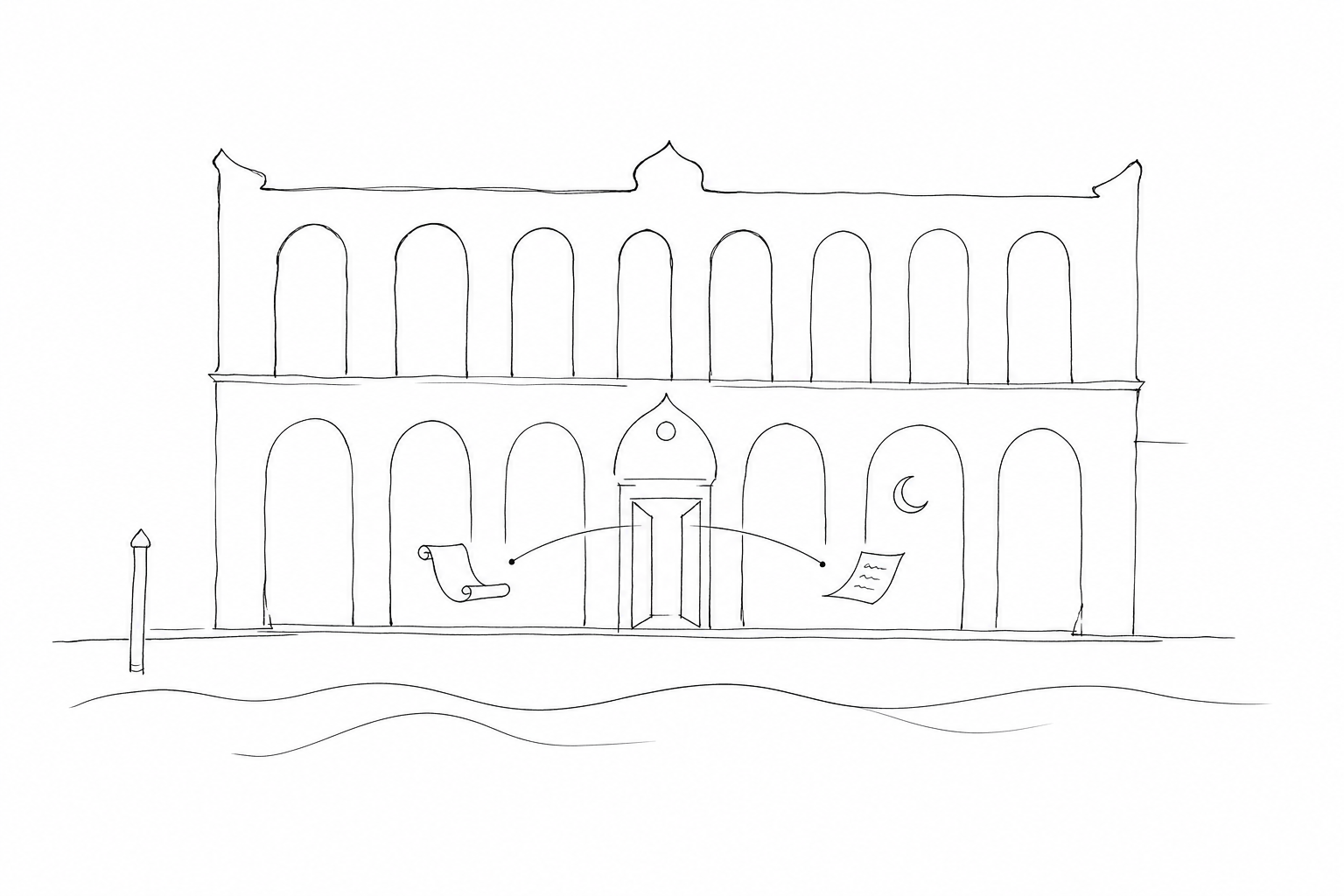
The elevation overlooking the Grand Canal should be read as a two-layered document: it preserves the idea of a medieval residence open toward the water, but also shows the nineteenth-century reconstruction work. When the Municipality acquired the building, the structure was very deteriorated; the restoration led by Federico Berchet in the second half of the nineteenth century recomposed loggias, arches, crowning elements and decorations according to a historicist interpretation of the Venetian Middle Ages.
When observing the façade, it is therefore best to avoid the idea of an intact survival. The sequence of arches on the ground floor recalls the function of access and exchange with the bank; above, the long loggias lighten the masonry mass and give the frontage a horizontal rhythm. The Veneto-Byzantine motifs, such as dense arches, slender columns, paterae and stone inserts, are part of a language that in the nineteenth century was selected, integrated and sometimes reinvented. It is precisely this stratification that makes the complex interesting: not only a medieval relic, but also testimony to the way in which Venice restored and staged its own past.
From Ottoman trade to natural history collections
The visit becomes clearer if the original function and the present one are considered together. From 1621 the building was assigned to the Ottoman commercial community: it was not only lodging, but a controlled space for storage, exchange and mediation, inserted into a city that separated and regulated foreign presences without giving up their trade.
Once that period ended, the site took on a different public use. After the municipal purchase in the nineteenth century and the restoration already mentioned, the complex housed civic collections; since 1923 it has housed the Museum of Natural History. Rooms, loggias and courtyards should therefore not be read as a simple scenic container: their breadth helps to understand how a place created for goods, people and controls was readapted to collections, fossil finds, zoology and the history of the lagoon.
For an informed visit, it is best first to check the museum’s updated information, then observe the relationship between the internal rooms and the view over the water: it is there that the commercial past dialogues with the current scientific use.
The Fontego dei Turchi is not only a scenic façade on the Grand Canal: it is a concrete trace of Venice’s role as a city of mediation, trade and control. Its history moves from private splendor to foreign presences, from the debated restorations of the nineteenth century to the cultural function of the Museum of Natural History. Stopping to look at it carefully helps one grasp a less immediate Venice, where every building preserves successive uses, political tensions and everyday details. For this reason too, it remains a valuable stop along a slow itinerary between Santa Croce and the heart of the city.
Related Posts
The Fondaco dei Tedeschi: from house of northern merchants to contemporary terrace over Rialto
History, architecture and current interpretation of the Fondaco dei Tedeschi, between Rialto, the Grand Canal and the terrace.Fondaco dei Tedeschi: from warehouse of Northern merchants to terrace over the city
History, architecture and urban interpretation of the Fondaco dei Tedeschi, between Rialto, northern trade and a view over the rooftops of Venice.
Natural History Museum: whales, fossils and a Venice that is not only about art
A museum on the Grand Canal where Venice displays whales, fossils and science, inside the Fontego dei Turchi.Questions Answered
What was the original purpose of the Fontego dei Turchi?
It was a noble Venetian palace before becoming a trading hub.Why was the building assigned to Ottoman merchants?
To concentrate trade, control goods, and monitor interactions.How does the architecture reflect its history?
It shows Veneto-Byzantine style and 19th-century restorations.What is the building's current function?
It now serves as the Museum of Natural History.
From the artwork to its Venetian setting
Want to move from this detail to spaces that explain the city’s art more fully?
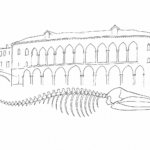 Natural History Museum: whales, fossils and a Venice that is not only about artA museum on the Grand Canal where Venice displays whales, fossils and science, inside the Fontego dei Turchi.
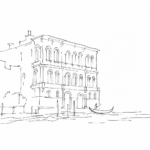 Ca’ Pesaro: why modern art in Venice lives in a palace on the Grand CanalWhy Venice’s Gallery of Modern Art is in a Baroque palace on the Grand Canal: the history, architecture, collections and urban meaning...
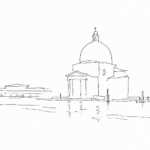 San Simeon Piccolo: the green dome in front of the station that seems to welcome those who arriveWhy San Simeon Piccolo, with its green dome on the Grand Canal, is the first face of Venice for those arriving at...
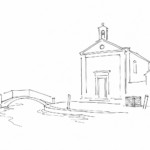 Santa Maria Mater Domini: a small church for understanding the mercantile Venice of Santa CroceA slow reading of Santa Maria Mater Domini, among campo, mercantile history, art and the urban fabric of Santa Croce.