
La Fenice is not only a place to reach in the evening, with a ticket in your pocket and the program in your hands. Even when the stage is silent, the theater retains an intense presence: in the gilding, in the velvets, in the proportions of the auditorium, but also in its history of fires, reconstructions and returns. Entering it by day means looking at Venice from another angle, less tied to the façades of monuments and more to the cultural life that has passed through them. It is a brief visit, but one capable of leaving precise traces.
Entering La Fenice when the stage is silent
Visiting La Fenice without attending an opera does not mean finding a “missing” theater, but encountering its most legible structure. When the auditorium is empty, attention shifts from the musical narrative to the place that makes it possible: the horseshoe of the stalls, the order of the boxes, the golden light, the painted ceiling, the precise distance between spectator and stage.
The name itself invites you to read the theater as a story of returns. Inaugurated in 1792, La Fenice was rebuilt after devastating fires, including those of 1836 and 1996; the last reconstruction followed the principle of as it was, where it was, restoring to the city not only a building, but a recognizable theatrical memory.
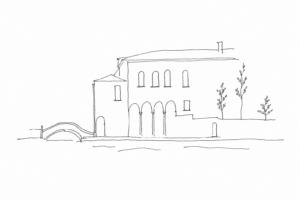
With the stage still, you also understand why this space mattered in European musical life: seasons, audiences, impresarios, singers and composers passed through here, and the theater became a place where Venice continued to represent itself even after the end of the Serenissima.
Born, burned and rebuilt
The history of La Fenice clarifies why a visit without a performance is not a fallback. The auditorium was born in 1792, after the company that owned the San Benedetto lost its old venue: the new name already alluded to a rebirth. Since then the building has experienced two decisive fires, in 1836 and 1996, followed by reconstructions that were not simple repairs, but choices of memory.
Looking at boxes, foyer and decorations with this chronology in mind changes the perception of the spaces. You are not merely observing an elegant interior: you are reading a Venetian continuity made of wounds, building sites and returns to public life. After the nineteenth-century fire, the reconstruction was rapid; after the one in 1996, the motto “as it was, where it was” guided the recovery of the historical image, up to the reopening in 2003.
For this reason, even without an orchestra, the route remains eloquent: every gilding and every order of boxes tells of the desire to preserve a civic place even before a musical one.
What to observe: auditorium, boxes, ceiling, foyer
A visit to La Fenice with the curtain closed allows you to read the auditorium as an urban document. The horseshoe plan does not serve only acoustics: it organizes the gaze, relates the stalls, the overlapping tiers and the proscenium, recalling a society in which seeing and being seen was part of the social ritual.
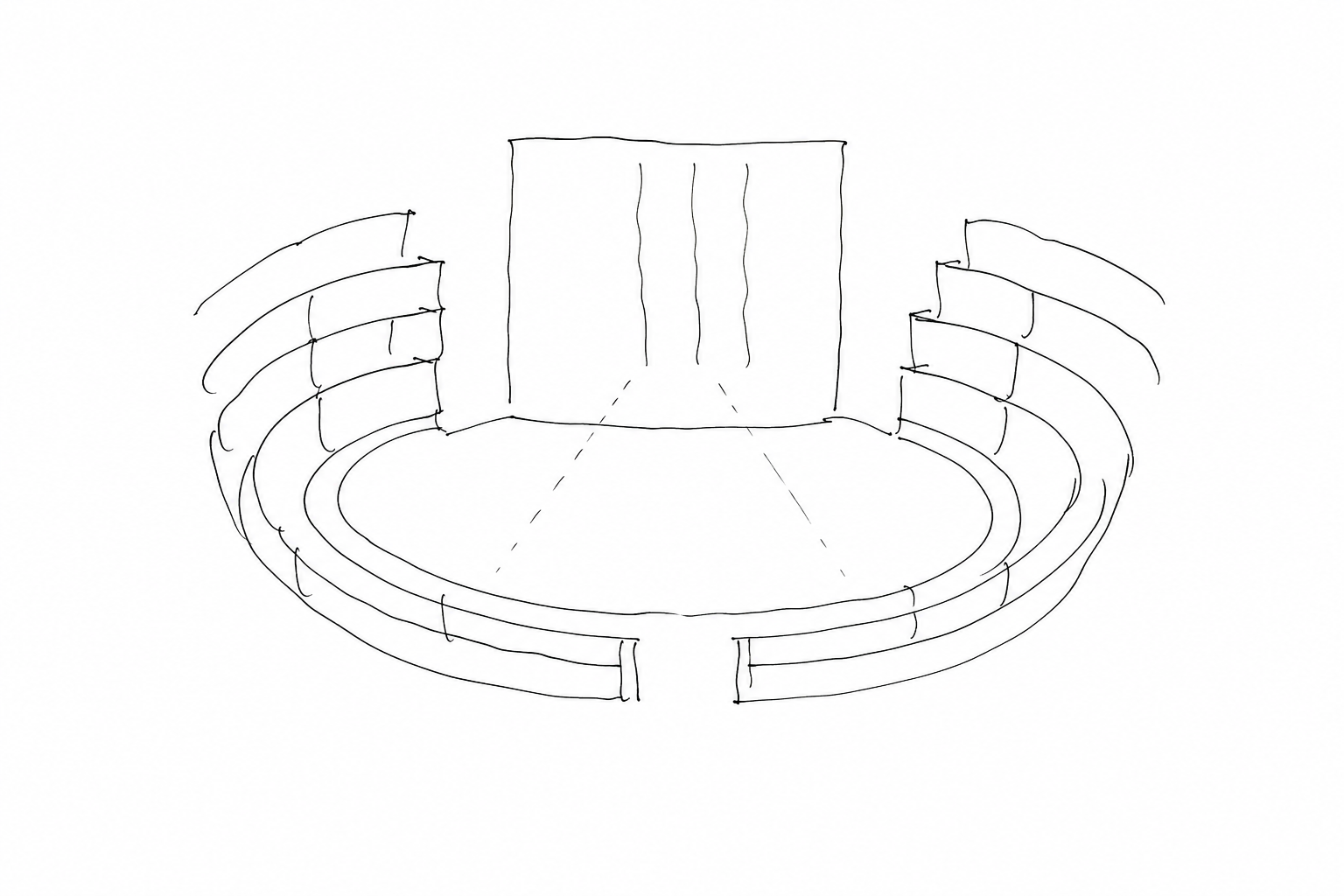
Observe the boxes as small rooms overlooking the auditorium: gilded frames, curtains, parapets and side partitions tell of private use within a collective space. The royal box, larger and central, immediately clarifies the symbolic hierarchy of the auditorium.
Then raise your eyes toward the ceiling: the large chandelier and the light-colored decoration amplify the feeling of lightness. After the fire of 1996, the reconstruction completed in 2003 restored this apparatus with a declared principle of continuity, based on surveys, photographs and artisanal memory.
The foyer and the reception rooms complete the reading. Here the theater becomes a place of pause, conversation and waiting: mirrors, stuccoes, floors and proportions prepare the entrance into the auditorium even before the music. Looking at these empty spaces helps you understand that opera occupies not only the stage, but the entire building.
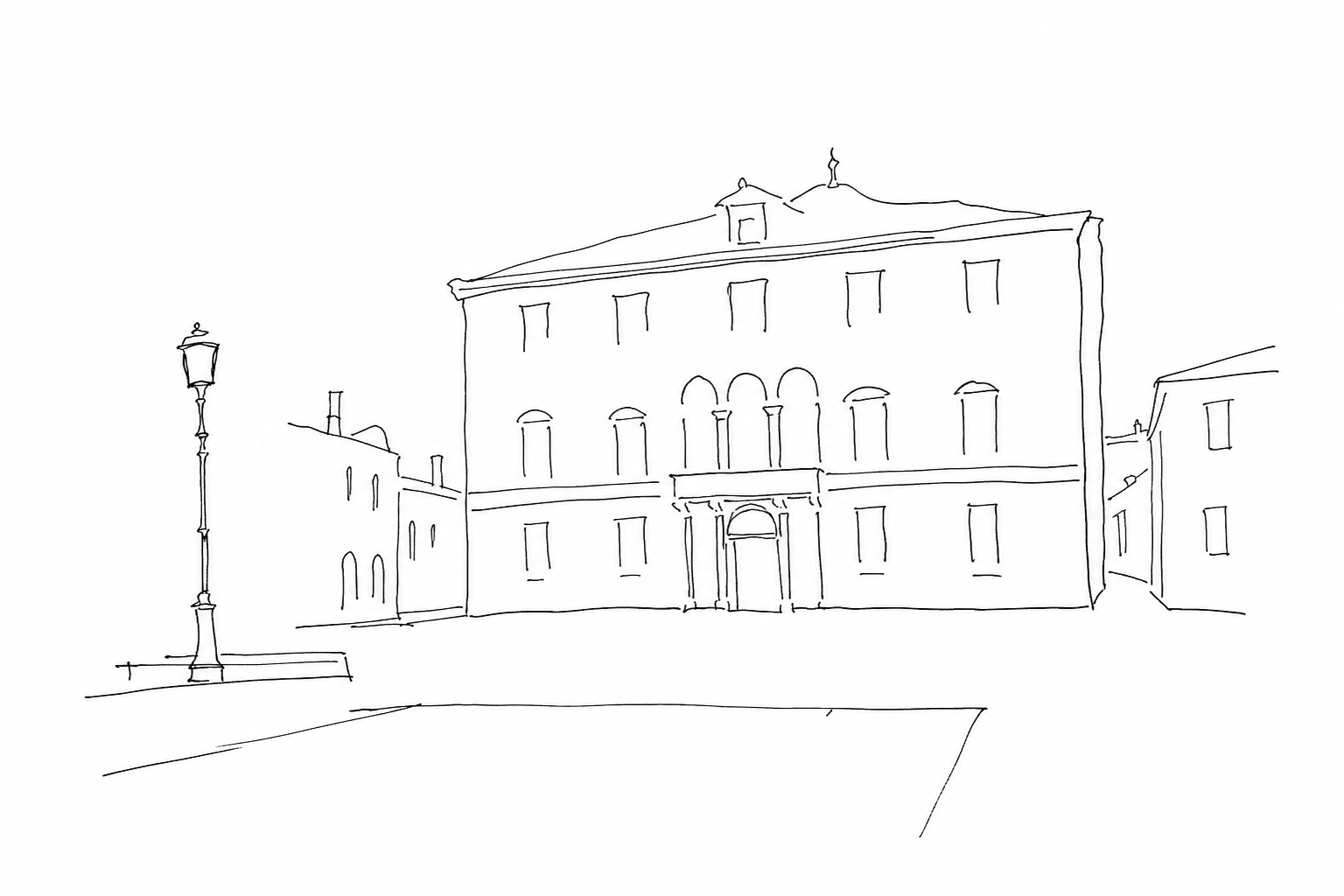
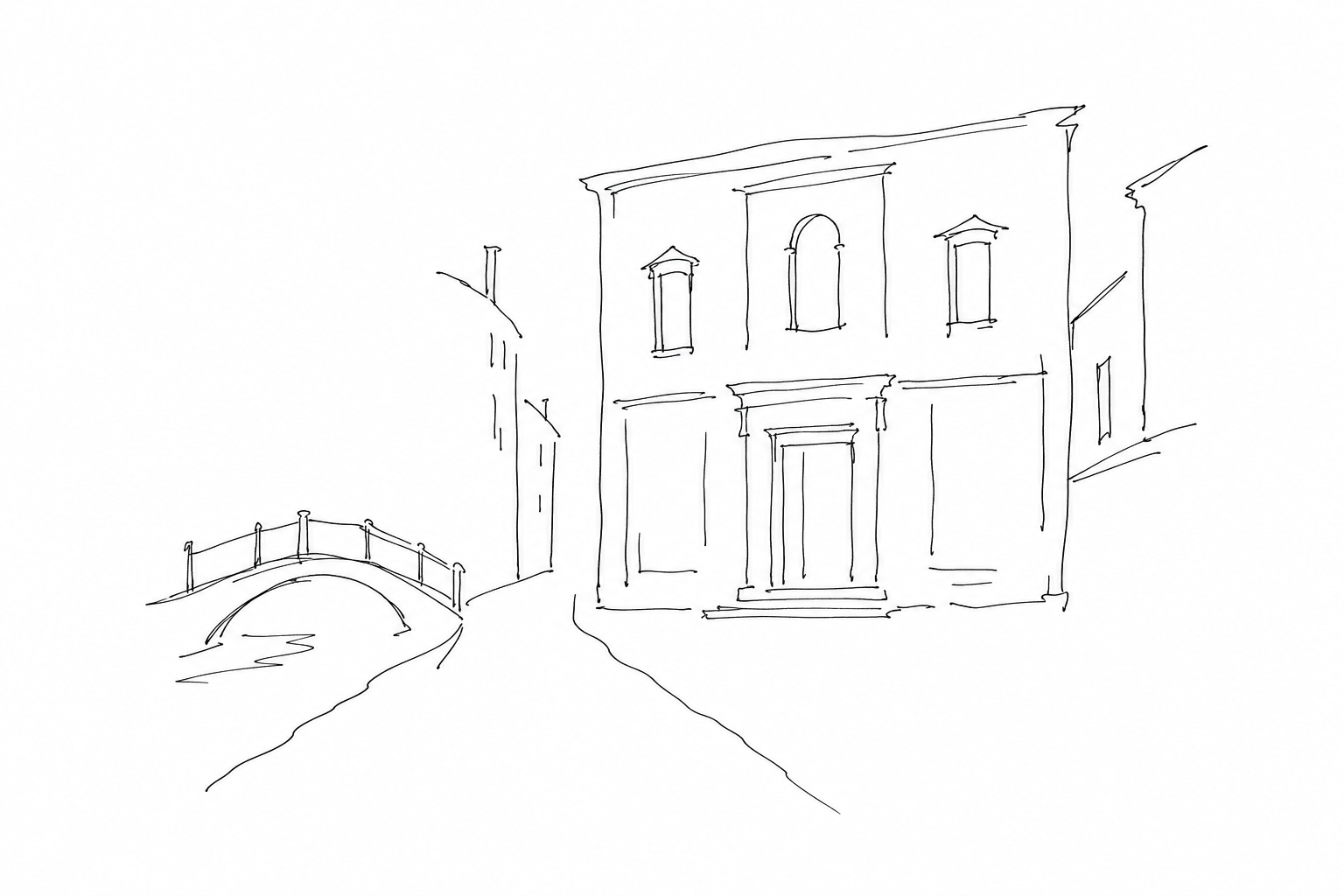
The visit works well as a detour from the more beaten route between Piazza San Marco and Rialto. Instead of staying on the axis of shop windows, you can reach Campo San Fantin: here the nineteenth-century façade of La Fenice engages with the church of San Fantin and with the Ateneo Veneto, recalling that Venetian opera was born within a network of civic institutions, confraternities and learned conversations.
After the interior, it is worth leaving slowly toward the side calli: the change of scale is part of the experience. From the gilded decoration you pass to Istrian stone, small bridges, narrow rii and little campi where the city becomes everyday again. This contrast helps you understand why such a rich building is not isolated, but embedded in the fabric of San Marco.
Before leaving, always check the updated visit methods and times.
Visiting La Fenice without attending a performance is not a fallback, but a different way of listening to the theater. You observe details that remain in the background during an opera: the structure of the boxes, the light of the ceiling, the relationship between elegance and memory, the discreet position in the urban fabric of San Marco. Included in a slow walk, away from the automatisms of the Rialto-Piazza San Marco route, La Fenice becomes a meaningful pause: a Venetian interior in which the city shows its capacity to lose, rebuild and continue.
Related Posts
Visiting Venice without entering any museum: a day made of details, campi and water
A slow itinerary in Venice without museums, among calli, campi, bridges, rii, fondamenta and stops to read the inhabited city.Querini Stampalia: Carlo Scarpa, acqua alta and modern architecture inside a Venetian palazzo
Editorial guide to the Querini Stampalia: the palazzo, Carlo Scarpa’s intervention, acqua alta and the dialogue between historic Venice and modern architecture.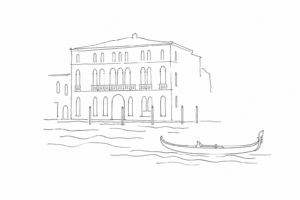
Ca’ Vendramin Calergi: Wagner’s palace and the elegant Venice of the Grand Canal
History, architecture and Wagnerian memory of Ca’ Vendramin Calergi, a Renaissance palace overlooking the Grand Canal.Questions Answered
What makes visiting La Fenice without attending an opera valuable?
It reveals the theater's architecture, history, and civic significance.How has La Fenice's history of fires influenced its restoration?
Restorations followed 'as it was, where it was', preserving historical memory.What architectural features highlight social hierarchy in La Fenice?
The horseshoe auditorium and royal box symbolize social rituals and status.How does La Fenice relate to Venice’s urban and cultural fabric?
Its location and surroundings connect theater to Venice's civic institutions and daily life.
Read St Mark’s beyond the square
Want to move from the famous monuments to details that explain power, art and public life?
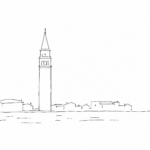 St Mark’s Campanile: looking at Venice from above without forgetting that it is a reconstructionClimbing St Mark’s Campanile means reading Venice from above and remembering the collapse of 1902, the reconstruction and the urban meaning of...
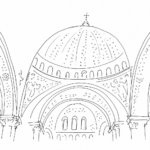 The mosaics of San Marco: how to look at the gold without being dazzled only by its beautyA brief guide to reading the mosaics of San Marco: gold, light, scenes, spaces and details to observe calmly.
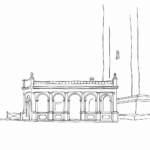 Sansovino’s Loggetta: the small precious building at the foot of the CampanileHistory, architecture and sculptures of Sansovino’s Loggetta, at the foot of St. Mark’s Campanile.
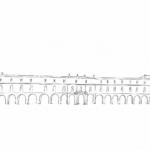 Museo Correr: why starting here helps you understand San Marco before the basilicaTo read San Marco more calmly, the Museo Correr offers the civic, political and urban key to the square before the basilica.