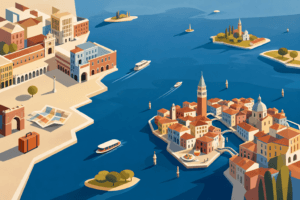

Visiting Venice without entering any museum does not mean giving up art or history: it means looking for them where the city lets them emerge, between a sottoportego, a wellhead, a facade worn by salt air, the rhythm of footsteps on bridges. On a day like this, your gaze changes scale: fewer exhibition rooms, more campi, workshops, quays, details of stone and water. The itinerary crosses different sestieri without chasing a list of monuments, but following the urban form of Venice, made of detours, narrow passages, sudden openings and pauses that tell as much as a famous interior.
A day without museums: changing the scale of your gaze
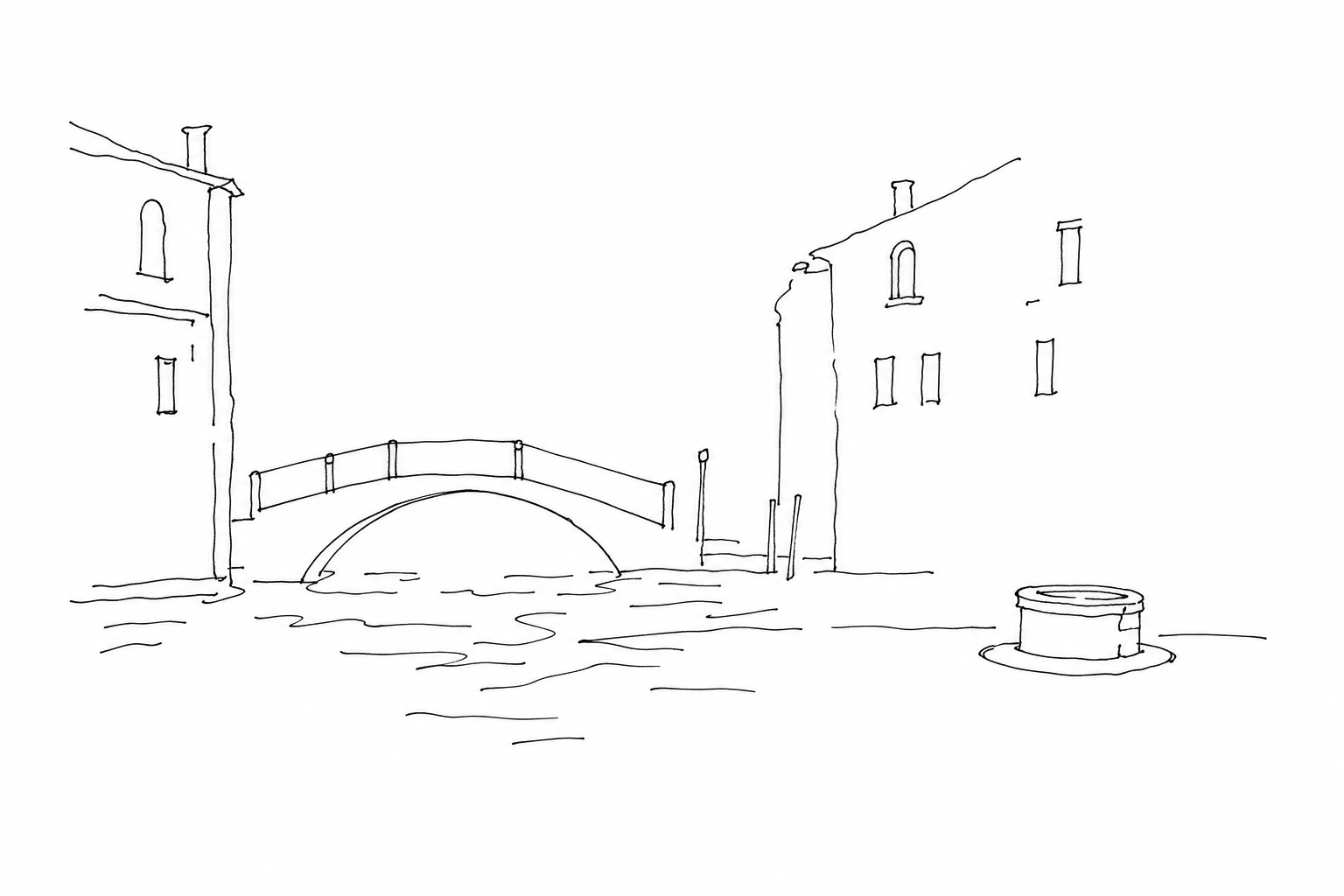
Visiting Venice without entering any museum does not mean giving up art: it means moving it outside the rooms, where the city lets it appear in fragments. The day begins by changing scale: fewer monuments to “do,” more thresholds, wells, altane, capitals, coats of arms worn by salt air, wellheads at the center of the campi. Every detail tells of a use: the water collected in cisterns, the goods unloaded on the quays, the facades designed to be seen from the canals.
The ideal itinerary does not run along a closed list, but alternates campi and calli, bridges and fondamenta. In a campo, you observe how Venetian space functions as square, courtyard and place of passage; along a rio, you understand why many houses have two fronts, one on the water and one on land. Seen this way, Venice becomes an open museum but not museumified: alive, layered, readable step by step.
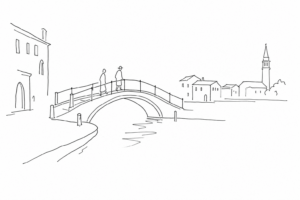
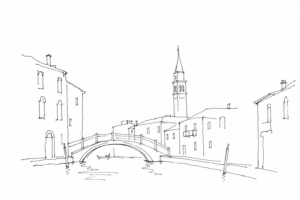
Morning between Santa Croce, San Polo and Rialto
To begin without forcing the pace, Santa Croce is a good entrance into everyday Venice. Around San Giacomo dell’Orio, the campo remains a small lesson in Venetian urban planning: trees, a central well, overlooking houses and narrow passages that open suddenly. Here it is worth observing the wellheads, the capitals on the corners and the Gothic windows that have survived on the simpler facades.
From Santa Croce you enter San Polo by following calli that brush past minor rii. There is no need to look for monuments at every turn: the theme is to understand how water shaped warehouses, fondachi, low bridges and landing places. Campo San Polo, one of the largest in the city, instead recounts the public dimension: it was a space for meetings, markets, games and ceremonies, even before being a simple place of passage.
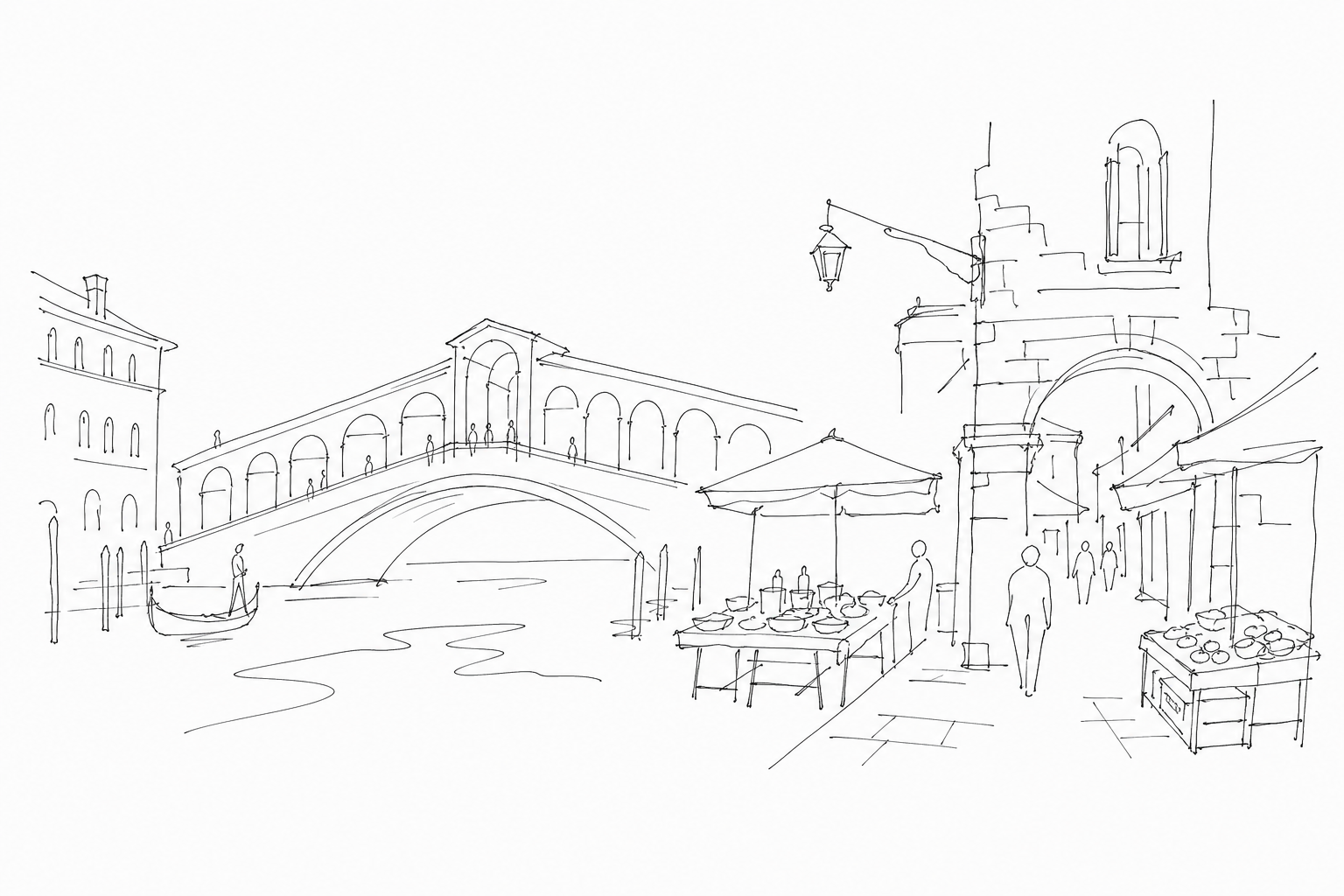
The morning can end towards Rialto, where Venice shows its commercial origin. Near the Mercerie and the bridge, looking at signs, sottoporteghi and market stalls helps you read the city as a network of exchanges: Istrian stone, bricks, water and crowds already make up a complete itinerary.
Campi, bridges and water: from San Marco towards Castello
Arriving in the San Marco area, you can read the power of the Serenissima while remaining outdoors. The Basilica already shows on its facade mosaics, spolia columns and arches that tell of relationships with Byzantium and the East; the Doge’s Palace, seen from the pier, alternates solids and voids with a Gothic lightness designed to amaze those arriving from the lagoon. Between the two columns of San Marco and San Todaro, the space was a ceremonial threshold, but also a place of public justice.
Before heading for Castello, it is worth looking at the Piazzetta as a scenic machine: Procuratie, bell tower, loggias and quays order the gaze towards the ships, goods and ambassadors. From the Ponte della Paglia, you can observe the Bridge of Sighs and the prison facades, useful for understanding how close government and control were.
Entering towards San Zaccaria and then San Giovanni in Bragora, the campi become more intimate. Here, reading wellheads, altane, votive capitals and the names of the calli allows you to move from official monuments to neighborhood life, with Castello still preserving a more lived-in and less theatrical tone.
To end the day, instead of looking for one last interior to visit, it is better to choose a fondamenta where the pace slows. A bacaro is not just a pause: between counter, ombre and cicchetti, you observe a daily ritual made of brief stops, low voices, glasses set down while standing and small portions linked to the lagoon, from baccalà mantecato to sarde in saor.
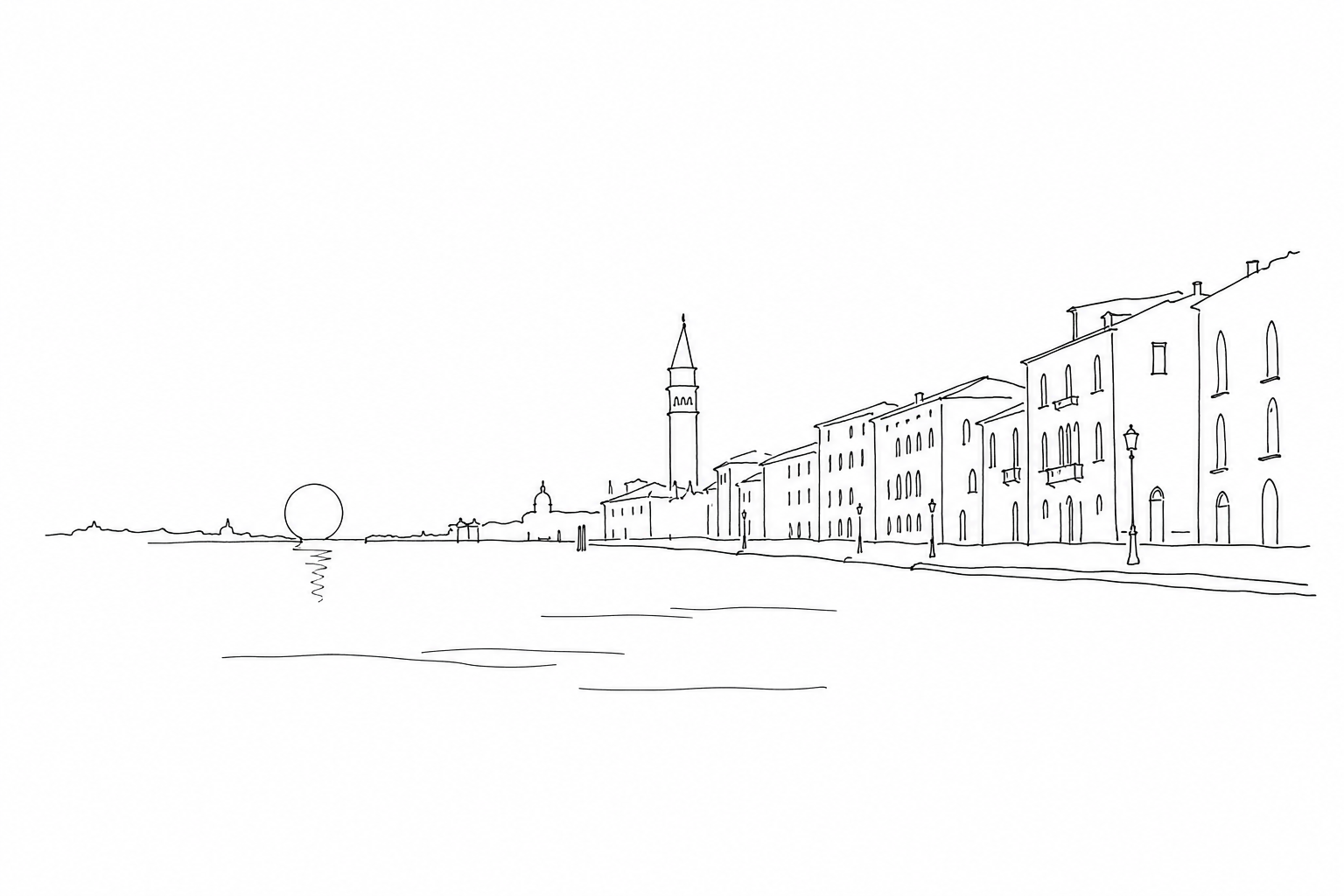
If you arrive from Castello, a natural ending is to walk along the riva, watching the light change on the islands and facades. Alternatively, you can move towards a more secluded area and stop by a bridge, a courtyard or a side fondamenta: often the most memorable detail is a water door, a gondola iron, a worn plaque, a lit window above a canal.
- Reduce the final route: better one last sestiere read well than many rushed stops.
- Walk with respect: do not occupy bridges, church steps, private entrances or service quays.
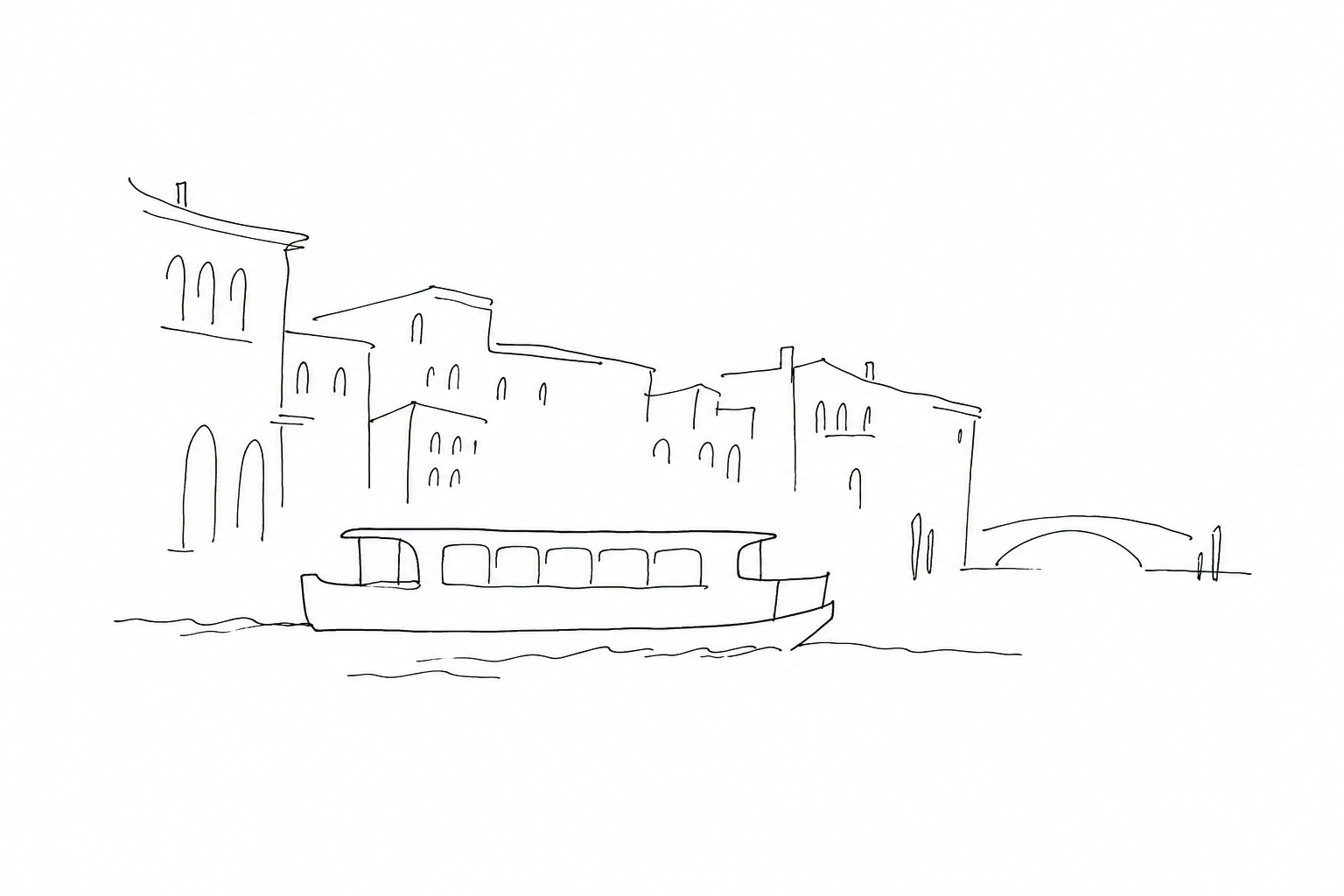
- Return by water: by vaporetto, traghetto or another public service, always check updated lines and timetables before setting off.
A Venetian day without museums can leave a surprisingly dense impression: not that of having “skipped” something, but of having listened to the city better. Between Santa Croce, San Polo, Rialto, San Marco and Castello, Venice reveals itself in the relationships between stone and water, in the campi that are still inhabited, in the minor bridges, in the pauses at the bacari and in the slow return towards the lagoon. It is a way of visiting it suited to those who have little time but do not want to use it in a hurry: less accumulation, more attention, with the awareness that here even a marginal detail can open up a story.