
Entering the Museo Correr before visiting the basilica means changing your perspective on San Marco: no longer just a monumental square, but an urban device where civil power, public image and daily life have been intertwined for centuries. The museum rooms help you read what outside appears immediate but is not always understandable: the Procuratie, the façade, the symbols of the Republic, the relationship between art and government. It is a less obvious beginning, but a very effective one, especially on a short stay: it prepares the eye, gives context and makes the visit to the basilica part of a broader narrative.
Before the basilica: the square as a system of power
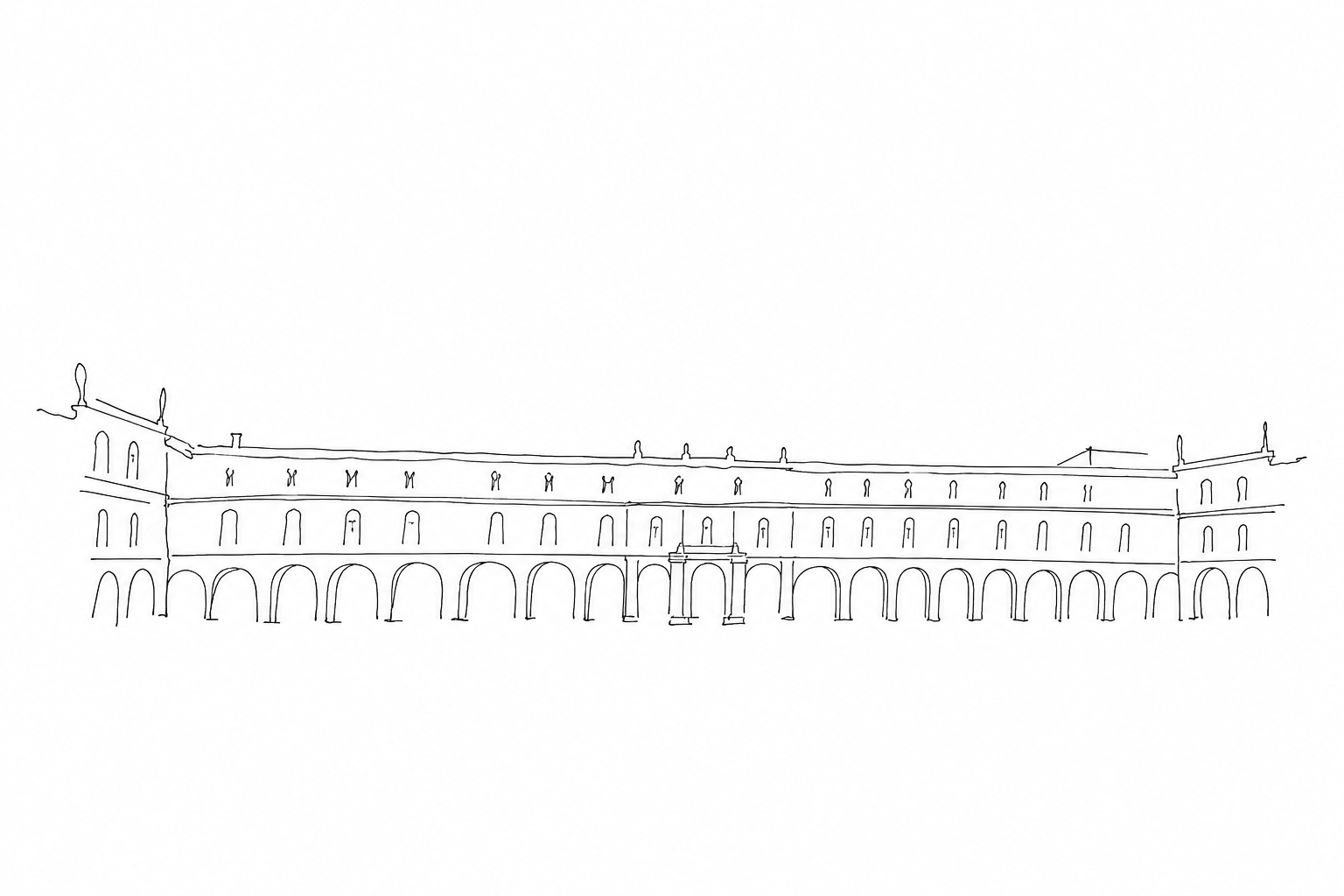
Entering the Museo Correr before crossing the threshold of San Marco means looking at the square not as a simple monumental setting, but as a political machine built over the centuries. From the rooms overlooking the Napoleonic side, it is immediately clear that this space was not created only to be admired: it was the point where the Republic displayed authority, order and continuity.
The Correr helps you read what outside risks being lost in wonder. Maps, views, civic insignia, portraits of doges and institutional memories tell of the link between the Doge’s Palace, the basilica, the Procuratie and the bell tower. The basilica was not isolated like any ordinary church: it was a palatine chapel, closely connected to ducal power and public ceremonies.
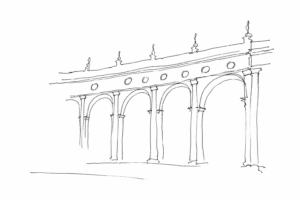
For this reason the museum prepares the eye. Before observing mosaics, gold and domes, it clarifies the language of the square: processions, magistracies, representation, control of urban space. San Marco then appears not only as a religious masterpiece, but as the symbolic center of the Venetian State.
What the Museo Correr tells about civic Venice
The Correr is useful because it shifts attention from sacred splendor alone to the functioning of the Republic. In the rooms overlooking the Procuratie Nuove and in the Napoleonic Wing, the city emerges through documents, maps, coins, public insignia, portraits of doges and memories of the magistracies. These are not side details: they explain who administered Venice, which symbols made authority visible and why San Marco was the point where government, ceremonial and collective identity met.
The core born from Teodoro Correr’s collection also preserves objects linked to aristocratic and civic daily life: weapons, views, nautical instruments, medals, models and testimonies of public festivals. Before these materials, it becomes clear that the Serenissima built consensus with rules, images and rituals, not only with monumental buildings.
When you reach the Marcian church, your gaze is better prepared: the mosaics, the ducal ceremonies and the relationship with the Doge’s Palace do not appear isolated, but inserted into a precise institutional machine. The museum therefore offers the civic grammar needed to read San Marco without reducing it to an artistic marvel.
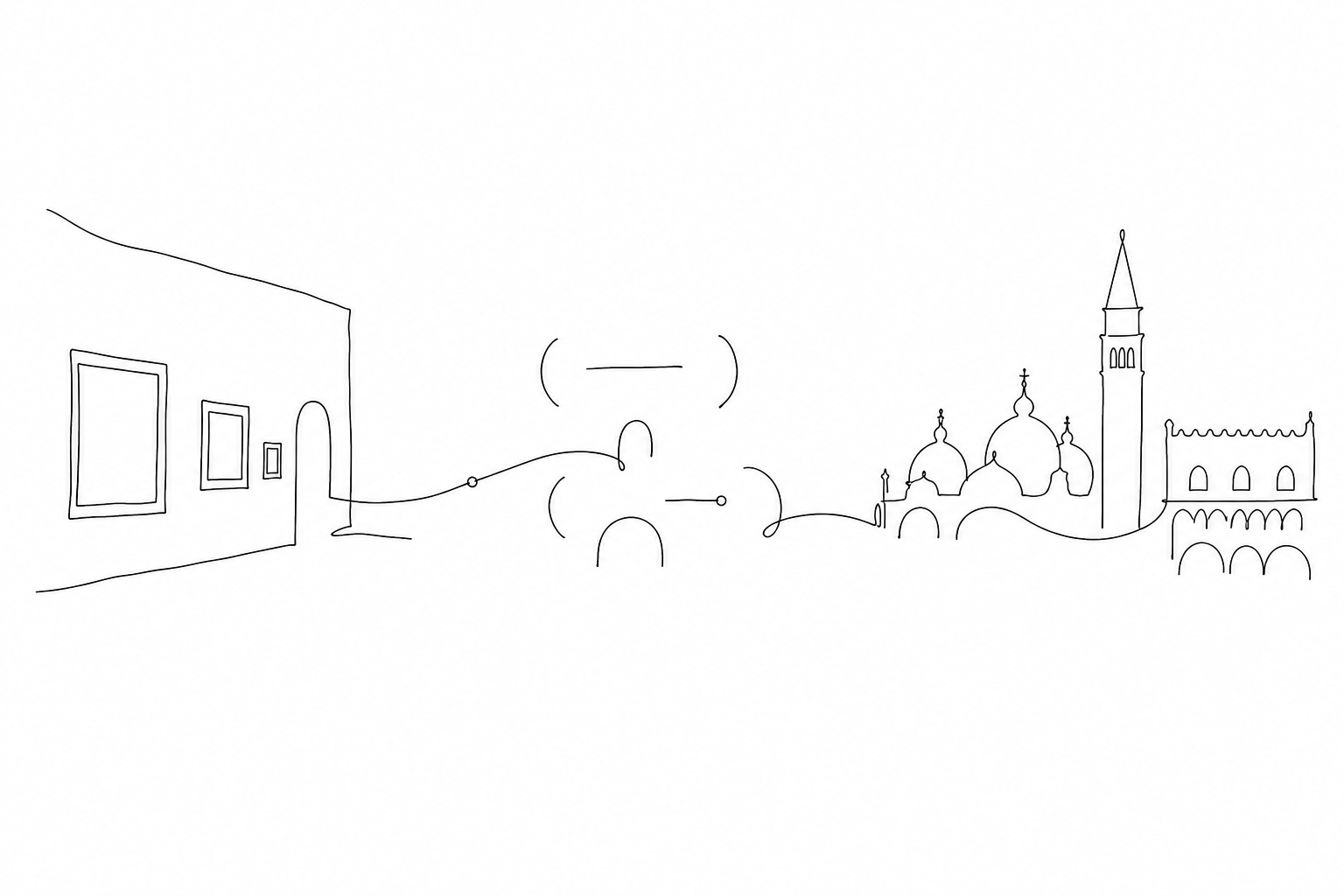
From the rooms to the façade: art, architecture and symbols
The passage through the neoclassical rooms of the Napoleonic Wing and the Procuratie Nuove prepares the eye for the façade of the Marcian temple: no longer just a gilded surface, but an urban text made of power, memory and representation. The sculptures by Antonio Canova, the celebratory ceilings and the regular order of the nineteenth-century rooms make a change of language evident: Venice, after the end of the Republic, is reinterpreted through imperial and classicist forms. By contrast, outside, mosaics, arches, reused columns and eastern profiles tell of a city that had built its authority by mixing Byzantium, the Mediterranean and trade.
This comparison is decisive. Inside, you encounter portraits, views and objects that fix civic ceremonials; outside, the façade translates those hierarchies into sacred and political images. Even the horses of San Marco, today preserved as copies on the exterior and linked to crusader memory, become more legible after observing along the museum route the Venetian taste for spoils, emblems and signs of prestige.
Exiting toward the square, the decoration of the portal does not appear as a simple ornament: it is a symbolic threshold between government, devotion and visual propaganda.
How to use it on a short stay in Venice
If time is limited, it is better to use the rooms not as an “extra” stop, but as a reading filter. Instead of looking for everything, choose three clues: the government, the drawn city and the taste for antiquity. They are enough to arrive at the Marcian temple with more precise questions.
- Government: observe coats of arms, public portraits and references to the Venetian magistracies. They help you understand why the Marcian area was also a stage for civic power.
- City: pause in front of maps, views and urban reconstructions: they make the axis between the Doge’s Palace, bell tower, porticoes and ceremonial space readable.
- Antiquity: in the neoclassical sections and in the works linked to Canova, note the recovery of classical models; then compare it with columns, marbles and horses on the sacred façade.
For variable details, such as opening hours or access, always check the updated information on the official channels.
The Museo Correr is not a simple prelude to the basilica, but a key to understanding why San Marco became the political and symbolic center of Venice. After passing through its rooms, the square appears less scenic and more readable: every building, decoration and visual axis reveals a precise function. For those with little time, starting here makes it possible to avoid a fragmented visit and to build a more conscious route, from civic Venice to the religious dimension, from the interior of the museum to the open space of the square.
Related Posts
The Imperial Rooms of the Correr: when Venice was also French and Austrian
A route through the Imperial Rooms of the Museo Correr to read Napoleonic and Habsburg Venice within Piazza San Marco.The Procuratie up close: how St. Mark’s Square became a perfect urban machine
The Procuratie read up close: architecture, power, porticoes and the urban rhythm of St. Mark’s Square.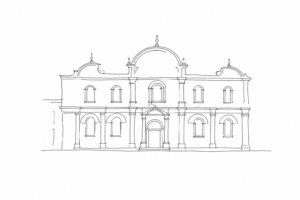
The Scuola Grande di San Marco: the most elegant façade in front of the civil hospital
A reading of the Scuola Grande di San Marco, from its confraternal history to the Renaissance façade that today stands in front of the Civil…Questions Answered
Why should visitors start at Museo Correr before the basilica?
It provides context on San Marco’s civic and political significance.What does Museo Correr reveal about the relationship between art and government?
It explains how art and symbols supported Venice’s public image and authority.How does the museum change the perception of the basilica façade?
It shows the façade as a symbolic urban text linked to Venice's history.What are key highlights to focus on during a short visit?
Government, urban maps, and classical influences offer meaningful insights.
St Mark’s seen through its details
Want to connect architecture, ceremony and power without stopping at the postcard view?
 The Marciana Library: books, painted ceilings and public knowledge next to San MarcoEditorial guide to the Marciana Library: history, rooms, books, paintings and public role in the heart of San Marco.
 The Imperial Rooms of the Correr: when Venice was also French and AustrianA route through the Imperial Rooms of the Museo Correr to read Napoleonic and Habsburg Venice within Piazza San Marco.
 The Molo of San Marco: columns, departures and the maritime power of the SerenissimaHistory and interpretation of the Molo of San Marco: the columns, the Basin, State departures and the language of Venetian power.
 The mosaics of San Marco: how to look at the gold without being dazzled only by its beautyA brief guide to reading the mosaics of San Marco: gold, light, scenes, spaces and details to observe calmly.