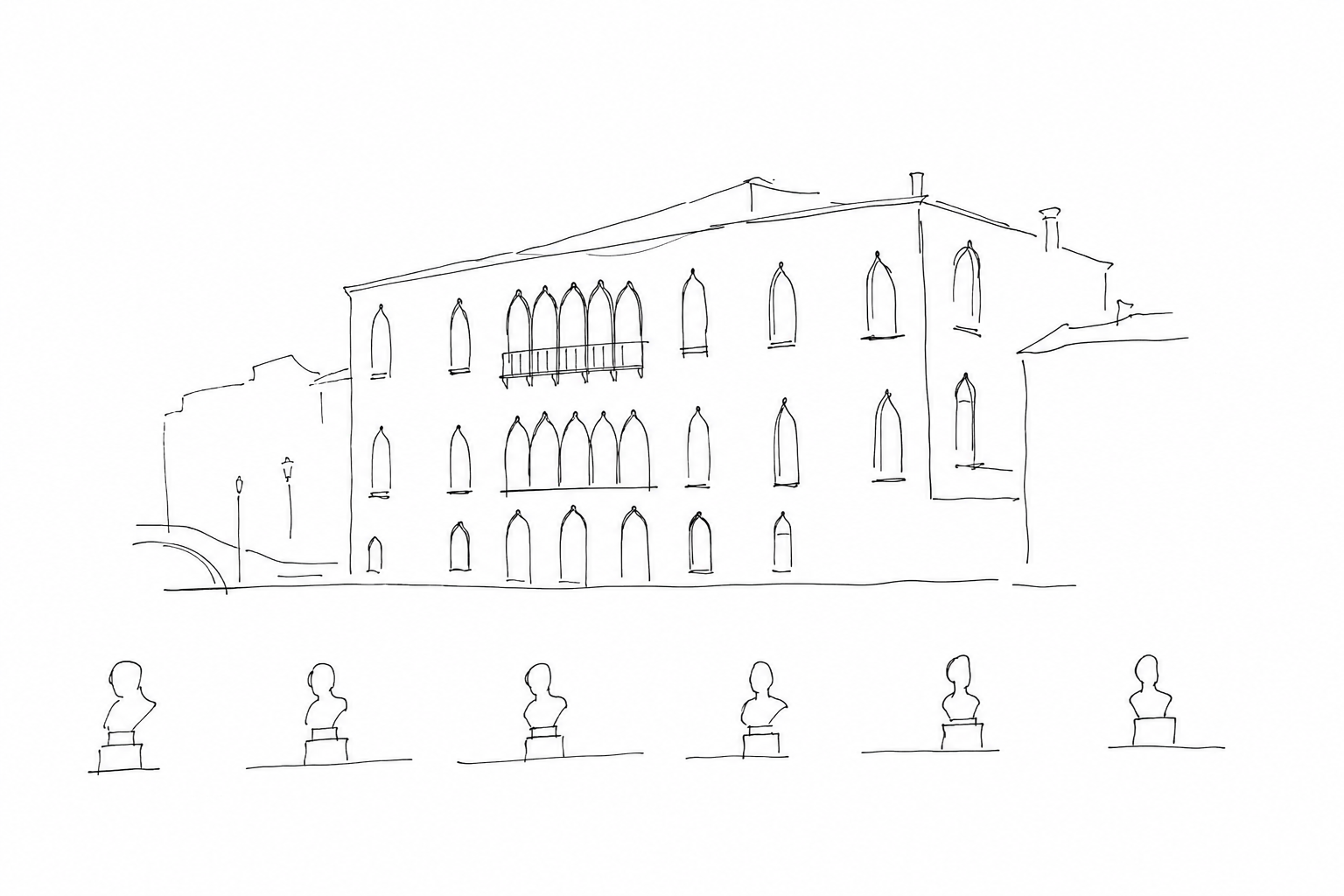

In Campo San Fantin, between Teatro La Fenice and the calli that lead toward San Marco, the Ateneo Veneto occupies a building that does not tell only of civic elegance and cultural life. Its history also passes through a harsher function: the Scuola di Santa Maria della Giustizia, known as the Picai, linked to assistance for those condemned to death. Looking at it today means holding together the architectural measure of the palace, the judicial memory of the Serenissima and the way in which Venice transformed severe places into spaces for study, speech and discussion.
An elegant campo with a harsh memory
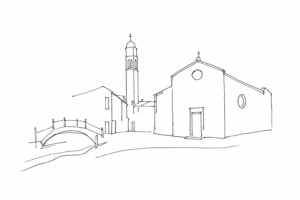
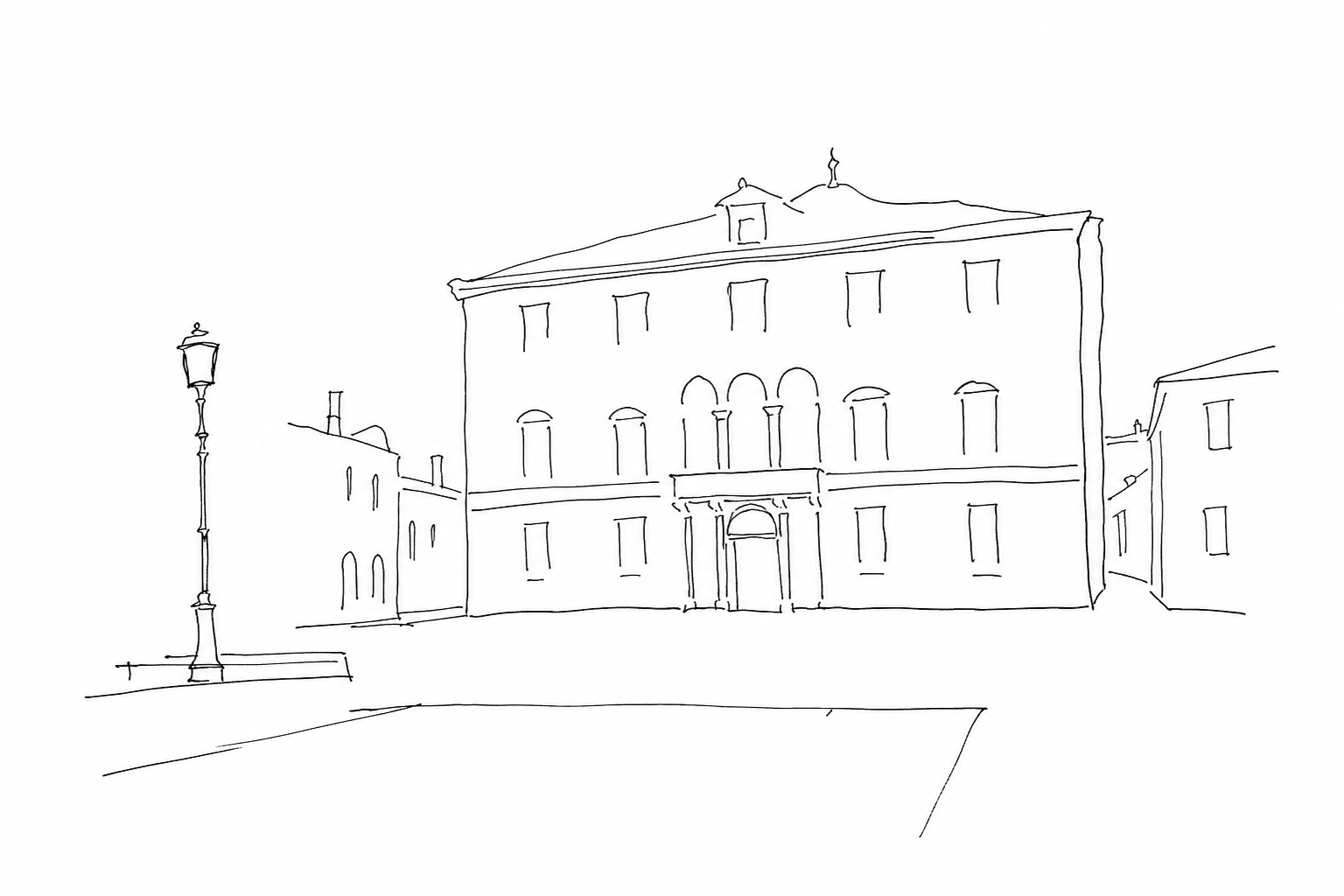
Campo San Fantin is one of those Venetian places where urban elegance conceals a harsher history. On one side, the proximity of Teatro La Fenice evokes the world of opera, society evenings and architectures linked to performance. On the other, the church of San Fantin and the seat of the Ateneo Veneto turn the gaze toward a civic, religious and judicial Venice.
The building of the Ateneo in fact occupies the ancient Scuola Grande di San Fantin, also known as the Scuola dei Picai: the popular name alludes to the “picai”, the hanged, that is, those condemned to death whom the confraternity assisted in their final moments. It was not a marginal institution, but a recognized presence in the fabric of the Serenissima, charged with spiritually accompanying those facing capital punishment.
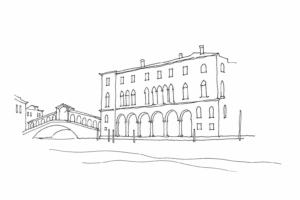
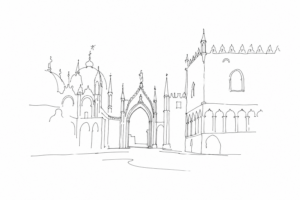
For this reason the campo should be read by contrast: a refined scene of theatrical Venice, but also the threshold of a severe memory, made of justice, piety and public rituals.
Why it was called Scuola dei Picai
The harsher name of the present-day Ateneo Veneto comes from a direct Venetian term: picai, meaning the hanged. It did not indicate the confratelli, but the people they assisted in the last stretch of life. The seat was in fact linked to the Scuola di Santa Maria della Consolazione e di San Girolamo, a lay confraternity active from the fifteenth century and later grown to become one of the most recognizable institutions of Venetian public piety.
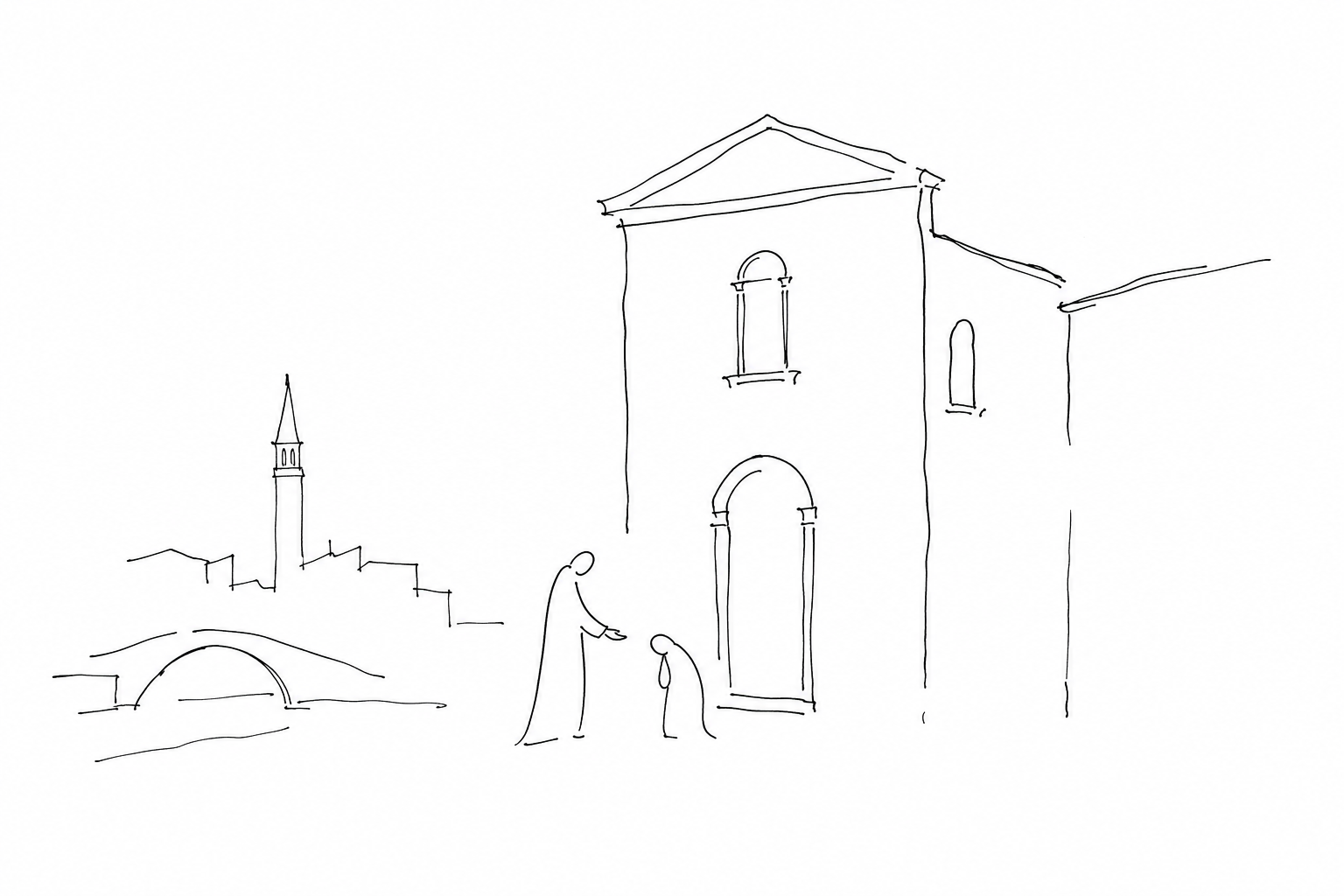
Its function was not to judge, but to accompany. The confratelli entered the prisons, comforted the condemned, prepared them for confession and communion, prayed with them and followed them to the place of execution. After death, they also took care of burial and masses of suffrage, transforming an exemplary punishment into a rite regulated by religion and compassion.
For this reason the word Picai remains essential for understanding the building: behind the façade of a Venetian scuola there was not only confraternal prestige, but a precise work of mercy directed at those condemned to death.
The palace: façade, halls and moral painting
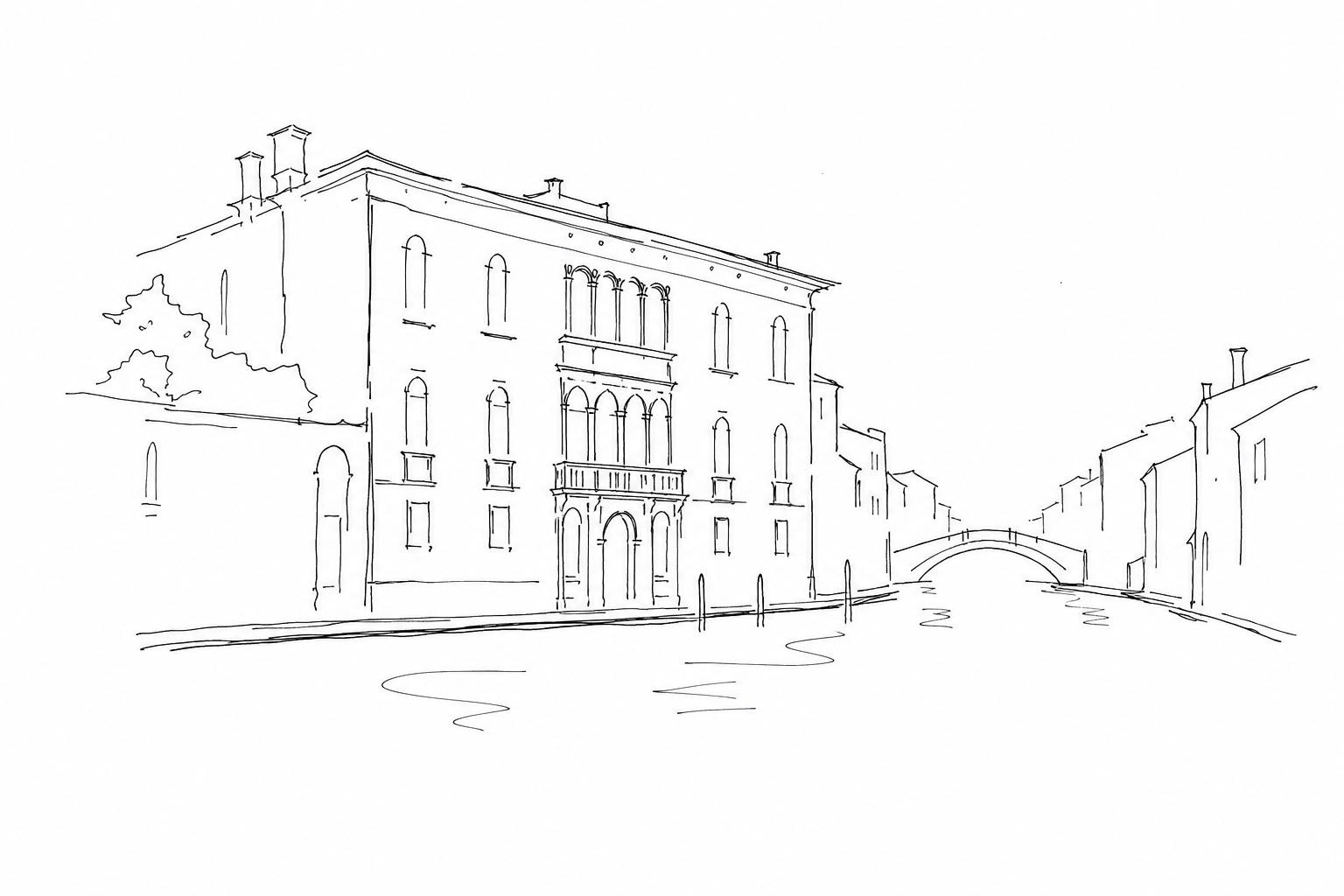
Read as an ancient confraternal house, the building that today houses the Ateneo Veneto does not appear merely as a cultured palace overlooking Campo San Fantin. The composed and severe façade introduces a place designed to represent discipline, charity and the public control of suffering. The regular openings and the measured tone of the whole do not seek a scenic effect: instead they declare a stable, almost institutional presence, beside the theatre and the nearby church.
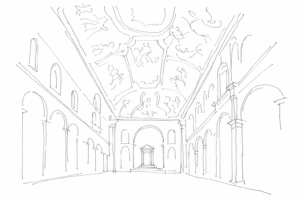
Inside, the halls preserve the logic of the great Venetian confraternities: meeting spaces, decorative apparatuses, images capable of educating the gaze. Painting did not have only an ornamental function. In the cycles attributed to masters active between the late sixteenth and seventeenth centuries, such as Palma il Giovane and Domenico Tintoretto, religious themes, examples of piety and scenes of admonition built a moral language suited to a company linked to assistance for the condemned.
For this reason the palace should be observed as a document: stone, halls and canvases translate into visible form a Venice that transformed mercy into rite, image and civic architecture.
How to look at it today, without reducing it to a backdrop
To understand it during a visit, it is worth stopping first outside: do not look only for the photograph of the campo, but for the position of the building in relation to the church, to the passage toward La Fenice and to the calli that compress the space. This contrast helps to read the place: not a simple elegant palace, but a seat born to give public form to a harsh task, the spiritual assistance of the condemned.
Inside, if access is possible, it is worth looking at the halls with a precise question: which images educate, admonish, console? The devotional canvases, the wooden apparatuses and the arrangement of the rooms should not be separated from the original function of the confraternity. They speak of discipline, piety and social control.
- Observe first the urban context, then the architectural details.
- Connect paintings and decorations to the theme of punishment and mercy.
- Always check updated visiting methods and hours.
The Ateneo Veneto is not a simple noble backdrop beside La Fenice, but one of the points where Venice best shows its complexity: urban beauty, institutions, public piety and social control coexist in the same building. Stopping in Campo San Fantin with this awareness changes the gaze: the façade, the halls and the works inside no longer appear as isolated details, but as traces of a city capable of preserving even its harshest memories without turning them into spectacle.