
Overlooking the Grand Canal with a composed and authoritative presence, Ca’ Vendramin Calergi is one of those Venetian palaces that do not loudly demand attention: they obtain it through proportions, Istrian stone, the rhythm of the windows and a layered history. Its fame is linked to the final days of Richard Wagner, but reducing it to this would be too little. Here Renaissance architecture, family ambitions, urban life on the water and an elegant Venice, more reserved than theatrical, intertwine. Looking at it calmly means reading a precise fragment of the city, between representation, memory and lagoon everyday life.
A Renaissance palace on the Grand Canal
Ca’ Vendramin Calergi stands in the sestiere of Cannaregio, along one of the most solemn stretches of the Grand Canal, not far from San Marcuola. Its importance comes from the meeting of three elements: the great Venetian architecture of the Renaissance, the history of the patrician families who lived there and the memory of Richard Wagner, who died here on 13 February 1883.
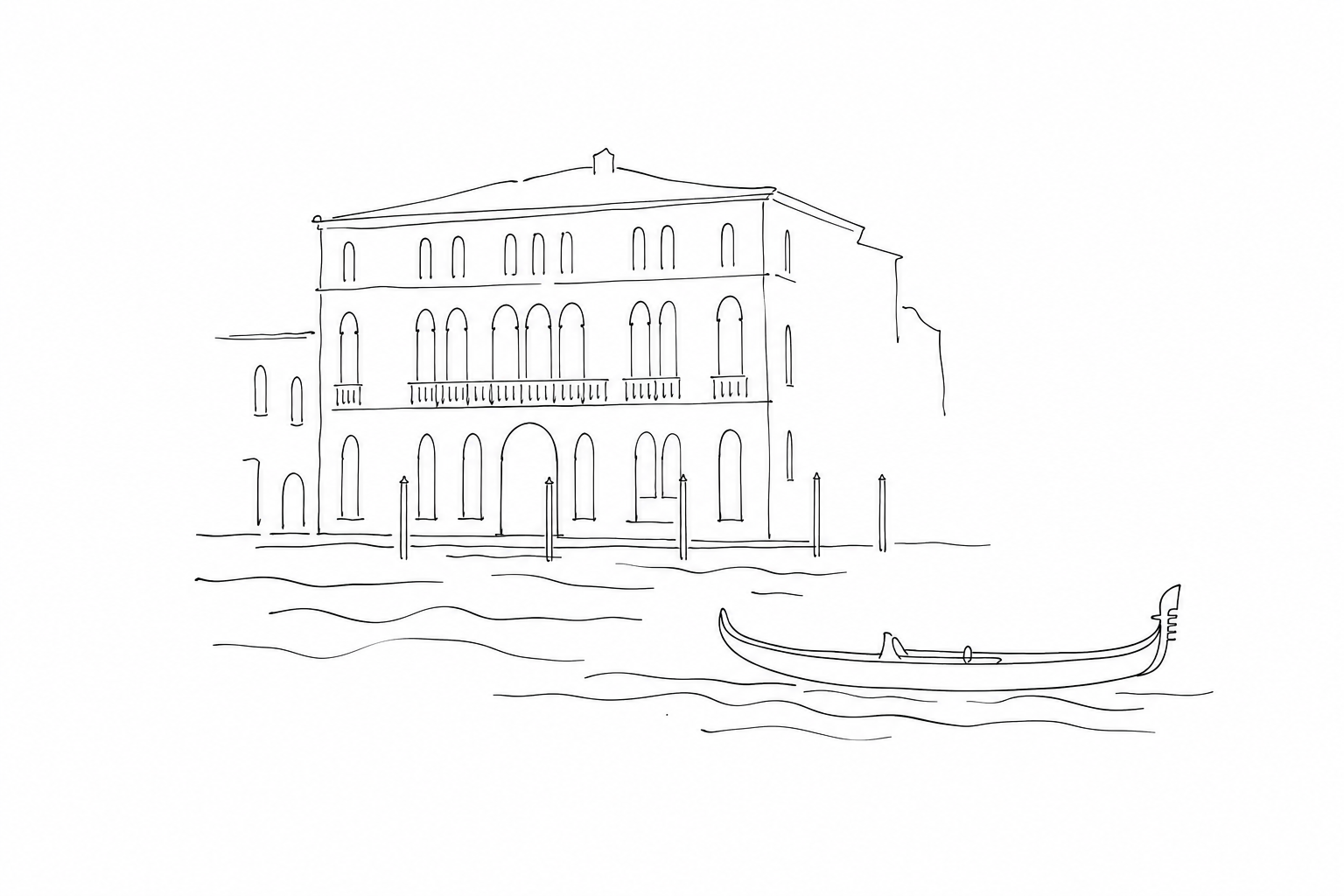
The palace was commissioned at the end of the fifteenth century by Andrea Loredan and is traditionally linked to Mauro Codussi, a key figure in the Renaissance renewal in Venice. The orderly and symmetrical façade breaks with the Gothic taste of many buildings on the Grand Canal: round arches, columns, regular proportions and an elegant facing in Istrian stone create an image of classical balance.
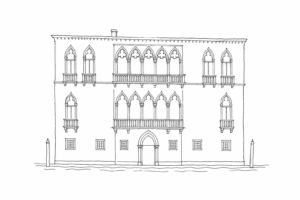
Later passed to the Calergi and the Vendramin families, the building preserves in its name the layers of its history. Today it is remembered above all as “Wagner’s palace,” but before that it is a declaration of prestige by aristocratic Venice overlooking the water.
The façade: elegance, measure and power
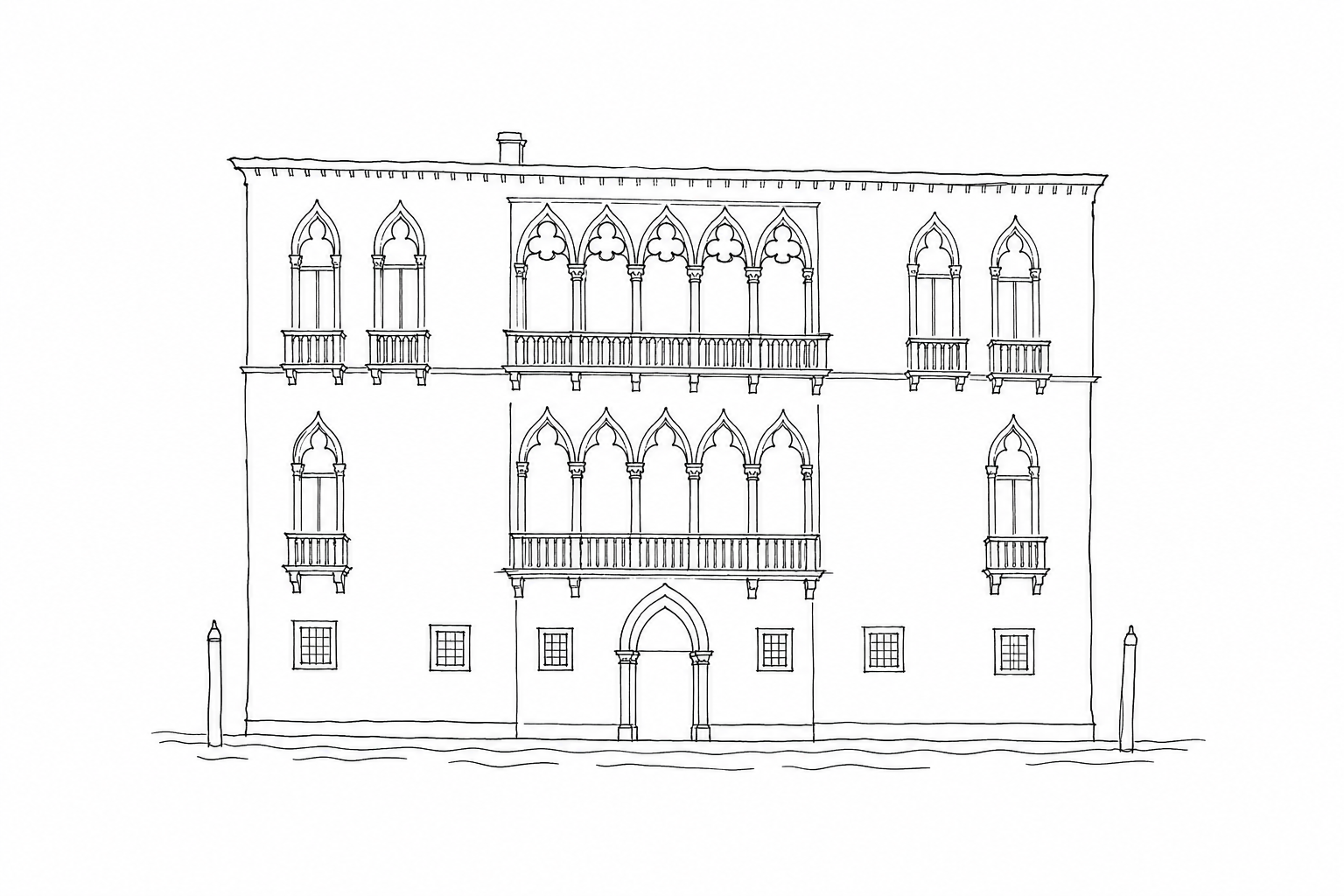
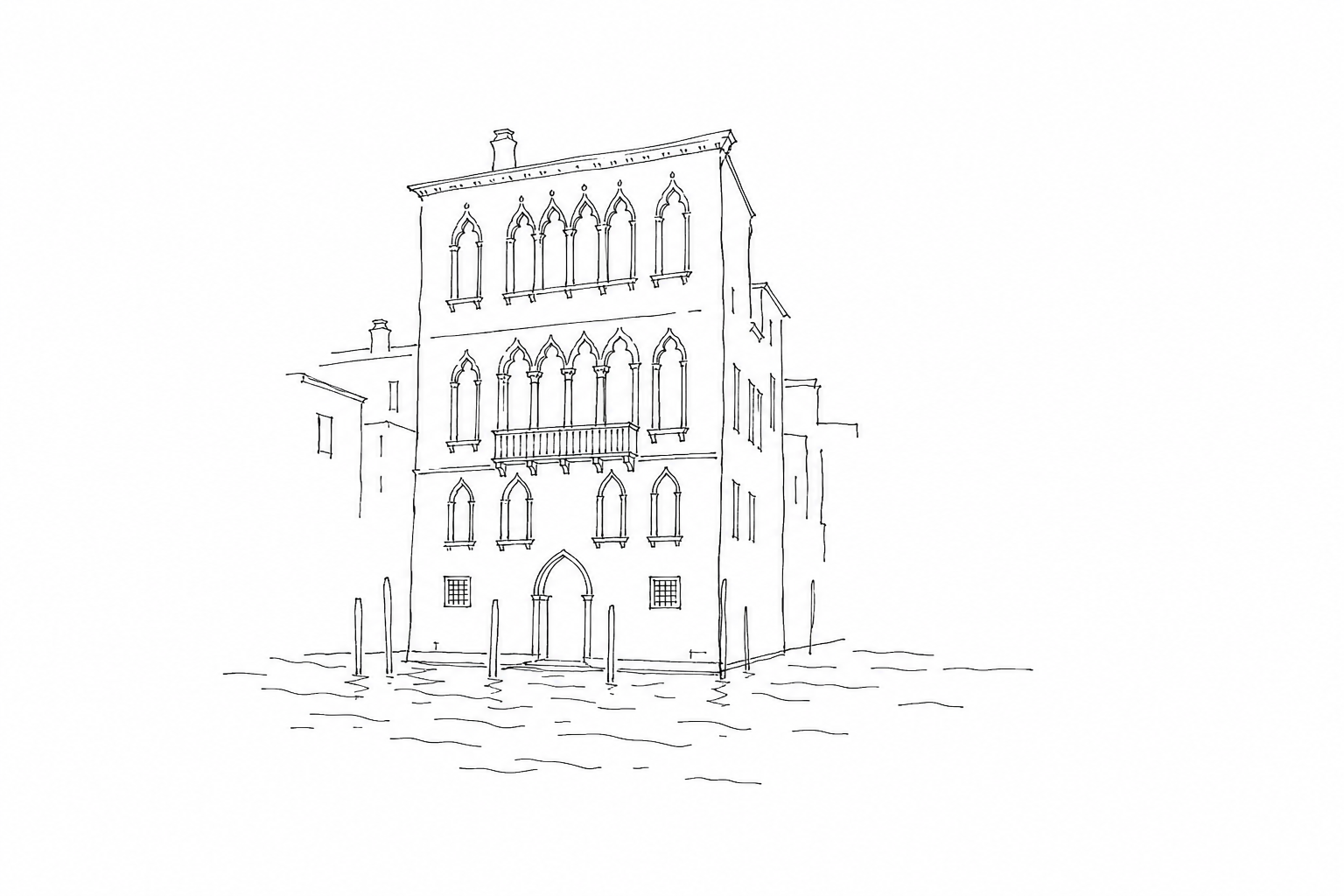
Seen from the water, Ca’ Vendramin Calergi can be understood as a manifesto of Renaissance order. The front does not seek the picturesque effect of Venetian Gothic: it prefers proportion, rhythm and clarity. The openings are arranged regularly, with round arches and superimposed orders that guide the eye from the entrance level to the piano nobile, where the representative life of the owning family found its main stage.
The traditional attribution to Mauro Codussi helps to read this choice: the façade translates into Venice a more classical language, made of symmetry, pronounced frames and calibrated surfaces. The pale Istrian stone, used for structural elements and profiles, gives prominence to the windows and makes the building immediately recognizable along the Grand Canal, especially when raking light accentuates its planes.
The message is political as well as aesthetic: a patrician residence where wealth is not displayed with excess, but with measure. Precisely this formal discipline prepares the contrast with the nineteenth-century memory of Wagner, more intimate and dramatic.
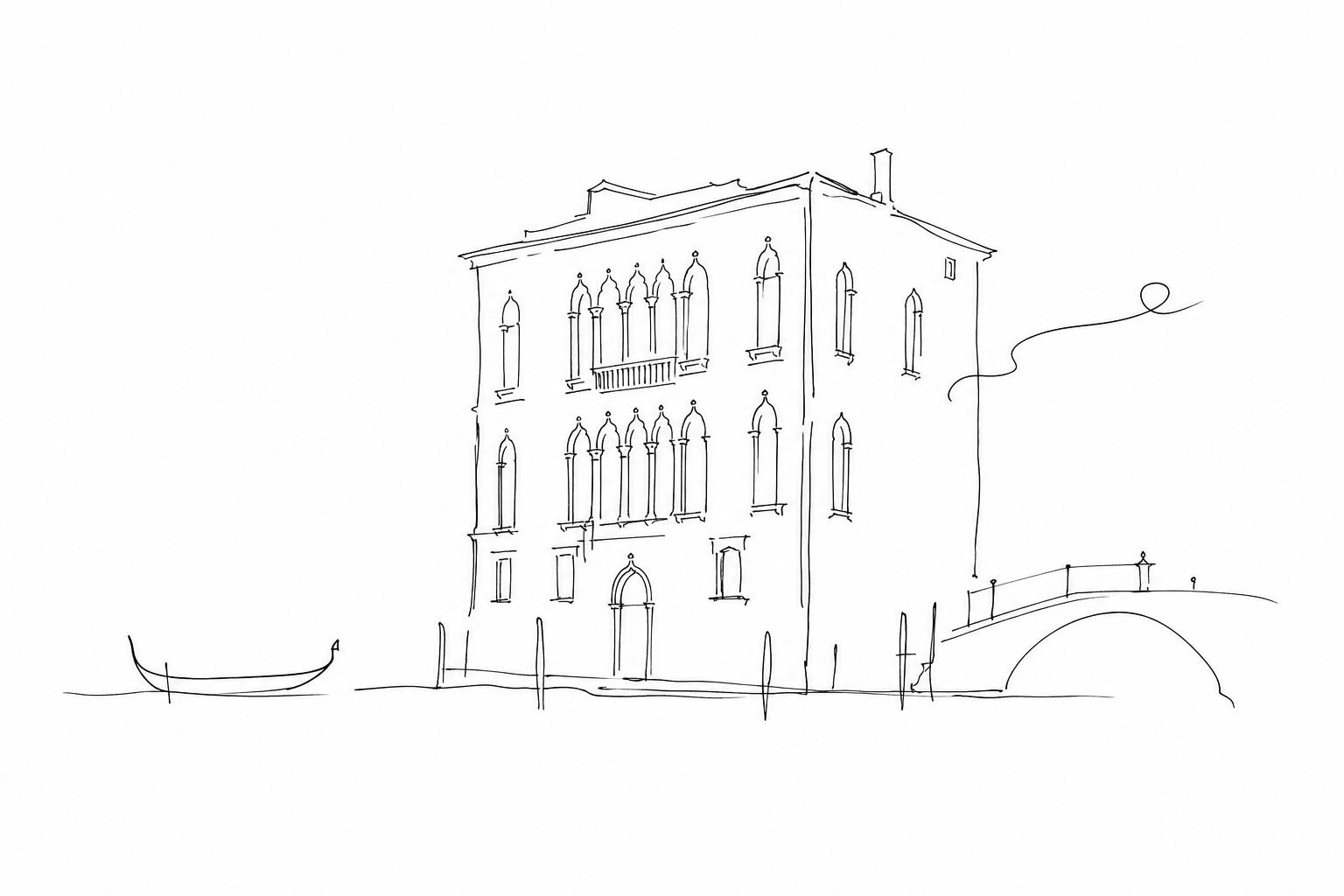
Wagner at Ca’ Vendramin Calergi
The most intense link between the residence overlooking the Grand Canal and European culture was born in the last months of Richard Wagner’s life. After the Bayreuth festival of 1882, marked by the debut of Parsifal, the composer chose Venice as a place of rest, together with Cosima and their children. He was not seeking only a climatic refuge: he was seeking a city capable of suspending time, where water, silences and noble interiors would accompany an already fragile health.
In the rooms he rented, biography becomes almost a theatrical scene. Here he continued to receive friends, discuss music and philosophy, and write late pages, while family life flowed within a Venetian setting that was sumptuous yet intimate. On 13 February 1883 he died in these rooms, transforming the building into a place of musical memory.
Since then, his presence has not been a simple anecdote: it adds to the architectural composure an emotional dimension, linked to the final act of an artist who had made drama his own language.
How to include it in a slow visit
To understand Ca’ Vendramin Calergi without reducing it to a simple photographic stop, it is worth including it in a short but slowed-down route through the sestiere of Cannaregio. The ideal arrival is from the water, because the façade was created to be read from the Grand Canal: first the whole, then the rhythm of the windows, and then the solidity of the base.
Once on land, you can continue towards San Marcuola and observe how the building dialogues with a less theatrical area of Venice, made up of traghetti, side calli and private views. This contrast helps to grasp its dual nature: an aristocratic residence and an urban presence, monumental but not isolated.
- Look from afar: it serves to perceive proportions, symmetry and the relationship with the water.
- Pause on the details: columns, frames and mullioned windows recount the cultivated taste of the patrons.
- Connect history and atmosphere: the memory of Wagner adds depth, but must not obscure the architecture.
For any entrances or internal visits, it is prudent always to check the updated information before setting out.
Including Ca’ Vendramin Calergi in a slow visit allows you to shift your gaze beyond the most overused stops on the Grand Canal. The palace tells of a cultured and measured Venice, made of façades designed to be seen from the water, interiors transformed over time and illustrious presences that have left discreet traces. Stopping in front of its architecture, perhaps arriving from a less crowded calle or observing it from a vaporetto, helps to grasp how much the city also lives in the details: a frame, a window, a reflection, a name that suddenly opens a European chapter.
Related Posts
Ca’ Dario: beauty, superstition and dark legends on the Grand Canal’s most unsettling façade
History, façade and dark fame of Ca’ Dario, a Renaissance palace on the Grand Canal among art, famous names and dark tales.Palazzo Pisani Moretta: why Venetian Gothic seems embroidered in stone
A reading of Palazzo Pisani Moretta, where Venetian Gothic becomes a subtle weave on the façade of the Grand Canal.
Palazzo Grassi: the white face of the Grand Canal between Venetian nobility and contemporary exhibitions
History, façade and current exhibition role of Palazzo Grassi, the white palace on the Grand Canal.Questions Answered
What architectural style defines Ca’ Vendramin Calergi?
It features Renaissance architecture characterized by symmetrical and classical elements.Why is Richard Wagner associated with this palace?
Wagner spent his final days there and died in the palace in 1883.What message does the palace’s façade convey?
It expresses a political and aesthetic message of wealth measured without excess.How can Ca’ Vendramin Calergi be best appreciated during a visit?
By observing it from the water and integrating it into a slow, reflective route in Cannaregio.
Keep exploring Cannaregio
Want to stay among secluded churches, unusual bridges and everyday stories of the district?
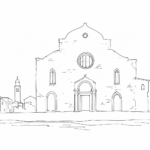 Unfinished San Marcuola: the missing façade that teaches you to look at Venice without pretenseSan Marcuola, on the Grand Canal, shows Venice without coverings: an unfinished, concrete church to be read in its voids.
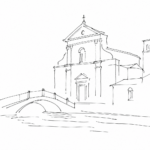 San Giobbe in Cannaregio: the hidden Venetian Renaissance near the stationGuide to San Giobbe, a Renaissance church in Cannaregio just a short walk from Santa Lucia.
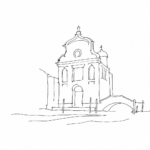 Santa Maria dei Miracoli: the marble church that looks like a reliquary in the heart of CannaregioHistory, marbles and details of Santa Maria dei Miracoli, a small Renaissance masterpiece among the canals and calli of Cannaregio.
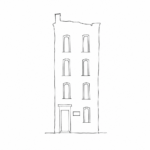 The hidden synagogues of the Ghetto: recognizing the “schools” by looking at almost normal façadesHow to read the façades of Venice’s Jewish Ghetto to sense the ancient “schools” behind almost ordinary buildings.