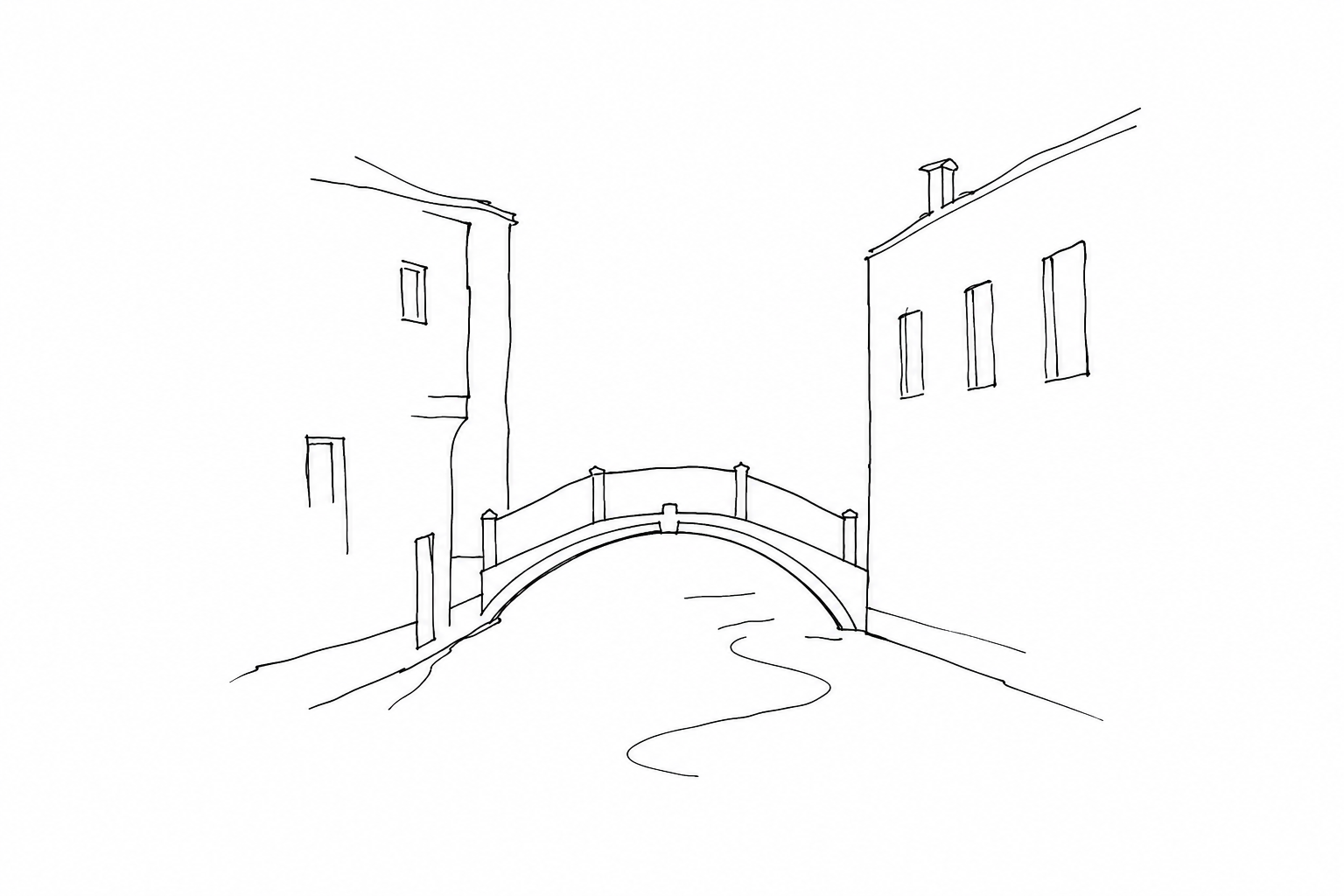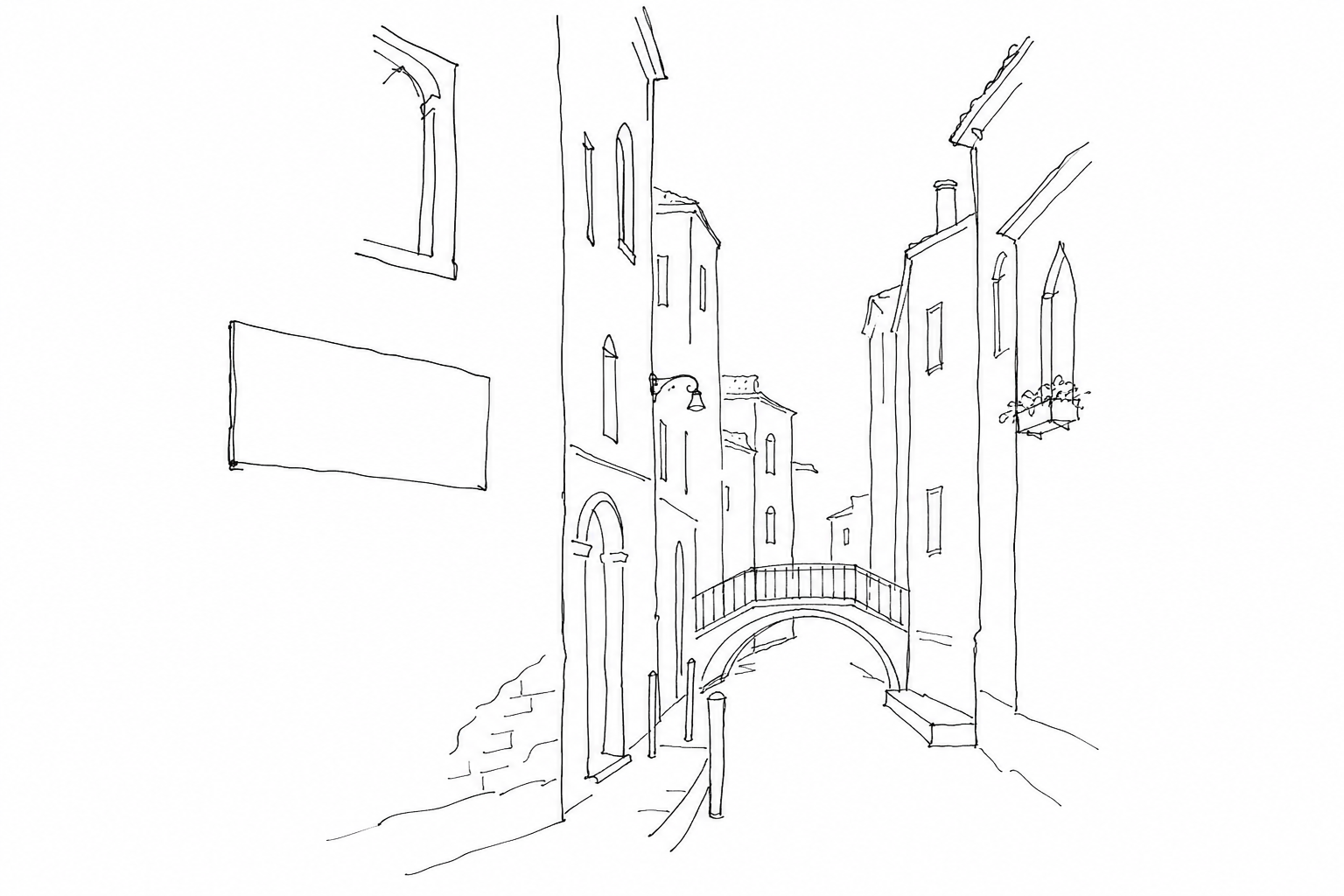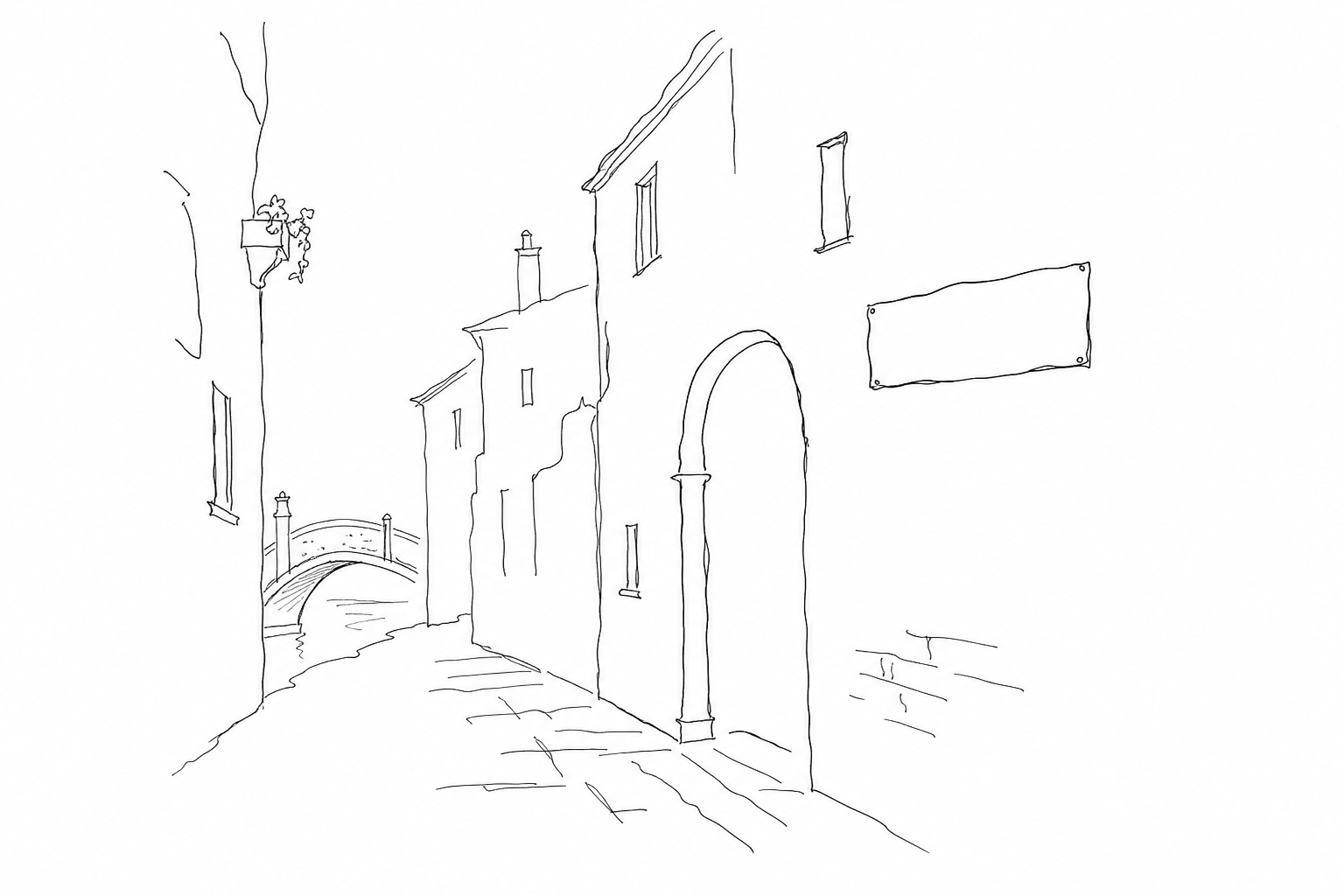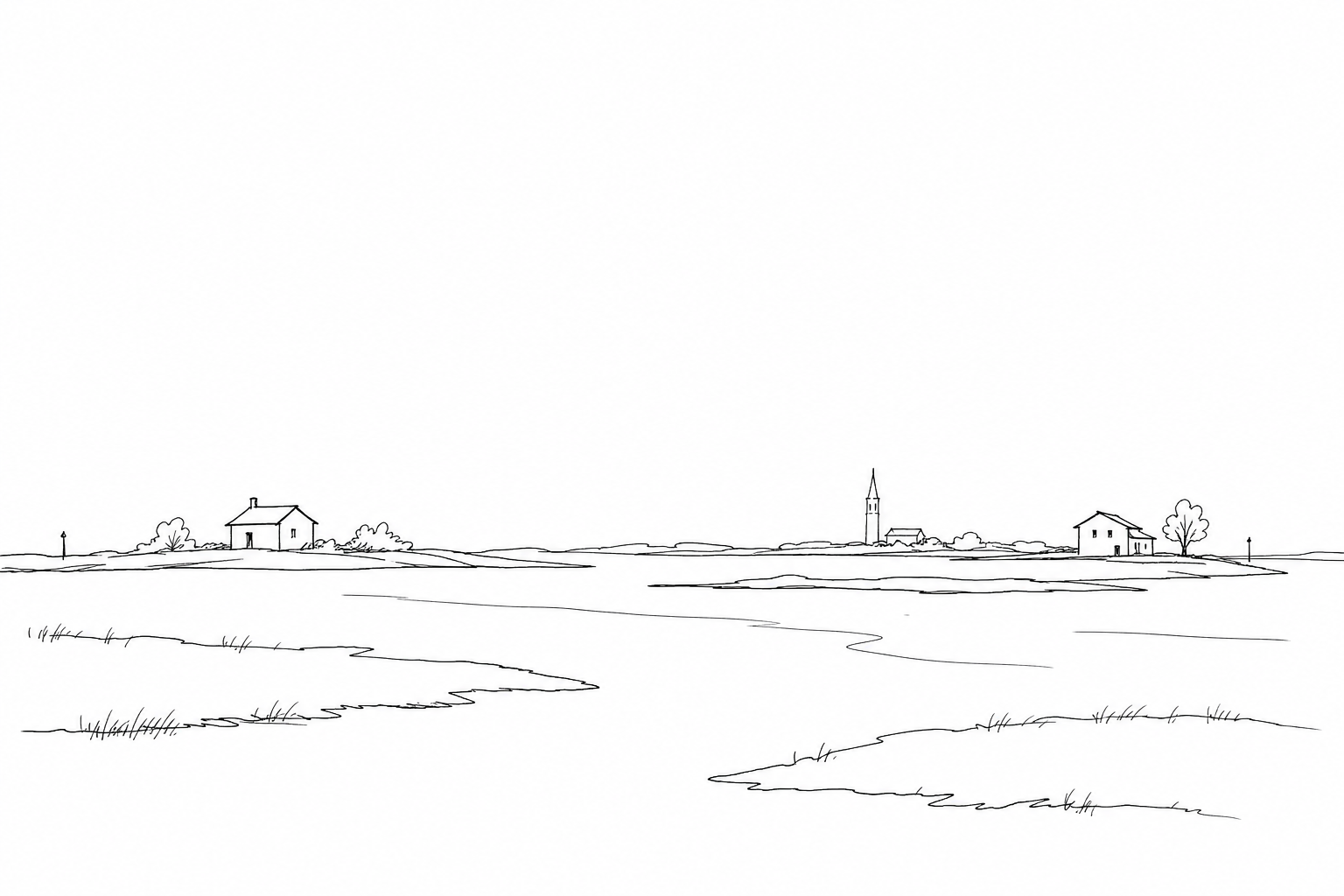

In Venice, the word “piscina” can be misleading. It does not indicate a pool for swimming, but often the memory of a space of water that has now disappeared, been filled in, transformed into a campo, calle or open space. They are names that have remained on the map like small urban evidence: they tell of minor canals, rii, water collections and later adaptations of the city. Understanding them means reading Venice not only through what can be seen, but also through what has been covered, modified, absorbed by everyday life.
Not a swimming pool, but a trace of water
In Venice, the word piscina can deceive those who read it today on a plaque or on a map: it does not indicate a modern swimming pool, nor a place for swimming. In the Venetian urban lexicon, the term often refers to a space where water was once present in a small and functional form: a small basin, a damp open space, a water collection connected to the daily life of the district.
Many of these areas were then filled in or transformed into small campi, courtyards and pedestrian passages. The name, however, remained. For this reason, a “Piscina” in Venetian toponymy is a kind of linguistic fossil: it preserves the memory of a water element that has disappeared from view, but not from the history of the place.
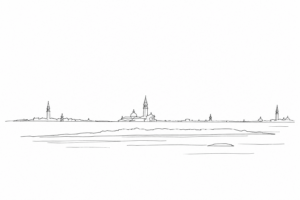
Understanding this meaning helps to read Venice beyond the image of the main canals. The city is also made up of minor waters, closed, diverted or covered, which continue to emerge in the names of the calli and urban spaces.
Why some waters disappeared
Many Venetian names preserve the memory of bodies of water that no longer belong to the visible landscape. Between the Middle Ages and the modern age, the city changed shape not only by digging rii, but also by filling in minor basins, ditches and low areas when they became of little use, unhealthy or necessary for new routes.
The fillings responded to very concrete needs: creating small campi, widening passages, building houses, warehouses or internal courtyards. In a dense city, where every meter was precious, closing off a secondary waterway could mean obtaining stable space for everyday life. The process, however, did not completely erase the memory of the place: often the name remained, fixed in the toponymy.
When a map indicates a piscina, therefore, it may mark precisely one of these transitions: a point where water was present as a basin or controlled stagnation and was then absorbed by the urban fabric. The word becomes a small piece of historical evidence, useful for imagining a more porous Venice, made of liquid margins now transformed into stone, bricks and pedestrian routes.
How to recognize a piscina while walking
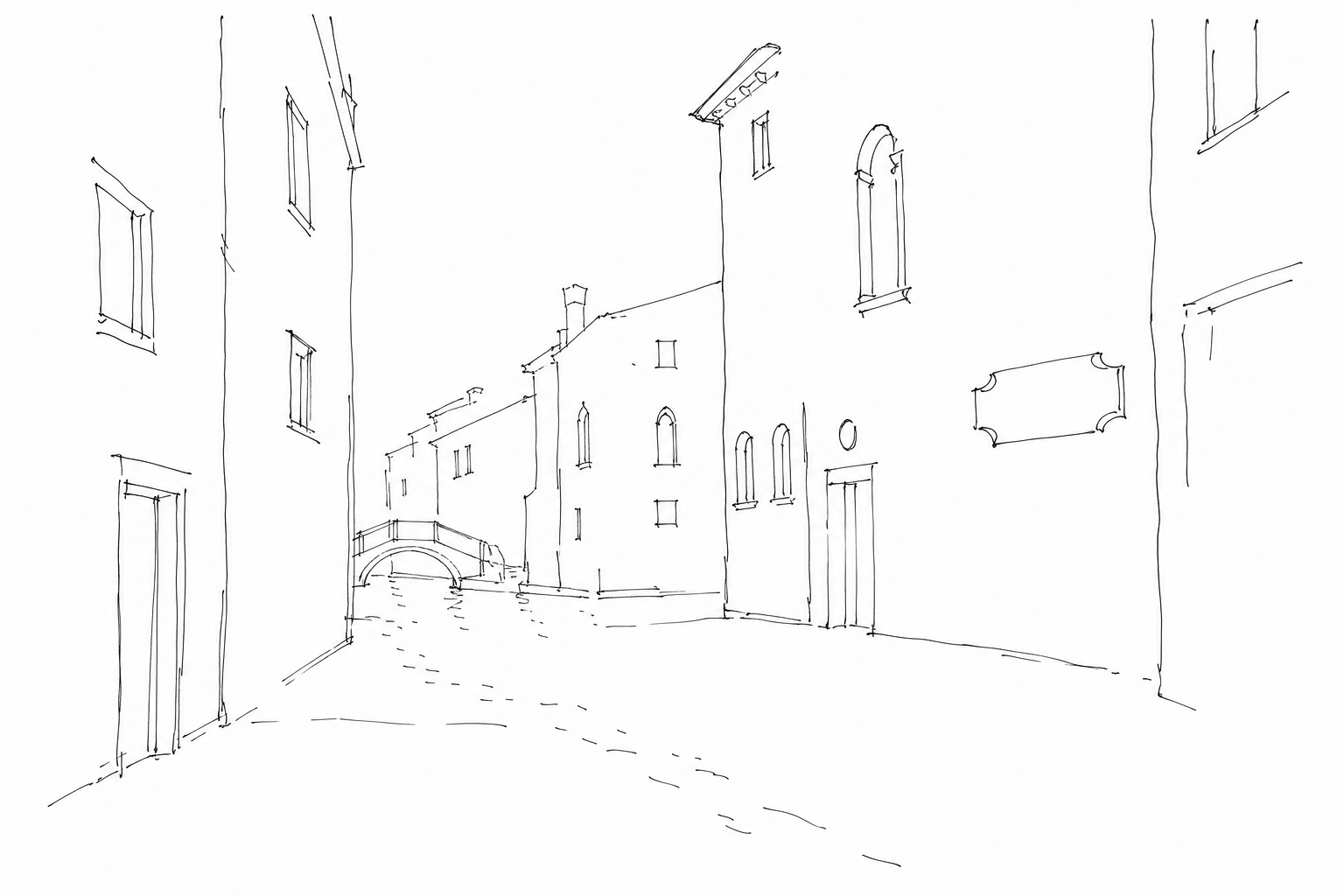
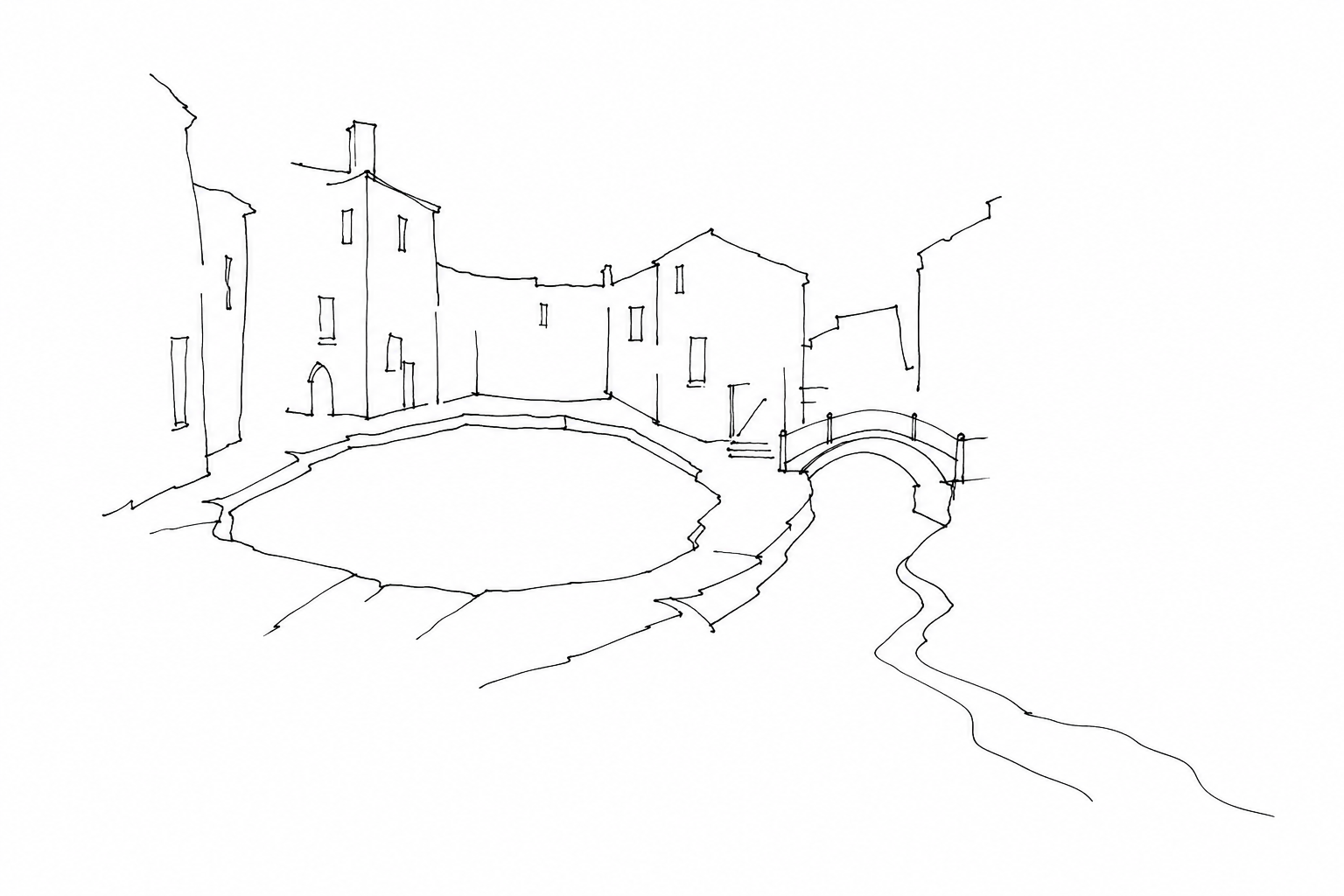
To read a piscina on site, it is best to start from the name, but not stop at the plaque. The word often indicates an ancient basin or damp open space later filled in: for this reason the most useful sign is the shape of the space. If the calle opens irregularly, with a small elongated campo or recesses that are hard to explain, it may be the fossilized edge of a place that was once unbuilt.
Another clue is the orientation of the houses. Facades that do not follow a straight line, oblique boundary walls, narrow passages that seem to go around a previous void tell of later adaptations. Even the absence of a bridge where today one would expect a crossing can be significant: the pedestrian route has incorporated what previously separated.
- Read the plan: look for small open spaces, sudden curves, campielli without symmetry.
- Observe the thresholds: steps and raised entrances can signal old unstable margins.
- Compare the nearby names: rio, ponte, fondamenta and corte help reconstruct the lost geography.
In this way, the toponym stops being a curiosity and becomes a practical tool for seeing what the paving has hidden.
A detail that changes the way you look at the city
The cultural value of a Venetian piscina lies precisely in its discretion. It does not point to an isolated monument, but to a slow transformation: a lagoon void, a service space, an unstable margin that has become walkable ground. For this reason, the toponym works as a small historical source: it preserves a phase of the place that is often not told by facades, altars or palaces.
Compared with more explicit terms such as rio terà, which indicate a filled-in canal, this term requires a more patient gaze. It invites us to imagine the city before its complete mineralization, when courtyards, calli and fondamente coexisted with minor bodies of water, secondary landings, deposits and spaces of daily work.
Reading these clues means recognizing that Venice is not only intact scenery, but a continuously adapted organism. A word on the map then becomes public memory: it does not decorate the route, it deepens it, restoring dignity to what has disappeared without truly vanishing.
Recognizing a piscina in Venice changes the pace of the visit. A name carved on a plaque, an irregular shape of the paving, a sudden widening between the houses can suggest a presence of water that has been erased but not entirely lost. It is a minute detail, and precisely for this reason precious: it invites us to observe the city as a stratified organism, where history remains not only in the famous palaces, but also in the voids, in the toponyms and in the discreet traces left underfoot.
Related Posts
Campiello, corte, ramo: a small sentimental guide to the words of the Venetian map
A short guide to reading Venice through the words of its nizioleti: campielli, corti, rami, calli, fondamenta and rii.Barene and velme: the words of the lagoon that explain why Venice is not only stone
A lagoon vocabulary for reading Venice beyond calli and palaces: what barene and velme are, how they change with the tide and why they matter.
Rio terà: why some streets in Venice were canals
What rio terà means, why some rii were filled in, and how to recognize them while walking among calli, campi, and sestieri.Questions Answered
What does 'piscina' mean in the context of Venice?
It refers to a historical water space, not a swimming pool.Why did many water bodies in Venice disappear?
They were filled for health, space, and construction reasons.How can you recognize a piscina while walking in Venice?
Look for irregular street shapes, oblique walls, and missing bridges.What cultural value does the term 'piscina' hold?
It preserves historical memory of Venice's lost water spaces.
Keep reading the Venetian map
Want to discover what other names and urban forms reveal once you stop treating the map as ordinary?
 Venetian nizioleti: reading the names of the calli like a map written on the wallsGuide to Venetian nizioleti: origin, form, recurring words and practical use for finding your way among calli, campi, rii and sestieri.
 Calle del Paradiso: a gentle name for looking at Venetian toponymy more carefullyA small Venetian name becomes a guide for reading nizioleti, calli and urban memory with greater precision.
 Calle dei Assassini: history, atmosphere and caution behind a striking nameA strong name, a calle in San Marco and what it really tells: toponym, urban context and interpretive caution.
 Campiello, corte, ramo: a small sentimental guide to the words of the Venetian mapA short guide to reading Venice through the words of its nizioleti: campielli, corti, rami, calli, fondamenta and rii.