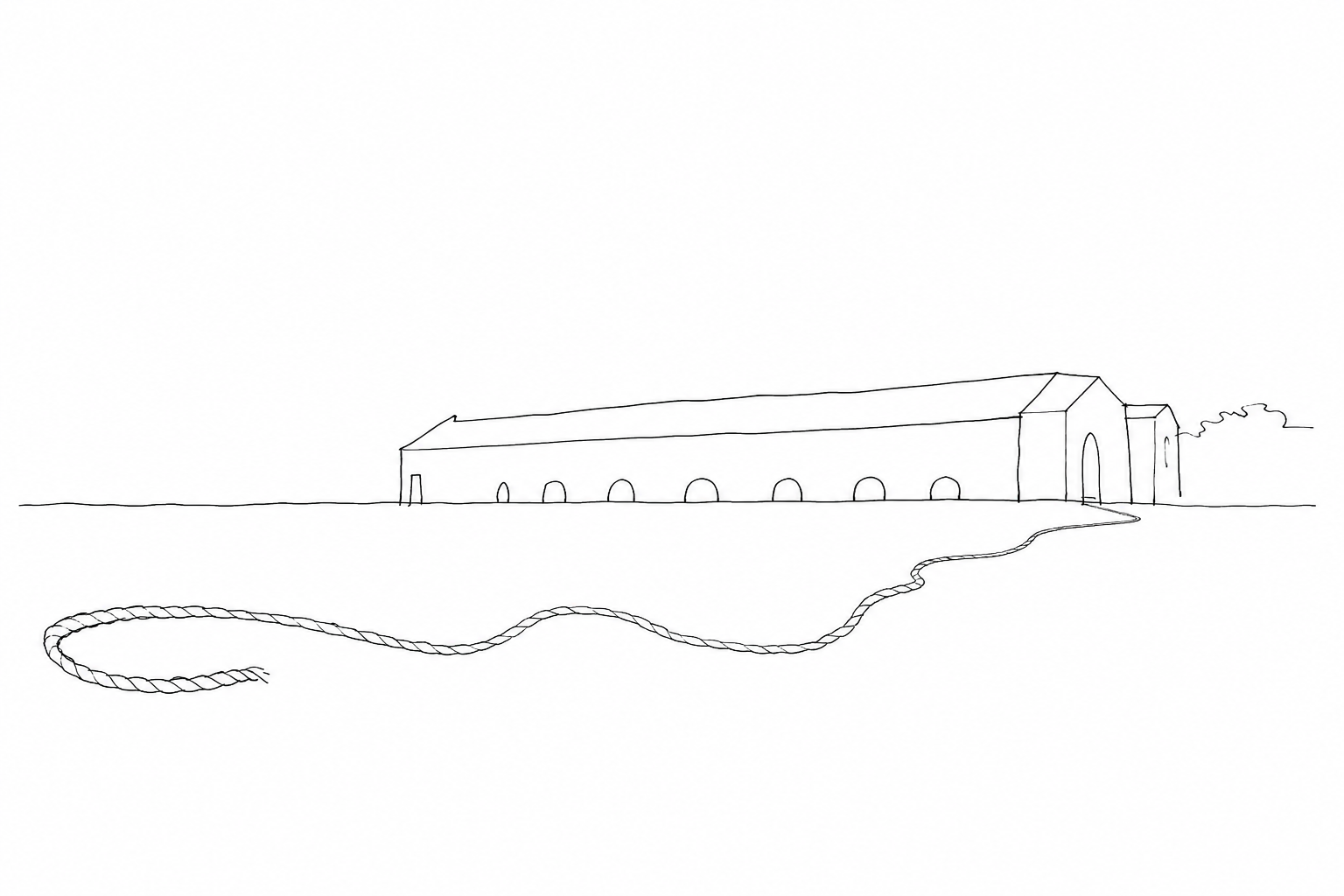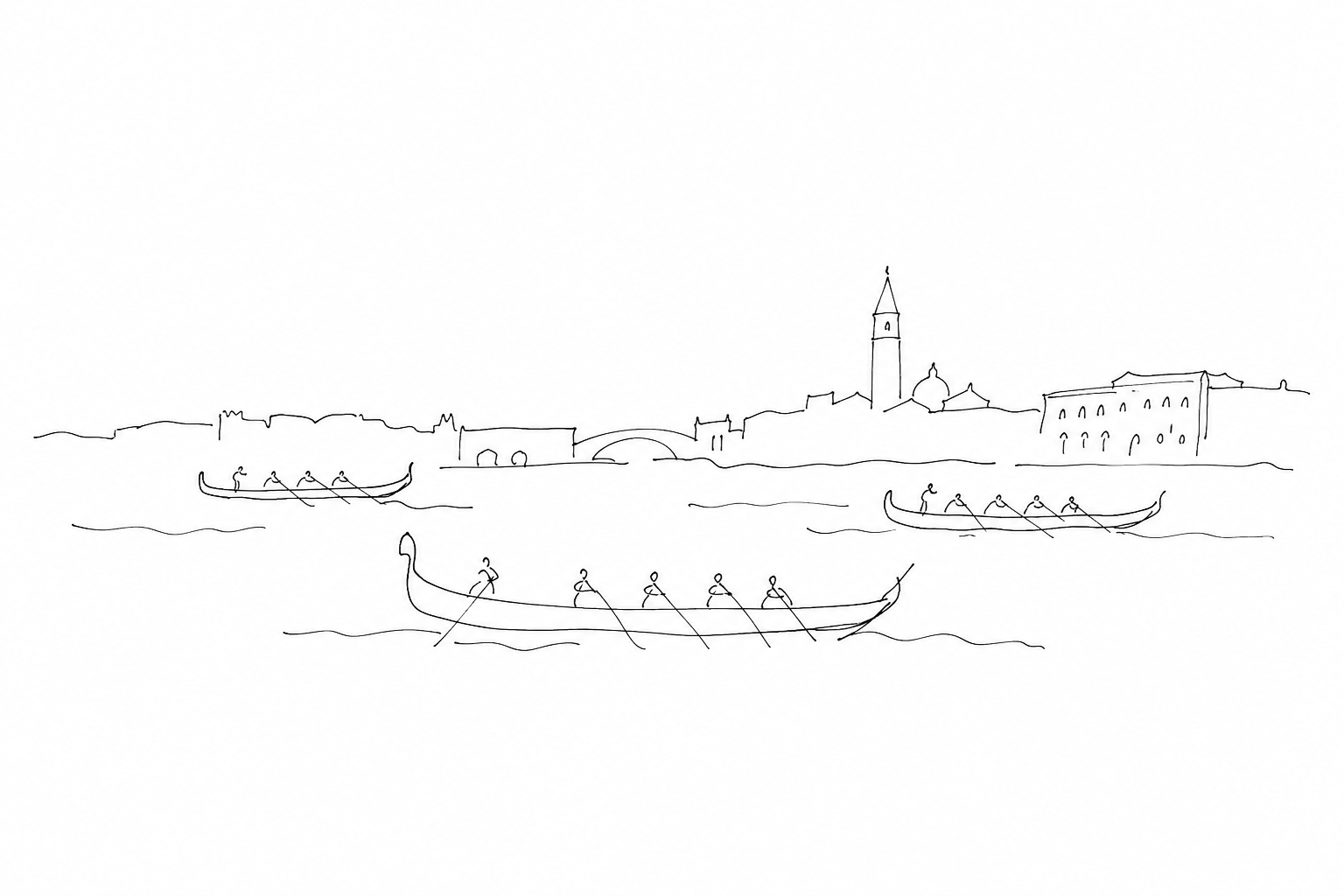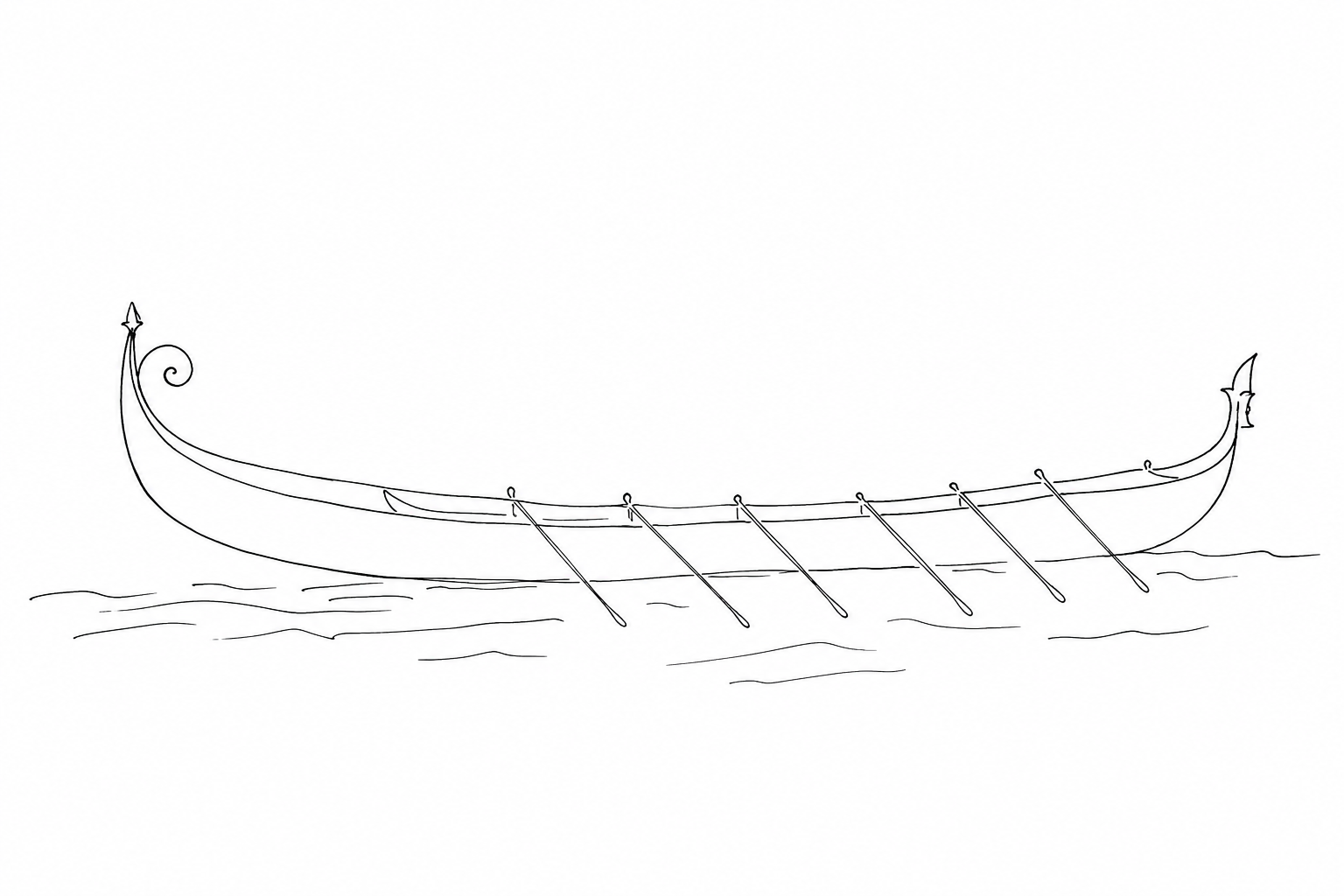

The Ships Pavilion invites you to look at Venice from a less obvious point of view: not from the façades reflected in the canals, but from the hulls, the oars, the forms created to move on the water. Next to the Arsenale and the Naval History Museum, this space tells of a city also built through trades, traffic, defenses, and everyday gestures. Entering it means shifting attention from Venice as image to Venice as functioning city: that of work boats, gondolas, launches, and technical solutions adapted to a complex lagoon.
Where it is and why it changes the way you look at Venice
The Ships Pavilion is located in the sestiere of Castello, in the Arsenale area, that is, at the point where for centuries Venice built its strength on the sea even before its tourist image. It is a section of the Naval History Museum of the Italian Navy and occupies spaces connected to the production and sheltering of boats: not a scenic backdrop, but a place of work.
For this reason, the visit immediately shifts attention. The city no longer appears as a sequence of façades reflected in the water, but as an organism that needed hulls, oars, engines, technical knowledge and continuous maintenance. Gondolas, service boats, military units and ceremonial boats tell of different functions of the same lagoon environment: transporting, defending, representing, trading.
Looking at Venice from here means starting from its material condition: without navigation, arsenals, workers and canals used as streets, the postcard would lose its structure.
A building born for the city’s maritime life
The Ships Pavilion is not a neutral container: it belongs to the logic of the Arsenale, the great productive organism in which the Republic of Venice built, repaired and armed its fleets. Its architecture derives from concrete needs: large spaces, useful heights, routes suitable for hulls, oars, masts, tools and workers. Even before being a museum, this type of environment served the maintenance and preparation of life on the water.
For this reason, the visit shifts attention from the urban façade to the structure that made the lagoon city possible. The ships on display are not only historical objects: they converse with walls, trusses and volumes designed for naval work. In the relationship between building and collection, one can read a technical Venice, made of shipyards, artisan knowledge, military hierarchies and Mediterranean trade.
Observing the Pavilion in this way helps to understand the Arsenale not as a monumental background, but as a decisive infrastructure: the place where Venetian power took material form, plank after plank, nail after nail.
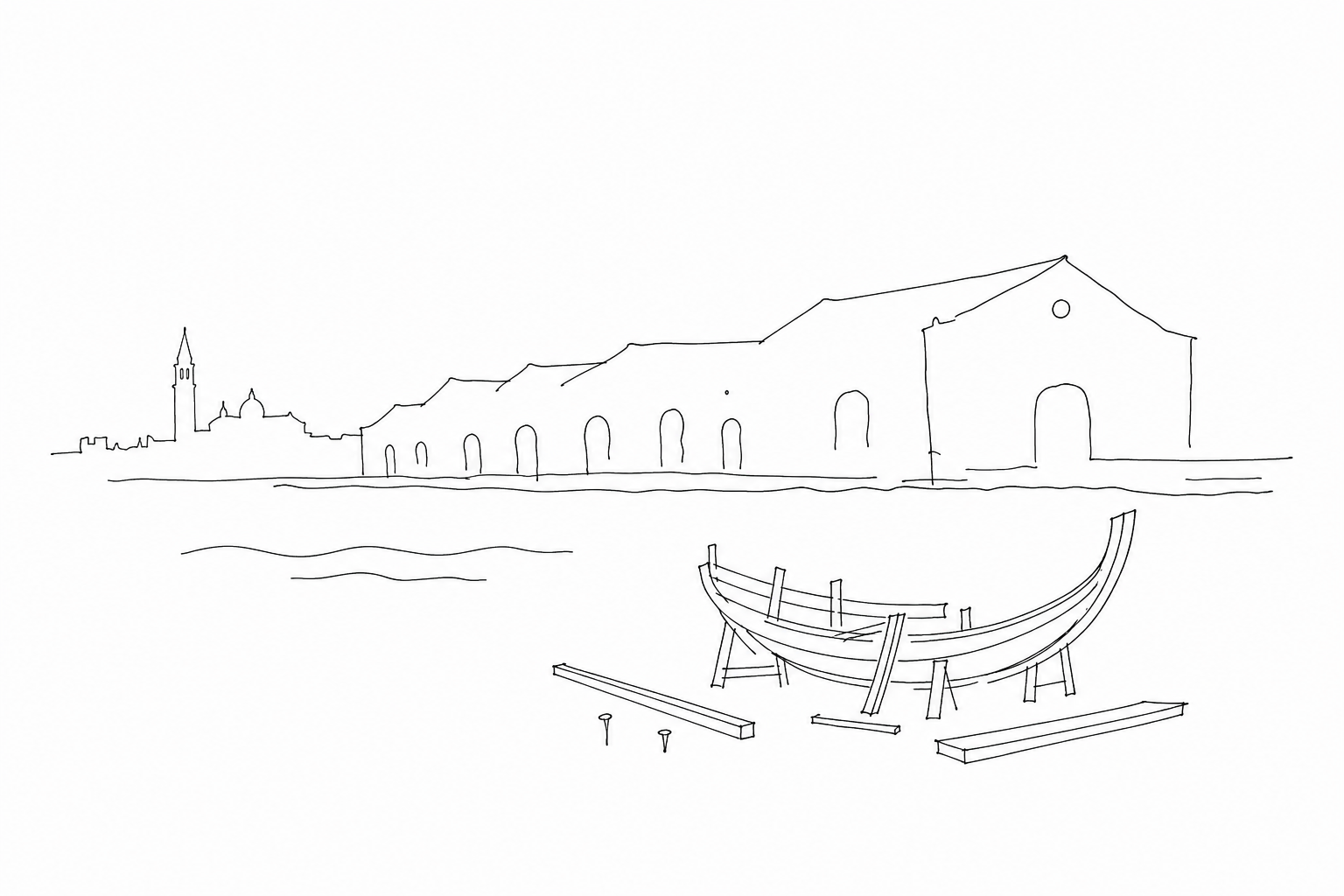
What to observe among gondolas, launches and work boats
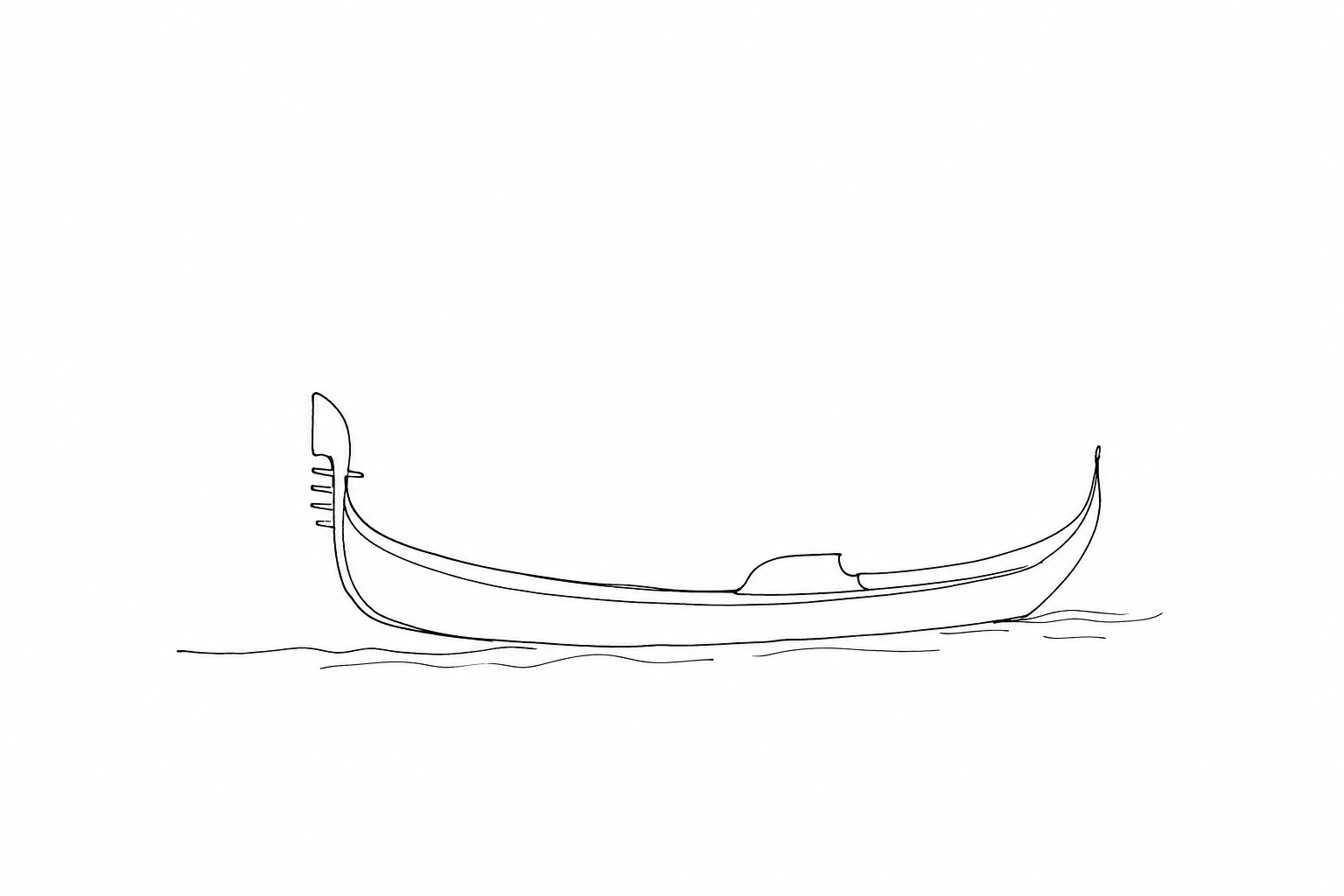
To read the boats on display, it is best to start from the hull, not from the decoration. A gondola, for example, should be observed from the side and from the stern: the long, narrow line, the asymmetry designed for the single oar and the position of the rower tell of mobility conceived for dense canals, quick turns and low landings. The bow ferro and the forcola are not simple ornaments: they balance, guide, and declare a trade.
Launches require another way of looking. If they have orderly seats, polished finishes, coats of arms or covers, they speak of representation, official transfers, ceremony on the water. The quality of the wood, the symmetry, and the protection of passengers indicate status and function.
In front of work boats, instead, look for robustness, a bottom suited to the lagoon, space for loads, tools, nets or goods. Every construction choice responds to a practical problem: fishing, transporting, serving shipyards, crossing shallow waters. Thus the visit shifts the gaze: from picturesque views to the everyday technology that kept the city of water alive.
How to include it in a slow visit to Castello
For a slow visit to Castello, the Ships Pavilion works best if it is not treated as an isolated stop, but as the point at which to give a name to what you have seen along the waterfronts. Before or after entering, it is worth passing through the Arsenale area seen from the outside: walls, portals, docks and canals help to understand why here the boat was also work, logistics, defense.
A coherent itinerary can connect Via Garibaldi, the Rio di Sant’Anna, San Pietro di Castello and the quieter areas toward Celestia. These are places where tourist traffic thins out and the city still shows ordinary nautical details: mooring posts, slipways, landings, warehouses, courtyards connected to water trades. After observing gondolas, launches and service boats, these elements become more legible.
Before going, it is prudent to check up-to-date information on access and visiting arrangements. On site, instead, it is better to slow down: fewer overall photographs, more attention to materials, proportions and functions.
Visiting the Ships Pavilion is not only useful for adding a stop to the Castello route: it helps to better understand the physical relationship between Venice and the water. The boats on display are not simple historical objects, but tools that have shaped habits, urban spaces and ways of inhabiting the lagoon. Inserted into a slow walk among the Arsenale, less crowded waterfronts and neighborhood calli, the pavilion restores a more concrete Venice, less photographed and closer to its deep structure.
Related Posts
Naval History Museum: gondolas, models and ships to understand Venice as a maritime city
A route through the Naval History Museum to interpret Venice through gondolas, ship models, the Arsenal and maritime culture.The Venice Arsenal: the place where the Serenissima built its power
History, spaces and meaning of the Arsenal, the productive and military heart of maritime Venice.
Riva degli Schiavoni: reading the ancient port behind the most photographed promenade
An urban reading of the Riva degli Schiavoni: landings, palaces, mercantile memory and a slow gaze between San Marco and Castello.Questions Answered
What is the Ships Pavilion and where is it located?
It is part of the Naval History Museum in the Arsenale area, focused on maritime trades.How does the Pavilion change how we see Venice?
It shifts perspective from picturesque façades to functional watercraft and naval infrastructure.What is unique about the building housing the Pavilion?
It was originally designed for shipbuilding, with large spaces and routes suited to boats.How should one experience the Pavilion and its surroundings?
As part of a slow walk through Castello, connecting physical maritime elements with daily life.
From the Arsenal walls to the lagoon
Want to see how labour, technology and the sea built a decisive part of Venetian power?
 The Venice Arsenal: the place where the Serenissima built its powerHistory, spaces and meaning of the Arsenal, the productive and military heart of maritime Venice.
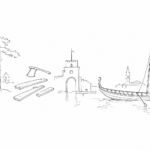 The marangoni of the Arsenal: the wood artisans who built the strength of the SerenissimaHistory of the marangoni of the Arsenal, ship carpenters who transformed wood into galleys, hulls and Venetian maritime power.
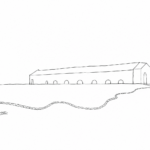 The Arsenale ropewalks: where the ropes that held Venetian naval power together were bornHistory, function, and interpretation of the Arsenale ropewalks, the long space where Venice produced the ropes for its fleet.
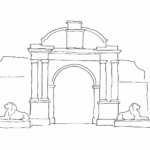 The Porta Magna of the Arsenale: lions, symbols and propaganda carved at the entrance to Venetian naval powerHistory and interpretation of the Porta Magna of the Arsenale, amid Renaissance architecture, marble lions and Venetian political messages.