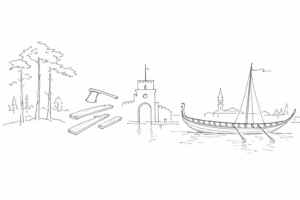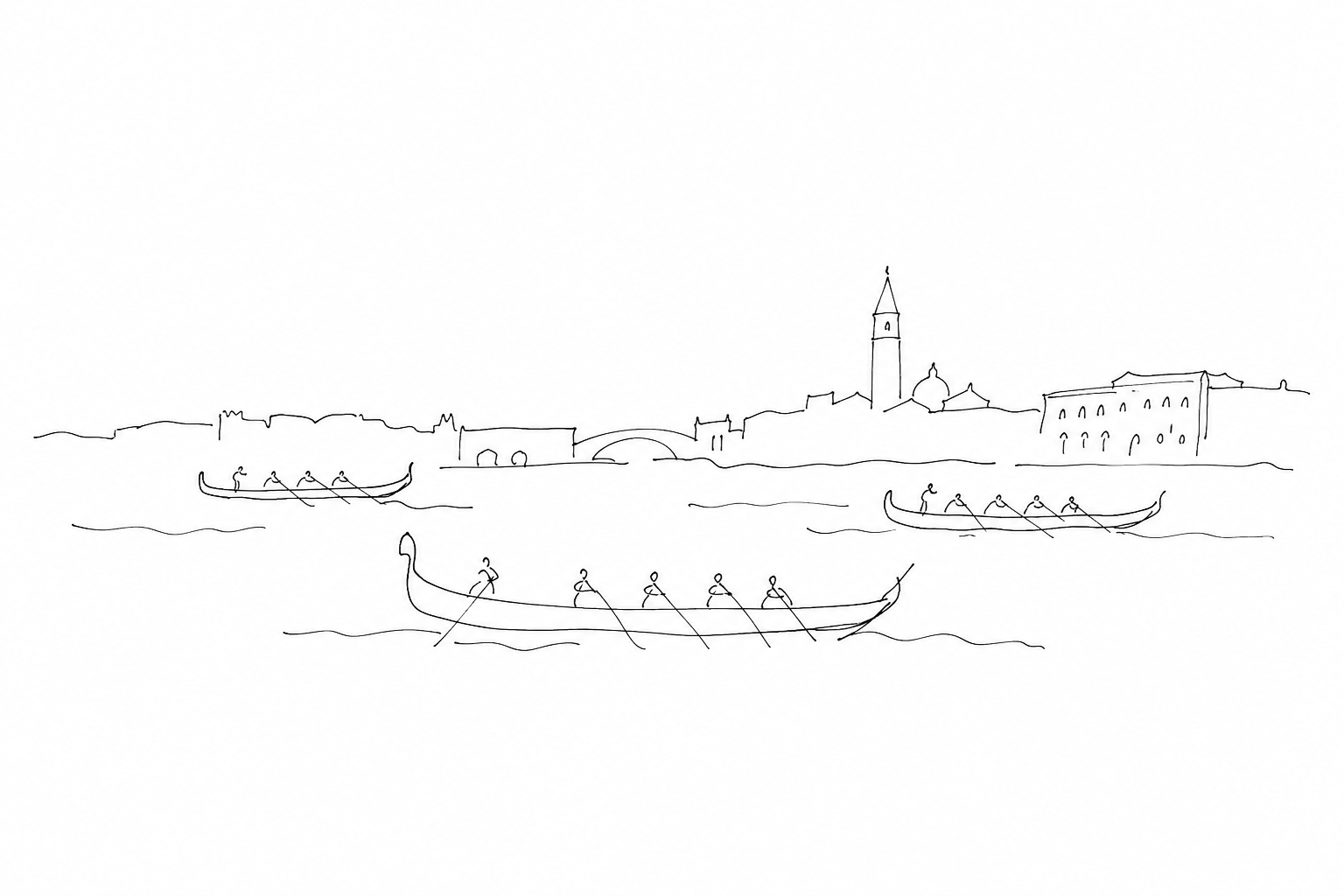

The Naval History Museum helps interpret Venice starting from what often remains in the background: the work of the water, boats and the Arsenal. It is not only a collection of models, gondolas and military memorabilia, but a place where the city shows its maritime intelligence: technical, practical, everyday. Its location, near the basins of ancient Venetian naval power, makes the visit particularly meaningful. Each room allows you to observe how the lagoon produced precise forms, trades and solutions, born not for decoration but out of necessity.
Why the museum is in the right place in Venice
The Naval History Museum can already be understood before entering: it is located in Castello, next to the Arsenal, that is, in the sector of the city where Venice built its maritime power for centuries. It is not a neutral location. Specialized workers, arsenalotti, carpenters, caulkers and rowers worked here; galleys, warships and service boats that connected the lagoon to the Mediterranean took shape here.
The proximity to the Arsenal helps interpret gondolas, models and finds not as isolated objects, but as parts of an urban system. Venice was not only a city “on the water”: it was a naval machine, with shipyards, warehouses, technical knowledge and trade routes intertwined with everyday life. The museum, housed in a historic building in the San Biagio area, preserves this continuity between district, military port and memory of navigation.
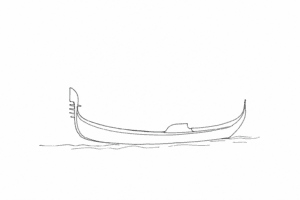
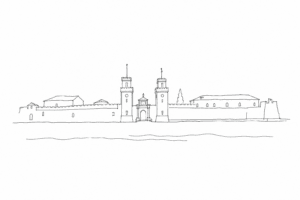
Visiting it from this point in the city changes the story: the shapes of the boats, the decorated prows, the ship models and the nautical instruments refer directly to the shores, canals and productive architectures that surround them.
Gondolas and lagoon boats: forms born from the water
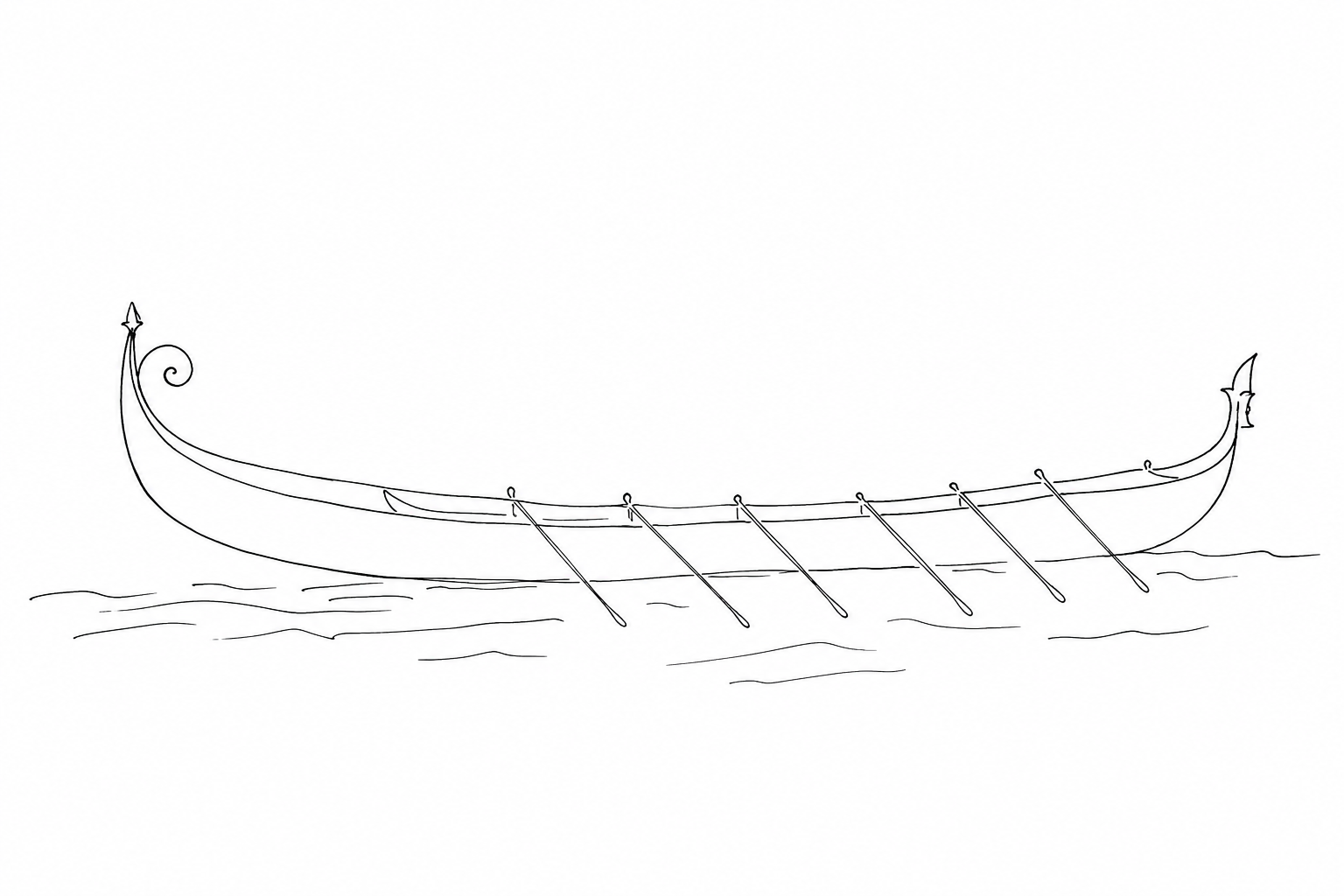
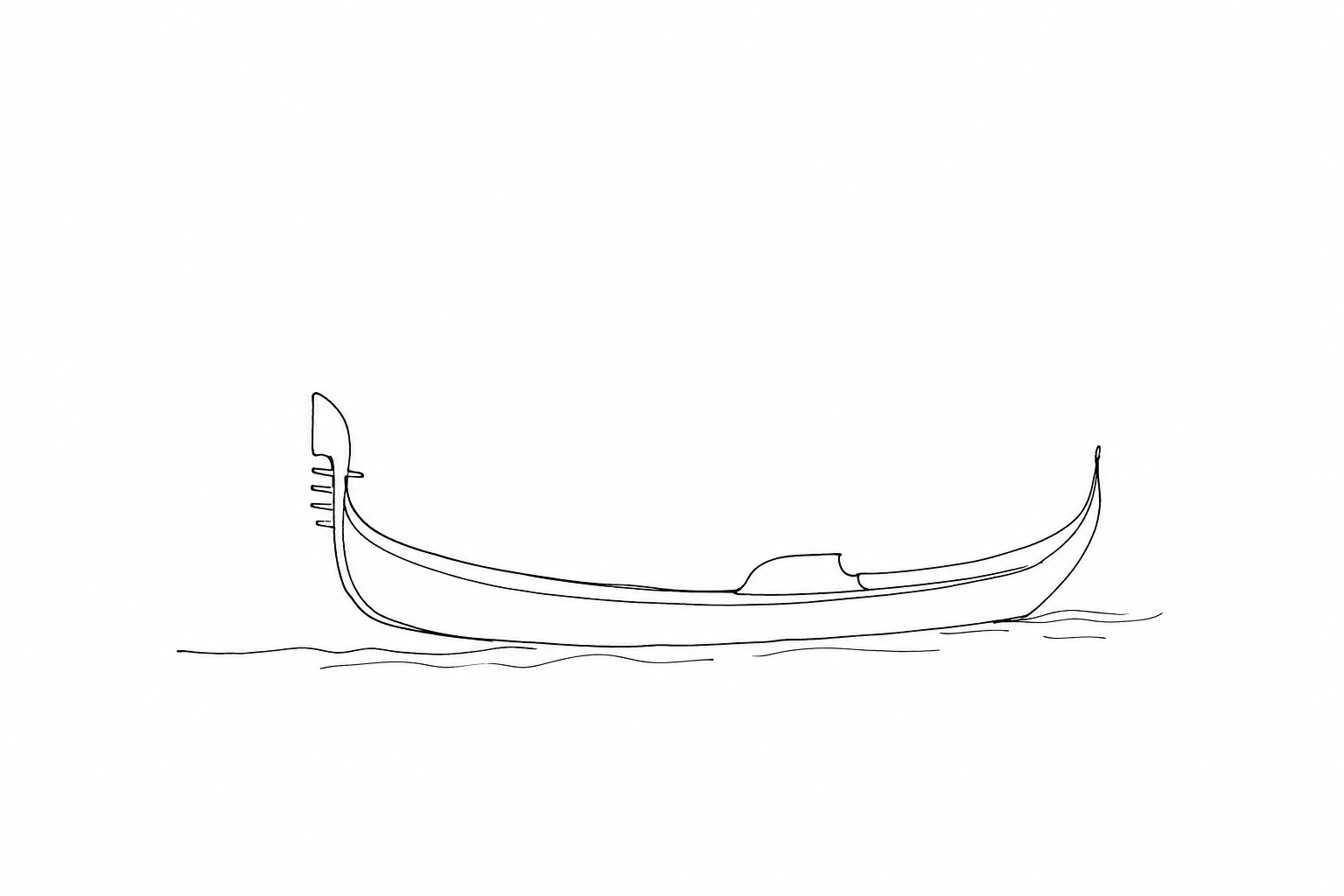
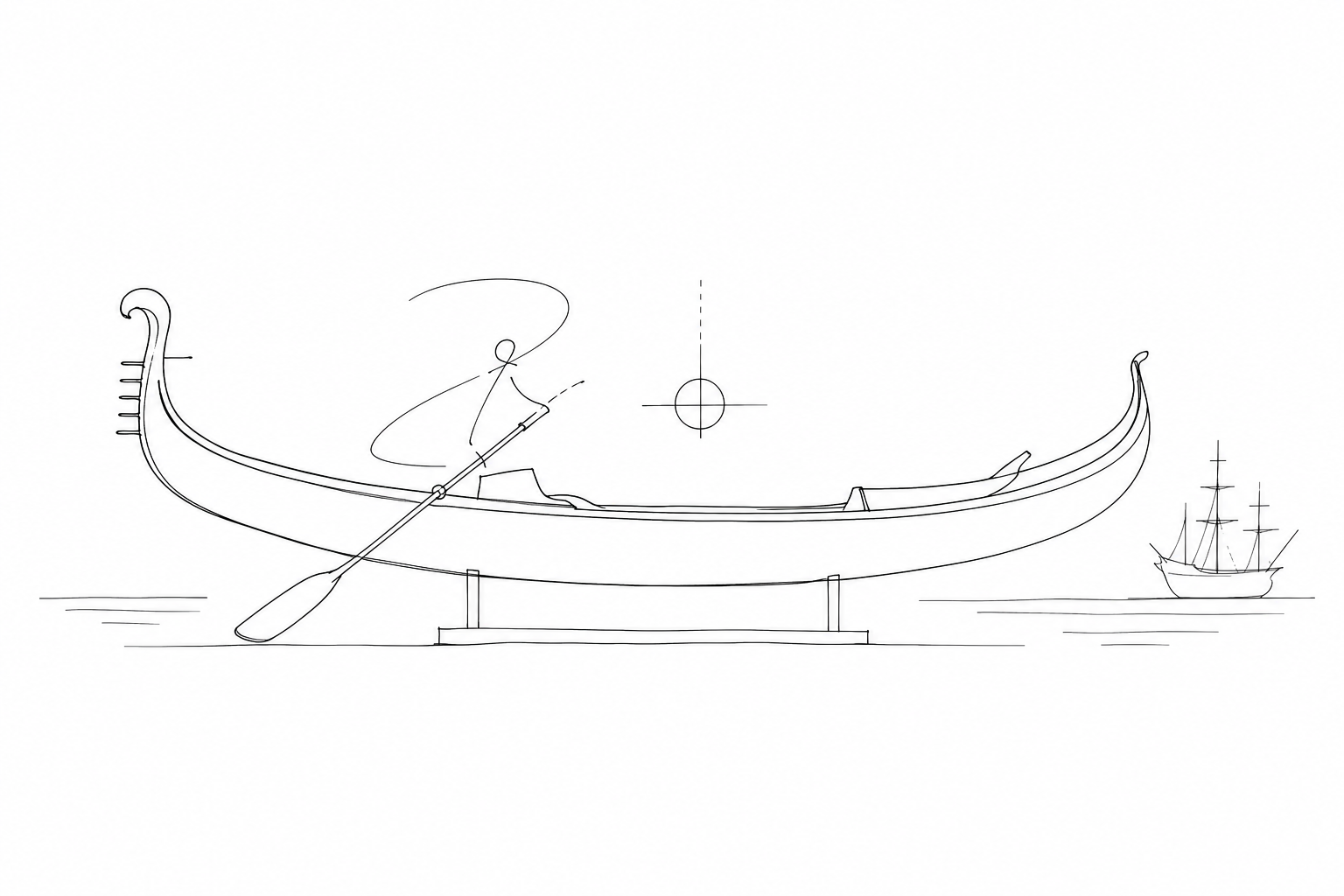
In front of the gondolas and other lagoon boats on display, the most useful interpretation is not only aesthetic: every line responds to a practical problem. The almost flat bottom serves to move in shallow waters; the length of the hull gives stability; the asymmetry of the gondola compensates for the thrust of the oar used on only one side. The fórcola as well, the shaped wooden rowlock, is not an ornament: it allows different rowing positions, from slow maneuvering to rapid stopping.
These boats tell of a technique born before engines, when transport, work and representation depended on the ability to glide among canals, rii and salt marshes. Alongside the gondola, cargo or fishing boats help distinguish different functions: carrying goods, crossing the lagoon, serving the islands, working in tight spaces.
In the Naval History Museum, therefore, the boat should be observed as a complex tool: material, form, balance and the rower’s gesture become a concrete explanation of Venice as an inhabited maritime environment.
Ship models: the technical memory of the Arsenal
In the section dedicated to models, the Arsenal emerges not only as a productive place, but also as a laboratory of knowledge. The miniatures of hulls, masts and equipment should not be read as simple decorative objects: they often served to visualize a project, to compare construction solutions or to transmit technical knowledge before industrial drawing became dominant.
Observing the keel, frames, planking and decks makes it possible to understand the work of the master shipwrights and the precision required by Venetian shipbuilding. On a reduced scale one recognizes the needs of war, with spaces for artillery, oars or rapid maneuvers, but also those of trade, with holds, hull strength and the ability to face Adriatic and Mediterranean routes.
The strength of these models lies in their function as a material archive. They tell of combat ships, service boats and merchant vessels through proportions, cuts and details. To understand Venice as a maritime power, here technique becomes memory: each piece shows practical decisions linked to materials, labor, defense and trade.
How to visit it with a more attentive eye
To interpret the collection better, it is useful to proceed by questions, not only by rooms. In front of a lagoon boat, first observe the shape of the hull: flat bottom, bow, stern and position of the rower indicate whether the craft served daily transport, representation or work in shallow waters.
- Materials: wood, metal, ropes and decorations tell of maintenance, availability of resources and hierarchies of use.
- Scale: compare the models with the real objects; the miniature often makes visible what would be hidden on a ship.
- Symbols: lions of Saint Mark, coats of arms and ornaments are not only embellishments, but signs of public power and maritime identity.
- Context: keep in mind the proximity of the Arsenal: many pieces acquire meaning if read alongside the organized production of the Serenissima.
Before the visit, always check updated information on access, opening hours and sections that may be visitable.
Visiting the Naval History Museum means moving away from the most predictable image of Venice and approaching the city as a complex maritime system. The gondolas, lagoon boats and ship models tell of knowledge built over time, made of proportions, materials, routes and continuous adaptations. It is a useful stop for those who want to better understand what they then see along rii, fondamenta and basins: not only scenery, but living infrastructure. With an attentive eye, the museum becomes a discreet key to reading Venice from its most natural point of view, that of the water.