
The squero of San Trovaso is one of those places where Venice shows its daily work, not only its image. Overlooking the rio of the same name, a few steps from the Zattere and from campo San Trovaso, it preserves its function as a boatyard for gondolas and other lagoon boats. What is also striking, however, is its architecture: a wooden construction that seems to belong more to the valleys of Cadore than to the city of water. It is precisely this contrast that makes the squero a valuable point to observe during a walk in Dorsoduro.
Where it is and why it immediately stands out
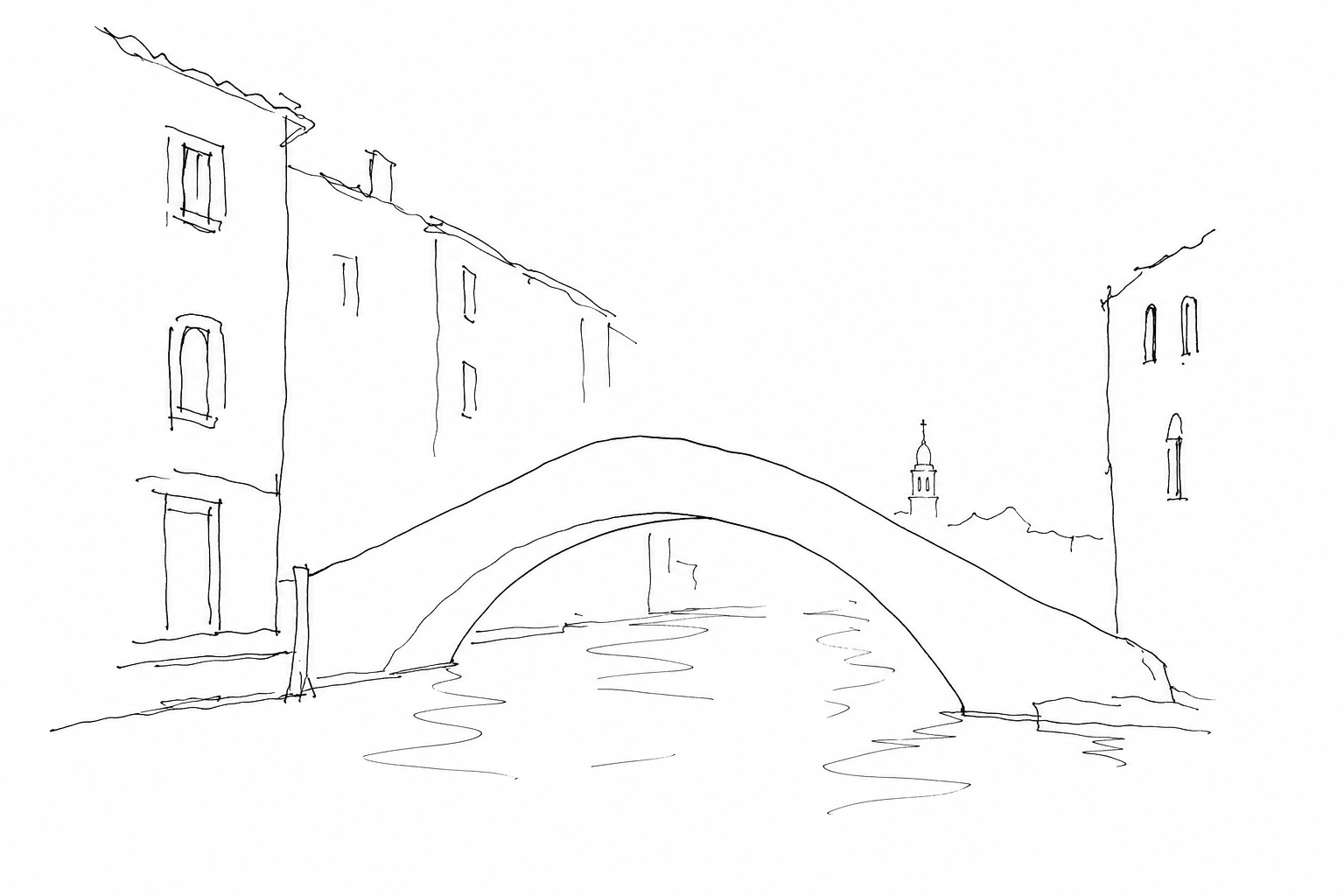
The squero of San Trovaso overlooks the rio of the same name, in the sestiere of Dorsoduro, a few steps from the Zattere and not far from the route that leads toward the Gallerie dell’Accademia. The visual impact is immediate: among Venetian palaces, bridges and stone banks appears a wooden construction that seems more Alpine than lagoon-like.
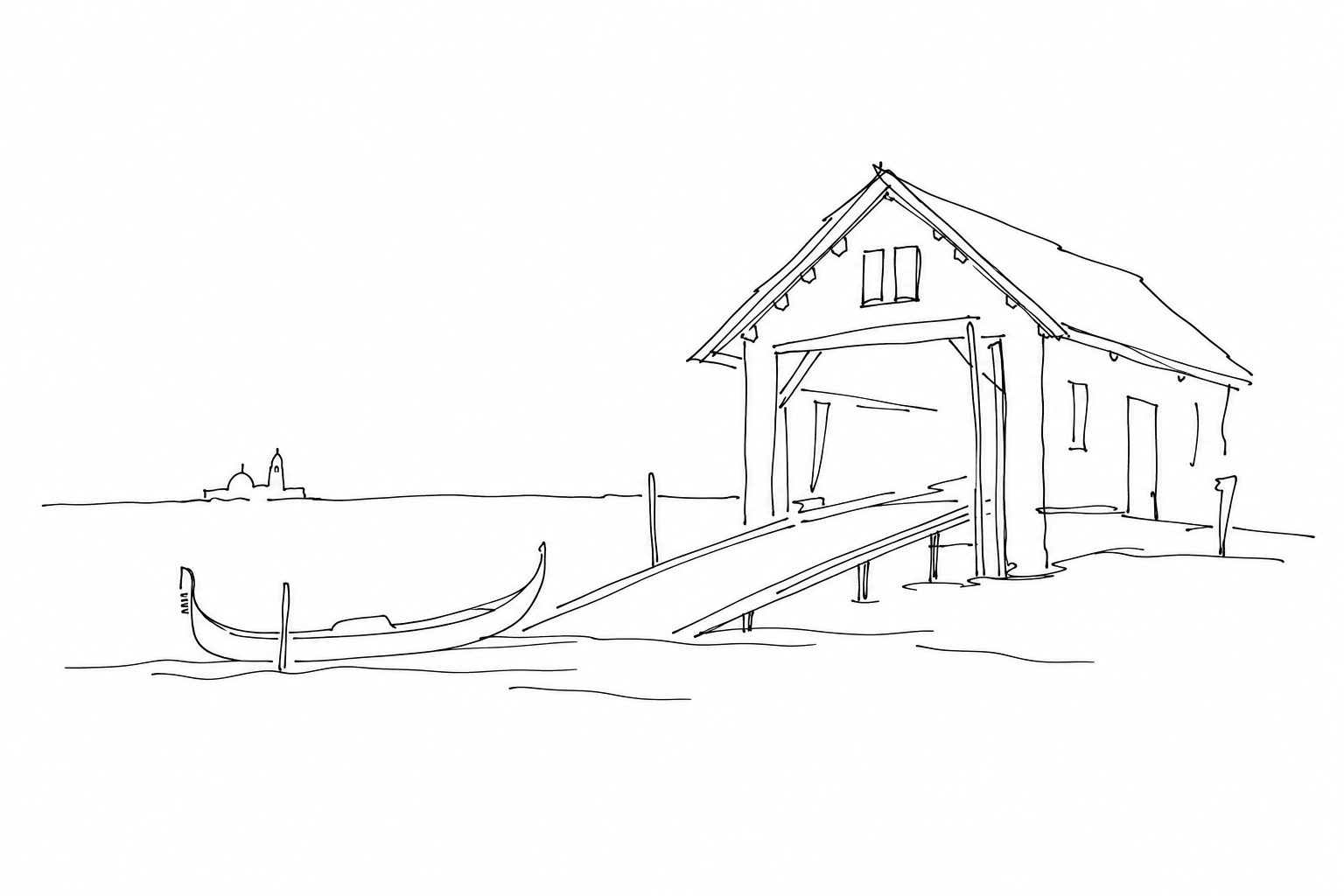
Its sloping façade, balconies, exposed beams and pitched roof in fact recall the houses of Cadore. This is no coincidence: many squerari, that is, the craftsmen specialized in building and maintaining gondolas, historically came from the mountain areas from which the necessary timber also arrived. In front of the slipway, the boats hauled ashore make visible an operational Venice, made of hands, planks, pitch and ancient gestures, rather than scenery alone.
A boatyard, not a stage set
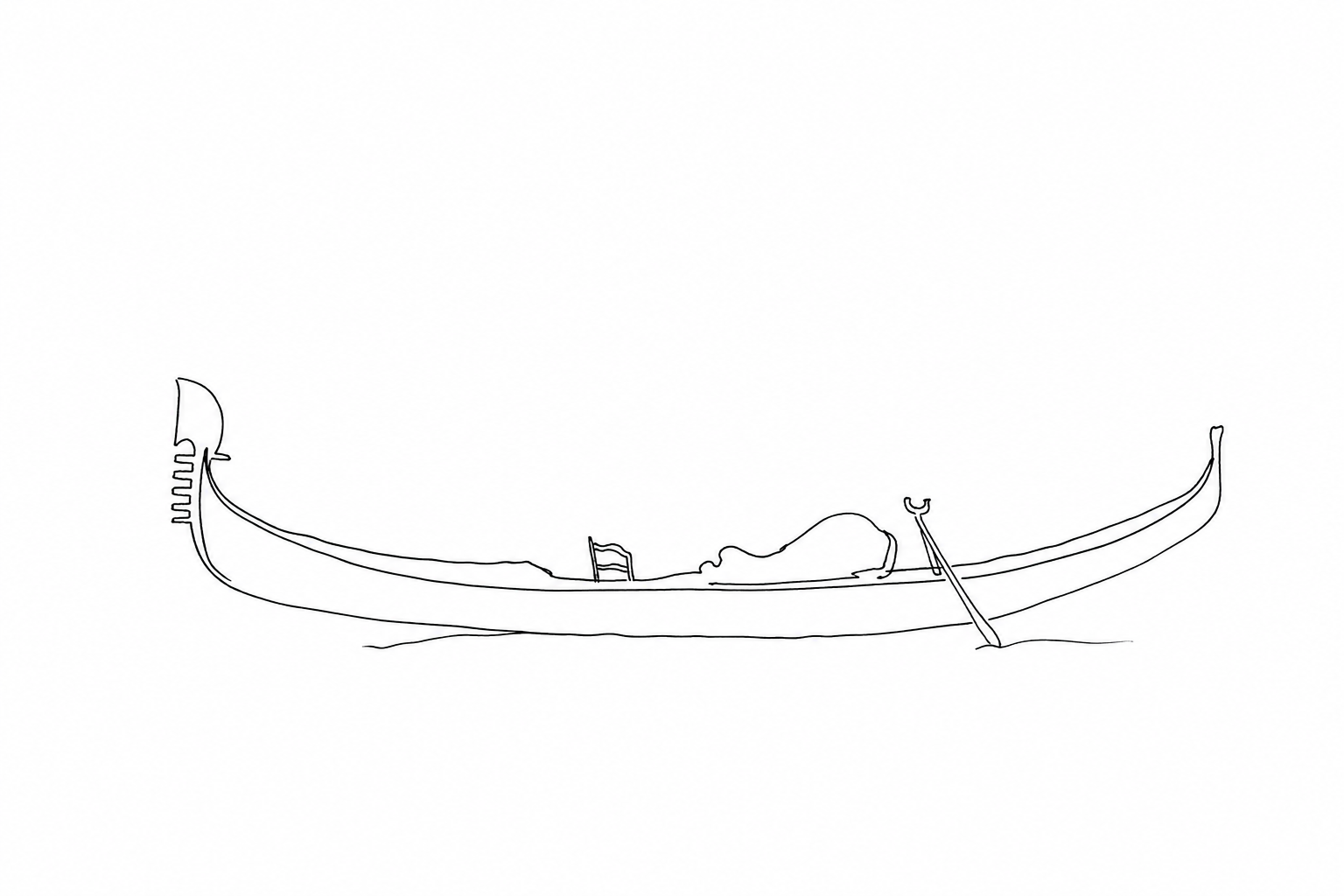
The squero of San Trovaso was not created to be observed as a picturesque backdrop: it is above all a place of work. In Venetian, the squero is the boatyard where boats are built, hauled ashore, checked and repaired. Here the gondola does not appear as an abstract symbol of the city, but as a technical object, composed of different woods, precise proportions and continuous maintenance.
The craft of the squerarol requires practical knowledge handed down over time: reading the deformations of the hull, working on the joints, protecting the parts exposed to brackish water, maintaining the asymmetrical balance that allows the gondola to move straight ahead with a single oar. Even when an entire construction in progress is not visible, the sloping slipway tells the function of the place: bringing the boat out of the water without separating it from the city that uses it.
San Trovaso thus preserves one of the most concrete keys to understanding Venice: not only palaces and canals, but a network of crafts necessary for daily navigation. Its beauty arises precisely from this still-readable usefulness.
The profile of the squero of San Trovaso is surprising because it does not follow the more usual language of Venetian building: instead of Istrian-stone façades and Gothic windows, it shows exposed beams, wooden infill and a pitched roof with broad overhangs. It is this domestic, almost Alpine outline that brings Cadore to mind.
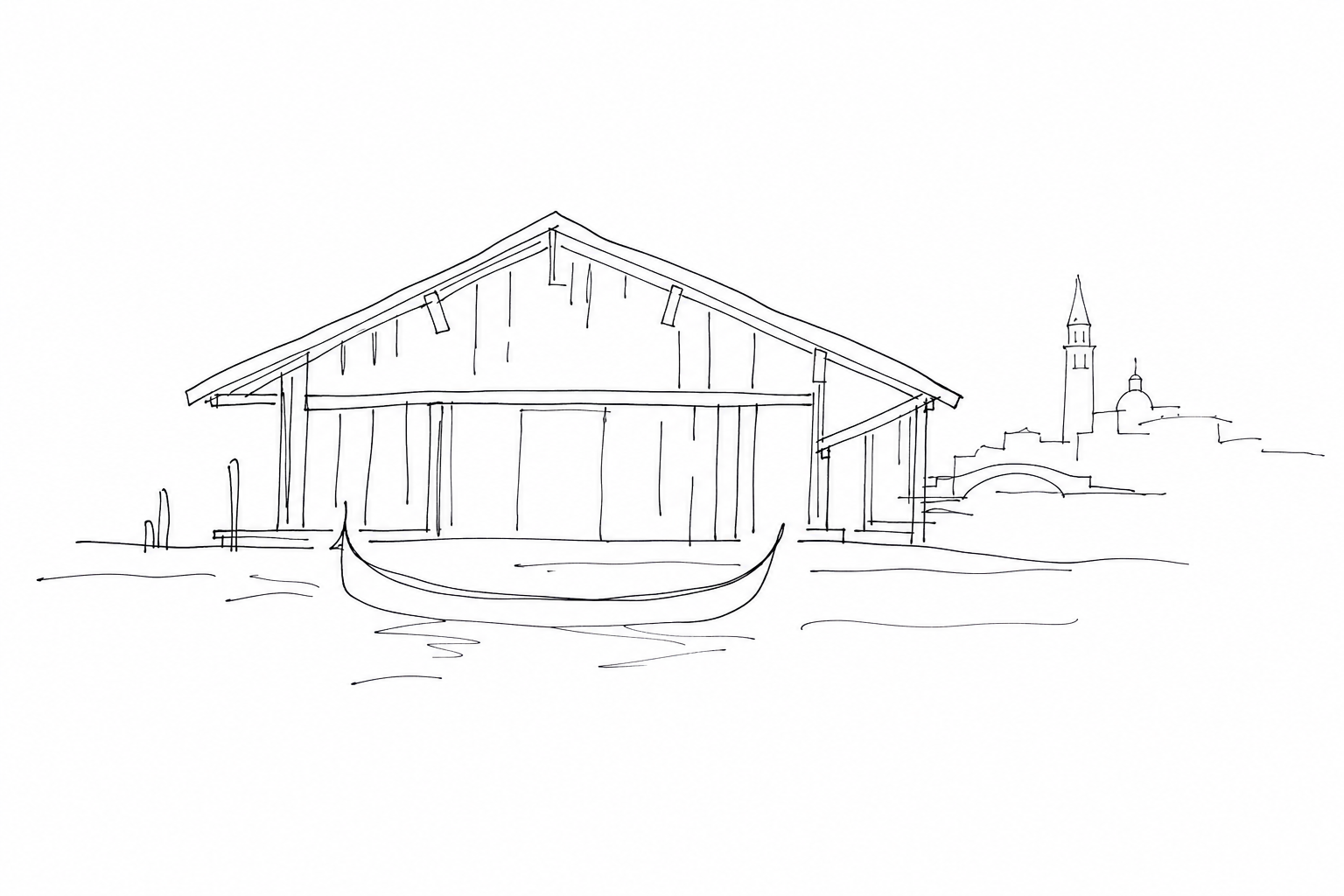
The reference is not decorative. For centuries, the wood needed for boats also arrived in the lagoon from the Dolomite valleys, especially through the Piave river system. Materials, skills and men accustomed to working with spruce, larch and other woods came from those areas. The form of the boatyard’s little house therefore preserves a practical memory: it protected workers, tools and parts being worked on with solutions familiar to those who came from the mountains.
The contrast with the palaces overlooking the rii is precisely its value: a small architecture from a wooded area, transplanted into the heart of the city of water. Reading it in this way helps to understand that the gondola was born from a broader supply chain, capable of uniting forests, rivers, minor boatyards and canals.
How to read it during a walk in Dorsoduro
During a walk in Dorsoduro, the best way to understand the squero of San Trovaso is to stop on the opposite bank of the rio, without immediately looking for the entrance. From there the whole can be read: the low roof, the wooden façade, the slide that descends into the water and the open space where the boats are hauled ashore. It is a useful perspective because it shows the function before the picturesque image.
Above all, observe the relationship between the work surface and the canal. In Venice a boat does not “go out” onto a street: it is launched into the rio, and for this reason the inclination toward the water is an essential part of the building. If you see hulls resting there, trestles, planks or dark silhouettes of gondolas, they are not decorative elements: they indicate maintenance, repair, continuous adaptation.
The context helps measure the surprise. A few steps away appear churches, campi and palaces of Dorsoduro; here instead a naval-workshop language dominates. It is best to look at it discreetly, remembering that it remains a place of work: for any visits or access it is always better to check the updated conditions.
Stopping in front of the squero of San Trovaso means reading a fragment of Venice through materials, gestures and forms often taken for granted. It is not a monument to visit in a hurry, but a place to observe discreetly: the boats being worked on, the relationship with the rio, the almost mountain-like outline of the building tell of a city built on practical skills and continuous exchanges. In an itinerary in Dorsoduro, this boatyard helps to understand how much the gondola is still a living object, before being a symbol.
Related Posts
San Trovaso beyond the squero: Dorsoduro’s double church between two façades and two entrances
An outline on San Trovaso in Dorsoduro: the church beyond the squero, read through two façades, two entrances, urban history and interior works.The Venetian remèr: oars and forcole, the craftsmanship without which the gondola does not move
Who the Venetian remèr is, how oars and forcole are made, and why the movement of the gondola depends on these pieces.
How a gondola is made: ferro, asymmetry and details that are not decoration
Bow ferro, hull asymmetry, forcola and finishes: the gondola read as a precise machine, not as Venetian ornament.Questions Answered
What makes the squero of San Trovaso architecturally unique?
Its wooden, Alpine-style structure contrasts with typical Venetian stone façades.What is the role of the squero in Venice today?
It remains a functional boatyard for building and repairing gondolas.Where does the timber and craftsmanship for gondolas come from?
From the mountain areas of the Dolomite valleys via the Piave river.How does the squero reflect Venice’s broader boating culture?
It shows the practical skills and supply network behind gondola construction.
Follow the craft of navigation
Want to move from the shape of boats to the hands and tools that make them possible?
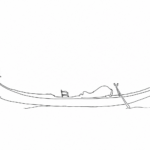 How a gondola is made: ferro, asymmetry and details that are not decorationBow ferro, hull asymmetry, forcola and finishes: the gondola read as a precise machine, not as Venetian ornament.
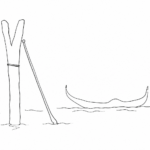 The Venetian remèr: oars and forcole, the craftsmanship without which the gondola does not moveWho the Venetian remèr is, how oars and forcole are made, and why the movement of the gondola depends on these pieces.
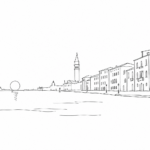 Le Zattere: the Venetian walk where the sun says more than the monumentsA slow guide to Le Zattere, the fondamenta in Dorsoduro where light, lagoon and everyday history matter more than the list of...
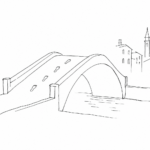 The Ponte dei Pugni in Dorsoduro: history of the fights between the Nicolotti and CastellaniHistory and interpretation of the Ponte dei Pugni in Dorsoduro, from the Venetian factions to the footprints in stone.