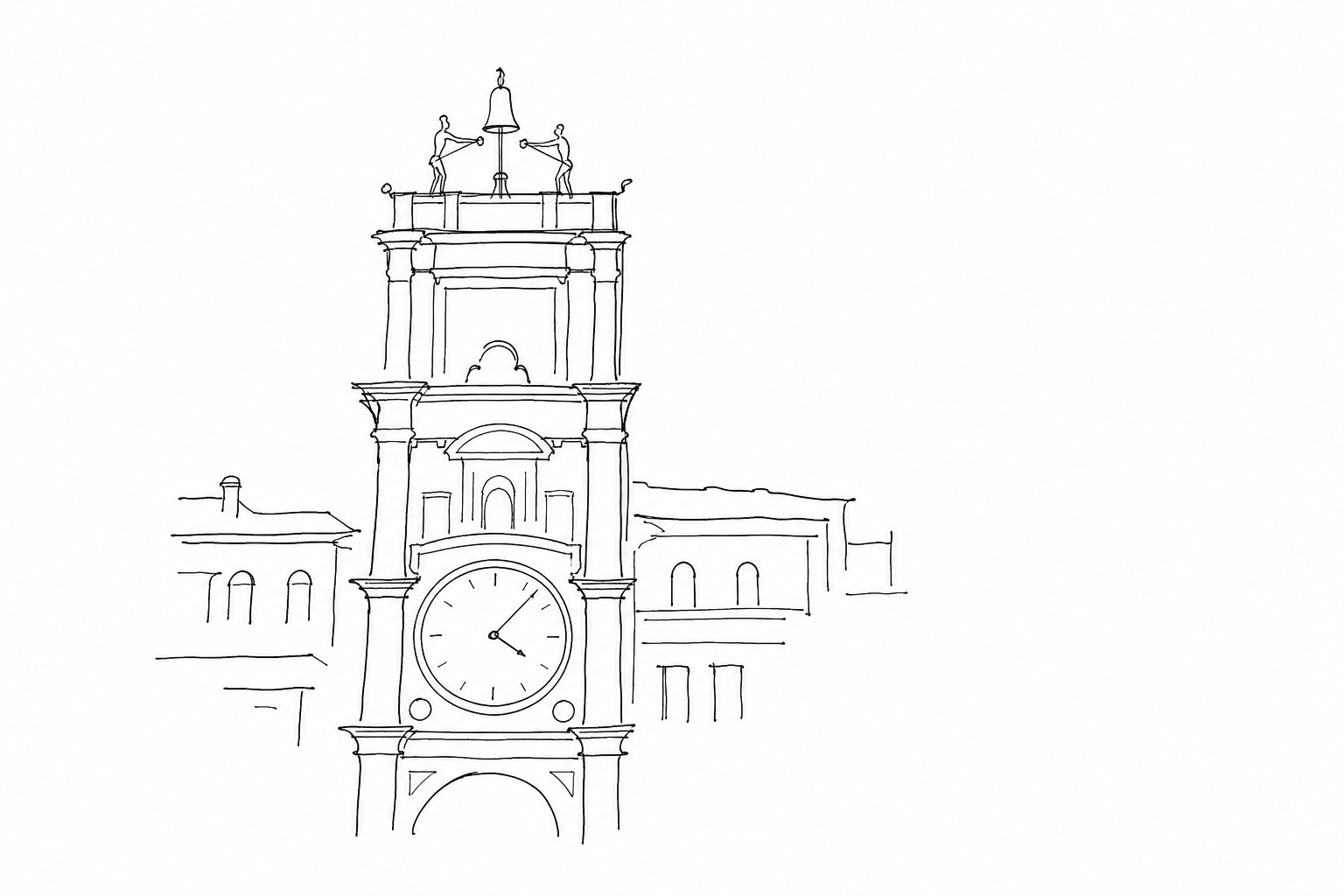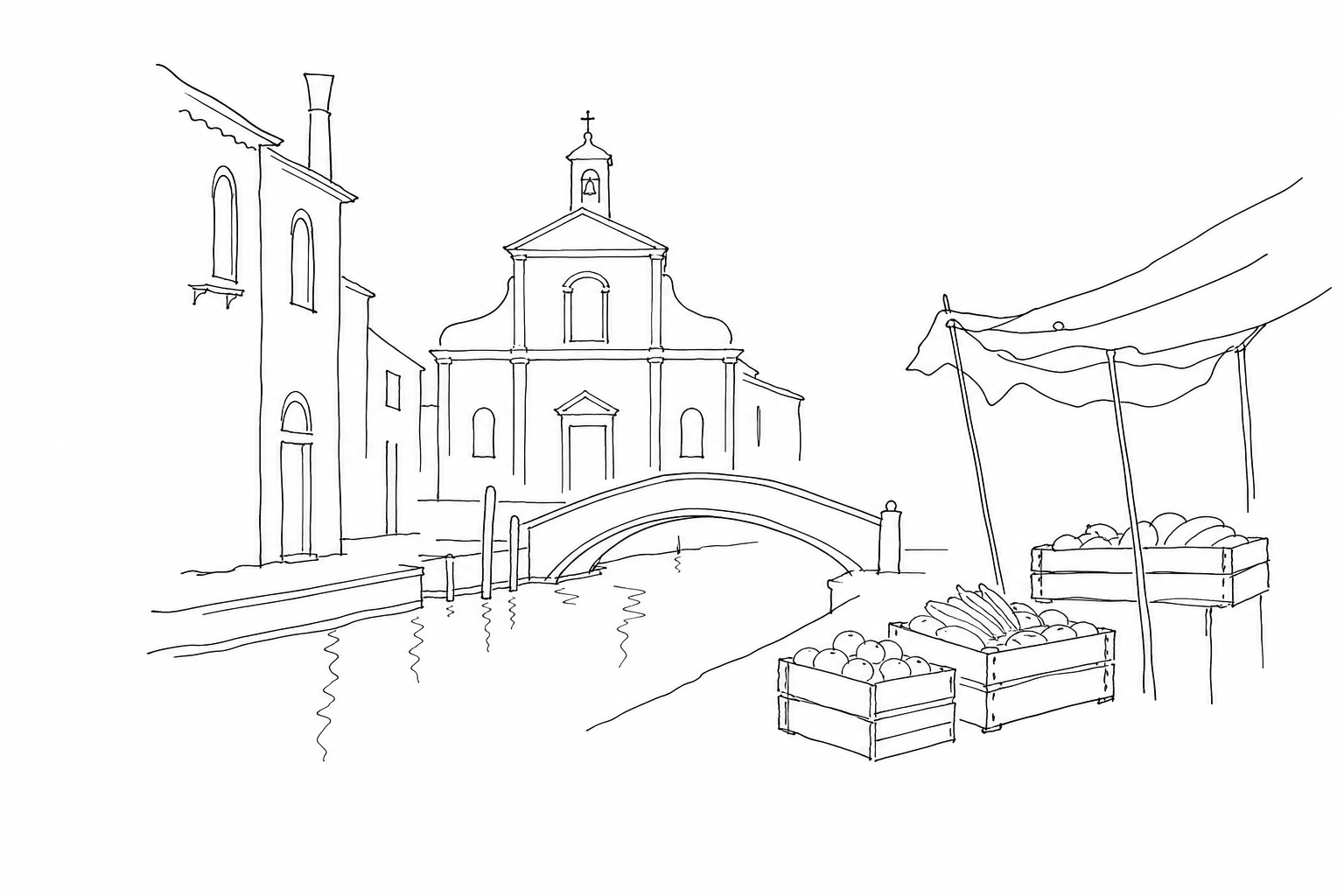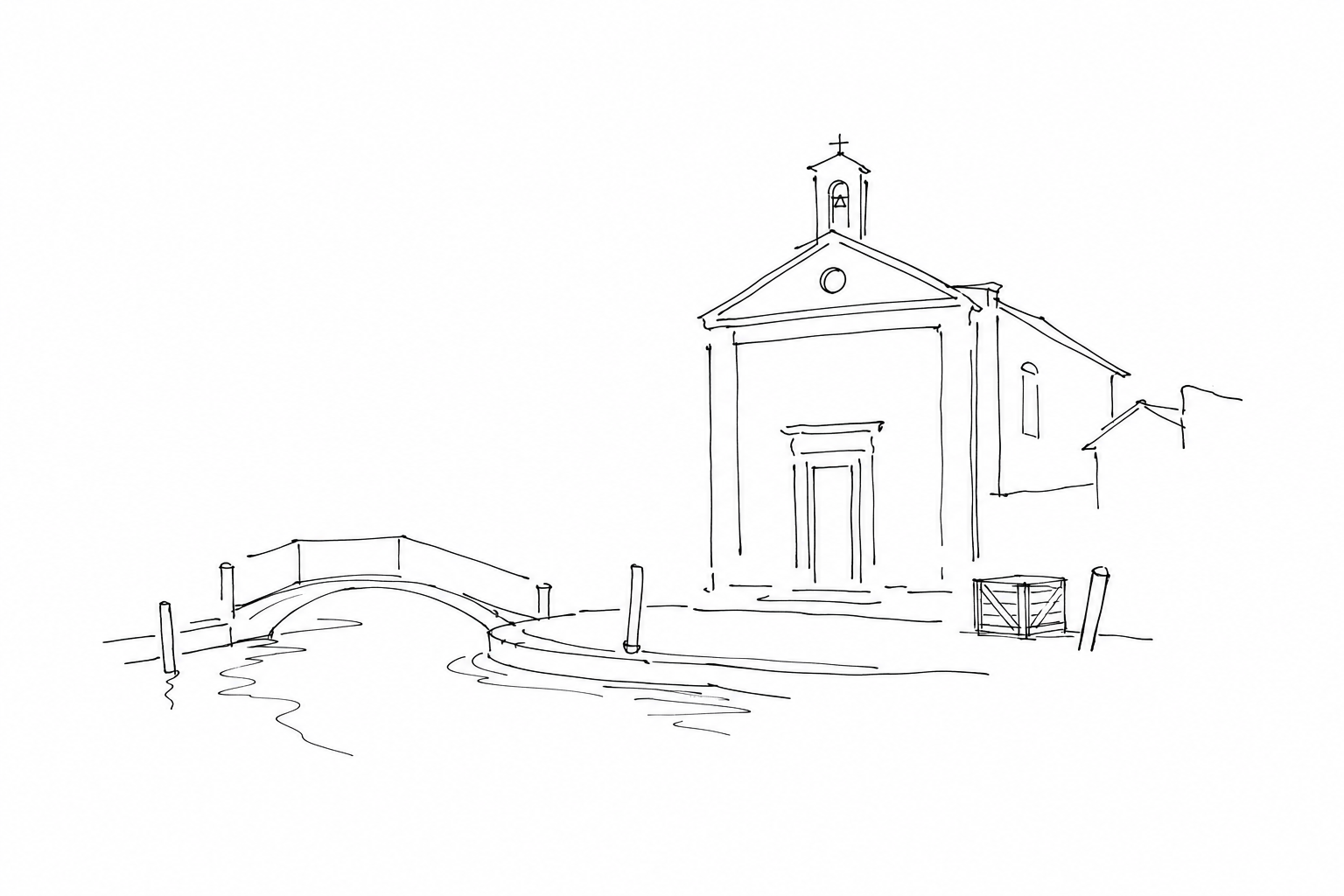
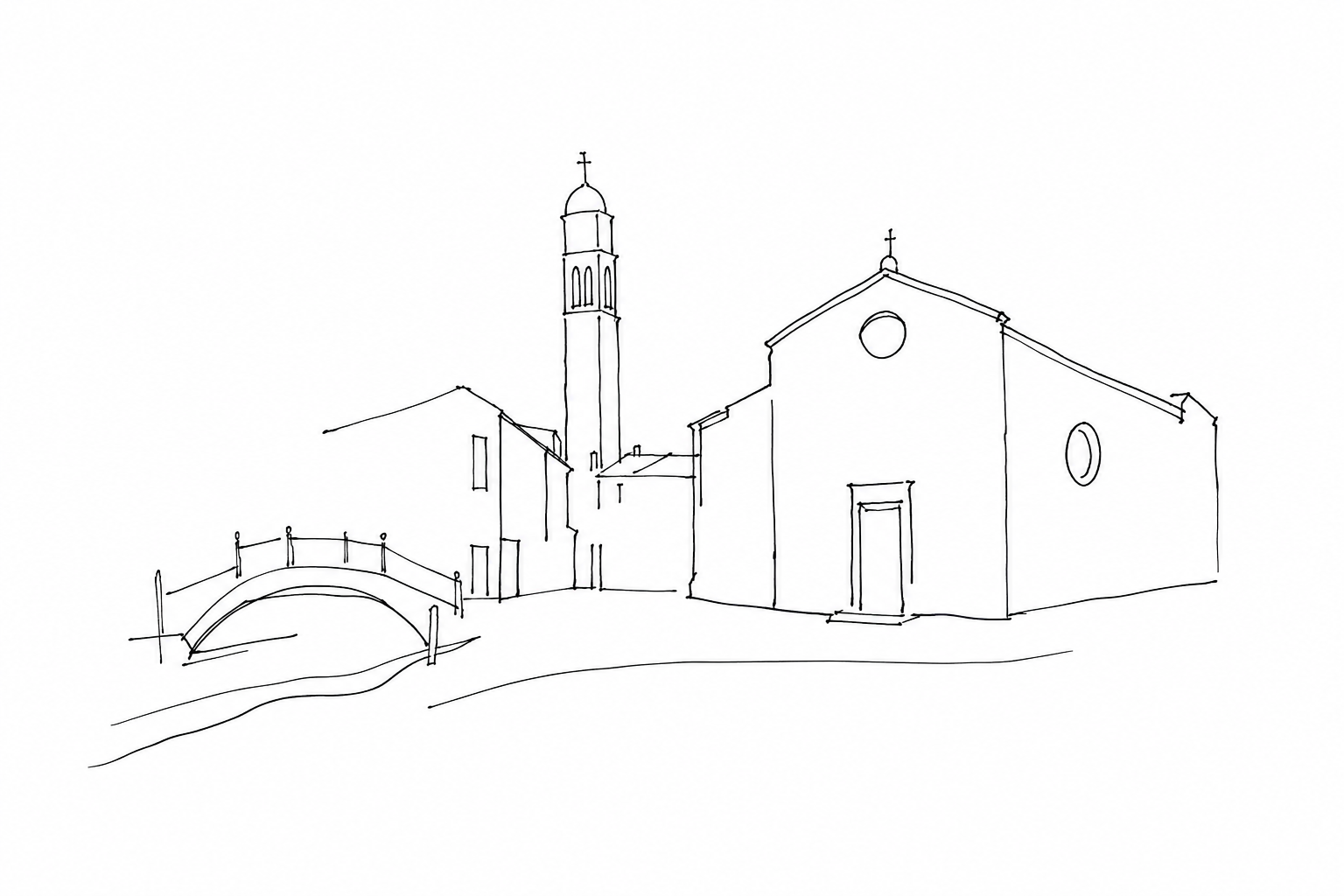

Santa Maria Formosa is one of those Venetian places that change as soon as you move just a few steps. The campo does not have a single visual center, the church does not offer just one façade, the urban backdrops open and close again among bridges, calli, wellheads, and side perspectives. Here Venice seems to reason by successive adjustments: devotion, architecture, daily life, and noble memory coexist without an immediate hierarchy. Looking at Santa Maria Formosa therefore means giving up the frontal view and accepting a more mobile place, where each side tells a different part of the same story.
A campo that cannot be read from just one side
Campo Santa Maria Formosa does not work like a square built for a single point of view. It is an irregular urban widening, crossed by calli, bridges, and views over the rio, where the church does not merely dominate: it orients, interrupts, and accompanies movements. Arriving from one direction, you first see the side volume; from another, the bell tower becomes the vertical signal; turning toward the water, the other façade appears.
It is precisely this double exposure that makes the place special. Santa Maria Formosa presents two monumental fronts, linked to different moments in its architectural history, and the campo relates them without merging them into a single image. The church, renewed in the Renaissance to a design by Mauro Codussi, thus preserves a mobile presence: it does not offer itself all at once, but in sequences.
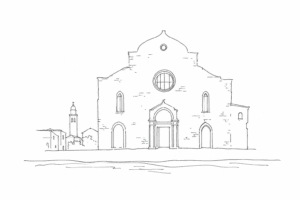
Walking here means constantly changing sides: from the campo to the rio, from the stone of the façades to the houses that tighten the space, from the open scene to the more minute Venice of the nearby calli.
The two façades: a church with multiple urban fronts
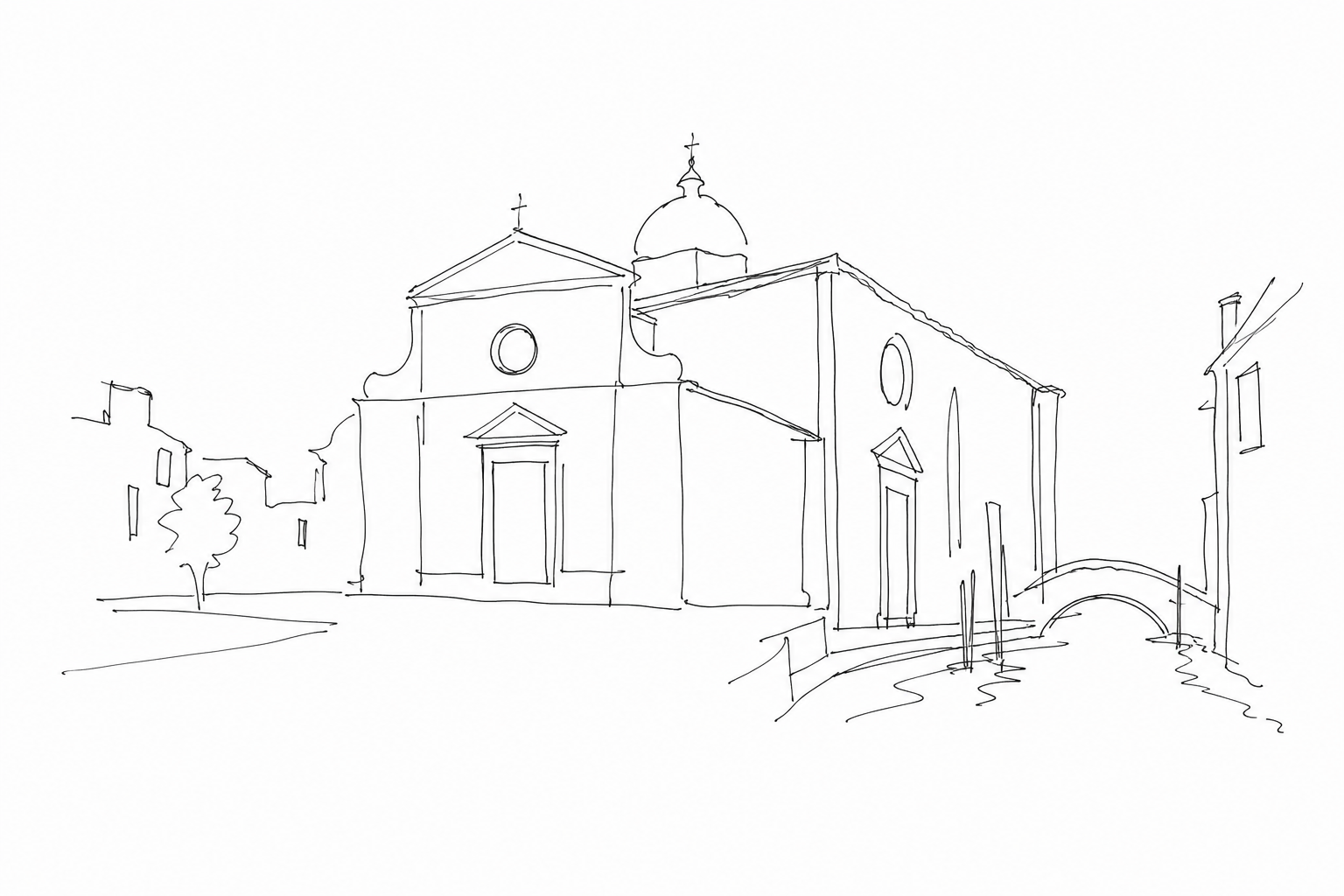
Santa Maria Formosa is better understood by observing it as a building that does not choose a single symbolic entrance. The church rebuilt by Mauro Codussi at the end of the fifteenth century in fact presents different fronts, linked to different ways of arriving: by land, through the campo, and by water, along the rio.
The façade facing the open space has a more urban and representative character: it orders the view, gives measure to the square, and transforms the church into a backdrop. The other elevation, facing the water route, instead speaks to the Venice of side passages, boats, landings, and sudden glimpses. It is not a rear, but a second public face.
This double exposure changes the perception of the place. Walking around the church, the building never remains identical: now it seems to close the scene, now it lets itself be discovered obliquely, now it dialogues with the rio. Noble patronage, such as that of the Cappello family, also left traces on these fronts, recalling that here religious architecture, family prestige, and urban circulation overlap.
Inside Santa Maria Formosa: devotion, art, and details
Once past the threshold, the change of side continues: from the fragmented exterior you move into an interior that gathers different centuries without erasing their joints. The broad plan, with naves and side chapels, conveys the idea of a place that grew through additions, devotions, and patronage, not through a single scenic gesture.
The point of greatest intensity is the chapel of the Scuola dei Bombardieri, where professional devotion becomes image. Saint Barbara, patron saint of those who handled gunpowder and artillery, dominates the polyptych by Palma il Vecchio: a solemn figure, armed with tower and martyrdom, but painted with an almost Venetian presence, concrete, luminous, close to the men who invoked her.
Alongside this core, works linked to Venetian painting of the fifteenth and sixteenth centuries help us read the sacred building not only as a liturgical space, but as a visual archive of the district. Families, devotional schools, and trades left recognizable signs here: altars, altarpieces, inscriptions, coats of arms. For this reason, the interior does not contradict the façades: it completes them, showing that spirituality too, in this part of Venice, changes perspective with every step.
How to look at it: bell tower, wellheads, and a slow pace
To read this place without haste, it is best to start from the bell tower. It is not only a vertical signal: it acts as a visual pivot, orders the irregular space, and reminds us that here orientation changes as soon as you move just a few meters. At its base you notice the famous grotesque mascaron, an almost theatrical detail that interrupts the solemnity of the whole and introduces a Venetian tone, at once learned and popular.
The wellheads help to understand the daily function of the open space: not simply a monumental frame, but a point of shared life, where water, passages, shops, and residences have intertwined for centuries. Looking at them means lowering your gaze after having searched for the façades: the reading becomes vertical and horizontal at the same time.
The best way is to walk slowly along the edges, stopping at the entrances to the calli and bridges: every opening modifies proportions, light, and hierarchies.
Leaving Santa Maria Formosa calmly allows you to understand why this campo remains so interesting: it does not impose a definitive image, but invites you to recompose it. The two façades of the church, the bell tower, the wellheads, the views from the palaces, and the continuous passage of people build an unstable and very Venetian balance. It is a place to observe rather than to consume, suitable for those who seek in the city not only monuments, but relationships between spaces, uses, and details. It is enough to change sides to realize that Venice, here, never truly repeats itself.
Related Posts
San Francesco della Vigna: vineyards, proportions and silence at the far end of Castello
Outline on the history, vineyards, architecture and urban quiet of San Francesco della Vigna.Unfinished San Marcuola: the missing façade that teaches you to look at Venice without pretense
San Marcuola, on the Grand Canal, shows Venice without coverings: an unfinished, concrete church to be read in its voids.
San Zulian: the small church near St. Mark’s where Sansovino left his mark
A brief guide to San Zulian, a church between St. Mark's and the Mercerie, with the facade linked to Sansovino and the physician Tommaso Rangone.Questions Answered
What makes Santa Maria Formosa's campo unique in Venice?
Its irregular shape offers multiple perspectives without a single central viewpoint.Why does the church have two façades and what do they represent?
They correspond to different historical periods and urban arrivals: by land and water.How does the interior art reflect local Venetian culture?
It showcases centuries of devotions, family prestige, and trades through artworks and altars.What role does the bell tower play in understanding the space?
It acts as a vertical visual pivot and features unique artistic details.
Another stretch of Castello
Want to follow the district from major monuments to its quieter waterfronts?
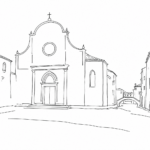 San Giovanni in Bragora: Vivaldi’s baptism and the quiet of Castello away from the large crowdsHistory, art and atmosphere of San Giovanni in Bragora, a church in Castello linked to Vivaldi’s baptism.
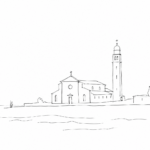 San Pietro di Castello: the ancient forgotten cathedral on the margins of the most visited VeniceHistory, architecture and urban context of San Pietro di Castello, the former Venetian cathedral far from the flow of San Marco.
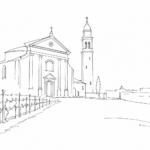 San Francesco della Vigna: vineyards, proportions and silence at the far end of CastelloOutline on the history, vineyards, architecture and urban quiet of San Francesco della Vigna.
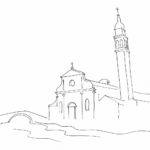 San Giorgio dei Greci: the leaning bell tower that tells the story of Venice’s foreign communitiesHistory, architecture and an urban reading of San Giorgio dei Greci, between the Greek community, Castello and a leaning bell tower.