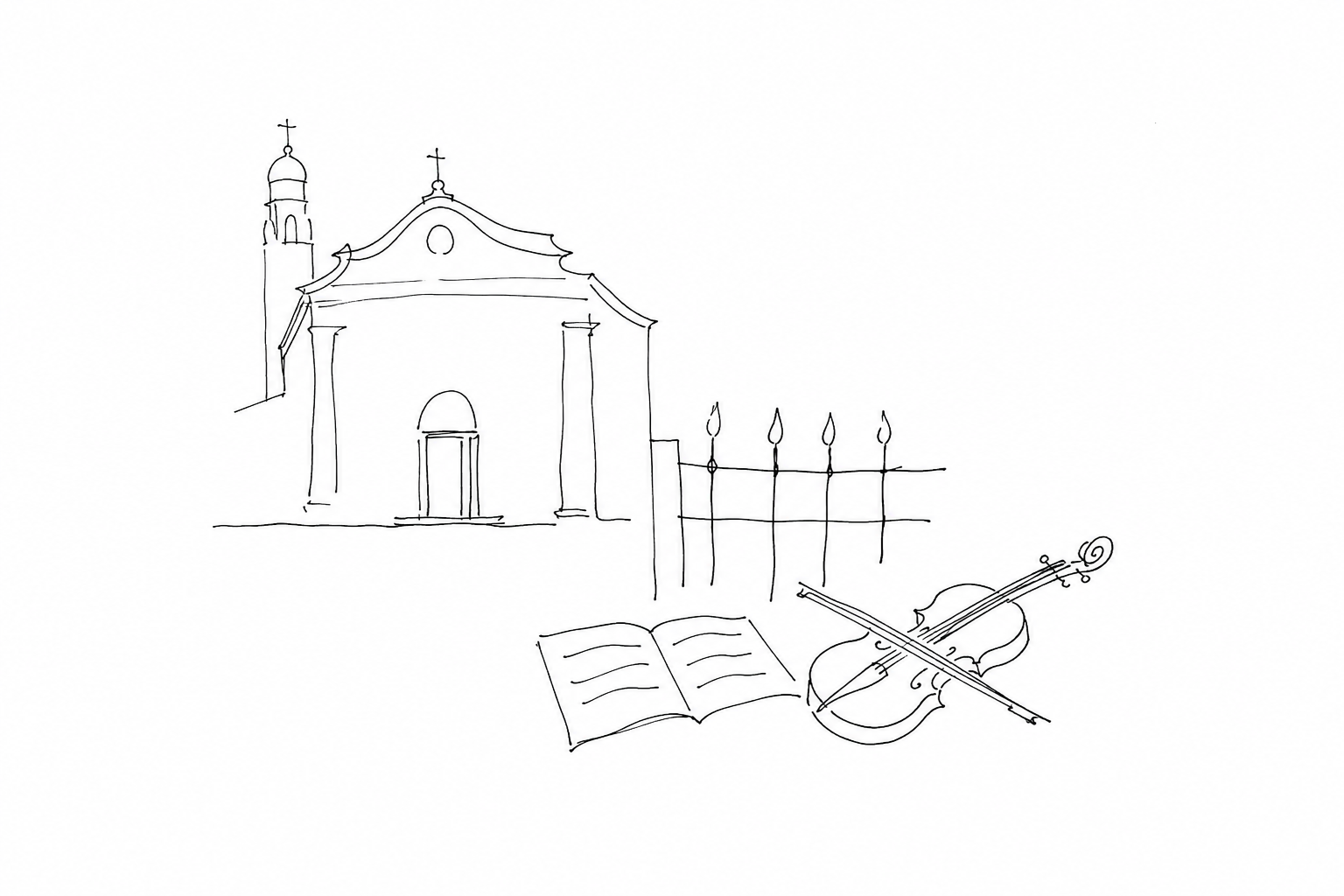

San Giovanni in Bragora belongs to that Venice which reveals itself without raising its voice. In the sestiere of Castello, a few minutes from the most beaten paths but already beyond their pressure, the church faces onto a compact campo, crossed by residents, students, everyday footsteps. Its name is linked to the baptism of Antonio Vivaldi, but reducing it to this would be too little: the Bragora preserves a layering of art, devotion and urban life that helps one read a corner of the city with greater precision.
A campo in Castello far from the densest flow
San Giovanni in Bragora is encountered in a part of Castello that remains surprisingly secluded, despite being a short distance from the Riva degli Schiavoni, the Arsenale and the most beaten itineraries towards San Marco. The church faces Campo Bandiera and Moro, a Venetian space on a domestic scale: not a monumental stage set, but a place of local passage, with narrow calli, lived-in façades and a slower rhythm.
This position also helps one read its historical value. The Bragora is not isolated from famous Venice, but belongs to a fabric of parishes, courtyards and landing places that tells the story of the inhabited city. Here the memory of the baptism of Antonio Vivaldi, recorded in the parish in 1678, does not appear as a plaque detached from the context: it fits into a district where religious, artisan and maritime life was intertwined with everyday life.
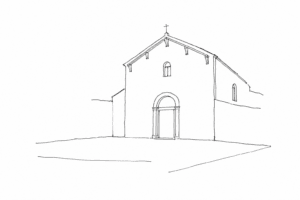
Entering this campo therefore means changing scale: less crowd, more attention to the urban details that prepare for the visit to the church.
The baptism of Antonio Vivaldi
The link between San Giovanni in Bragora and Antonio Vivaldi is not a musical suggestion added after the fact: it arises from a parish document. The composer was born in Venice on 4 March 1678 and his birth was recorded in the parish of the Bragora, where the family lived. According to the documentary tradition, because of the newborn’s delicate condition he immediately received an emergency baptism at home; the rites were then completed in the church, with the entry in the baptismal registers.
This fact makes the building a concrete stop in Vivaldi’s biography, even before the Ospedale della Pietà and the European fame of the “Red Priest”. Here appear the names of his parents: Giovanni Battista Vivaldi, a barber and violinist also active in San Marco, and Camilla Calicchio. The Bragora therefore tells of Vivaldi’s Venetian beginning within a neighbourhood community, made up of families, trades and everyday religious practices. Visiting the church with this awareness means reading the place as a threshold: not a museum dedicated to the musician, but the parish in which his life officially entered the city’s history.
Façade, naves and works to observe
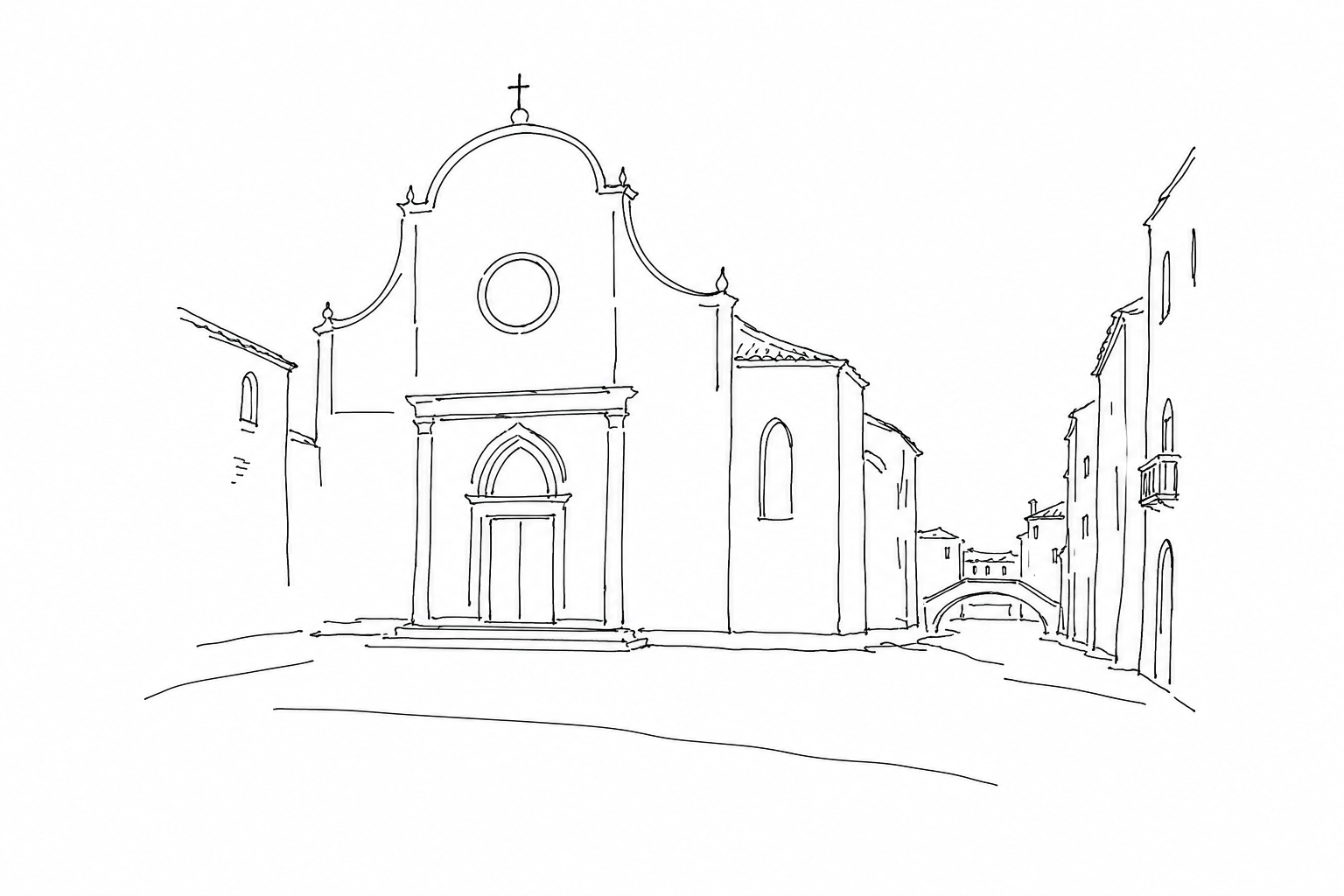
The exterior of San Giovanni in Bragora should be read without expecting Baroque theatricality. The brick façade, sober and vertical, preserves a Venetian Gothic character: the rhythm of the pilaster strips, the central portal and the upper openings guide the gaze upwards, but remain measured, almost domestic. It is a threshold suited to Castello: not monumental in a scenographic sense, but rooted in the fabric of the sestiere.
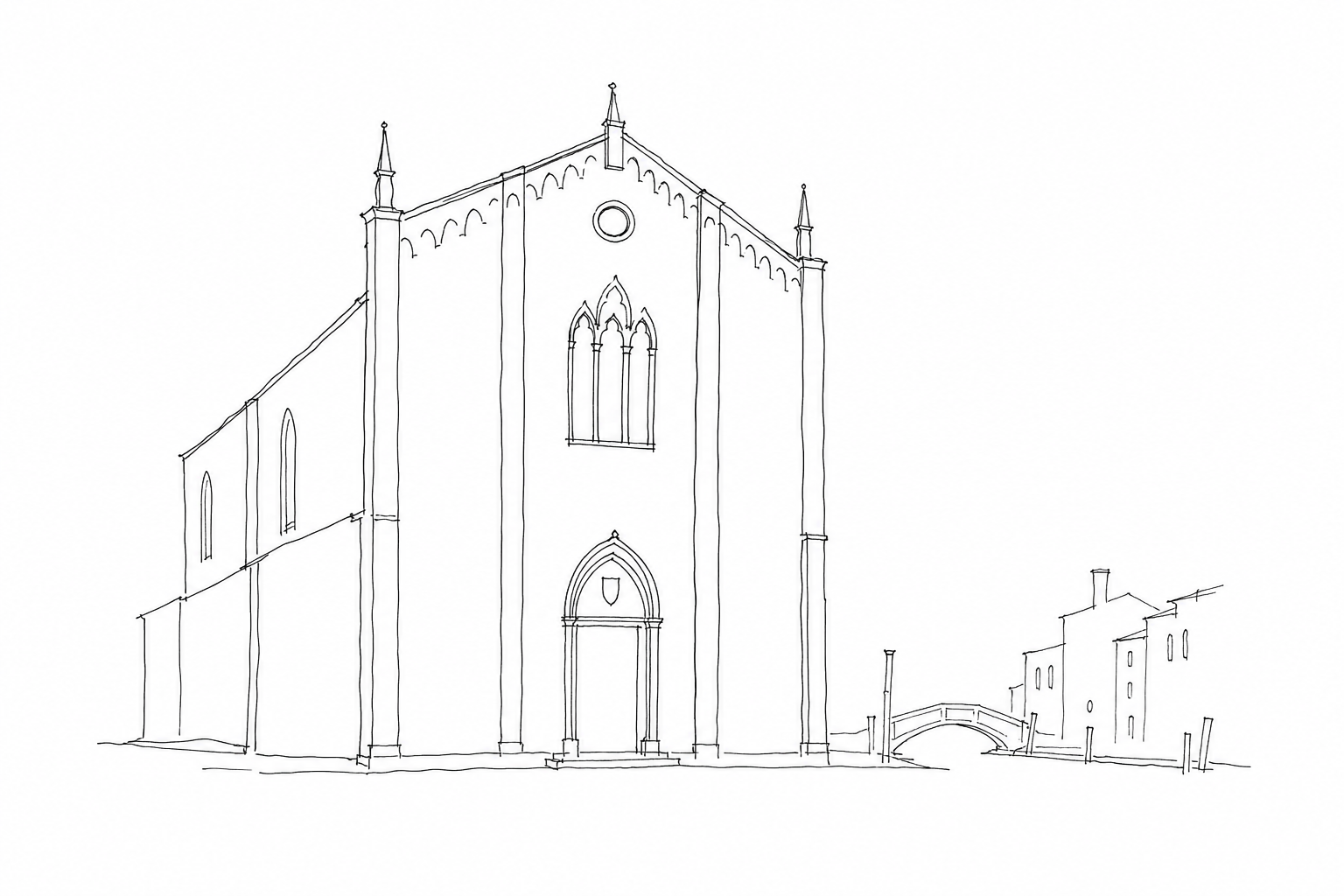
Inside, the basilical layout with three naves helps one understand the building’s parish function. The columns mark the space with regularity, separating the central nave from the side aisles and creating a compact perspective towards the presbytery. The light, filtered without excess, makes the altars, chapels and wall surfaces legible at a slow pace, different from that of the great crowded itineraries.
The work not to pass by distractedly is the altarpiece of the Baptism of Christ by Cima da Conegliano, on the high altar. The theme dialogues particularly strongly with the sacramental memory of the place: it is not only a Renaissance painting of high quality, but an image that resonates with the parish history just evoked. Observing the composure of the figures, the clear landscape and the chromatic balance allows one to grasp a devotional Venice, silent and precise, far from ceremonial splendour alone.
How to include it in a slow walk
To truly understand it, it is best to arrive without haste, leaving behind the pressure of the Riva degli Schiavoni or coming out from the route of the Arsenale. The stop works well as a short detour within Castello: narrow calli, small courtyards and fondamente help one perceive the parish context in which the young Antonio Vivaldi was recorded at the font.
A practical reading can follow three stages: first the arrival in the open space in front of the façade, to measure the compact scale of the place; then the entrance, dedicating a few minutes to the naves and to the altarpiece by Cima da Conegliano; finally a pause outside, observing how the daily life of the sestiere flows without the crowding of the monumental routes.
Those who wish to connect the musical theme can ideally continue towards the area of the Pietà, linked to the composer’s maturity. Before organizing entry, it is in any case prudent to check updated information on openings and access.
Including San Giovanni in Bragora in a slow walk means allowing oneself a measured pause, not a minor detour. Here the memory of Vivaldi dialogues with a church rich in works, with the discreet geometry of the campo and with the more domestic rhythm of Castello. It is a place suited to those who want to observe Venice without pursuing only the most famous names: by entering, stopping and then continuing towards nearby calli and fondamente, one better understands how much the city is also made of silent margins and persistent details.
Related Posts
San Giovanni Elemosinario: the almost invisible church hidden among the shops of Rialto
A short guide to the church of San Giovanni Elemosinario, amid the Rialto market, Renaissance history, and works by Titian and Pordenone.San Giacomo dall’Orio: beams, silence and ancient stone in the less obvious heart of Santa Croce
A slow reading of San Giacomo dall’Orio: campo, wooden beams, ancient columns and urban quiet in Santa Croce.
San Francesco della Vigna: vineyards, proportions and silence at the far end of Castello
Outline on the history, vineyards, architecture and urban quiet of San Francesco della Vigna.Questions Answered
What is the significance of San Giovanni in Bragora in Venetian history?
It is the parish where Antonio Vivaldi was baptized and reflects local life.How does the church’s architecture differ from typical Venetian Baroque?
It features a sober Venetian Gothic façade without theatricality.What is the connection between Antonio Vivaldi and this church?
His baptism was recorded here, linking the family to the neighborhood.How can visitors best experience San Giovanni in Bragora?
Through a slow walk appreciating its urban context and artworks.
Inside the Venice of Castello
Would you like to connect this story with places showing the district’s maritime and lived-in character?
 La Pietà and the Musician Girls: Vivaldi Seen from the Hospital Girls’ SideThe Venetian Pietà reinterpreted through the musician girls who played for the hospital and for Vivaldi.
 San Francesco della Vigna: vineyards, proportions and silence at the far end of CastelloOutline on the history, vineyards, architecture and urban quiet of San Francesco della Vigna.
 San Pietro di Castello: the ancient forgotten cathedral on the margins of the most visited VeniceHistory, architecture and urban context of San Pietro di Castello, the former Venetian cathedral far from the flow of San Marco.
 Santa Maria Formosa: one campo, two façades, and a Venice that changes sides with every stepA narrative guide to Santa Maria Formosa: the campo, the two façades, the bell tower, and the details that change the way...