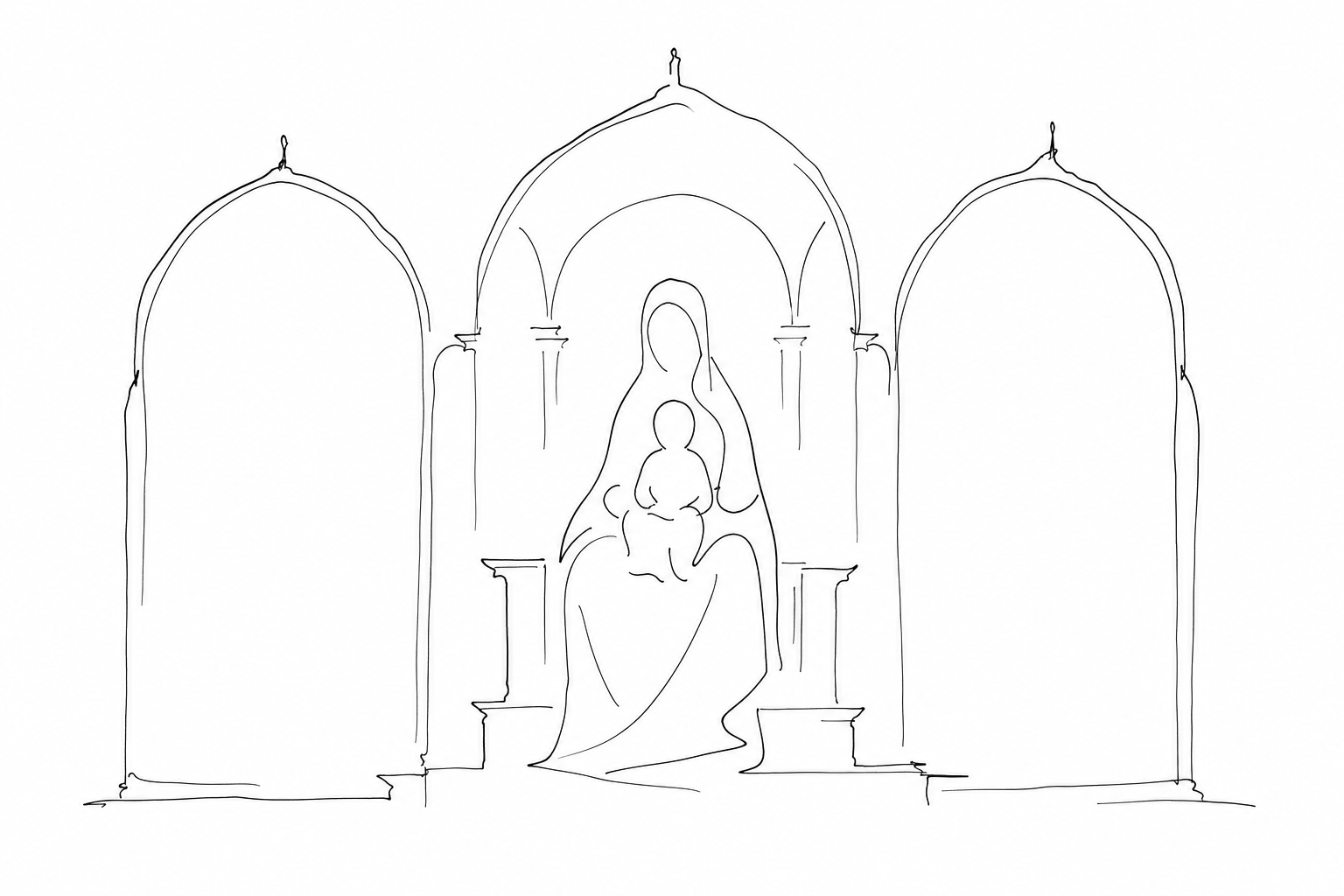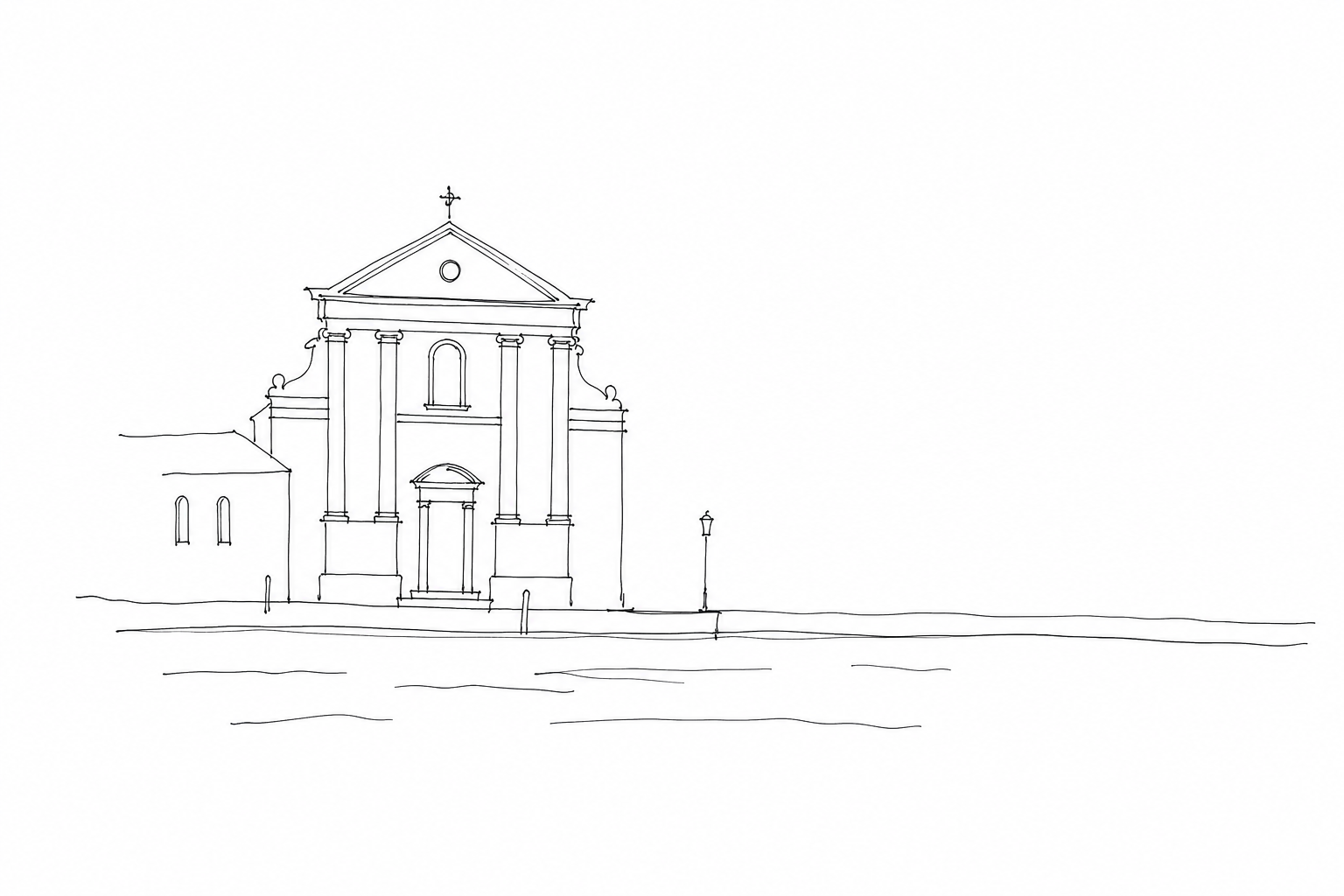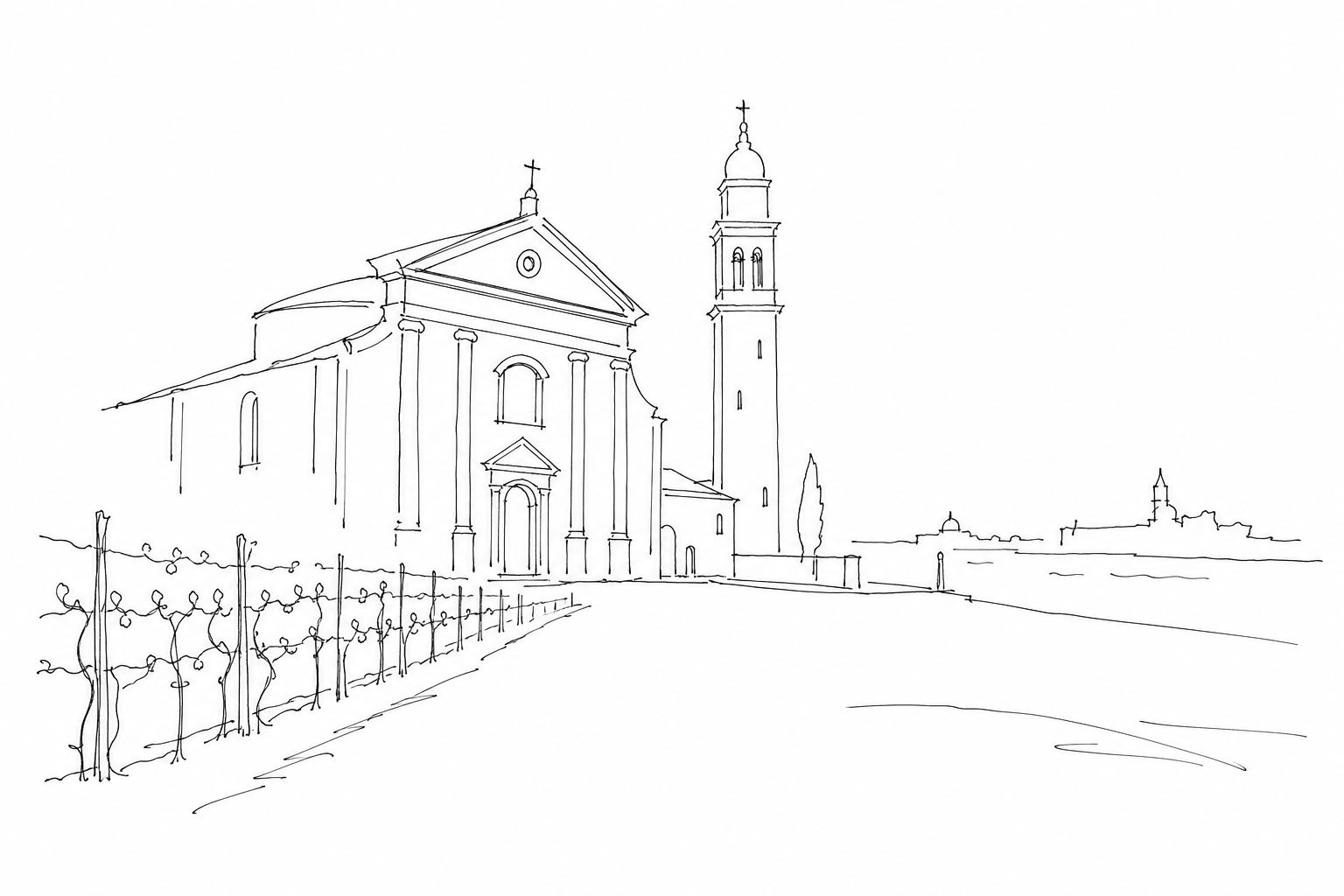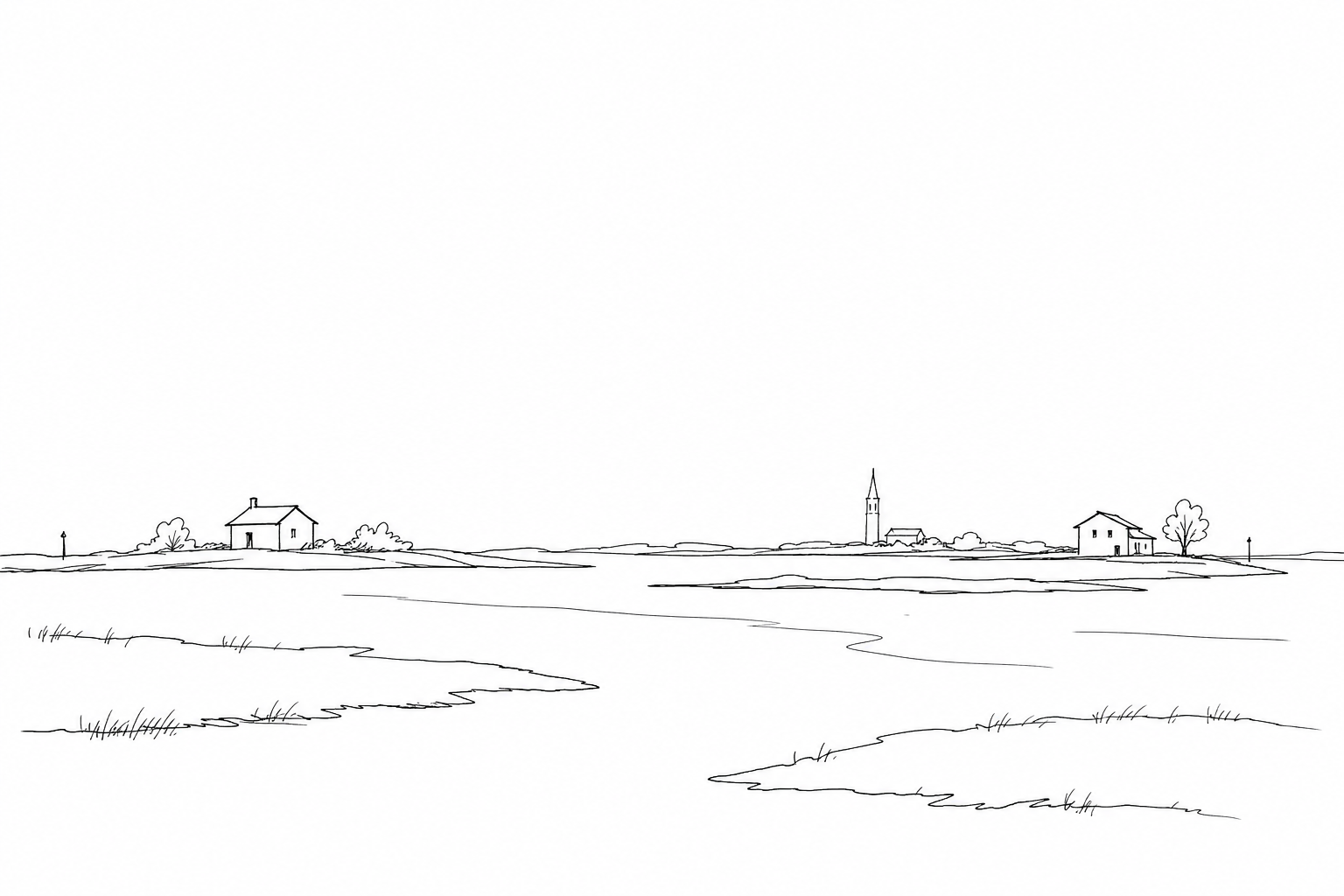
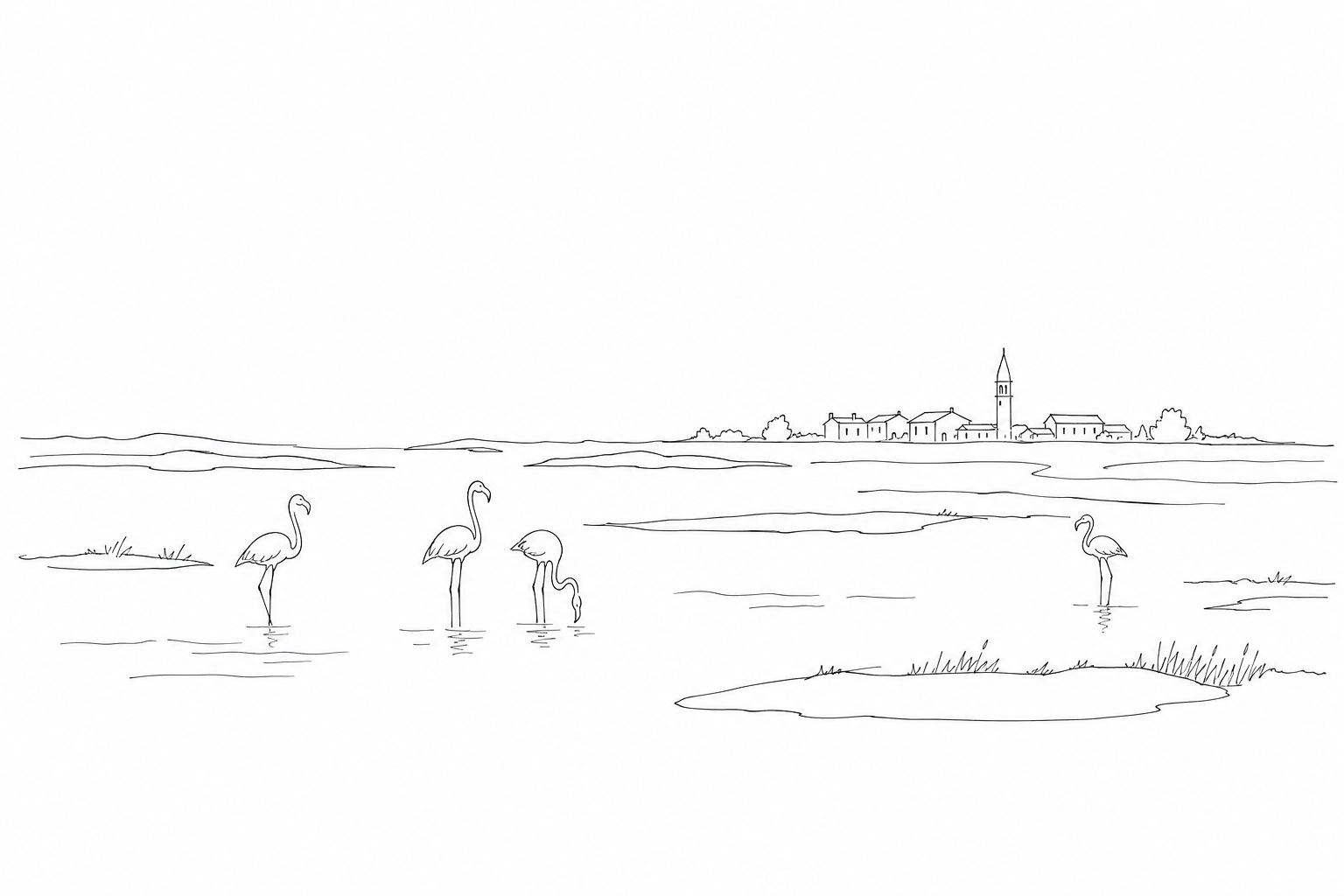
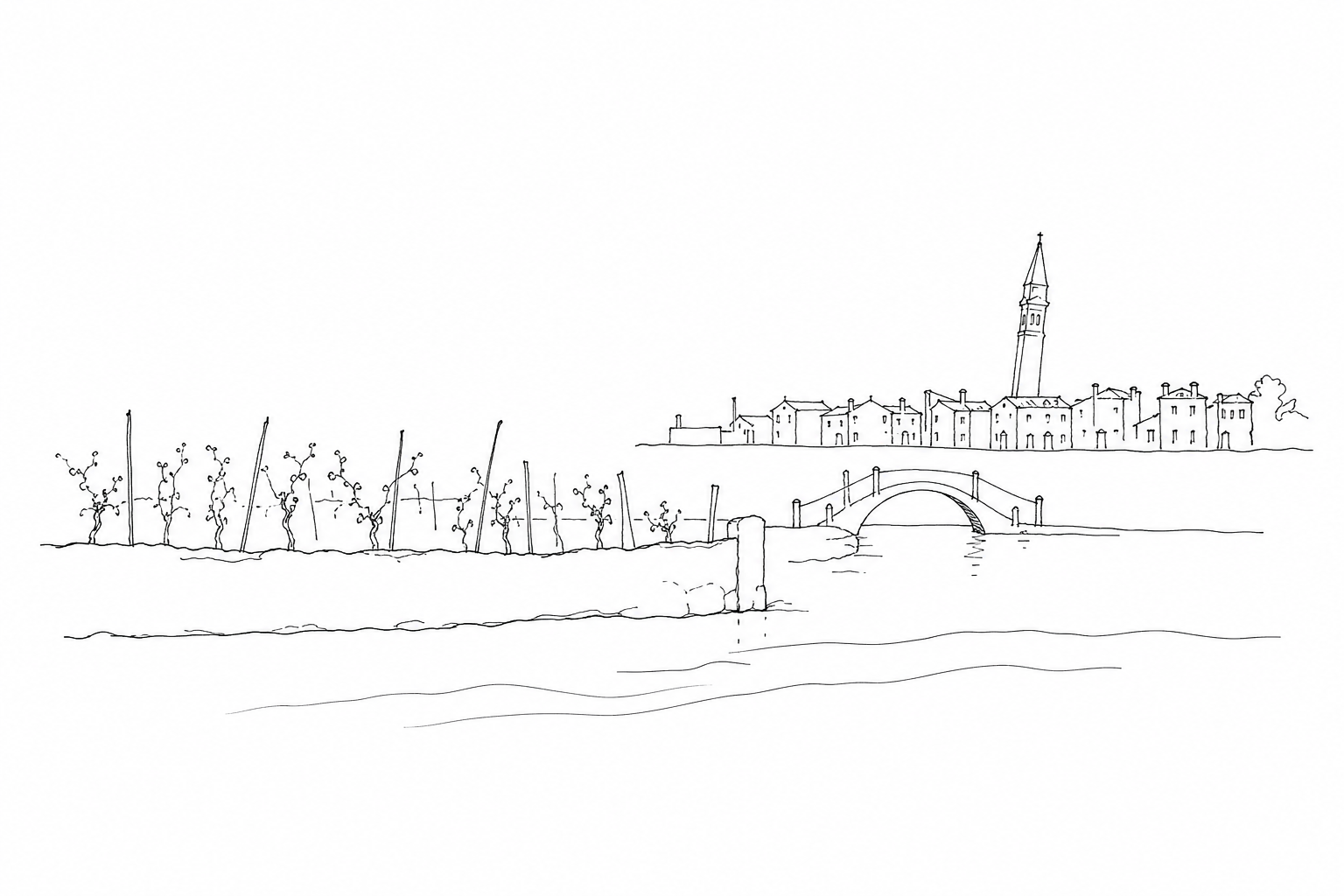
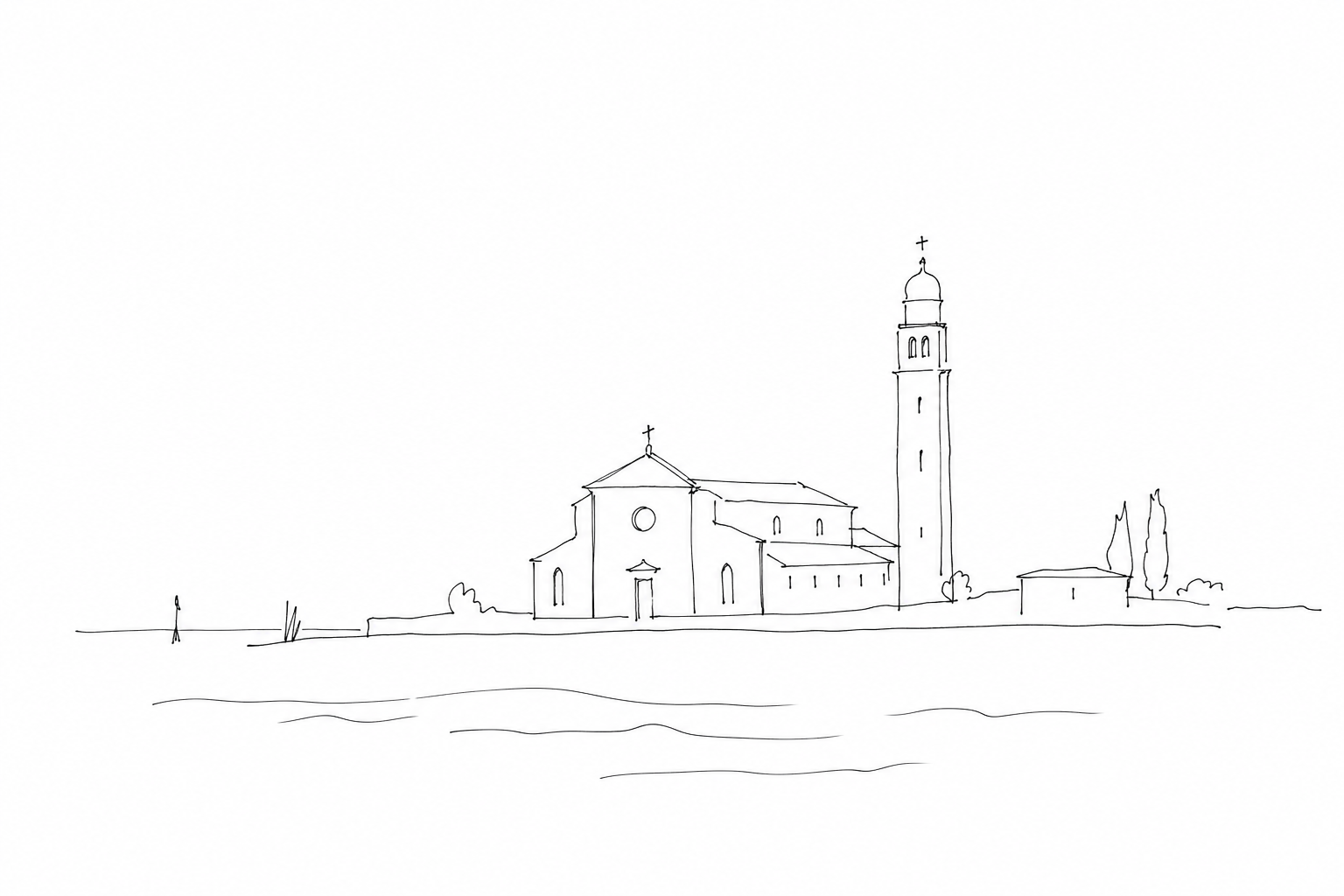

San Pietro di Castello remains on the margins of the most traversed Venice, but for centuries it was one of its most important religious centers. Before San Marco became the cathedral, it was here that a decisive part of Venetian ecclesiastical life was measured. Getting there means moving toward a quieter island, where the inhabited city takes the place of scenery. The church, the campo, the canals and the houses around it tell of a less immediate Venice, made of stratifications, lost functions and details to observe without haste.
Why San Pietro di Castello still matters
San Pietro di Castello tells of a Venice older and less theatrical than the one concentrated around San Marco. For centuries, in fact, this church was the city’s cathedral: the official religious center of the Venetian patriarchate, while the Basilica of San Marco remained linked to ducal power and the political representation of the Serenissima.
Its position, at the eastern end of the sestiere of Castello, helps explain its fate. It is not located along the most beaten route between Rialto, Piazza San Marco and the Grand Canal, but in an area of Venice that still preserves a more residential rhythm, close to the city’s ancient relationship with the Arsenale, the lagoon and local communities.
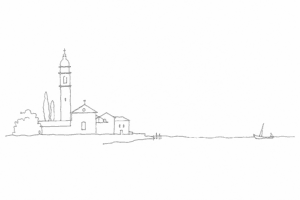
The importance of San Pietro therefore does not depend on immediate monumentality, but on historical stratification: here one can read the passage from the Venice of its origins to the maritime capital, from the medieval bishop’s seat to modern ecclesiastical reorganization. Visiting it means shifting one’s gaze from the most photographed center to the institutional and religious memory of the city.
The ancient cathedral stands on Olivolo, the eastern edge of the sestiere, where the rhythm changes even before reaching the portal. One does not enter it from a grand monumental thoroughfare, but through low bridges, residential calli and small quays, with the Arsenale behind and the Giardini area not far away. The campo in front of the church does not have the scenic crowding of the central places: it is a broad, almost domestic space, in which the façade appears inserted into the daily life of the neighborhood.
This context helps explain why San Pietro di Castello seems “forgotten” despite having had a very high role. Around it, shop windows and continuous flows do not dominate, but houses, remaining gardens, moored boats and canals that recall an inhabited city. The distance from San Marco is not only geographical: here Venetian ecclesiastical history is read on a more contained scale, made of margins, silences and urban continuities.
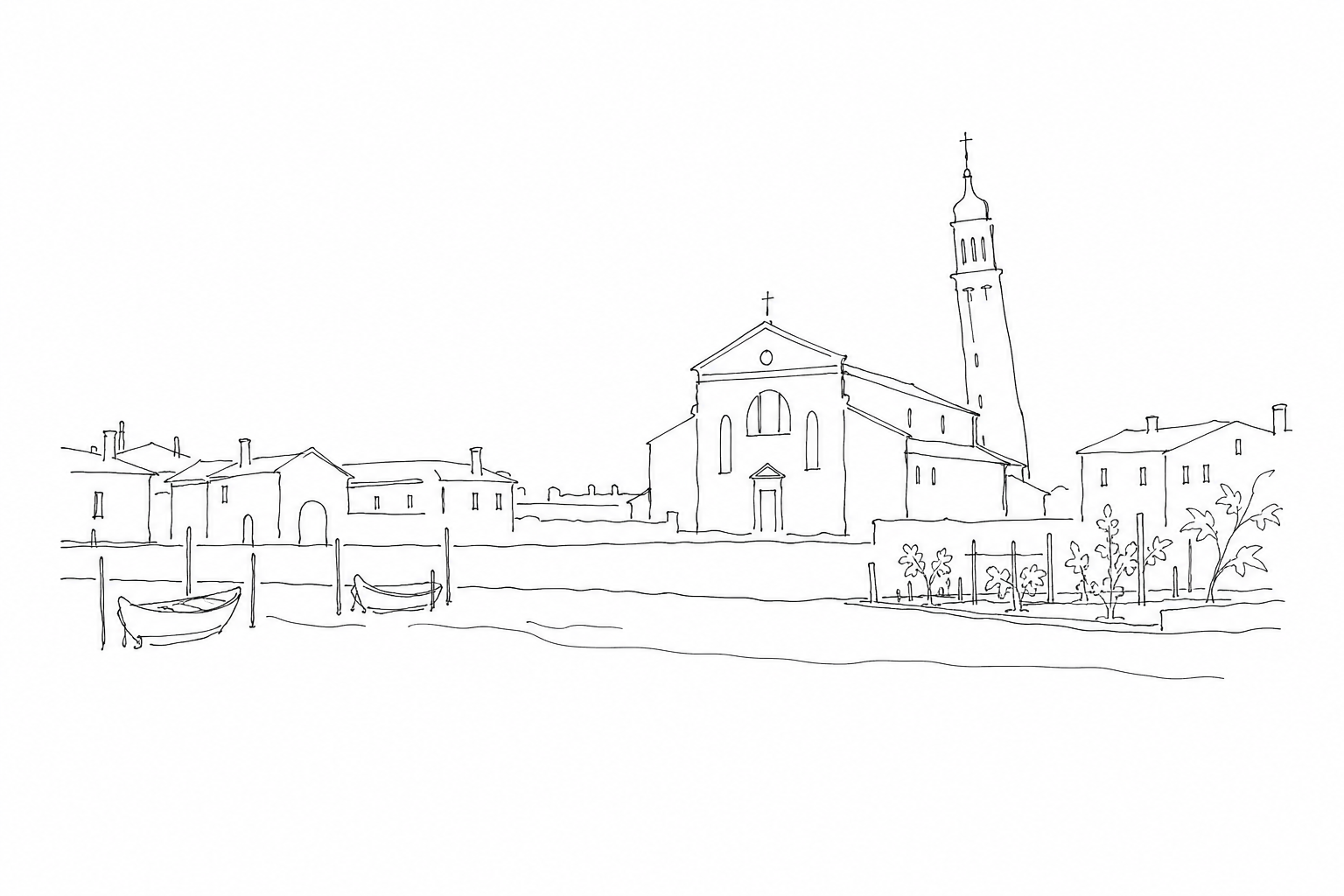
The first reading concerns the façade: severe, white, ordered by pilasters and pediments, it was built at the end of the sixteenth century by Francesco Smeraldi on a project linked to Andrea Palladio. It does not seek scenic effects for a great square; instead it works on proportion, on the rhythm of the surfaces and on the relationship with the grassy campo in front.
Inside, the Latin cross plan and the three naves restore the appearance assumed by the ancient cathedral after the Renaissance reconstructions. It is worth observing the dome at the crossing of the arms, the raised presbytery and the arrangement of the side altars: these are elements that speak of a patriarchal seat, not of a simple neighborhood church.
- The so-called apostle’s chair: a marble seat laden with traditions, also composed with ancient material and eastern inscriptions, a sign of long Mediterranean exchanges.
- The Istrian stone bell tower: attributed to the circle of Mauro Codussi, it is among the most recognizable Renaissance examples in the lagoon.
- The chapels and canvases: to be read calmly, because they preserve noble commissions and stratified ecclesiastical memories.
The most coherent way to reach San Pietro di Castello is to get there without haste, progressively leaving the crowded thoroughfares behind. A sensible itinerary can start from the Arsenale area, cross via Garibaldi, observe neighborhood life around the campi and then continue toward the island, separated from the rest of the sestiere by small canals and discreet connections.
Here the visit works best as a pause for urban reading: first the wide, silent campo, then the leaning bell tower, then the façade and the interior. It is worth stopping to look at the relationship between the building, the open space and the lagoon edge: it helps to understand why this patriarchal seat, though far from the usual monumental routes, was central in Venetian religious history.
- Mental time: plan for a slow stop, not a quick passage.
- Recommended sequence: exterior, campo, bell tower, nave, chapels.
- Practical note: always check updated openings and conditions before planning the visit.
Visiting San Pietro di Castello does not only add an unusual stop to a Venetian itinerary: it changes the rhythm of the gaze. Here history does not present itself as a monumental exception, but as a discreet presence within a still everyday neighborhood. Including it in a slow walk through Castello allows one to better understand the city’s urban geography, its margins and its hierarchies changed over time. It is a short detour, but one capable of leaving a more complex and less consumed image of Venice.
Related Posts
San Nicolò dei Mendicoli: one of the oldest churches where Venice still seems like an outskirts
History, urban space and details of San Nicolò dei Mendicoli, an ancient church on the inhabited edge of Dorsoduro.San Nicolò del Lido: monks, departures by sea and the ceremonial side of the lagoon
History and interpretation of San Nicolò del Lido: monastery, church, harbor entrance, naval departures and public rituals of lagoon Venice.
San Polo: the church that gives the campo its name but often remains out of frame
The church of San Polo explained from the campo: position, history, details and works to observe more carefully.Questions Answered
What was San Pietro di Castello's role before San Marco became the cathedral?
It was the city’s official religious center and cathedral.Where is San Pietro di Castello located within Venice?
At the eastern end of the sestiere of Castello on Olivolo island.What notable architectural features does San Pietro di Castello have?
A Renaissance façade, dome, raised presbytery, and the Istrian stone bell tower.How should visitors approach a visit to San Pietro di Castello?
By slowing down and appreciating the historical context and urban environment.
Castello beyond the busiest routes
Which nearby stops tell the district through art, the sea and memory?
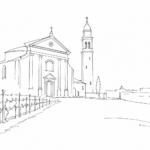 San Francesco della Vigna: vineyards, proportions and silence at the far end of CastelloOutline on the history, vineyards, architecture and urban quiet of San Francesco della Vigna.
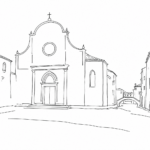 San Giovanni in Bragora: Vivaldi’s baptism and the quiet of Castello away from the large crowdsHistory, art and atmosphere of San Giovanni in Bragora, a church in Castello linked to Vivaldi’s baptism.
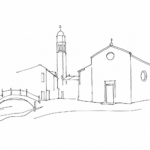 Santa Maria Formosa: one campo, two façades, and a Venice that changes sides with every stepA narrative guide to Santa Maria Formosa: the campo, the two façades, the bell tower, and the details that change the way...
 La Certosa: the green island between Castello and the northern lagoon that many see only from the vaporettoBrief guide to La Certosa: location, history, greenery, landing places and the meaning of this island between Castello and the northern lagoon.