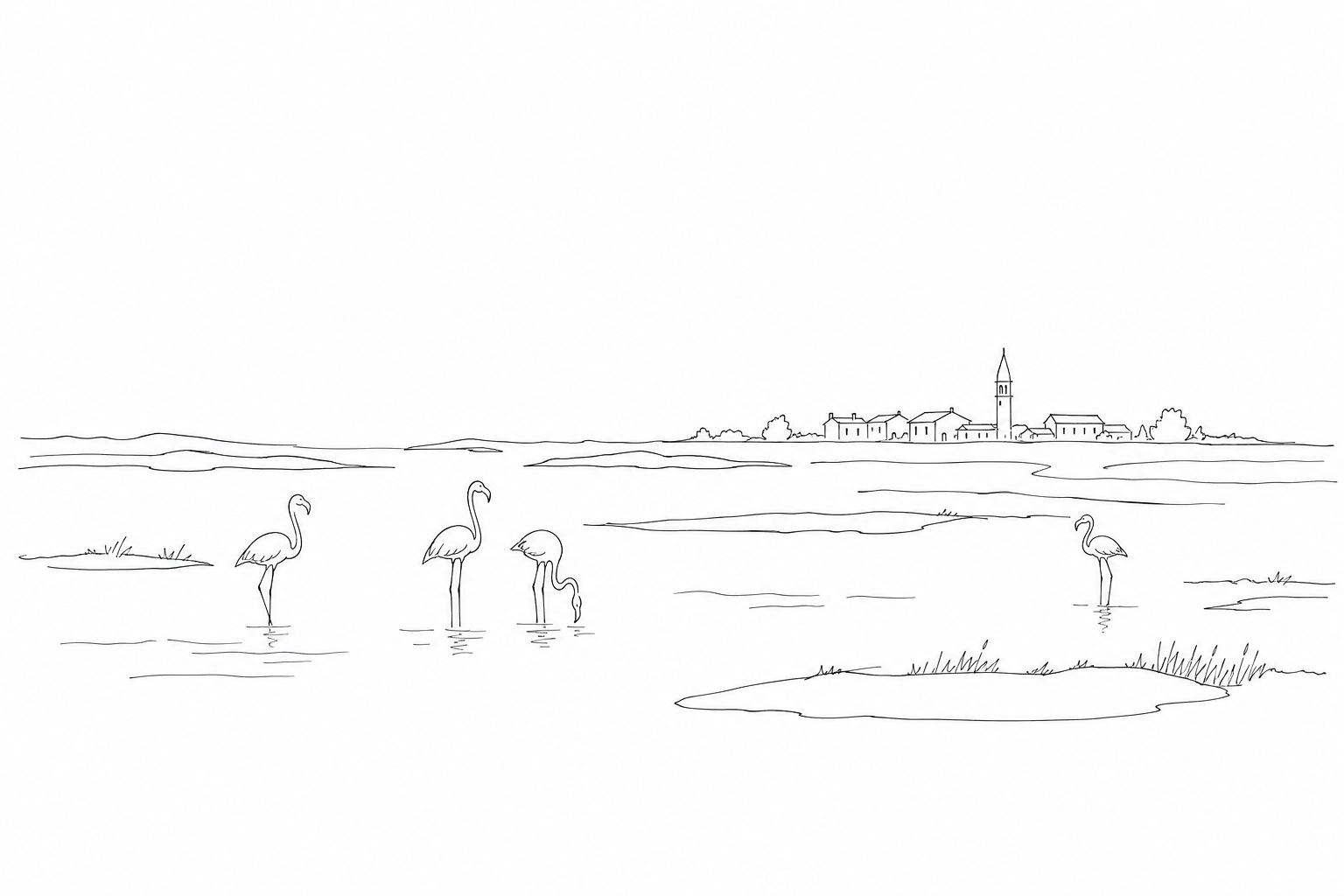
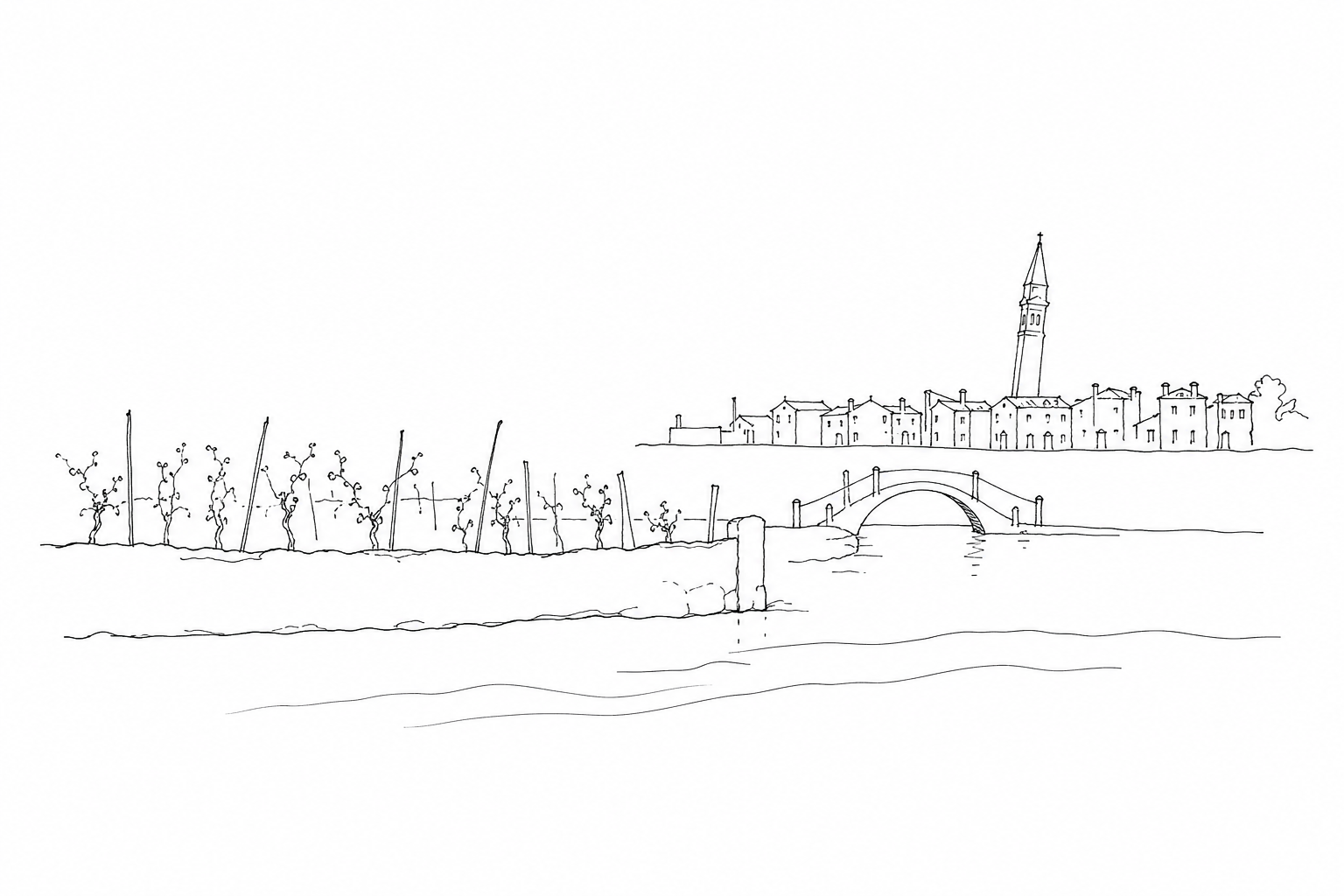
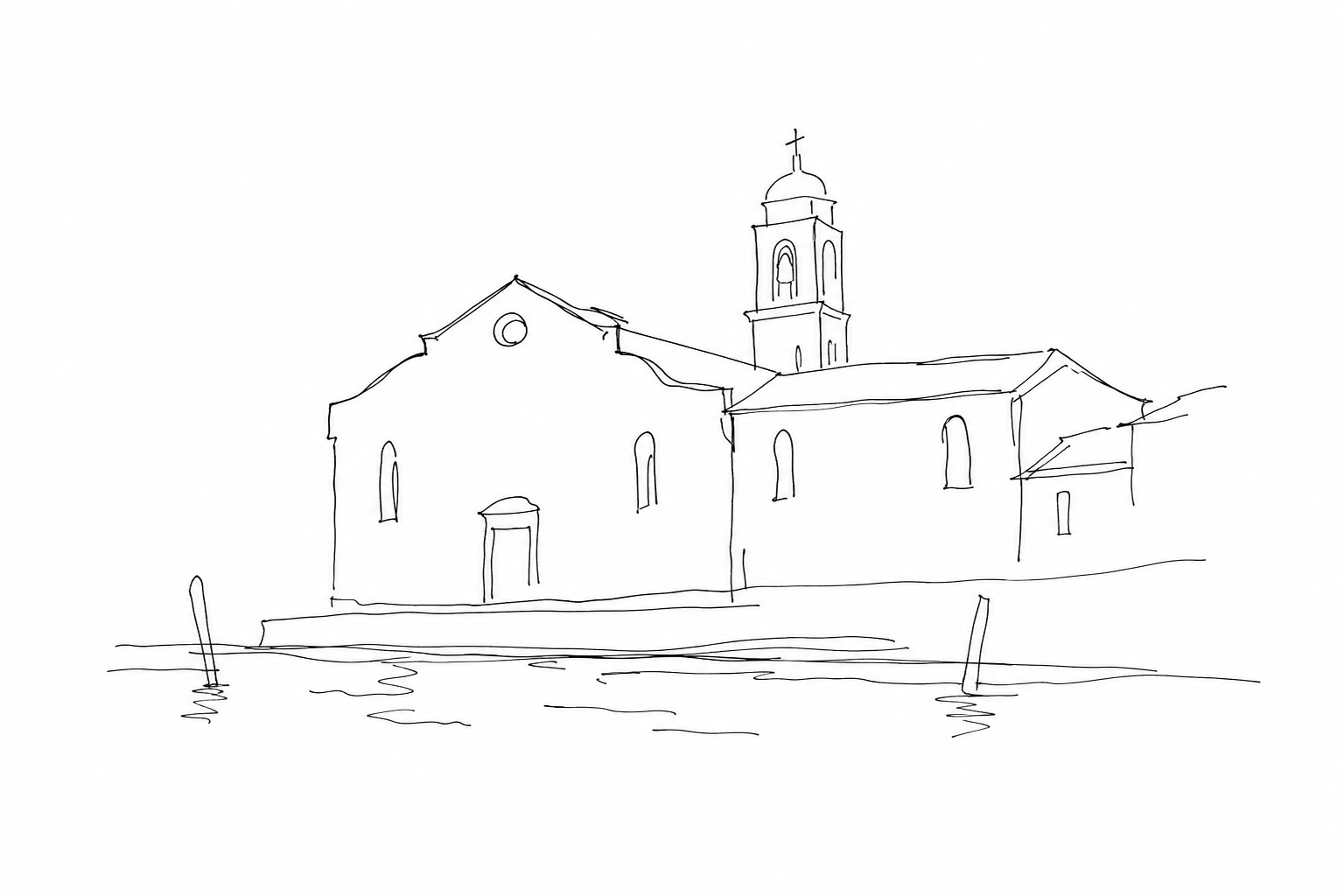

San Nicolò dei Mendicoli is one of those churches that help you read Venice beyond its most photographed habits. It is located in a secluded strip of Dorsoduro, near the water and the houses, where the city still seems to have an edge, almost an internal outskirts. Here history does not present itself as an isolated monument, but as stratification: ancient origins, reconstructions, works of art, traces of popular life and an urban quiet that changes the pace of the visit.
Why Venice still seems like a margin here
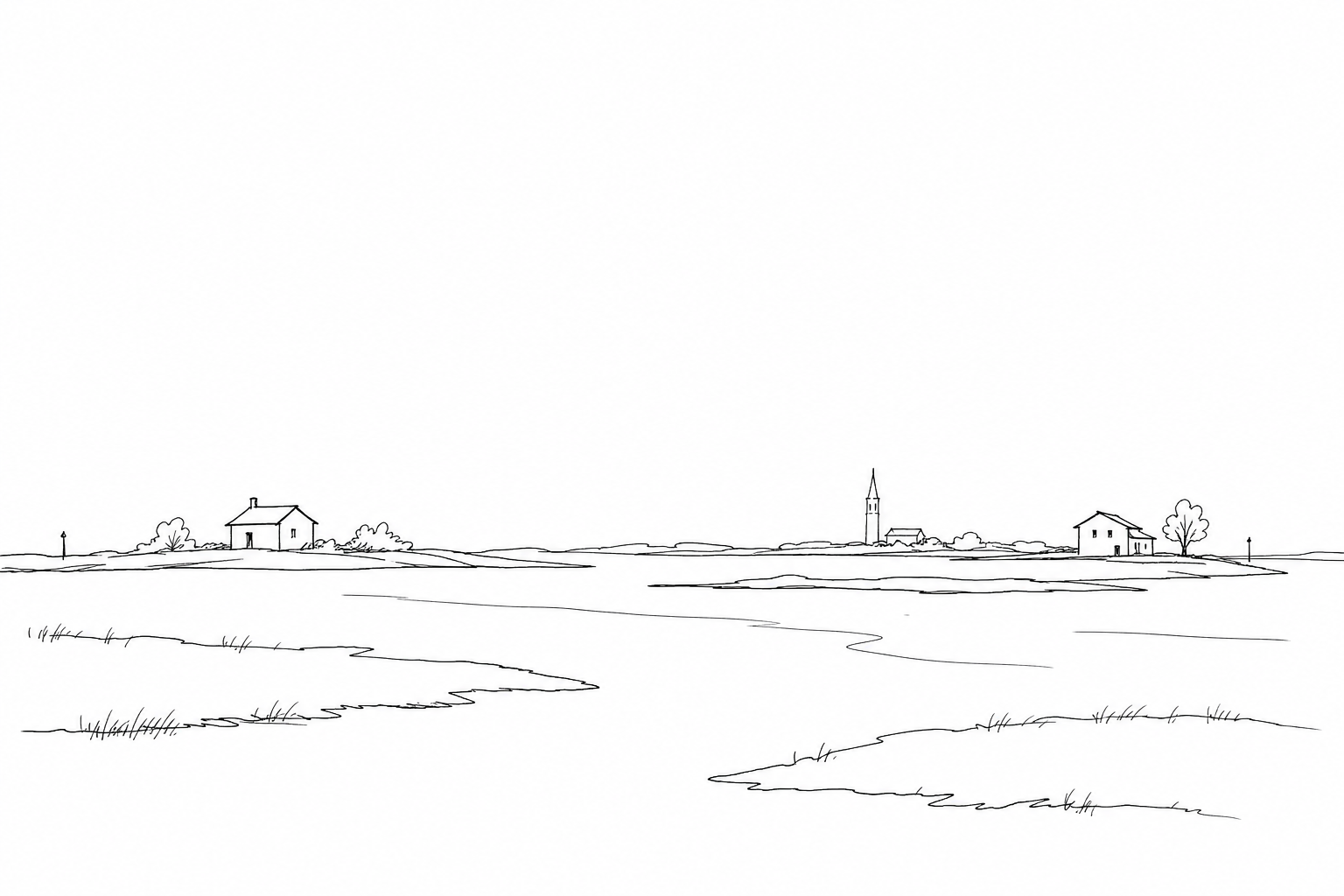
San Nicolò dei Mendicoli stands in the western strip of Dorsoduro, where the historic city loses its monumental pace and lets a lower, domestic, almost secluded Venice emerge. The campo does not have the scenic effect of the major destinations: it is an intimate space, close to the inner waters and to areas once connected with work, fishing, boats, warehouses and popular life.
The name itself refers to a marginal condition. “Mendicoli” has often been linked to the poverty of the inhabitants, the Nicolotti, a community of fishermen also known for its historical rivalry with the Castellani at the other end of the city. Here the church does not appear as a tourist backdrop, but as the ancient center of a district that was an outskirts even before Venice had modern boundaries.
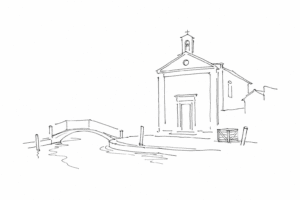
This is why the title works: in front of San Nicolò, Venice still seems like an island made of edges, trades and neighborhood life, not only of palaces and processions.
One of the oldest churches in the city
Calling San Nicolò dei Mendicoli “ancient” does not mean relying on a convenient legend. Tradition places a place of worship here as early as the early Middle Ages, in an area called Mendigola, linked to the first inhabited settlements on the margins of the lagoon. The forms visible today, however, speak above all of stratifications: a Romanesque-Byzantine base, later reconstructions, decorative additions developed when the parish already had a strong popular identity.
The name itself helps to read the context. “Mendicoli” has often been linked to the poor and to beggars, but it also refers to the small community of Mendigola, with a distinct history within Dorsoduro. Here the church was not born as a scenic backdrop for power, but as the center of a neighborhood of boatmen, artisans and rooted families.
This is why its antiquity should be sought in concrete details: the compact layout, the austere bell tower, the rich but not triumphal interior, where wood, canvases and devotions tell of centuries of daily use.
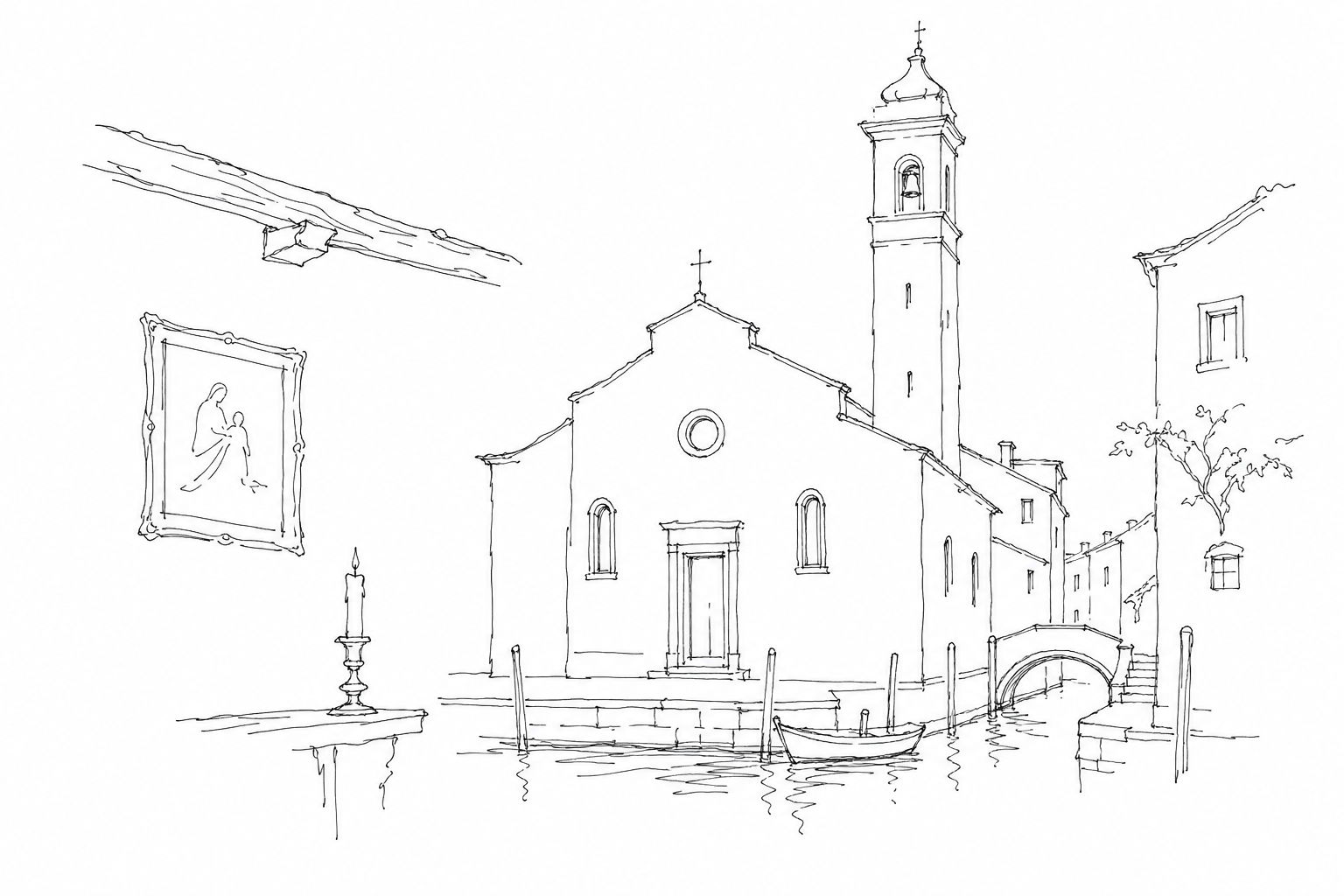
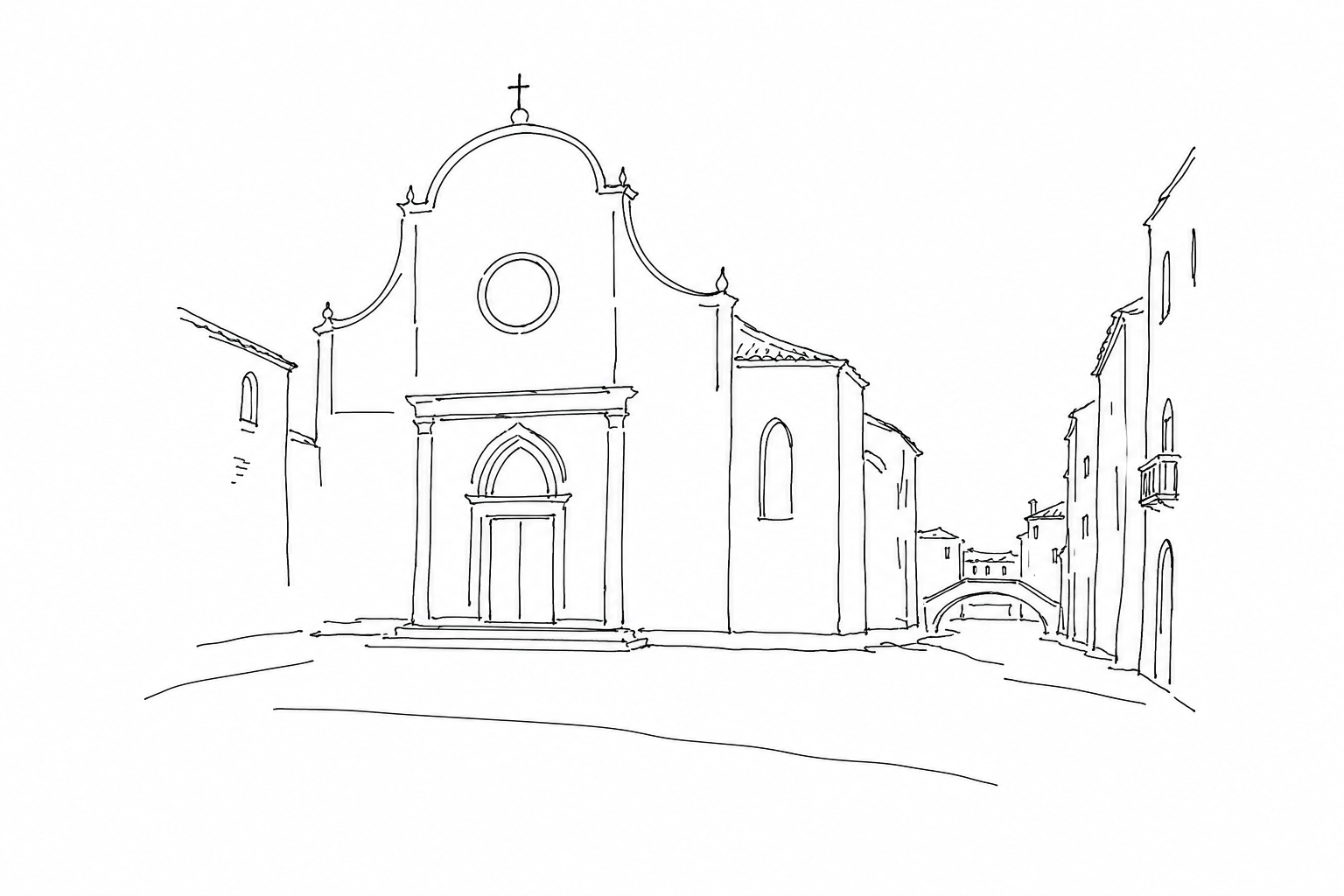
At San Nicolò dei Mendicoli it is best to arrive without immediately looking for the isolated masterpiece. The best reading starts from the outside: sober masonry, low volumes compared with the more celebrated palaces, a compact bell tower and a direct relationship with the campo and canal. The building does not impose itself theatrically; rather, it seems to have grown together with its sestiere, with additions and restorations that do not erase its original character.
Inside, the gaze should be allowed to move along the nave and over the wooden surfaces. The ceiling, the side altars, the gilded frames and the canvases create a dense but domestic ensemble: not the scenery of a great basilica, but a stratified devotion. Between the sixteenth and seventeenth centuries the interior was enriched with paintings connected to the Venetian milieu, in dialogue with confraternities, families and local religious practices.
- Observe the structure: compact proportions, rhythm of the arches, sense of communal space.
- Look at the altars: not only the main images, but also frames, coats of arms, inscriptions and materials.
- Read the light: less spectacular than in other places, it makes wood, worn gold and dark canvases more evident.
It is precisely this non-monumental density that makes the complex precious: every detail speaks of continuity of use more than of pure artistic display.
How to include it in a slow walk
San Nicolò dei Mendicoli is best appreciated if it is not treated as a quick detour, but as the point of arrival of an itinerary along the margins. You can build the walk starting from the Carmini area or from San Sebastiano, crossing quiet calli and smaller campi, then approaching Angelo Raffaele and the rio that introduces the area. In this way the building appears within its natural landscape: low houses, short bridges, working fondamenta, silences interrupted by boats and residents.
- Arrive on foot: avoid the busiest routes and let the district gradually change pace.
- Stop outside: observe the relationship with the campo, the water and the dwellings before entering.
- Leave without hurry: continue towards San Basilio or Santa Marta to grasp the port and everyday character of the area.
Before visiting, it is advisable to check the updated opening times, without relying on remembered hours: here the experience depends precisely on the calm availability of the place.
Arriving at San Nicolò dei Mendicoli means accepting a less immediate Venice, but often a more revealing one. The church, the campo, the nearby canals and the quiet calli compose a minute landscape, where art is not separated from everyday life. Including it in a slow walk allows you to understand the city better: not only a monumental center, but a set of margins, communities, surviving architectures and details that require time to be observed.
Related Posts
San Giacomo dall’Orio: beams, silence and ancient stone in the less obvious heart of Santa Croce
A slow reading of San Giacomo dall’Orio: campo, wooden beams, ancient columns and urban quiet in Santa Croce.Santa Maria Mater Domini: a small church for understanding the mercantile Venice of Santa Croce
A slow reading of Santa Maria Mater Domini, among campo, mercantile history, art and the urban fabric of Santa Croce.
San Pietro di Castello: the ancient forgotten cathedral on the margins of the most visited Venice
History, architecture and urban context of San Pietro di Castello, the former Venetian cathedral far from the flow of San Marco.Questions Answered
Why does Venice still seem like a margin around San Nicolò dei Mendicoli?
Because the church is in a secluded, working-class fishing area that contrasts with monumental zones.What is the historical significance of San Nicolò dei Mendicoli?
It is one of Venice’s oldest churches with origins in early medieval settlements linked to fishermen.What makes the church’s interior special compared to grand Venetian basilicas?
A domestic, layered devotion with wooden surfaces and local religious artworks rather than monumental art.How should visitors experience San Nicolò dei Mendicoli for best appreciation?
As part of a slow walk through the margins of Venice, appreciating neighborhood life and quiet canals.
Keep moving through Dorsoduro
Want to stay among churches, campi and waterfronts where art and everyday life meet quietly?
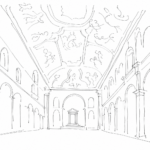 San Pantalon and the Painted Ceiling That Pretends to Be a FrescoAt San Pantalon, in the Dorsoduro sestiere, an enormous painting on canvas creates the illusion of a fresco: history, technique and details...
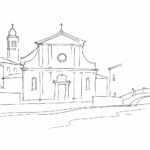 San Sebastiano in Dorsoduro: the church where Veronese transformed the walls into theaterA slow guide to San Sebastiano, the church in Dorsoduro marked by Paolo Veronese’s long work.
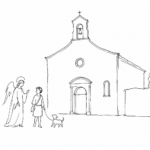 Angelo Raffaele: Tobias, the dog and a Dorsoduro church with an almost narrative toneA reading of the church of Angelo Raffaele in Dorsoduro, between Tobias, the dog, Guardi and the sacred story in Venetian space.
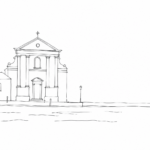 The Gesuati at the Zattere: Tiepolo, light and white façades in front of the Giudecca CanalA brief guide to the Gesuati at the Zattere: history, façade, light of the Giudecca Canal and Tiepolo’s ceilings.