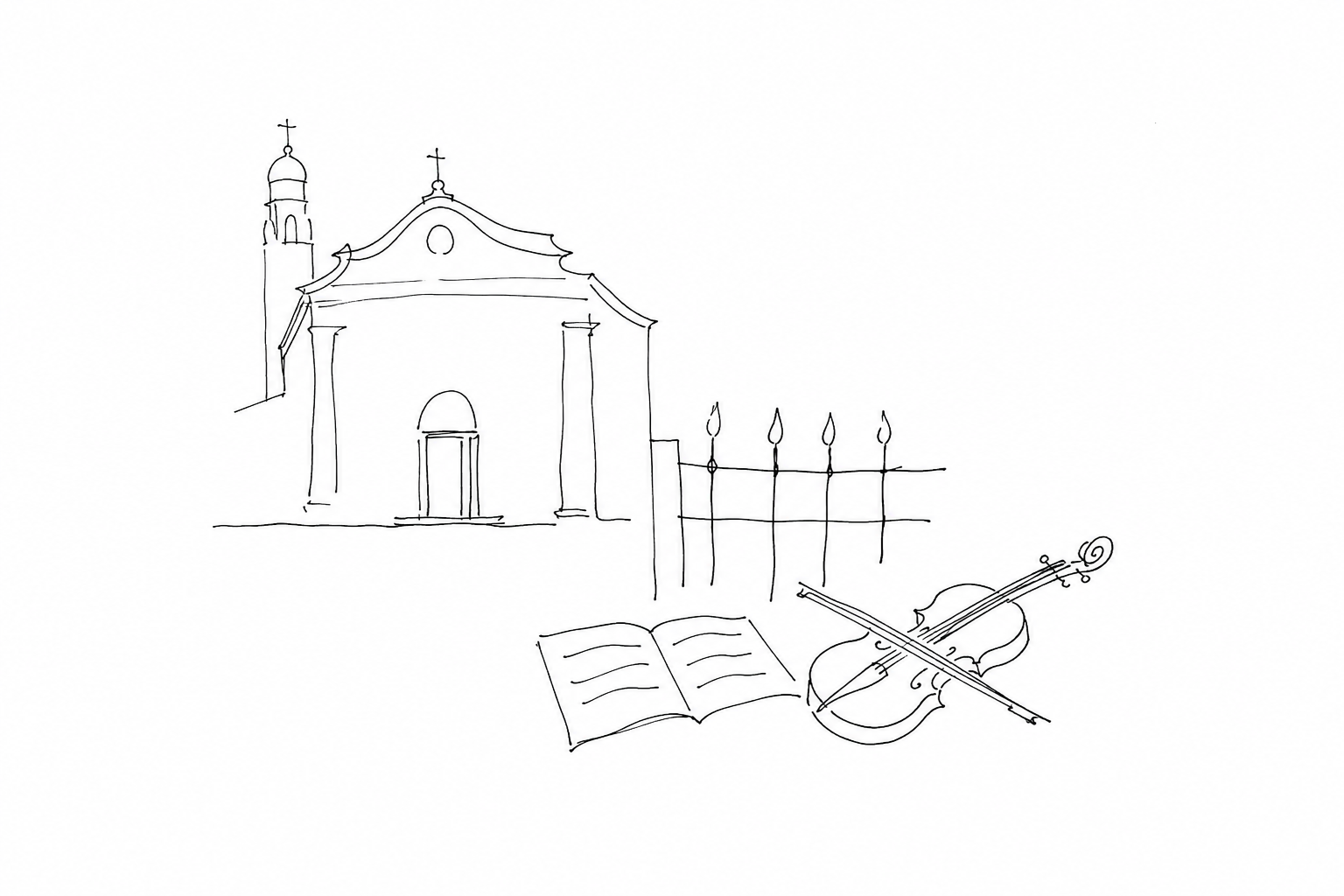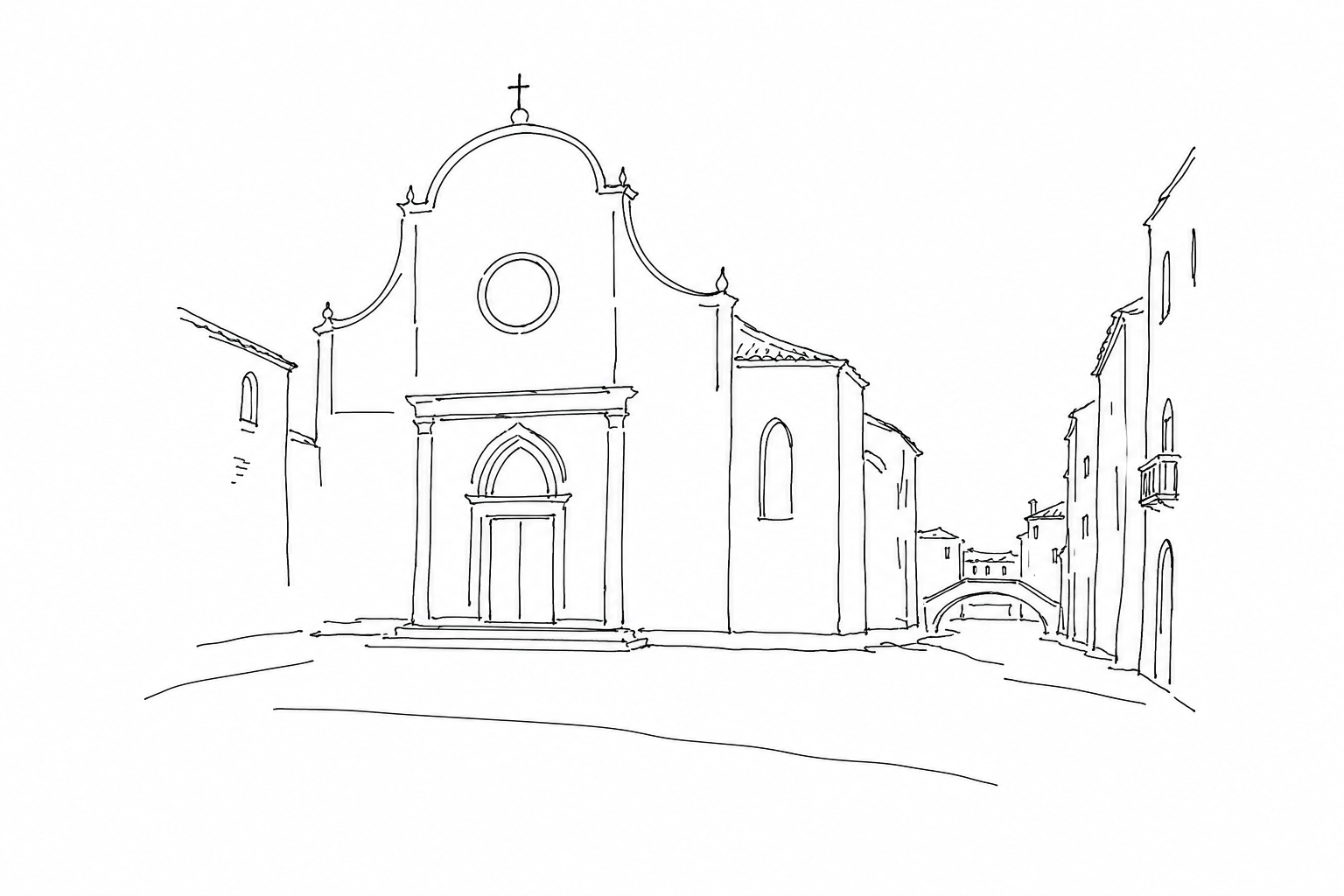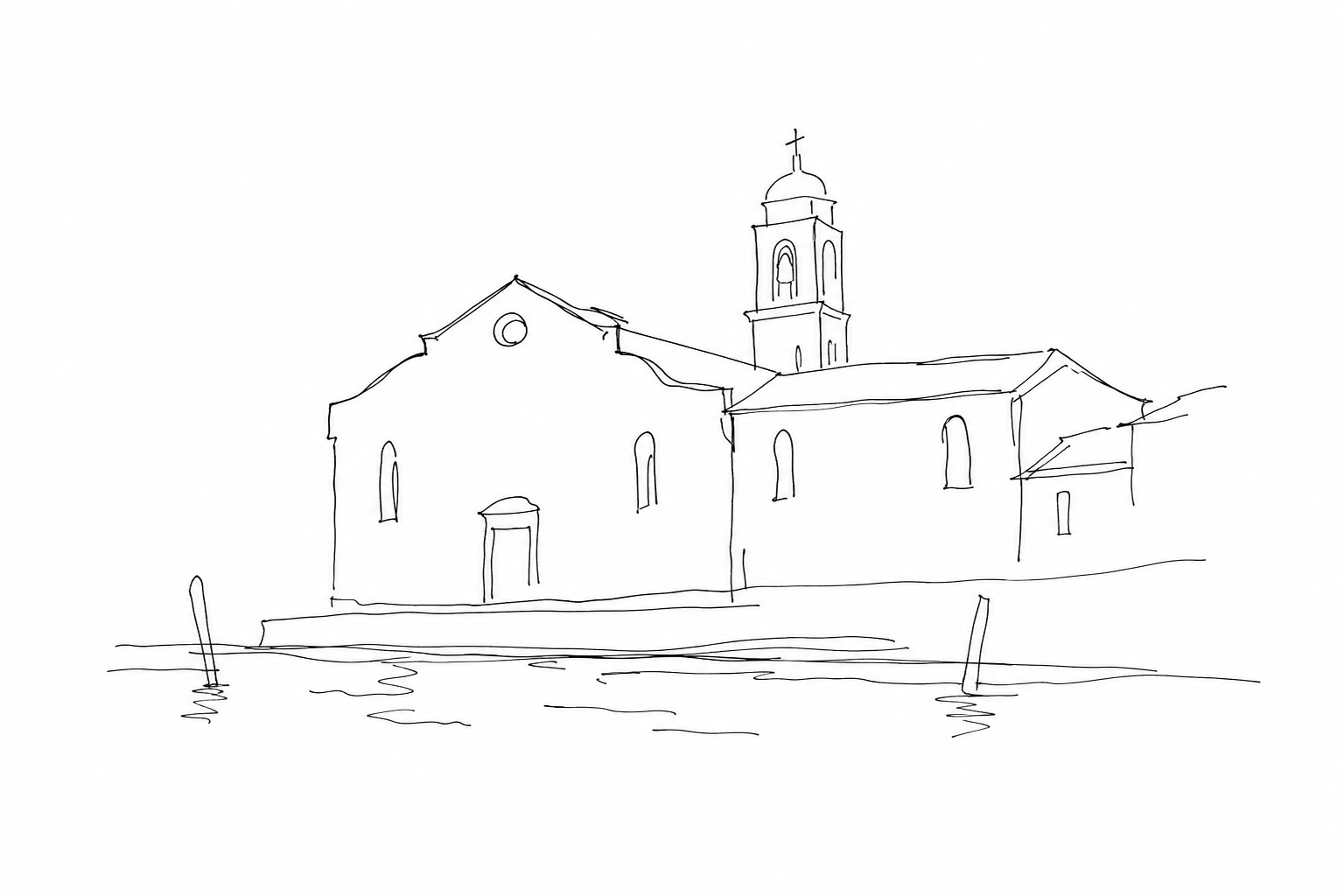
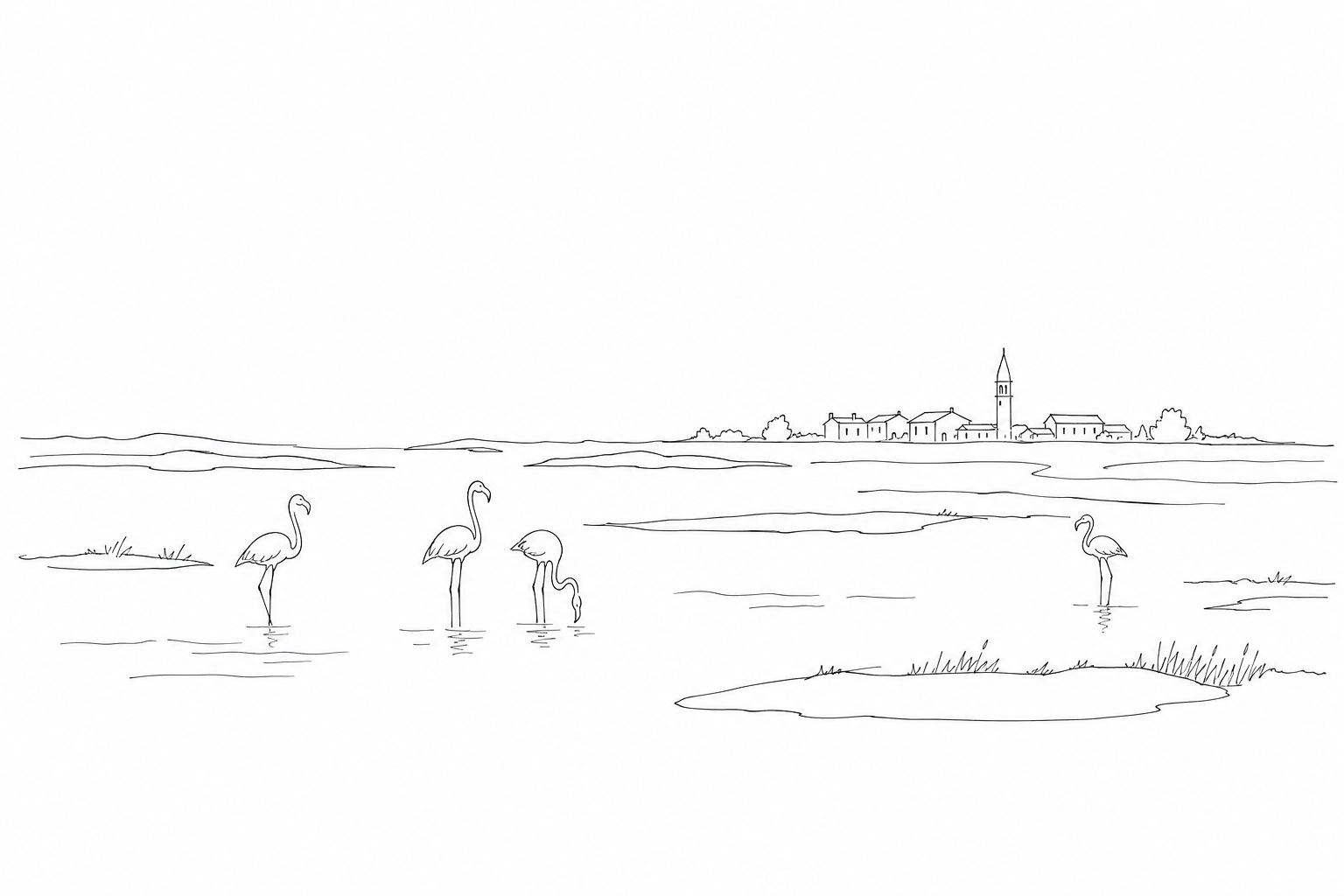
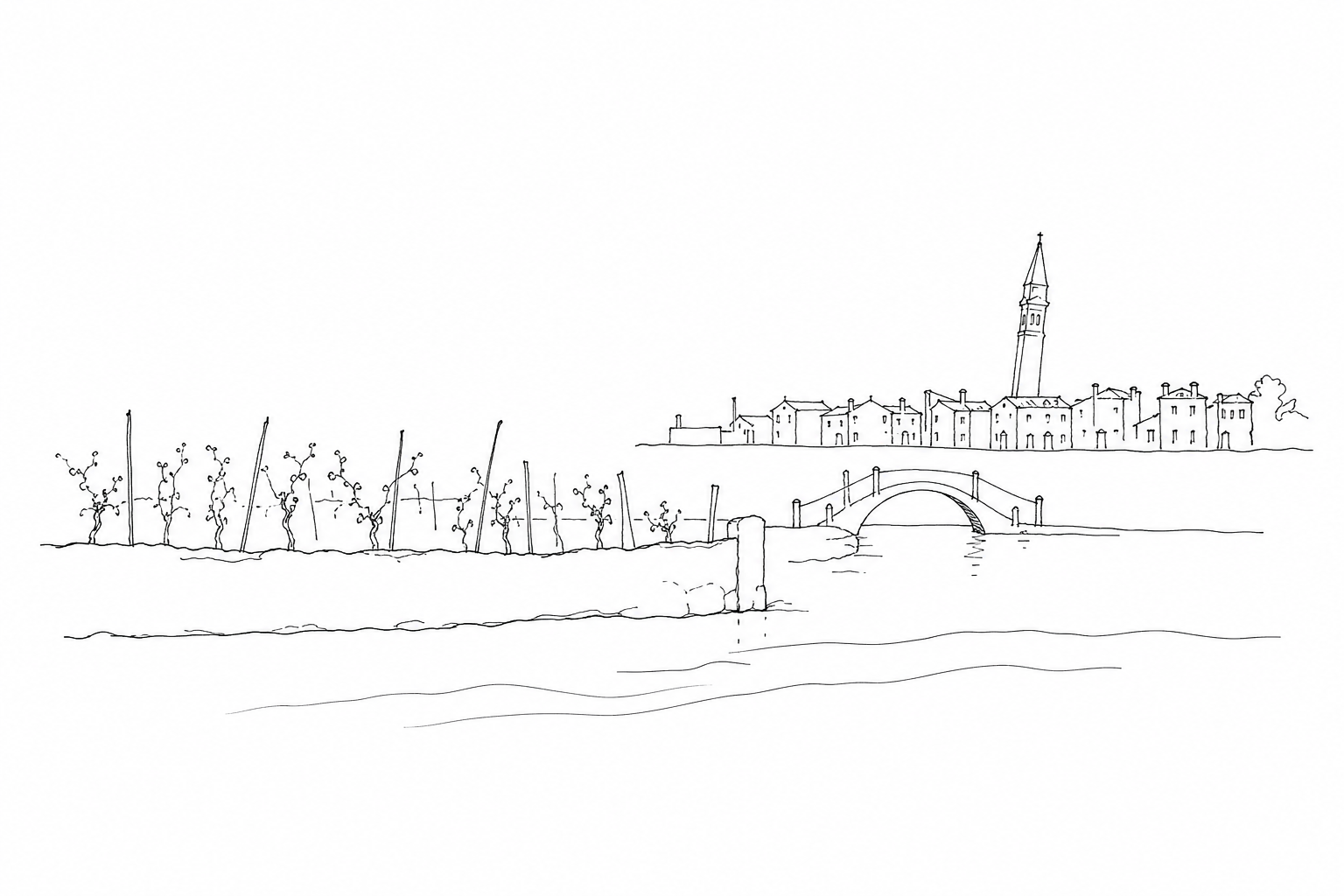
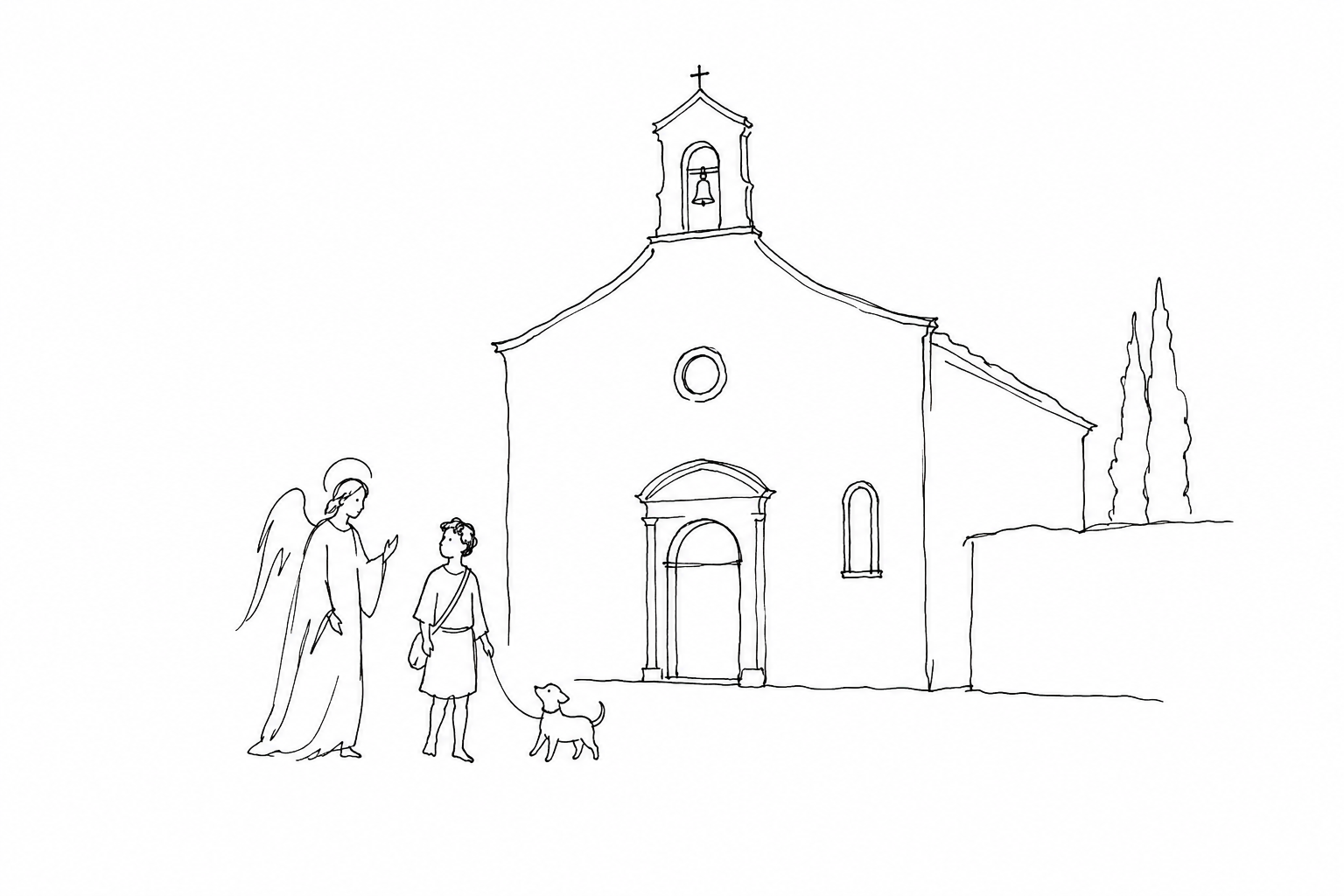

In Dorsoduro, the church of Angelo Raffaele has a different pace from that of monuments that demand immediate attention. It is encountered almost in continuity with the district, among quieter calli, small squares and less crowded waterside edges. The very title carries a story within it: Tobias, the archangel Raphael and the dog, a small travel scene that makes the visit less abstract and closer to everyday life. Entering here means following a narrative thread made of devotion, painting, architecture and urban memory, with particular attention to the Stories of Tobias attributed to Gianantonio Guardi.
Where we are: a Dorsoduro church with a quiet pace
Angelo Raffaele is encountered in a part of Dorsoduro that seems to slow the pace. We are not along the busiest routes between Accademia and Zattere, but in a fabric of calli, small squares and minor canals where Venice allows a more domestic scale to emerge. The church, dedicated to Saint Raphael the Archangel, gives its name to the area and immediately introduces the narrative theme that distinguishes it: the journey of Tobias, accompanied by the angel and the dog.
This first urban impression is important. The building does not impose itself as a grand monumental scene, but as a neighborhood presence, linked to everyday life and devotion. Precisely for this reason the biblical story of Tobias appears particularly natural here: a journey, a guide, a faithful animal, inside a place that invites slow observation more than a hurried visit. Before entering, it is worth looking at the context: Dorsoduro already prepares the tone of the story.
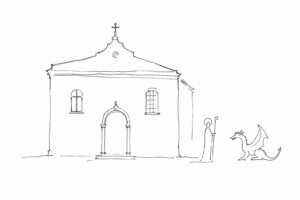
The iconographic heart of Angelo Raffaele is a story on the move. Tobias, young son of the pious Tobit, sets out to recover a distant debt; beside him travels a companion who introduces himself as Azariah, but who will reveal himself to be the archangel Raphael. The dog, often small and almost marginal, is not a decorative detail: it makes the miracle domestic, bringing the story onto an everyday and recognizable level.
In the figurative tradition, the three characters create a scene that is legible even without text. Tobias indicates the inexperienced pilgrim, Raphael the protective guide, the dog the faithfulness that accompanies the journey. Completing the narrative core is the episode of the fish, linked to the Tigris River: from its parts will come the remedy to free Sarah from the demon and the one to heal Tobit’s blindness.
For this reason the church takes on an almost narrative tone: it does not present only a saint to be venerated, but a path made of trial, care and return. The works dedicated to Tobias and Raphael, including the eighteenth-century ones attributed to Gianantonio Guardi, should be read as visual chapters of the same story.
Inside Angelo Raffaele, the cycle attributed to Gianantonio Guardi does not function as simple decoration, but as a lateral direction of the gaze. The scenes linked to Tobias, placed in the area of the choir loft and the organ, dialogue with the sound space: they are not isolated in a chapel, but inserted in a point that accompanies the liturgy with music, movement and visual memory.
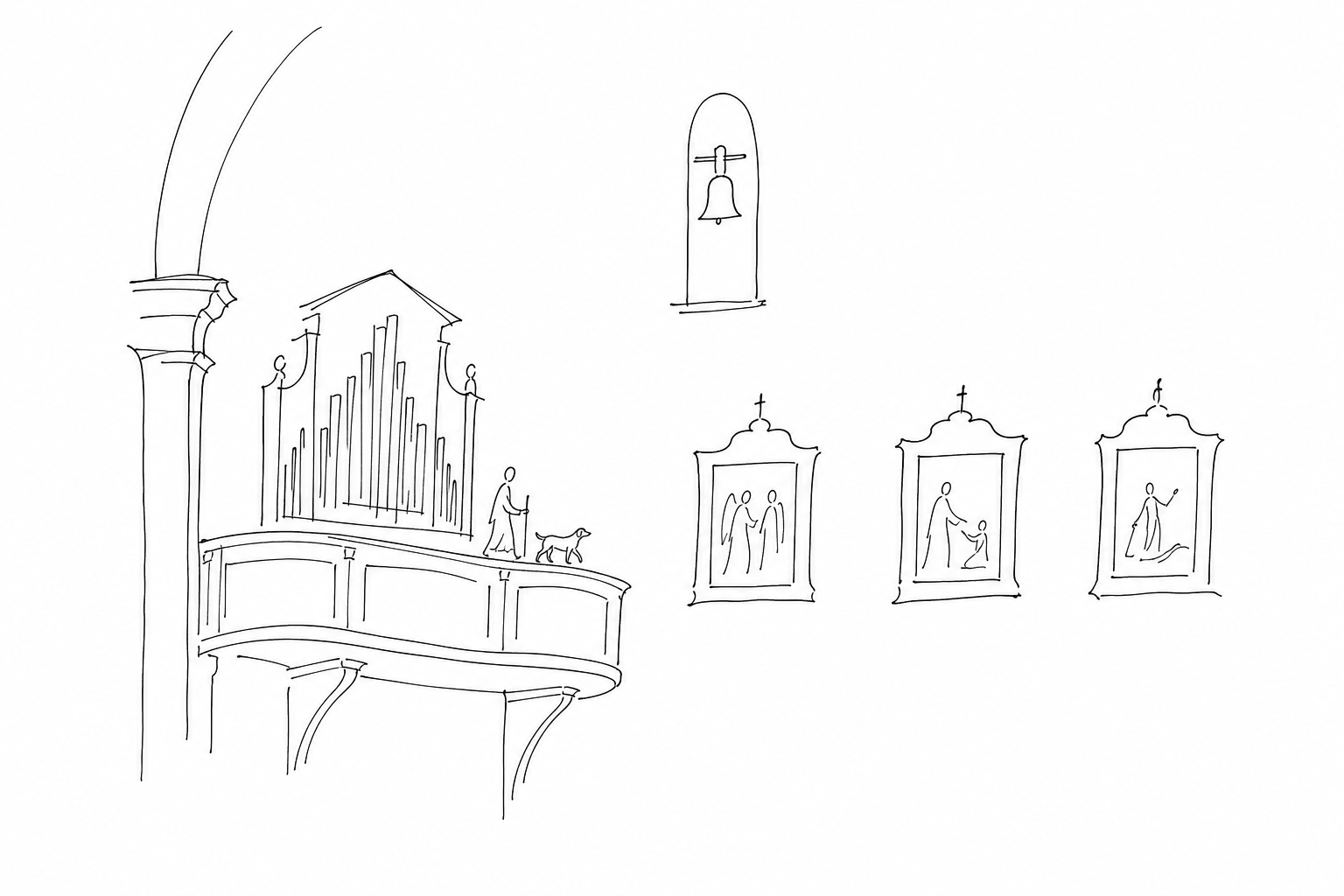
This placement helps to read the canvases without turning them into a list. Guardi, or his workshop, uses a rapid, luminous painting, more interested in the rhythm of the story than in monumental detail. The characters seem caught in successive passages: the departure, the encounter, the trial, the return. The dog too, small but recognizable, serves to give everyday measure to a biblical story that here takes on a domestic and Venetian tone.
The interior, sober compared with other sacred buildings in the city, allows precisely this quality to emerge. Architecture, organ and painting build a sequence: the viewer does not merely observe an episode, but follows a moral itinerary made of trust, healing and recognition. For this reason the Stories of Tobias are decisive: they give the visit an almost theatrical progression, with pauses, wings and reprises, without the need for an excessive celebratory apparatus.
Why it is worth a stop along the route
Stopping here makes sense because the visit shifts the rhythm of the walk: you are not on the most beaten route between Accademia and Salute, but in a western area of Dorsoduro where Venice still shows a domestic scale, made of small squares, short bridges and façades that are discovered almost suddenly.
The building helps connect three levels: the cult of the protective archangel, the biblical story of the young traveler and eighteenth-century Venetian painting. In a few minutes one passes from the secluded urban exterior to an interior that asks for slow attention: not to accumulate names, but to understand how a community transformed a story of travel, healing and guidance into legible images.
For a practical stop, it is always advisable to check the updated opening before adding it to the itinerary; culturally, however, it is a precious pause precisely because it does not seem designed for the crowd.
Stopping at Angelo Raffaele during a walk in Dorsoduro does not mean adding just any stop, but changing rhythm. The church invites us to look at Venice through a specific episode, that of Tobias accompanied by the archangel and the dog, and to recognize how a sacred story can inhabit a concrete urban space. The interiors, the works attributed to Guardi and the secluded position create a short but dense visit, suited to those seeking places capable of remaining in memory not for spectacular grandeur, but for tone, details and discreet presence.
Related Posts
Sant’Alvise in Cannaregio: the secluded church with Tiepolo and an almost domestic Venice
A brief guide to Sant’Alvise, between the northern edge of Cannaregio, Tiepolo’s canvases and daily rhythm.The Scuola Dalmata degli Schiavoni: Carpaccio, dragons and saints in an almost domestic Venice
Editorial guide to the Scuola Dalmata degli Schiavoni, amid Carpaccio, Dalmatian saints and a Venice gathered in the sestiere of Castello.
San Trovaso beyond the squero: Dorsoduro’s double church between two façades and two entrances
An outline on San Trovaso in Dorsoduro: the church beyond the squero, read through two façades, two entrances, urban history and interior works.Questions Answered
What sets the church of Angelo Raffaele apart in Dorsoduro?
Its quieter location and narrative focus on Tobias’s story distinguish it.Who are the main characters represented in the church’s iconography?
Tobias, the archangel Raphael, and the faithful dog form the key figures.How do the paintings by Gianantonio Guardi enhance the visitor experience?
They create a visual narrative that interacts with the church’s architecture and music.Why is visiting Angelo Raffaele considered a change of rhythm for walkers?
Because it invites slow reflection and highlights everyday devotion over grand spectacle.
Dorsoduro between art and walking
Which nearby stops are worth connecting without turning the district into a checklist?
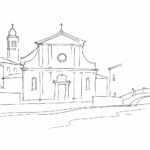 San Sebastiano in Dorsoduro: the church where Veronese transformed the walls into theaterA slow guide to San Sebastiano, the church in Dorsoduro marked by Paolo Veronese’s long work.
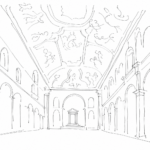 San Pantalon and the Painted Ceiling That Pretends to Be a FrescoAt San Pantalon, in the Dorsoduro sestiere, an enormous painting on canvas creates the illusion of a fresco: history, technique and details...
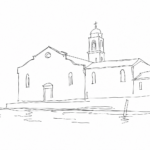 San Nicolò dei Mendicoli: one of the oldest churches where Venice still seems like an outskirtsHistory, urban space and details of San Nicolò dei Mendicoli, an ancient church on the inhabited edge of Dorsoduro.
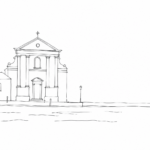 The Gesuati at the Zattere: Tiepolo, light and white façades in front of the Giudecca CanalA brief guide to the Gesuati at the Zattere: history, façade, light of the Giudecca Canal and Tiepolo’s ceilings.