
Sant’Alvise is one of those Venetian churches that seem to withdraw from the hurried pace. It is in Cannaregio, in a secluded and still inhabited area, where silence is not scenery but part of everyday life. Its simple facade does not fully prepare you for what it holds: a history linked to Antonia Venier, the Augustinian convent and Saint Louis, but also an interior capable of surprising, with works by Tiepolo and an intimate spatial quality. Entering it means reading a less exposed, more domestic fragment of Venice, where art, devotion and urban fabric remain closely intertwined.
Where Sant’Alvise is located, and why it seems distant
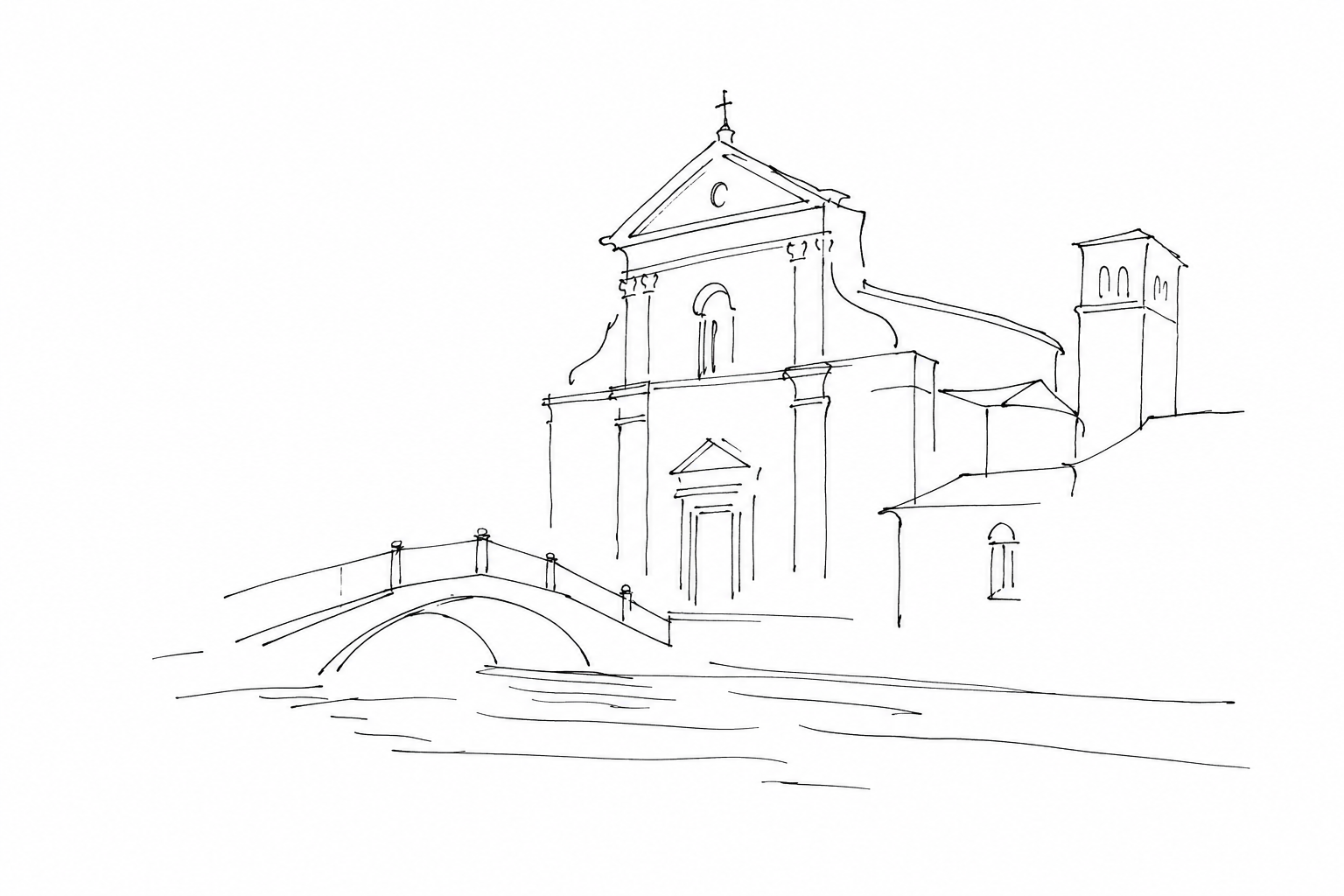
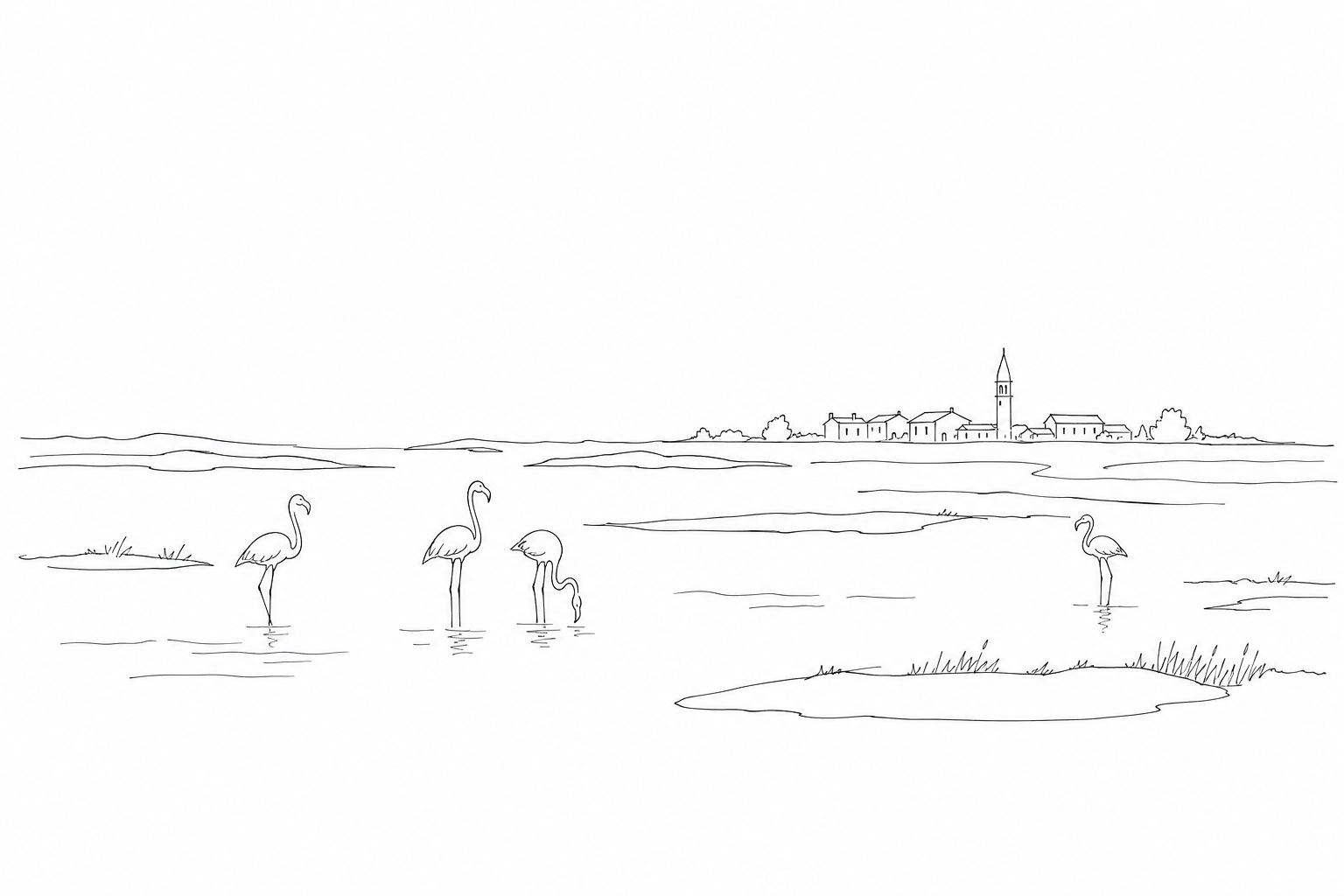
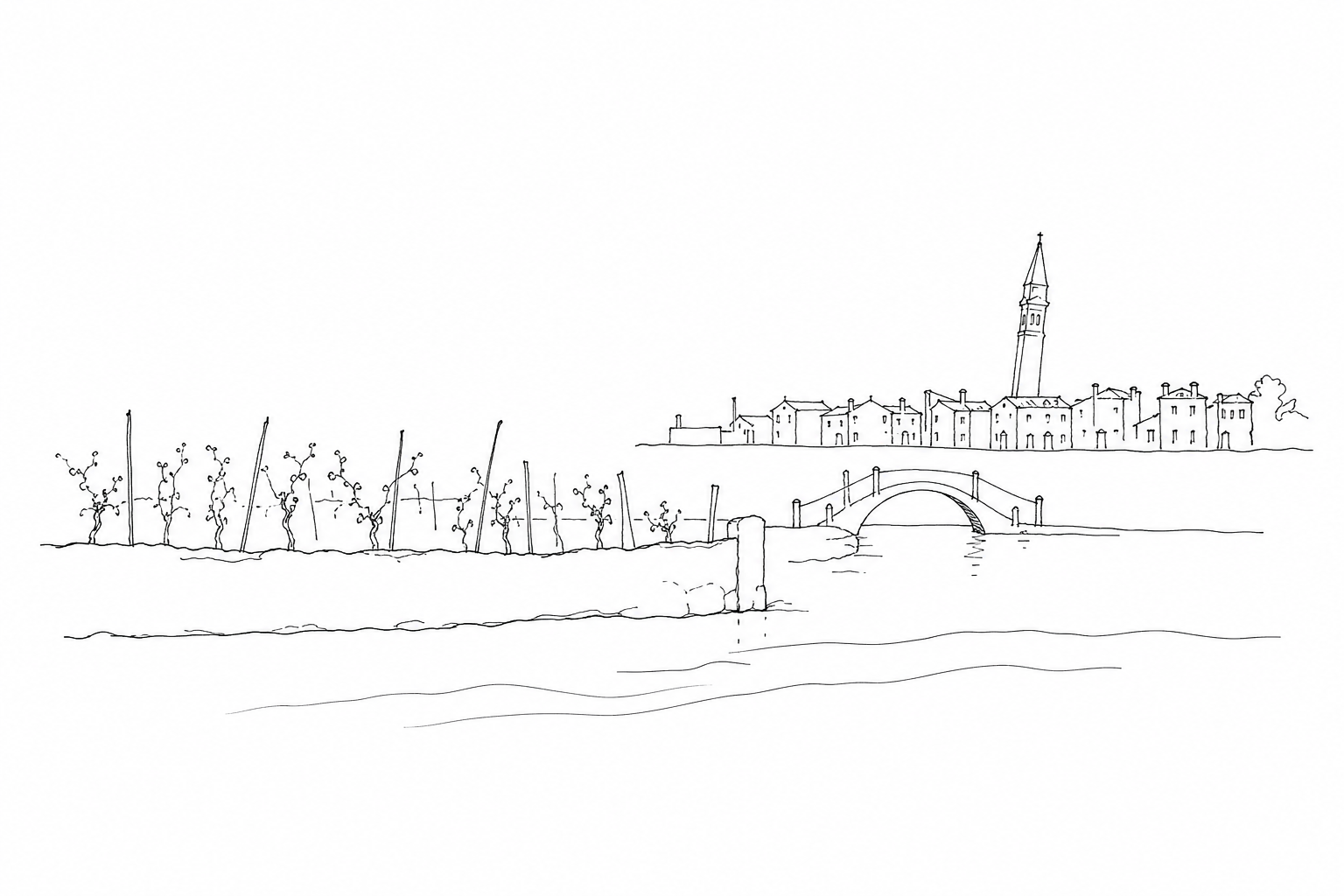
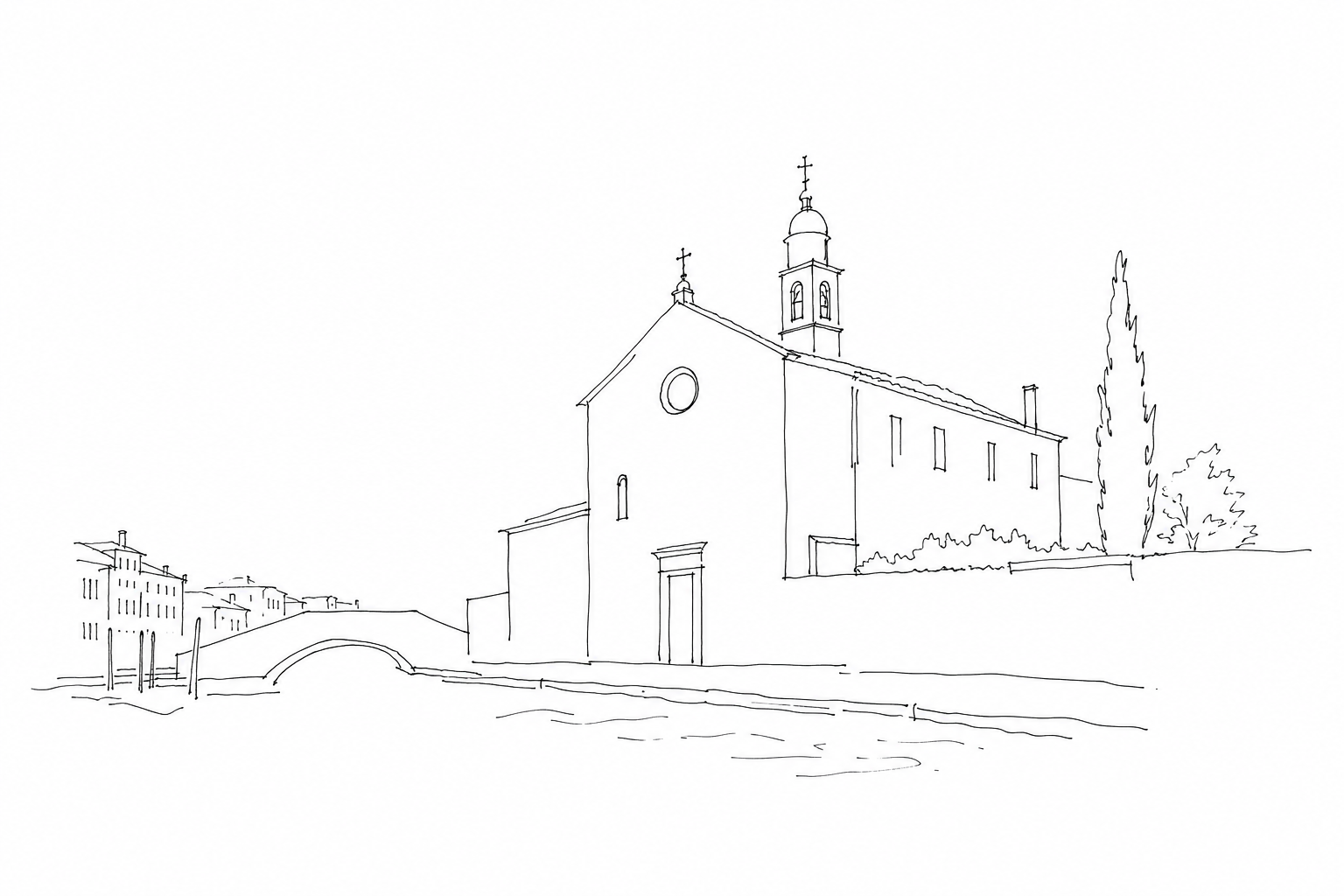
Sant’Alvise is located on the northern edge of Cannaregio, in an area that looks more toward the lagoon and neighborhood life than toward the more heavily traveled monumental routes. The church stands in the area of Campo Sant’Alvise, not far from Madonna dell’Orto, but already outside the continuous axis that leads from the station toward Rialto and San Marco. To reach it, you cross quieter calli, low fondamenta, narrow rii and stretches where Venice seems to become less scenic and more lived-in.
This distance is above all perceptual: it is not an isolated place, but a secluded one. The noise of tourist flows remains behind, while hanging laundry, house entrances, moored boats and small stopping places emerge. It is precisely here that the simple facade of Sant’Alvise prepares for the contrast with the interior, where the fourteenth-century memory of the foundation and the presence of Tiepolo coexist with an almost domestic Venice.
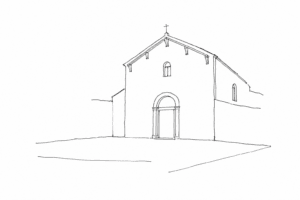
Origins: Antonia Venier, the convent and Saint Louis
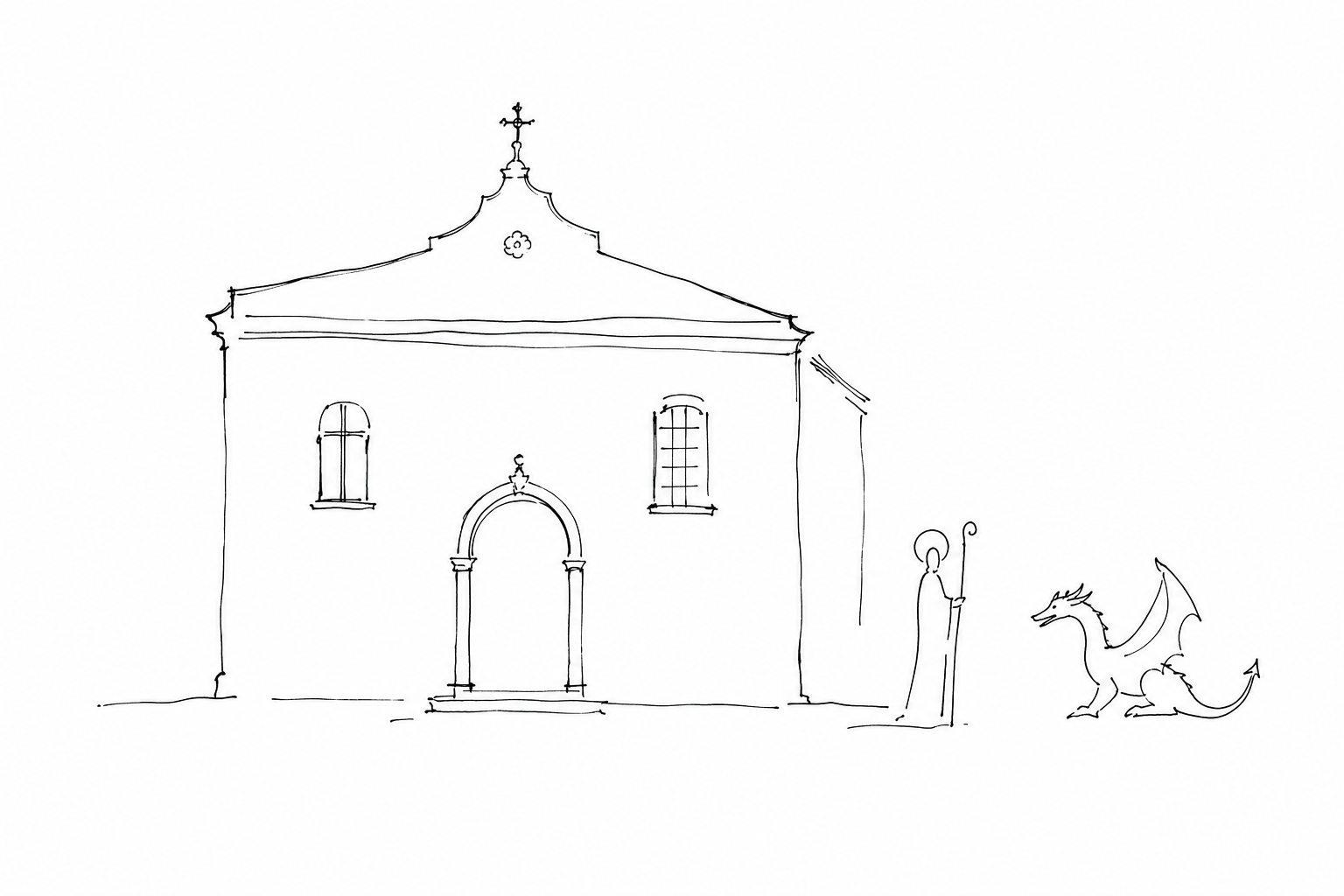
The birth of the church is linked to Antonia Venier, a Venetian noblewoman of the fourteenth century, who according to tradition wanted to found a religious place here after a vision of Saint Louis of Toulouse. The dedication also explains the Venetian name of the building: Ludovico, transformed in local speech, becomes Alvise.
The original core was conceived together with a female convent, entrusted to a community of Augustinian nuns. This detail is essential for reading the secluded character of the complex: it was not born as a great representative church overlooking a ceremonial axis, but as a space of enclosure, prayer and regulated life, set in a quiet part of Cannaregio.
The fourteenth-century identity therefore remains in its function even before its visible forms. Even when the interiors were transformed in the following centuries, the memory of the foundation continued to guide the atmosphere of the place: intimate, lateral, more conventual than monumental.
Inside Sant’Alvise: Tiepolo and a surprising interior
Once past the sober facade, the nave reveals a more complex character than the secluded campo might suggest. The space does not aim for a triumphal effect: it is long, intimate, with side altars and a light that invites you to look slowly. It is precisely this domestic measure that makes Giambattista Tiepolo’s large canvases more incisive.
The core to observe carefully is the series dedicated to the Passion of Christ: The Ascent to Calvary, The Flagellation and The Crowning with Thorns. Here Tiepolo does not seek only luminous elegance: he constructs tense, crowded, almost theatrical scenes. The bodies are inclined, the diagonals guide the gaze, the faces emerge from dense shadows. Compared with the artist’s famous open skies, these works show a more dramatic and earthly tone.
- Move closer and then step back: up close you can read gestures and gazes; from a distance the overall direction of the scene appears.
- Follow the diagonals: ropes, arms and lances lead the eye toward Christ, often pressed by the crowd.
- Notice the contrast: the quiet of the interior amplifies the narrative violence of the canvases.
Another element not to miss is the suspended choir linked to the female monastic presence: it recalls that this place was also a space of enclosure, prayer and separate listening.
How to read it on a walk through Cannaregio
To truly understand it, it is best to arrive at Sant’Alvise without hurry, following the less-traveled fondamenta of northern Cannaregio. The route is already a key to interpretation: from the more frequented passages you slip toward narrow rii, low houses, hanging laundry, small bridges and a daily rhythm that explains the discretion of the place.
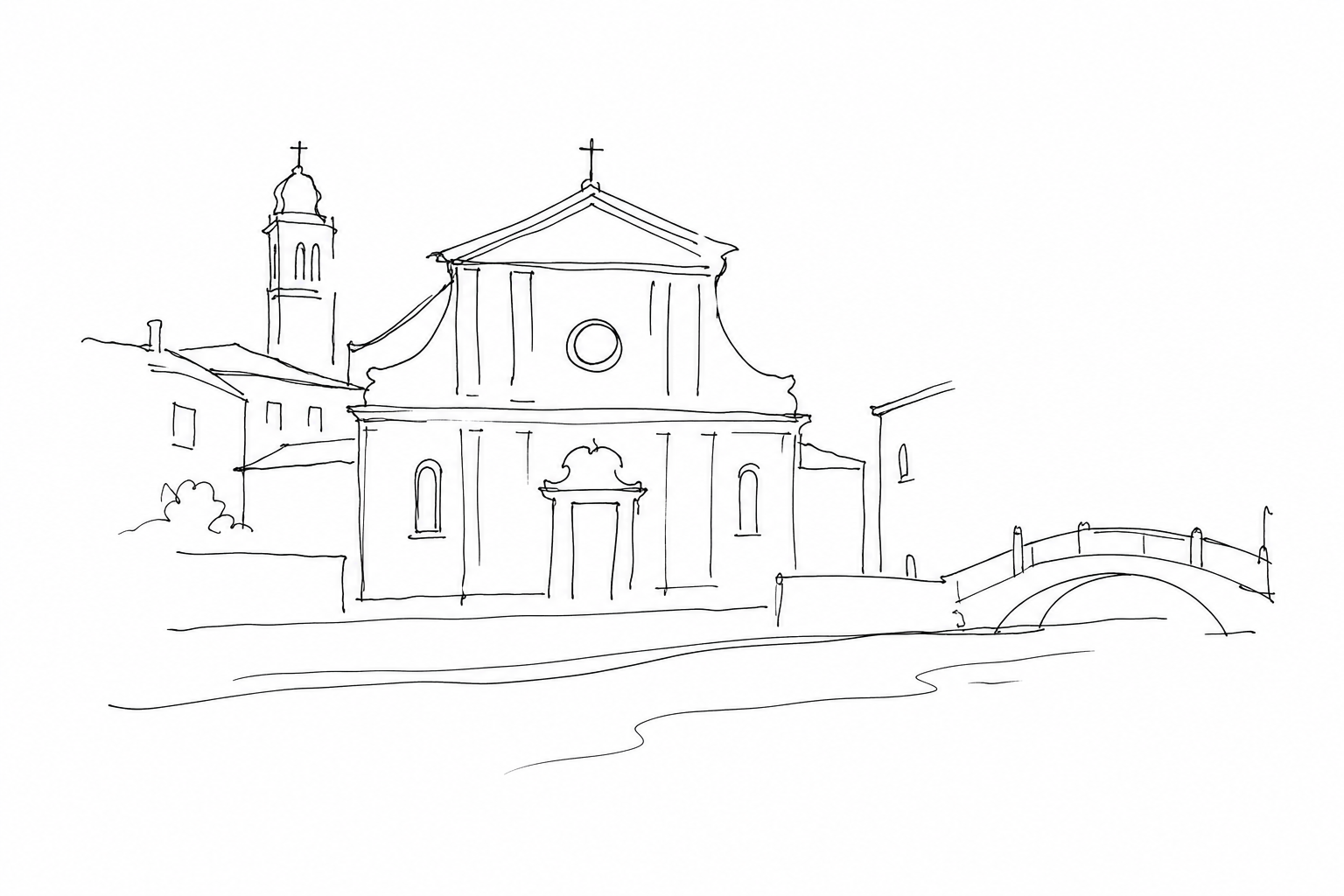
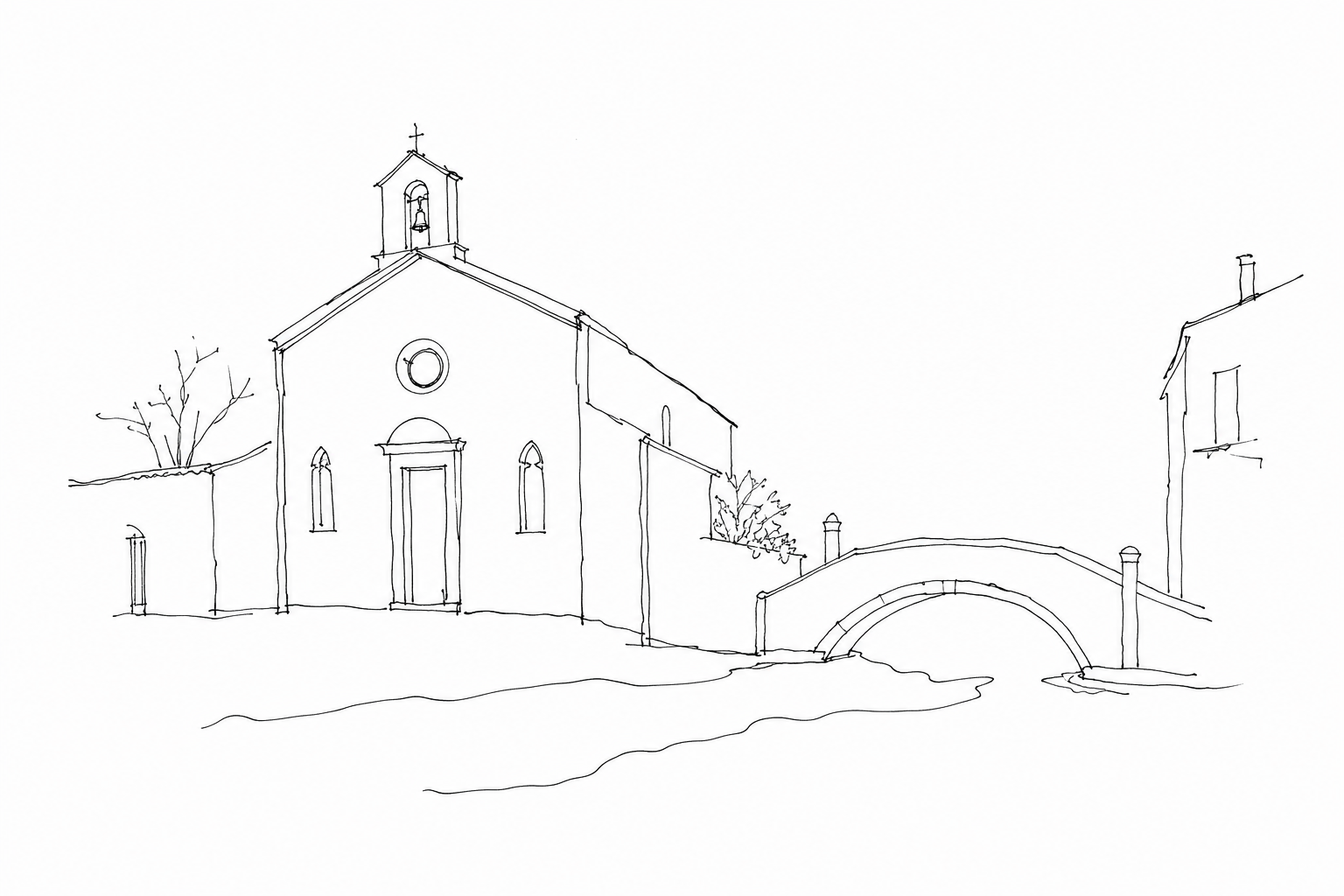
Before entering, stop in the campo. The facade does not seek scenic effects: it functions almost like an urban wall, consistent with the conventual origin and with an area designed more for living than for representation. This sobriety makes the contrast with what is discovered beyond the threshold stronger.
- Observe the relative isolation compared with the main itineraries of Cannaregio.
- Read the campo as a neighborhood space, not as a monumental square.
- Always check updated information on access and visits, because they may vary.
Visiting Sant’Alvise is not about “checking off” a monument, but about understanding Cannaregio and its internal distances better. The church asks for time: to get there by walking along quieter calli, to observe the contrast between the sober exterior and the rich interior, to connect Tiepolo’s canvases to the history of a place born around a convent and remaining on the margins of the great flows. Including it in a slow walk allows you to see a less declared Venice, made of secluded campi, inhabited houses, nearby water and details that emerge only when you truly slow down.
Related Posts
The Gesuati at the Zattere: Tiepolo, light and white façades in front of the Giudecca Canal
A brief guide to the Gesuati at the Zattere: history, façade, light of the Giudecca Canal and Tiepolo’s ceilings.San Giacomo dall’Orio: beams, silence and ancient stone in the less obvious heart of Santa Croce
A slow reading of San Giacomo dall’Orio: campo, wooden beams, ancient columns and urban quiet in Santa Croce.
Santa Maria dei Carmini: the Tiepolo ceiling that many miss while rushing toward Dorsoduro
A brief guide to the Carmini: church, Scuola Grande and Tiepolo ceiling, often skipped between Campo Santa Margherita and Dorsoduro.Questions Answered
Where is Sant’Alvise located and how is its setting unique?
It is on the northern edge of Cannaregio, in a quiet, lived-in area away from main tourist routes.What historical origins define Sant’Alvise?
Founded by Antonia Venier in the 14th century, linked to Saint Louis and a female convent.What artistic highlights can be found inside Sant’Alvise?
Giambattista Tiepolo’s dramatic Passion of Christ canvases define the interior art.How should one approach visiting Sant’Alvise for the full experience?
Visit slowly via quiet Cannaregio streets to appreciate the contrast and neighborhood feel.
Keep exploring Cannaregio
Want to stay among secluded churches, unusual bridges and everyday stories of the district?
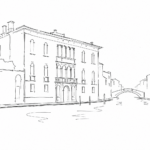 Palazzo Labia: Tiepolo, Cleopatra and the Eighteenth Century Overlooking CannaregioHistory, frescoes and urban context of Palazzo Labia, between Tiepolo, Cleopatra and the eighteenth-century face of Cannaregio.
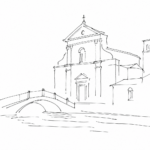 San Giobbe in Cannaregio: the hidden Venetian Renaissance near the stationGuide to San Giobbe, a Renaissance church in Cannaregio just a short walk from Santa Lucia.
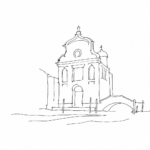 Santa Maria dei Miracoli: the marble church that looks like a reliquary in the heart of CannaregioHistory, marbles and details of Santa Maria dei Miracoli, a small Renaissance masterpiece among the canals and calli of Cannaregio.
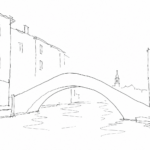 Ponte Chiodo in Cannaregio: the bridge without a parapet that Venice has almost forgottenHistory, form and context of Ponte Chiodo, a rare Venetian bridge without a parapet in Cannaregio.