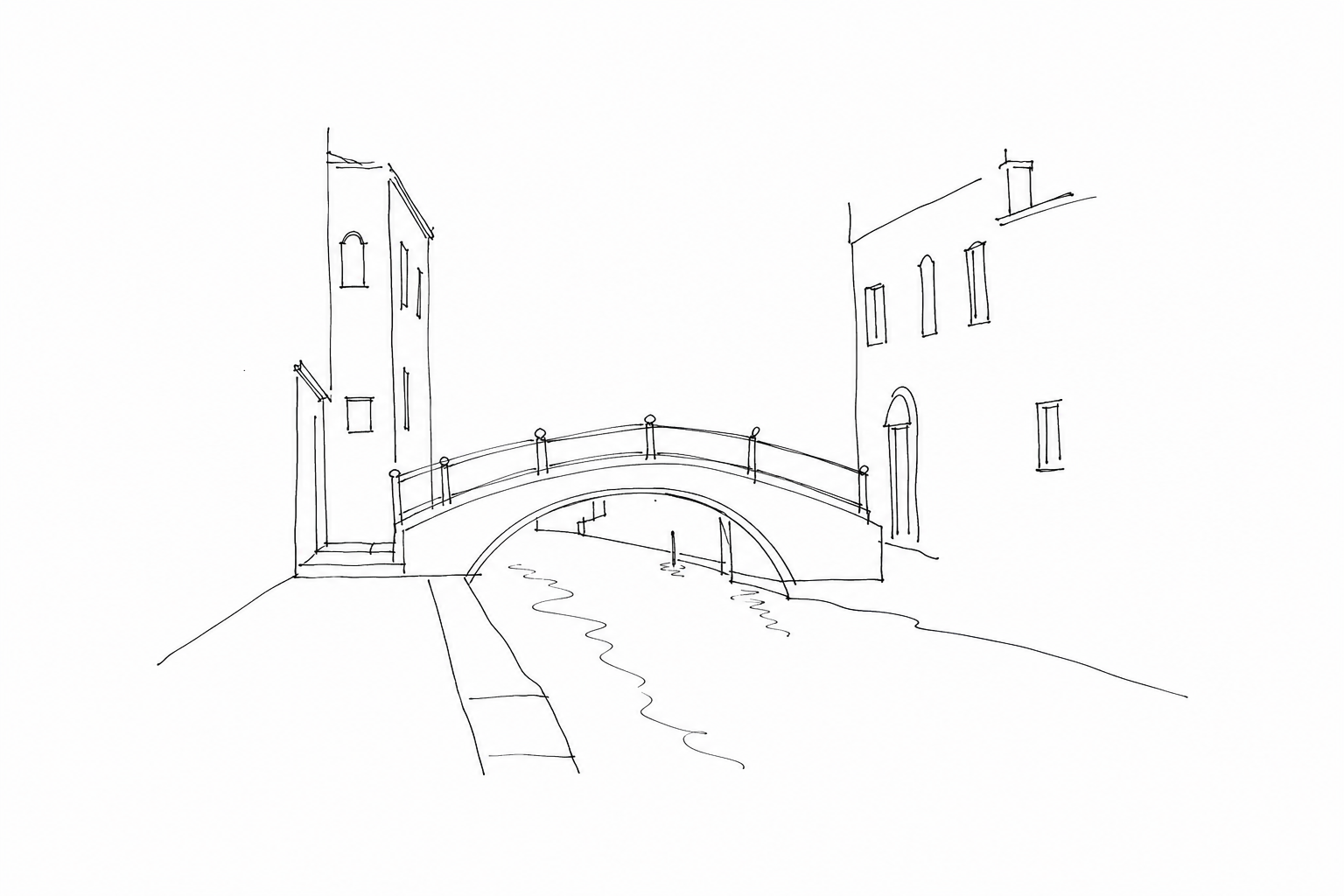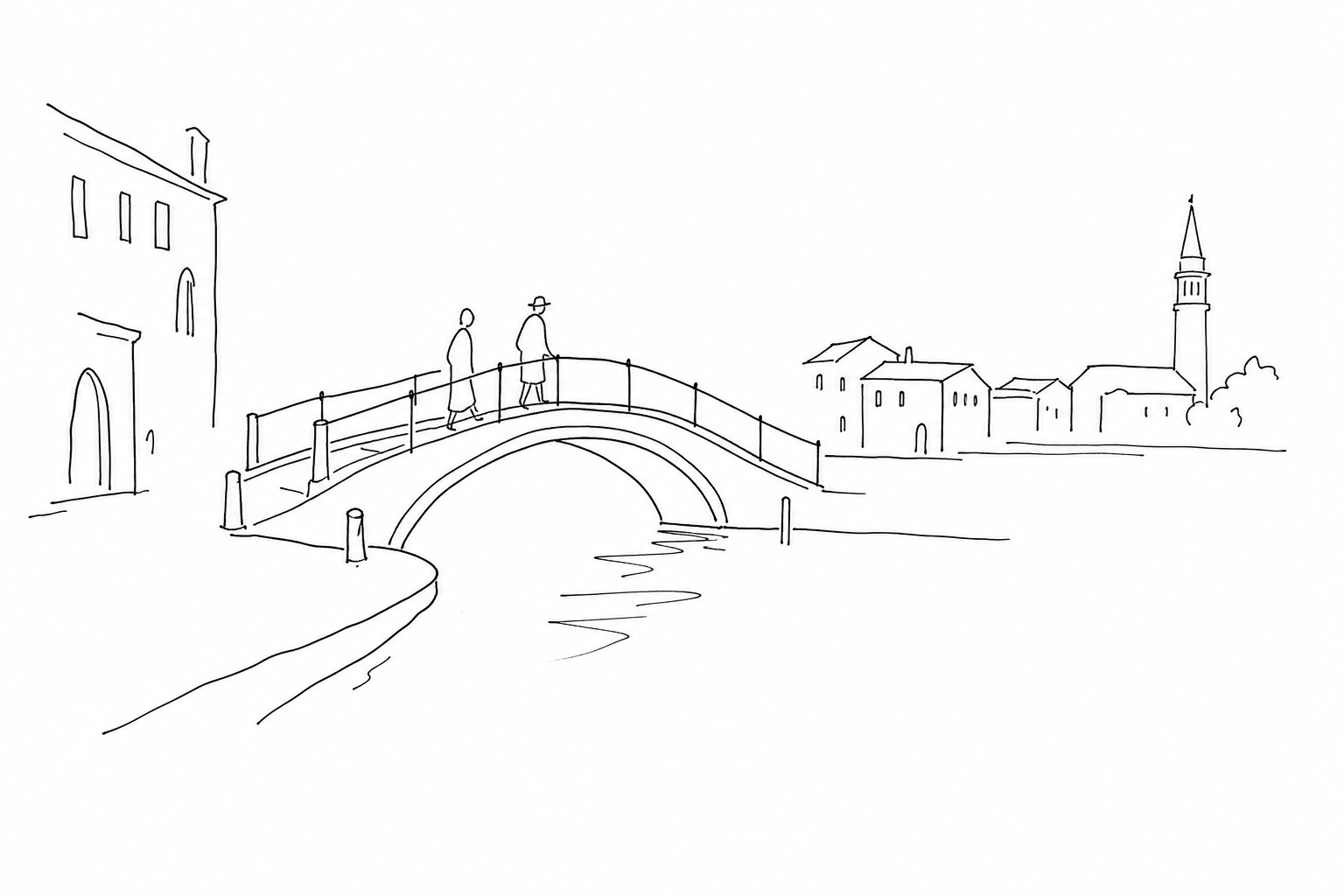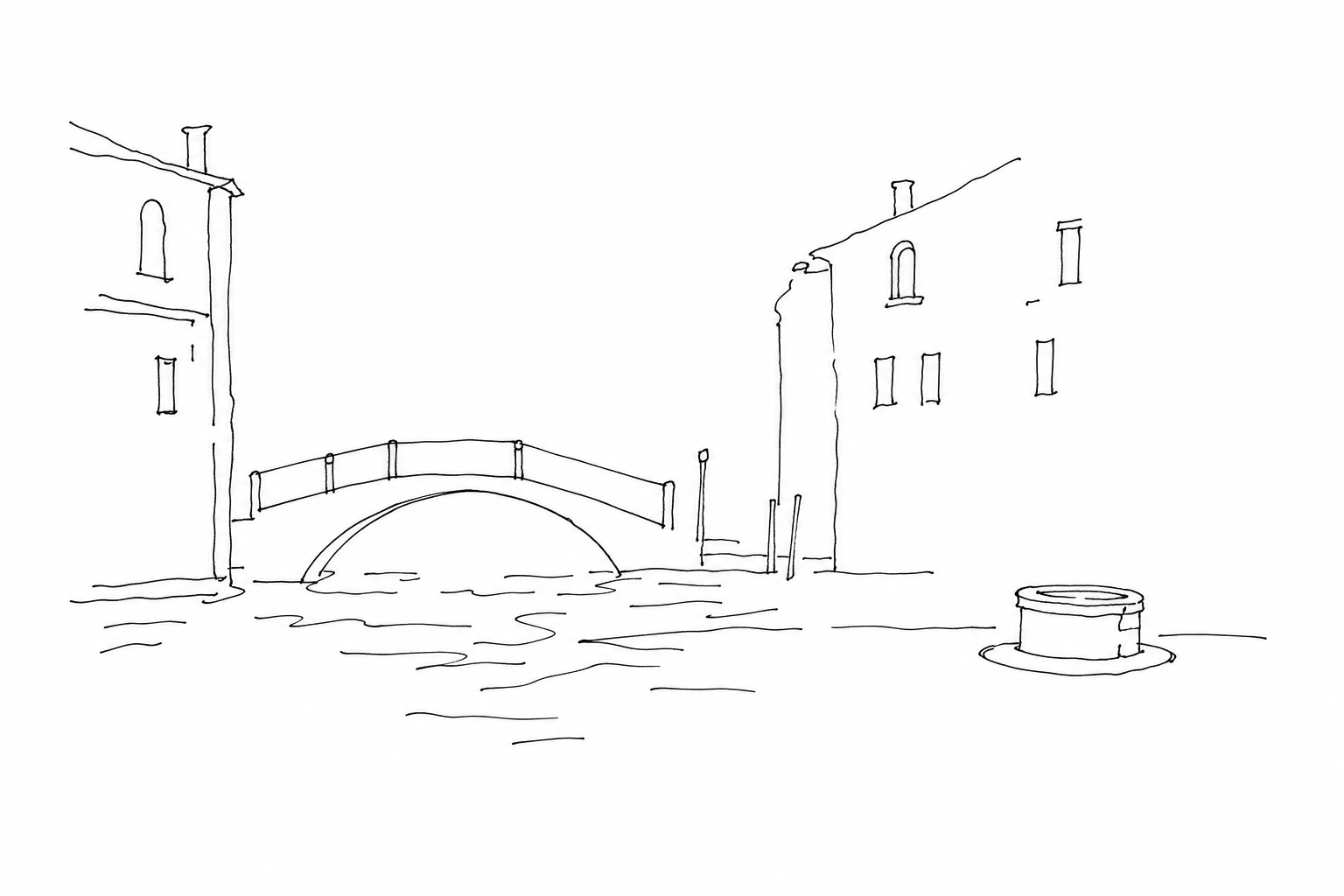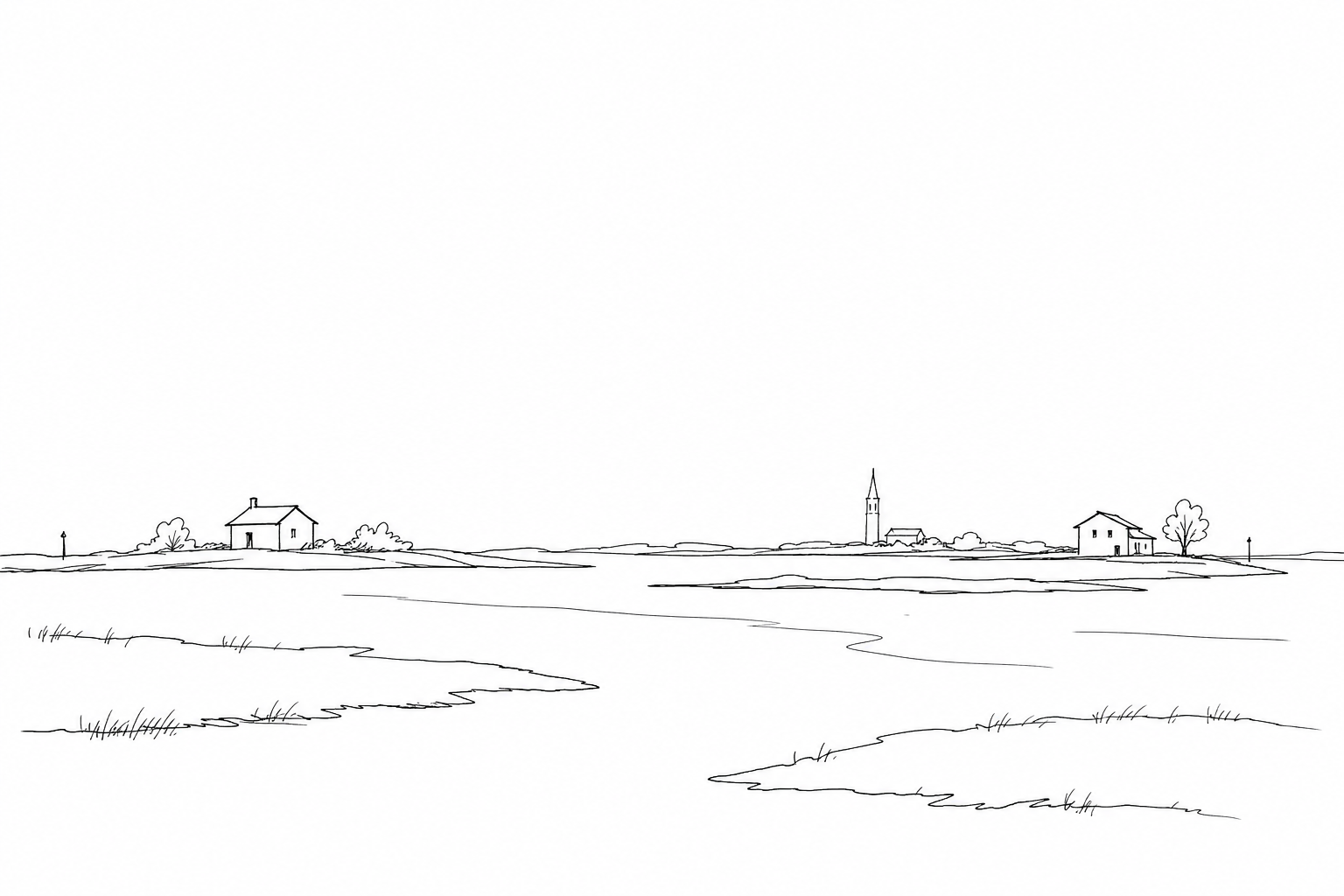
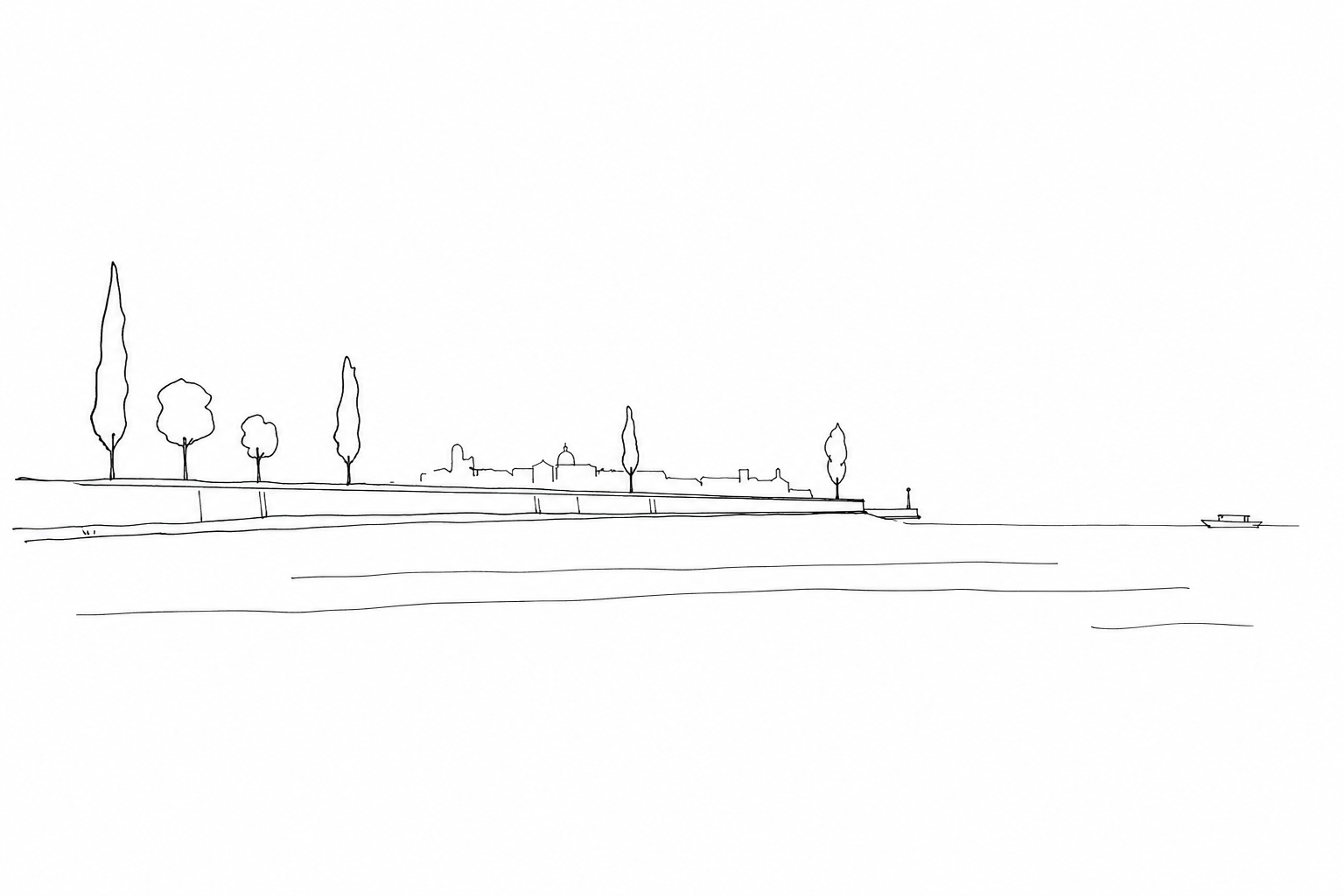

Riva dei Sette Martiri is one of the places where Castello changes its rhythm: behind it remain calli, campi and lived-in houses, while in front the lagoon opens up with a breadth that is rare in the Venetian fabric. Walking along it means crossing an urban edge made of civic memory, trees, landing places, simple façades and long views towards San Giorgio, the Lido and Sant’Elena. It is not only a passage towards the Biennale or the Giardini: it is a waterfront to be read slowly, observing how history, everyday life and the water landscape hold together.
Where it is and what rhythm the waterfront has
Riva dei Sette Martiri runs through the sestiere of Castello, along the southern edge of Venice, where the city stops tightening into calli and small campi and opens onto the Bacino di San Marco. It is a linear, wide walk, recognizable for the presence of trees and for the long view over the water: behind it remain Via Garibaldi, the Arsenale and the Giardini; in front pass the open lagoon, the boats and the profile of the islands.
The pace here changes compared with the more crowded center. You do not proceed in a zigzag, but horizontally, following the waterfront like an urban balcony. The width of the space allows you to stop, look, read the plaques and sense the weight of the name, linked to the seven men shot by the Nazi-Fascists in 1944. Memory is not separate from the landscape: it coexists with the shade of the trees, with the stones of the fondamenta and with the open horizon towards San Giorgio, the Lido and the harbor entrance.
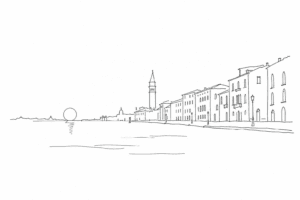
The place name Riva dei Sette Martiri is not a descriptive name, but a civic dedication. It recalls seven men shot by the Nazi-Fascists on 3 August 1944, during the German occupation of Venice, in a reprisal connected to the killing of a German soldier. The waterfront, which in the Fascist era had taken the name Riva dell’Impero, was later reinterpreted by the city through this opposing memory: no longer a celebration of power, but a remembrance of its victims.
Walking here therefore means crossing a place where the history of the twentieth century is not closed inside a museum. The name acts every time it is pronounced: in street directions, on maps, on plaques and in the commemorative signs present along the route. Memory remains sober, almost incorporated into the everyday life of the walk, among those heading towards the Giardini, those waiting along the lagoon and those stopping to look at the water. It is precisely this normality that makes the place significant: the tragedy does not interrupt the landscape, but changes its meaning.
Trees, houses, water: what to observe while walking
This stretch of Castello is best read by walking without hurry, because it lines up three very Venetian elements that are especially clear here: the shade of the trees, the inhabited edge and the opening of the lagoon. The rows of trees accompany the walk and alter its perception: you do not move only along a fondamenta, but within a space almost like an avenue, airier than the inner calli.
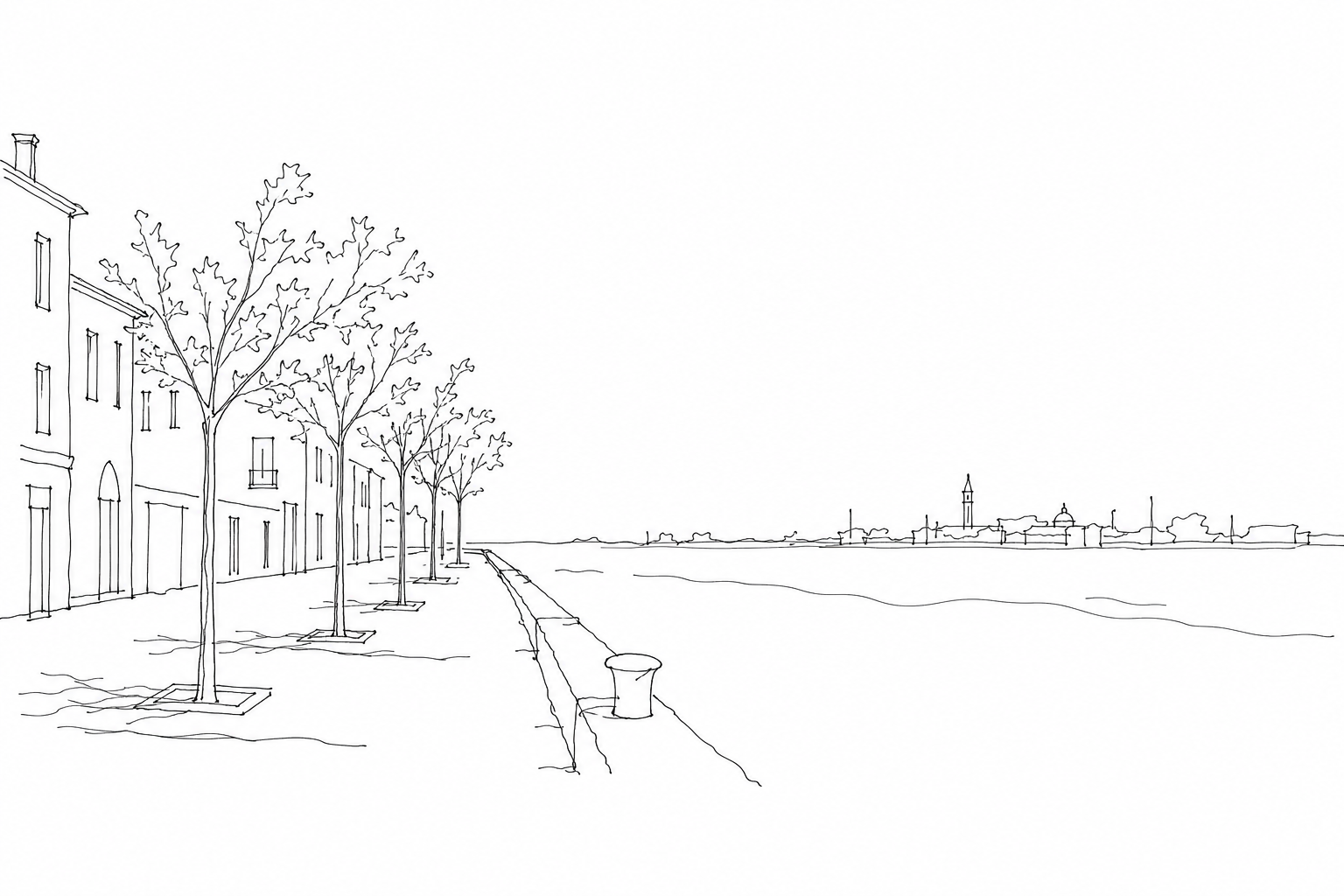
On the side of the houses it is worth observing the alternation between simple buildings, weathered plaster, ground-floor entrances and small traces of everyday life. Castello does not appear as a uniform monumental backdrop: it shows balconies, shutters, laundry, doorways and windows that bring the scale of the city back to that of living.
On the other side, the water opens the gaze. Light, wind and lagoon traffic change: service boats, private craft and public transport trace different paths across the Bacino di San Marco. To the west you can recognize San Giorgio Maggiore; to the east the landscape broadens in the direction of the Giardini and Sant’Elena. It is this contrast, between the nearby neighborhood and the wide horizon, that gives strength to the walk.
How to include it in an itinerary through Castello
For a short visit, this view works well as a connecting stretch between the San Zaccaria area and the Giardini della Biennale. Arriving from the west, after the Bacino di San Marco, it is worth slowing down near the monument to the partisans and then continuing east, letting the crowd gradually diminish.
A slow route can include a detour into Via Garibaldi, a popular axis created by the filling in of a canal in the Napoleonic era: here the tone changes, with shops, small campi and more everyday houses. From there you can return towards the water, comparing the inner neighborhood with the open horizon.
- Minimum time: allow for a stop, not just a crossing.
- Best moment: grazing light in the morning or late afternoon, when façades and water are more legible.
- Practical note: always check for any local diversions or works along the route.
Included in an itinerary through Castello, Riva dei Sette Martiri works both as a pause and as a threshold: it recalls a tragic episode in the city, but also offers an open space where Venice shows its most direct relationship with the lagoon. Reaching it after the inner calli or continuing towards Sant’Elena allows you to grasp a less compact, airier neighborhood, marked by gardens, public housing, landing places and marine perspectives. It is a short walk, but one capable of returning a concrete, historical and everyday Venice.
Related Posts
Parco delle Rimembranze: walking in Castello among trees, memory and the open lagoon
A slow route through the Parco delle Rimembranze, among Sant'Elena, commemorative trees and the lagoon horizon.Le Zattere: the Venetian walk where the sun says more than the monuments
A slow guide to Le Zattere, the fondamenta in Dorsoduro where light, lagoon and everyday history matter more than the list of monuments.
Riva degli Schiavoni: reading the ancient port behind the most photographed promenade
An urban reading of the Riva degli Schiavoni: landings, palaces, mercantile memory and a slow gaze between San Marco and Castello.Questions Answered
What is the significance of the name Riva dei Sette Martiri?
It commemorates seven men shot by Nazi-Fascists in 1944 during German occupation.How does the rhythm of the waterfront differ from central Venice?
The walk is wide and horizontal with space to stop and reflect, unlike the busy zigzag of the center.What elements shape the experience along the waterfront?
Trees, simple houses, and the open lagoon create a contrast and depth in the environment.How can visitors include this walk in a Castello itinerary?
It connects San Zaccaria and the Giardini, offering stops to appreciate history and views.
Castello beyond the busiest routes
Which nearby stops tell the district through art, the sea and memory?
 La Certosa: the green island between Castello and the northern lagoon that many see only from the vaporettoBrief guide to La Certosa: location, history, greenery, landing places and the meaning of this island between Castello and the northern lagoon.
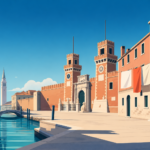 Castello, Venice at its widest: a walk among the Arsenale, hanging laundry and everyday campiA slow itinerary in Venice’s largest sestiere, among the Arsenale, fondamenta, laundry and inhabited campi.
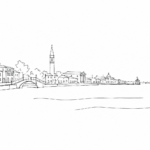 Riva degli Schiavoni: reading the ancient port behind the most photographed promenadeAn urban reading of the Riva degli Schiavoni: landings, palaces, mercantile memory and a slow gaze between San Marco and Castello.
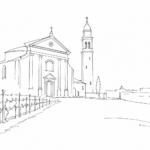 San Francesco della Vigna: vineyards, proportions and silence at the far end of CastelloOutline on the history, vineyards, architecture and urban quiet of San Francesco della Vigna.