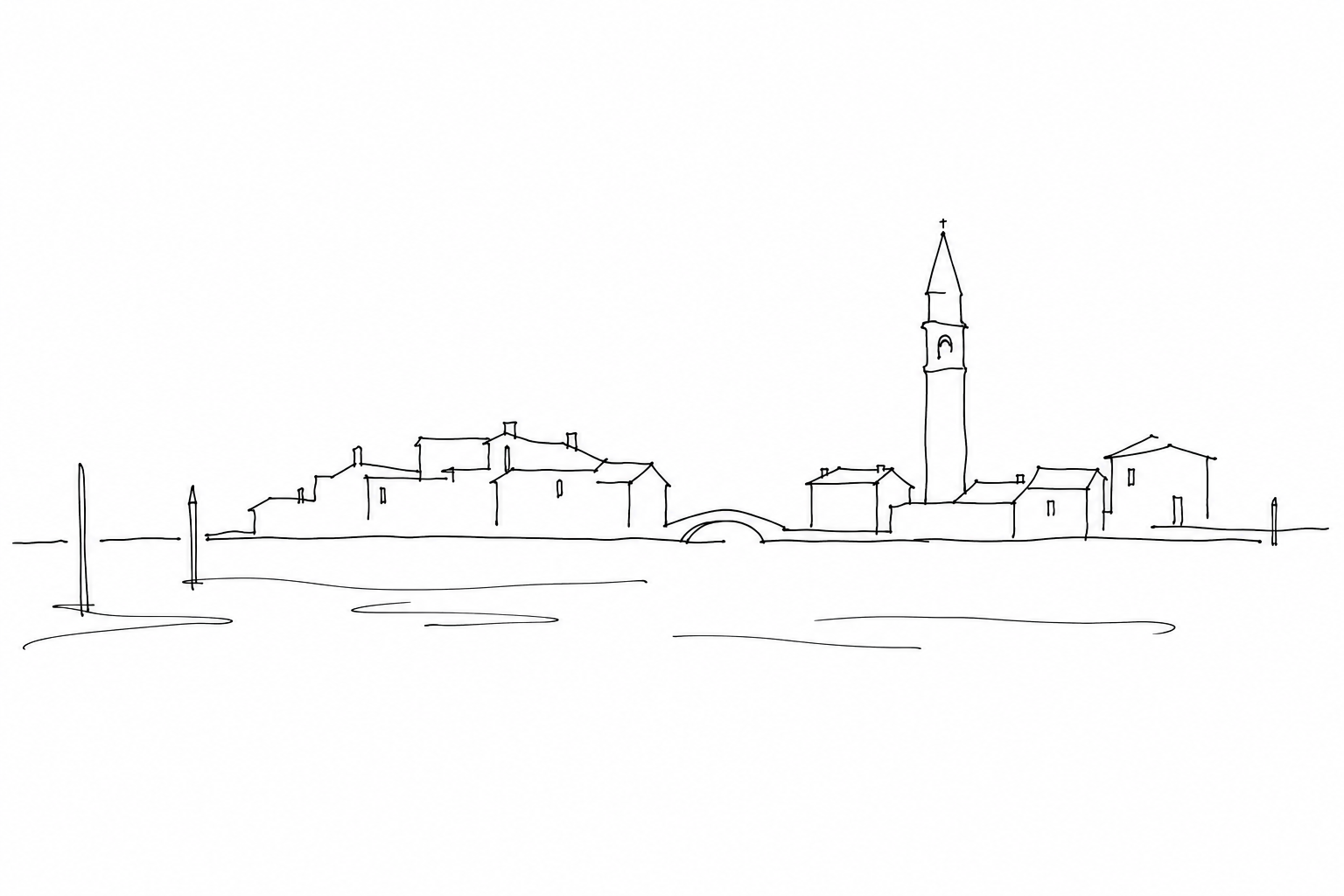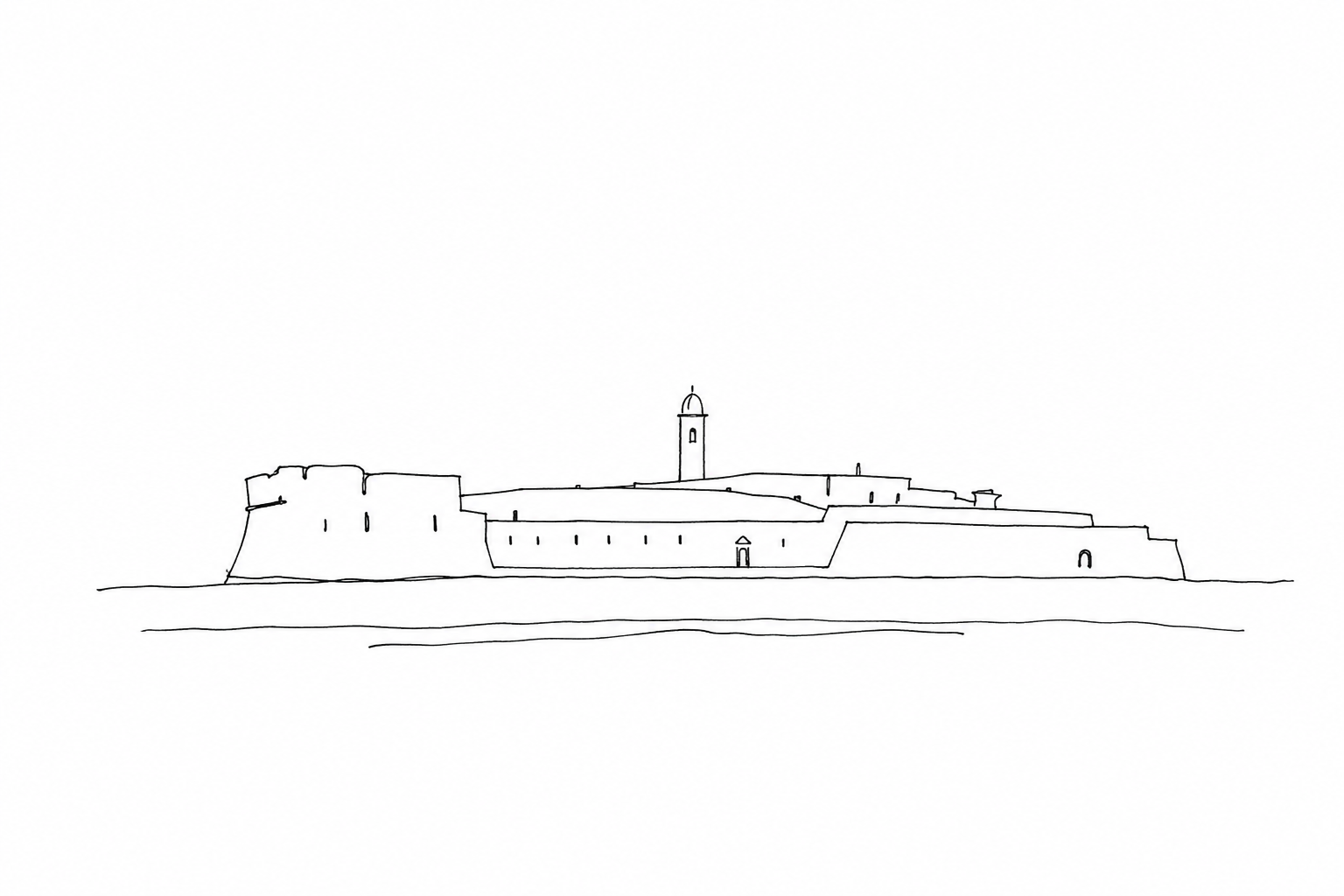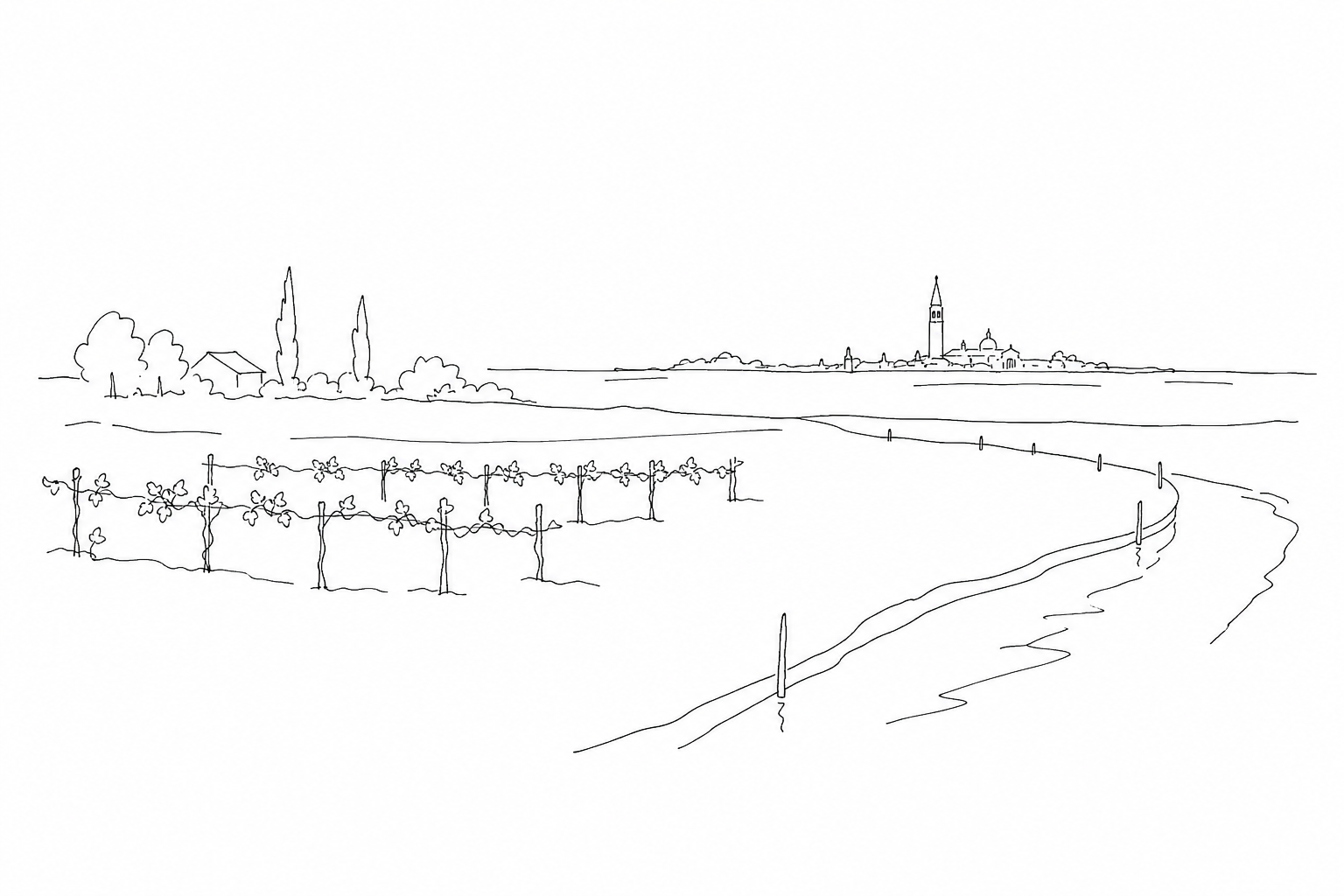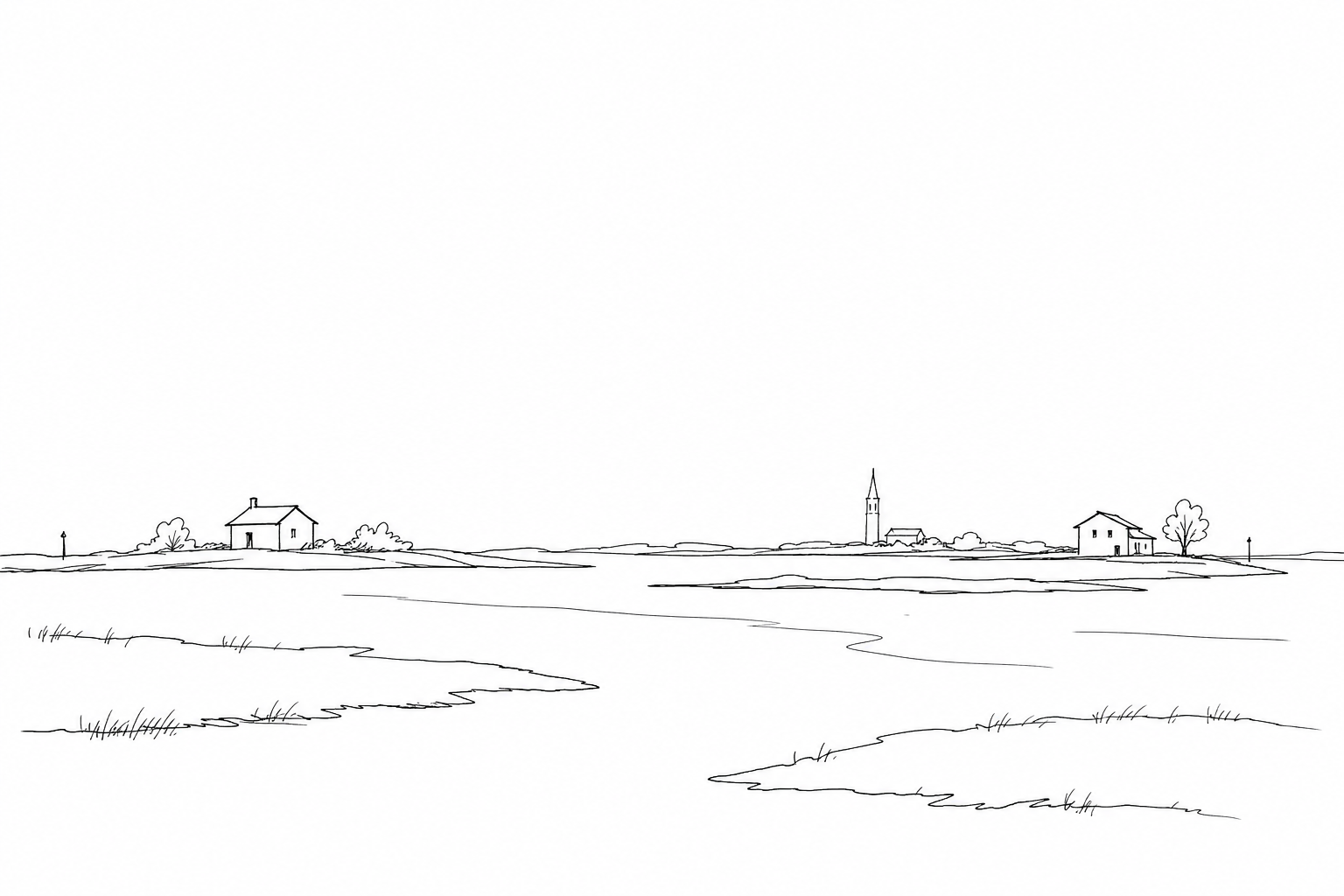
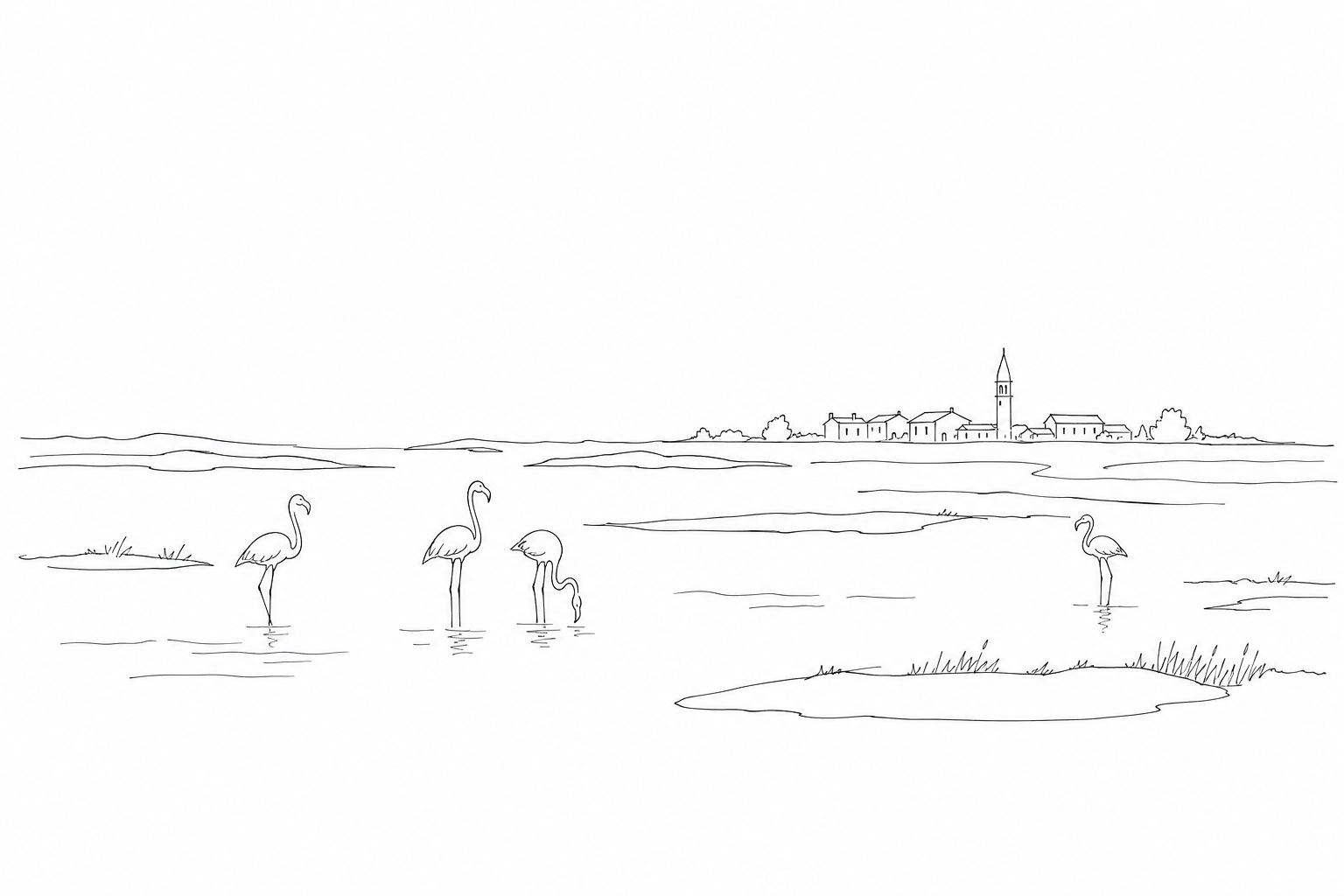
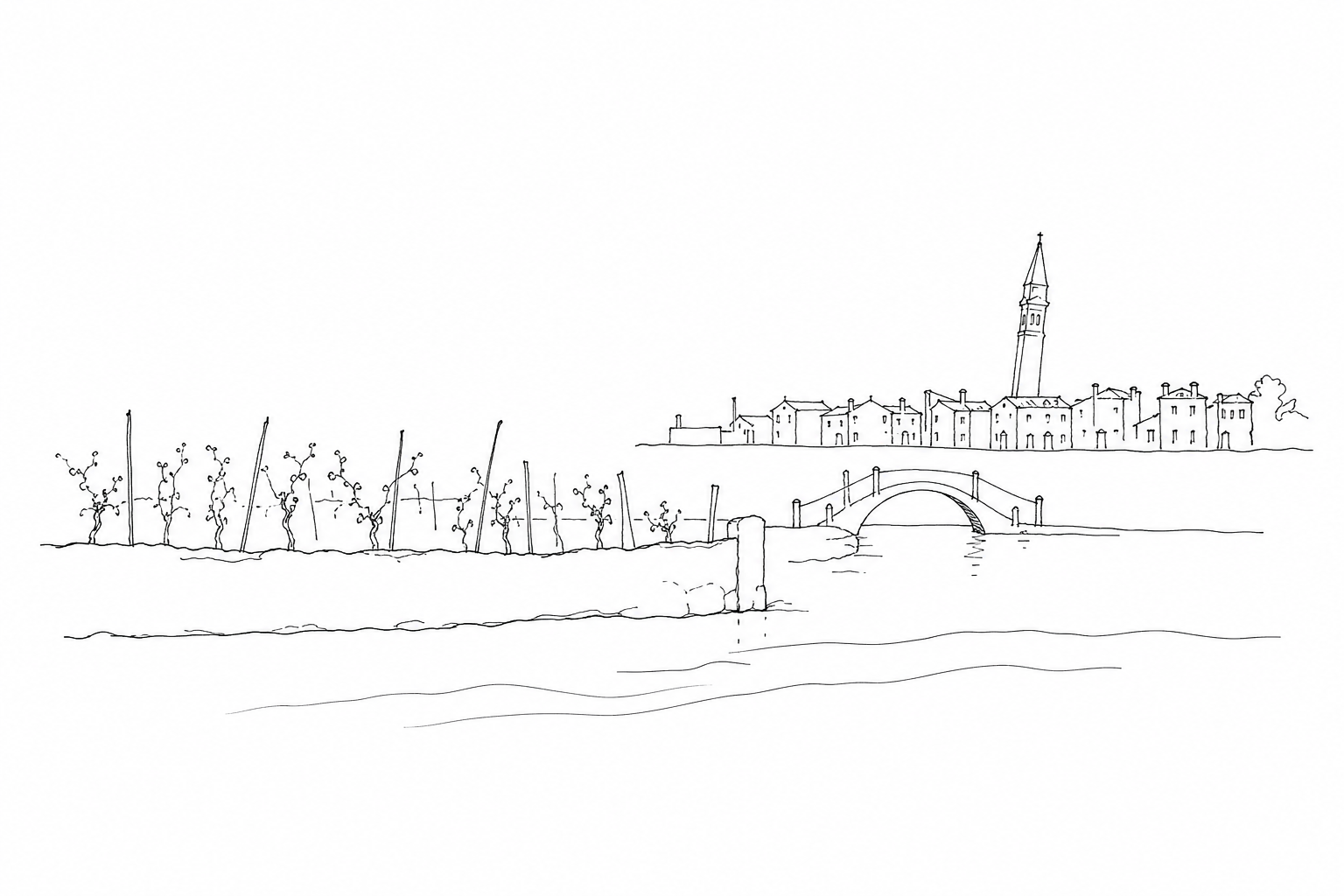
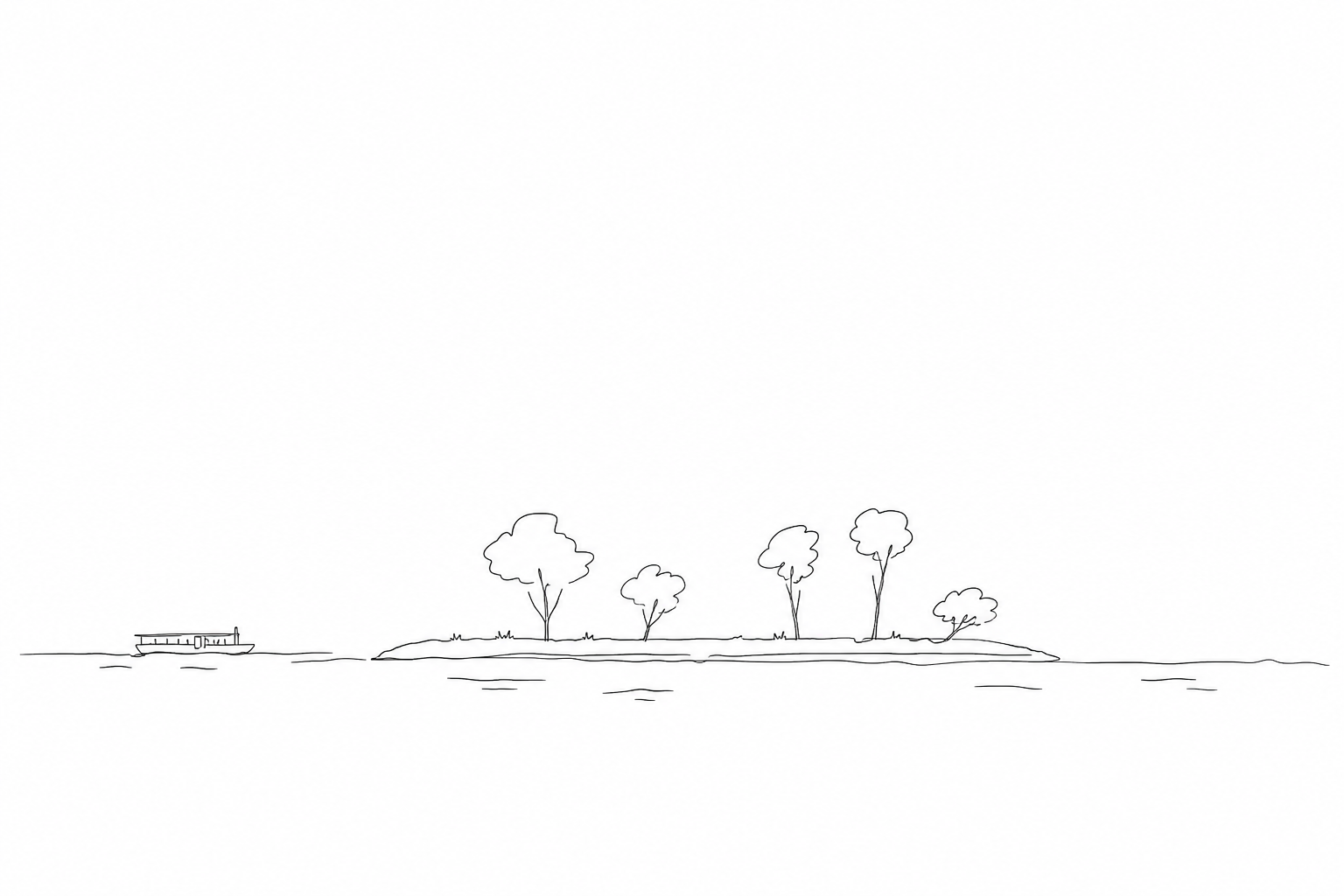

La Certosa is one of those islands that enter the field of vision for a few seconds, between one vaporetto stop and the next, and then disappear behind a line of trees, jetties and shallow waters. Yet precisely this suspended position between Castello, Sant’Elena and the northern lagoon tells a less immediate part of Venice: not monumental, not scenic, but layered. Carthusian monastery, military area, green space in transformation, today the island preserves discreet traces that call for a slower gaze.
Where La Certosa is and why it escapes notice from the vaporetto
La Certosa is one of the islands closest to Venice and, for this very reason, one of the easiest to underestimate. It lies northeast of Castello, in front of the Sant’Elena area, in the stretch of water that leads toward the Vignole, Sant’Erasmo and the northern lagoon. It is not a distant backdrop: it is almost a green edge of the city, separated from the urban fabric by canals and expanses of water that are nevertheless enough to completely change its rhythm.
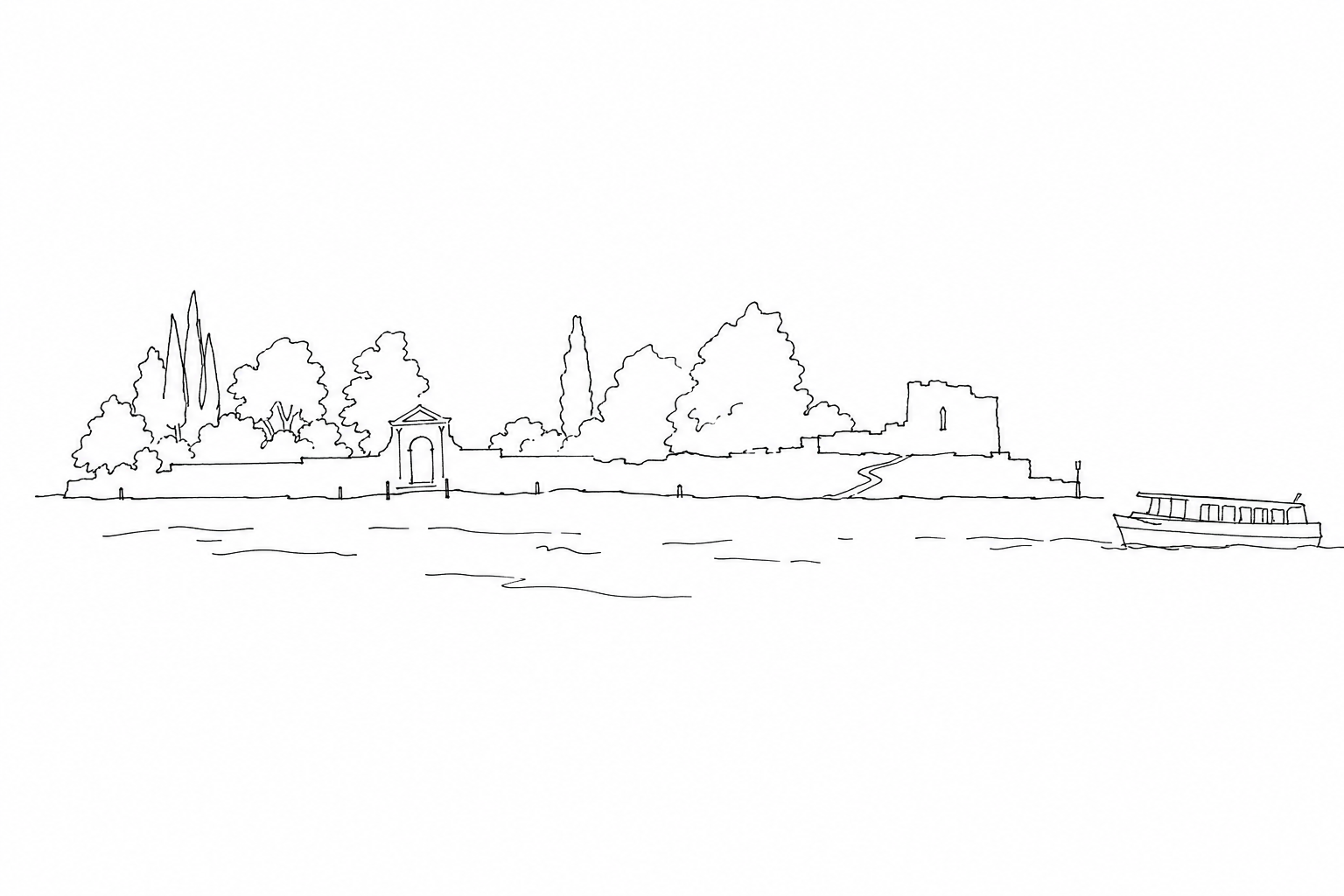
From the vaporetto it often appears as a low line of trees, jetties and nautical masts, without bell towers or monumental façades capable of attracting the eye. Its identity remains hidden because the island is flat, vegetal, not very scenic from afar: the park, the historic remains and the internal spaces cannot be read from the boat’s run. Those who see it in passing catch its profile; La Certosa, instead, is understood by entering its secluded geography.
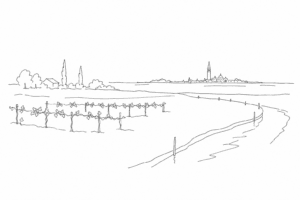
From the Carthusian monastery to military uses
La Certosa did not begin as a simple green edge of the city. Its name preserves the period when the island was linked to the Carthusian monks, who arrived in the fifteenth century in a place already marked by earlier religious presences. The choice was not accidental: close enough to Venice to remain within its orbit, but separated by water enough to favor enclosure, silence, vegetable gardens and work spaces.
What remains of the monastic complex cannot be read continuously as in other lagoon sites. The Napoleonic suppressions of the early nineteenth century interrupted religious life and opened a different phase: the island passed to military functions, with depots, service structures and controlled areas. This change of use explains why today the place appears layered, rather than monumental in the traditional sense.
Looking at it from the vaporetto means losing precisely this depth: behind the greenery there is not only spontaneous nature, but a sequence of Venetian transformations, from monastic retreat to military logistics, up to the current landscape of remains, paths and empty spaces.
What can be read today while walking
Today La Certosa is understood above all at a slow pace, observing the changes in ground and edge. The wooded areas do not erase the previous structure: among clearings, low fences, quays and service buildings one can still recognize a functional layout, closer to logistics than to an ornamental garden.
The side facing Castello maintains a visual relationship with Sant’Elena and with the built city; moving north, instead, the horizon opens onto the minor lagoon, the Vignole and the low profiles of the salt marshes. This double outlook is one of the most useful details for reading the place: on one side compact Venice, on the other a more fragmented waterscape.
While walking, it is worth noting three elements. The first are the empty spaces, often more eloquent than the surviving buildings. The second is the vegetation, which alternates spontaneous growth and tended areas. The third is the water’s edge, where landing places, canals and shores recall that this strip is not an isolated park, but a hinge between urban navigation, military memory and the northern lagoon.
How to include it in a slow walk
La Certosa works well not as a stop to “tick off,” but as a detour that changes the rhythm of a walk begun in Castello. A sensible itinerary can begin in the area of San Pietro di Castello, where the city becomes more sparse, pass through Sant’Elena and then reach the landing place by checking connections and updated conditions in advance. In this way the short transfer over the water becomes part of the reading: one leaves the compact urban fabric and arrives in a marginal place.
- Keep free time. It is better to plan a generous stop, without counting only the minutes of travel: the sense of the place lies in the passages between shores, trees, dock and traces of military use.
- Walk in a loop. Where the paths allow it, it is worth following the edge and then returning through the internal areas, so that open water, technical spaces and clearings can be compared.
- Read the distances. Looking toward Sant’Elena, the Vignole and Sant’Erasmo, one understands that this is not a remote extra, but a threshold between city and archipelago.
Including La Certosa in a walk does not mean adding a “secret” stop to a list of places to see, but changing rhythm. Here Venice is observed from the side: in the grassy margins, in the remains of past functions, in the relationship between water, silence and everyday use of spaces. Arriving there after Castello or Sant’Elena helps one understand how much the lagoon is also made of interruptions, empty spaces and minor passages. It is an island to be read rather than consumed.
Related Posts
Parco delle Rimembranze: walking in Castello among trees, memory and the open lagoon
A slow route through the Parco delle Rimembranze, among Sant'Elena, commemorative trees and the lagoon horizon.Le Vignole: vegetable gardens, vineyards and a rural Venice just minutes from the Fondamente Nove
A quiet island in the northern lagoon, among vegetable gardens, vineyards, canals and military history, close to the Fondamente Nove.
Parco San Giuliano: looking at Venice from the mainland without feeling outside history
A route through the park in Mestre overlooking the lagoon, where Venice can be read from afar but remains part of the same urban history.Questions Answered
Where is La Certosa located in relation to Venice?
It lies northeast of Castello, near Sant’Elena, close to the northern lagoon.Why does La Certosa often go unnoticed from the vaporetto?
Because it has a flat, vegetated profile lacking monumental features visible from the boat.What historical phases has La Certosa undergone?
From a Carthusian monastery to military functions after Napoleonic suppressions.How is La Certosa best experienced today?
By walking slowly to observe its layered landscape, empty spaces, vegetation, and water edges.
Inside the Venice of Castello
Would you like to connect this story with places showing the district’s maritime and lived-in character?
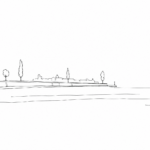 Riva dei Sette Martiri: a Castello walk among memory, trees and open lagoonA slow guide to Riva dei Sette Martiri, among historical memory, trees, Castello houses and views of the lagoon.
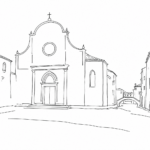 San Giovanni in Bragora: Vivaldi’s baptism and the quiet of Castello away from the large crowdsHistory, art and atmosphere of San Giovanni in Bragora, a church in Castello linked to Vivaldi’s baptism.
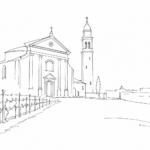 San Francesco della Vigna: vineyards, proportions and silence at the far end of CastelloOutline on the history, vineyards, architecture and urban quiet of San Francesco della Vigna.
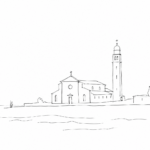 San Pietro di Castello: the ancient forgotten cathedral on the margins of the most visited VeniceHistory, architecture and urban context of San Pietro di Castello, the former Venetian cathedral far from the flow of San Marco.