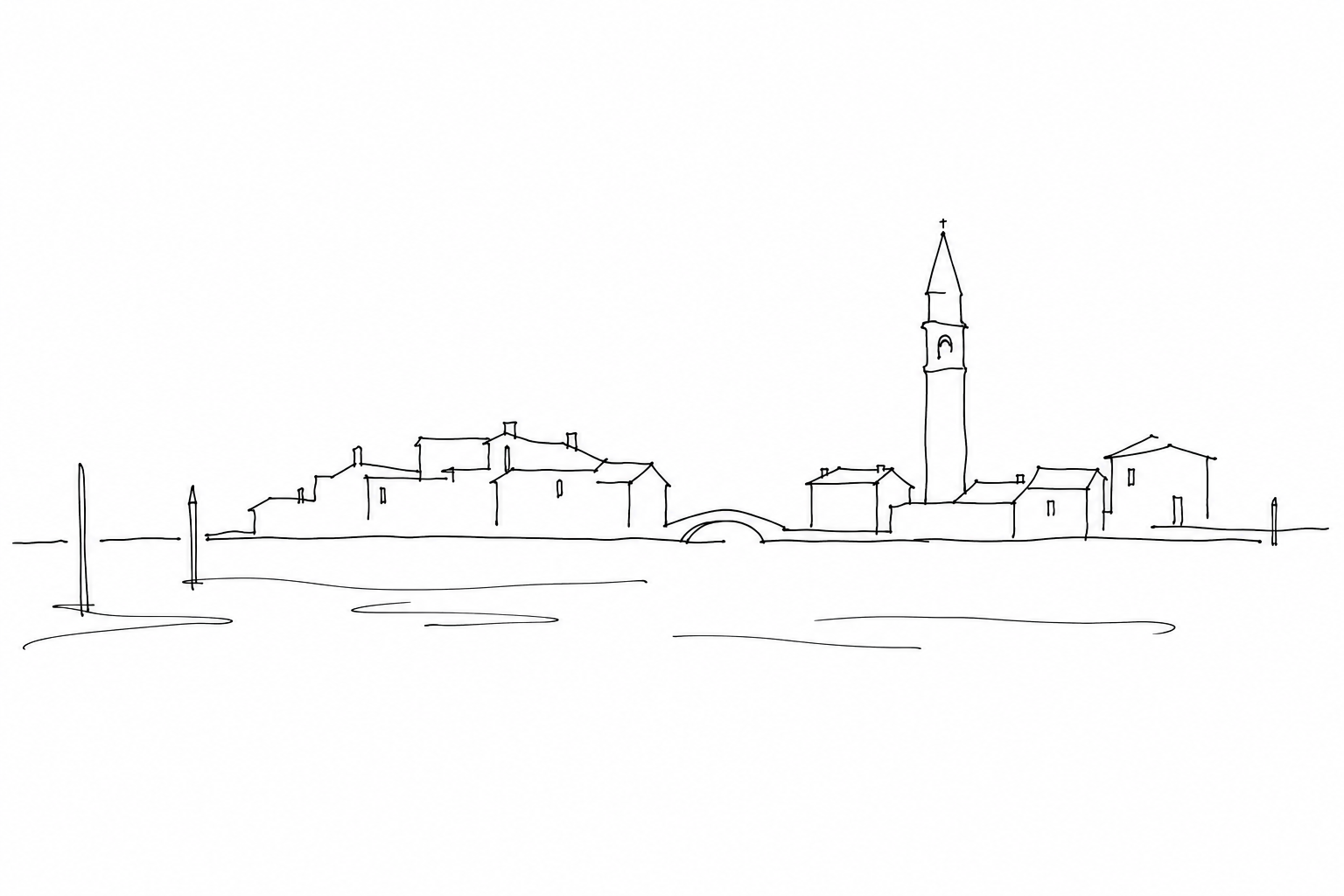

Malamocco, on the Lido, is one of those places where Venice seems to appear from the side, before its better-known image. A few calli, intimate campielli, low houses, a fondamenta overlooking the internal water: the village preserves a different urban measure, quieter and more legible. Here the past is not only atmosphere, but concrete stratification: Metamauco was a political and ducal center before the city’s center of gravity shifted toward Rialto. Walking through it today means observing an earlier Venice, lagoon-based and everyday, where history, minor architecture and ordinary life still remain close together.
Why Malamocco seems like a Venice before Venice
Malamocco, on the Lido, is not only a secluded village in the lagoon: it is one of the places where one can sense the phase preceding the Venice of Rialto. In medieval sources the name appears as Metamaucum, a lagoon center that in the 8th century became the ducal seat after Eraclea, before power stabilized in the Rialto area. This historical sequence explains the impression of being faced with an older Venice, less monumental and more compact, linked to the water, to defense and to the balances between the Adriatic Sea and the lagoon.
The present-day village preserves a small scale: short calli, silent campi, low houses, landing places and canals that tell of a lagoon life different from that of the great Venetian tourist routes. Even though the ancient settlement of Metamaucum does not entirely coincide with today’s inhabited area, Malamocco preserves the memory of that original role. Here the history of Venice does not begin with palaces and basilicas, but with island communities, waterways and political choices born in a fragile environment.
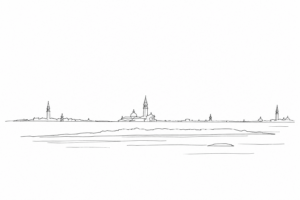
Metamauco: the ducal center before the move to Rialto
Before Rialto became the political fulcrum of the lagoon, the decisive name was Metamauco, the ancient form linked to Malamocco. Medieval sources remember it as a ducal seat between the 8th and 9th centuries, after the phase of Eraclea and before the stabilization in the heart of the Rialto archipelago. It should not be imagined as a compact capital in the modern sense: it was rather a command center within a system of islands, canals, landing places and autonomous communities.
Its importance came from its position. Located on the edge of the Lido, Metamauco controlled one of the passages between the Adriatic Sea and the inner lagoon, therefore a sensitive point for trade, defense and relations with the Byzantine Empire and with the powers of the mainland. Here the figure of the doge had an operational base, but still had to contend with local families, assemblies and fragile environmental balances.
The move toward Rialto, which took place after the tensions and attacks of the early 9th century, did not erase that past. On the contrary, it makes Malamocco precious: the present-day village preserves the name and the echo of an older settlement, partly transformed by erosion, storm surges and changes in the coastline.
What to read among calli, campielli and fondamente
To understand Malamocco, it is not enough to look for an isolated monument: it is better to observe the small layout of its streets. The narrow calli, intimate campielli and fondamente along the canals tell of an inhabited area born for the water, but regulated by very concrete civic spaces.
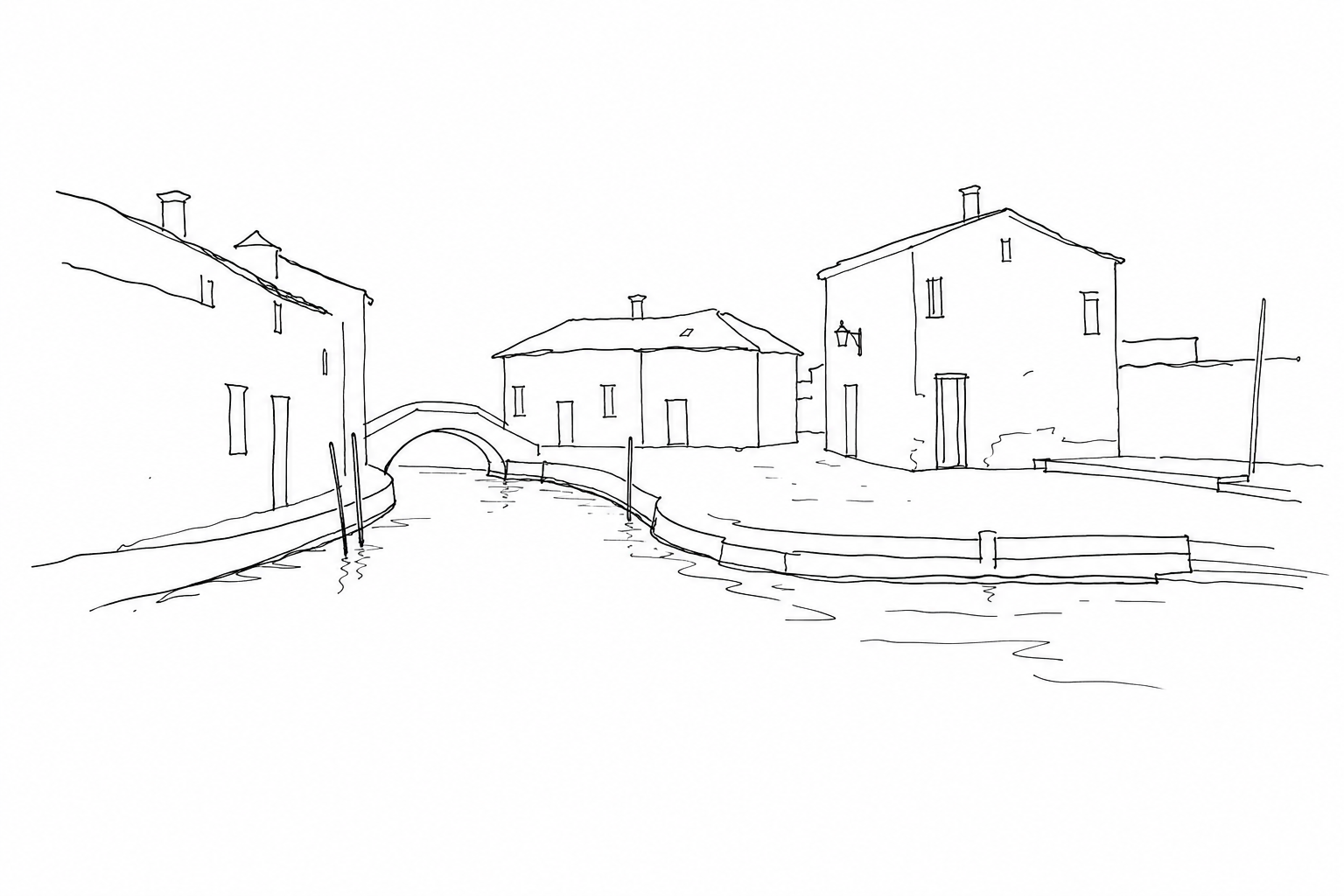
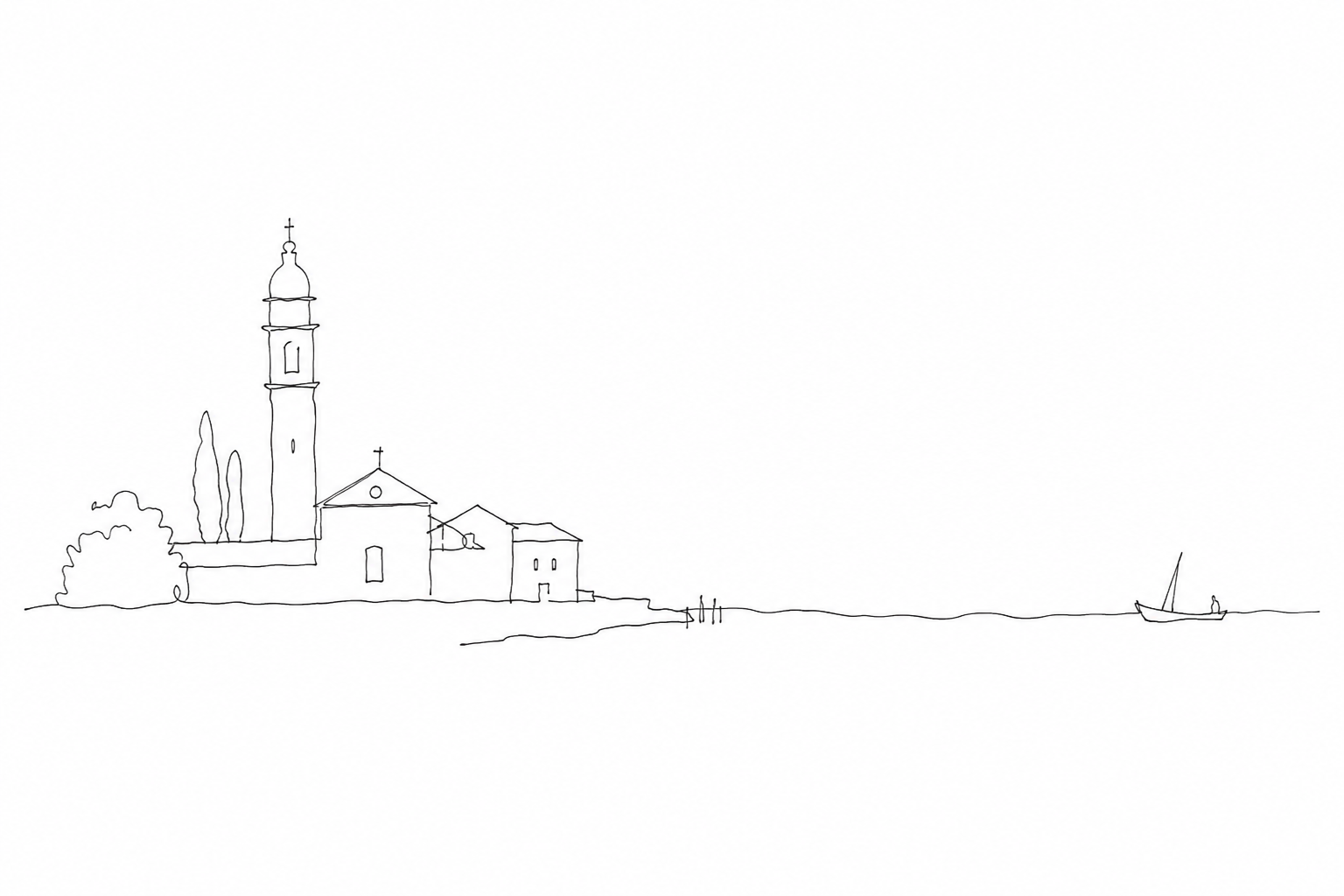
One point of interpretation is the area of the church of Santa Maria Assunta, where the relationship between sacred building, square and surrounding houses restores the scale of a compact lagoon community. Not far away, the Palazzo del Podestà recalls the presence of a local administration: not a vanished capital to be imagined in the abstract, but a place with offices, justice, representation and control of the territory.
- The fondamente show the daily connection with landing places, rii and waterways.
- The campielli, often irregular, function as open-air rooms, more domestic than scenic.
- The facades simple, with closely spaced openings and masonry adapted over time, speak of continuity of use more than of grand decoration.
The key is to read the proportions: here ancient memory survives in the measure of the spaces, in the closeness between dwellings, worship and government, and in the way every route still seems to dialogue with the lagoon.
How to include it in a slow walk on the Lido
To give meaning to the visit, it is best to arrive in Malamocco without hurry and treat it as a stage of interpretation, not as a quick detour. An effective sequence starts from the edge toward the water, enters the calli, reaches the main campo and then returns toward the fondamente: in this way one perceives the relationship between landing place, houses, church and civic seats.
During the route, observe three stable elements: the orientation of the streets in relation to the lagoon surface, the low scale of the buildings and the presence of small but central public spaces. The church of Santa Maria Assunta and the Palazzo del Podestà help to understand how the settlement preserves an autonomous administrative and religious memory, preceding the full centrality of Rialto.
If you wish to enter buildings or courtyards, always check the updated conditions; otherwise, the best reading remains outdoors, step by step.
Including Malamocco in a slow walk on the Lido allows one to read Venice from a less frontal and deeper perspective. It is not a detour to be filled quickly, but a small urban fabric to cross with attention: the traces of ancient Metamauco, the voids of the campielli, the simple facades, the continuous relationship with the lagoon. In a short itinerary it can become a meaningful pause, capable of connecting historical memory and everyday present without forcing. It is here that the Lido stops being only beach or landing place and shows one of its oldest roots.
Related Posts
Treporti and the thin islands: understanding the lagoon by looking at the borderlands
A slow journey through Treporti, salt marshes, fishing valleys and lagoon margins to read Venice from its thinnest border.Barene and velme: the words of the lagoon that explain why Venice is not only stone
A lagoon vocabulary for reading Venice beyond calli and palaces: what barene and velme are, how they change with the tide and why they matter.
Torcello Without Hurrying: What Remains of the First Venice When the Noise Disappears
A slow itinerary on Torcello among lagoon origins, mosaics, isolated stones and silences that help read the first Venice.Questions Answered
What is the historical significance of Malamocco in Venice's development?
It was the ducal seat before Rialto became the political center.How does Malamocco's architecture reflect its past?
Small streets, intimate campielli, and simple facades show a quiet lagoon life.Why was Malamocco strategically important?
It controlled a key passage between the Adriatic Sea and the lagoon.How should one approach visiting Malamocco?
By taking a slow walk that highlights its connection to water and history.
Keep moving along the Lido
Want to move from beaches and villages to stories linking this island with the lagoon and the sea?
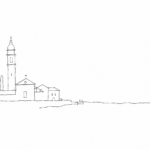 San Nicolò del Lido: monks, departures by sea and the ceremonial side of the lagoonHistory and interpretation of San Nicolò del Lido: monastery, church, harbor entrance, naval departures and public rituals of lagoon Venice.
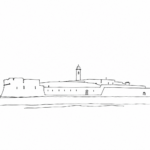 Sant’Andrea and Sanmicheli’s fort: the military gate of the lagoon that controlled the seaHistory, architecture and interpretation of the fort of Sant’Andrea, a lagoon outpost designed by Michele Sanmicheli.
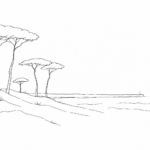 Alberoni: dunes, oasis and the lagoon where the Lido stops being fashionableAn editorial guide to Alberoni, among protected dunes, pine forest, breakwater and the lagoon edge of the Lido.
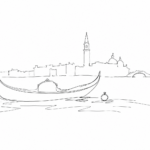 The Festa della Sensa: the marriage of the sea explained without rhetoricWhat the Sensa celebrates, where the marriage of the sea takes place and why it still matters.