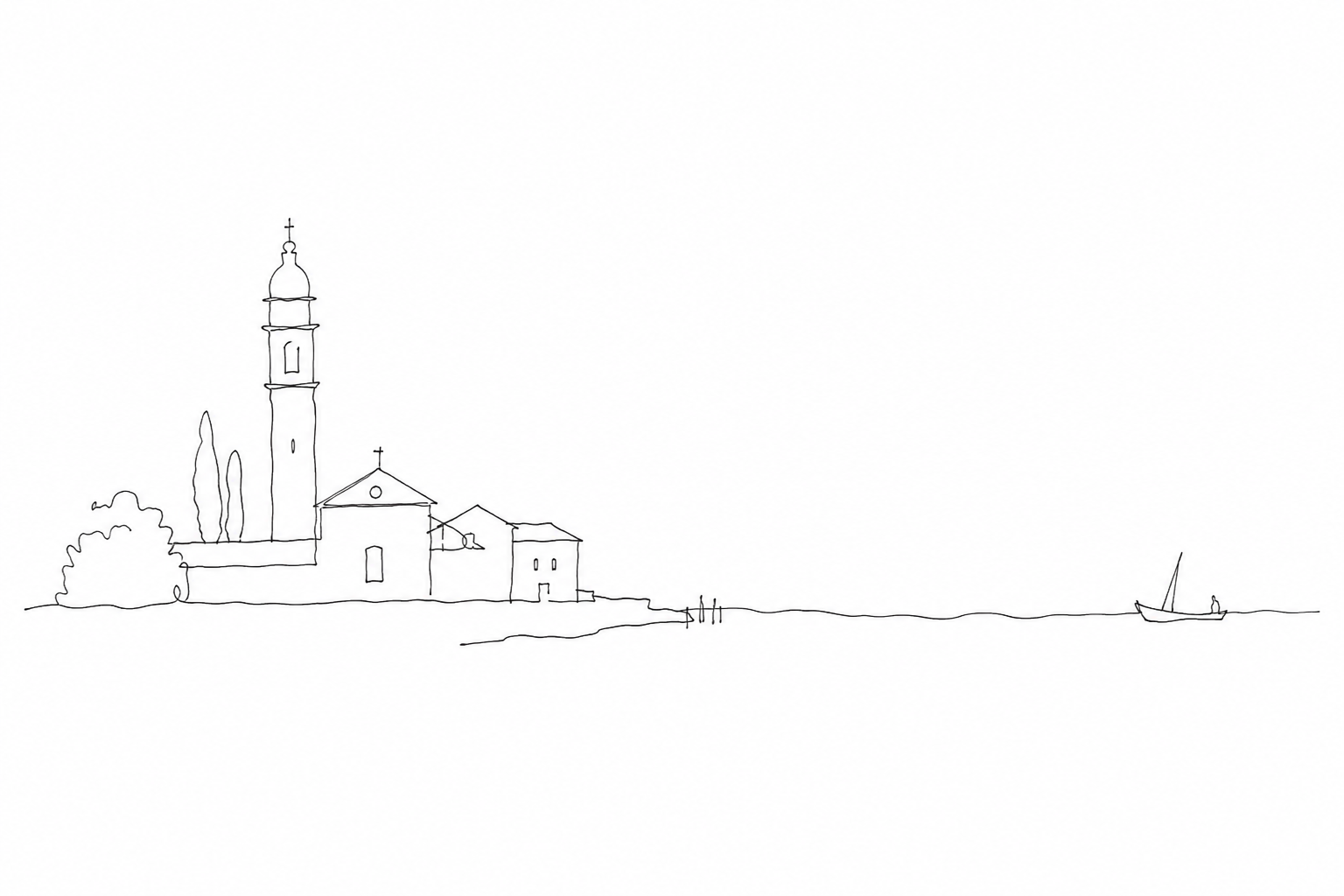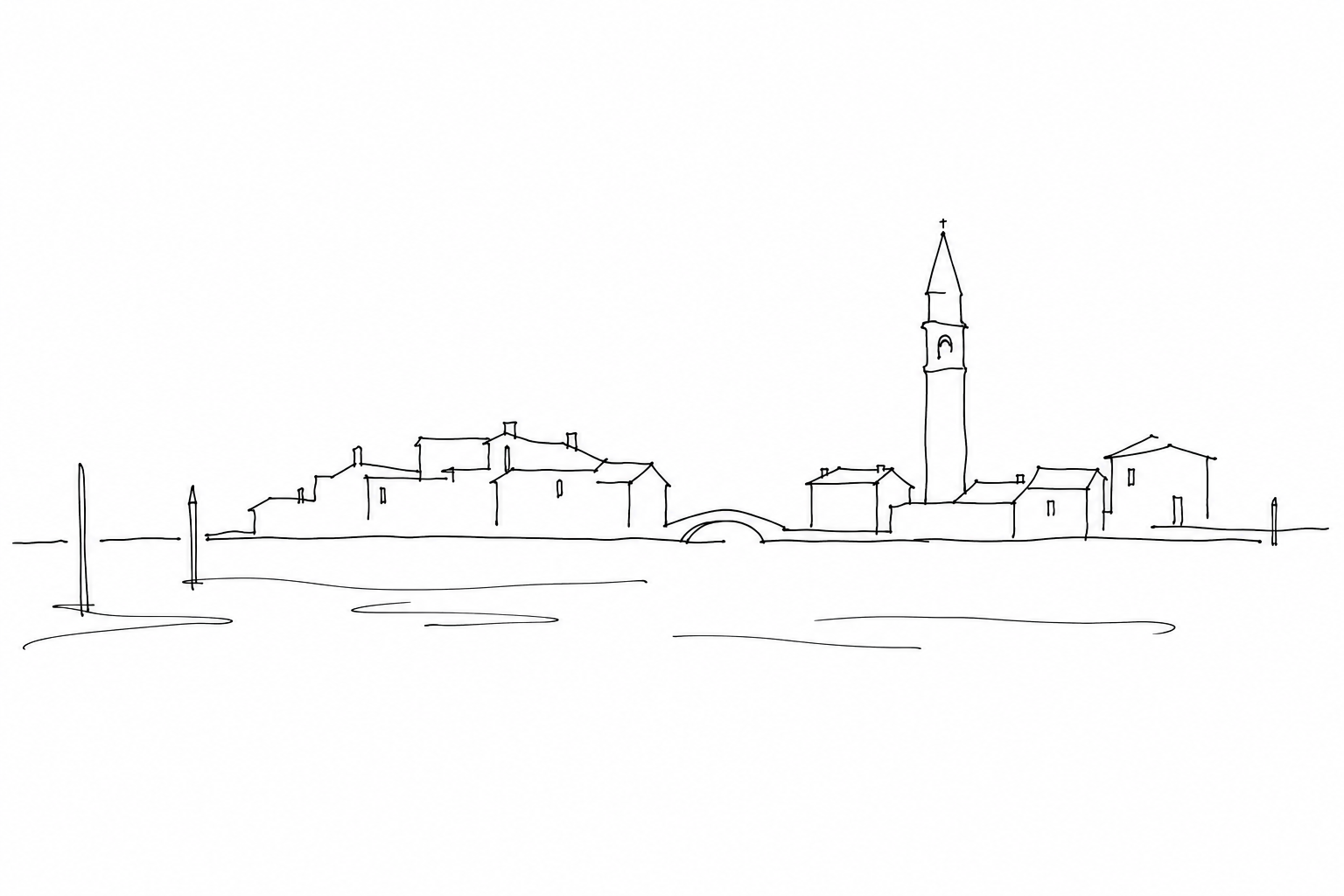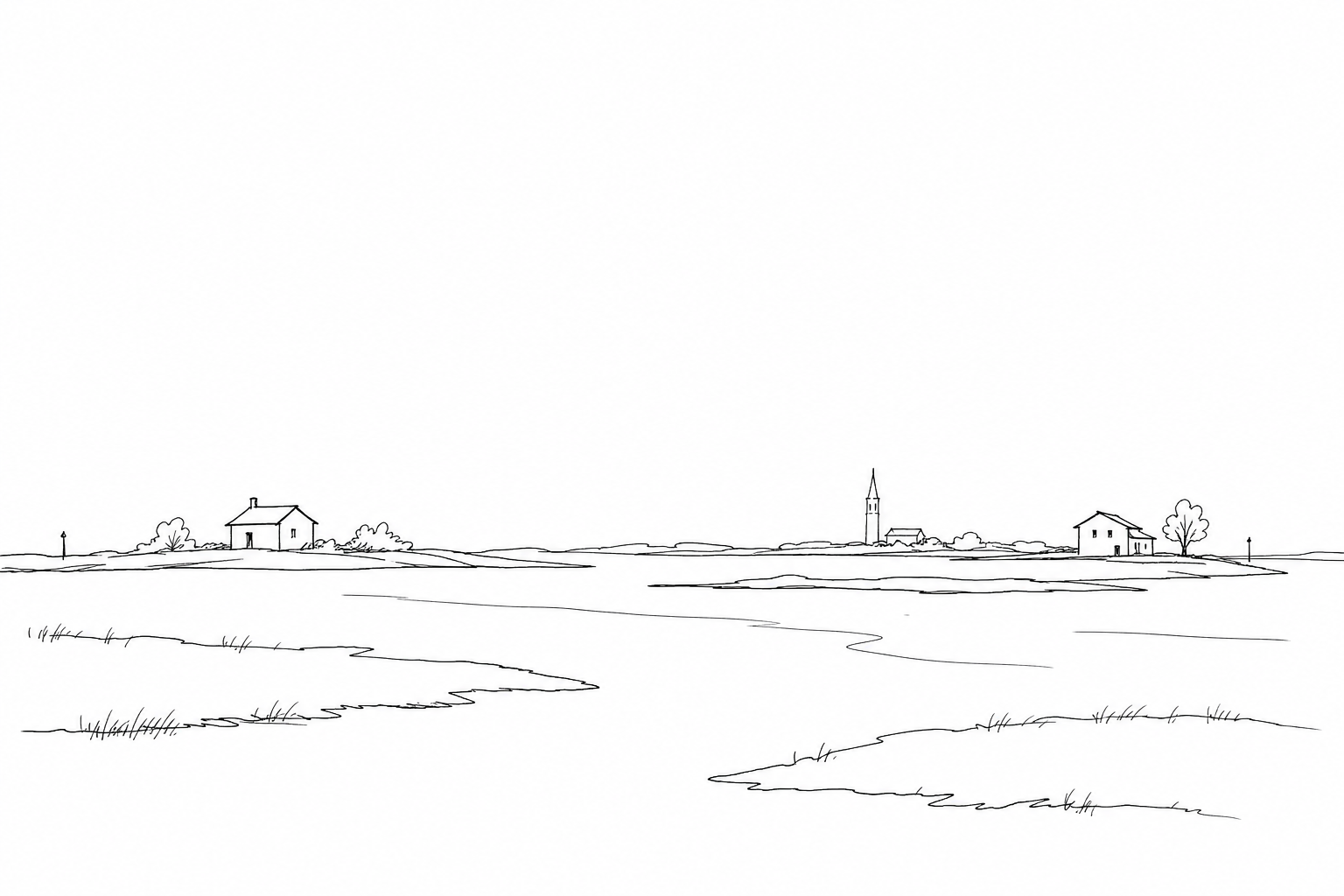
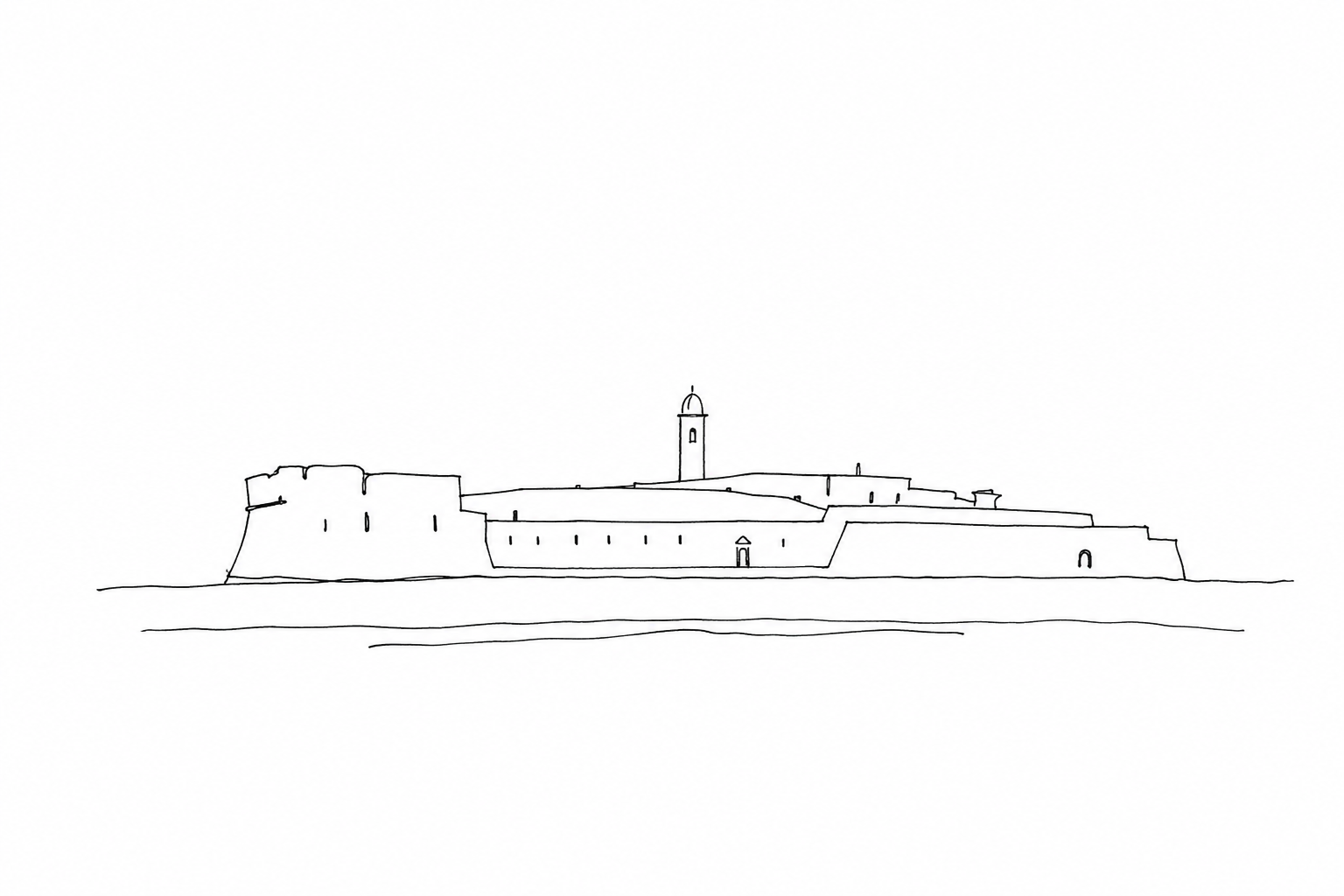

At the eastern end of the lagoon, Sant’Andrea is not just an island nor merely a fort: it is the point where Venice transformed water into a line of control. Here the Adriatic Sea entered toward the city and here, in the sixteenth century, the military architecture of Michele Sanmicheli gave shape to an armed threshold, low, compact, designed to speak with cannons, currents and distances. Looking at the fort means reading a less decorative and more strategic Venice, capable of defending its commercial, political and urban balance through works built at the margins, where beauty coincided with the precision of function.
An armed threshold between the Adriatic and Venice
Sant’Andrea occupies a decisive point in the lagoon: the Lido harbor mouth, the passage through which ships coming from the Adriatic could approach the political and commercial heart of Venice. For this reason, the fort designed by Michele Sanmicheli in the 16th century was not conceived as a simple isolated outpost, but as a true military gate: anyone entering from the sea passed under the visual and ballistic control of the Republic.
The position made it possible to watch over the navigable channel, distinguish authorized traffic from possible threats and, in the event of an attack, strike vessels before they reached the Basin of San Marco. The architecture responded to this function: low masses, robust fronts, artillery oriented toward the water and a scenic but severe presence, calibrated to the lagoon landscape.
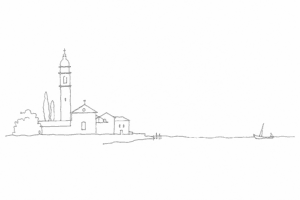
The fort of Sant’Andrea therefore transformed a natural threshold into a political and defensive device: it did not close Venice off from the sea, but established who could cross it.
Michele Sanmicheli and the new Venetian defense
The fort of Sant’Andrea is linked to the name of Michele Sanmicheli, a Veronese architect in the service of the Republic of Venice and a specialist in modern fortifications. In the height of the sixteenth century, when artillery had changed the way of fighting, Venice could no longer rely only on high walls and isolated towers: low, solid structures were needed, capable of absorbing blows and responding with batteries arranged in a rational way.
Sanmicheli interpreted this need with a design conceived for controlling the Lido harbor mouth. The construction, begun in the 16th century, was not a simple local outpost: it belonged to a broader defensive system, which protected the maritime capital of the Serenissima and regulated access to its internal waters.
The strength of the fort lay in the combination of architecture and position. The massive walls, the platforms for cannons and the layout facing the channel transformed Sant’Andrea into a military machine calibrated to artillery fire. Sanmicheli thus gave the lagoon a fortified gate, modern and monumental, where military technique also became an image of state authority.
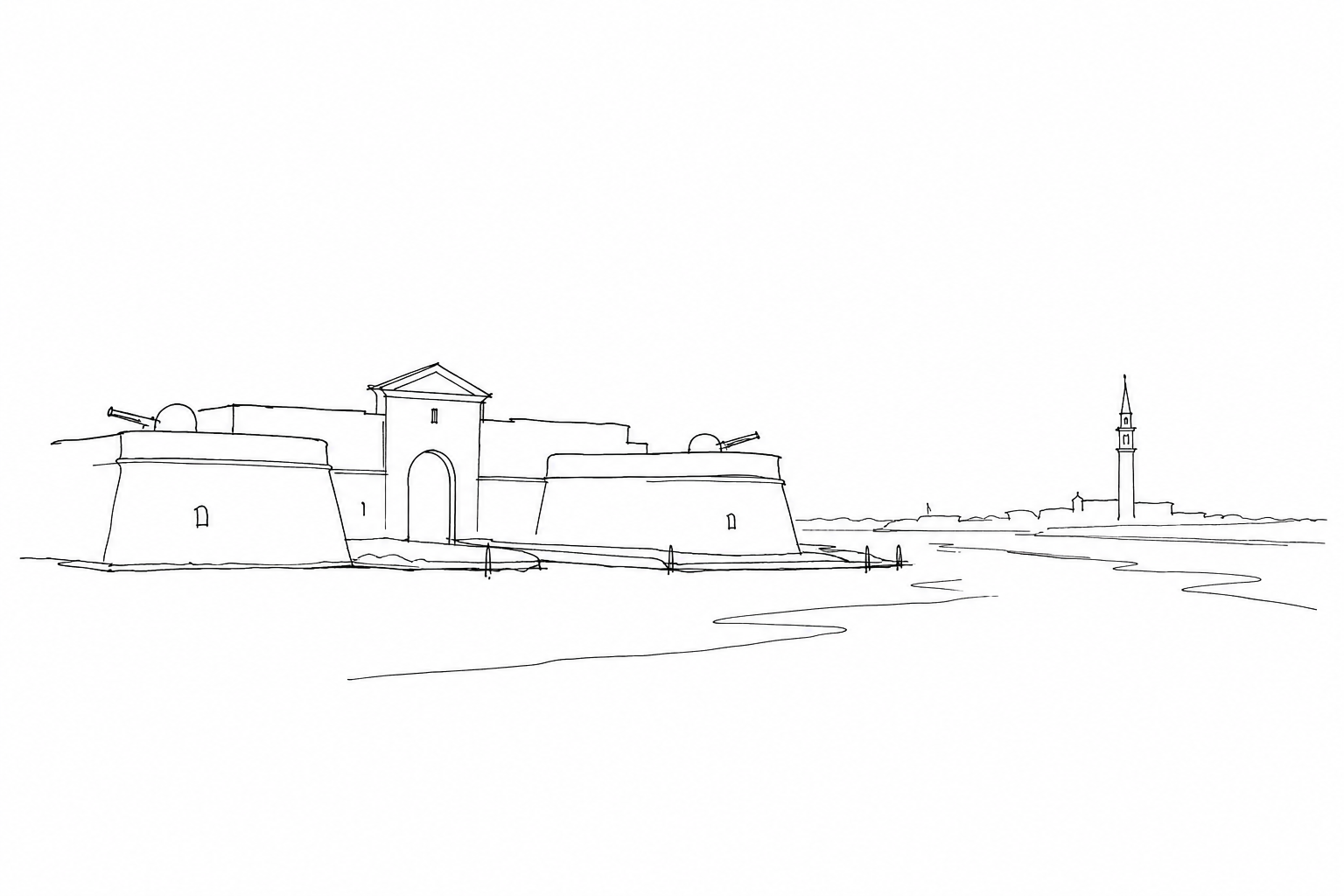
How to read the fort: low walls, water and cannons
The structure should be observed almost at water level. It does not seek the verticality of medieval castles: it lowers the profile, widens the thicknesses and transforms the shore into a firing platform. This choice responds to sixteenth-century warfare, when artillery made slender towers and high walls vulnerable.
The front facing the Lido harbor mouth is designed to strike ships before they enter the lagoon basin. The gun ports and positions were not meant to impress from afar, but to create a grazing line of fire, close to the sea surface. Water thus became part of the defensive work: channel, natural moat and obligatory maneuvering space for those arriving from the Adriatic.
The compact and horizontal wall mass absorbed blows better; the angles and flanks allowed crossfire, coordinated with the defenses on the other shore of the entrance. Reading it in this way means seeing a military machine: not an isolated building, but a device calibrated to distances, trajectories, reloading times and visual control of the sea.
Memory, landscape and mindful visiting
Today Sant’Andrea is better understood by observing the landscape even before the stones. The Lido harbor mouth was not only a geographical passage: it was the point where a ship passed from the open sea into the space controlled by the Serenissima. For this reason, the fort designed by Sanmicheli should be read as a threshold, at once defense, warning and declaration of authority.
Those who look at it from the water can seek three clues: the alignment toward the entrance channel, the relationship with nearby islands, such as Vignole and Certosa, and the low level of the walls, designed to blend with the lagoon horizon. It is not a scenic ruin, but a document of maritime strategy.
To interpret it without forcing it, it is advisable to use a historical chart or a nautical map, distinguish the original parts from later adaptations and remember that access, conditions and permits can change: before planning a close-up visit, it is prudent to verify updated information with official sources.
The fort of Sant’Andrea invites you to observe the lagoon at a different pace: not as a picturesque backdrop, but as a space built, watched over and interpreted over the centuries. Its low walls, its relationship with the water and its position at the harbor mouth tell of a Venice as attentive to its borders as to the palaces of the center. A mindful visit, even only from afar or along a boat itinerary, makes it possible to recognize this military geography still legible in the landscape. Sant’Andrea thus remains a silent gate, essential for understanding how the city governed the sea even before celebrating it.
Related Posts
Forte Marghera: the green threshold between Mestre, the lagoon and military memory
Editorial guide to Forte Marghera: history, green spaces, water and its role between central Mestre and the lagoon.San Nicolò del Lido: monks, departures by sea and the ceremonial side of the lagoon
History and interpretation of San Nicolò del Lido: monastery, church, harbor entrance, naval departures and public rituals of lagoon Venice.
The Venice Arsenal: the place where the Serenissima built its power
History, spaces and meaning of the Arsenal, the productive and military heart of maritime Venice.Questions Answered
What was the strategic role of Sant’Andrea fort in Venice?
It controlled sea access, monitoring and defending ships entering from the Adriatic.Who designed Sant’Andrea fort and what was innovative about it?
Michele Sanmicheli designed it using modern artillery-focused defensive architecture.How does the fort’s architecture respond to sixteenth-century warfare?
Low walls and thick masses absorb cannon fire and create strategic firing positions.How should visitors interpret the fort today?
As a defensive and political threshold integral to Venice’s maritime strategy and landscape.
The Lido beyond its fashionable image
Which other places reveal the island’s monasteries, villages and natural margins?
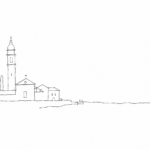 San Nicolò del Lido: monks, departures by sea and the ceremonial side of the lagoonHistory and interpretation of San Nicolò del Lido: monastery, church, harbor entrance, naval departures and public rituals of lagoon Venice.
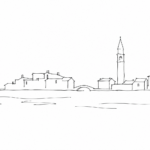 Malamocco on the Lido: the ancient village that recalls a Venice before VeniceHistory, places and urban reading of Malamocco, the village on the Lido linked to the oldest Venice.
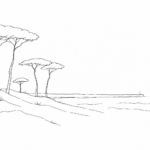 Alberoni: dunes, oasis and the lagoon where the Lido stops being fashionableAn editorial guide to Alberoni, among protected dunes, pine forest, breakwater and the lagoon edge of the Lido.
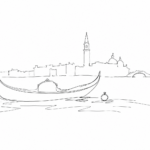 The Festa della Sensa: the marriage of the sea explained without rhetoricWhat the Sensa celebrates, where the marriage of the sea takes place and why it still matters.