
Campo San Polo is one of the largest and most recognizable spaces in Venice, but its strength does not lie only in its size. In the heart of the sestiere, it preserves the ambiguity typical of Venice’s most lived-in places: a campo and almost a piazza, an area of passage and rest, an open urban setting among church, palaces, trees and everyday routes. Its history spans very different uses, from popular festivals to public spectacles, up to the transformations that have made it today a breathing space within a dense and minute urban fabric.
A campo that seems like a piazza, in the heart of San Polo
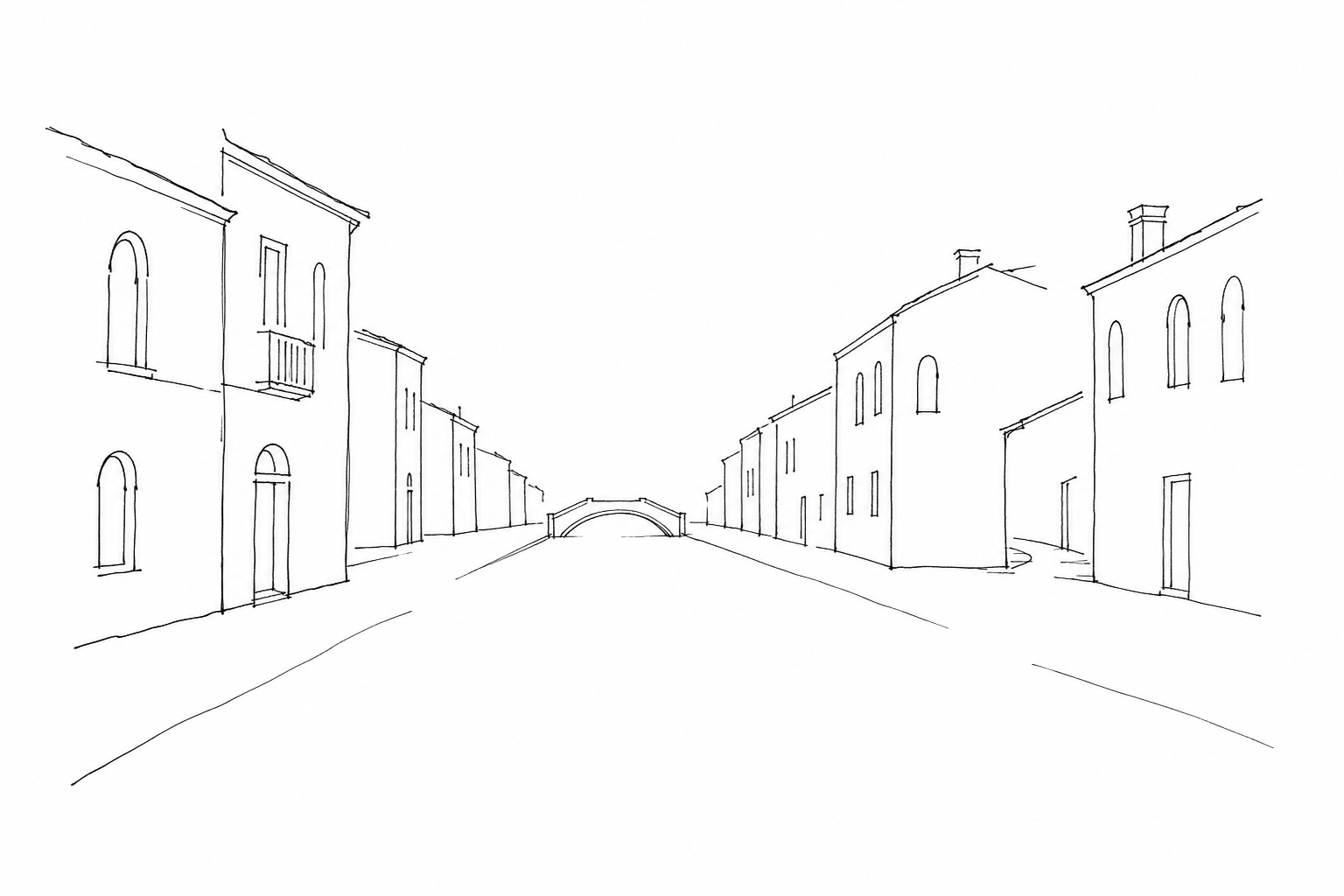
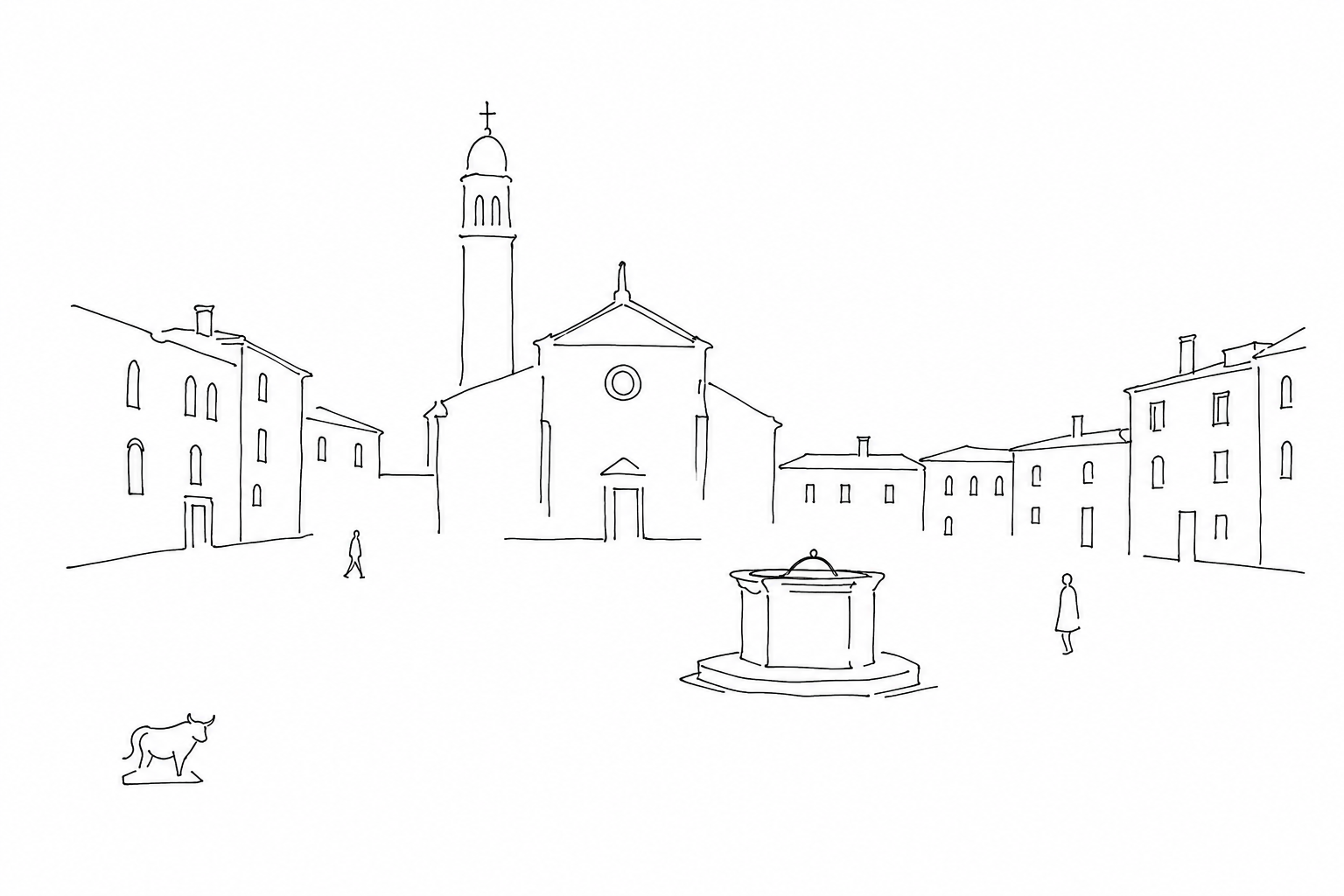
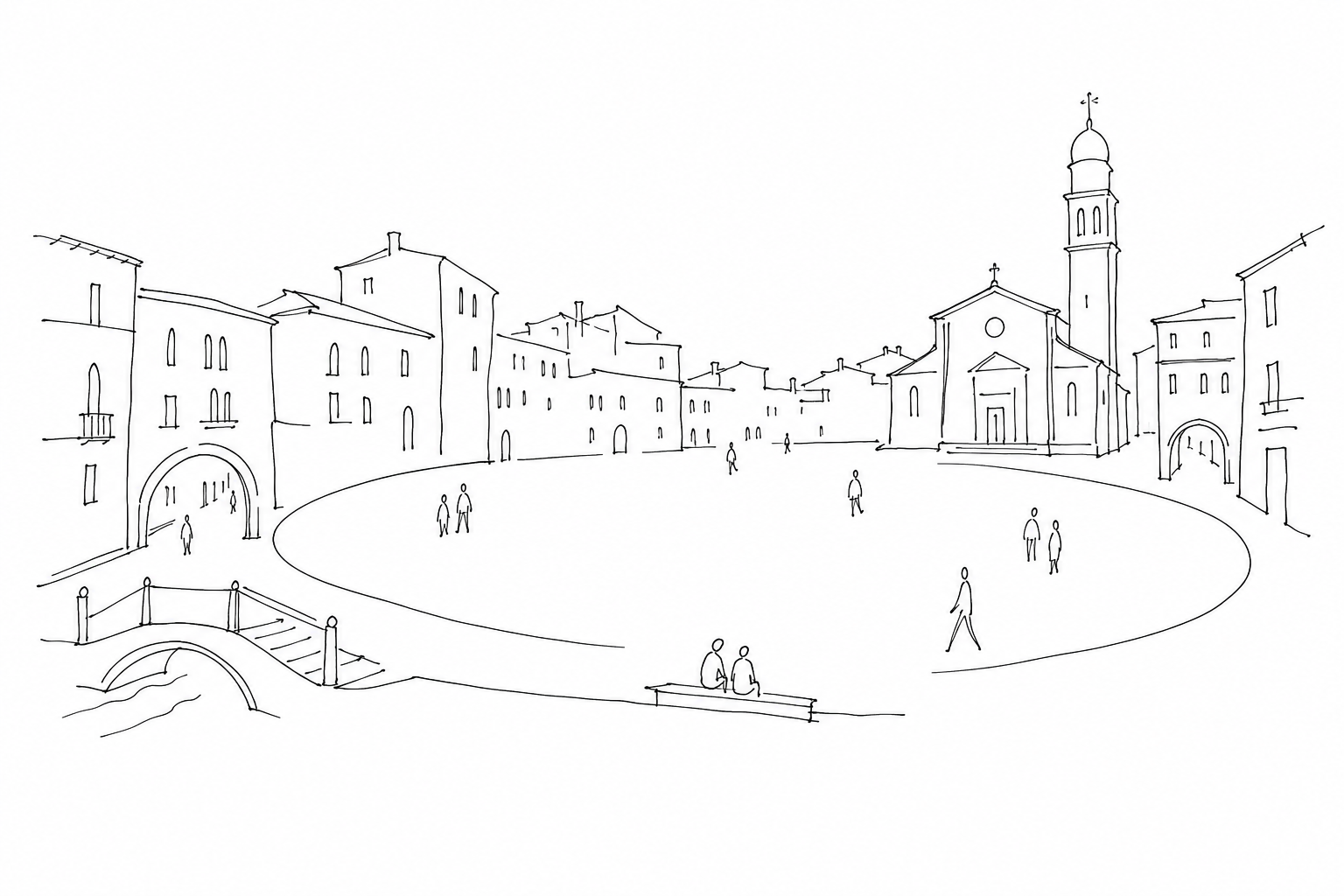
Campo San Polo opens in the sestiere of the same name as a great urban pause within the dense fabric of calli, courtyards and rii. In Venice the term piazza remains linked to San Marco, but here the scale of the space immediately leads one to think of a true piazza: a broad paved void, surrounded by continuous building fronts, where daily passage mixes with the memory of public uses.
Its position is strategic: it is not isolated, but inserted in a fabric that connects the Rialto area, the Frari area and the internal itineraries of the sestiere. The façades of the palaces, the accesses from the calli and the proximity of the church of San Polo help to read the campo as a node, not only as an open space.
Precisely this breadth explains why, over the centuries, Campo San Polo was able to host popular festivals, markets, performances and even bull hunts: activities that required a space rare in compact Venice.
From open origins to popular festivals
Before taking on the urban appearance we know, Campo San Polo retained the practical character suggested by the Venetian name: a free area, originally grassy, linked to the daily life of the sestiere more than to an official celebratory function. The progressive paving, begun in the late Middle Ages and consolidated in the Renaissance period, transformed that open space into a place suited to more intense collective uses.
Here the city found a popular stage. The façades of the houses and palaces became natural backdrops; windows and balconies, privileged observation points. Games, occasional markets, Carnival festivities and performances were held, exploiting the rare breadth of the open space. Among the most remembered events were the bull hunts, bloody and noisy trials in which animals, dogs and men animated the space before an audience looking out all around.
This history explains the double identity of the place: not only a passageway or churchyard, but a large civic container, capable of adapting to the changing forms of Venetian sociability.
The bull hunts and the spectacular side of old Venice
Among the most surprising uses documented for San Polo were the bull hunts, also called hunts of the bulls. They were not simple episodes of folklore: they were organized spectacles, inserted into the calendar of public Venice, often linked to Carnival and to competition among city groups.
The mechanism was crude and theatrical. The animal was led into the central area, held with ropes and confronted by trained dogs; around it, the crowd occupied windows, balconies, protected edges and temporary structures. The scene transformed the large urban basin into a sort of temporary arena, where risk, physical strength and social visibility combined.
The visual memory of these events is important: painters such as Gabriel Bella, an attentive chronicler of eighteenth-century Venetian life, fixed images of hunts of the bulls in San Polo, showing not only the action but also the order of the spectators and the use of the surrounding buildings as backdrops. This helps to read the place not as a neutral void, but as a collective machine capable of hosting spectacular, controlled and at the same time potentially chaotic events.
Church, palaces and details to observe today
To read San Polo during a visit, it is useful to start from the edges: here one understands how the broad surface was defined by religious, residential and representative functions. The church of Saint Paul the Apostle preserves a long stratification: medieval origin, Gothic alterations and later interventions. Outside, the Gothic stone portal, the bell tower and the non-frontal relationship between the sacred building and the open area deserve attention, a sign of urban growth not designed as a symmetrical scene.
On the opposite sides, the patrician palaces function as historical backdrops. The Soranzo houses, with Gothic windows, four-light windows and decorative inserts, help to recognize the role of noble families in the construction of the urban landscape. They are not simple backgrounds: balconies, openings and noble floors indicated visible social hierarchies.
Also observe the paving, wells, side passages and entrances to the calli: these details show how a large public basin remained connected to the minute network of everyday Venice.
Observing Campo San Polo means reading Venice through a space that has changed function without losing centrality. The memories of festivals, bull hunts and collective life coexist with quieter details: façades, entrances, bell towers, paving, side perspectives. Today the campo invites one to slow down, not to look for a single monumental image, but to grasp how urban history, architecture and everyday habits continue to intertwine in one of the most significant places of the sestiere.
Related Posts
Campo Santa Margherita: how to read a Venetian square that is still a space of daily life
A concrete reading of Campo Santa Margherita: history, urban edges, daily uses and details that help understand a lively square in Dorsoduro.San Polo: the church that gives the campo its name but often remains out of frame
The church of San Polo explained from the campo: position, history, details and works to observe more carefully.
Campo San Luca: the Venice of quick passage, among cafés, offices and intersecting calli
A central, everyday campo, between Rialto and San Marco, read as an urban junction of passages, short stops, offices and calli.Questions Answered
What makes Campo San Polo distinct within Venice's urban fabric?
Its large size and role as both a passage and a social gathering space.How did Campo San Polo evolve over time?
It changed from a grassy field to a paved space for diverse public uses.What were the bull hunts and why were they significant?
Organized spectacles that highlighted social and festive life in Venice.What architectural features define Campo San Polo?
Medieval churches and palaces signifying social hierarchies and urban growth.
Keep reading Rialto
Want to see how the market, churches, shops and palaces tell the story of the same commercial heart?
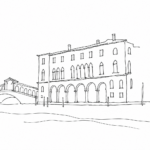 Palazzo dei Camerlenghi: money, public offices and economic power next to RialtoHistory and interpretation of the Palazzo dei Camerlenghi, the financial seat of public Venice next to Rialto.
 San Giovanni Elemosinario: the almost invisible church hidden among the shops of RialtoA short guide to the church of San Giovanni Elemosinario, amid the Rialto market, Renaissance history, and works by Titian and Pordenone.
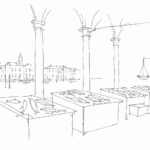 The Rialto Fish Market: how to read stalls, columns and details of a market still aliveA short guide to observing the Rialto Fish Market: stalls, architecture, marine signs and the daily rhythm of the market.
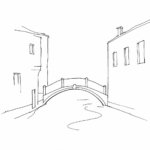 Ponte delle Tette: trade, control and nightlife in the Venice of the SerenissimaHistory and urban reading of the Ponte delle Tette, among the Carampane, regulated prostitution, trade and Venetian nightlife.