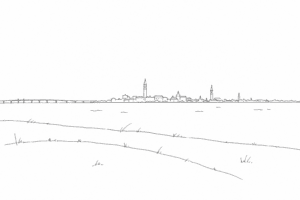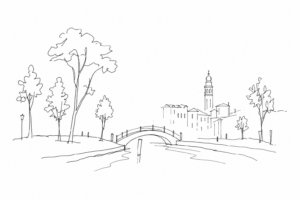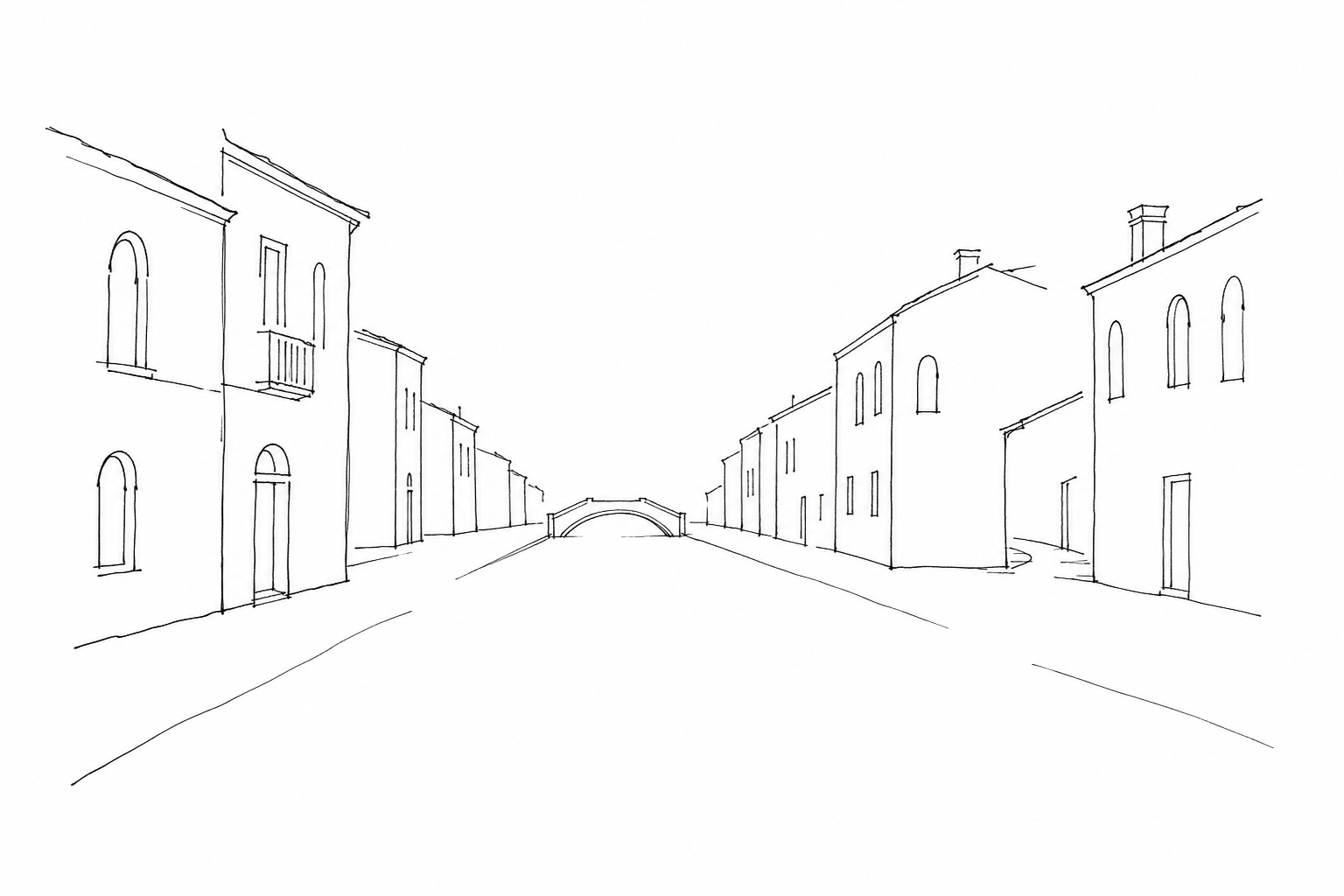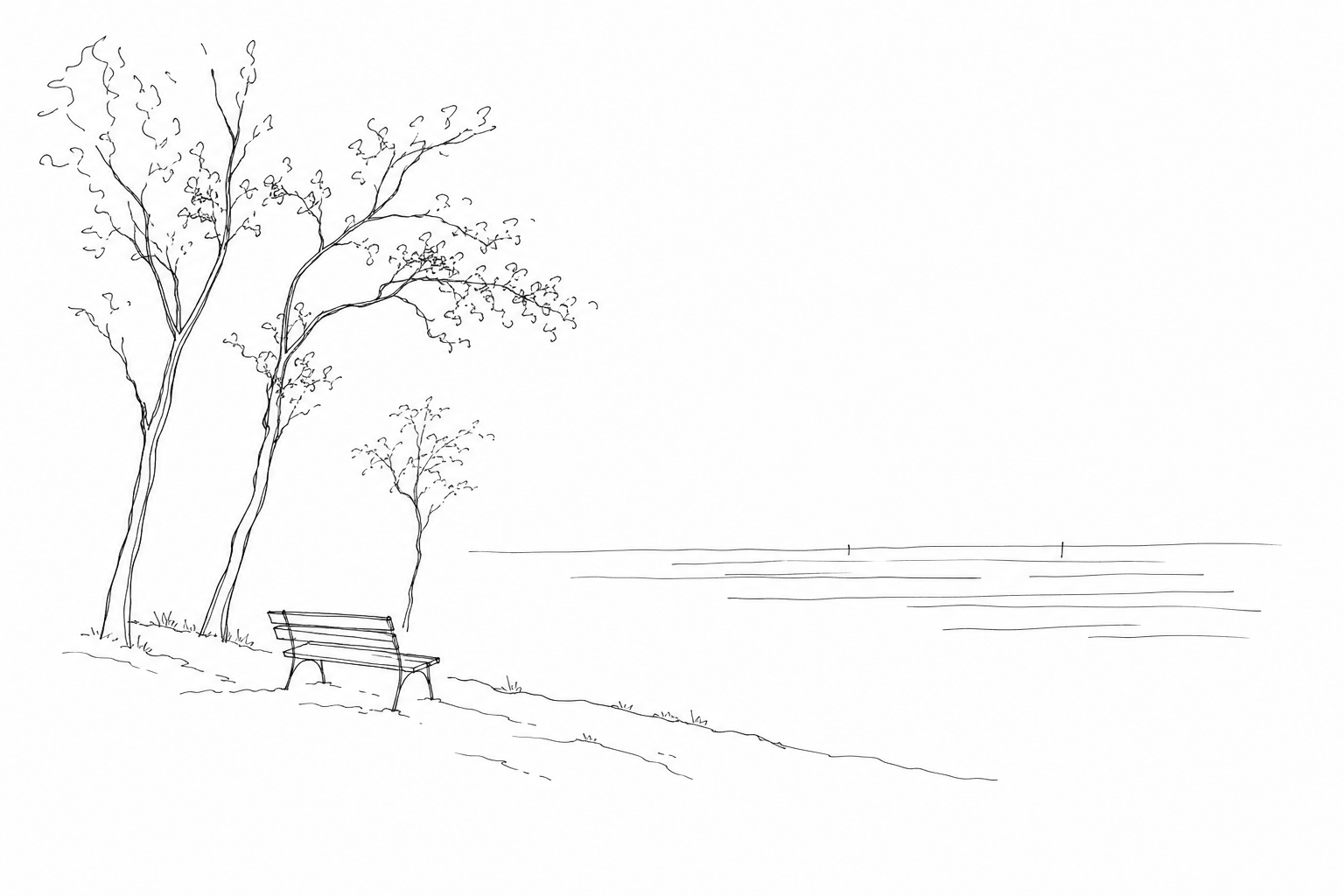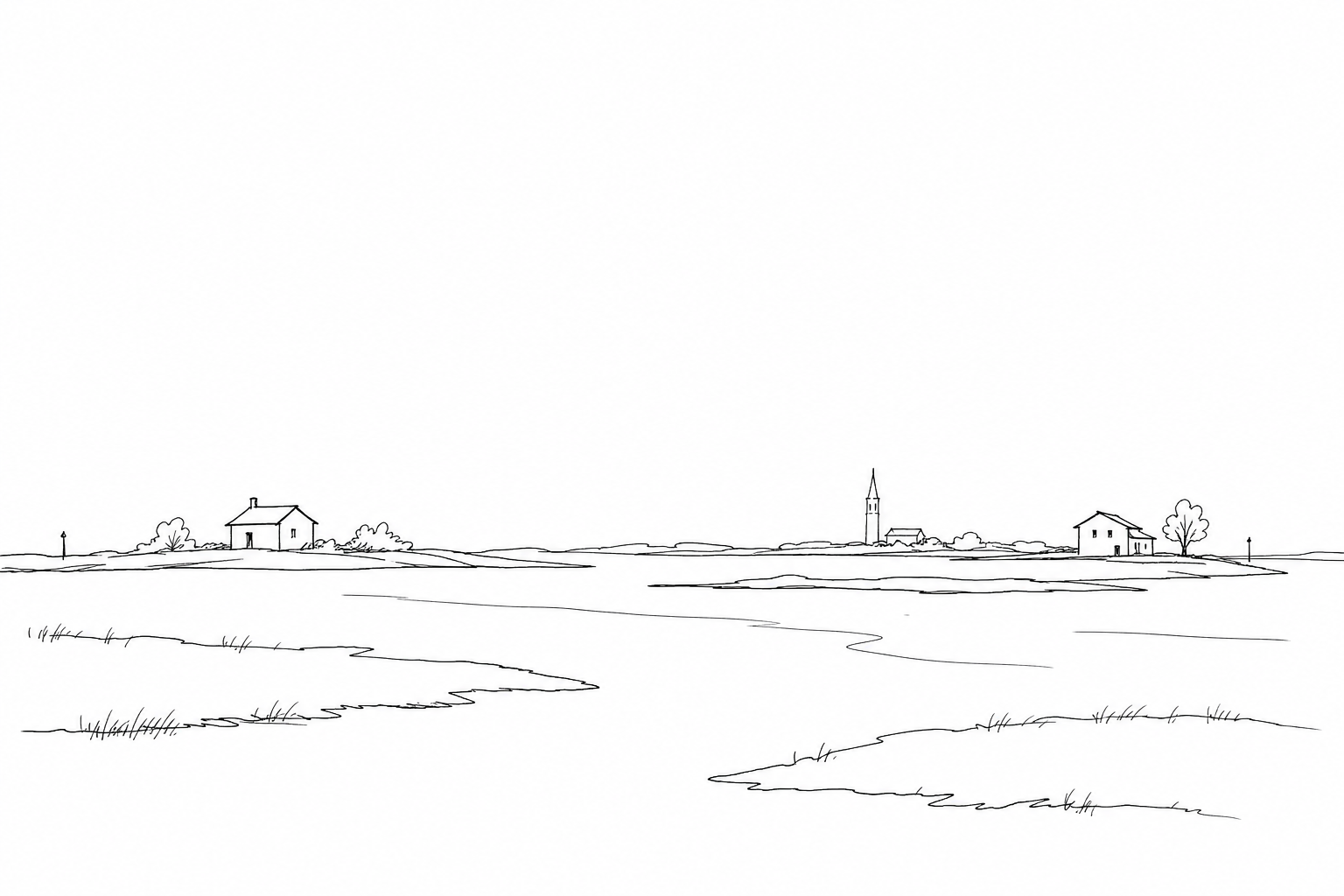
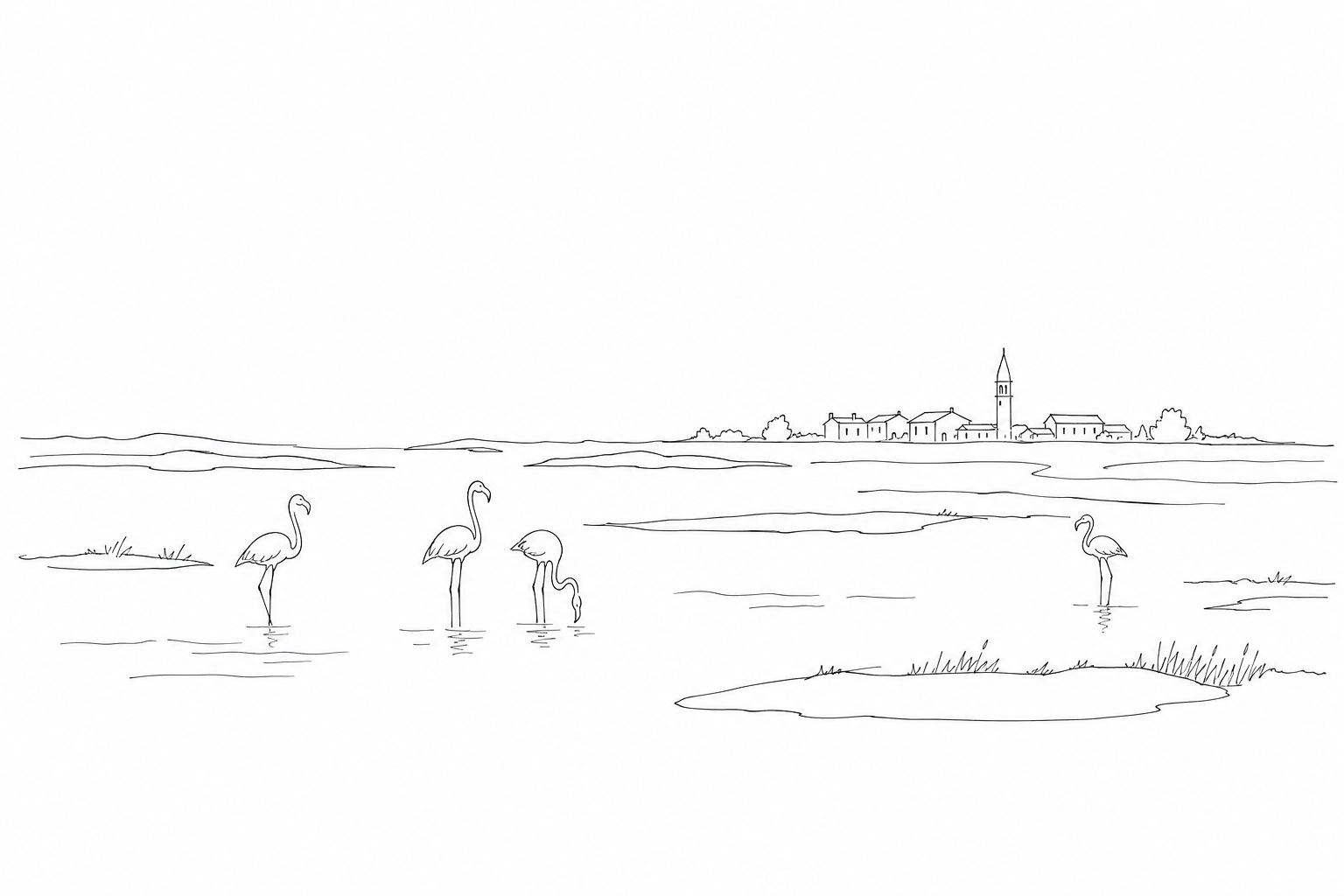
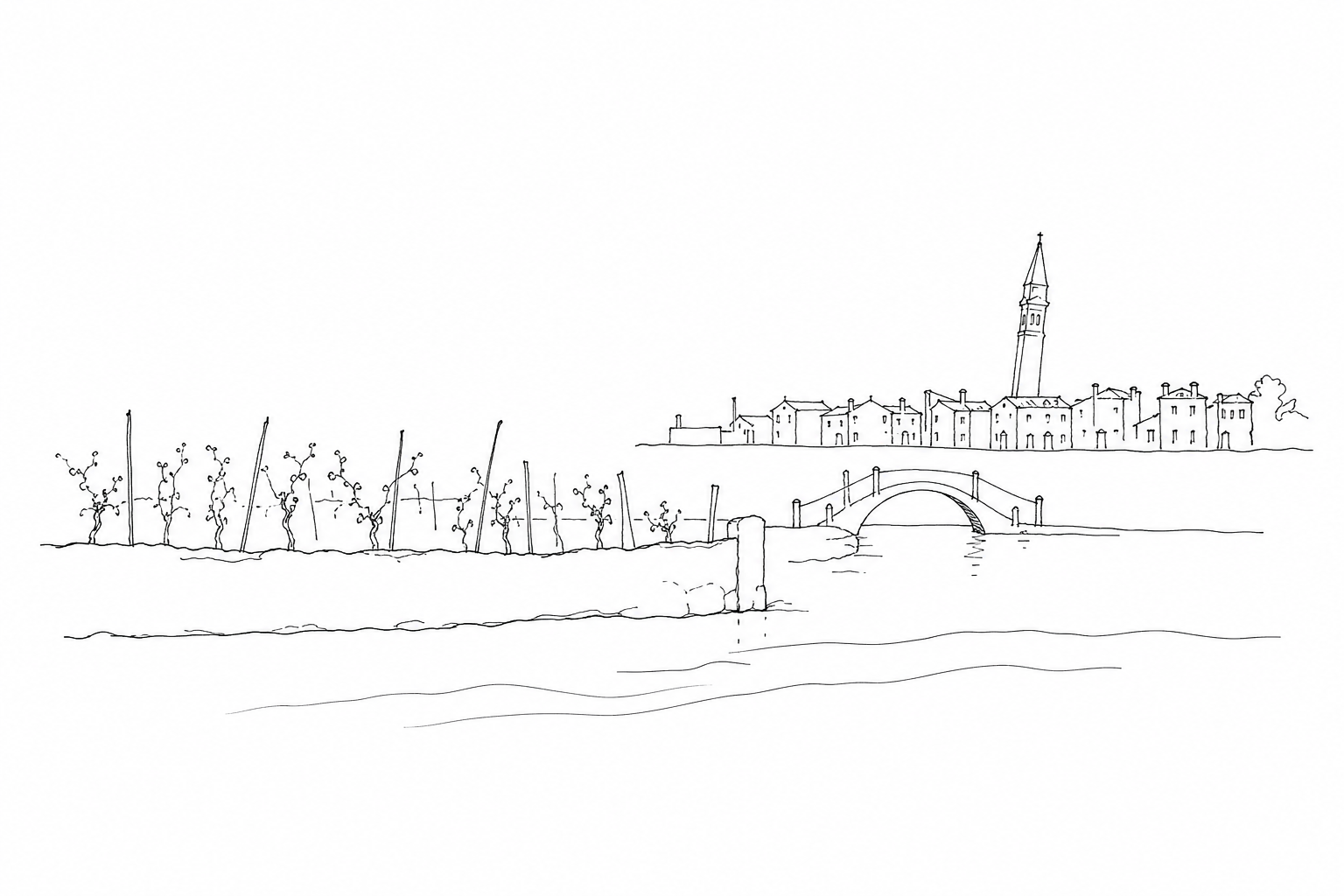
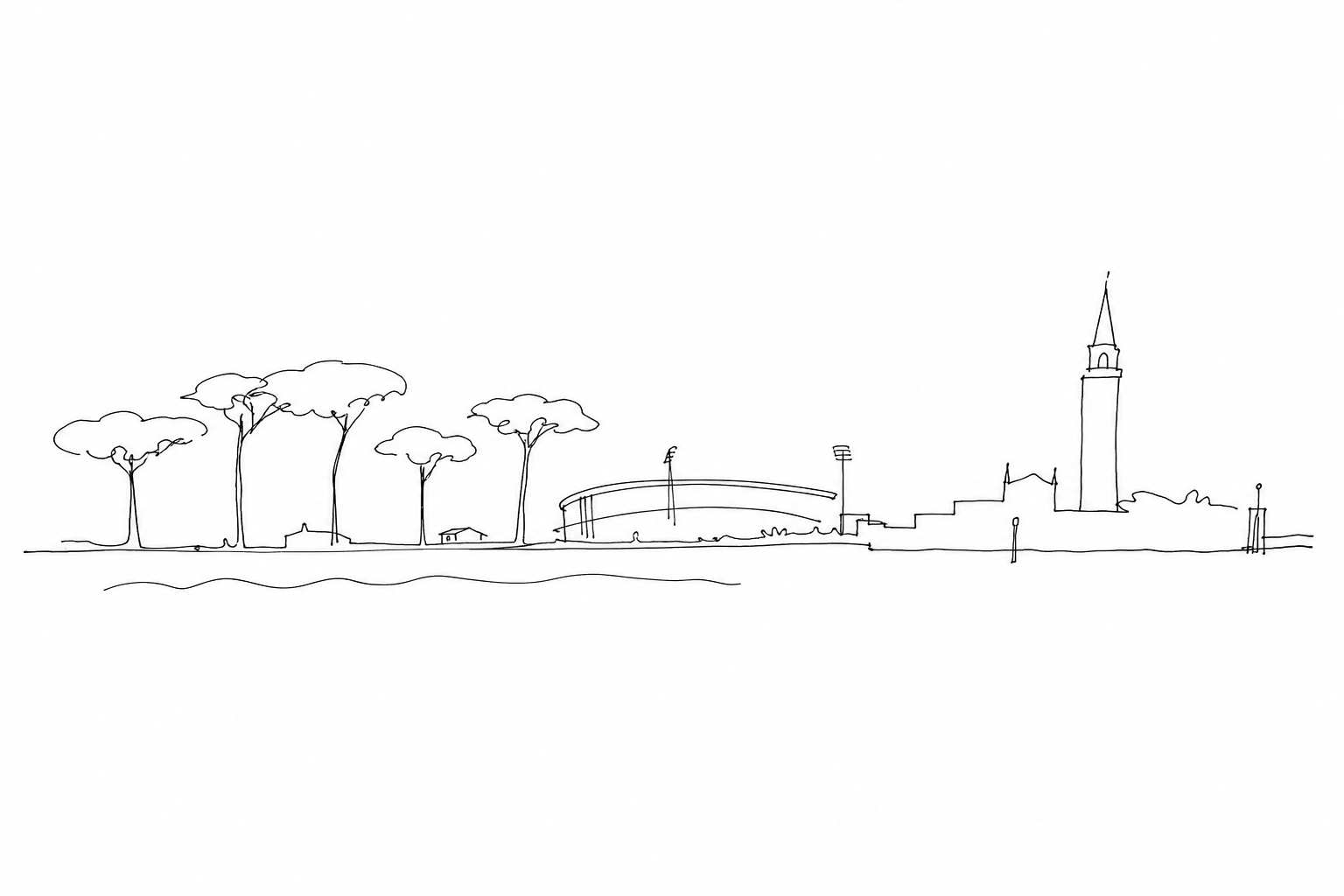

Sant’Elena is the point where Venice changes pace without truly leaving itself. Beyond Castello, the city becomes more sparse: trees appear, sports fields, quiet landing places, twentieth-century houses and the outline of the open lagoon. Here the pine grove of the Parco delle Rimembranze, the Penzo stadium and the church of Sant’Elena tell of a less monumental but very concrete Venice, made of walks, urban memory and daily life. Coming this far means following the city to its eastern edge, where the historic center seems to breathe more slowly.
Where Castello ends and Sant’Elena begins
Sant’Elena is the point where Venice, after the compact intensity of Castello, changes pace and reaches almost its inhabited eastern edge. It is not an autonomous sestiere: it belongs to Castello, but is perceived as a distinct threshold, beyond the Giardini della Biennale and far from the denser fabric of calli, campi and fondamente.
Here the city widens. The perspectives become airier, the streets take on a twentieth-century layout, residential buildings give way to greenery, sports facilities and lagoon views. Sant’Elena looks toward the Lido, the Certosa and the smaller islands of the north-eastern lagoon: it is not just any outskirts, but an urban edge built on the encounter between historic Venice and open landscape.
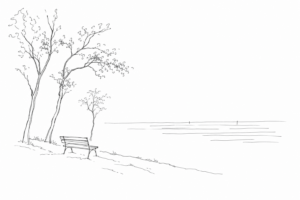
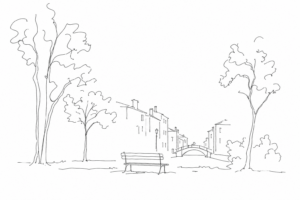
The name refers to the church of Sant’Elena and to the religious memory of the area, but the most recognizable image today comes from the combination of pine grove, stadium and residential district: a less monumental, more everyday Venice, where the city seems to prepare to end without disappearing entirely.
The pine grove and the Parco delle Rimembranze
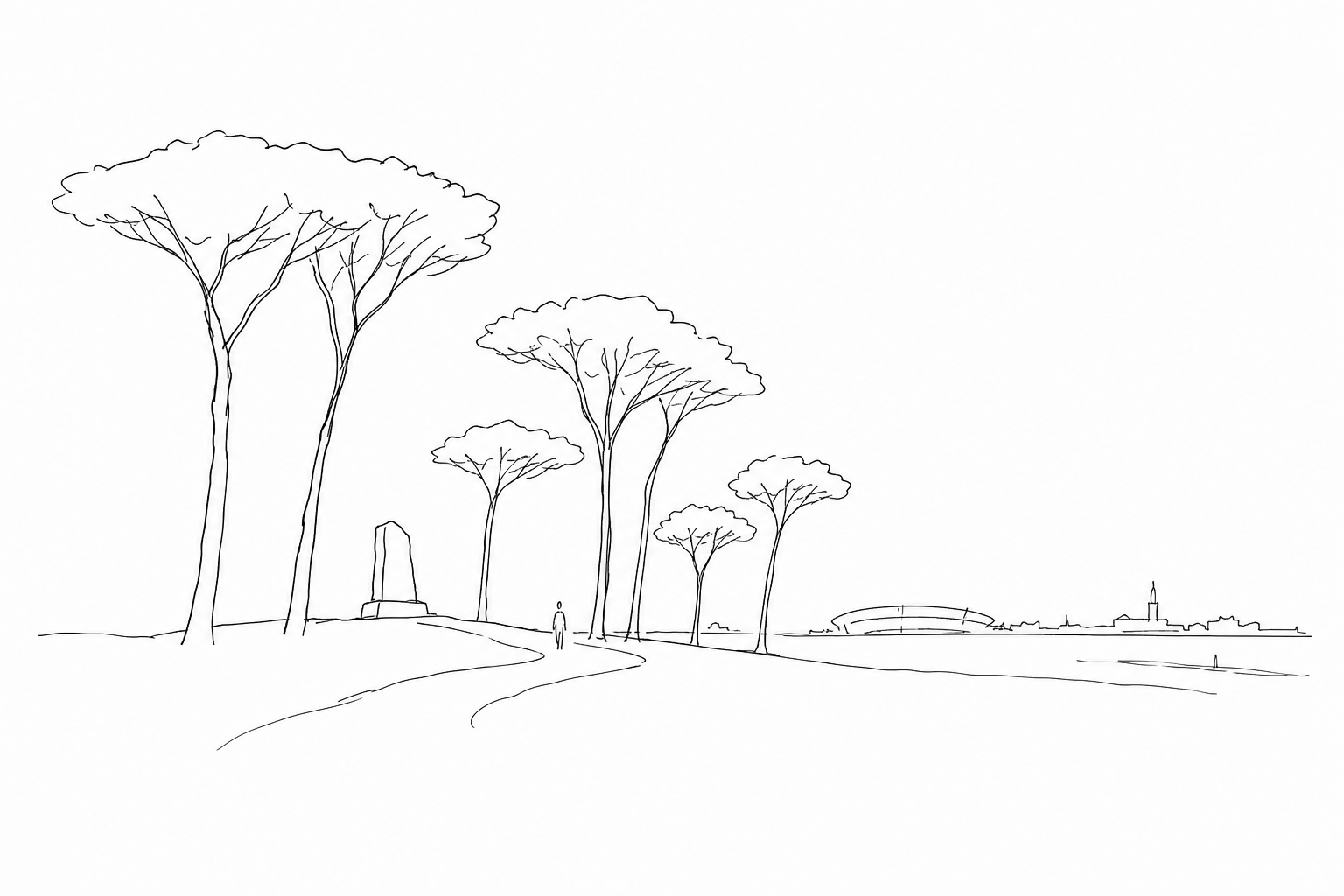
The pine grove is one of the elements that make this lagoon edge different from the compact center of the city. It does not function only as an area of shade or a green pause: it is part of the Parco delle Rimembranze, created in the commemorative climate after the First World War, when in many Italian cities tree-lined spaces dedicated to the fallen were created.
The meaning of the place lies precisely in this dual nature. On one side there are the pines, the avenues, the lawns and the opening toward the lagoon, which lighten the urban density and prepare the passage toward the stadium and the more peripheral areas. On the other there is public memory, entrusted not to a large isolated monument, but to a walkable, everyday landscape, crossed by those who walk, take children to the park or head toward the sports facilities.
The Parco delle Rimembranze thus shows a less theatrical form of civic memory: it does not interrupt the life of the district, it accompanies it. In this pine grove the city becomes quieter, but does not lose historical depth.
The Penzo stadium, football and the city of water
At the eastern end of Sant’Elena, the Pier Luigi Penzo stadium introduces an almost unexpected element into the lagoon landscape: a historic sports facility, set not in a roadside outskirts, but among trees, canals and walkways. Inaugurated in 1913 and named after the Venetian aviator Pier Luigi Penzo, it is linked to the long story of local football and to the presence of Venezia FC.
Its particularity lies not in monumentality, but in its urban scale. The stands do not erase the context; they remain contained, close to the water and the greenery, with a direct relationship with the district. Arriving at the stadium means crossing a part of the city where the pace slows and the support, on match days, becomes an audible presence before it is even a visual one.
The Penzo also tells of a typically lagoon fragility: weather events and sporting transformations have marked its history, without dissolving its bond with the place. For practical details on access and use, it is always advisable to check updated information.
Church, landing places and walk to the edge
The best reading of this eastern sector starts from the church dedicated to the mother of Constantine, a memory of the old monastic complex that gave its name to the island before the modern arrangements. The building, with events linked to religious orders and Napoleonic suppressions, recalls that here there is not only greenery or sport: there is a fragment of Venetian history that has remained secluded.
From there it is best to proceed without hurry toward the landing places and the last shores. The public service pontoons, the moored boats, the gates of the facilities and the tree-lined avenues help to understand the hybrid nature of the place: residential, maritime, sporting, almost a borderland. The walk lines up glimpses toward the open lagoon, twentieth-century houses, gardens and silences more marked than in the monumental areas.
For a practical visit, it is useful to consider it as the close of an itinerary after Giardini and Biennale: not a mandatory passage point, but the point where Venice slows down and lets its edge be perceived. For navigation lines, access and updated conditions, it is better to check before setting off.
Sant’Elena is neither a green parenthesis nor a simple end of an itinerary: it is a threshold. Between the pine grove, the stadium overlooking the water, the secluded church and the walks toward the lagoon, this strip of Venice shows how the city has managed to widen, adapt and remain inhabited even far from the most famous routes. Walking through it calmly helps to read Castello in its continuity and in its fractures, up to that point where the fondamente thin out and Venice, almost without declaring it, reaches its own edge.