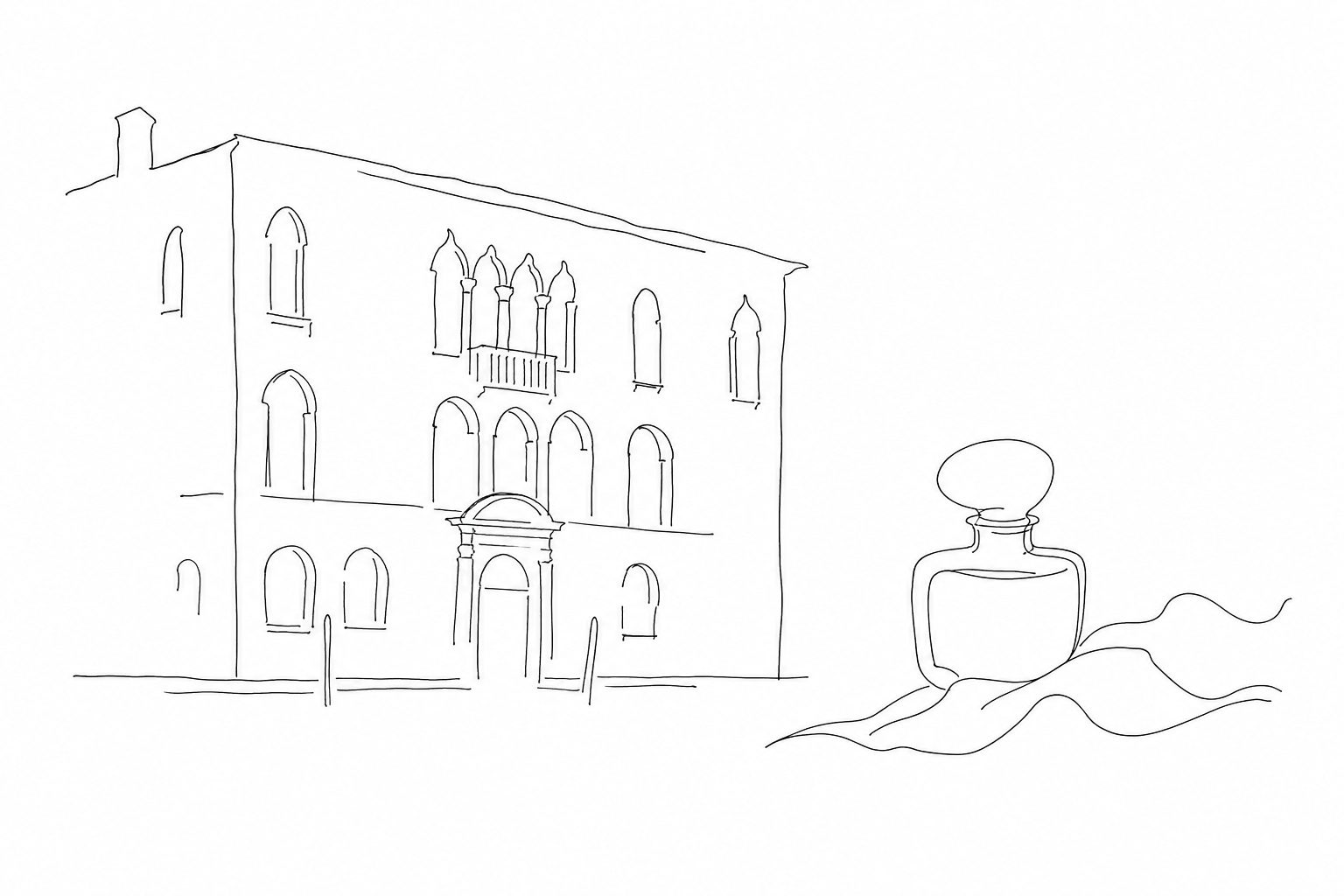

Palazzo Mocenigo, a few steps from San Stae, tells of a less ostentatious and very concrete Venice: that of inhabited rooms, precious textiles, daily gestures and the strategies of representation of a patrician family. The museum makes it possible to read domestic architecture, eighteenth-century fashion and the culture of perfume together, without separating them from the urban context of the Santa Croce sestiere. Entering here means observing Venice from the inside, through materials, furnishings and objects that speak of taste, trade, social relations and noble life.
Where Palazzo Mocenigo is located and why it matters
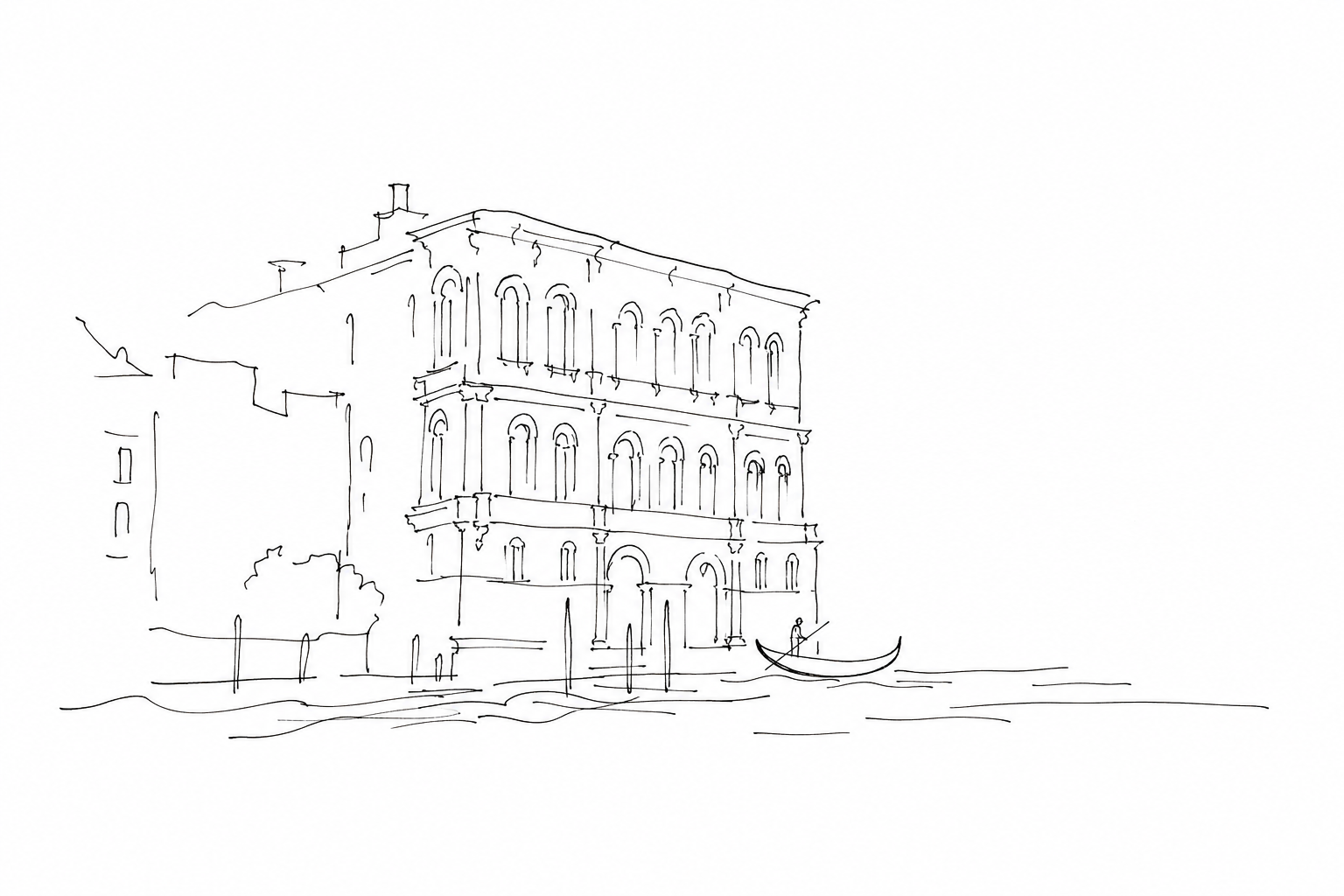
Palazzo Mocenigo is located in the Santa Croce sestiere, a few steps from the church of San Stae and its landing place on the Grand Canal. This position is already a key to interpretation: we are not in the monumental Venice of San Marco, but in an urban stretch where patrician residence, mercantile traffic and parish life intertwined daily.
The palace belonged to the San Stae branch of the Mocenigo family, one of the great families of the Venetian nobility, which gave the Serenissima doges, magistrates and leading figures. The building matters today because it preserves the atmosphere of an eighteenth-century aristocratic residence and, at the same time, hosts an itinerary dedicated to the history of textiles, costume and perfume.
Entering here means reading Venice through domestic interiors, clothes, furnishings, essences and materials: not only façades on the canal, but gestures, tastes and the social representation of the Venetian nobility.
Noble rooms, furnishings and Venetian domestic life
In the itinerary of Palazzo Mocenigo, the interiors are not simply furnished rooms: they function as a map of Venetian aristocratic life between public representation and private habits. The piano nobile, with passage rooms and reception areas, recalls the model of the patrician house overlooking the water, where every space helped to declare rank, alliances and family taste.
The visitor can read this history in the carved and lacquered furniture, in the glass chandeliers, damask textiles, portraits and everyday objects. Chairs, consoles, mirrors and chests do not speak only of decoration: they indicate rituals of visits, conversation, toilette, clothing storage and control of the social image.
Particularly important is the dialogue between furnishing and fabric. In Venice, silk, velvet and brocade were both economic and symbolic materials: they covered walls and seats, but also told of trade, manufacturing, fashions and international contacts. The noble rooms thus become a concrete trace of the daily life of a patrician family: ceremony, comfort, self-representation and attention to domestic details.
In the San Stae museum, clothes should not be read as period disguises, but as material documents. An embroidered coat, a stiffened bodice or a dressing gown tell of techniques of spinning, dyeing, cutting and luxury consumption more than many society chronicles.
In the eighteenth century, patrician fashion was built on costly fabrics: patterned velvets, damasks, lampases, brocaded silks with metallic threads, needle or bobbin lace. Floral motifs, stripes and small “French-style” patterns signaled up-to-date taste and commercial relations with European and Mediterranean manufactories. Men’s clothing, with coat, waistcoat and breeches, was just as codified as women’s clothing: buttons, trimmings and embroidery declared rank and spending capacity.
The textile collection also makes it possible to distinguish between public representation and domestic intimacy. The tabarro, the bauta and accessories connected to urban sociability refer to the theater, ridotti and visits; dressing gowns instead speak of comfort, reading, conversation and private rituals. Thus fabric becomes a historical source: not ornament, but social language.
The perfume itinerary and the reading of the neighborhood
After the textiles, the olfactory itinerary helps to read Palazzo Mocenigo as a house crossed by goods, gestures and forms of knowledge. Essences were not a frivolous detail: in noble culture they indicated hygiene, distinction, care for rooms and knowledge of materials that arrived by sea.
The visit can be approached slowly, linking small bottles, recipes and tools to the network of apothecaries. Cinnamon, benzoin, musk, ambergris, citrus fruits and resins refer to exchanges with the Levant, North Africa and Atlantic routes. Ideally smelling these ingredients means understanding how much luxury depended on pharmacology, trade and craftsmanship, not only on taste.
Leaving toward San Stae, the itinerary continues in the neighborhood. The campo, the theatrical façade of the church overlooking the Grand Canal and the side calli make it possible to imagine arrivals, commissions and deliveries: fabrics, aromatic drugs, soaps, scented waters. Before the visit it is advisable to check the museum’s updated information; on site, instead, the advice is simple: alternate objects and urban space, because perfume tells of a concrete geography.
Visiting Palazzo Mocenigo helps shift the gaze from monumental Venice to a more intimate Venice, made of interiors, fabrics, essences and private habits. The noble rooms, the itinerary dedicated to perfume and the position in the San Stae neighborhood compose a compact but dense itinerary, ideal for understanding how the city built its prestige also through apparently minute details. It is a stop to be approached slowly, allowing objects and rooms to restore the rhythm of a cultured, domestic and profoundly urban Venetian life.
Related Posts
Fortuny Museum: fabrics, light and inventions in a Gothic palace off the most obvious route
Editorial guide to the Fortuny Museum: Palazzo Pesaro degli Orfei, textiles, light, inventions and a slow reading of the spaces.Ca’ Rezzonico and Pietro Longhi: everyday Venice in the eighteenth century, between masks and salons
An itinerary at Ca’ Rezzonico to read Pietro Longhi and Venetian life in the eighteenth century through social rituals, masks, salons and everyday details.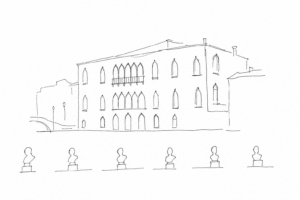
Palazzo Loredan in Santo Stefano: science, busts and Venetian culture outside the best-known museums
Editorial guide to Palazzo Loredan in Santo Stefano: cultural venue, civil architecture and the Pantheon Veneto in the heart of Venice.Questions Answered
Where is Palazzo Mocenigo located and why is this significant?
It is in the Santa Croce sestiere, revealing Venice's mixed noble and mercantile urban life.How do the interiors reflect Venetian aristocratic life?
Rooms show social rituals, rank, and family taste through furnishings and textiles.What role does fashion play in understanding noble culture?
Clothing and fabrics signify social rank, trade connections, and luxury consumption.How does the perfume itinerary enrich the museum experience?
It links aromas to trade routes and noble hygiene and distinction practices.
Follow another thread of Venetian art
Which places help you see artists, architecture and history as parts of the same city?
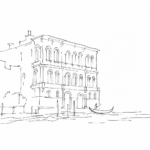 Ca’ Pesaro: why modern art in Venice lives in a palace on the Grand CanalWhy Venice’s Gallery of Modern Art is in a Baroque palace on the Grand Canal: the history, architecture, collections and urban meaning...
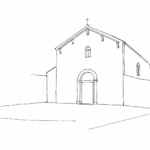 San Giacomo dall’Orio: beams, silence and ancient stone in the less obvious heart of Santa CroceA slow reading of San Giacomo dall’Orio: campo, wooden beams, ancient columns and urban quiet in Santa Croce.
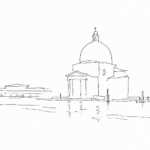 San Simeon Piccolo: the green dome in front of the station that seems to welcome those who arriveWhy San Simeon Piccolo, with its green dome on the Grand Canal, is the first face of Venice for those arriving at...
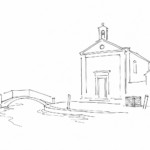 Santa Maria Mater Domini: a small church for understanding the mercantile Venice of Santa CroceA slow reading of Santa Maria Mater Domini, among campo, mercantile history, art and the urban fabric of Santa Croce.