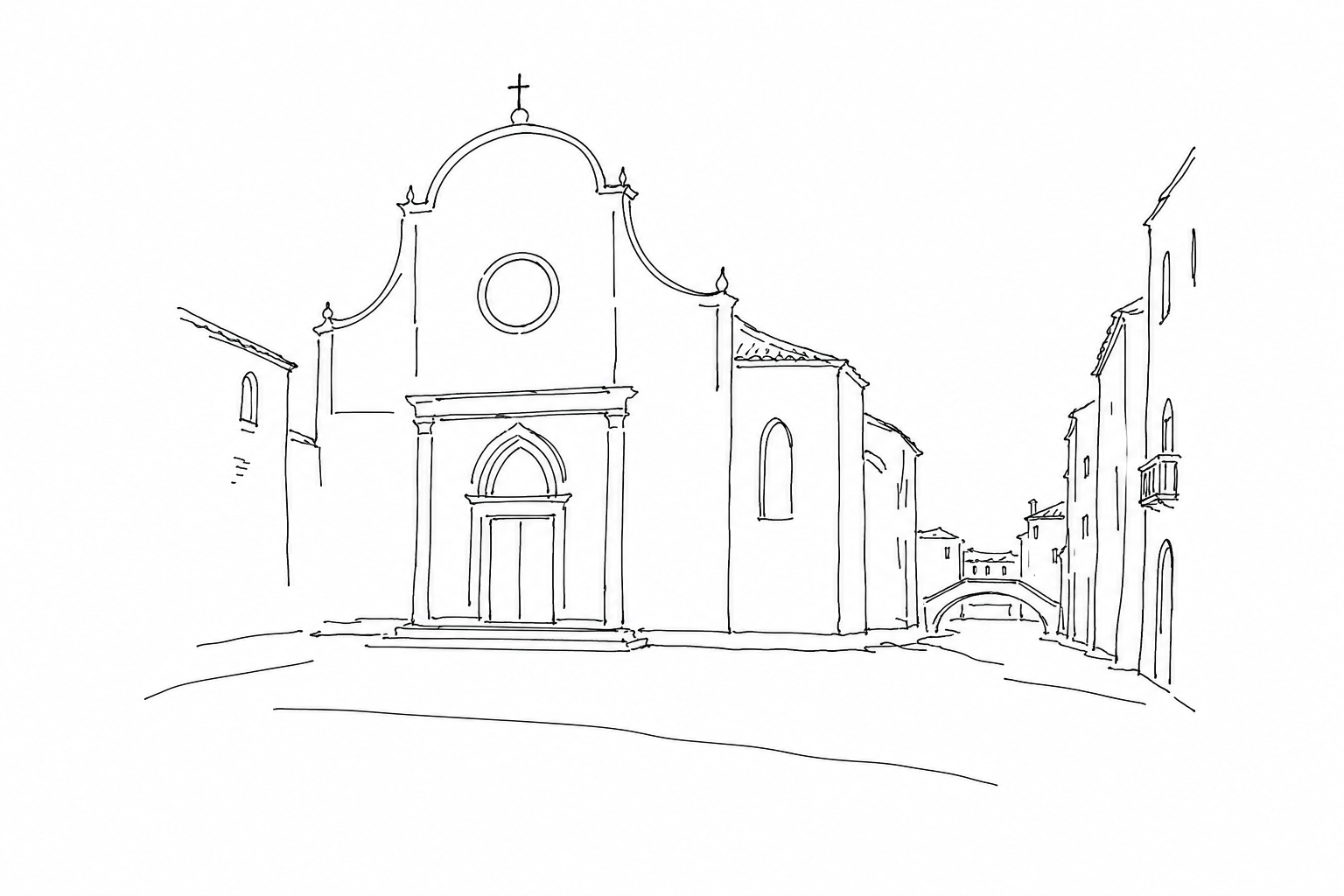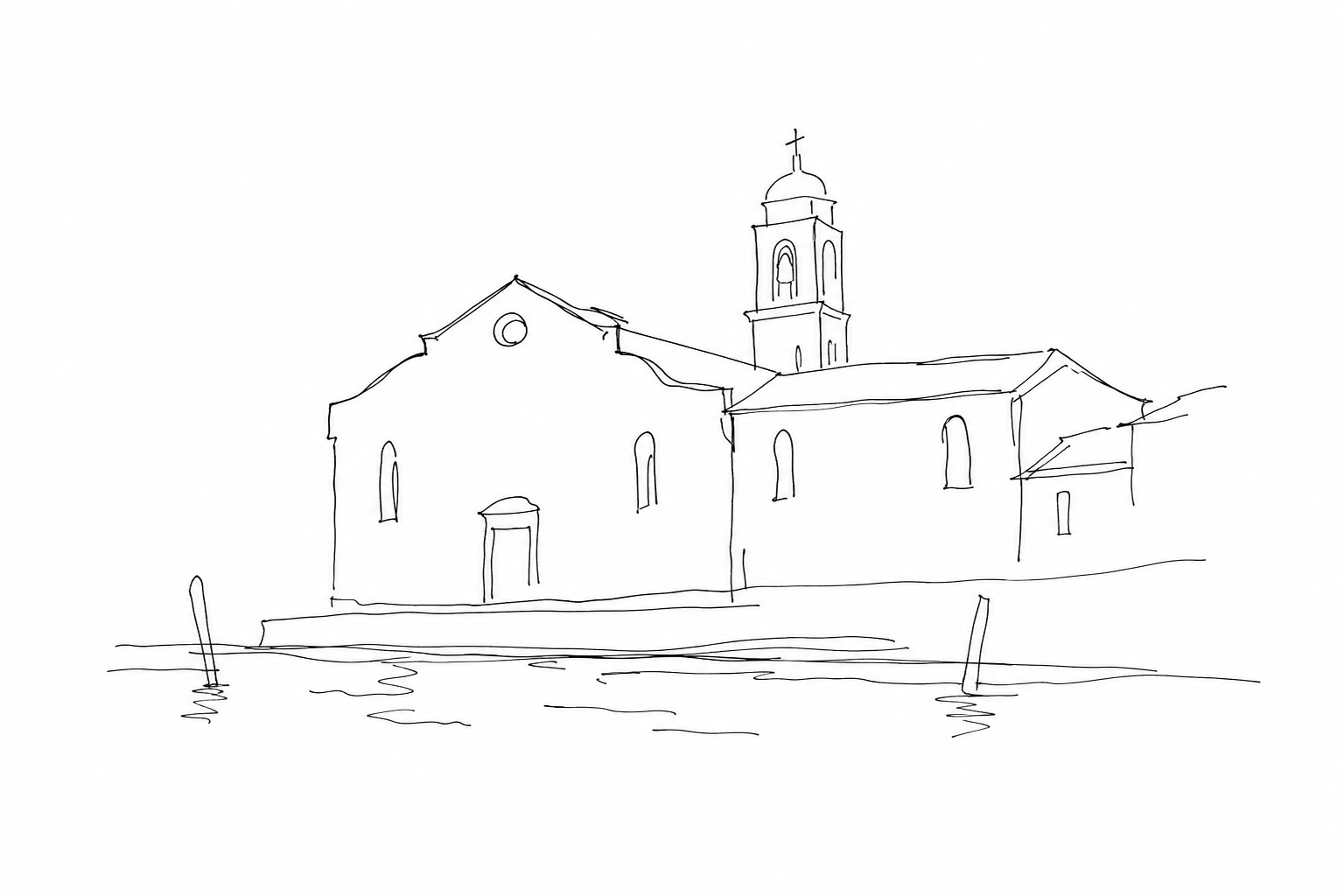

The Scuola Grande dei Carmini is reached without fanfare, between Dorsoduro and Santa Margherita, in a Venice that is more everyday than monumental. Behind the sober façade opens a hall that surprises with its balance and intensity: above the wooden walls, Giambattista Tiepolo’s ceiling carries clouds, angels, light and Carmelite devotion upward. Seeking it out means entering a less crowded place, yet one that is central to understanding how the Venetian scuole combined faith, assistance, prestige and painting. This article suggests reading it slowly, bringing together history, iconography and an urban pace.
Why seek out the Carmini hall
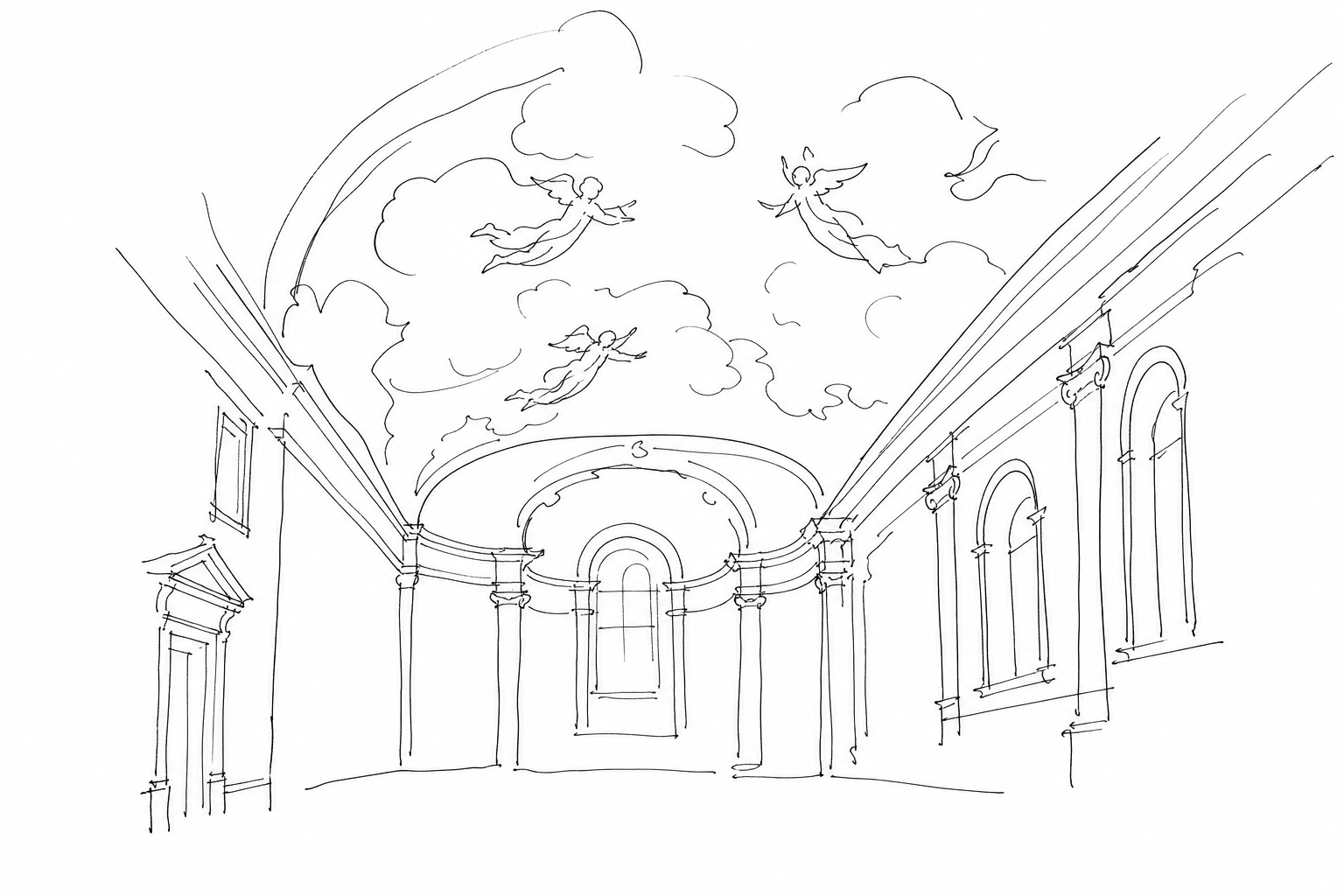
In Dorsoduro, between Campo Santa Margherita and the church of the Carmini, the Scuola Grande dei Carmini does not impose itself as an isolated monument: it fits into the everyday fabric of the sestiere, almost to the side of the most beaten paths. Precisely for this reason its main hall is surprising. After the entrance and the climb to the upper rooms, the gaze is drawn toward a ceiling where clouds, angels and figures in flight transform the architecture into a heavenly scene.
The heart of the visit is the Chapter Hall, linked to Carmelite devotion and to the confraternity that had its seat here. In the eighteenth century Giambattista Tiepolo painted the great ceiling cycle, centered on the Virgin of Carmel and the scapular, with that shifting, theatrical light that makes Venetian painting immediately recognizable. Seeking out the Carmini therefore means finding, above a discreet façade, a Venice suspended between ritual, art and perspectival wonder.
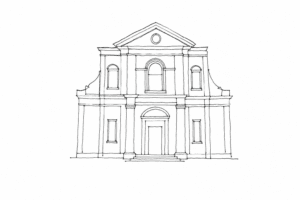
A Venetian scuola linked to Our Lady of Mount Carmel
The Scuola Grande dei Carmini was founded as a lay confraternity devoted to Our Lady of Mount Carmel, linked to the Carmelite habit and to the promise of spiritual protection offered by the scapular. It was not a convent: it brought together citizens, artisans and benefactors who organized religious practices, assistance, burials, alms and community moments beside the nearby church.
This explains the nature of the building: not simply an administrative headquarters, but a place of representation. In the seventeenth century the structure took on a monumental appearance, with a project connected to Baldassare Longhena and later completions. Outside, the language remains measured, integrated into the district; inside, however, staircases, upper rooms and decorations prepare the visitor for the great pictorial machine of the piano nobile.
The architectural frame serves precisely this passage: from everyday devotion to celebratory vision. Above the meeting hall, clouds, angels and Marian figures transform the memory of the confraternity into Venetian sacred theatre, where religious identity becomes image, color and civic prestige.
Clouds, angels and light: reading Tiepolo’s ceiling
The ceiling painted by Giambattista Tiepolo is the point at which the space changes its nature: no longer a simple meeting room, but an illusory opening toward a moving sky, inhabited by light bodies, pale draperies and golden gleams. The artist works with a typically Venetian direction: light does not merely describe the figures, but lifts them, separates them from the wooden frames and makes the canvases feel like openings beyond the architecture.
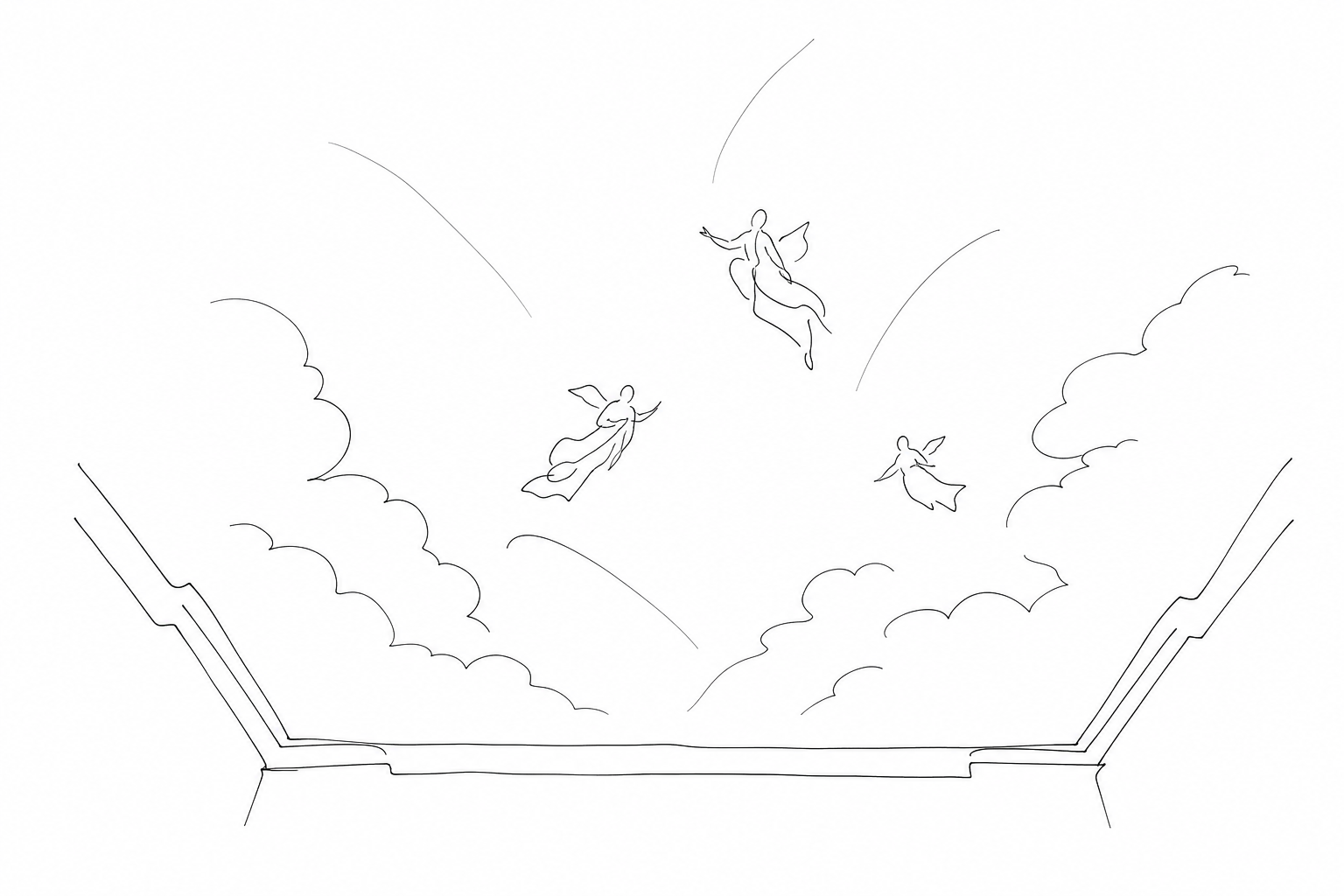
At the center of the interpretation is Carmelite devotion. The Virgin appears as a protective presence, connected to the scapular and to the promise of salvation; around her, angels and putti are not accessory decoration, but visual messengers of the main theme. The clouds function as unstable steps: they lead the gaze from the earthly world upward, creating a continuous movement between faith, intercession and glory.
- The diagonals guide the eye from one figure to another, avoiding a static composition.
- The pale colors, especially blues, pinks and golds, lighten the sacred narrative.
- The angels amplify emotion and rhythm, transforming the ceiling into a choral scene.
- The frames separate the episodes, but Tiepolo surpasses them with gestures, gazes and luminous vapors.
Observed calmly, this cycle reveals a painting designed to astonish and persuade: theology becomes spectacle, and the spectacle remains linked to the devotional message of the building.
How to include it in a slow walk
To truly understand the Carmini complex, it is best to arrive without haste, within a route through Dorsoduro that prepares the eye for the passages between everyday life and devotion. A natural route can start from Campo Santa Margherita, cross more intimate calli and reach the area of San Barnaba: in this way the building appears not as an isolated stop, but as part of a fabric of confraternities, churches and civic spaces.
Before entering, observe the relationship with the nearby church and with the campo: it helps in reading the public function of the place. Inside, devote time above all to the grand staircase, the wooden fittings and the chapter hall, where Tiepolo’s ceiling gains meaning after seeing the architecture that supports it.
For practical details such as access, opening hours or possible changes, it is best to check the updated information before the visit.
Visiting the Scuola Grande dei Carmini does not require a spectacular detour, but a gaze open to details: a door, a staircase, a hall suspended between confraternal life and pictorial invention. Tiepolo’s ceiling is not only an exercise in virtuosity; it dialogues with Our Lady of Mount Carmel, with Venetian light and with the very idea of protection. Included in a slow walk through Dorsoduro, the nearby campi and the less traveled rii, this hidden hall helps one see Venice not as a sequence of isolated masterpieces, but as a weave of places, functions and images.
Related Posts
Santa Maria dei Carmini: the Tiepolo ceiling that many miss while rushing toward Dorsoduro
A brief guide to the Carmini: church, Scuola Grande and Tiepolo ceiling, often skipped between Campo Santa Margherita and Dorsoduro.The Scuola Grande di San Rocco: Tintoretto and the pictorial cycle that transforms a confraternity into sacred theater
History, rooms and reading of Tintoretto’s cycle at the Scuola Grande di San Rocco, between confraternity, architecture and sacred theater.
The Gesuati at the Zattere: Tiepolo, light and white façades in front of the Giudecca Canal
A brief guide to the Gesuati at the Zattere: history, façade, light of the Giudecca Canal and Tiepolo’s ceilings.Questions Answered
What is the significance of Tiepolo's ceiling in the Scuola Grande dei Carmini?
It transforms the hall into a celestial theatre illustrating Carmelite devotion.What was the original purpose of the Scuola Grande dei Carmini?
It was a lay confraternity devoted to Our Lady of Mount Carmel combining faith and social aid.How does the building's architecture reflect its function?
A sober exterior contrasts with a richly decorated interior for celebratory vision.How should one best experience the Scuola Grande dei Carmini?
Through a slow walk integrating its urban context and appreciating its artworks.
From the Zattere into Dorsoduro
Want to follow places where light, painting and neighbourhood life change the pace of a visit?
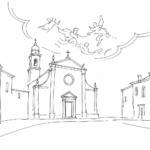 Santa Maria dei Carmini: the Tiepolo ceiling that many miss while rushing toward DorsoduroA brief guide to the Carmini: church, Scuola Grande and Tiepolo ceiling, often skipped between Campo Santa Margherita and Dorsoduro.
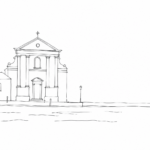 The Gesuati at the Zattere: Tiepolo, light and white façades in front of the Giudecca CanalA brief guide to the Gesuati at the Zattere: history, façade, light of the Giudecca Canal and Tiepolo’s ceilings.
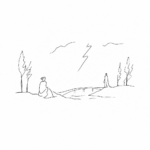 Giorgione’s The Tempest: why a small painting at the Accademia continues to resist full explanationA small, famous and still elusive painting: a reasoned guide to Giorgione’s The Tempest at the Gallerie dell’Accademia.
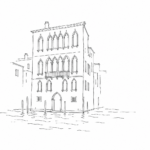 Ca’ Dario: beauty, superstition and dark legends on the Grand Canal’s most unsettling façadeHistory, façade and dark fame of Ca’ Dario, a Renaissance palace on the Grand Canal among art, famous names and dark tales.