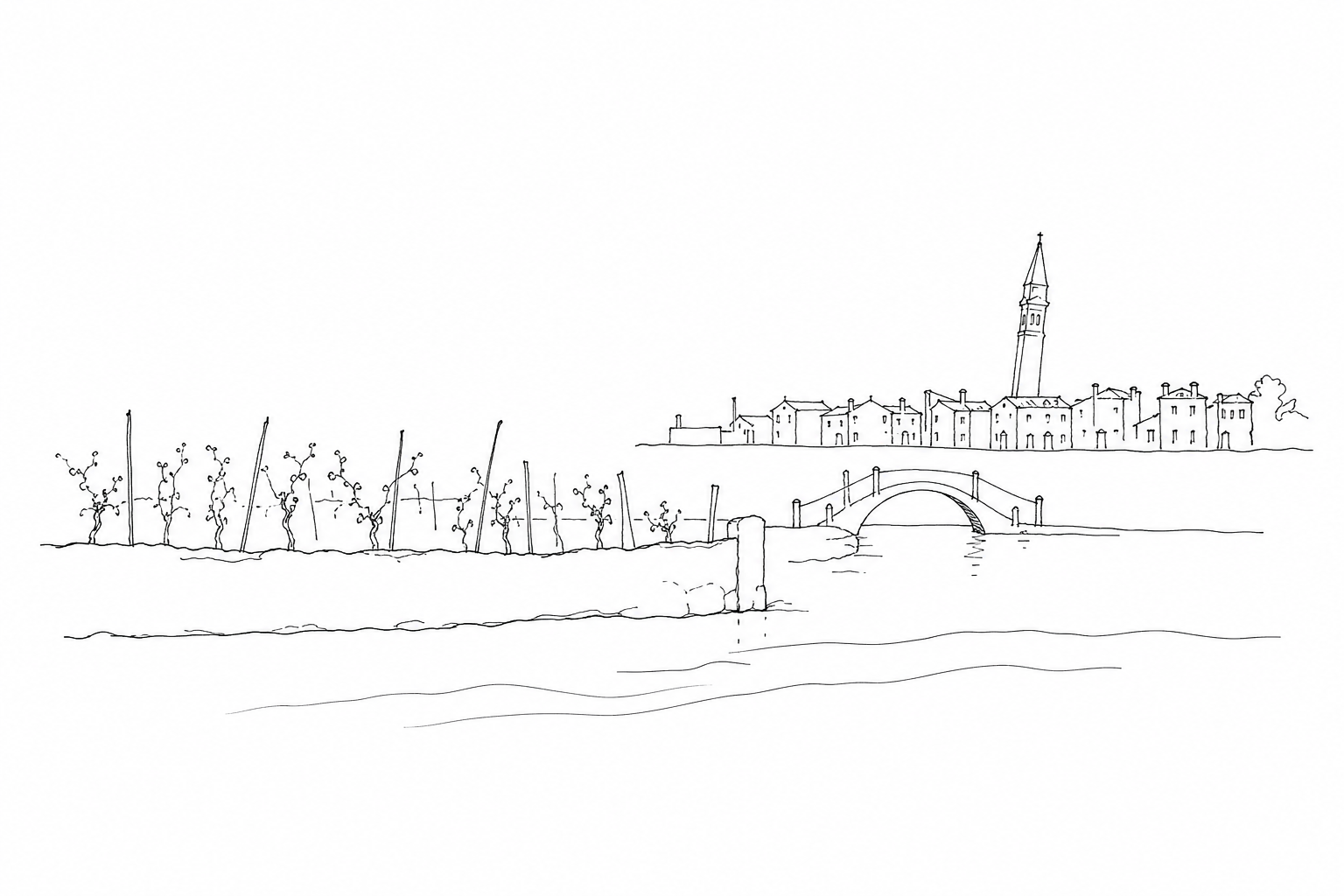

The Festa della Sensa is one of the ceremonies in which Venice shows, without needing any added scenery, its most complex relationship: the one with the sea. It is not just a picturesque re-enactment or a calendar festival. It is a civil and religious rite that brings together power, diplomacy, navigation and urban memory. From the departure in the Bacino San Marco to San Nicolò del Lido, the marriage of the sea tells of a city built on water but also against water, capable of turning a fragile condition into political language.
What the Festa della Sensa really is
The Festa della Sensa is a Venetian celebration linked to the Ascension, a day that in dialect becomes precisely Sensa. Its focus is not a poetic formula about the sea, but a public rite: the political, economic and symbolic relationship between Venice and the lagoon, staged before the city.
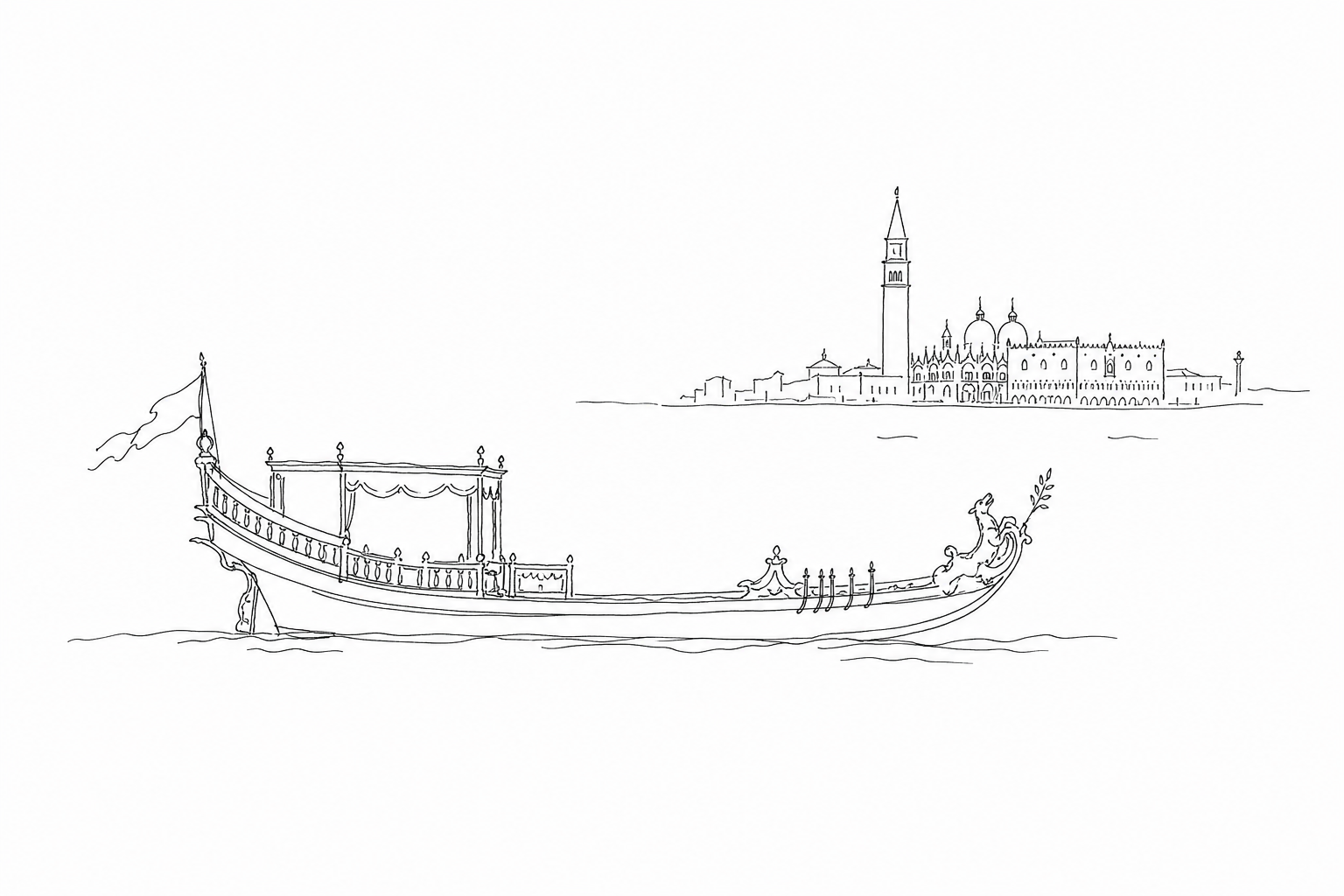
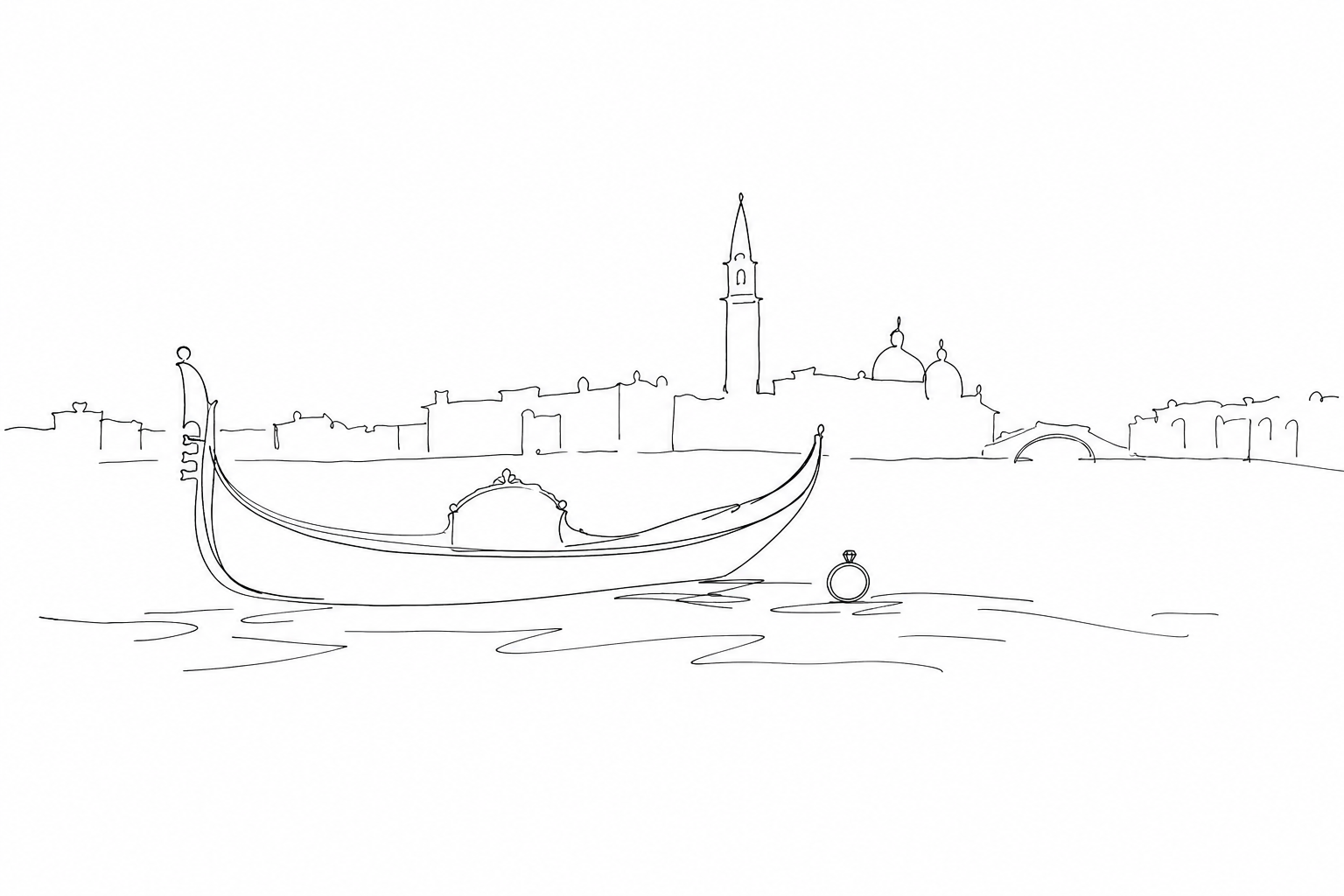
The “marriage of the sea” refers to the gesture by which the doge, aboard the Bucintoro, reached the mouth of the port and threw a ring into the water. The traditional Latin phrase, Desponsamus te, mare, did not declare a romantic feeling: it affirmed dominion, responsibility and dependence. Venice lived on trade, naval defenses, fishing, salt and Adriatic routes; the sea was both a resource and a risk.
The festival also recalls two historical layers: the naval victory of Doge Pietro II Orseolo in Dalmatia in the year 1000, and the later papal consecration of the rite in the 12th century. Understanding it without rhetoric means seeing it as a state ceremony, not as simple folklore.
The origins: Dalmatia, the peace of 1177 and dominion over the Adriatic
The first core of the rite should be sought in the enterprise of Doge Pietro II Orseolo, who set out in 1000 toward Dalmatia. Venice intervened against the raids of the Narentine pirates and to protect the routes that connected the lagoon to the Istrian and Dalmatian cities. From that expedition came a precise political message: the doge was not only the head of a mercantile city, but the guarantor of a naval order in the upper Adriatic. It is no coincidence that, later, the title of dux Dalmatiae entered the public representation of Venetian power.
The second step is 1177, when Venice hosted the reconciliation between Pope Alexander III and Emperor Frederick Barbarossa. Venetian tradition linked that event to the presentation of a ring to Doge Sebastiano Ziani: a gesture that transformed a political and diplomatic victory into ceremonial language. The marriage was not a declaration of love, but a formula of legitimation: Venice staged its right to govern the waterways, protect trade and impose jurisdiction. This is the point: the rite celebrated sovereignty, the security of routes and institutional prestige.
Where it takes place: from San Marco to San Nicolò del Lido
The route of the Sensa is not a neutral backdrop: it starts from the political heart of the historic city and arrives at the point where the lagoon meets the Adriatic. Originally the doge left from the Marciana area, where the Doge’s Palace and the basilica concentrated government, religious representation and public ceremony. From there the water procession crossed the Bacino di San Marco, a visible and controlled space, almost a liquid square in front of the institutions.
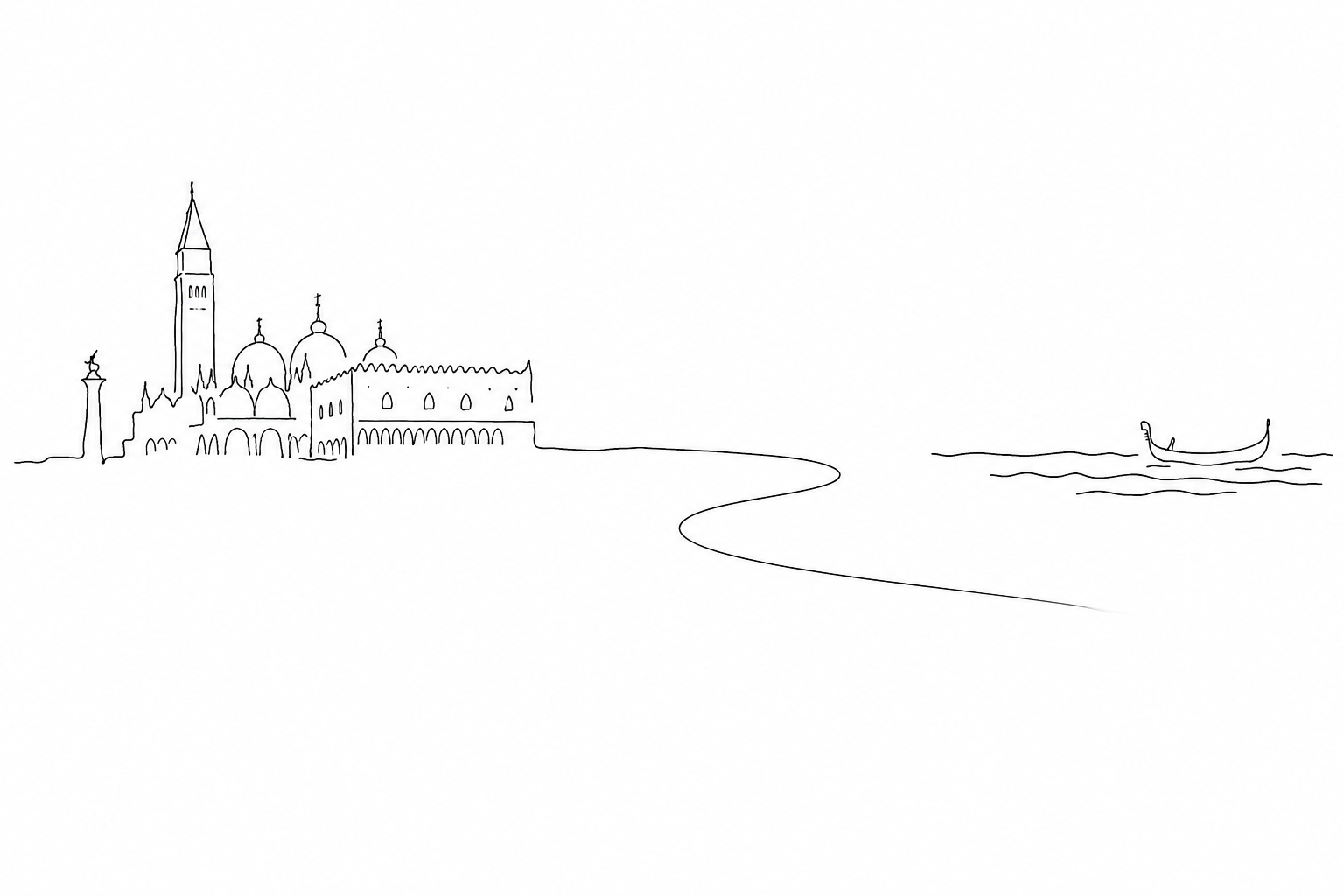
The destination was San Nicolò del Lido, a place that was anything but accidental. Here is the port entrance most closely linked to navigation toward the upper Adriatic; here also stood an important monastic complex dedicated to Saint Nicholas, protector of sailors. The rite of the ring therefore took place on the threshold: not in the monumental center, but in the passage between internal waters and external routes.
Read on the map, the ceremony becomes clear: from civic power to the harbor mouth, from urban authority to the navigable frontier. The marriage of the sea was above all a spatial declaration of control.
How to read it today without rhetoric
Read today, the Sensa does not call for automatic nostalgia. The gesture of the ring thrown into the water should be understood as political language: a public pact, not a romantic scene. The Serenissima thus built an image of authority over the Adriatic, but also a visible grammar for merchants, rowers, ambassadors and inhabitants.
The practical key is to observe what remains when the old power has ended: the route remains, the relationship with the harbor mouths, the memory of the Bucintoro and the presence of traditional boats. These are elements that turn the rite into a lesson about the territory: here the historic city does not live separate from the water, it depends on currents, canals, traffic and maintenance.
Without rhetoric also means not confusing continuity with immobility. Today’s ceremony has value because it makes a history of dominion, trade and environmental fragility legible. Looking at it this way helps distinguish the symbol from the postcard: not “eternal love,” but responsibility toward a navigable and vulnerable space.
Reading the Sensa today without rhetoric means observing it as a still-living fragment of Venetian history: not proof of a greatness to be celebrated uncritically, but a gesture that preserves traces of alliances, conflicts, routes and fears. Following the ceremony helps explain why the Lido, San Marco and the lagoon are not simple backdrops, but parts of an urban and symbolic system. For those who visit Venice attentively, the Sensa offers a rare opportunity: to see a tradition move through the real space of the city, between public memory and everyday life.
Related Posts
The Bucintoro: the ceremonial ship with which Venice staged its power
History, function and images of the Bucintoro, the doge’s ship used in the Marriage of the Sea.San Nicolò del Lido: monks, departures by sea and the ceremonial side of the lagoon
History and interpretation of San Nicolò del Lido: monastery, church, harbor entrance, naval departures and public rituals of lagoon Venice.
The Molo of San Marco: columns, departures and the maritime power of the Serenissima
History and interpretation of the Molo of San Marco: the columns, the Basin, State departures and the language of Venetian power.Questions Answered
What is the Festa della Sensa?
A Venetian civil and religious rite showcasing Venice's bond with the sea.What does the marriage of the sea symbolize?
A declaration of Venice’s dominion and responsibility over the Adriatic.What are the historical origins of the rite?
Linked to Doge Pietro II Orseolo's naval victory and 1177 diplomatic events.How is the ceremony relevant today?
It teaches about Venice's maritime history and fragile relationship with water.
Keep exploring the Venice of St Mark’s
Which spaces help you read the square as a system of symbols, institutions and images?
 The Molo of San Marco: columns, departures and the maritime power of the SerenissimaHistory and interpretation of the Molo of San Marco: the columns, the Basin, State departures and the language of Venetian power.
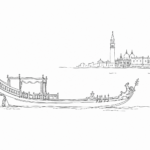 The Bucintoro: the ceremonial ship with which Venice staged its powerHistory, function and images of the Bucintoro, the doge’s ship used in the Marriage of the Sea.
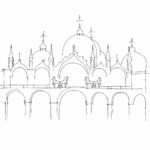 The Horses of Saint Mark: originals, copies and a centuries-long journey above the basilicaHistory and interpretation of the Horses of Saint Mark: copies on the loggia, originals in the museum, from Constantinople to Venice and...
 La Fenice without a performance: why look at the theater even when you are not going to the operaVisiting La Fenice without attending an opera helps you read the history, architecture and theatrical life of Venice with greater attention.