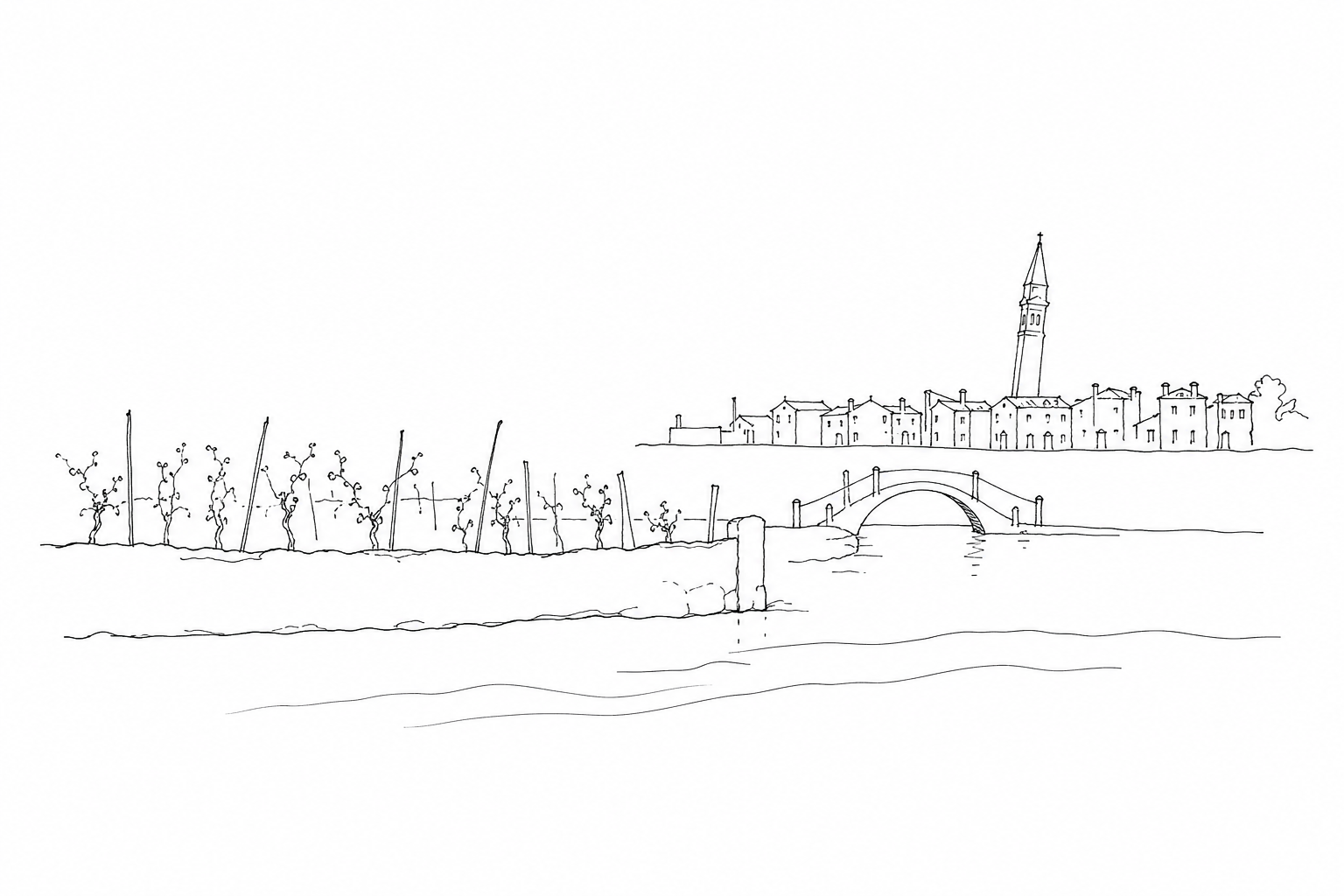
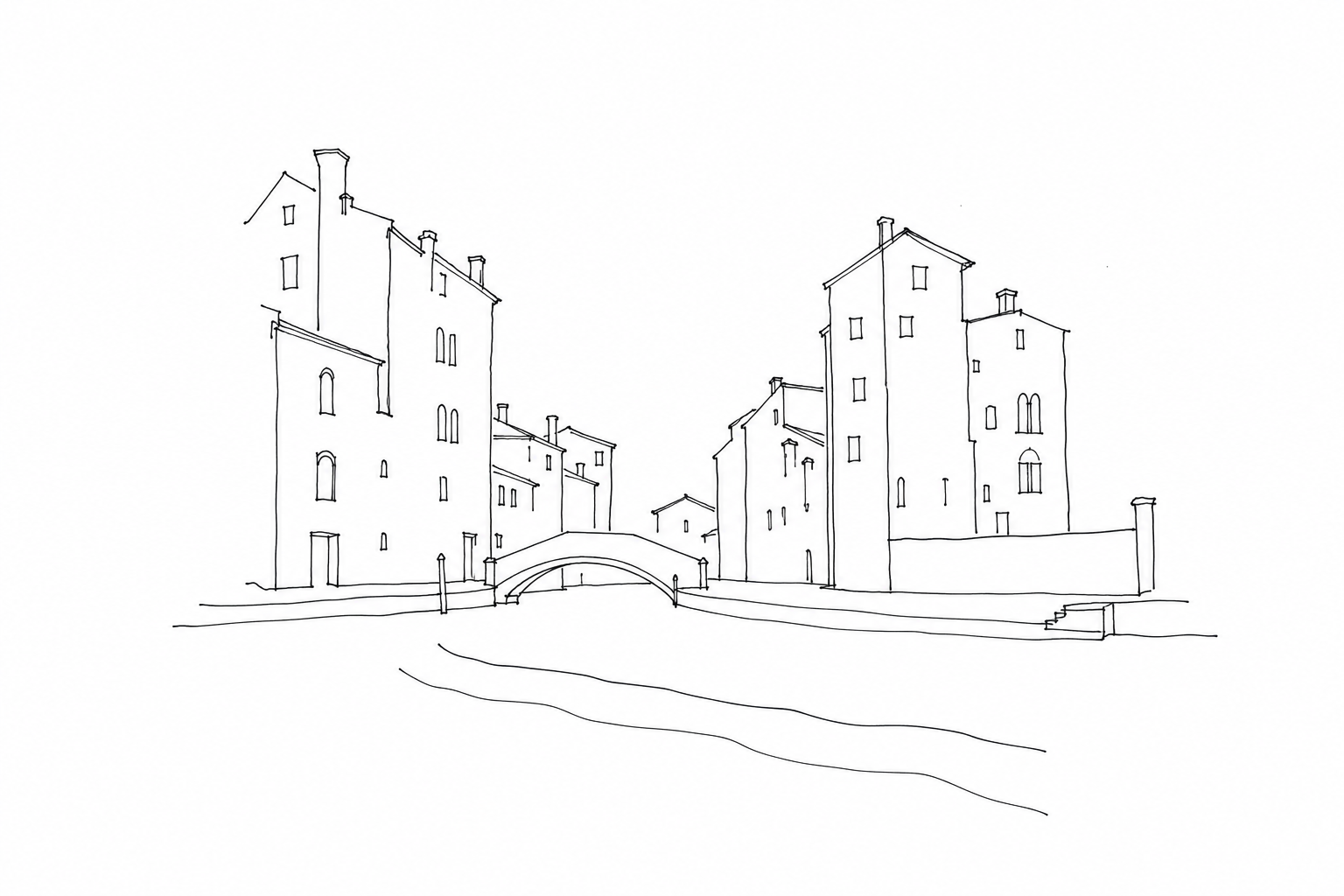

In the sestiere of Cannaregio, the names Ghetto Nuovo, Ghetto Vecchio and Ghetto Nuovissimo tell a story that is less linear than it seems. They do not simply indicate three ages, but three urban, economic and social phases of the Jewish presence in Venice: an imposed enclosure, later expanded, transformed over time into a dense quarter of tall houses, hidden synagogues, shops, passageways and everyday memories. Understanding these names means reading the city through its rules, its controlled spaces and the traces left by different communities, capable of inhabiting Venice without erasing their own identity.
Three names, one urban story
To understand the Ghetto Vecchio and the Ghetto Nuovissimo, one must start from an apparent Venetian paradox: the names do not indicate the order in which the Jews were settled. The first compulsory nucleus, established by the Republic in 1516, was in fact the Ghetto Nuovo, not the Vecchio. “Nuovo” therefore did not mean “more recent” in Jewish history, but referred to an already existing place name, linked to the area of the old foundries, where metal was “cast.”
The Ghetto Vecchio was added only in 1541, when the space of the first enclosure was no longer sufficient. Here too, the name preceded the Jewish use of the place: it indicated an industrial area considered older than the Ghetto Nuovo. The Ghetto Nuovissimo, opened in 1633, completed the urban expansion of the quarter.
These three names therefore tell a layered story: not a simple chronological sequence, but the encounter between Venetian topography, political control and the growth of a community forced to live within precise boundaries.
The initial nucleus of the compulsory Jewish settlement was created in 1516 in the area called Ghetto Nuovo, in Cannaregio. The choice was not accidental: it was an internal island, surrounded by canals and connected to the rest of the city by only a few passages, and therefore easy to supervise. The Venetian Senate established that resident Jews had to concentrate here and that the entrances were to be closed during the night.
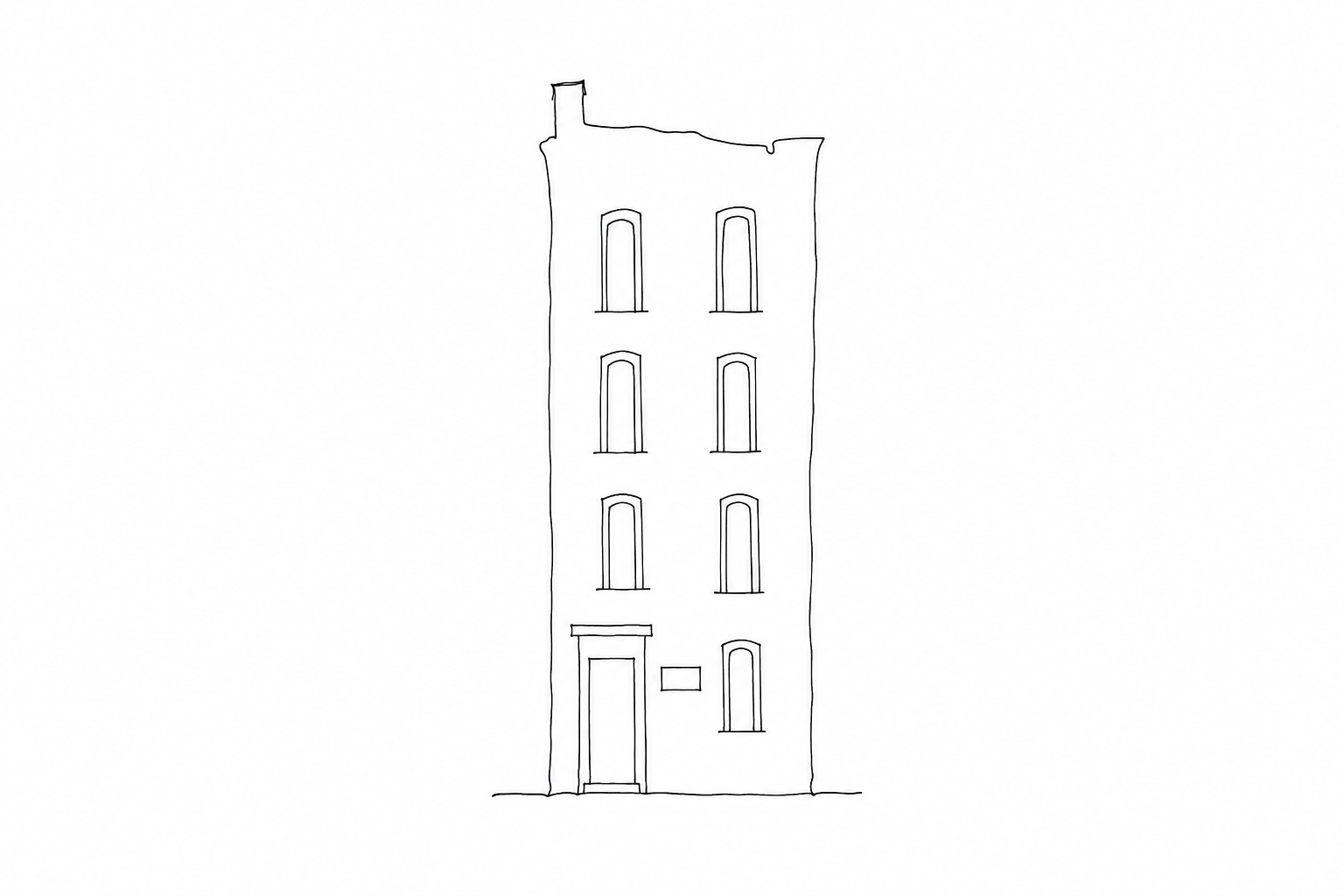
The urban form of the enclosure still explains many characteristics of the place today. The available space was limited, while the population was growing; for this reason the houses developed upward, with crowded floors, subdivided rooms and a density rare in the Venetian fabric. Around the central campo were organized homes, lending activities, shops and places of prayer.
The synagogues did not appear as isolated monumental buildings: they often occupied the upper floors of ordinary houses, recognizable more from the inside than from the façade. This discreet architecture tells of a present and vital community, but one forced to make itself compatible with very strict rules of control.
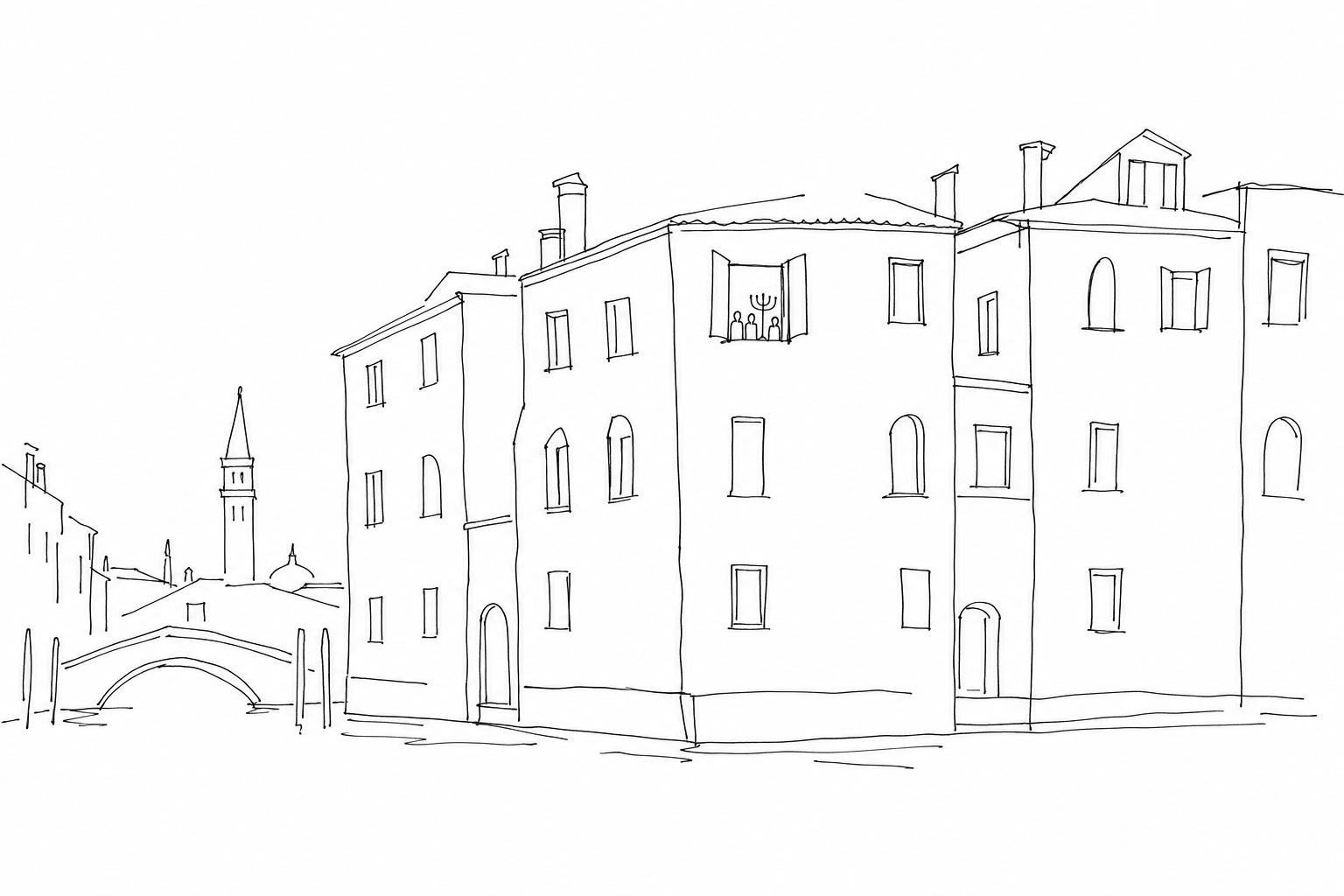
Ghetto Vecchio and Nuovissimo: the expansions
To find one’s way among the three Venetian names, one must accept an apparent paradox: the Ghetto Vecchio is not the community’s first enclosure, but a later extension. Its name derives from the pre-existing foundries, older than those of the area opened in 1516. It became part of the system inhabited by Jews in 1541, when the Serenissima had to make room for mercantile presences that had become indispensable in relations with the eastern Mediterranean.
This sector had a specific role: it particularly welcomed Levantine groups and, later, components of Iberian origin involved in international trade. It is no coincidence that the Scola Levantina and the Scola Spagnola are found here, religious buildings with sober façades but elaborate interiors, the sign of communities differing in language, rites and commercial networks.
The Ghetto Nuovissimo was instead added in 1633, at a time of strong demographic pressure. More than an autonomous quarter, it was an expansion valve: it completed the system of enclosures, distributing dwellings and routes over a wider area that was still controlled by regulated entrances.
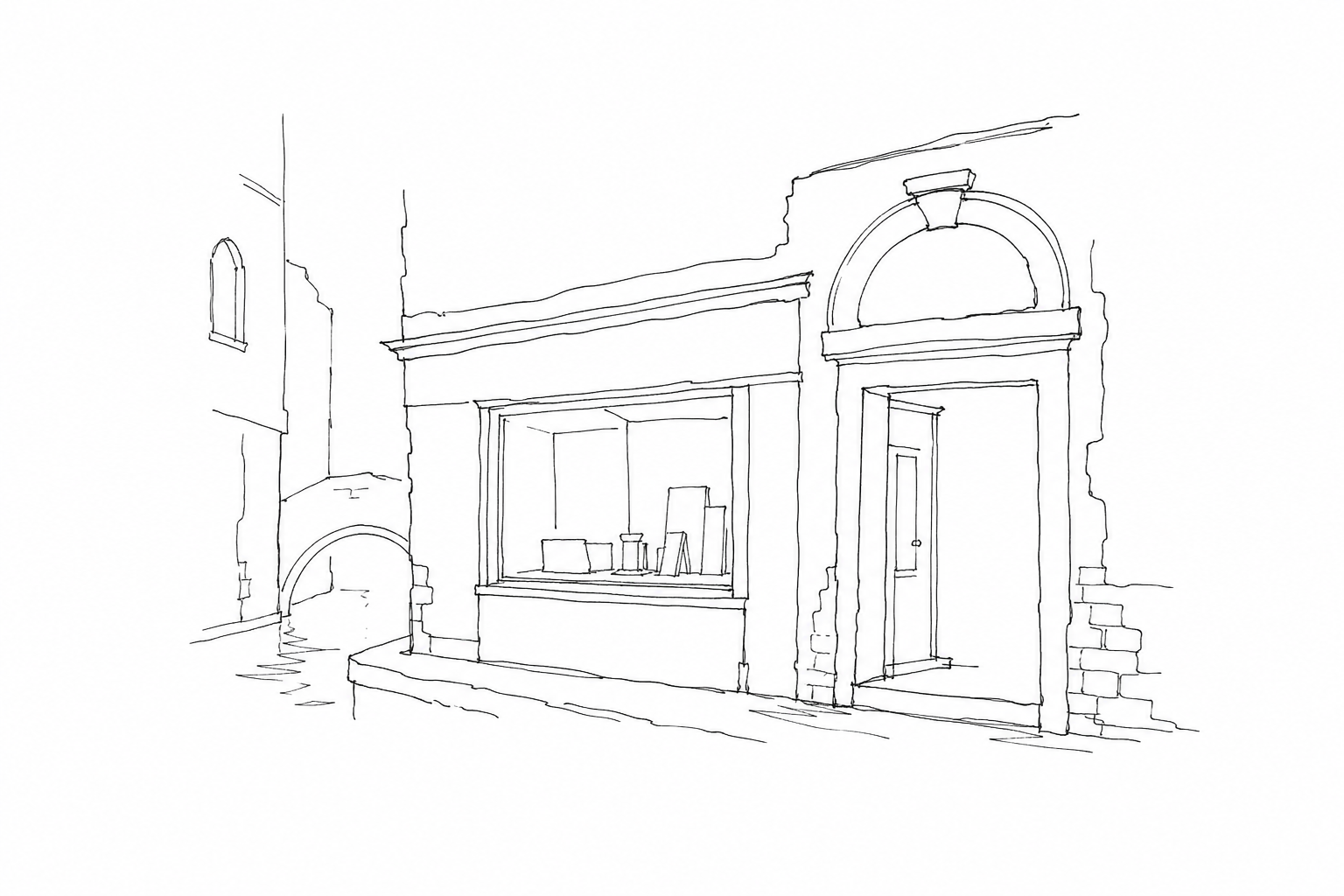
Today, reading the Venetian Jewish area requires attention to minute details: a bridge, a narrow turn, a tall façade tell more than a simple picturesque walk. Between Ghetto Vecchio and Ghetto Nuovissimo, the visitor can recognize how the control of access points produced residential density, houses developed upward and heavily used internal courtyards.
- Look upward: many places of prayer were inserted on the upper floors of ordinary buildings, the sign of a religious presence visible only to those who know how to interpret windows, proportions and orientations.
- Read the campi: the open spaces were not neutral squares, but places of exchange, surveillance, encounter and community memory.
- Pause before the memorials: the bronze reliefs by Arbit Blatas and the stumbling stones connect early modern segregation to twentieth-century persecution, without confusing different eras.
The visit thus becomes an exercise in precision: distinguishing, connecting, avoiding interpretive shortcuts.
Visiting the Ghetto today does not mean looking for an isolated monument, but observing an urban fabric that is still legible: enclosed campi, narrow calli, unusual heights, inscriptions, places of worship and thresholds that speak of inclusion and separation. Ghetto Nuovo, Vecchio and Nuovissimo form a complex narrative, made up of political constraints, housing needs, cultural exchanges and everyday life. Walking through it with attention to names and spaces helps to understand a decisive part of Venetian history, far from the most automatic itineraries and close to the real, layered and often silent city.
Related Posts
The Ghetto Nuovo of Cannaregio: why the world’s first ghetto is called “new”
Origin of the name Ghetto Nuovo: from the Venetian foundry to the Jewish enclosure of 1516.Campo del Ghetto Nuovo: very tall houses, wells and memory in a strangely wide space
Editorial guide to Campo del Ghetto Nuovo: space, tall houses, wellheads and Jewish memory in Cannaregio.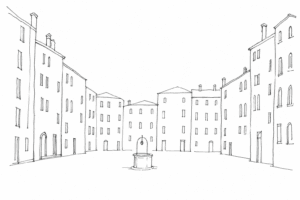
The Ghetto Novo: why the houses are so tall and what they tell us about Venetian Jewish history
In Cannaregio’s Ghetto Novo, the height of the houses tells of imposed space, housing density and Jewish life in Venice.Questions Answered
What do the names Ghetto Nuovo, Vecchio, and Nuovissimo signify?
They represent distinct urban and social phases, not chronological order.Why did buildings in the Ghetto grow upward and densely packed?
Limited space combined with growing population caused vertical development.What distinct communities lived within the Ghetto Vecchio?
Levantine and Iberian Jewish groups with unique languages and religious practices.How can visitors interpret the Jewish quarter’s urban fabric today?
By observing architectural details that reveal cultural and political history.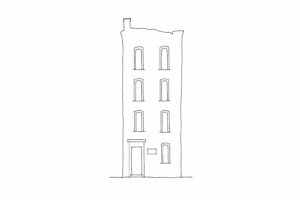
Keep reading the history of the Ghetto
Want to read Cannaregio through its houses, synagogues, memory and economic life?
 The Ghetto Novo: why the houses are so tall and what they tell us about Venetian Jewish historyIn Cannaregio’s Ghetto Novo, the height of the houses tells of imposed space, housing density and Jewish life in Venice.
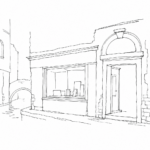 The Banco Rosso and Loans in the Ghetto: the Economic Venice Behind a Tiny Shop WindowA reading of the Banco Rosso in the Venice Ghetto: pawn loans, rules, urban space and economic memory.
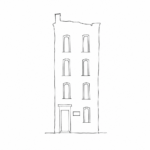 The hidden synagogues of the Ghetto: recognizing the “schools” by looking at almost normal façadesHow to read the façades of Venice’s Jewish Ghetto to sense the ancient “schools” behind almost ordinary buildings.
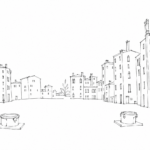 Campo del Ghetto Nuovo: very tall houses, wells and memory in a strangely wide spaceEditorial guide to Campo del Ghetto Nuovo: space, tall houses, wellheads and Jewish memory in Cannaregio.