
In the heart of Cannaregio, the Ghetto Nuovo preserves one of the most interesting contradictions in Venetian toponymy: it is the “new” one despite being the first Jewish ghetto established in the world. The name, however, did not originate with the segregation of 1516, but earlier, within a geography of foundries, canals, and urban transformations. Understanding this apparent inconsistency helps us read the district not as a simple historical stop, but as a layered place, where words, architecture, and daily life recount centuries of forced coexistence, adaptations, and memory.
A name born before the Jewish ghetto
The point to clarify immediately is this: in the Ghetto Nuovo of Cannaregio, the adjective “new” does not mean that a more recent Jewish quarter was born here. On the contrary, this very area was chosen in 1516 by the Republic of Venice to concentrate the Jews residing in the city, giving rise to the first institutionalized ghetto in Europe.
The name, however, already existed before that decision. “Ghetto” derives from the Venetian geto, linked to the foundries where metal was “cast.” In this area of Cannaregio there were in fact metallurgical activities, later abandoned or transformed. The distinction between Ghetto Nuovo and Ghetto Vecchio therefore concerned the productive history of the spaces, not the chronology of the Jewish presence.
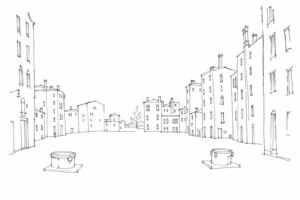
The particularity lies precisely here: the first Jewish ghetto in the world bears the name “new” because it was “new” as a foundry area, not as a Jewish settlement.
From the Geto Novo to the first urban enclosure
The decisive passage took place in 1516, when the Venetian Senate established that the Jews present in the city had to live in the Geto Novo, an area of Cannaregio already identified by its productive history. A religious quarter was therefore not created first and then given a name: an existing place was taken, with a designation linked to the foundries, and transformed into a regulated residential space.
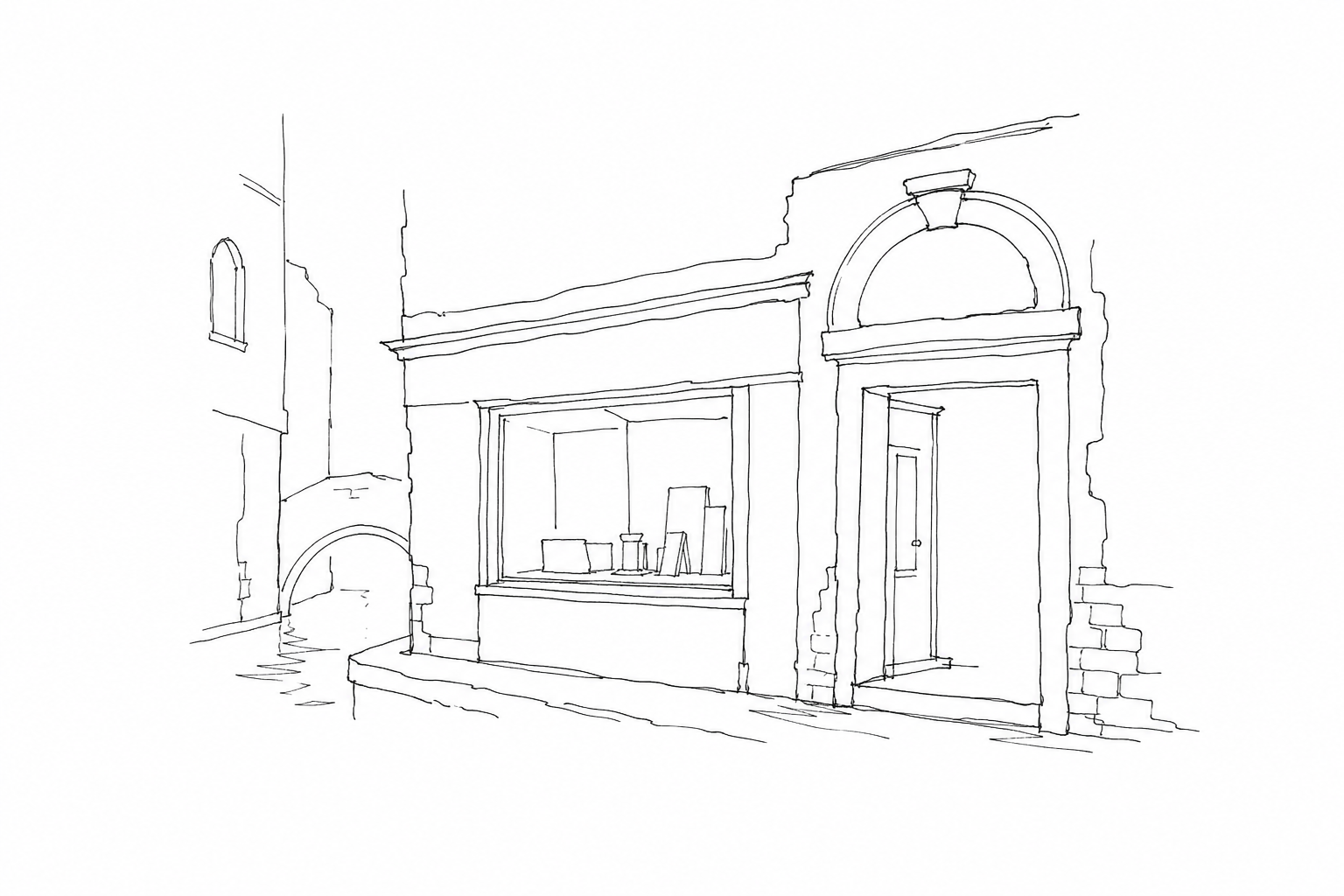
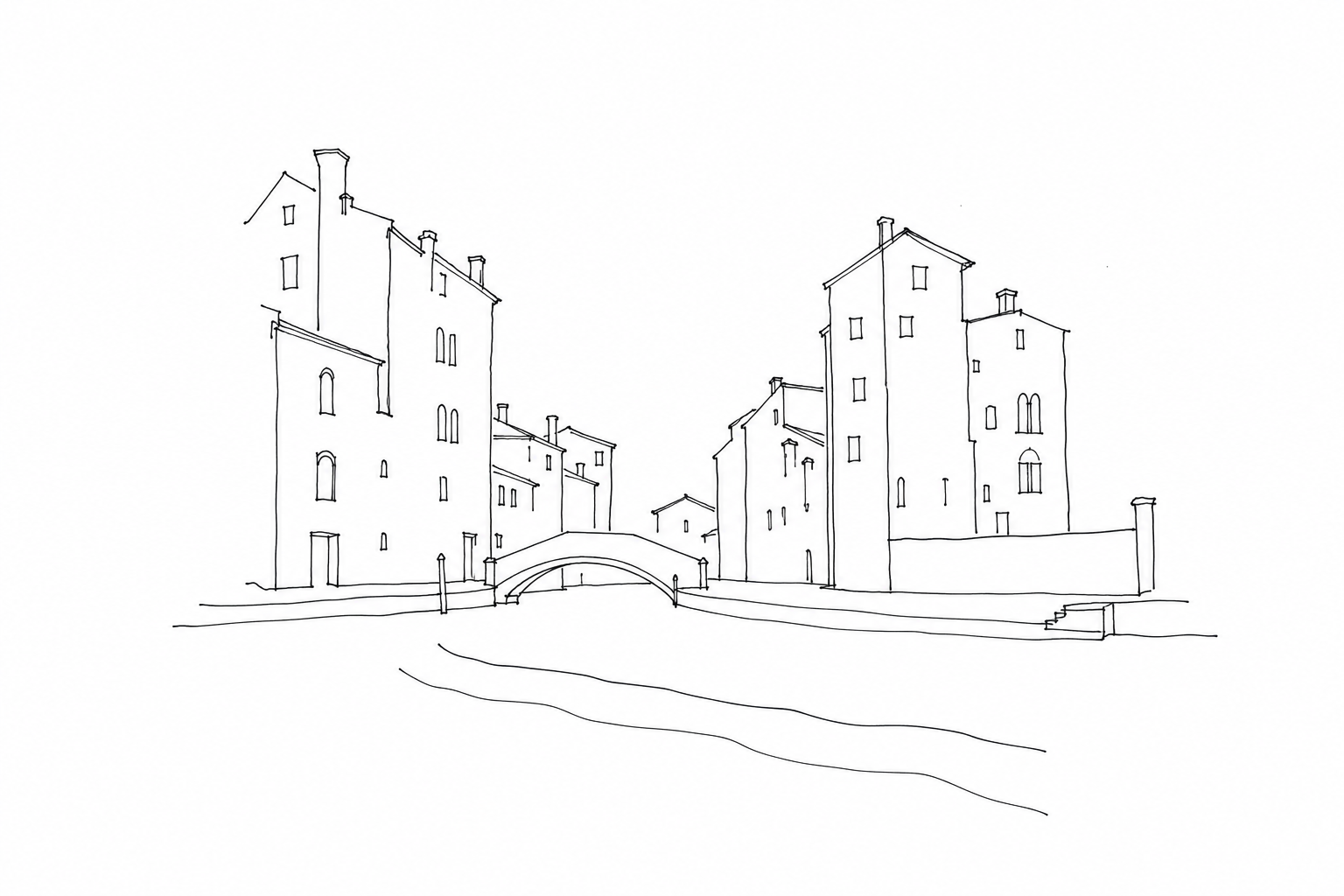
The choice was not random. The site was separated by canals and reachable through few access points, a condition that made it easier to control entries and exits. The gates were closed at night and surveillance was part of the system imposed by the Republic. From an industrial area, where the term geto evoked the casting of molten metal, the area thus became an urban enclosure intended for a specific community.
It is in this transformation that the historical meaning of the place was born: the first established ghetto does not take its appellation from a “new” foundation of the Jewish presence, but from the administrative reuse of a previous Venetian manufacturing space.
Why Ghetto Vecchio and Novissimo also exist
The apparent contradiction arises because the three toponyms do not describe the order in which the Jewish residence was established, but the earlier history of the areas. The Geto Novo, chosen in 1516, was already called this in a productive context: it indicated the site of the more recent foundry compared with other Venetian metallurgical spaces.
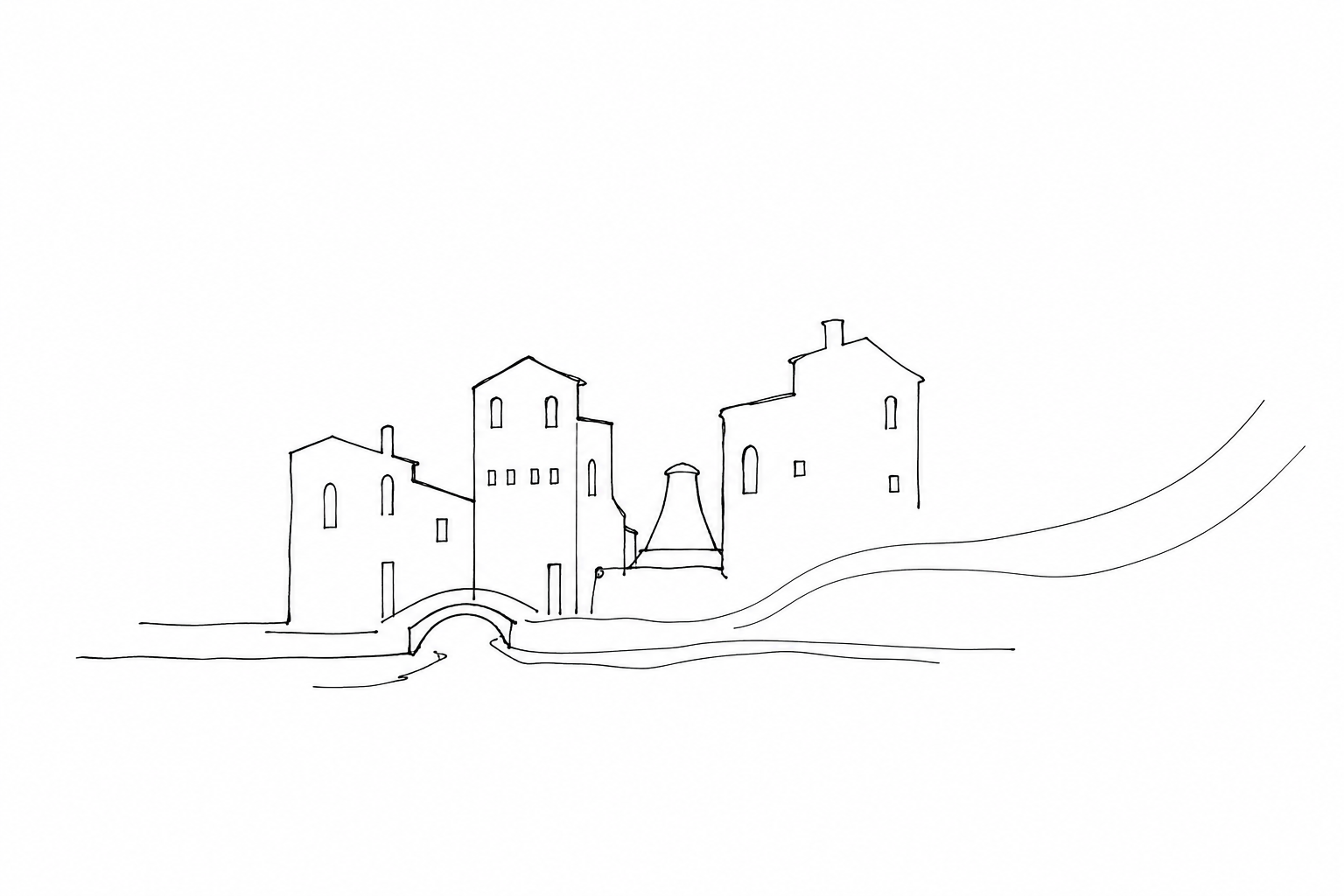
The nearby Geto Vecio, although it entered later into the perimeter inhabited by the Jews, bore an older appellation because it was linked to a foundry considered earlier. It was added in 1541, when Venice had to accommodate above all Levantine groups and increased the space available beyond the original enclosure.
The Geto Novissimo, added in 1633, instead represents a further seventeenth-century expansion. Here the term works in a more intuitive way: it indicates the most recent area among those annexed.
- Novo: pre-existing industrial designation, later the site of the measure of 1516.
- Vecio: area with the older toponym, incorporated afterward.
- Novissimo: subsequent expansion of the seventeenth century.
For this reason, the “new” of the original nucleus should not be read as the date of the community, but as a trace of Venetian artisanal topography.
How to read the Ghetto Nuovo in Cannaregio today
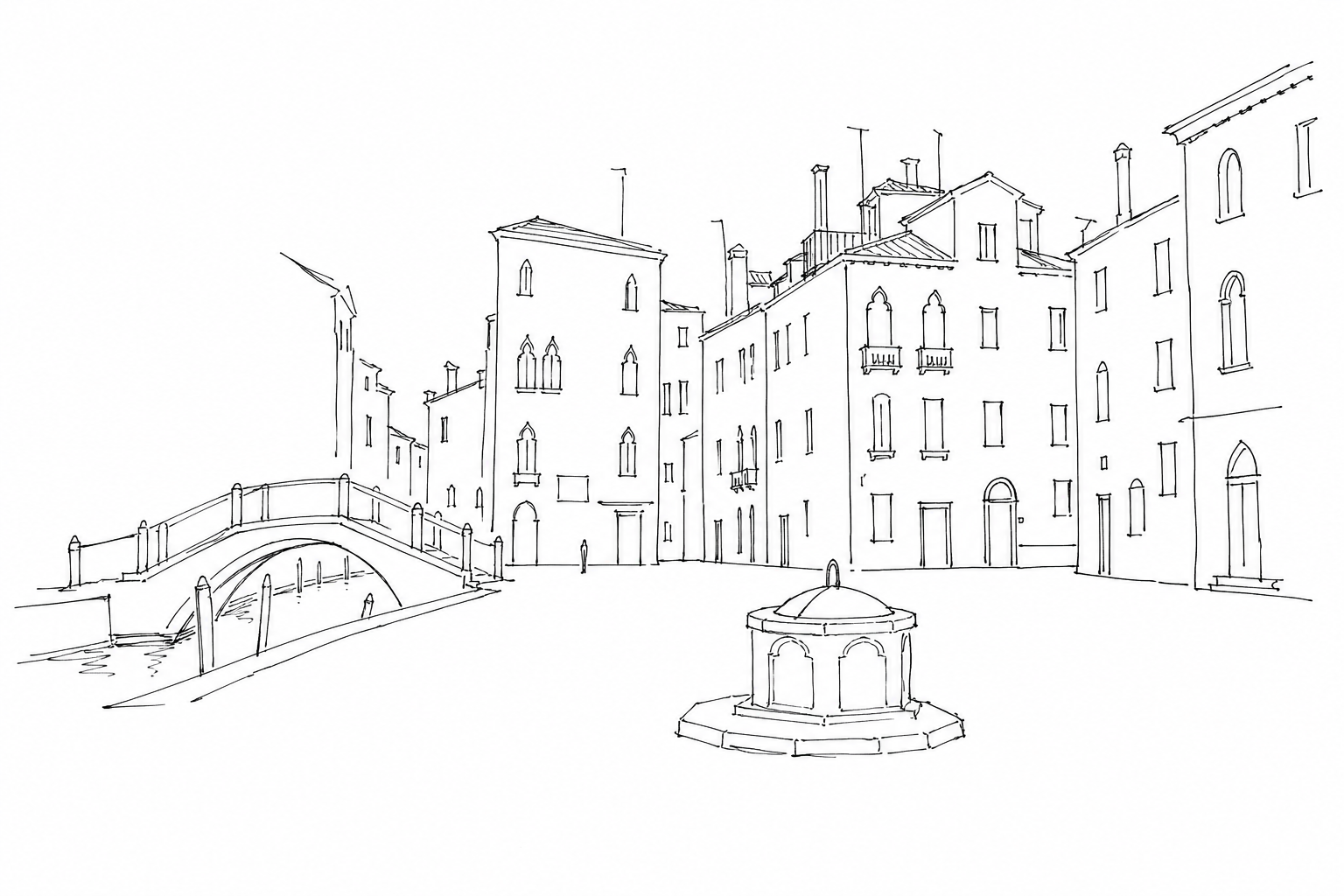
To understand the origin of the toponym on site, it is useful to look at the campo as a former productive space transformed into a compulsory residence. Its broad and almost closed shape recalls the area of the foundries: not a square created to represent power, but an industrial void later densely inhabited.
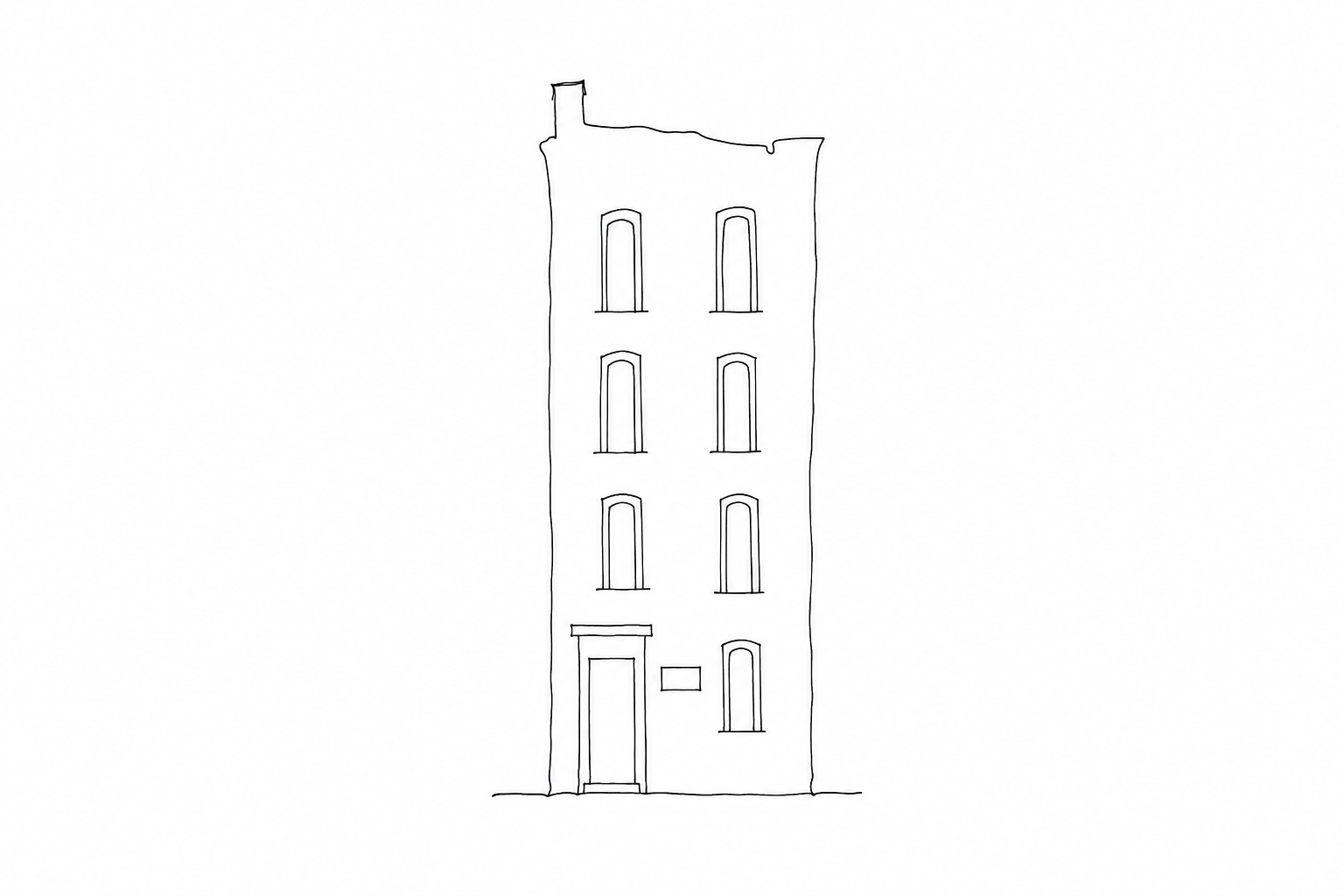
Raise your eyes toward the houses: many buildings grew in height, with small floors and closely spaced openings, a physical response to the scarcity of space within the perimeter assigned in 1516. This verticality is one of the most concrete ways of reading the place.
- Entrances and bridges: they help convey the control of access points, more than a monumental boundary.
- Synagogues: they often do not reveal themselves with obvious façades; they were inserted into the upper floors of the buildings, a sign of urban adaptation.
- Banco Rosso and small campo: they evoke regulated economic activities and daily life, not only separation.
Read in this way, the term “new” returns to its original layer: the memory of a foundry geto, still recognizable in the structure of the Venetian fabric.
The Ghetto Nuovo can truly be understood only by holding together the name, the urban form, and the history of the communities that inhabited it. The tall houses, the synagogues hidden on the upper floors, the enclosed campi, and the passages toward Ghetto Vecchio and Novissimo speak of imposed limits, but also of relationships, knowledge, and cultural resistance. Walking through it today means observing Venice with greater attention: not seeking an immobile image of the past, but recognizing how a place born from an industrial word became one of the densest thresholds in European history.
Related Posts
Ghetto Vecchio and Ghetto Nuovissimo: three names for understanding Venice’s Jewish history
The names Ghetto Nuovo, Vecchio and Nuovissimo explain space, power and memory in Jewish Venice in Cannaregio.Campo del Ghetto Nuovo: very tall houses, wells and memory in a strangely wide space
Editorial guide to Campo del Ghetto Nuovo: space, tall houses, wellheads and Jewish memory in Cannaregio.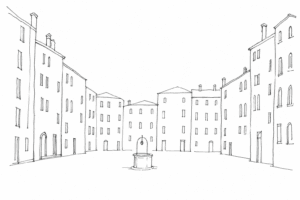
The Ghetto Novo: why the houses are so tall and what they tell us about Venetian Jewish history
In Cannaregio’s Ghetto Novo, the height of the houses tells of imposed space, housing density and Jewish life in Venice.Questions Answered
Why is the world's first Jewish ghetto called 'Ghetto Nuovo'?
Because 'new' refers to its earlier function as a foundry area, not the Jewish settlement.When was the Ghetto Nuovo established as a Jewish quarter?
It was designated by Venice in 1516 as a compulsory residence for Jews.What are the differences among Ghetto Nuovo, Vecchio, and Novissimo?
They reflect the sequence of foundry areas and later expansions, not Jewish settlement order.How does the architecture of Ghetto Nuovo reflect its history?
Buildings grew vertically with hidden synagogues and controlled entrances due to space constraints.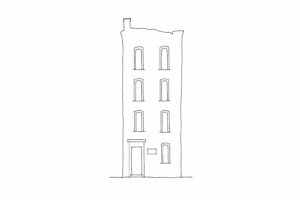
Inside Jewish Venice
Which nearby stories help explain how the Ghetto shaped spaces, communities and memory?
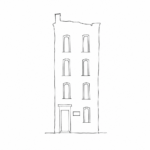 The hidden synagogues of the Ghetto: recognizing the “schools” by looking at almost normal façadesHow to read the façades of Venice’s Jewish Ghetto to sense the ancient “schools” behind almost ordinary buildings.
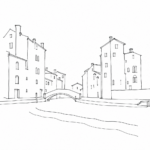 Ghetto Vecchio and Ghetto Nuovissimo: three names for understanding Venice’s Jewish historyThe names Ghetto Nuovo, Vecchio and Nuovissimo explain space, power and memory in Jewish Venice in Cannaregio.
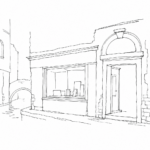 The Banco Rosso and Loans in the Ghetto: the Economic Venice Behind a Tiny Shop WindowA reading of the Banco Rosso in the Venice Ghetto: pawn loans, rules, urban space and economic memory.
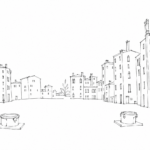 Campo del Ghetto Nuovo: very tall houses, wells and memory in a strangely wide spaceEditorial guide to Campo del Ghetto Nuovo: space, tall houses, wellheads and Jewish memory in Cannaregio.