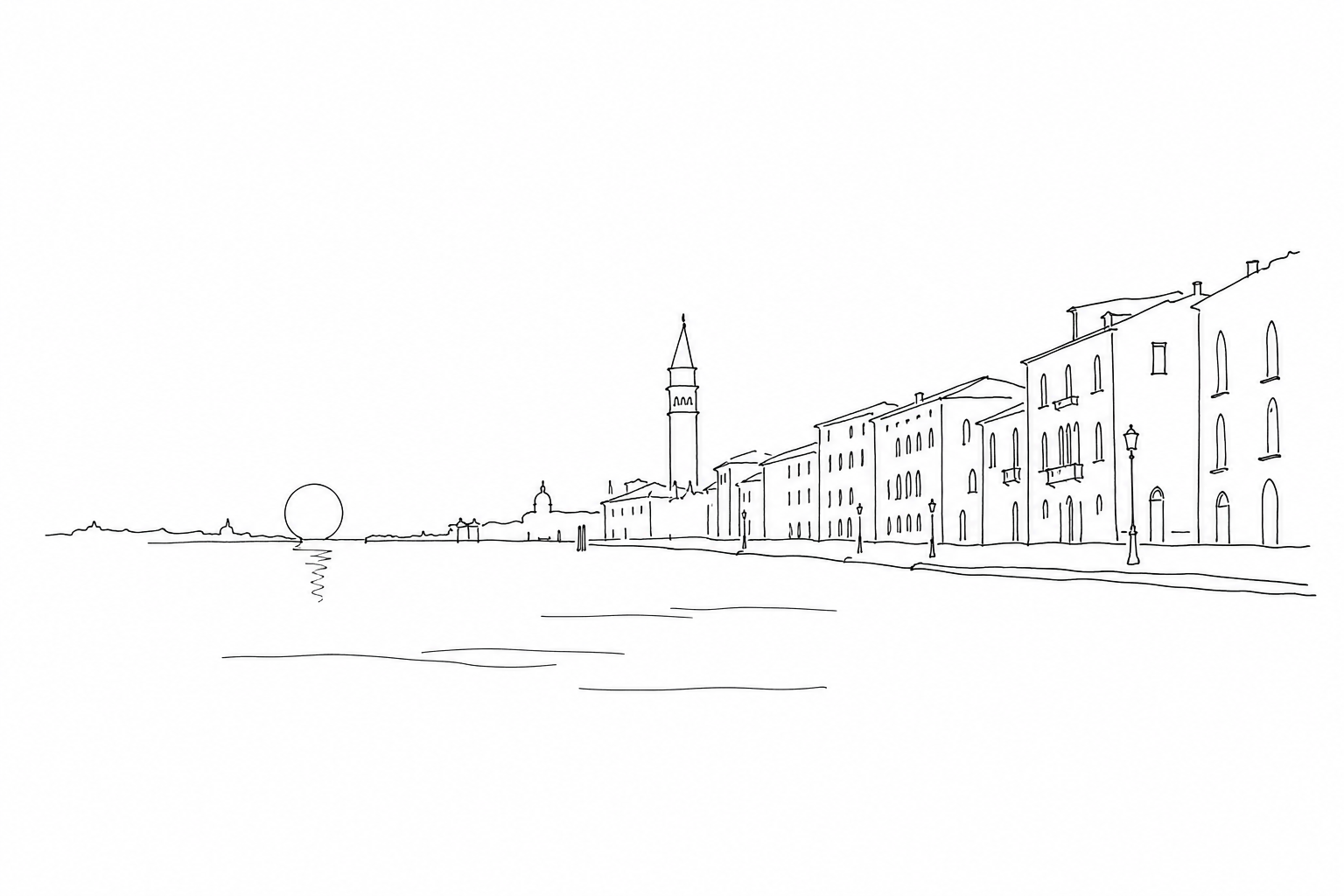
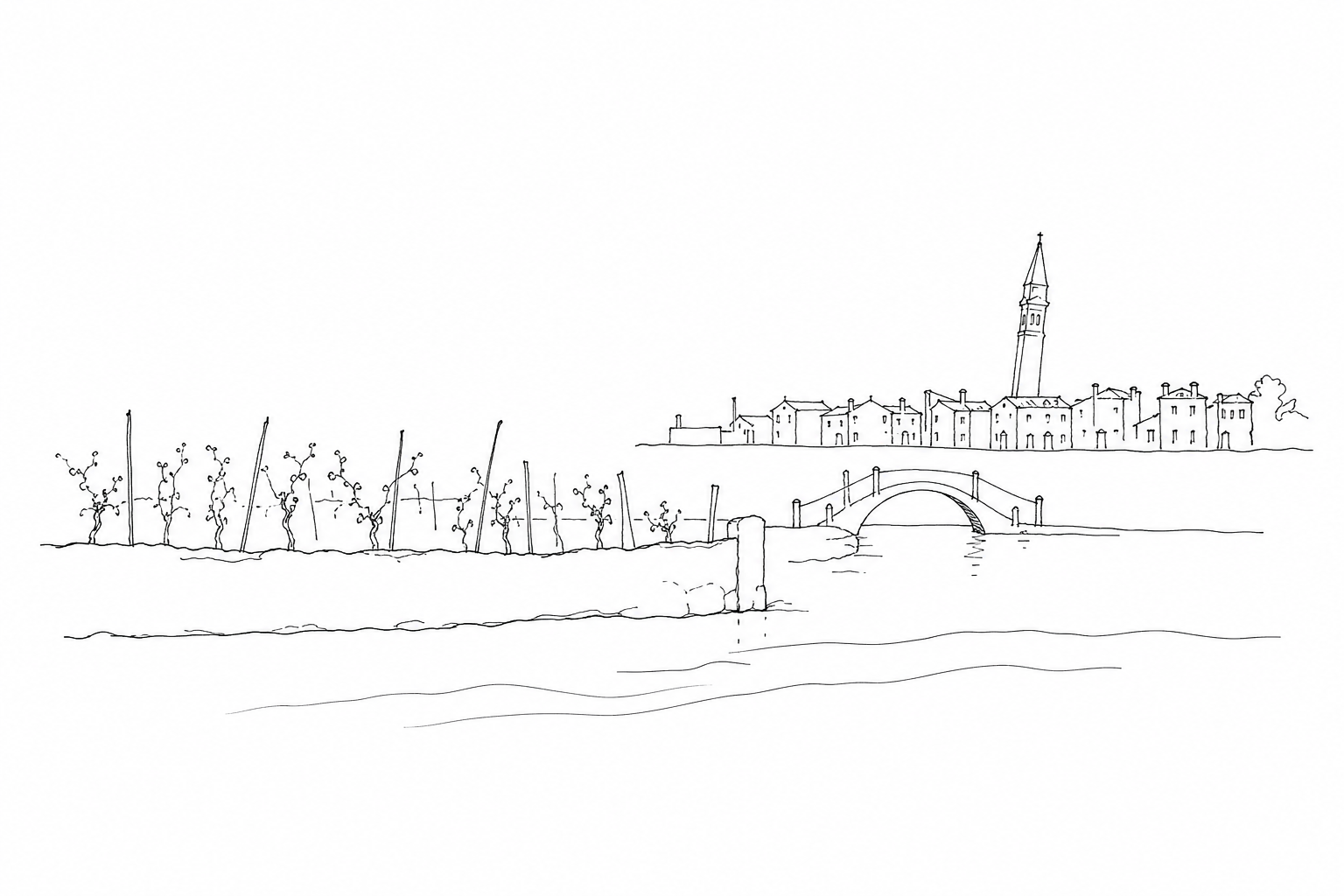
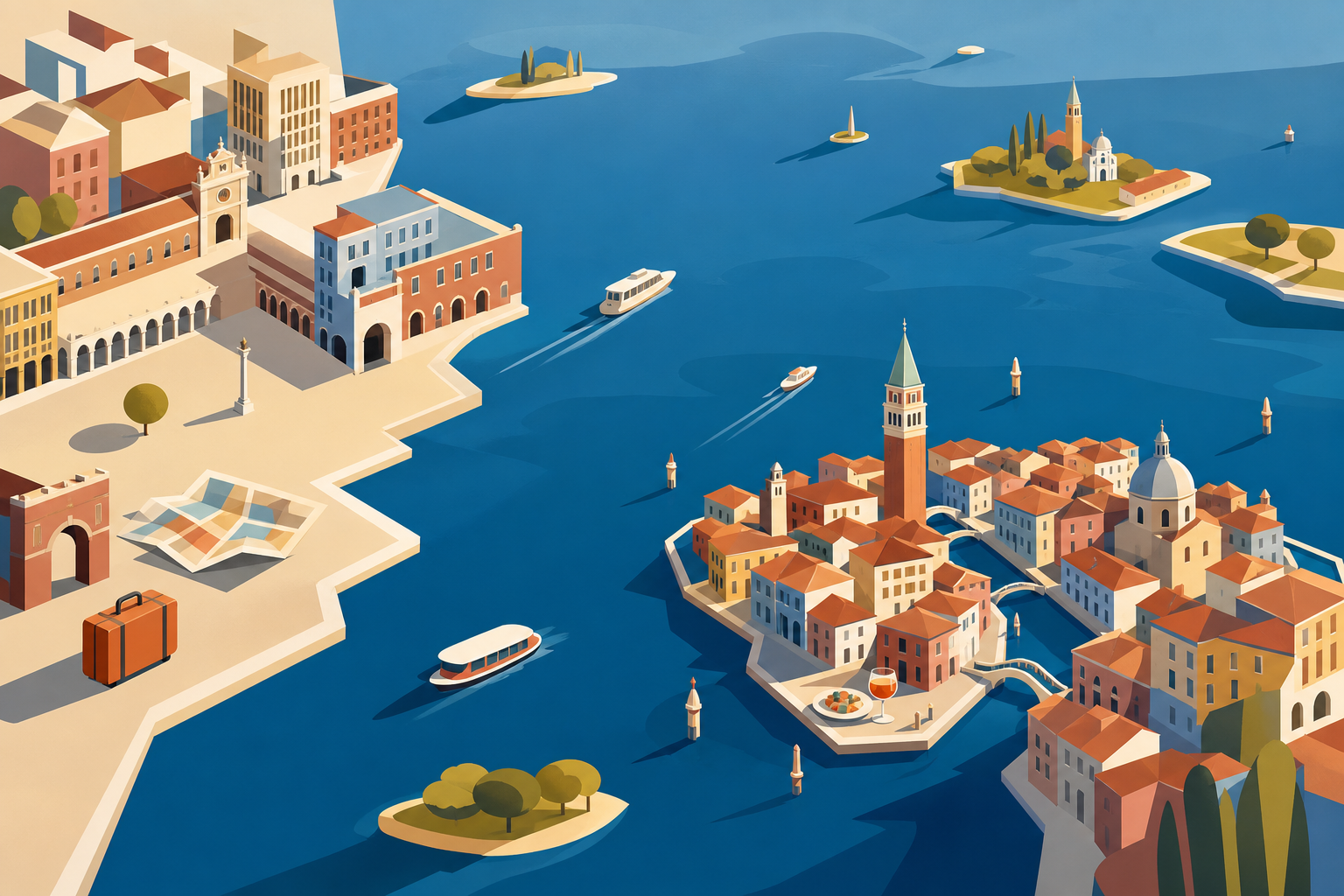

Three days in Venice are not enough to “see it all,” and perhaps that is precisely the point. It is better to enter the city at a slow pace, letting calli, campi and bridges build the journey one piece at a time. This itinerary starts from the historic center, crosses sestieri that differ in rhythm and character, then opens out to the lagoon with Murano, Burano and Torcello, before returning to Mestre. It is not a race between monuments, but a practical and curious way to get your bearings, choose your timing well, avoid some strain and discover a more concrete Venice: made of vaporetto rides, ombre in bacari, silent fondamenta and fortunate detours.
Arriving with the right rhythm
For a short stay in Venice, choosing Mestre center as a starting point helps you avoid using up energy before even seeing the lagoon. It is a practical and clear base in Mestre for visiting Venice: you sleep on the mainland, then reach the historic center by train or bus, knowing full well that Venice begins beyond the bridge, among calli, campi, bridges, rii and canals.
The advice is not to rush straight toward Rialto or San Marco. First get used to the rhythm of the trip: check the timetables, choose a direction, leave room for a stop. If you arrive as a couple or in a small group, a slow walk in Mestre center can be the best way to get oriented.
Piazza Ferretto sets the first tone: tables, bicycles, everyday life. A little further on, the Civic Tower recalls the historic city, while M9 tells the story of the twentieth century with a contemporary language. Venice will come later, with its sestieri; in the meantime the journey has already found its measure.
First day: between Rialto, San Polo and Dorsoduro
To begin Venice at the right pace, I would arrive at Rialto in the morning, when the market still has an everyday rhythm: crates of vegetables, fish on the stalls, low voices, carts passing through the calli. Stop at the nizioleti, the black writing on white walls: they indicate campi, bridges, rii and help you read the city more than a map.
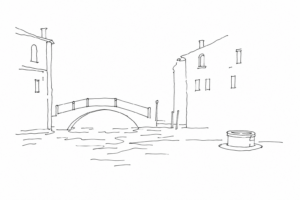
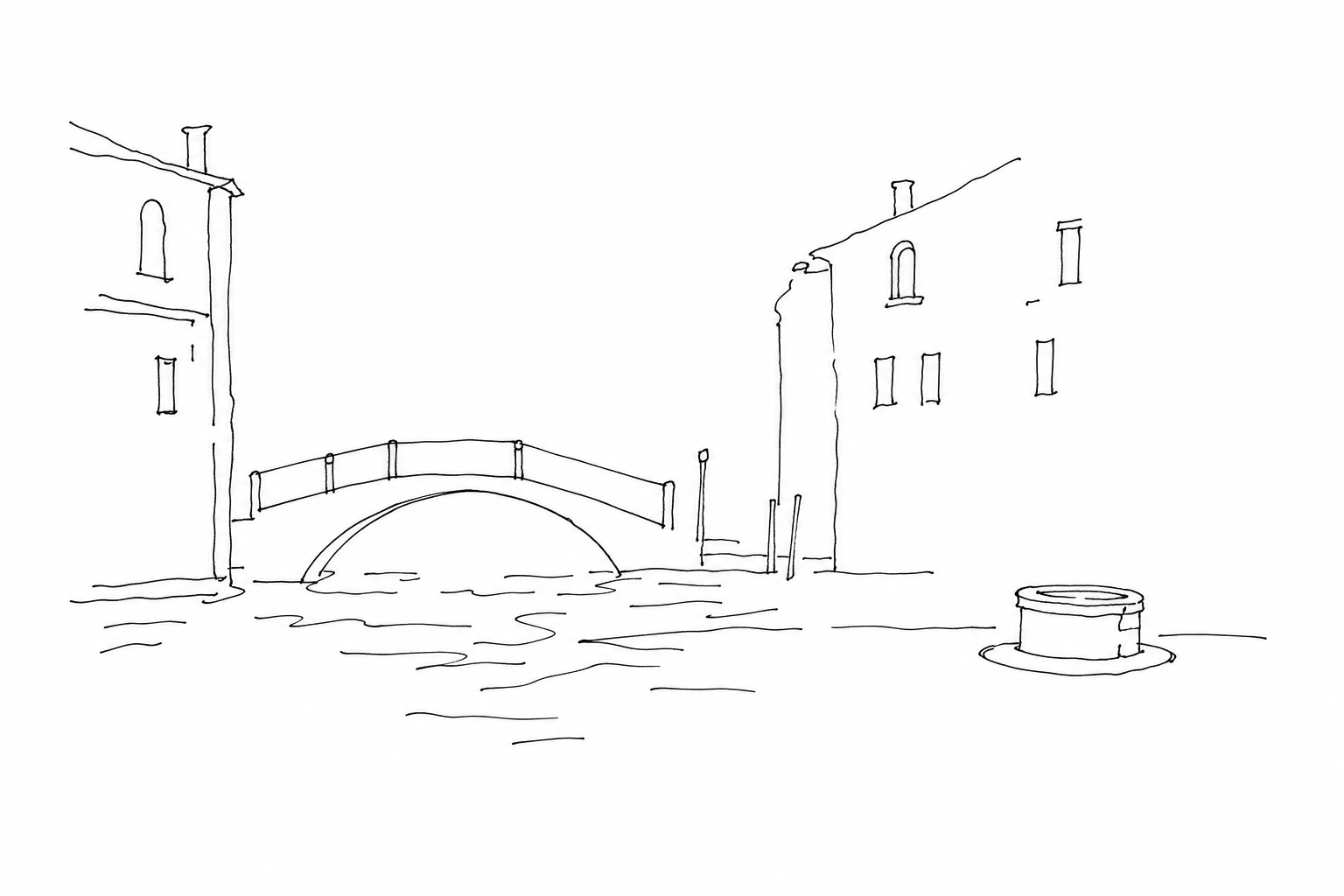
From Rialto, enter San Polo without hurry, choosing the side calli instead of the main flow toward San Marco. Here Venice becomes more lived-in: small campielli, laundry hanging out, wellheads at the center of the campi, some bacaro where you can taste cicchetti and ask for an ombra, the glass of wine of a Venetian stop.
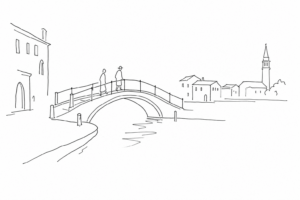
Crossing Santa Croce, look at the details: the altane above the roofs, the low bridges, the narrow canals where a work boat passes. Then go down toward Dorsoduro, one of the best sestieri for a slow walk. The fondamenta offer space, air and shade, especially in the afternoon. It is a route suitable for a couple or a small group on a short stay, even with a base in Mestre for visiting Venice: you just need to respect the city’s time, without filling every minute.
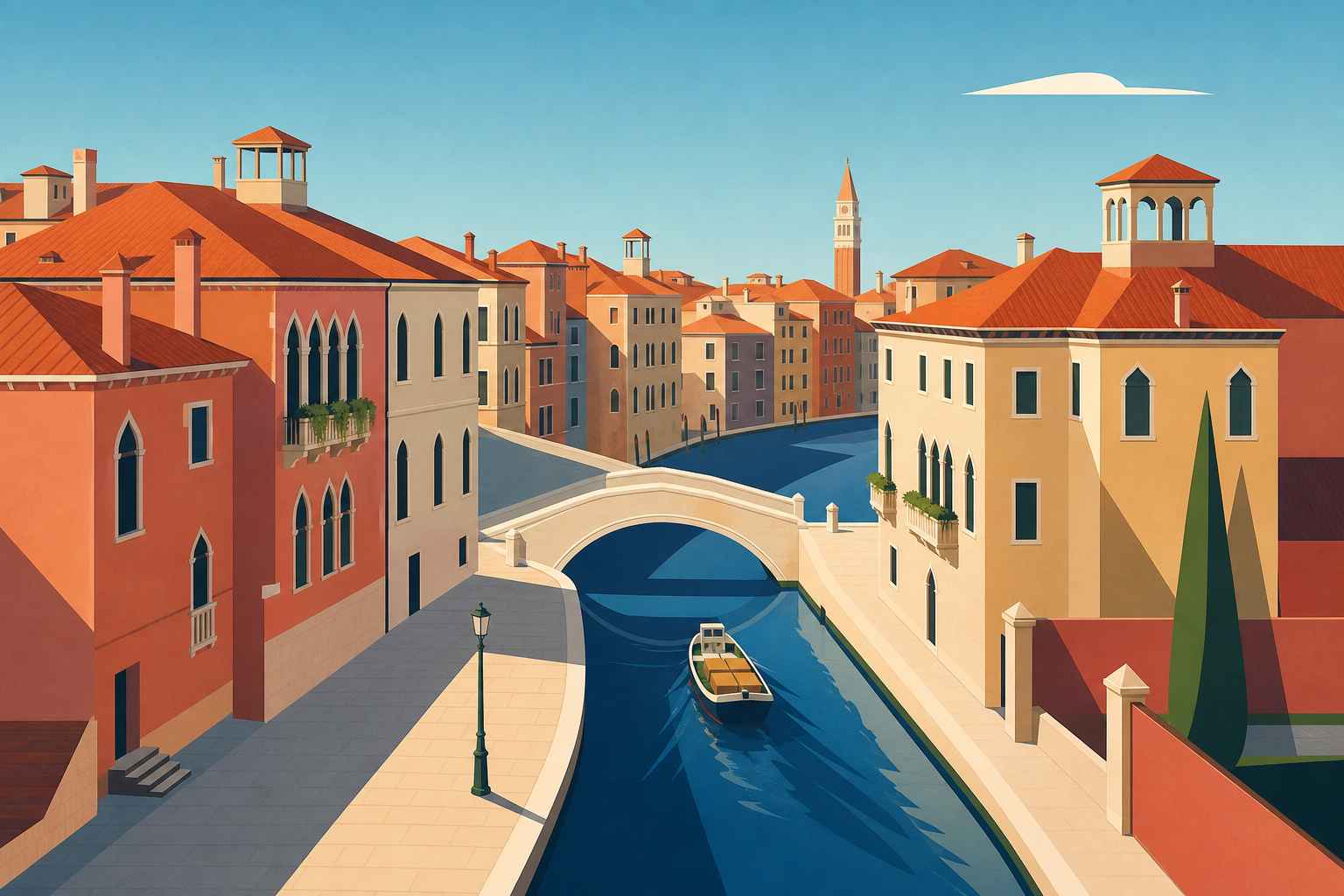
Second day: San Marco, Castello and Cannaregio
It is best to start the second day early, when San Marco still has a human rhythm: the shutters go up, footsteps echo under the Procuratie and the nizioleti point to calli that are already less crowded. After the square, do not stay still too long: cross side bridges and rii, looking for campi and campielli where Venice becomes an inhabited city again, with a wellhead in the center and someone taking the dog out.
From San Marco toward Castello
Walking toward Castello, the pace changes. The fondamenta widen and then narrow, altane appear on the roofs, laundry hangs out, neighborhood shops appear. It is one of the best sestieri for a slow walk: you only need to move away from the main routes to encounter a concrete everyday life, made of bars, schools, elderly people taking a break and small urban details.
Evening in Cannaregio
In the afternoon head toward Cannaregio, perhaps passing through Rialto without stopping at the busiest point. Here the evening works well for a couple or a small group: bacari, cicchetti, an ombra at the counter and then a walk along the canals. If you have chosen a base in Mestre for visiting Venice, returning after dinner remains simple: the important thing is not to hurry and to leave room for the rhythm of the lagoon.
Third day: Murano, Burano, Torcello and return to Mestre
On the third day it is best to leave early, without however turning the lagoon into a race. Murano, Burano and Torcello work well together only if you accept a simple rhythm: a slow walk, a stop, a detail observed carefully.
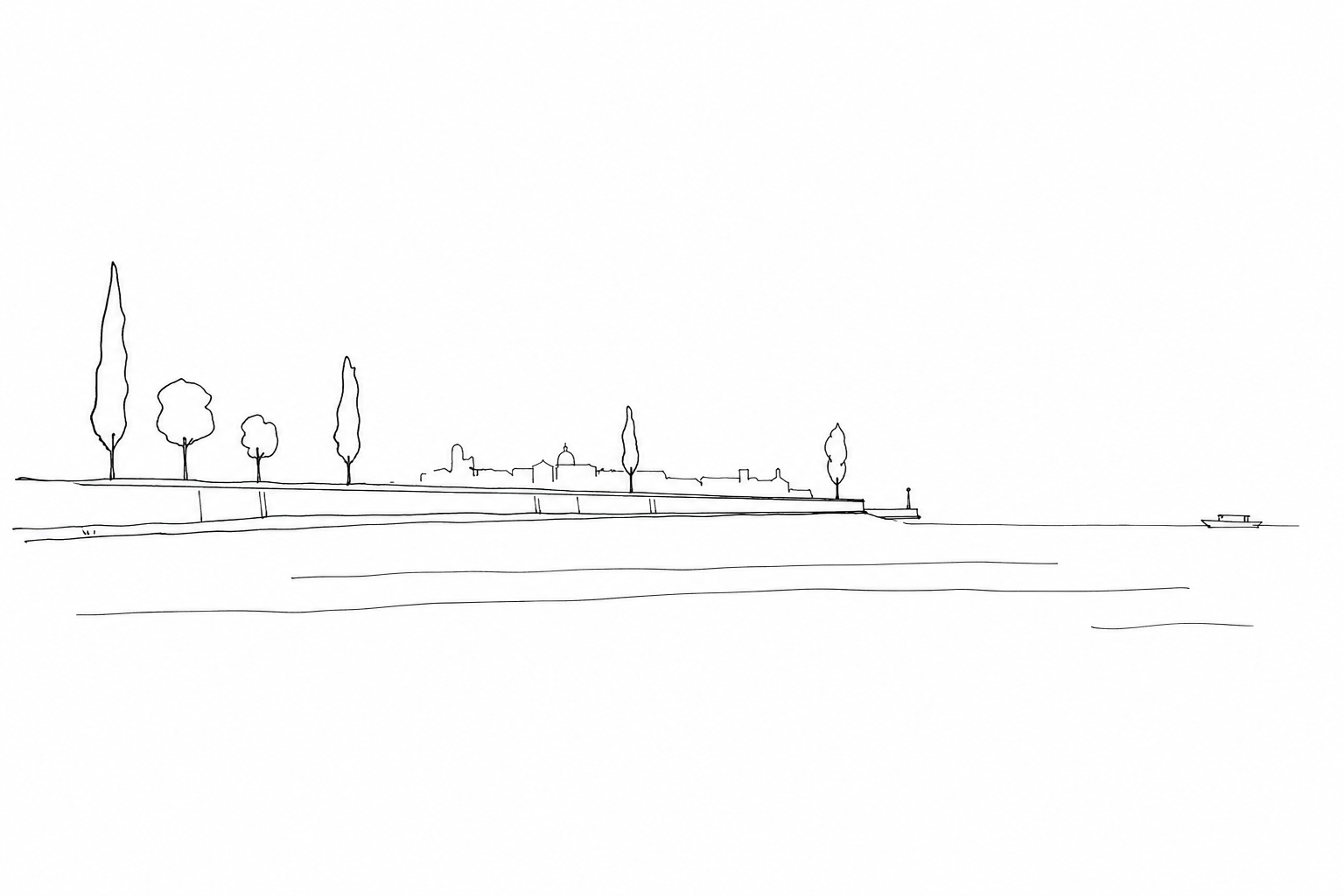
In Murano, the pleasure is walking along the fondamenta, looking at the quieter canals and the everyday life of boats that deliver, load, set off again. In Burano, beyond the colorful houses, look for the side campielli and the less crowded rii: just a few steps are enough to change the sound. Torcello asks for even more silence; here you do not accumulate stops, you walk slowly among grass, stone and open lagoon.
If you have a base in Mestre for visiting Venice, returning in the late afternoon is a good choice. After days among calli, bridges, sestieri and bacari, Mestre center offers a more relaxed ending: dinner near Piazza Ferretto, a look at the Civic Tower, perhaps one last ombra or a short stop before setting off again.
At the end of three days, Venice remains deliberately incomplete: some closed church, a bridge not crossed, an island to see again more calmly. But a slow itinerary serves precisely this purpose: not to consume the city, but to understand its breath. From the Rialto market to the calli of Castello, from the colors of Burano to the more everyday return toward Mestre, the journey becomes a sequence of simple and memorable passages. Take home a little orientation, a few good addresses and above all the desire to return without hurry, perhaps in a different season, when Venice changes light but does not lose its measure.