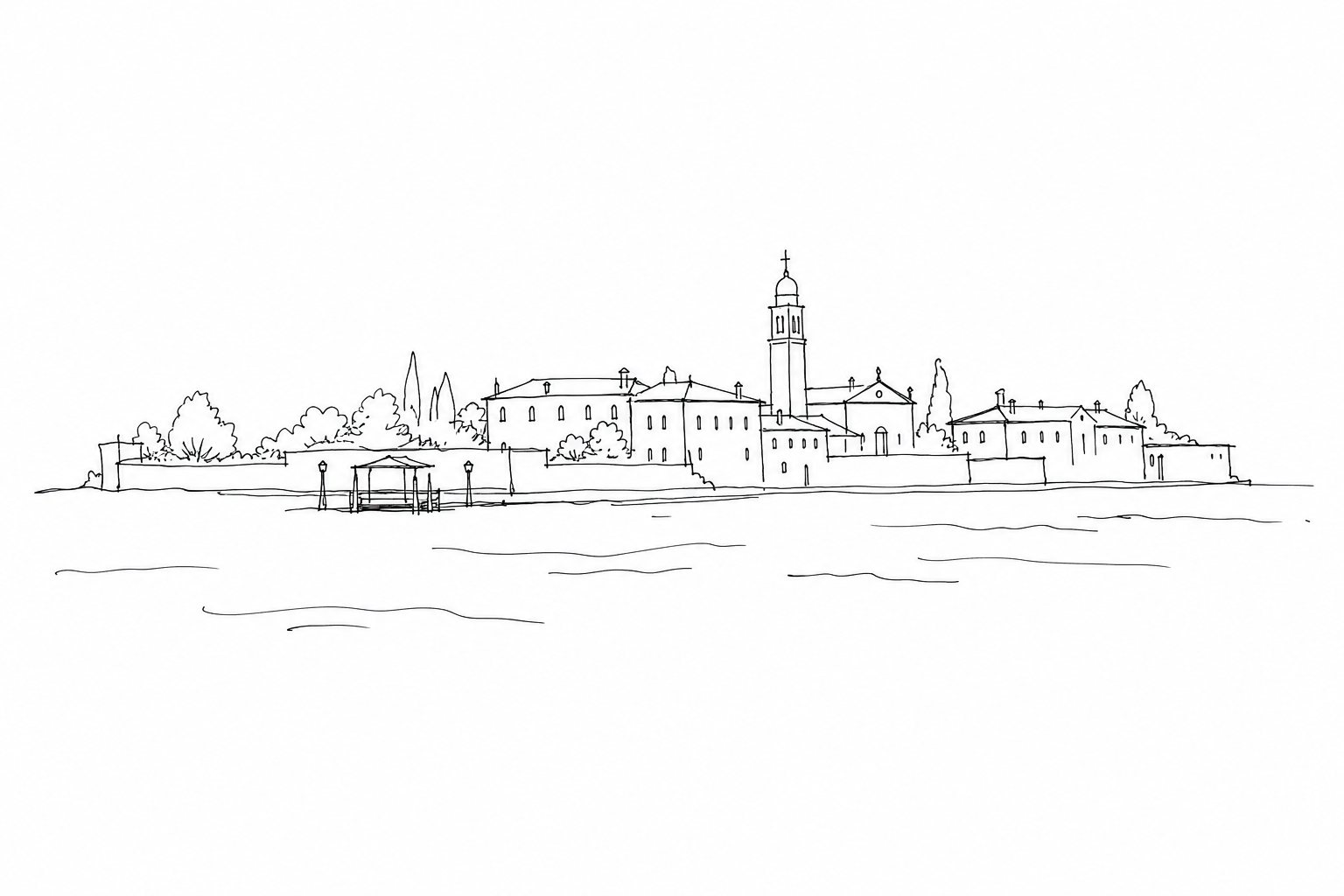

San Servolo is a few minutes by vaporetto from Venice, but its history seems to place it elsewhere: in a separate, orderly space, difficult to cross with the distracted gaze of the tourist. For centuries the island changed function, moving from the religious dimension to the healthcare one, until it became one of the symbolic places of lagoon psychiatric care. Today the Museum of the Asylum preserves objects, medical records, instruments and images that do not ask for morbid curiosity, but for attention. Visiting San Servolo means questioning an uncomfortable piece of urban and social history, where the beauty of the island coexists with the memory of exclusion.
An island close to Venice, but separate
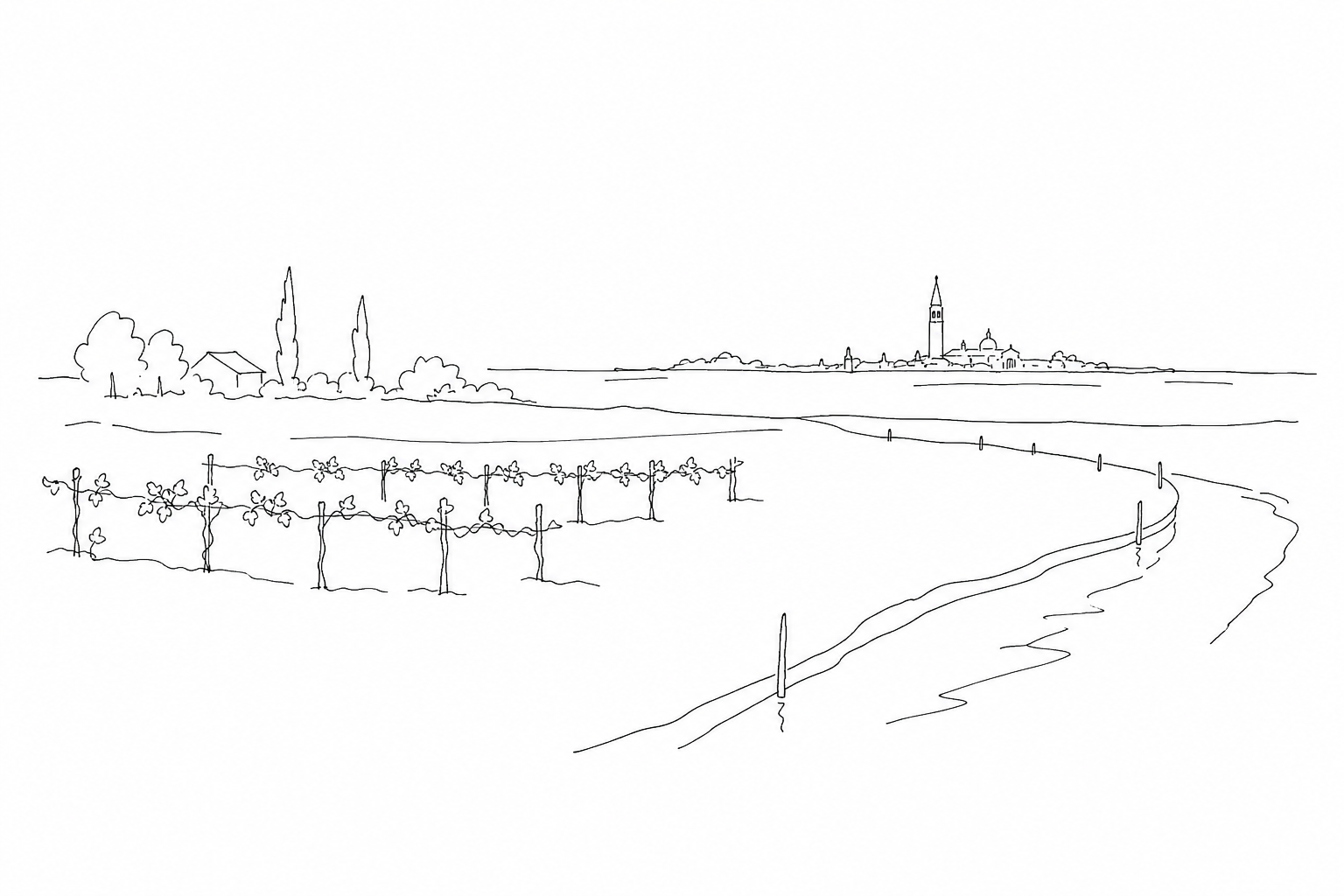
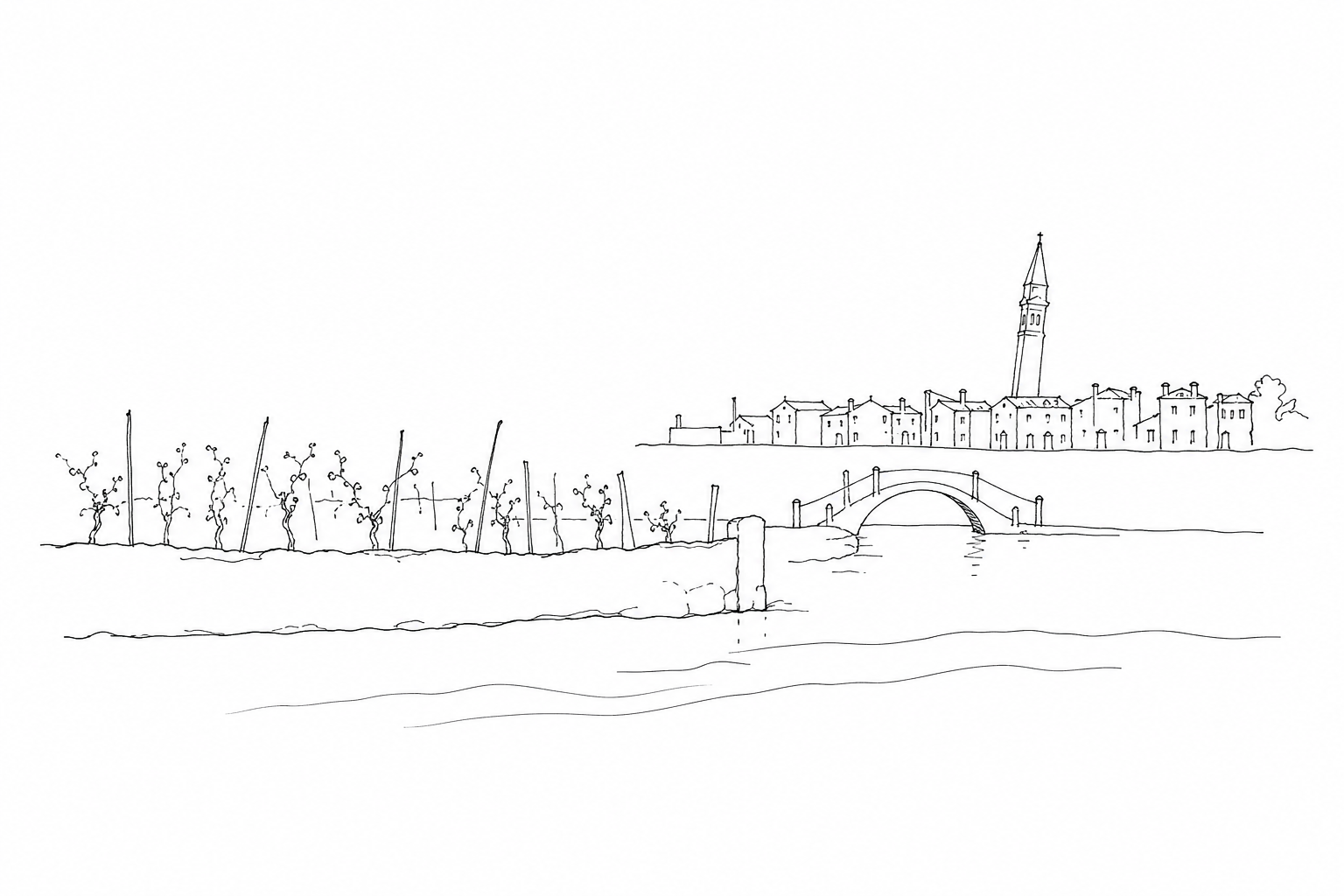
San Servolo is located in the Venetian lagoon, a short visual distance from the San Marco basin and the island of San Giorgio Maggiore. Precisely this proximity makes its ambiguity more evident: it is part of the landscape of Venice, but not of its most traversed daily life. The water that surrounds it is not only a geographical element; for centuries it functioned as a boundary, a filter, a threshold.
Before becoming one of the symbolic places of Venetian psychiatry, the island had a religious and welfare history, with monastic presences and later healthcare functions. When the sick and people considered “alienated” were transferred there, the lagoon separation took on a harsher meaning: protecting the city, ordering distress, making it less visible.

Looking at San Servolo from Venice therefore means observing a place close by but kept at a distance, where psychiatric care became intertwined with control, isolation and uncomfortable memory.
From religious place to psychiatric hospital
Before becoming synonymous with psychiatric internment, San Servolo was a religious place. Its medieval history is linked to a monastic community, with spaces organized around the church, the convent, the vegetable gardens and the daily functions of cloistered life. This origin is not a marginal detail: the separate, disciplined and self-sufficient layout of the complex made it easier, in later centuries, to adapt it to healthcare and custodial functions.
In the eighteenth century the site changed role. The Serenissima designated it as a military hospital, entrusting its management to the Fatebenefratelli, a religious order with experience in assisting the sick. From here the transition toward the care of the mentally ill was progressive: during the century, admissions began of people then defined as “mad” or “alienated,” according to medical and social categories far removed from contemporary sensibility.
With the nineteenth century, under the Napoleonic and then Austrian administrations, San Servolo increasingly took on the profile of an asylum. It was no longer only a hospital: it became a total institution, where therapy, discipline, work, surveillance and separation from society coexisted in the same space.
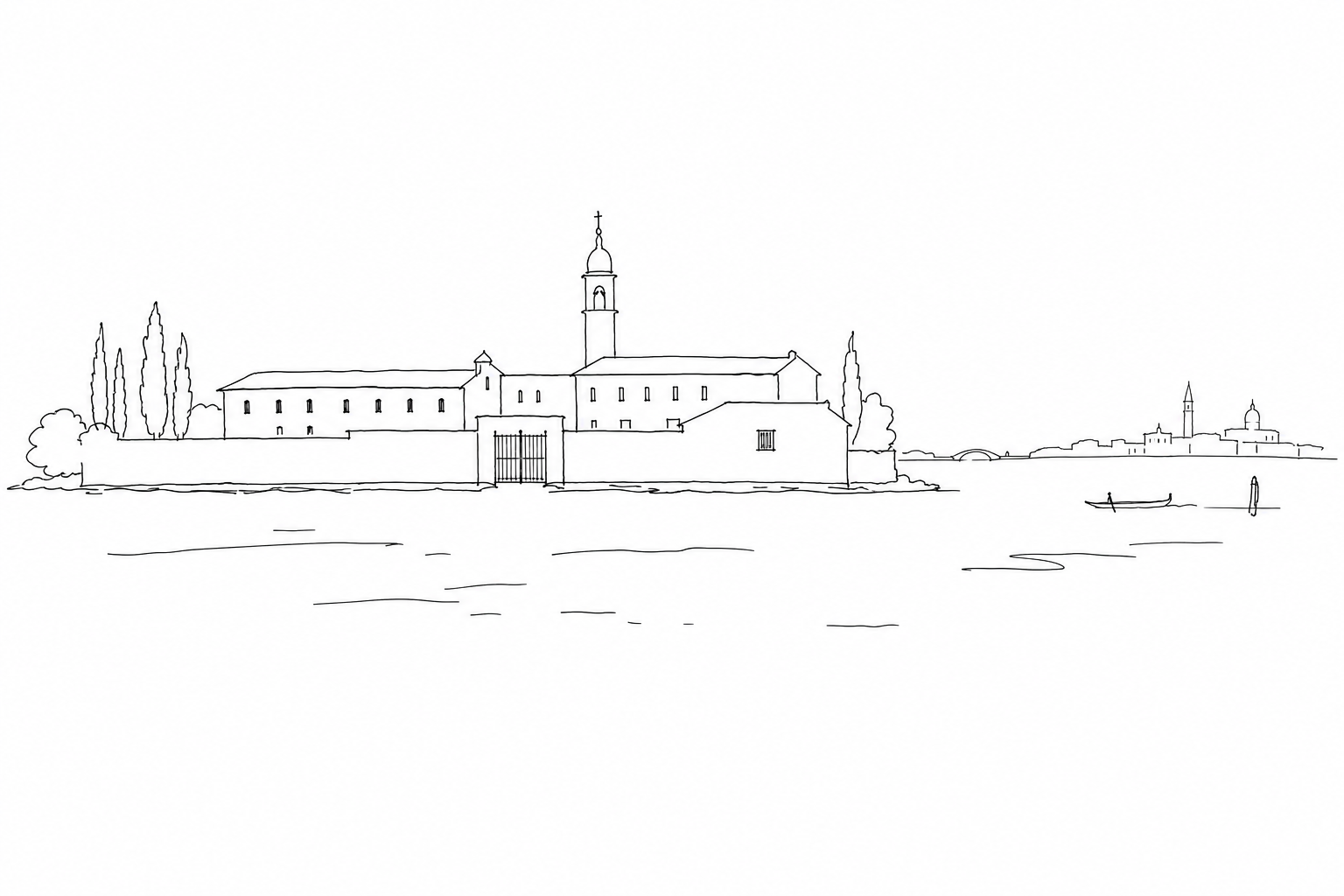
The Museum of the Asylum: objects, bodies, archives
A visit to the Museum of the Asylum should be read as entering a material archive, not as a search for the macabre. The display cases collect medical instruments, clinical furnishings, registers, photographs, patient records and objects linked to the daily life of the interned: elements that show how psychiatric care was also classification, control and administration of bodies.
Among the most eloquent exhibits are restraint devices, therapeutic apparatuses, materials from the pharmacy and from the laboratories. They do not speak only of outdated techniques: they tell of a system in which diagnosis, behavior, work and obedience could merge into a single institutional practice. The images of the patients, often taken for clinical purposes, demand a cautious gaze: they are not curiosities, but traces of people reduced to documents.
The value of the route lies precisely in this tension. Every object preserves a double voice: that of the doctor who used it and the more fragile one of those who endured it. For this reason the museum neither absolves nor condemns easily; rather, it forces us to question the uncomfortable memory of Italian psychiatry before the Basaglia reform.
How to read San Servolo today
A mindful visit should begin before the display cases: with the arrival by water, which makes the physical distance perceived as part of the device of care and control. The complex was not only a clinical ward, but an ordered microcosm: landing place, courtyards, corridors, work spaces, green areas and healthcare environments built a daily life separated from the city.
To orient yourself, it is useful to observe three levels. The first is architectural: symmetries, passages and thresholds indicate who could move and who was watched. The second is linguistic: records, diagnoses and classifications show how people were transformed into cases. The third is ethical: every object on display should be read by asking who spoke, who decided, who remained without a voice.
The lagoon landscape, apparently serene, does not lessen this history: it makes it more ambiguous. Always check updated practical information before leaving, but dedicating time to the context is the real key to the visit.
Reading San Servolo today means avoiding two shortcuts: turning it into a picturesque place or reducing it to a simple dark page. The island preserves architectures, archives and daily traces that speak of the way in which a society defined illness, normality, distance. For those who visit Venice with time and attention, San Servolo offers a different experience: not a curious detour, but an encounter with a memory that is still active. Leaving it with a few more questions is perhaps the most respectful way to pass through it.
Related Posts
San Clemente: from monastery to hospital, the island Venice has always kept at a distance
History of San Clemente, a lagoon island used for worship, care, and separation.The Lazzaretto Nuovo: the quarantine island before the word became global
History and interpretation of the Lazzaretto Nuovo, the lagoon island where Venice organized health controls, goods and quarantine.
San Michele: the cemetery island where Venice learned to separate the living from the dead
History, spaces and memory of San Michele, the lagoon cemetery born when Venice moved the dead outside the inhabited city.Questions Answered
What was San Servolo's original purpose before becoming an asylum?
It was originally a monastic community with religious and self-sufficient functions.How did San Servolo function as a psychiatric institution?
It was a total institution combining therapy, discipline, work, surveillance, and separation.What does the Museum of the Asylum display?
Medical instruments, patient records and daily life objects revealing psychiatric care history.How should visitors approach the history of San Servolo today?
With ethical reflection, acknowledging the voices of both doctors and patients.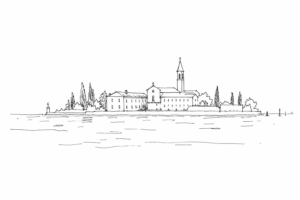
From the city into the lagoon
Which places show how deeply Venice depends on water, navigation and island margins?
 San Michele: the cemetery island where Venice learned to separate the living from the deadHistory, spaces and memory of San Michele, the lagoon cemetery born when Venice moved the dead outside the inhabited city.
 San Clemente: from monastery to hospital, the island Venice has always kept at a distanceHistory of San Clemente, a lagoon island used for worship, care, and separation.
 San Lazzaro degli Armeni: a small island, a library and a piece of the East in the lagoonHistory, library, monastery and atmosphere of San Lazzaro degli Armeni, the Armenian island in the Venice lagoon.
 The Lazzaretto Nuovo: the quarantine island before the word became globalHistory and interpretation of the Lazzaretto Nuovo, the lagoon island where Venice organized health controls, goods and quarantine.