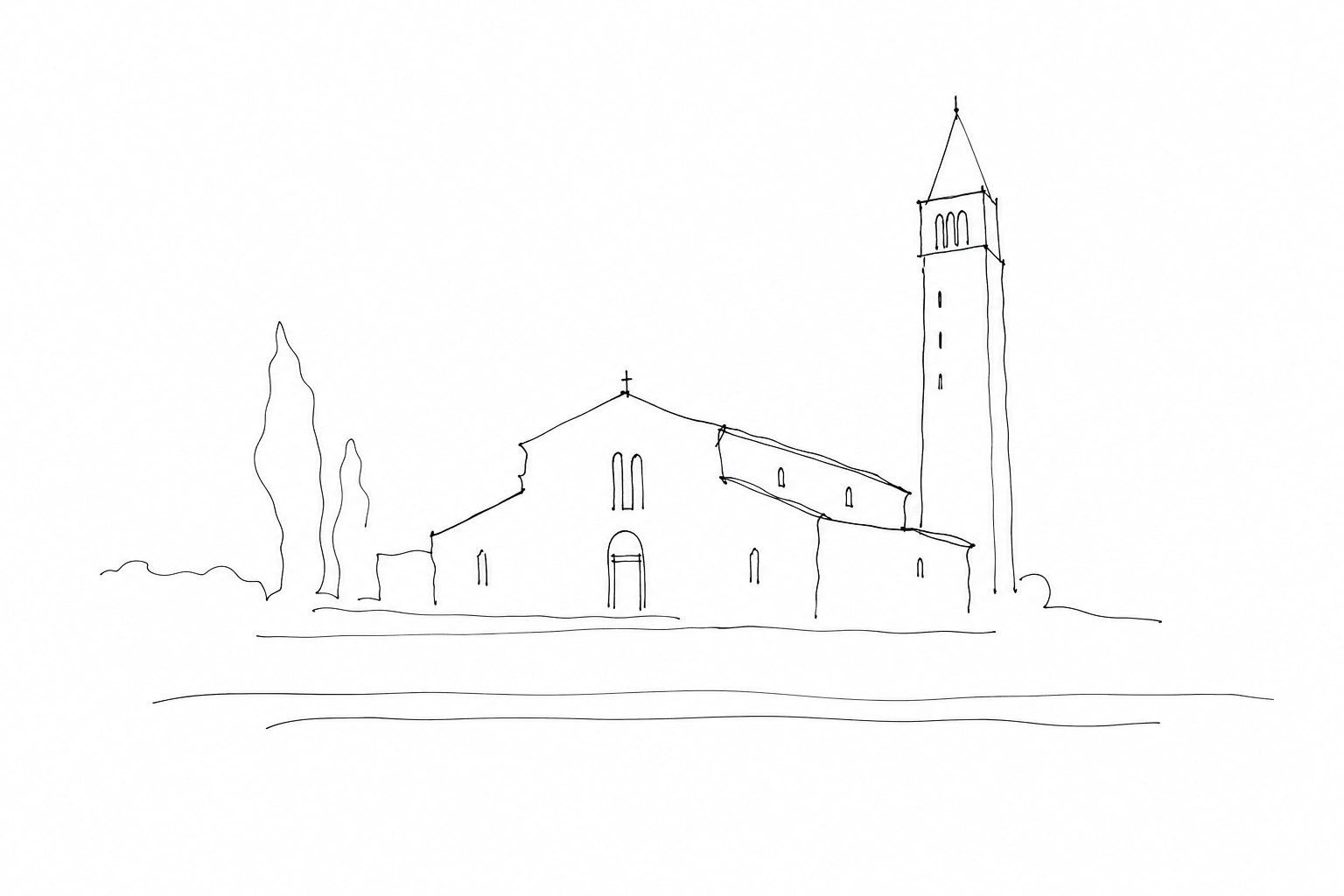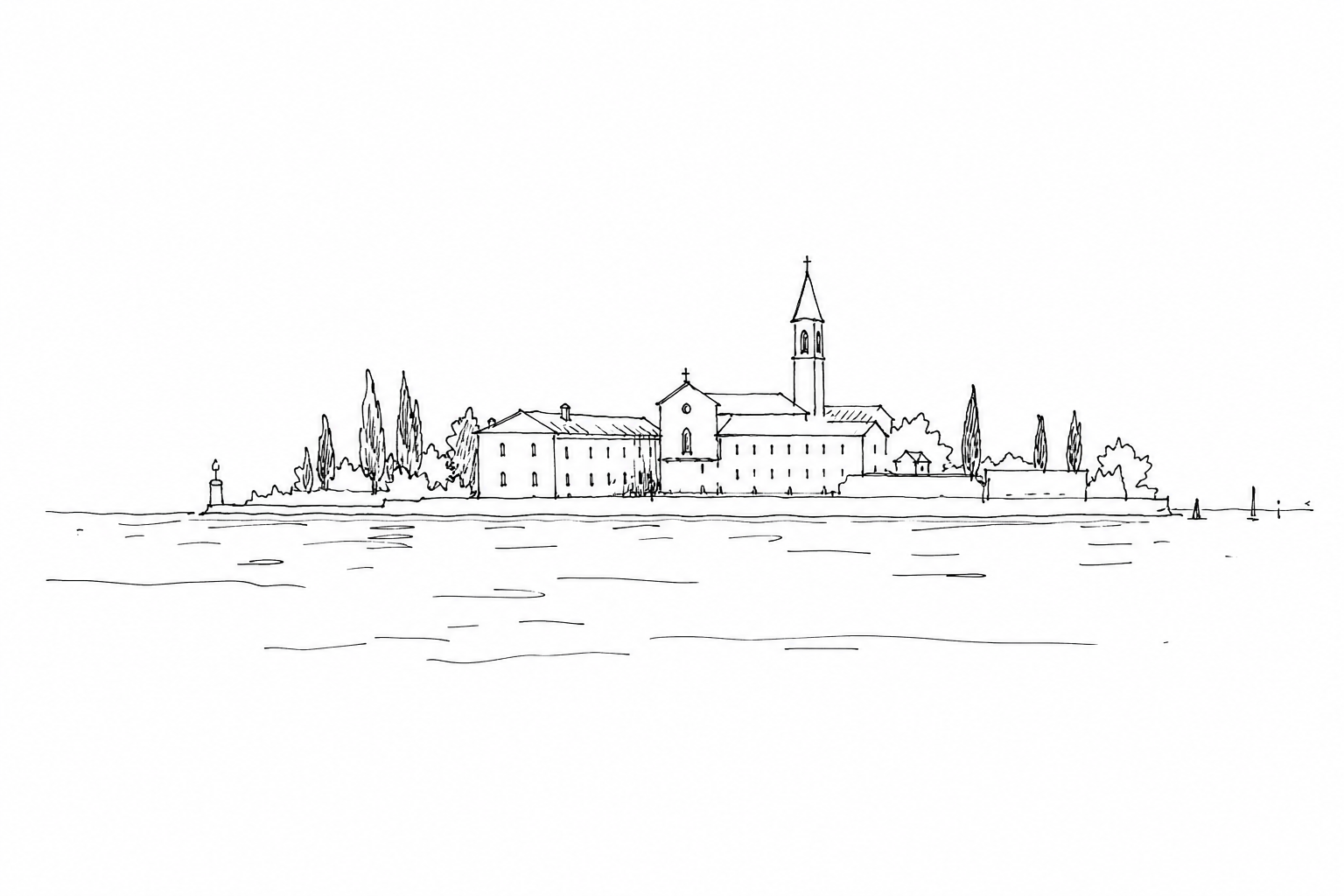
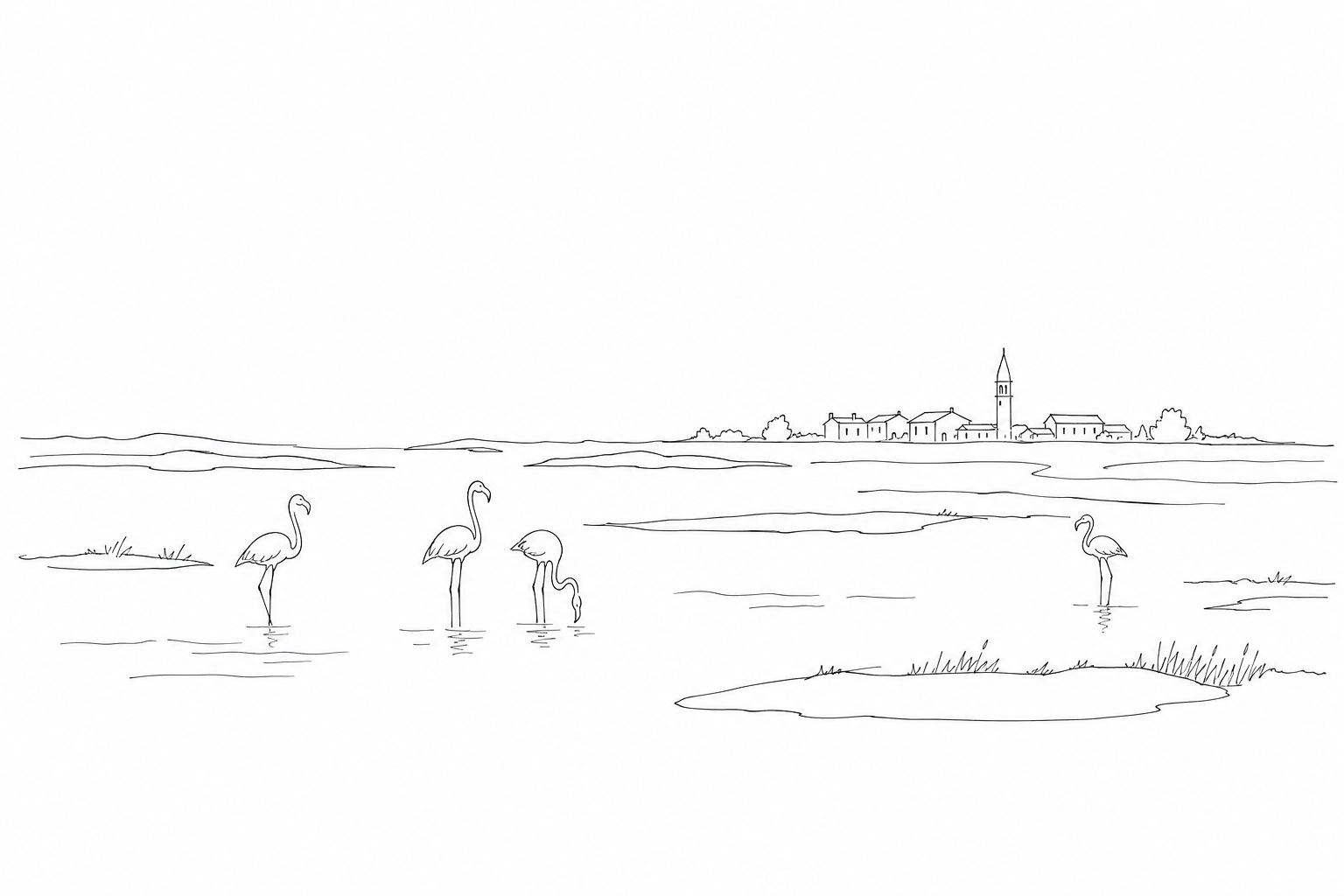
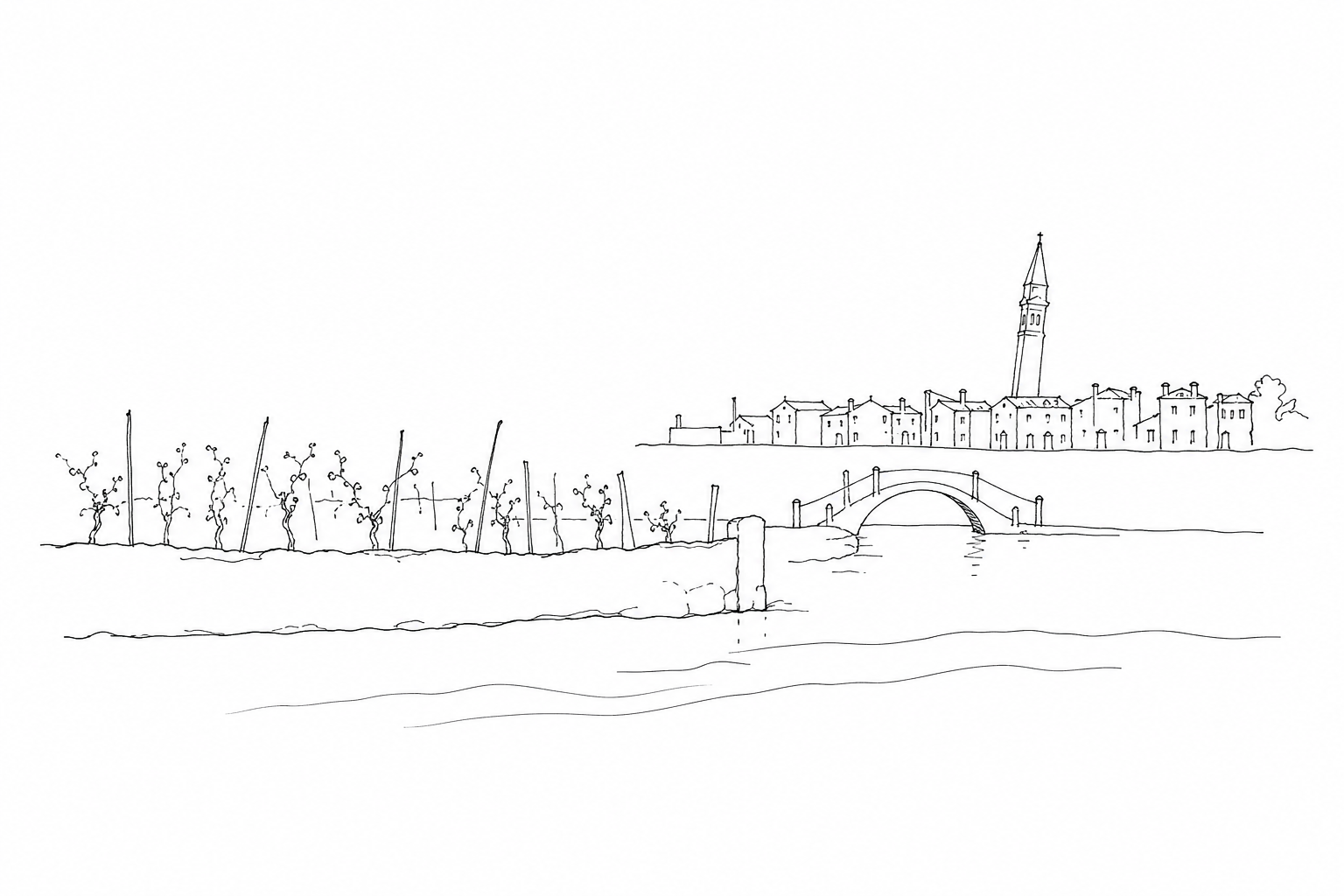
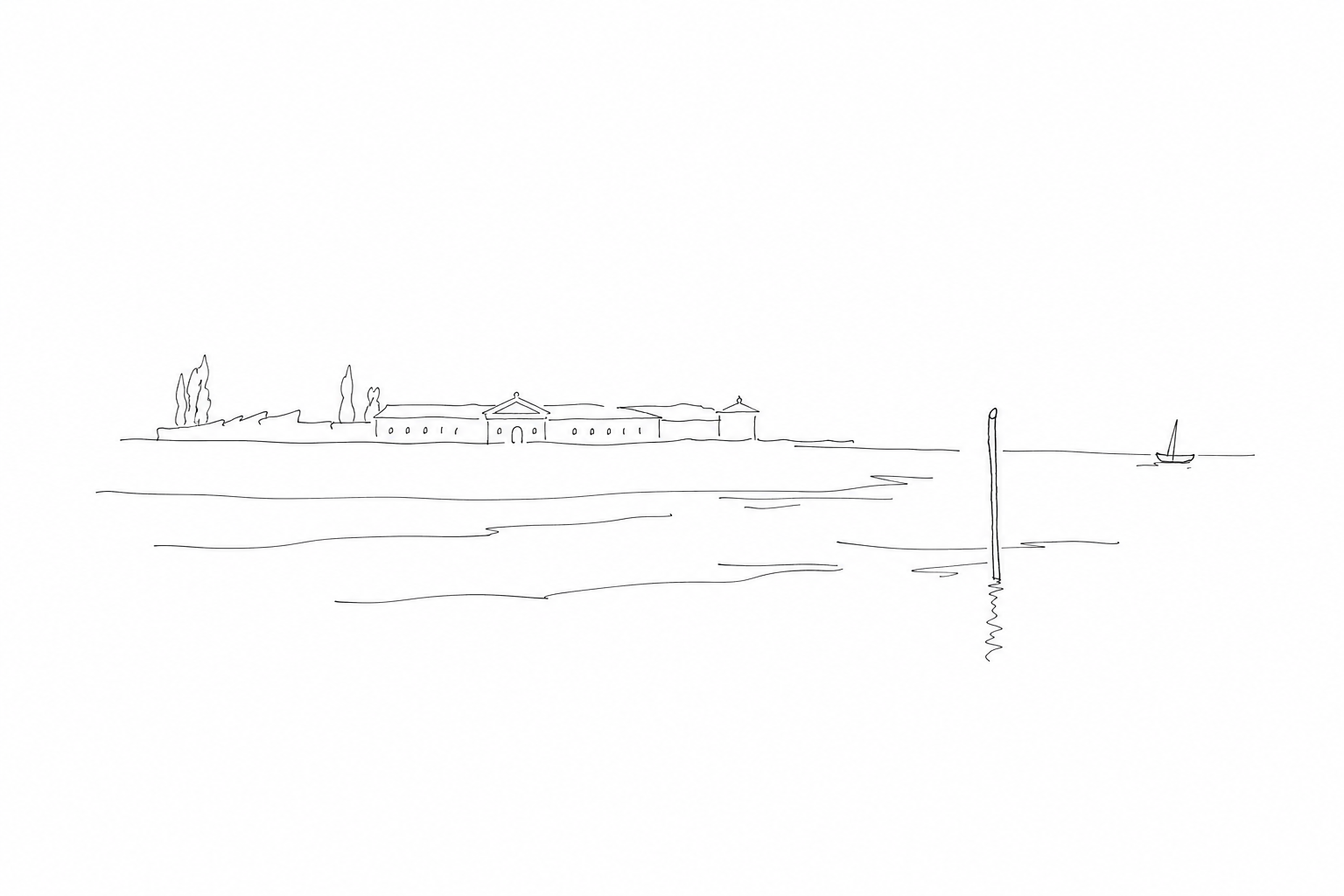

The Lazzaretto Nuovo tells of a Venice accustomed to governing risk even before the word “quarantine” became part of a global vocabulary. In the northern lagoon, far from the monumental scene of San Marco but close to the trade routes, the island was a sanitary, administrative and commercial hub: here goods, crews and suspected infections were observed, recorded, detained. It is not a place to be read as a simple Venetian curiosity, but as an open-air archive in which architecture, inscriptions and material traces show how much the city knew how to intertwine public health, urban control and daily life.
A sanitary island in the Venice lagoon
The Lazzaretto Nuovo is located in the northern lagoon of Venice, along the routes that connected the city to Murano, Burano, Torcello and the entrance toward the Adriatic. It was precisely this position that made it, between the fifteenth and sixteenth centuries, a strategic place: close enough to the capital to be controlled, but separated from the inhabited area by a filter of water.
Its sanitary function was defined when Venice, a mercantile power exposed to the continual arrival of ships, goods and people, had to organize controls against contagion. Unlike the Lazzaretto Vecchio, linked above all to the hospitalization of the sick, the Lazzaretto Nuovo served as a space for preventive observation: here crews, passengers and suspicious cargo stayed before fully entering the urban circuit.
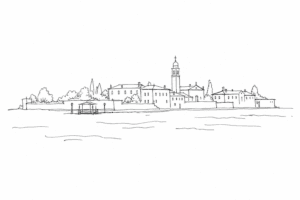
The name already recounts a network of public defense. Before “quarantine” became an international word, the Venetian Republic transformed a lagoon island into a concrete device: isolation, surveillance, recording and management of traffic, to protect a city built on trade.
Before global quarantine: the Venetian system
In Venice, quarantine was not born as an abstract word, but as an administrative procedure. In the fifteenth century the Serenissima built a sanitary system linked to ports, goods and documents: those arriving from suspicious areas were not simply turned away, but subjected to a period of contumacia, that is, controlled separation before entry into the city.
The Lazzaretto Nuovo became one of the key points of this public machine. The distinction was practical: the sick or confirmed cases were destined for other spaces of care and isolation, while here mainly people and cargo passed through to be observed, aired, purified and recorded. Public health also depended on paper: the fedi di sanità, issued in the places of departure, attested to the origin and sanitary status of the ships.
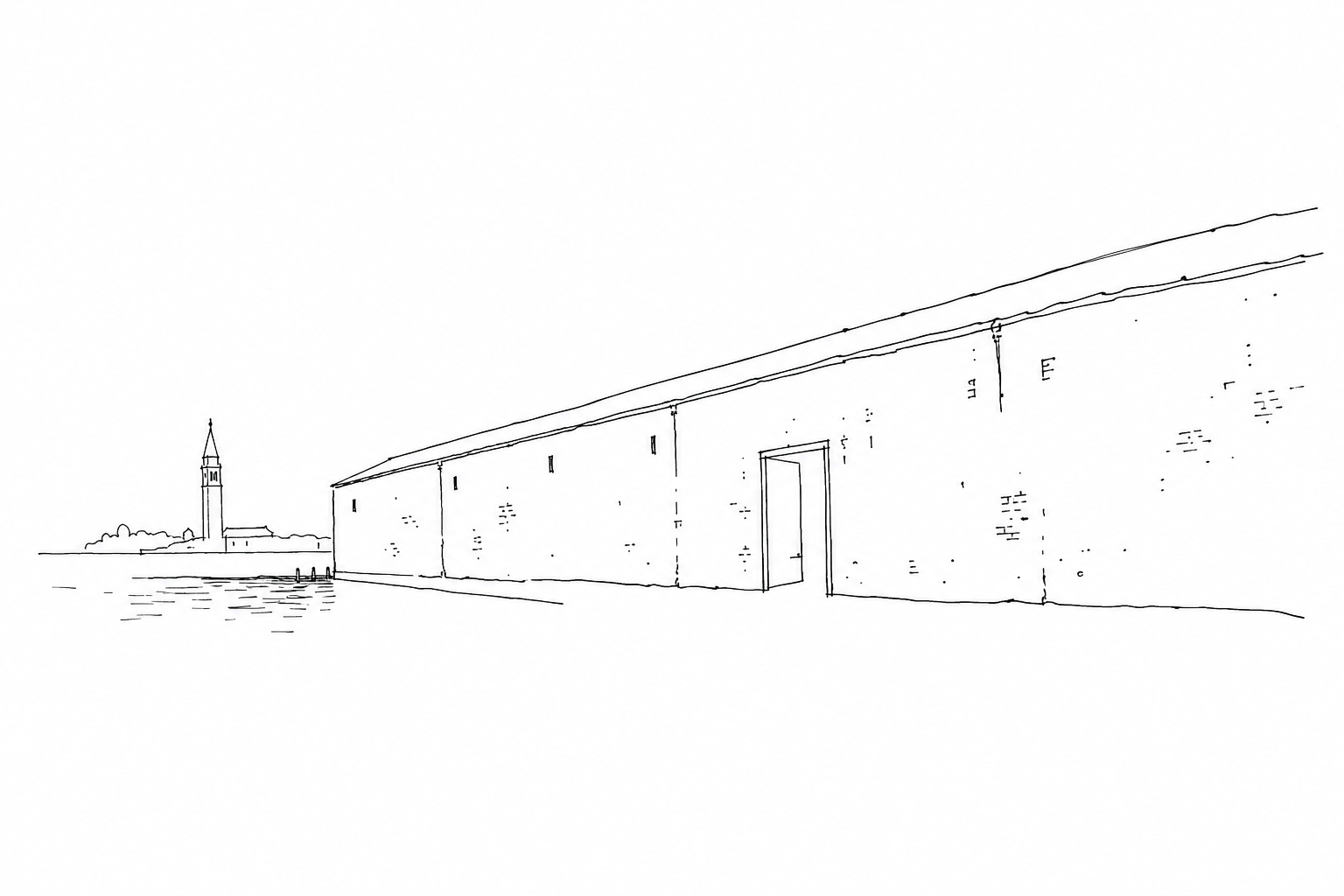
Control was entrusted to the Venetian magistracy for Health, established permanently in the late fifteenth century. In the Tezon Grande, the vast building for the storage of goods, material traces of this system remain: writings, marks and annotations that transform the walls into an archive of passages, waits and suspicions. Before becoming a global term, “quarantine” was here a fragile balance between trade and fear of contagion.
Architecture, writings and material traces
To understand the Lazzaretto Nuovo, it is not enough to imagine it as a place of isolation: it must be read as a constructed document. The Tezon Grande, a long building intended for the storage and airing of suspicious cargo, still shows the practical logic of Venetian health administration: large covered spaces, sturdy walls, control of access, separation between what arrived from the lagoon and what could re-enter the city.
The walls are as much a historical source as the archives. On them appear writings, mercantile marks, dates, names, religious symbols and annotations left by custodians, porters or travelers forced to wait. They are not decorations: they record presences, origins, fears and procedures. Some traces recall surveillance over the packages, others evoke the suspended time of those who could not yet reach Venice.
The fragments found on the island as well — ceramics, remains of daily use, elements linked to maritime traffic — help reconstruct a concrete history. Here quarantine was made of buildings, inventories, hands unloading goods and walls preserving memory.
How to interpret it today, without reducing it to a curiosity
Visiting this place means shifting attention from the thrill of the epidemic to the administrative culture that made it effective. It was not merely a margin where suspicious people and cargo were stopped: it was a regulated filter, inserted into the routes of the northern lagoon, near Sant’Erasmo and the access canals to the city.
A conscious reading can follow three keys. The first is spatial: landing place, warehouses, internal routes and surrounding water recount a controlled separation, not simple abandonment. The second is material: bricks, plaster, writings and finds show repeated procedures, waits, records, responsibilities. The third is linguistic: the word “quarantine” is global today, but here it refers to Venetian practices of observation, contumacy and protection of traffic.
For this reason the site should not be treated as a sanitary anecdote. It is an open-air archive, where public health, maritime trade and territorial governance become legible in the same landscape. Before going there, it is prudent to check the updated visiting arrangements.
Visiting or studying the Lazzaretto Nuovo means looking at Venice from a less scenic and more concrete perspective: that of a city that defended its exchanges through rules, separate spaces, waiting times and writings of control. Its structures speak not only of epidemics, but of work, fears, goods, borders and relations with the world. Today the island invites a slow reading, capable of connecting sanitary memory, lagoon landscape and material culture without turning history into anecdote. It is a less evident Venice, but decisive for understanding the city.
Related Posts
San Clemente: from monastery to hospital, the island Venice has always kept at a distance
History of San Clemente, a lagoon island used for worship, care, and separation.San Servolo: the island of the asylum and the uncomfortable memory of psychiatric care
History and visit to San Servolo, an island in the lagoon marked by the Venetian asylum and the Museum of the Asylum.
San Michele: the cemetery island where Venice learned to separate the living from the dead
History, spaces and memory of San Michele, the lagoon cemetery born when Venice moved the dead outside the inhabited city.Questions Answered
What was the function of the Lazzaretto Nuovo?
It acted as a quarantine space for preventive observation of crews and cargo.How did Venice manage quarantine administratively?
With a formal system involving controlled separation and health attestations.What material traces reveal the island's history?
Buildings, inscriptions, mercantile marks and everyday remains.Why is understanding Lazzaretto Nuovo important today?
It offers insight into public health, trade and governance beyond a simple curiosity.
Explore the Venice beyond stone
Would you like to connect this stop with islands, boats and environments that tell the city’s other half?
 San Michele: the cemetery island where Venice learned to separate the living from the deadHistory, spaces and memory of San Michele, the lagoon cemetery born when Venice moved the dead outside the inhabited city.
 San Clemente: from monastery to hospital, the island Venice has always kept at a distanceHistory of San Clemente, a lagoon island used for worship, care, and separation.
 Malamocco on the Lido: the ancient village that recalls a Venice before VeniceHistory, places and urban reading of Malamocco, the village on the Lido linked to the oldest Venice.
 San Servolo: the island of the asylum and the uncomfortable memory of psychiatric careHistory and visit to San Servolo, an island in the lagoon marked by the Venetian asylum and the Museum of the Asylum.