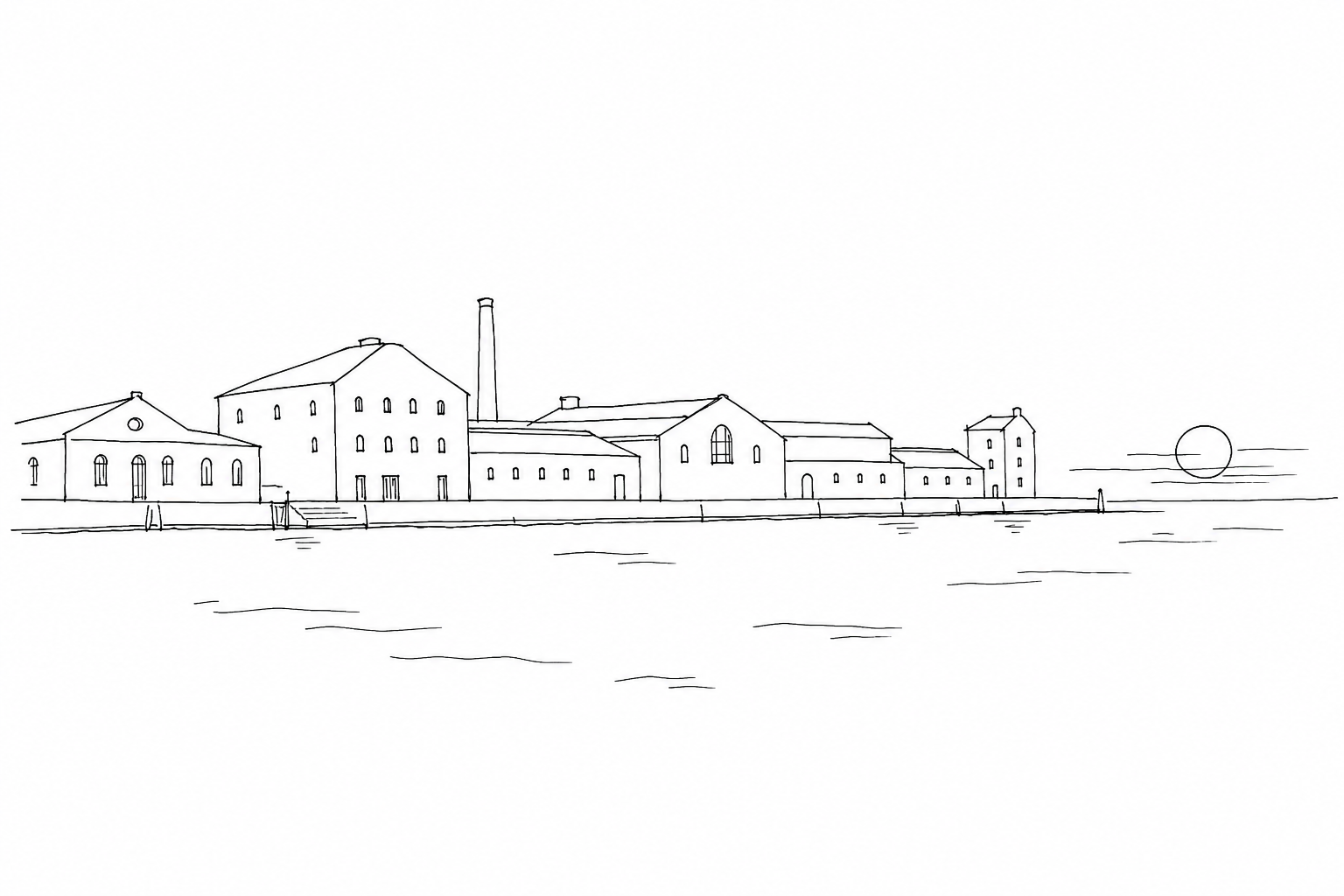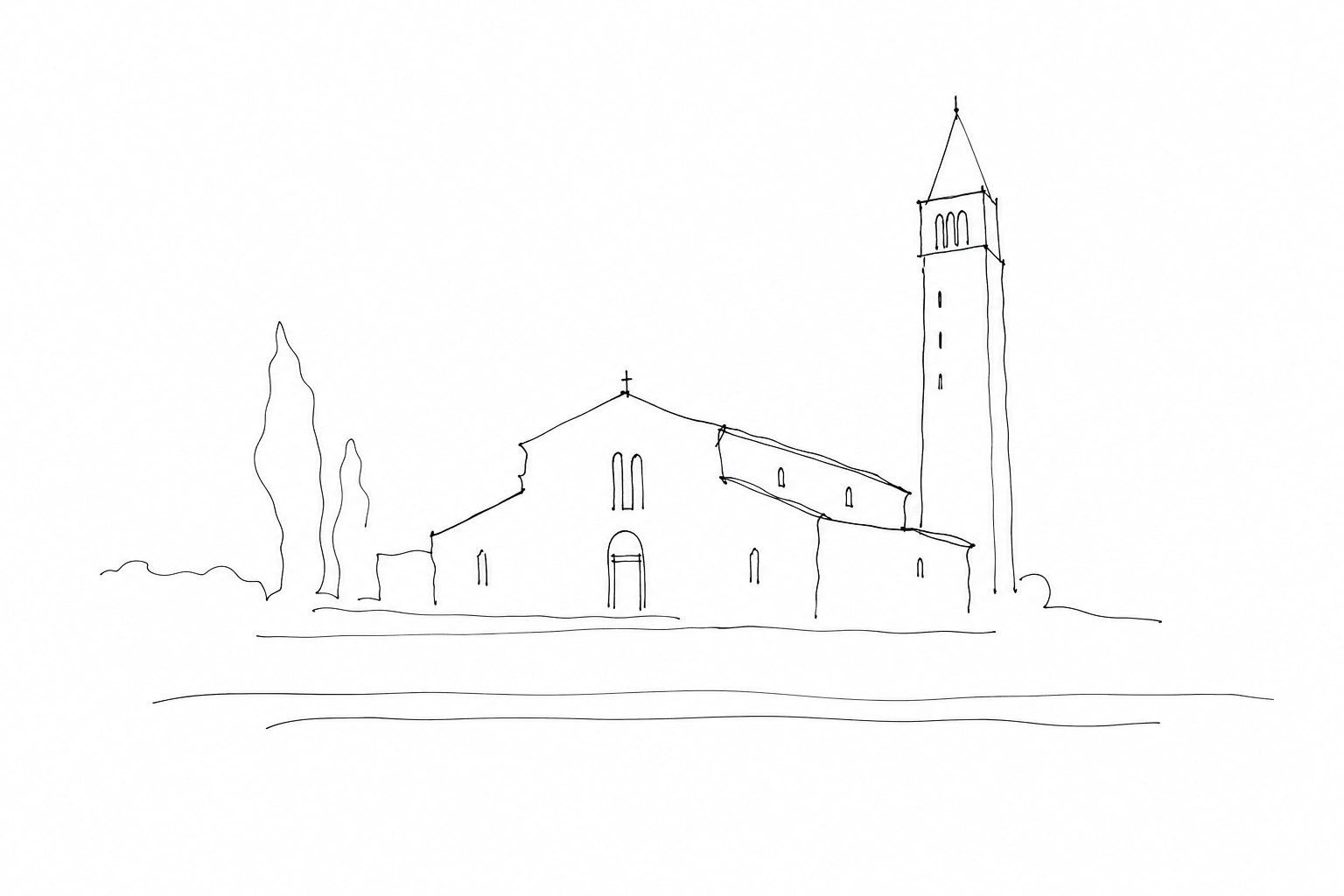

San Lazzaro degli Armeni is one of the most discreet presences in the lagoon: a small island, almost secluded, yet crossed by a history that connects Venice to the eastern Mediterranean, to exile, to printing, to study. Here the Mekhitarist monastery is not only a religious place: it is a library, an archive, a cultural workshop where manuscripts, maps, objects and rooms tell of centuries of relations between different worlds. Visiting it means changing scale, stepping away for a few hours from the more crowded Venice and observing the city from a learned, silent, surprisingly living edge.
A tiny island between Venice and Armenia
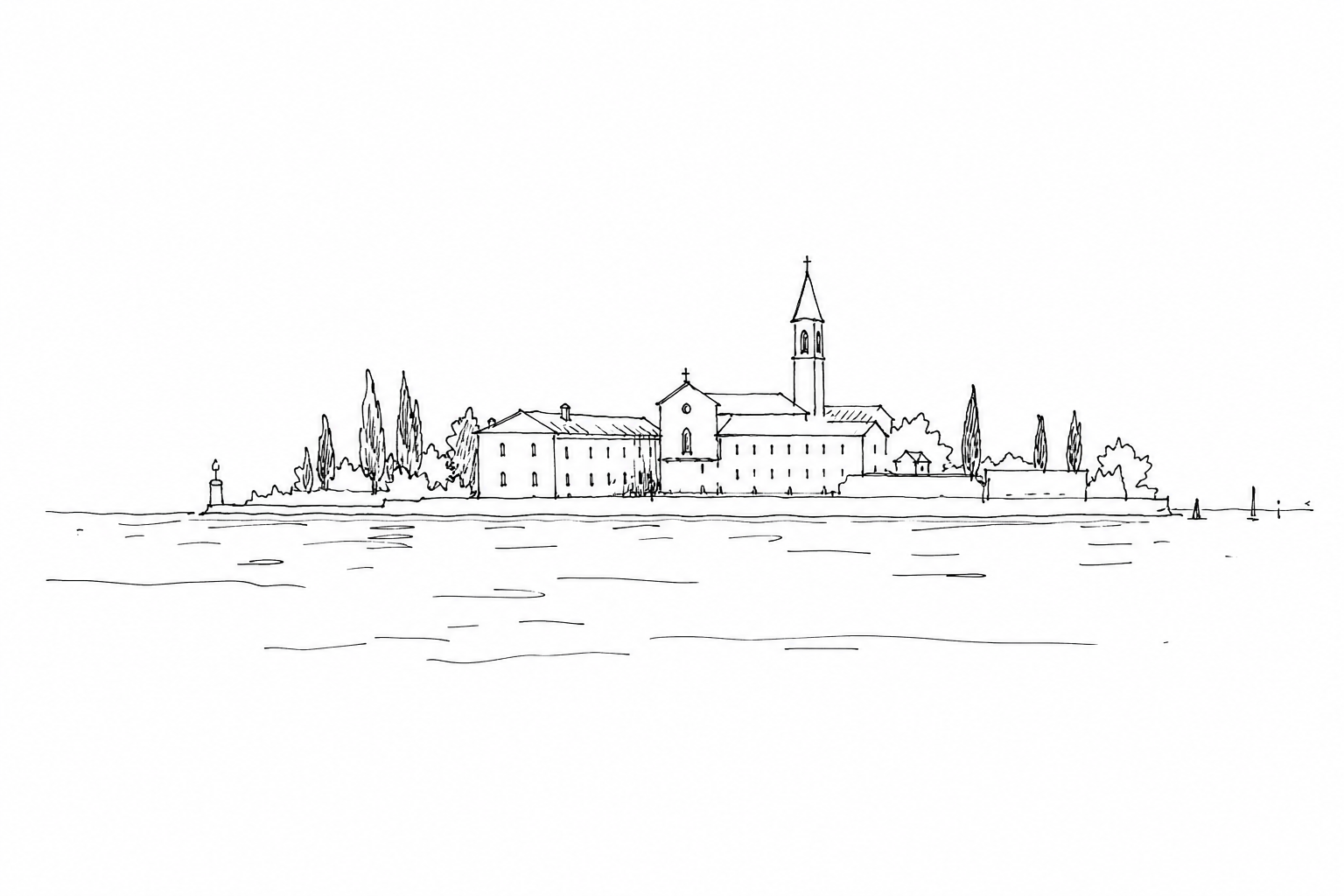
San Lazzaro degli Armeni is a discreet presence in the Venetian lagoon: a small, compact island, visible in the stretch of water between Venice and the Lido, but with a cultural identity much broader than its physical scale. Its name preserves an ancient memory, linked to the island’s charitable uses, but the decisive turning point came in 1717, when the Republic of Venice entrusted it to Mekhitar of Sebaste and his Armenian community.
From that moment San Lazzaro became a Mekhitarist monastery, that is, the Venetian heart of an Armenian Catholic order committed to the study, printing and preservation of the Armenian language and culture. The lagoon, here, is not only landscape: it is the margin where the Christian East and Venice meet in a concrete way.
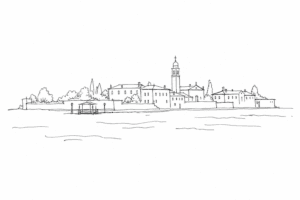
The small island houses a church, cloisters, library, manuscripts and collections that tell a story of exile, erudition and cultural mediation, transforming a few hectares into a living archive between the Mediterranean and the Caucasus.
From Mekhitar to the Armenian community in the lagoon
The history of San Lazzaro degli Armeni changed face in 1717, when the Senate of the Serenissima granted this place, already used as a leper hospital, to Mekhitar of Sebaste. An Armenian Catholic monk, born in Anatolia in 1676, Mekhitar had founded a congregation devoted to study, religious formation and the defense of the Armenian language. After wanderings between Constantinople and the Morea, he found a stable space in the lagoon for his community.
From that moment the monastery was not only a refuge. It became a cultural workshop: the Mekhitarist fathers copied, collected and printed texts, trained religious men and scholars, translated European works into Armenian and brought the grammar, history and literature of the Caucasus to the West. The printing house, active for centuries, helped make San Lazzaro a point of reference for the diaspora.
One episode clarifies the prestige achieved: during the Napoleonic suppressions of religious orders, the Mekhitarist house was spared thanks to its scientific and linguistic value. Thus the small island was able to continue preserving Armenian memory, faith and knowledge a short distance from Venice.
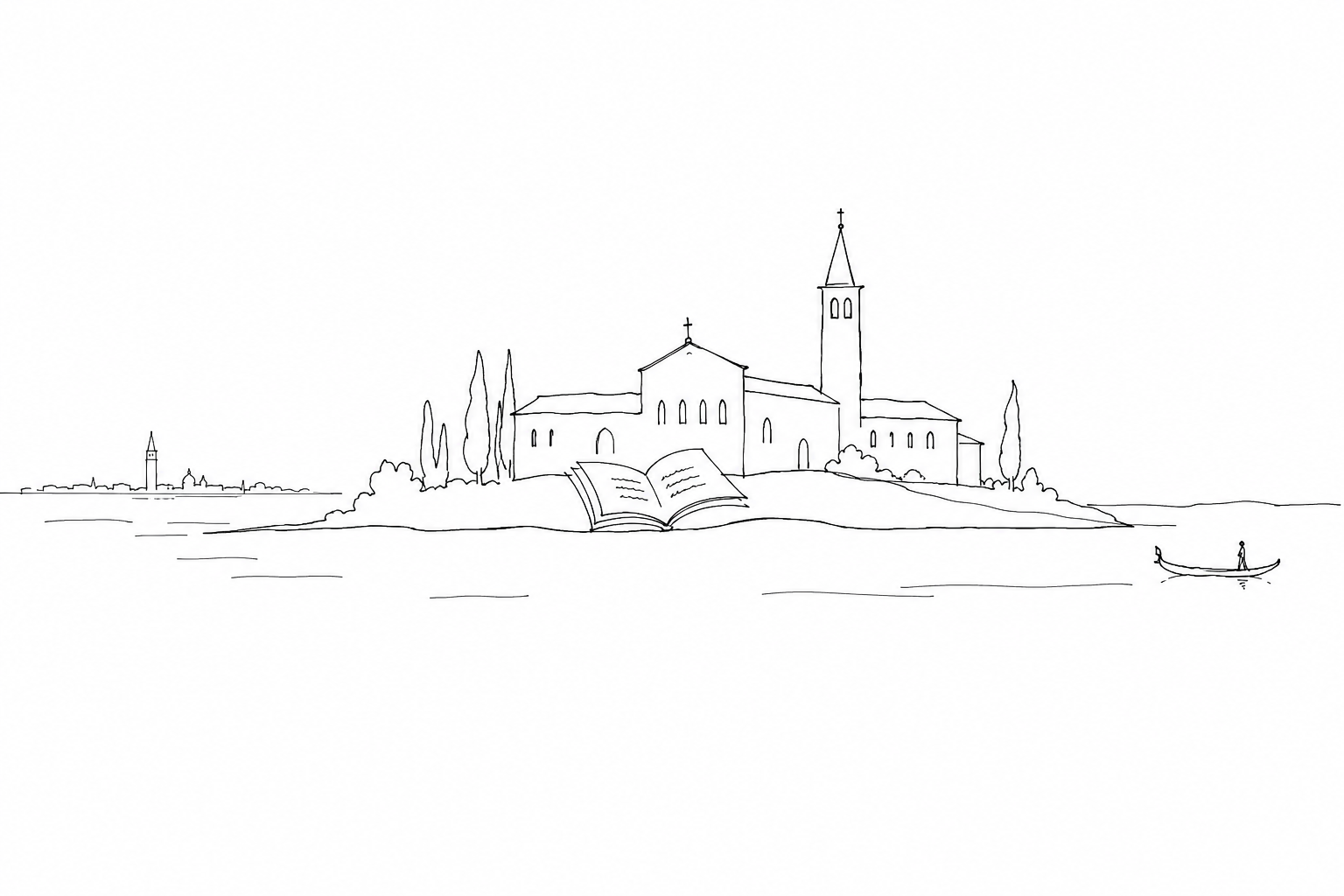
Library, manuscripts and rooms to observe calmly
The quietest heart of San Lazzaro is the library, where the Mekhitarist monastery has collected books, grammars, dictionaries, ancient editions and religious texts in Armenian and in many other languages for centuries. It is not only a repository of volumes: it is the workshop that has allowed a dispersed culture to remain readable, studyable, transmissible.
Among the most precious assets are the Armenian manuscripts, often copied on parchment or paper and decorated with initials, miniatures, vegetal frames and intense colors. Leafing through them with the gaze means entering a tradition made of copyists, monks, translators and printers. Alongside liturgical and biblical texts appear works of grammar, philosophy, science, geography and ecclesiastical history, useful for understanding how broad the congregation’s intellectual network was.
- The book room tells of the role of study and translation.
- The illuminated manuscripts show Armenian artistic refinement.
- The museum collections place side by side oriental objects, finds and testimonies linked to journeys and cultural exchanges.
Also worth observing calmly are the rooms dedicated to the memory of illustrious visitors, such as Lord Byron, who studied Armenian here. Before planning the visit, it is advisable to check updated methods and times with official sources.
The visit works better if read as a deviation in scale: from the monumental traffic of St. Mark’s one passes to a monastic place, where time is measured by study, liturgy and preservation. It is not only an “exotic” stop: it is a point from which to understand the relationships between the Mediterranean, the Ottoman world, the Armenian diaspora and European culture.
Before arriving, it is worth having three keys to interpretation. The first is linguistic: alphabets, grammars and translations tell of a community that defended its identity through books. The second is religious: the church and convent rooms show an Eastern Christianity inserted into the Venetian landscape. The third is diplomatic: objects, gifts and memories of travelers explain why this monastery has been a cultural bridge more than a simple refuge.
Access methods, any guided tours and times should always be checked on updated sources.
San Lazzaro degli Armeni should not be sought as a simple picturesque deviation, but as a key to reading the less immediate Venice: the one made of foreign communities, trade routes, printing houses, languages and memories patiently preserved. The visit requires precise timing and a calm gaze, closer to reading than to the rapid consumption of a monument. Precisely for this reason it can become one of the most significant moments of a short stay: it does not only add a place to the itinerary, but a different perspective on the lagoon and on its connections with the East.
Related Posts
San Giorgio Maggiore: Palladio, silence and a view of St Mark’s from the opposite side
Editorial guide to San Giorgio Maggiore: Palladian church, quiet island and frontal view of St Mark’s.San Servolo: the island of the asylum and the uncomfortable memory of psychiatric care
History and visit to San Servolo, an island in the lagoon marked by the Venetian asylum and the Museum of the Asylum.
San Nicolò del Lido: monks, departures by sea and the ceremonial side of the lagoon
History and interpretation of San Nicolò del Lido: monastery, church, harbor entrance, naval departures and public rituals of lagoon Venice.Questions Answered
What is the historical significance of San Lazzaro degli Armeni?
It became a Mekhitarist monastery preserving Armenian culture since 1717.How does the monastery bridge cultures?
It connects the Christian East and Venice fostering cultural and linguistic exchange.What does the library on San Lazzaro contain?
It houses priceless Armenian manuscripts, grammars, dictionaries and religious texts.What should visitors know before visiting?
Visitors should understand its linguistic, religious, and diplomatic significance.
From the city into the lagoon
Which places show how deeply Venice depends on water, navigation and island margins?
 San Clemente: from monastery to hospital, the island Venice has always kept at a distanceHistory of San Clemente, a lagoon island used for worship, care, and separation.
 San Nicolò del Lido: monks, departures by sea and the ceremonial side of the lagoonHistory and interpretation of San Nicolò del Lido: monastery, church, harbor entrance, naval departures and public rituals of lagoon Venice.
 Torcello Without Hurrying: What Remains of the First Venice When the Noise DisappearsA slow itinerary on Torcello among lagoon origins, mosaics, isolated stones and silences that help read the first Venice.
 San Servolo: the island of the asylum and the uncomfortable memory of psychiatric careHistory and visit to San Servolo, an island in the lagoon marked by the Venetian asylum and the Museum of the Asylum.