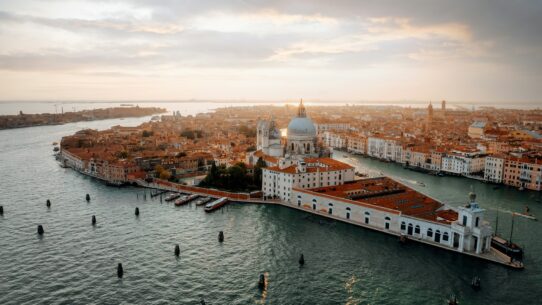

In Venice, even a break requires moderation. Stopping on a bridge, perhaps to eat something or check the map, may seem natural after hours of calli and steps, but in a city built on narrow passages every stop becomes part of the collective movement. There are more comfortable and respectful alternatives: hidden gardens, spacious campi, breezy fondamenta, small bacari where you can recover your energy without occupying the most delicate junctions. This article suggests where to catch your breath between one sestiere and another, observing the city more attentively and without turning tiredness into an obstacle.
Why bridges are not the right place to stop
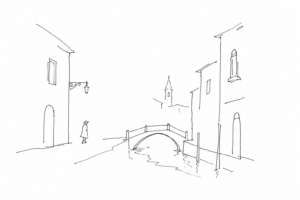
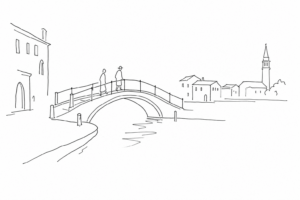
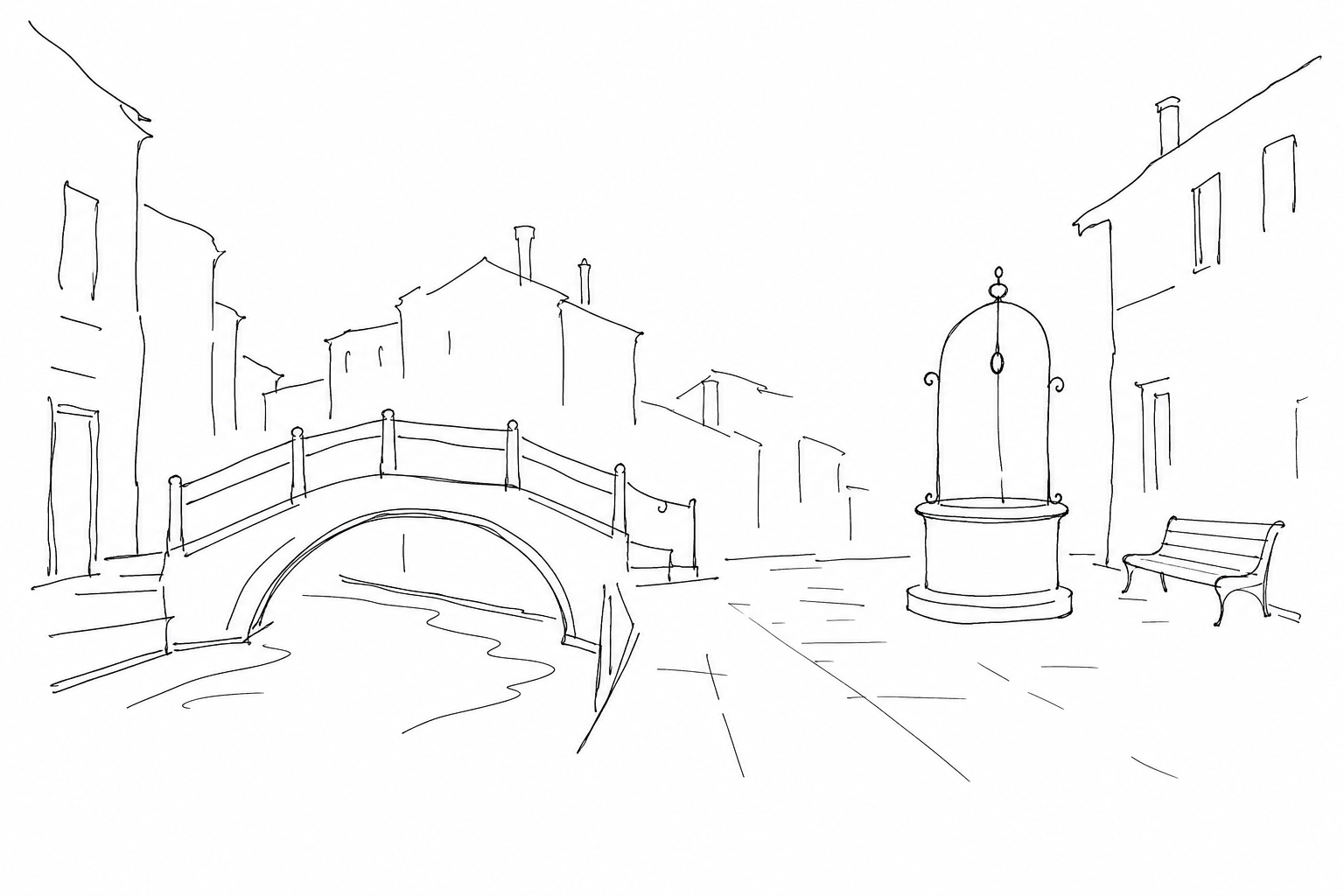
In Venice, a bridge is not just a scenic passage: it is a cog in daily mobility. Many bridges are narrow, have uneven steps and connect calli where the flow of people cannot widen sideways. Sitting on the steps immediately reduces the space for residents, workers, children, people with luggage, pushchairs or delivery carts.
The problem is not only decorum, but urban function. In a city without cars, even small pedestrian slowdowns have an effect: those who carry goods by hand, those who need to reach a vaporetto or those who cross a rio for work depend on clear routes. Bridges are also obligatory crossing points; if a bottleneck is created, there is not always a nearby detour.
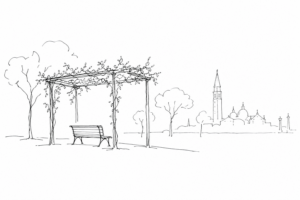
To rest better, it is best to move towards campi, open courtyards and public gardens: places designed for stopping, not for blocking a connection.
Gardens where you can catch your breath between one sestiere and another
When the walk becomes long, Venice offers some green breaks that are more suitable than stopping on stairways. The practical rule is simple: look for public gardens, tree-lined areas and wide banks, always checking on site for any updated restrictions.
- Giardini Reali, between Piazza San Marco and the Basin, useful after visiting the St Mark’s area. Their Napoleonic origin and orderly layout make them a brief but precious break in the most crowded part of the city.
- Giardini della Biennale, in Castello, allow you to breathe near the water and the trees. Created in the nineteenth century as public gardens, they connect the walk towards Sant’Elena with a more relaxed part of the city.
- Parco delle Rimembranze, in Sant’Elena, works well for a quieter break: avenues, shade and lagoon views help you recover energy away from the main flows.
- Giardini Papadopoli, near Piazzale Roma, are convenient on arrival or before departure. Their location makes them useful when waiting for transport without obstructing passages.
- Giardino Savorgnan, in Cannaregio, offers an inland alternative to Strada Nova. It is a good reference point for breaking the route between the station, Lista di Spagna and the Ghetto.
In these spaces, it is best to use benches and resting areas, respecting flowerbeds, access points and paths: rest becomes an orderly part of the visit, not an obstacle to the city.
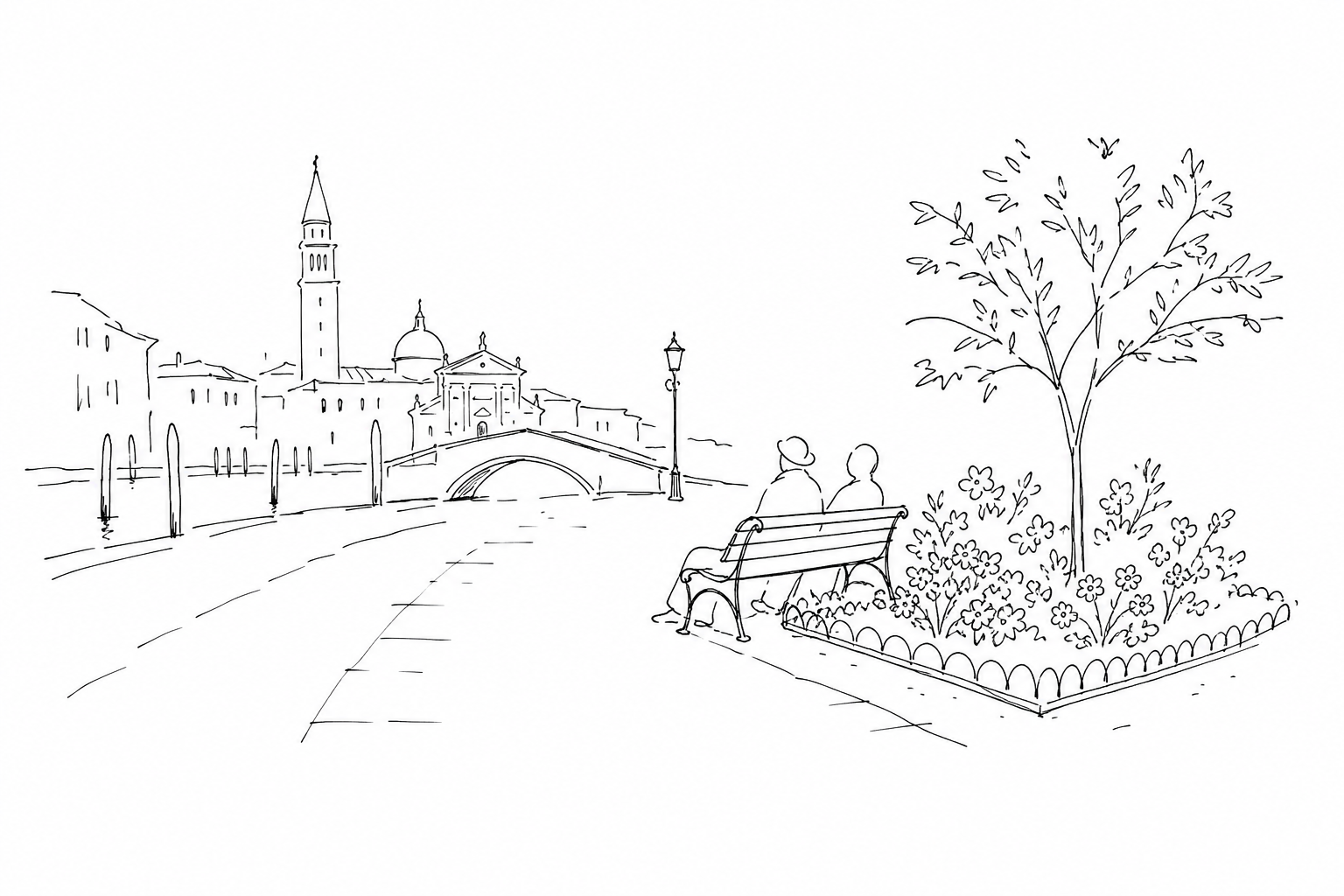
Campi, campielli and fondamenta: stopping without blocking the passage
In Venice, the best way to catch your breath outside green areas is to read the shape of the space. A spacious campo, such as San Polo or Santa Margherita, allows a short break at the edges, away from the trajectories of those crossing it. A campiello, on the other hand, should be treated with more caution: it is often almost a public courtyard, with doorways, shops and narrow passages.
- Choose the edges, not the centre: the centre of the campo remains the natural intersection of pedestrian routes.
- Avoid steps, thresholds and wellheads: as well as being historic elements or private accesses, they quickly become an obstruction.
- Use the wide fondamenta: along stretches such as the Zattere or some banks in Cannaregio, stopping on the inner side leaves the water’s edge and the walking flow free.
The presence of a church, an ancient well or a market shows that these spaces were created for daily life, not as simple scenic squares. Stopping well means leaning on the city without turning the break into a blockage of the passage.
Smart breaks: bacari, shade and light routes
When your legs ask for a truce, a break at the counter can be the courteous choice: in bacari you order a cicchetto, a small glass — the “ombra”, a name linked to the tradition of wine sellers who sought coolness in the shade of the bell tower — and set off again after a few minutes. It is not an invitation to occupy thresholds or narrow calli: if the place is full, it is better to move towards a nearby campo, staying at the edges.
To lighten the itinerary, alternate dense stretches and airy stretches: after Rialto or San Marco, look for side fondamenta, secondary campi and banks where the flow disperses. Plan short stages, not marathons: a church, a historic shop, then a real break. Even checking the map before entering a blind calle avoids tiring detours. For opening hours, access and rules of premises, always check at the time.
Resting in Venice does not mean interrupting the visit, but reading it better. A lightly crowded garden, a side campo, an airy fondamenta or the counter of a bacaro allow you to slow down without obstructing those who live and work in the city. Choosing where to stop is a small form of urban attention: to bridges, to narrow passages, to other people’s time. And it is also the simplest way to discover a less automatic Venice, made of short stops, precious shade, architectural details and routes that are remembered precisely because they were not crossed in a hurry.