
Venice, when the heat becomes serious, is not crossed only with a map: it is read in the shadows, in the reflections of Istrian stone, in the still air of the campi and in the calli that suddenly protect you. The water around does not always cool things down; often it amplifies light and humidity. For this reason, a summer day requires rhythm, breaks and precise choices: not a continuous dash toward the next attraction, but a more careful way of moving among museums, fondamenta, sottoporteghi and planned returns.
Understanding the Venetian heat before walking
In Venice, heat is not only a matter of temperature: it is the way the city retains and reflects it that changes the experience of the visit. The humidity of the lagoon makes the air heavier, while Istrian stone, bricks, masegni and water surfaces can increase the feeling of heat in the central hours.
The narrow calli help because they offer continuous shade, but not always ventilation. An apparently short route can become tiring if it includes many bridges, sunny campi or stretches along exposed fondamenta. Orientation also matters: among high walls and similar passages, taking the wrong calle often means adding minutes under the sun.
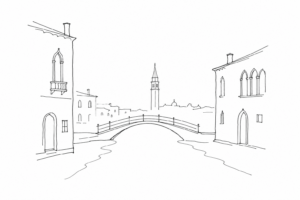
For this reason, it is useful to think of the day as a sequence of stops: churches, scuole grandi, historic palaces and museums can become cultural as well as physical breaks. Before including them in the itinerary, it is prudent to check up-to-date information on access and openings, without assuming that every place will be available at the desired time.
Real shade: reading calli, campielli and fondamenta
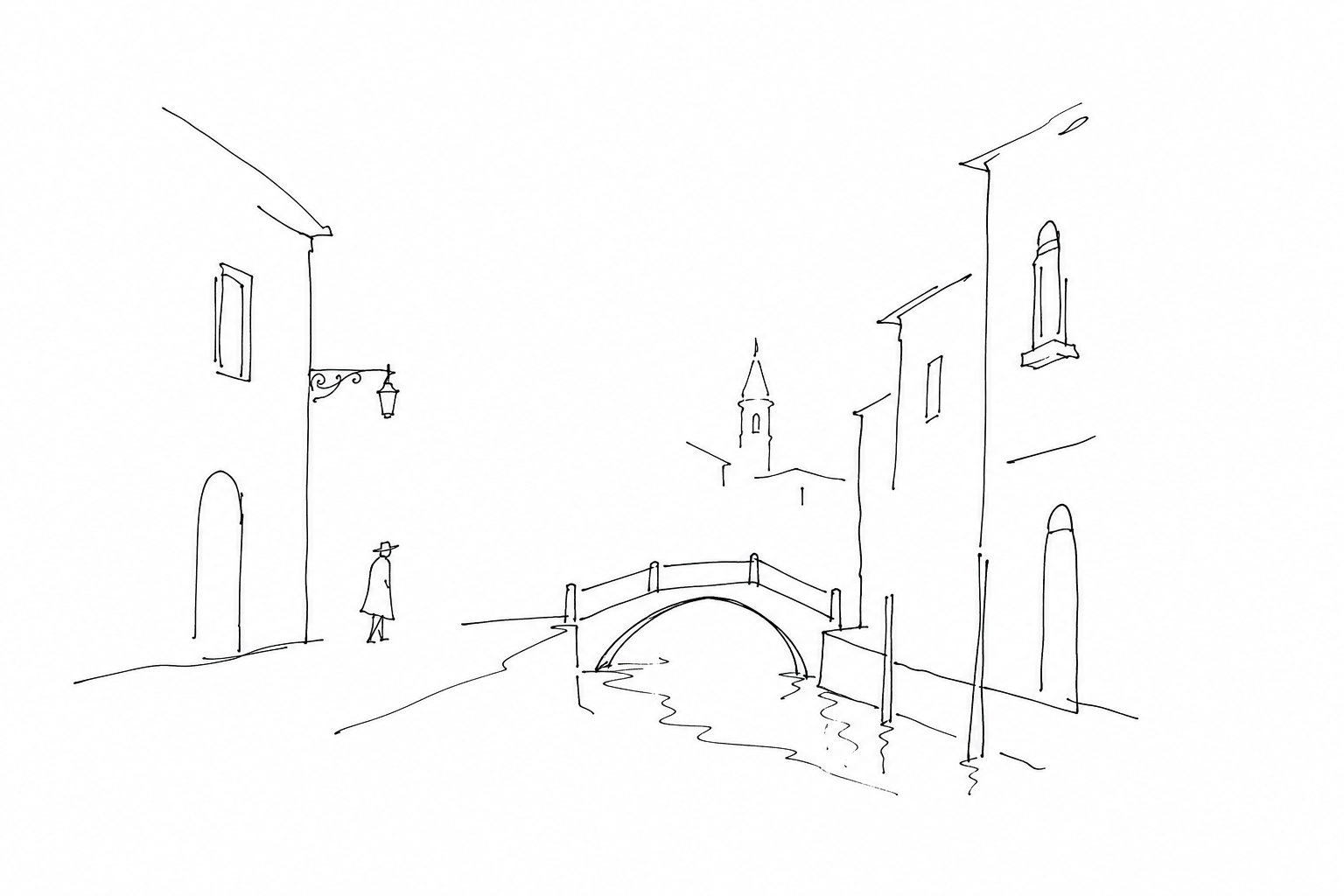
When it is very hot, in Venice it is best to choose the route as you would choose a cool room: it is not enough for it to be short, it must be sheltered. The narrow calli, especially those oriented so as not to receive full sun in the central hours, can offer continuous shade thanks to the closely spaced height of the facades. They are often more useful than wide and scenic routes, where Istrian stone, bricks and light-colored paving give back heat.
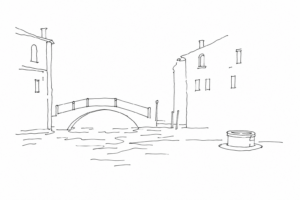
A good criterion is to alternate enclosed stretches and small openings. The campielli can be effective breaks if they have high sides, sottoporteghi or central wells that signal a more compact urban scale; very exposed campi, on the other hand, quickly become areas to cross without long stops. The fondamenta should also be read carefully: along a canal there may be air, but if there is no shade the benefit lasts only a short time.
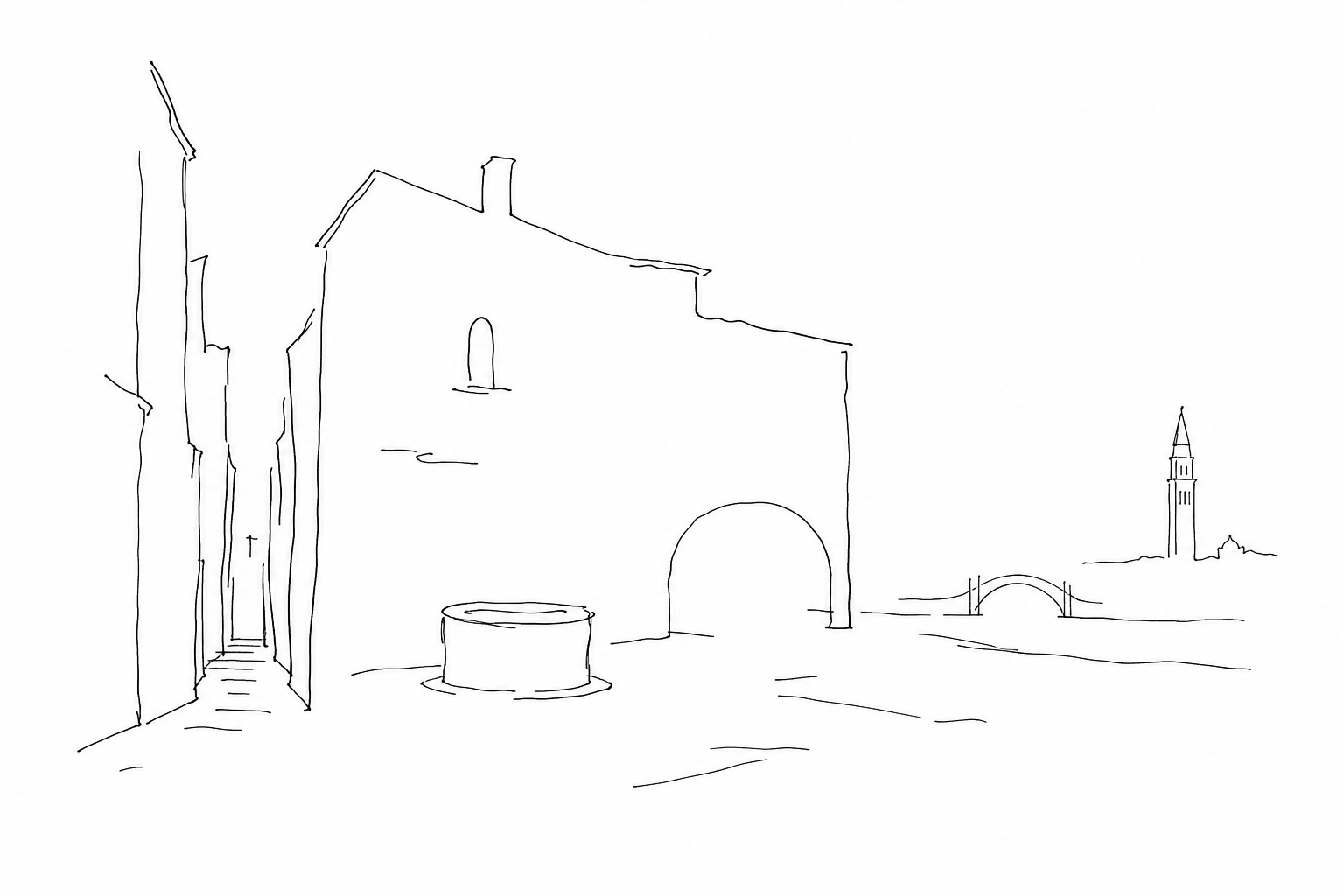
- Prefer side calli parallel to the busiest routes.
- Look for sottoporteghi and covered passages as micro-breaks.
- Use bridges and exposed waterfronts only as connections, not as places to wait.
In this way the itinerary does not depend only on the distance on the map, but on the real quality of the shade found step by step.
Museums and interiors: stops with a logic
On muggy days, a museum or a church should not be inserted into the itinerary only to stay inside. In Venice they work better if chosen according to the area crossed and the mental time they require. The Gallerie dell’Accademia, for example, make sense when passing between Dorsoduro and the Accademia Bridge: Bellini, Carpaccio, Titian and great Venetian painting turn the stop into a reading of the city, not into a fallback.
The same applies to the Frari and the Scuola Grande di San Rocco, where naves, teleri and monumental spaces require slowness. Ca’ Rezzonico instead helps to understand noble interiors, with halls and routes that recount the lagoon eighteenth century; the Querini Stampalia, near Santa Maria Formosa, offers a more intimate change of scale.
- It is better to choose one or two interiors close to the route, not a dense sequence.
- Leave time to sit after the visit, without setting off immediately toward exposed waterfronts.
- Always check up-to-date openings and access procedures.
Organizing stops, water and returns without improvising
The most tiring part of a summer day in the lagoon is not only walking: it is being without a plan when the stones reflect the light and the bridges force constant ups and downs. It is best to set three points in advance: where to refill the water bottle, where to sit under cover and from which landing stage or route to return without crossing the whole city.
A sustainable outline can alternate an uncovered stretch in the morning, a short visit in the central hours and a return toward one’s own sestiere in the afternoon. Public drinking fountains exist in various areas, but it is prudent to identify them on the map before setting off; the same applies to toilets, vaporetto stops and any less exposed passages.
- Carry water already filled, do not wait to look for it when you are tired.
- Keep a backup destination nearby, not on the other side of the Grand Canal.
- Always check up-to-date routes, services and access.
Facing Venice in very hot weather means accepting a slower city, made of planned stops and useful detours. The narrow calli, museum interiors, a ventilated fondamenta or a shaded campo become part of the itinerary, not simple interruptions. Organizing water, breaks and returns before going out allows you to observe better urban and architectural details that haste often erases. In summer, Venice is truly visited when you stop forcing it and learn to follow its most livable hours.