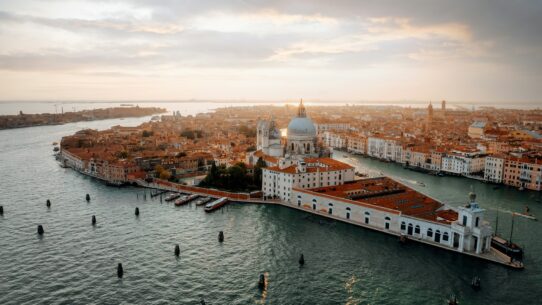
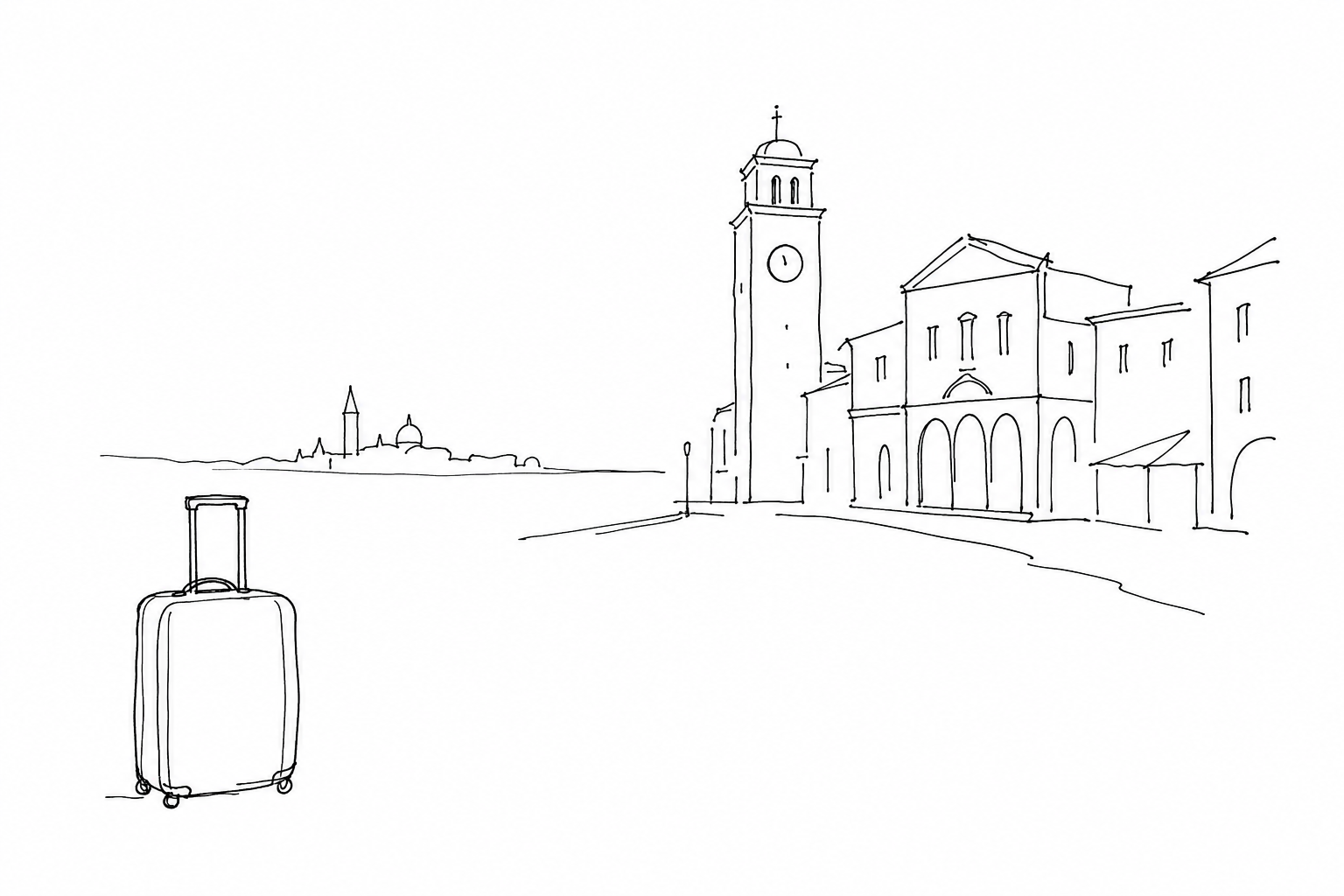

Arriving in the evening in central Mestre, when Venice already seems too close and at the same time not very practical, is not necessarily a compromise. It can become a more intimate first act: leaving your luggage, getting your bearings without rushing, understanding distances and connections, making contact with a mainland city that has squares, layers and habits of its own. Before crossing the lagoon, Mestre offers a useful and concrete evening, among lived-in urban spaces, civic architecture, informal venues and small preparations for the next day. It is not a matter of giving up Venice, but of getting there better.
Arriving late: why staying in central Mestre makes sense
If you arrive after dinner, forcing your way into Venice immediately can turn the first evening into a not very useful rush: luggage to drag around, connections to check, bridges and calli to tackle when you are already tired. In these cases, central Mestre is a sensible choice, not a fallback.
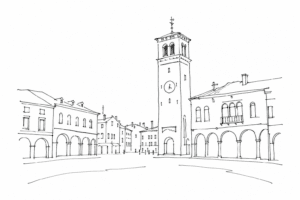
The heart to take as a reference point is Piazza Ferretto, the city’s main urban space: a walk under the arcades, the view of the Clock Tower and the nearby Cathedral of San Lorenzo help you to “center yourself” in the Venetian area without having to reach the lagoon immediately. It is also an easier area to read when getting your bearings at first impact, especially if you still have to understand where your accommodation is.
Staying here on the first evening is convenient when you arrive with little margin, with children, with heavy suitcases or without already having a clear idea of the return. Better to dine calmly, check the updated connections for the following morning and dedicate the first entry into Venice to when you are rested.
Piazza Ferretto, Civic Tower and M9: a first short walk
For a light first evening, central Mestre offers a compact and easy-to-read route even without demanding plans. The most natural point is Piazza Ferretto, the city’s urban lounge: an elongated, pedestrian square, with arcades, cafés and views that tell of commercial and everyday Mestre, different from Venice but not lacking in identity.
From here you immediately reach the Civic Tower, one of the historic landmarks of the center. Its presence recalls medieval Mestre, linked to the ancient defenses and access points toward the Venetian mainland. Even just observing it from the outside helps you get your bearings: it is a recognizable vertical sign, useful for not turning the evening walk into a random stroll.
Continuing calmly, you can arrive toward the M9 area, the museum of the Italian twentieth century, set within a contemporary architectural project that has redeveloped part of the center. If the interior spaces cannot be visited at that moment, it remains interesting to read the contrast between courtyards, modern volumes and the surrounding historic streets. For an arrival evening, this route is enough: short, central, without moving too far from the accommodation.
Dinner without a rigid plan: bacari, cicchetti and evening rhythm
After the walk between Piazza Ferretto and the nearby streets, the simplest choice is to stick to a flexible dinner: small tastings, a counter, a free table if there is one. The Venetian model of the bacaro also works well here: cicchetti to accompany with a glass, reduced portions and not overly solemn timing, useful if you arrived late and it is not worth aiming for the lagoon.
- What to look for: creamed cod on crostino, sardines in saor, meatballs, fried vegetables, tramezzini or small sandwiches.
- How to adjust: it is better to ask at the counter what is still available, avoiding relying on opening hours found online some time before.
- The right rhythm: a short stop can become a full dinner by combining two or three tastings, without complex reservations.
If the kitchen is already closed, a substantial aperitif or a cold dish resolves the evening with balance. For updated details on openings and service, it is best to check on the spot.
The most useful part of the night on the mainland is turning it into orientation. Before sleeping, choose just one sestiere to start from: Cannaregio if you arrive from Santa Lucia station and want to enter the historic city gradually; San Polo and Santa Croce if you are aiming for Rialto; Dorsoduro if you prefer a more airy start among fondamenta and canals; Castello if the next day’s plan looks beyond San Marco.
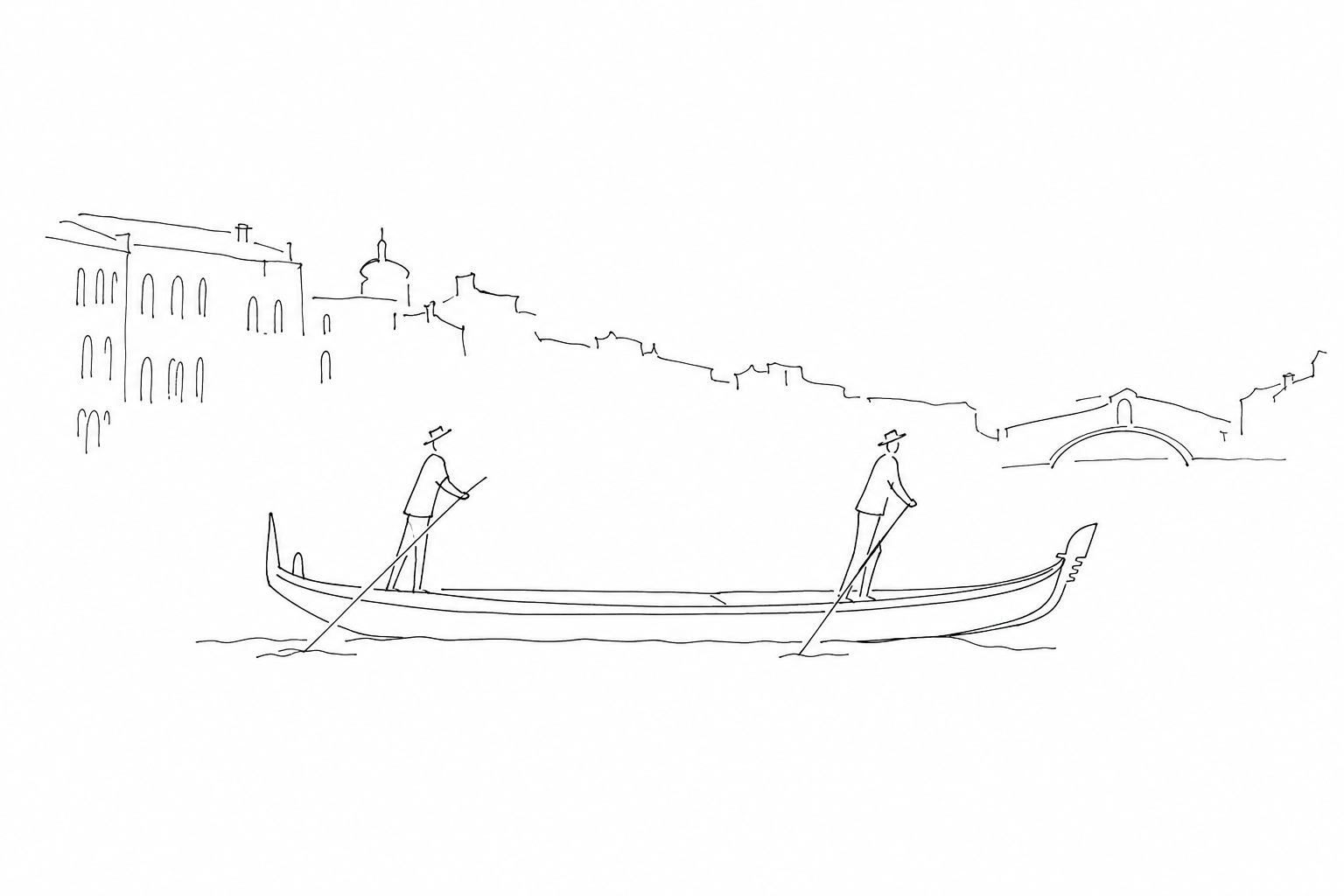
On a map, Venice seems compact; on the spot, times change because of bridges, narrow calli, detours and obligatory passages. It is worth marking two real reference points: the entry point, usually Piazzale Roma or the railway station, and the first objective reachable on foot. From there you build the rest, avoiding loading the morning with too many museums or churches far from one another.
If you think you will use the vaporetto, check updated lines and conditions before going out. If you go on foot, prepare a short route: in the lagoon the best orientation comes from details, not from haste.
The first evening in central Mestre can function as a threshold: close enough to Venice to feel the anticipation, autonomous enough not to be reduced to a simple dormitory. A walk in Piazza Ferretto, a dinner without a rigid plan and a few practical choices on the morning routes help turn a late arrival into well-used time. The next day the lagoon will be easier to read: not just a destination to reach in a hurry, but a place to approach with measure, already knowing where to go, how much time is needed and which details to observe.