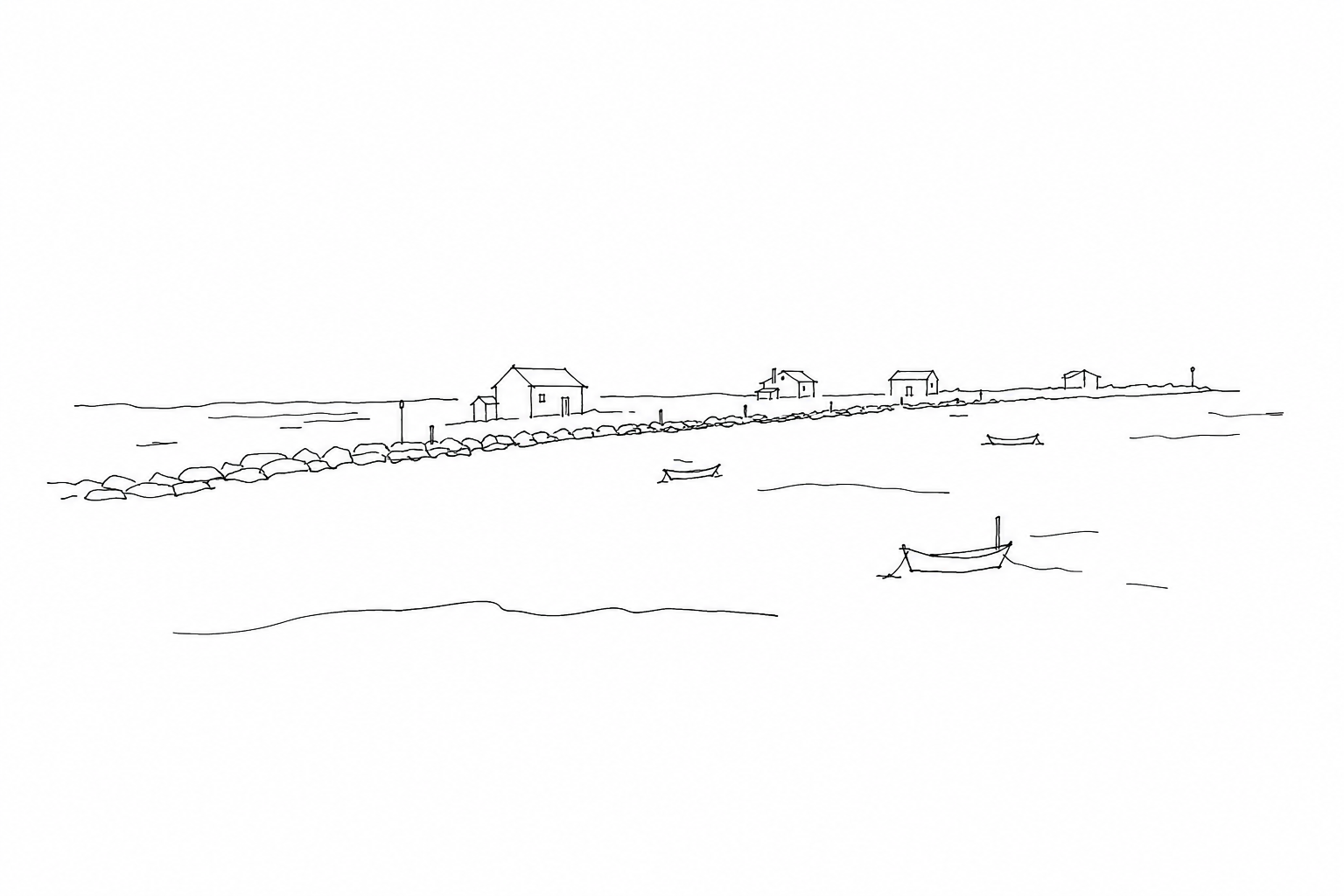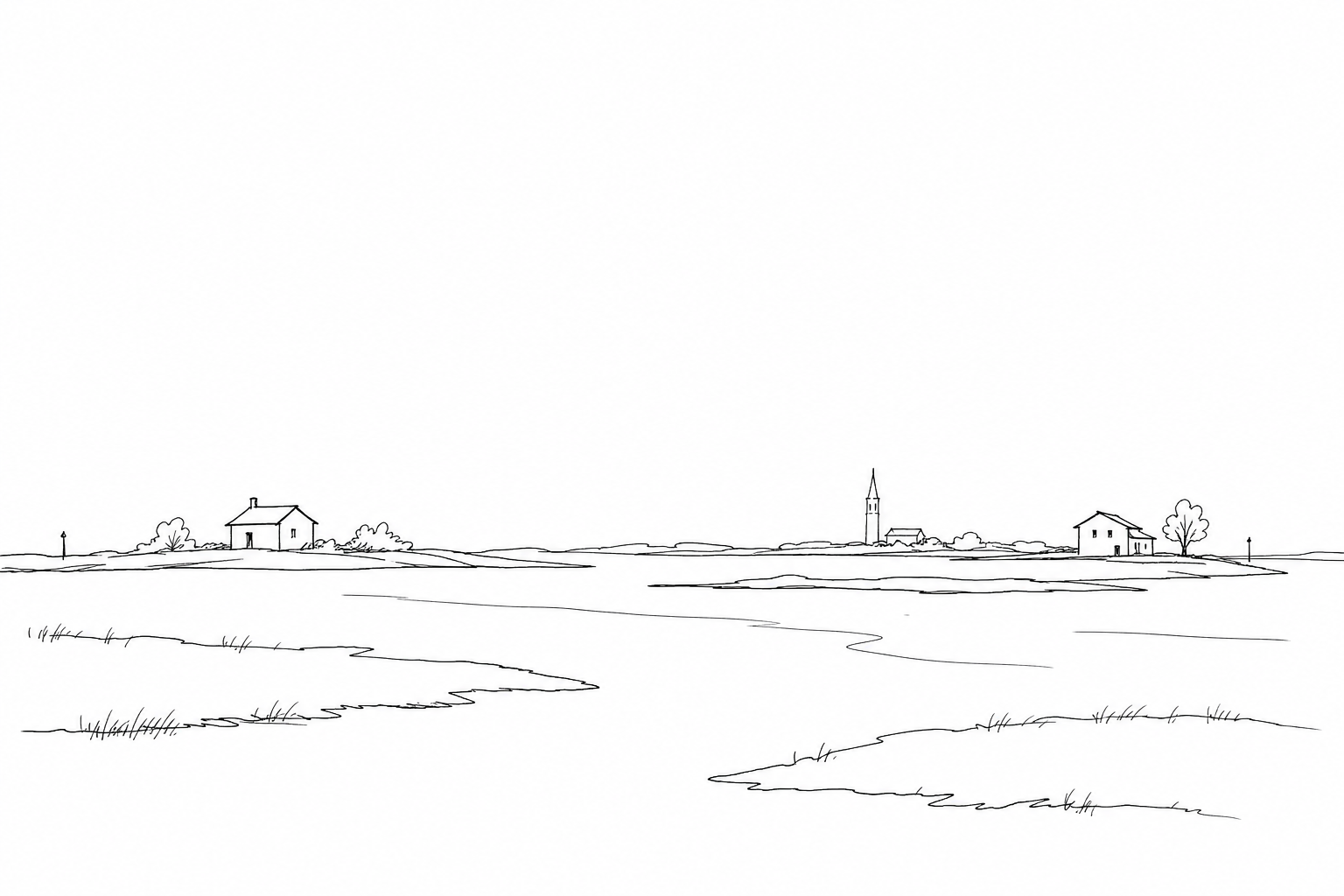
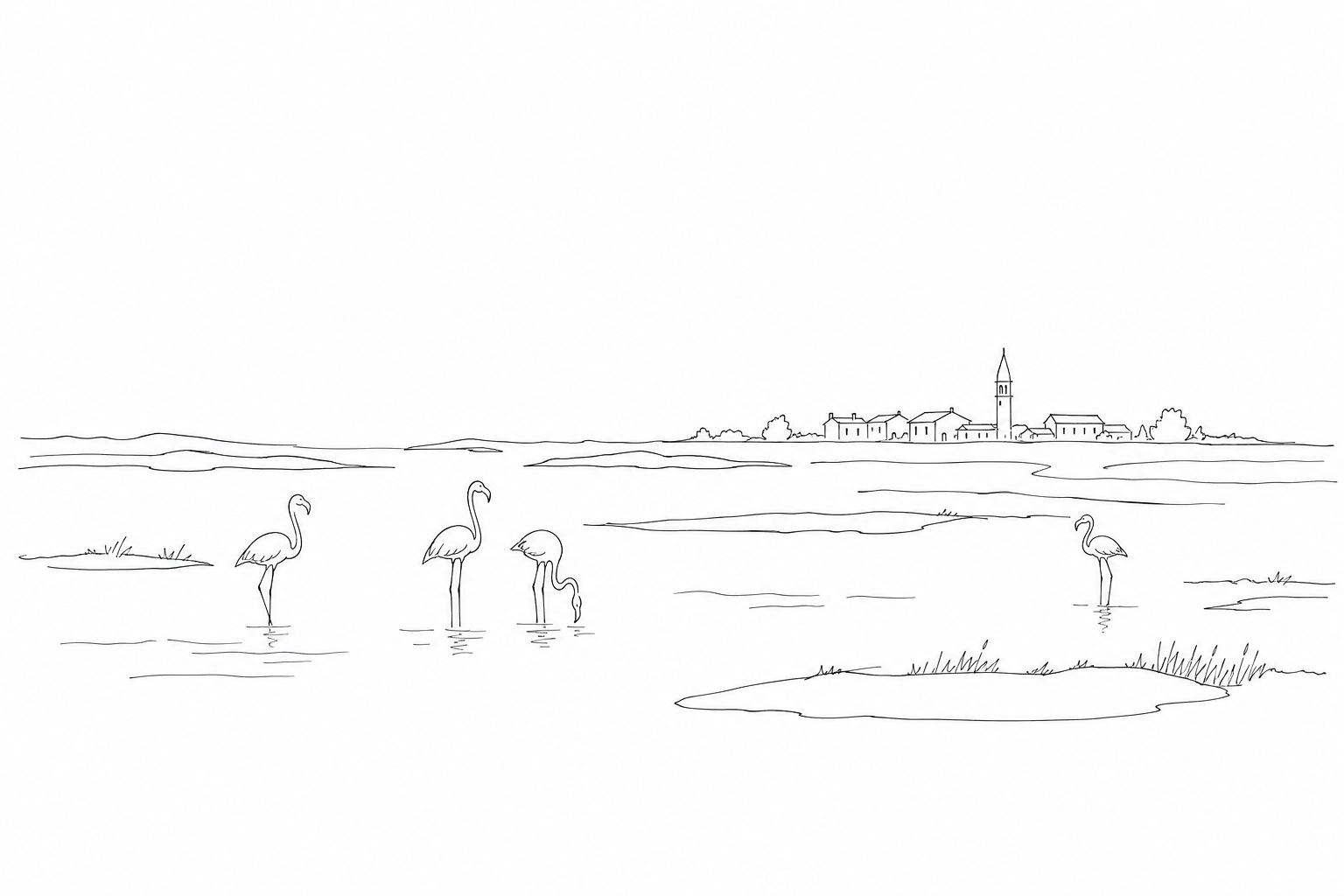
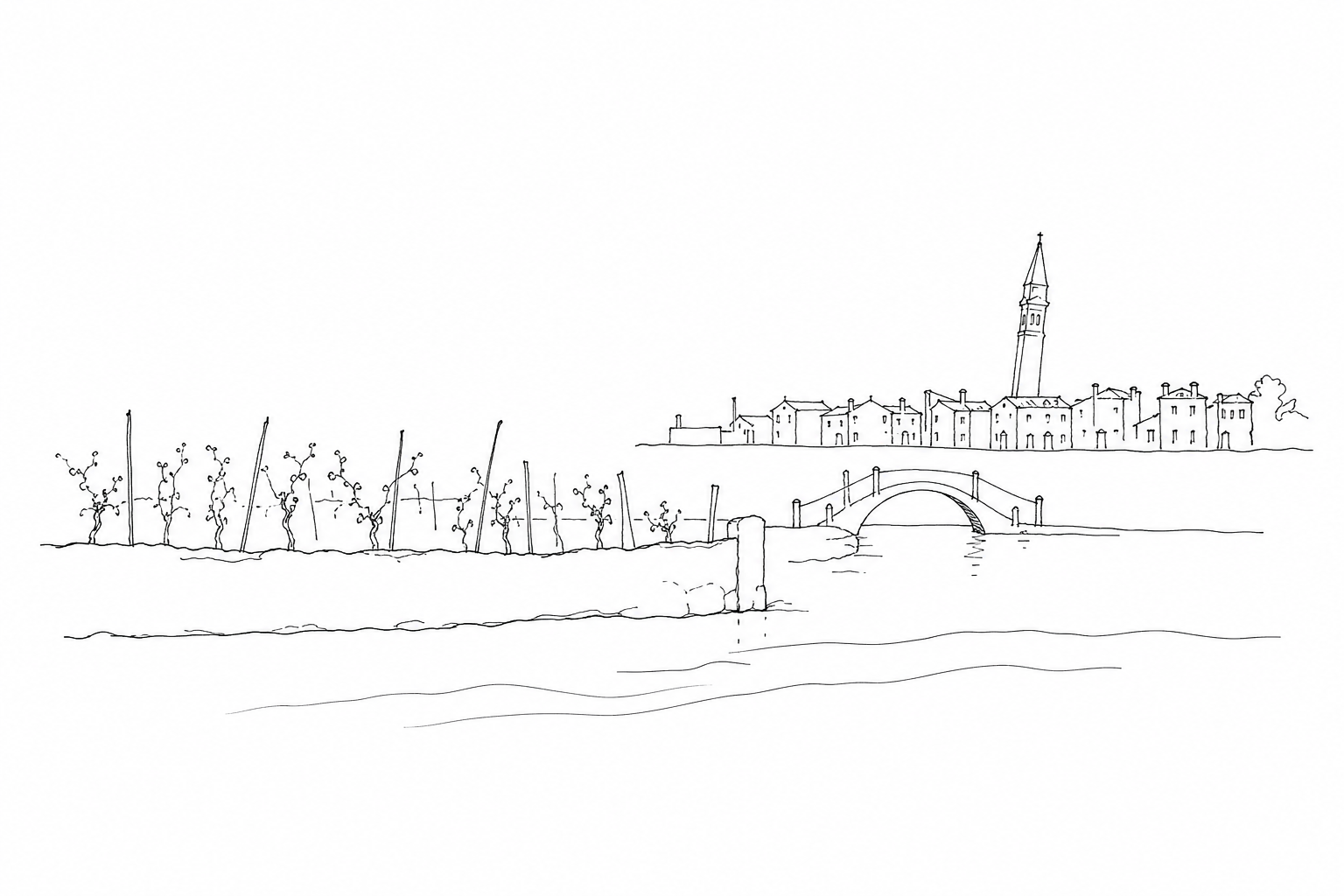
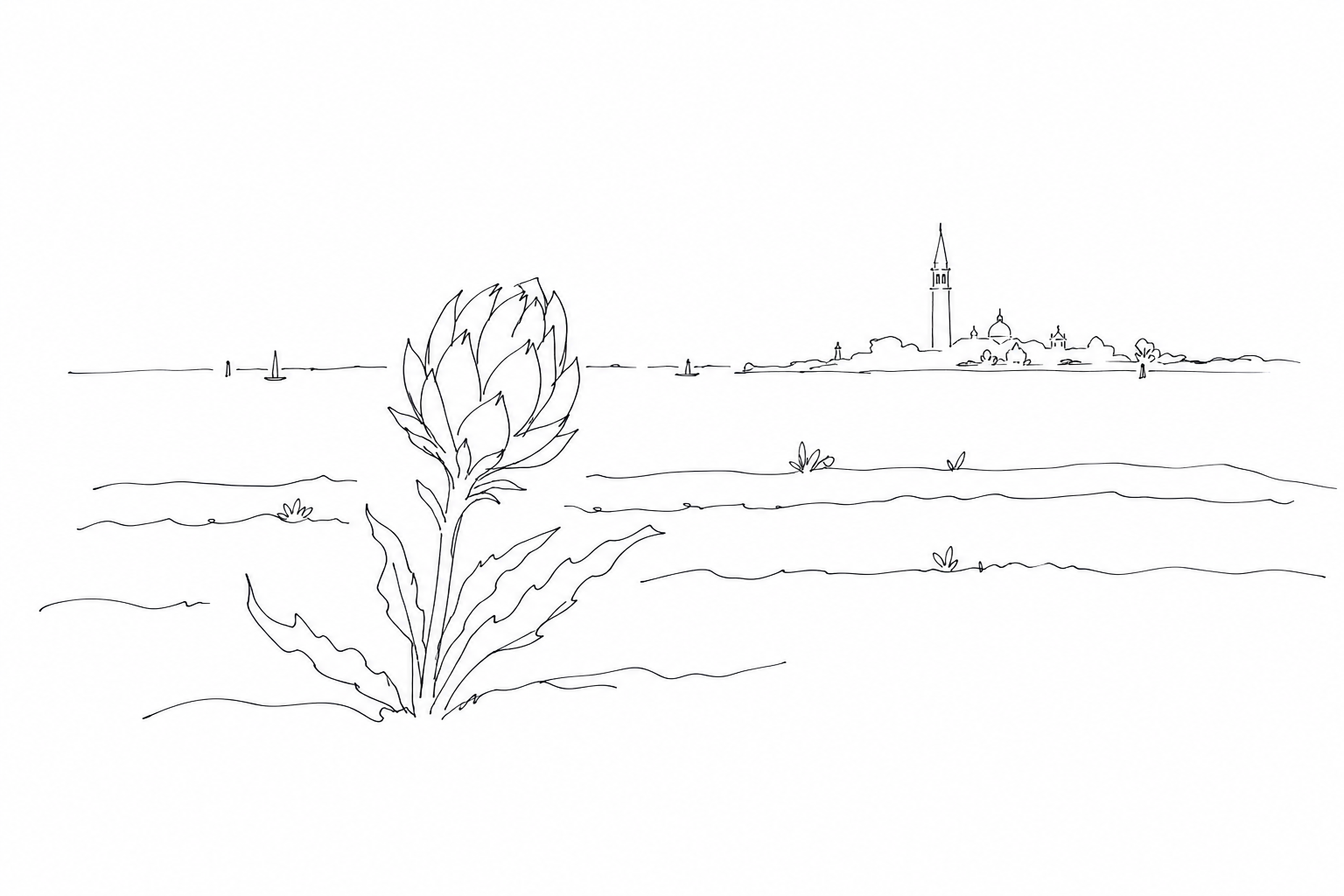

Sant’Erasmo is Venice when it stops presenting itself as stone and water alone. It is the long island of vegetable gardens, low rows, ditches marking the fields and the wind arriving from the northern lagoon. Here the city reveals a concrete part of its history: the agricultural, necessary, everyday one, made of salt marshes, transport by boat and products that for centuries reached the Venetian markets. The violet artichoke is its best-known symbol, but it is not enough to exhaust the story: Sant’Erasmo must be read in the details, in the cultivated margins, in the inhabited silence that distinguishes it from monumental Venice.
Sant’Erasmo, the vegetable garden of the lagoon
Between Venice and the harbor mouths of the Lido, Sant’Erasmo appears like an inverted Venice: not stone and calli, but fields, rows, embankments and smaller canals. It is the largest of the islands in the northern lagoon and for centuries it performed a concrete and indispensable function: supplying the city with fresh vegetables, taking advantage of light soils, brackish air and a position close to the Venetian markets.
This agricultural vocation is not a folkloric detail, but a part of the urban history of the Serenissima. While the monumental center grew on piles and trade, Sant’Erasmo preserved cultivable surfaces rare in the lagoon. Here vegetable gardens and vineyards designed a productive landscape, regulated by water and winds, where the land had to be protected as much as cultivated.
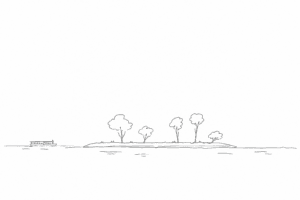
The best-known symbol is the violet artichoke of Sant’Erasmo, appreciated for its tenderness and slightly bitter flavor. But the island also tells of a broader balance: that between agricultural Venice and maritime Venice, between daily supply and lagoon identity.
The violet artichoke: what it really tells
The violet artichoke of Sant’Erasmo is not just a prized ingredient: it is a kind of edible calendar. In spring the castraure appear, the first apical flower heads, cut when they are still small to make the plant more vigorous. They are sought after because they are tender, with tight leaves and an elegant bitter note, often enhanced raw with oil, salt and a little lemon, or in light fried dishes and risottos.
Its identity comes from the island soil: sandy and brackish soils, sea wind, fresh water to be managed carefully. The result is an artichoke with an elongated shape, violet shades and a more delicate texture than more robust varieties. It is no coincidence that the local violet artichoke is linked to a Slow Food Presidium, created to protect small-scale crops, family knowledge and a fragile agricultural landscape.
It also tells of a small-scale economy: crates carried to markets, direct relationships with innkeepers and cooks, home recipes passed down without emphasis. Tasting it means reading in the vegetable the island that produces it.
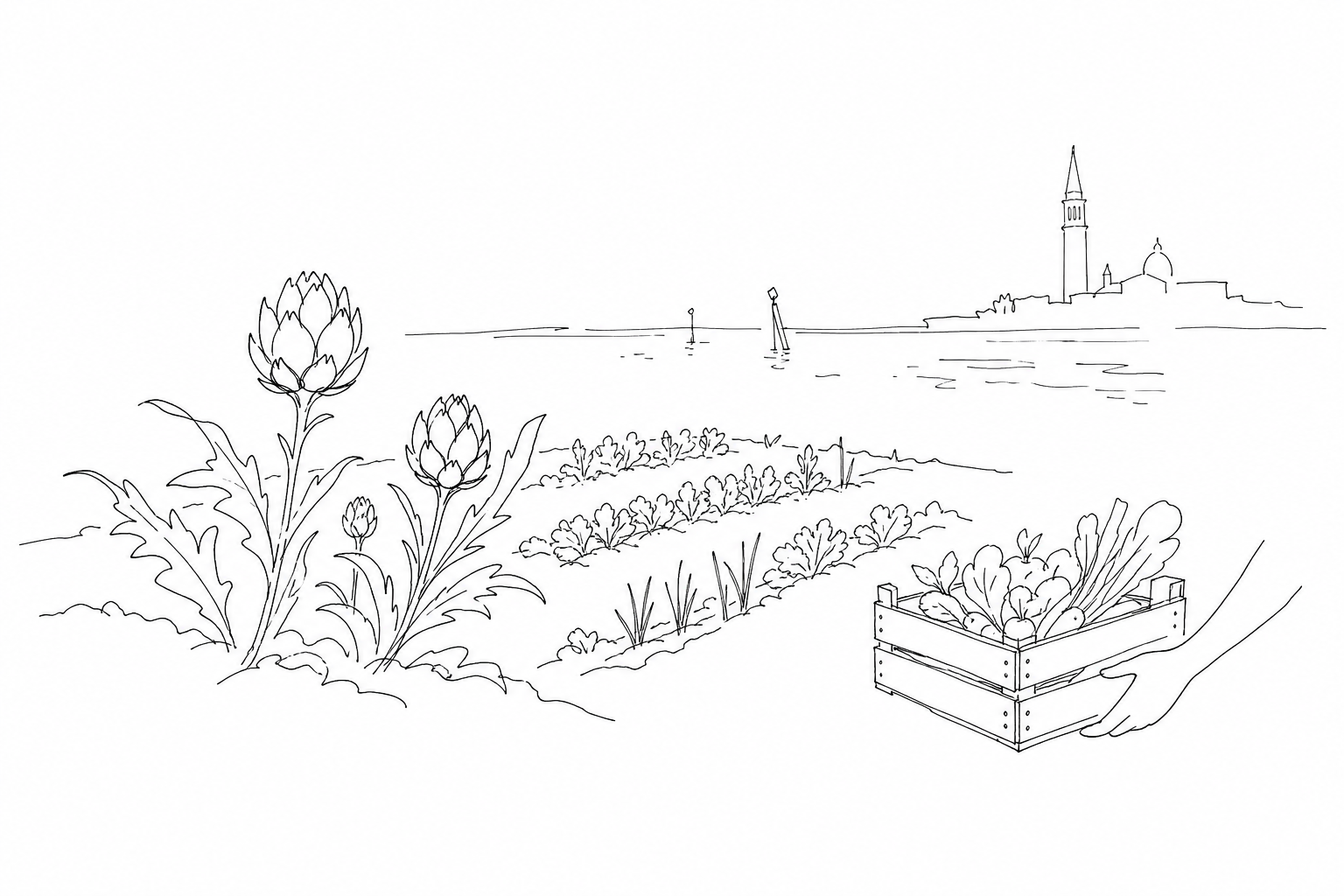
Vegetable gardens, vineyards, ditches and inhabited silence
Walking on the island means learning to distinguish minimal signs: low rows protected from the wind, raised rectangular fields, ditches that collect the brackish water and accompany it toward the lagoon. It is not “scenic” countryside, but a territory worked every day, where the distance between home, vegetable garden, shore and boat remains short.
Along the edges of the paths you encounter vineyards, orchards, light greenhouses, small agricultural warehouses, nets, crates, tools left in provisional order. The silence is not empty: it is made of distant engines, bird calls, footsteps on gravel, doors opening in courtyards. Even the salt marshes visible beyond the fields help to read the place: they remind us that this landscape lives in balance with tides, wind and salt.
The presence of the Maximilian Tower, a nineteenth-century military construction at the southern end, adds another key to interpretation: the island was not only agricultural, but also a point of lagoon control. Vegetable gardens and defenses, fresh water and salt water, daily work and open horizon coexist in the same space.
How to read the island on a short visit
If time is short, it is better to proceed by clues, not by “attractions”. As soon as you disembark, observe three things: the level of the fields in relation to the ditches, the direction of the rows and the distance between houses, warehouses and plots. Here the productive landscape functions like a map: every rise protects from the brackish water, every smaller canal signals drainage and continuous work.
To understand the violet artichoke, it is not enough to look for it on the plate: it must be connected to the castraure, the first shoots cut in spring to favor the plant, and to the sandy soil that mitigates the lagoon humidity. A short walk can therefore alternate between waterfront, inland road and cultivated fields, reading the transition from open wind to sheltered countryside.
If you wish to enter visitable spaces or take part in local initiatives, always check up-to-date information: access, openings and procedures may change.
Visiting Sant’Erasmo means changing scale and rhythm, without truly leaving Venice. In a short time you can take in vegetable gardens, vineyards, scattered houses, landing places and traces of a productive lagoon that still resists beside the most photographed city. It is not an island to be consumed quickly nor to be sought as a simple picturesque alternative: it asks for attention, slow steps and a gaze willing to recognize the value of ordinary things. The violet artichoke, the fields and the smaller canals thus become a key to understanding a less obvious Venice, but one deeply linked to its material history.
Related Posts
Le Vignole: vegetable gardens, vineyards and a rural Venice just minutes from the Fondamente Nove
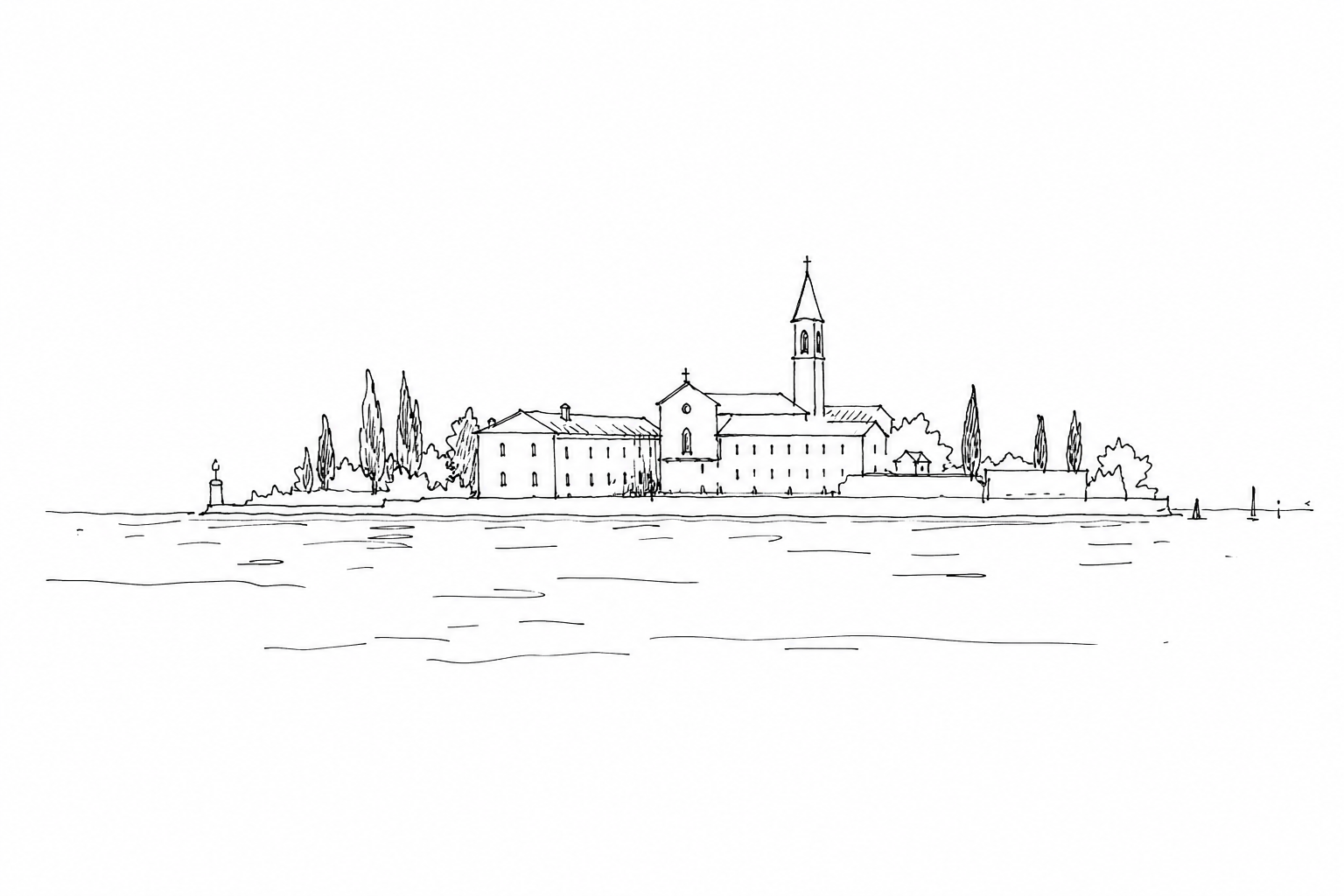
A quiet island in the northern lagoon, among vegetable gardens, vineyards, canals and military history, close to the Fondamente Nove.La Certosa: the green island between Castello and the northern lagoon that many see only from the vaporetto
Brief guide to La Certosa: location, history, greenery, landing places and the meaning of this island between Castello and the northern lagoon.
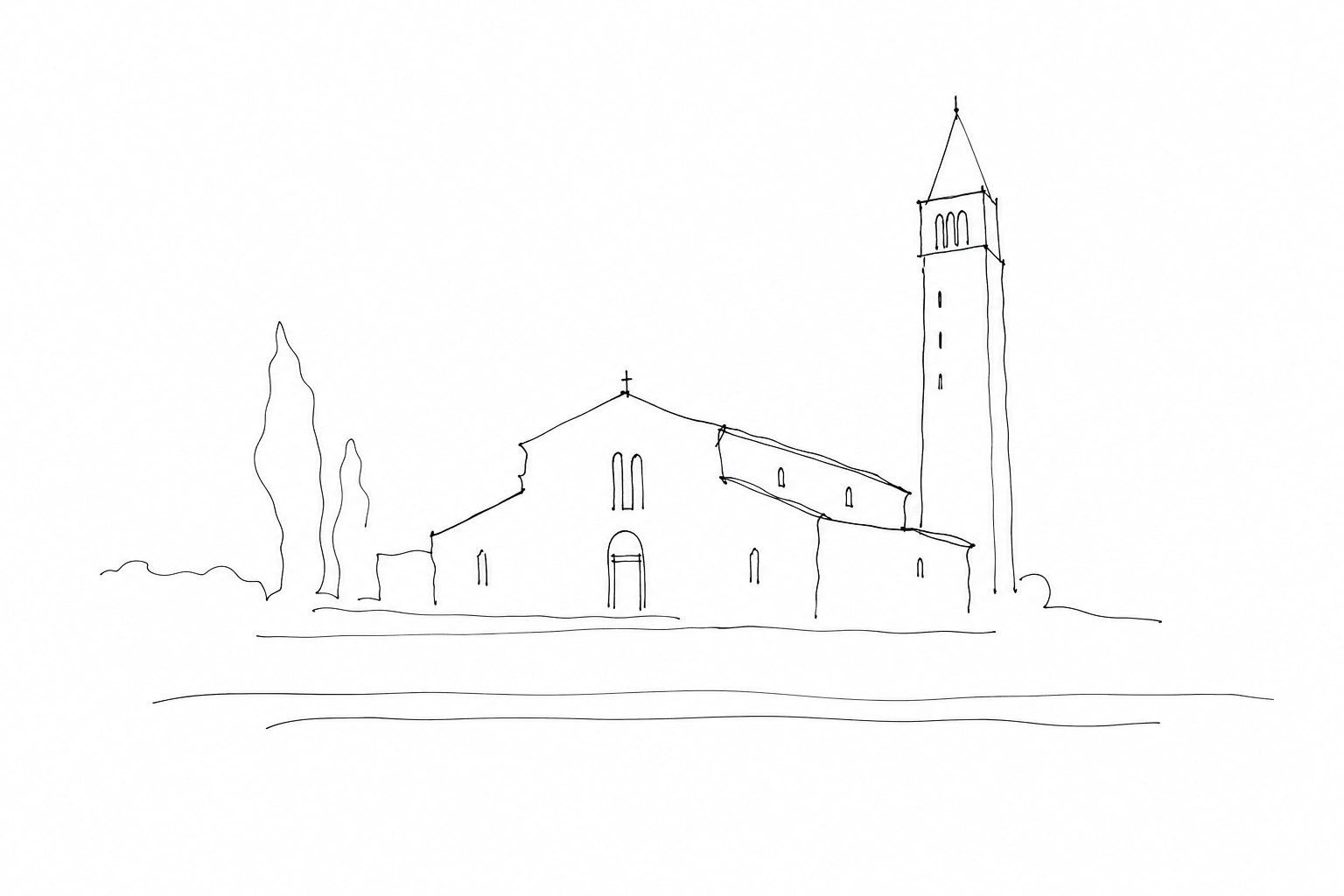
Torcello Without Hurrying: What Remains of the First Venice When the Noise Disappears
A slow itinerary on Torcello among lagoon origins, mosaics, isolated stones and silences that help read the first Venice.Questions Answered
What is the historical importance of Sant’Erasmo in Venice?
It has supplied fresh vegetables and preserved cultivable land for centuries.What makes the violet artichoke unique to Sant’Erasmo?
Its elongated shape, violet color, and delicate texture come from island conditions.How does the landscape shape agricultural practices on the island?
Fields, ditches, and embankments manage water and wind for cultivation.How should visitors approach experiencing Sant’Erasmo?
Observe field layouts, local crops, and take slow, attentive walks.
Follow the thread of water
Want to move from this story to others that explain the lagoon beyond postcard views?
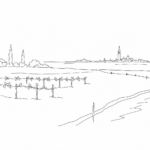 Le Vignole: vegetable gardens, vineyards and a rural Venice just minutes from the Fondamente NoveA quiet island in the northern lagoon, among vegetable gardens, vineyards, canals and military history, close to the Fondamente Nove.
 Torcello Without Hurrying: What Remains of the First Venice When the Noise DisappearsA slow itinerary on Torcello among lagoon origins, mosaics, isolated stones and silences that help read the first Venice.
 Barene and velme: the words of the lagoon that explain why Venice is not only stoneA lagoon vocabulary for reading Venice beyond calli and palaces: what barene and velme are, how they change with the tide and...
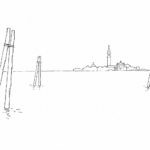 Briccole in the lagoon: the posts that guide boats and shape the Venetian landscapeWhat briccole are, how they guide boats and why they mark the landscape of the Venice lagoon.