
The Redentore on Giudecca is not only one of Venice’s great churches: it is a building born from a public promise, built in front of the water and designed to be seen from afar. Its Palladian facade dialogues with the Giudecca Canal, while the interior arranges light, proportions and silence with an almost domestic clarity. To tell its story means holding together the plague of the sixteenth century, the politics of the Serenissima, the architecture of Andrea Palladio and a votive festival that still today crosses the city with concrete gestures, from the temporary bridge to the boats in the lagoon.
A public vow after the plague
The Redentore on Giudecca was born from a collective decision made at the most fragile moment of sixteenth-century Venice. Between 1575 and 1577 the plague struck the city hard, emptying houses, workshops and calli, and also marking the institutions of the Serenissima. Faced with the crisis, the Senate made a solemn vow: if the contagion ceased, Venice would raise a church dedicated to Christ the Redeemer.
It was not a matter of private devotion, but of a public act. The Republic transformed prayer into architecture, entrusting the project to Andrea Palladio and choosing Giudecca, on the island that looks toward the basin of San Marco. The position was significant: the church would be visible from the water, almost an urban and spiritual response to the fear the city had gone through.
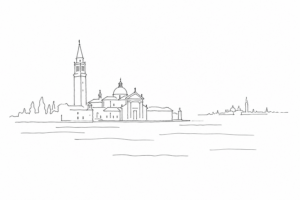
In 1577, with the end of the epidemic, the vow took concrete form. Every year the doge and the authorities reached the temple by crossing a temporary bridge of boats: a gesture that united government, people and lagoon in the memory of liberation from the plague.
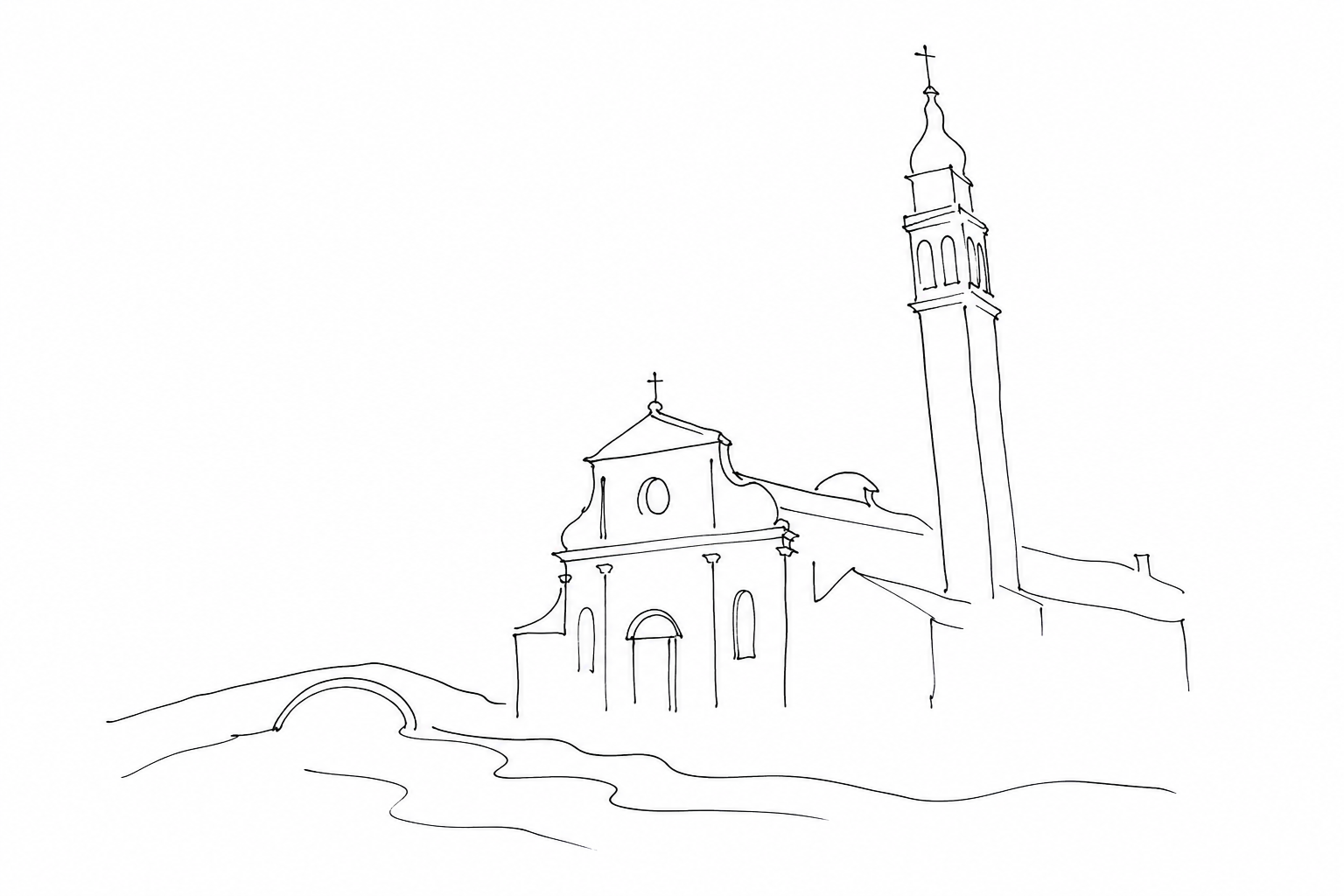
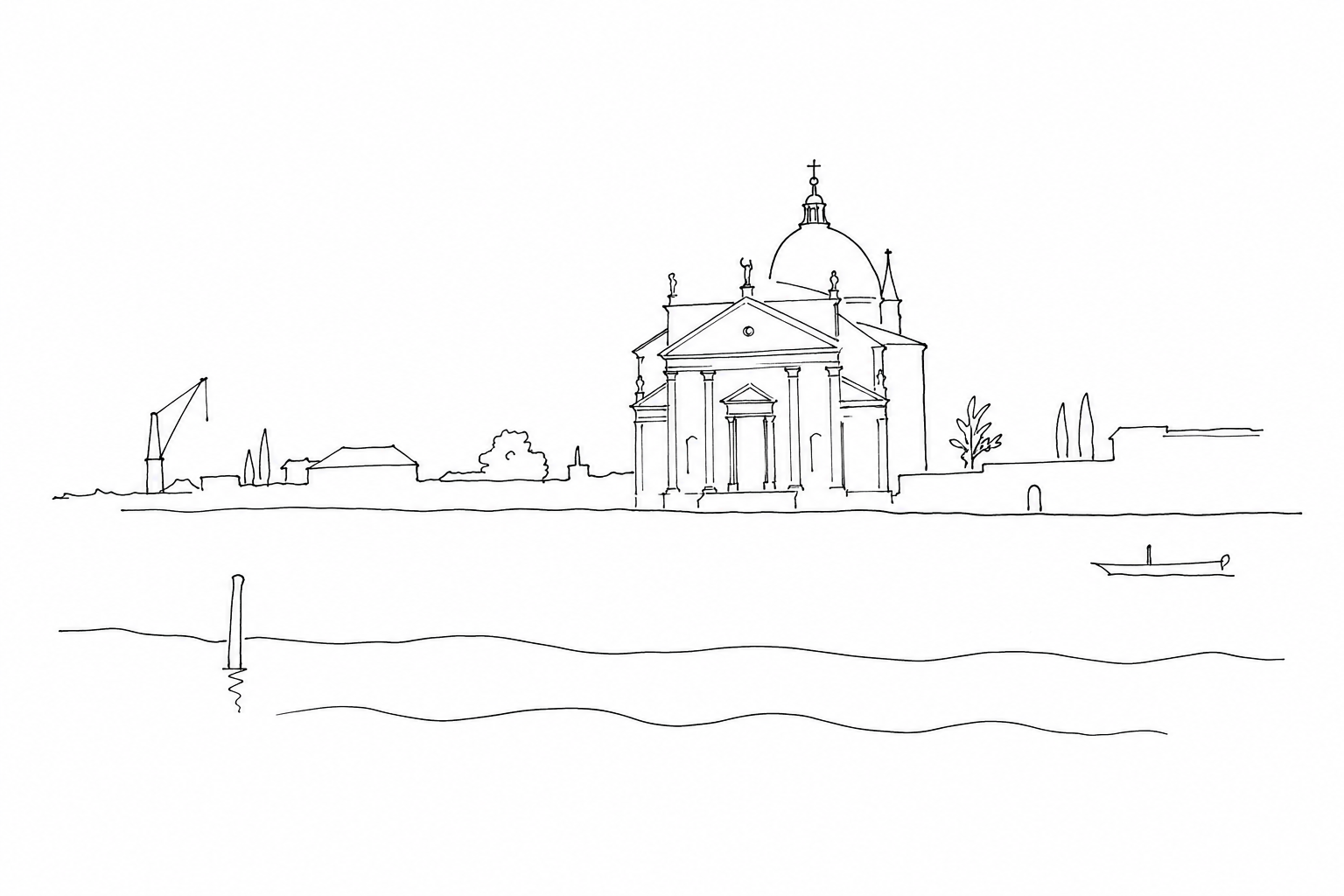
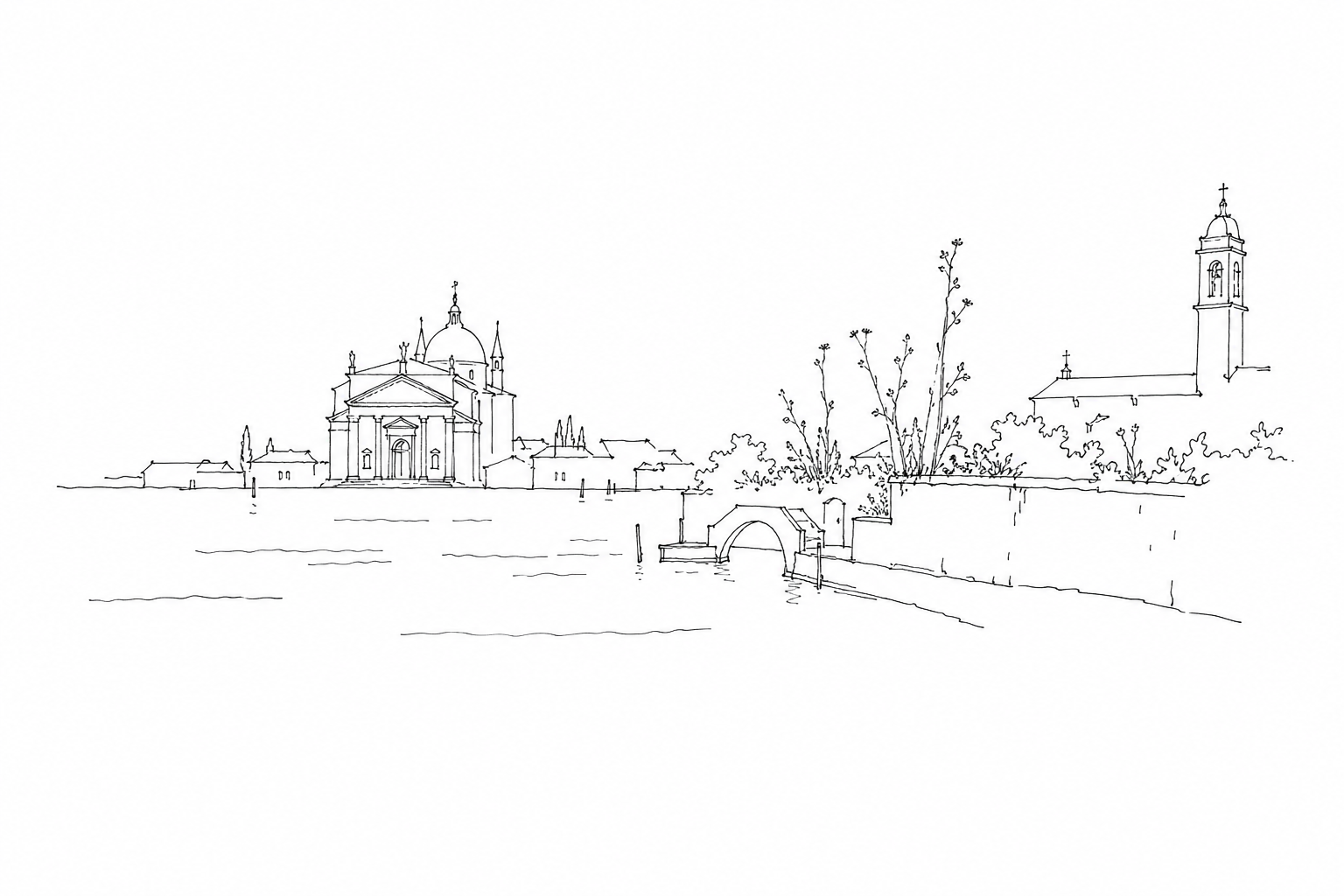
The Redentore is fully understood from the Giudecca Canal. Palladio did not design only a sacred building for the interior of the island: he composed a front visible from Venice, almost a response in white stone to the banks of the Zattere and to the profile of San Marco in the distance. The facade, with the large central pediment and the two overlapping side pediments, functions as an ordered signal in the lagoon landscape.
The church looks at the water and is looked at from the water. Its entrance, preceded by a broad space and by steps, creates a threshold between shore, procession and liturgical hall. During the Redentore festival this relationship becomes physical: the temporary route over the canal reconnects for one night what normally remains separate.
Seen from Venice, the construction appears isolated and solemn; seen up close, it reveals its bond with Giudecca, an island of shipyards, vegetable gardens and convents, transformed here into a civic and religious stage.
Palladio: classical order and internal light
With Palladio the sacred building becomes a machine of balance. The facade is not a simple elevation: it combines several pediments, one larger and others set back, so as to translate into classical form the different height of the nave, the side chapels and the rooms behind. The effect is that of an ancient temple recomposed in a Christian key, with Corinthian columns, clear pediments and surfaces calculated to be read even from afar.
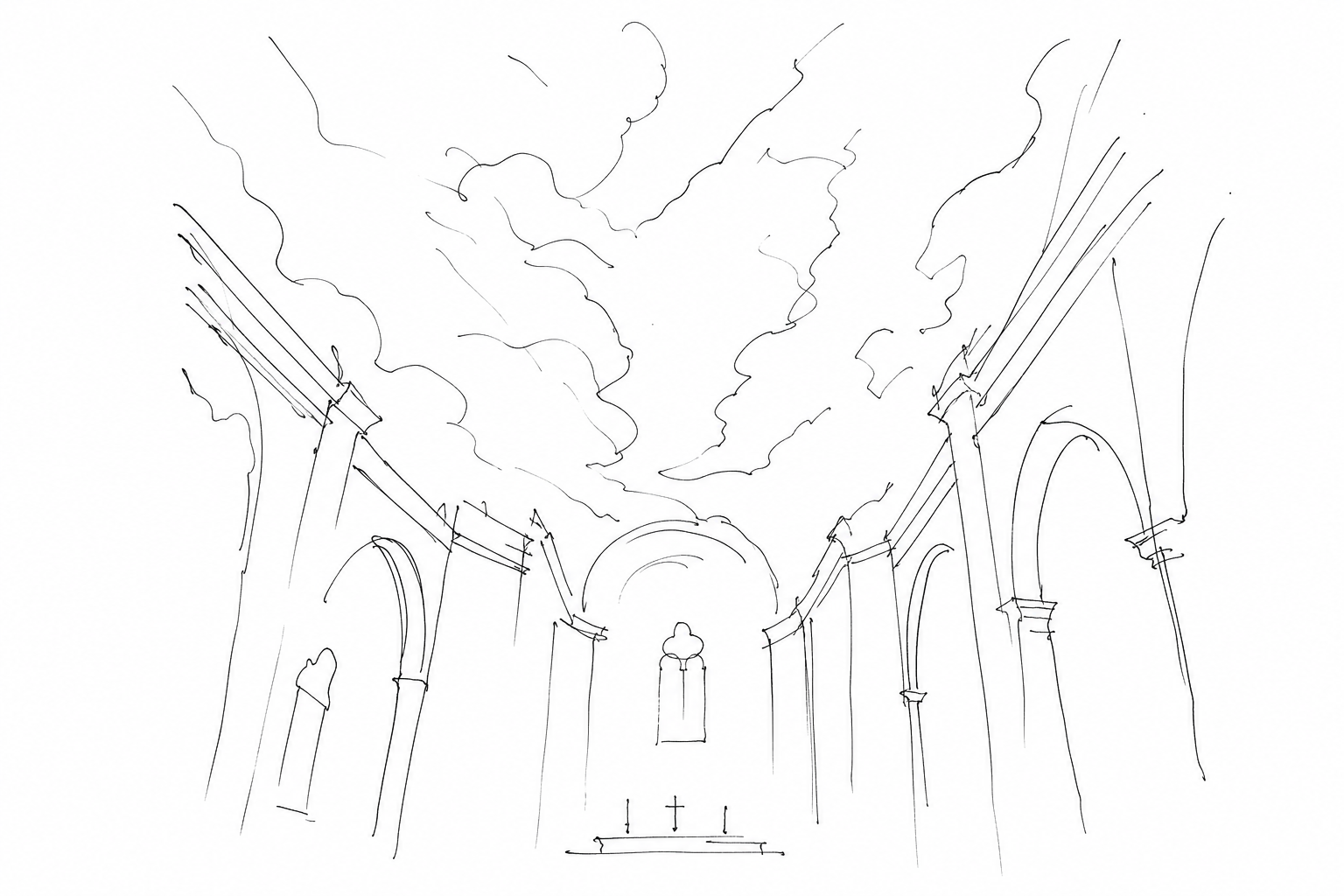
Inside, the layout is more severe than the external monumentality might suggest. Palladio chooses a single nave, broad and orderly, flanked by chapels marked out with regularity. The depth leads the gaze toward the presbytery, but without dispersion: every architectural element participates in a measured, almost processional progression.
Light is decisive. The pale walls, the rhythm of the arches, Istrian stone and the high openings produce a clear, non-theatrical interior. The white does not erase the structure: it makes it legible. The dome and the apsidal area gather the luminosity in a controlled way, transforming the space into a place of visual silence. In this Palladio also responds to the sobriety required by the Capuchins: public magnificence outside, discipline and clarity inside.
The votive festival and a mindful visit
Every year, on the weekend of the third Sunday of July, the temple of the Redentore once again becomes what it was born for: a destination of public thanksgiving after the plague of 1575-1577. The most eloquent gesture is the temporary bridge of boats, traditionally laid from the front of the Zattere toward the Giudecca shore: it is not only a convenient passage, but the materialization of the vow, a walk above the lagoon that reconnects the urban center and the island for a few days.
To read it well, it is best to arrive without haste from the water’s edge: the facade is understood at a distance, as a scenic backdrop and at the same time a spiritual threshold. During the festival, fireworks, decorated boats and nighttime conviviality belong to the civic rite; the internal visit instead requires restraint, because the space remains a liturgical place. Before planning crossings, celebrations or entrances, it is prudent to check updated information with official sources.
Visiting the Redentore attentively means looking at Venice from a different threshold: not from the most crowded center, but from a waterfront where civil history, devotion and architecture can be read in the same space. The church preserves the sense of the vow that generated it, but also the precision of a project capable of transforming a collective promise into form, light and route. Arriving there slowly, observing Giudecca and the canal, helps one understand why this place remains one of the city’s most measured and intense points.
Related Posts
Santa Maria della Salute: the church born from the plague that Venice still views from the water
Santa Maria della Salute is a votive church born from the plague: an urban, religious, and architectural sign that Venice continues to read from the…San Giorgio Maggiore: Palladio, silence and a view of St Mark’s from the opposite side
Editorial guide to San Giorgio Maggiore: Palladian church, quiet island and frontal view of St Mark’s.
San Giorgio Maggiore: why crossing the basin changes your view of Venice
San Giorgio Maggiore seen from the basin: history, architecture and perspective to read Venice from another point.Questions Answered
What inspired the building of the Redentore church?
A public vow by Venice's Senate after the 1575-1577 plague stopped.Who designed the Redentore church and what style was used?
Andrea Palladio designed it with classical order and balanced light.How does the Redentore festival commemorate the original vow?
A temporary bridge of boats reconnects Venice and Giudecca yearly.Why is the church's location significant?
It's positioned to be seen from Venice and engages the water visually.
Giudecca between churches and lagoon
Which other stops help explain this broader and more horizontal side of Venice?
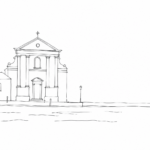 The Gesuati at the Zattere: Tiepolo, light and white façades in front of the Giudecca CanalA brief guide to the Gesuati at the Zattere: history, façade, light of the Giudecca Canal and Tiepolo’s ceilings.
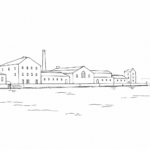 Giudecca before sunset: wide waterfronts, transformed factories and a more horizontal VeniceA slow route on Giudecca, among broad fondamenta, industrial archaeology and low light on the canal.
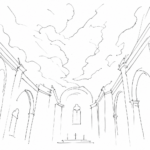 San Pantalon: the ceiling that pretends to break through the church without using frescoesThe ceiling of San Pantalon in Venice explained through canvas, illusion, Fumiani and the view from below.
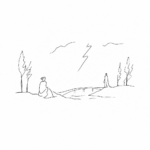 Giorgione’s The Tempest: why a small painting at the Accademia continues to resist full explanationA small, famous and still elusive painting: a reasoned guide to Giorgione’s The Tempest at the Gallerie dell’Accademia.