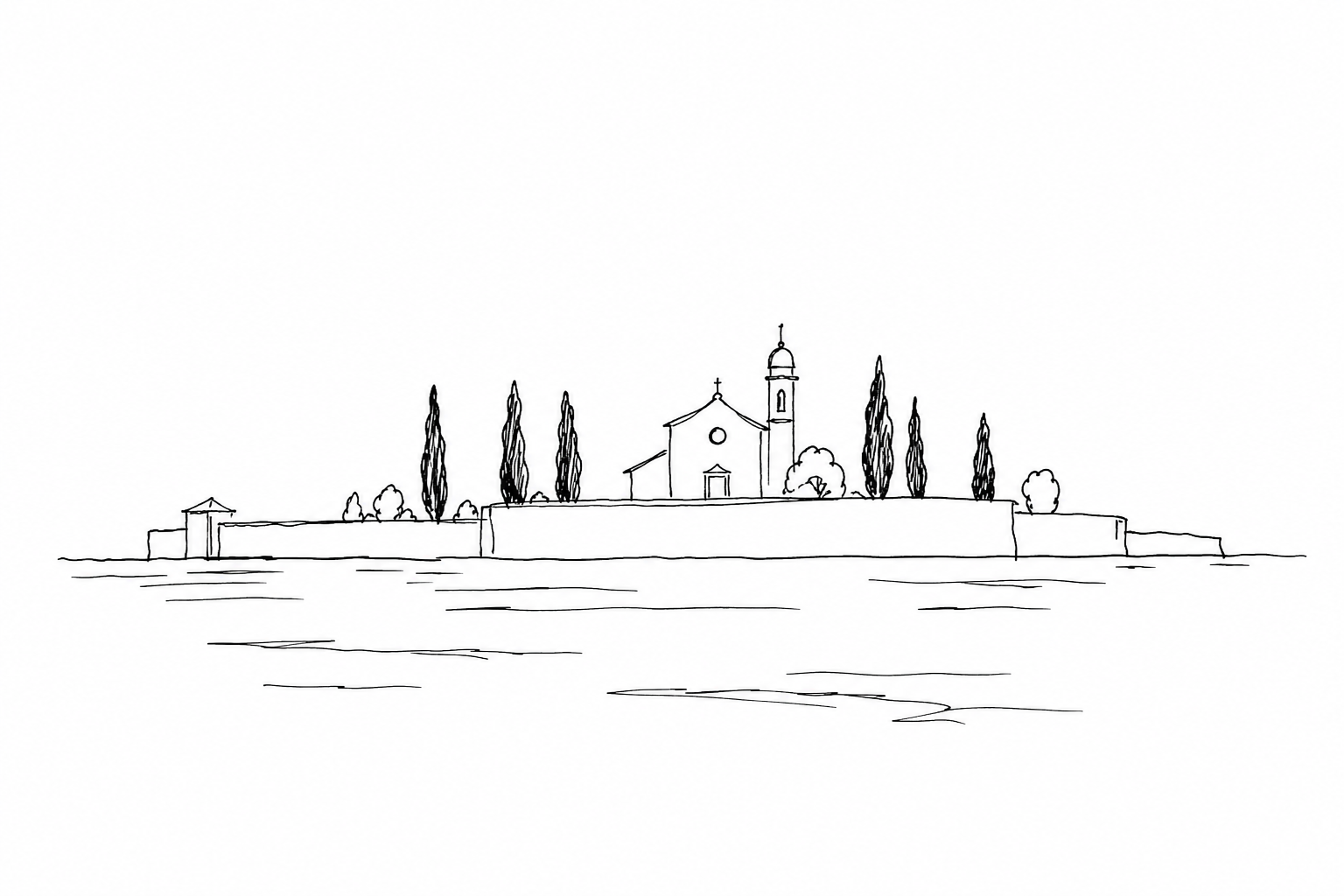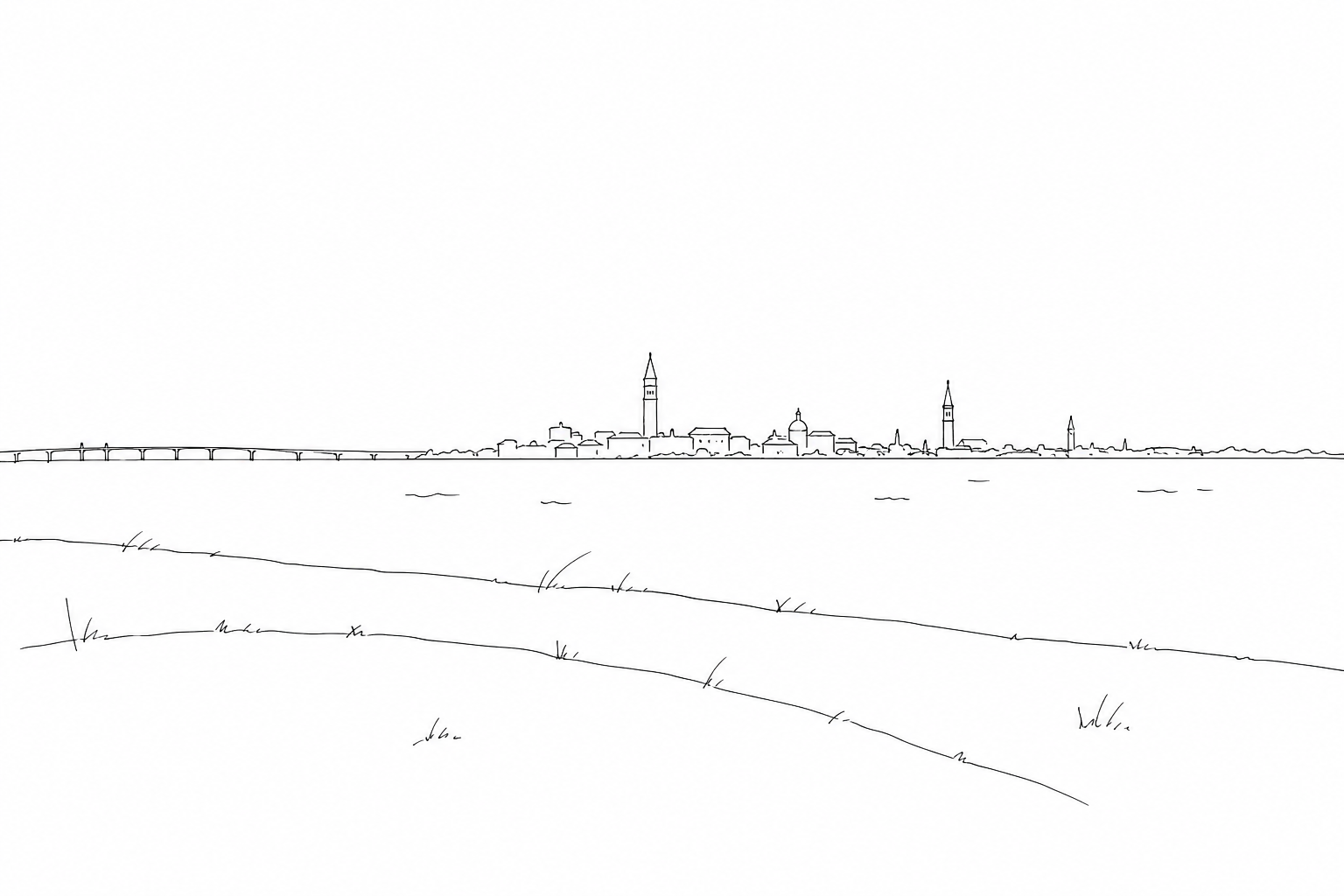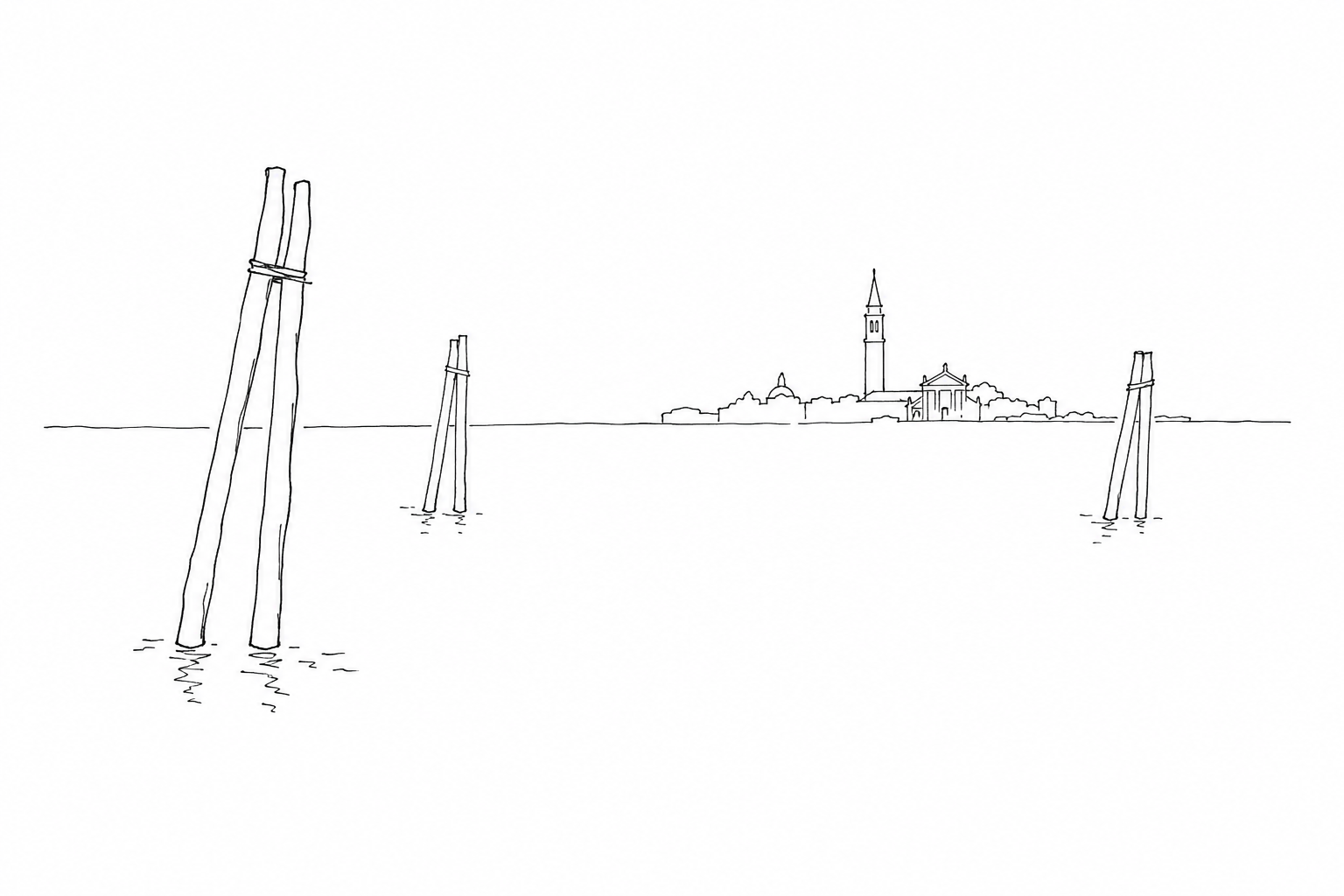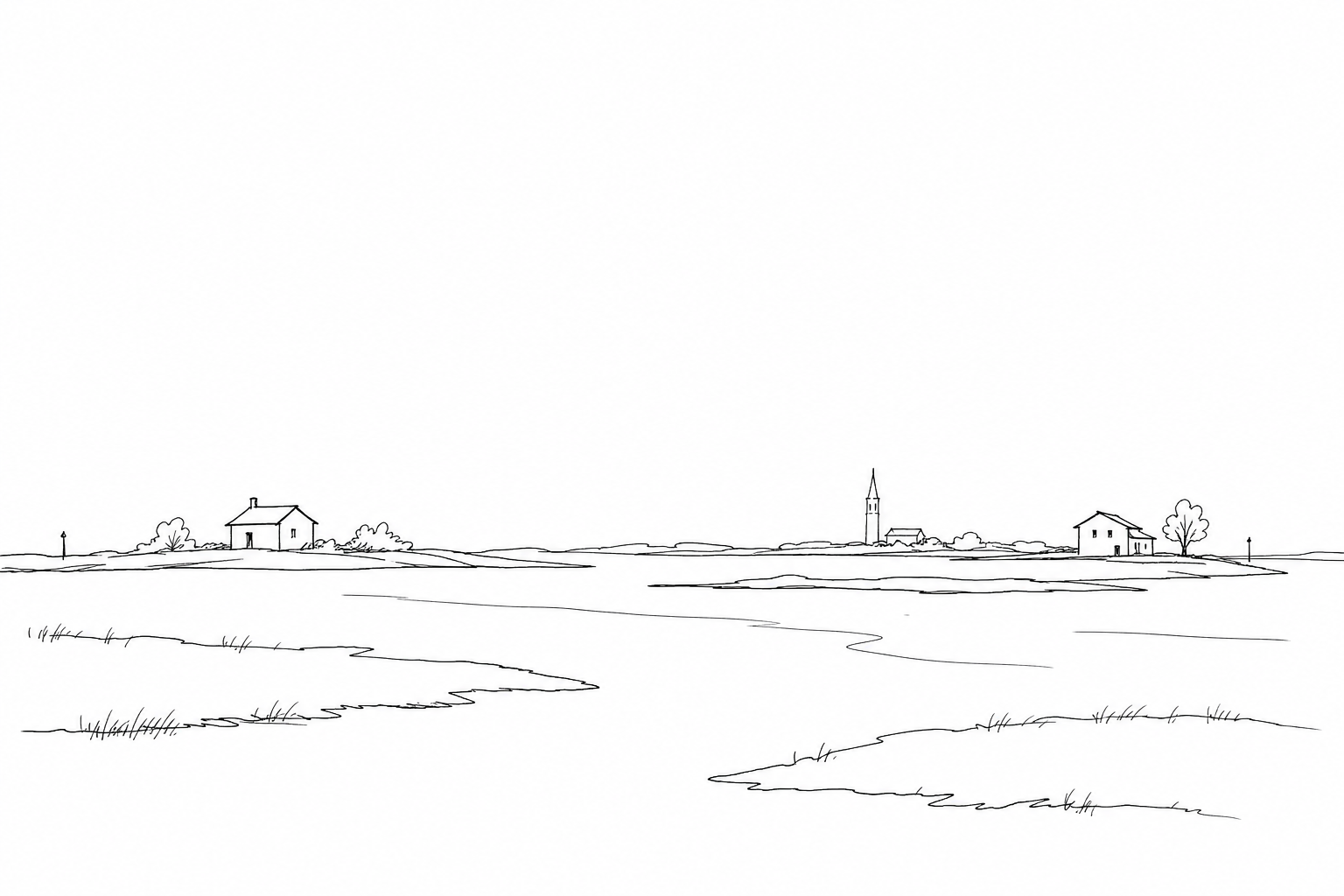
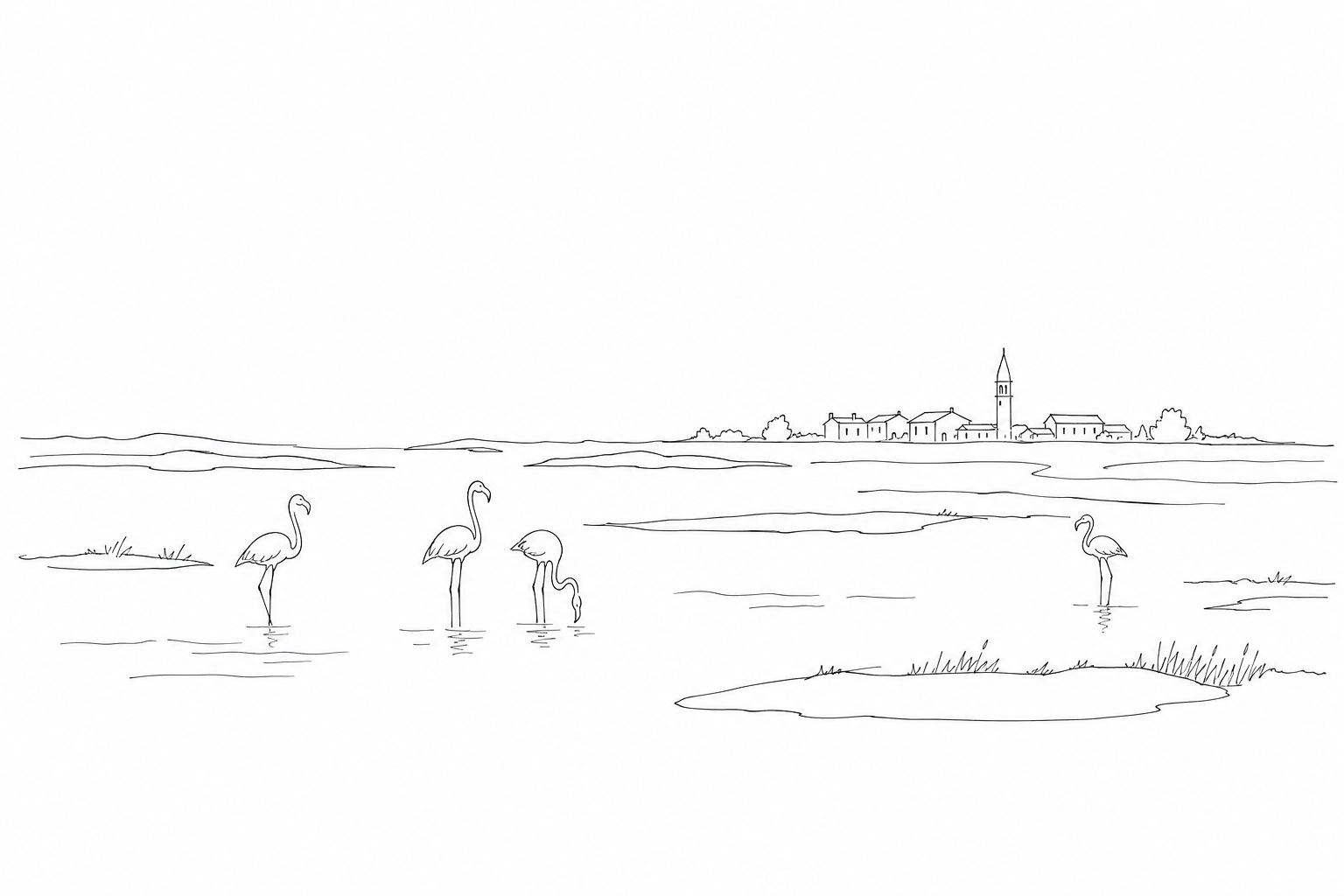
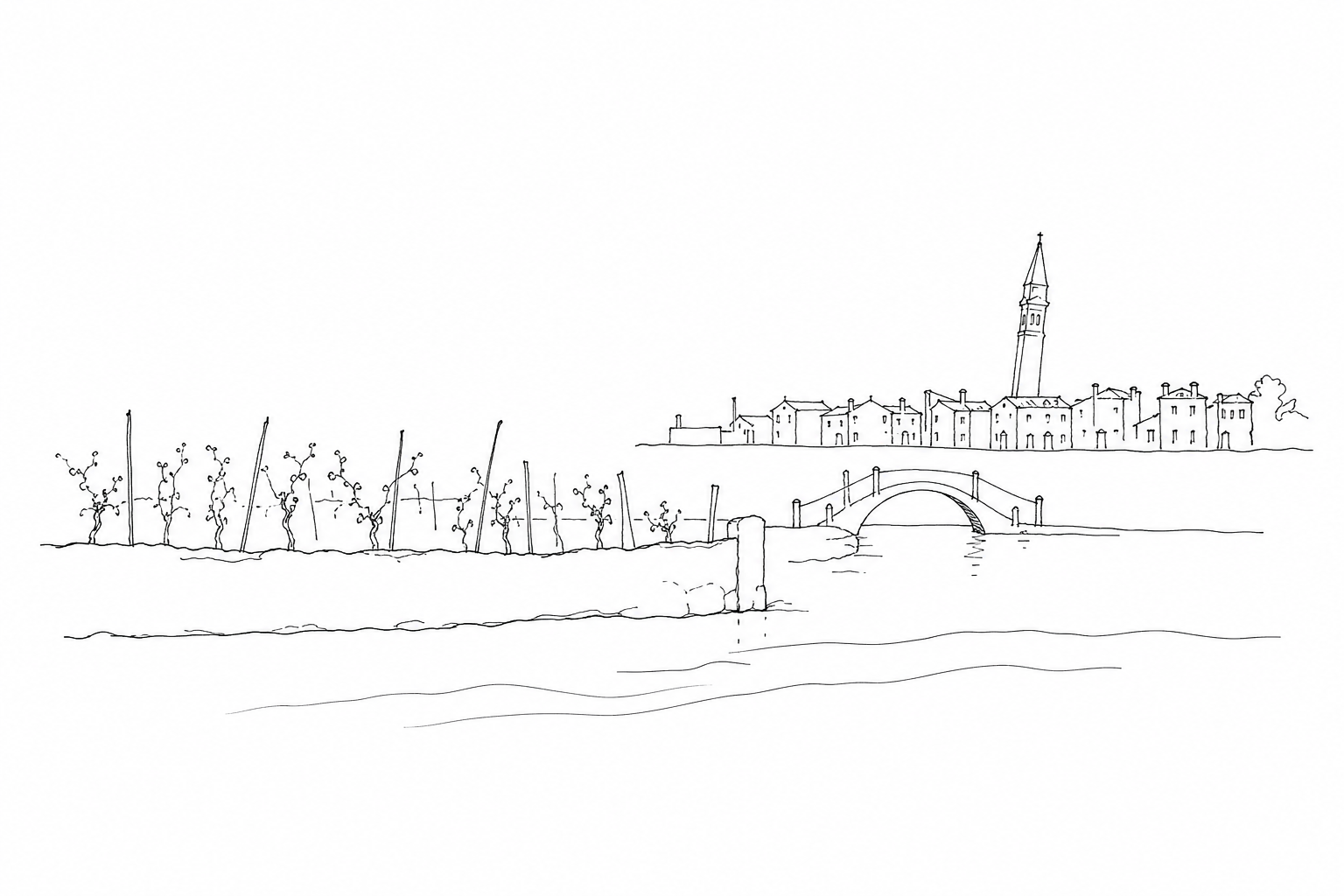
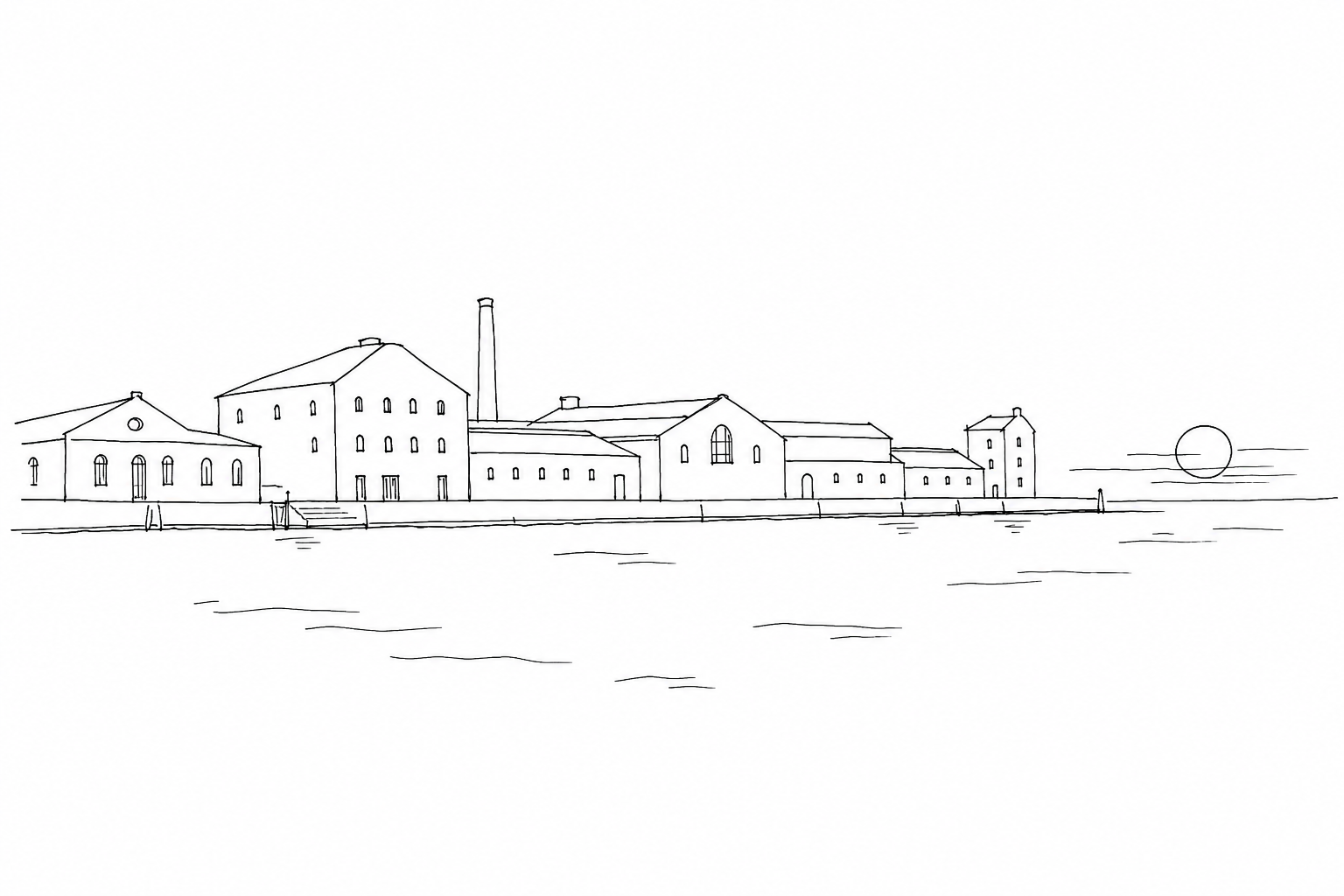

Giudecca, before sunset, shows a different Venice: less vertical, less compressed, more stretched out along the water. Its wide waterfronts, former industrial complexes and open views over the basin of San Marco tell of an island that lives not only on views, but on edges, transformations and everyday rhythms. Walking through it at this hour means reading the city from a minimal but decisive distance: close enough to recognize its forms, separate enough to understand its proportions better.
Why Giudecca changes before sunset
Before the sun descends behind the outline of the lagoon, Giudecca shows a different Venice: less vertical, more stretched out, almost measurable in long steps. The broad waterfronts along the canal do not compress the gaze as happens in many calli of the historic center; instead, they open it toward the Zattere, San Marco in the distance and the continuous line of the water.
This quality also depends on the shape of the island. Giudecca is a sequence of lands parallel to the city, with wide fondamenta, internal courtyards, former productive areas and religious complexes. In the late afternoon, the raking light highlights the brick façades, the walls of the old shipyards, the converted volumes of mills, warehouses and factories. It is not only atmosphere: it is an urban reading.
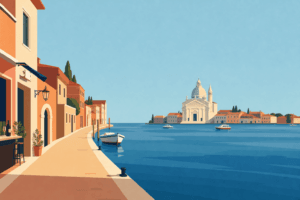
Here the industrial transformation of Venice remains visible without becoming scenery. The restored buildings tell of work, abandonment and new uses; the waterfronts, meanwhile, maintain a slow, horizontal rhythm, suited to understanding how the island has always looked at the city from a critical distance.
The fondamenta: walking along a wider Venice
On Giudecca’s fondamenta, the pace is not constrained by the minute pattern of the calli: the water’s edge becomes a continuous line, wide enough to let you perceive façades, landings, warehouses and sky together. Before sunset this width matters: the light arrives at an angle, slides over the paving and lengthens the shadows without closing the view.
The Giudecca Canal functions as an interpretive distance. Opposite, the Zattere, the Salute and the bell towers of the historic center seem close but not reachable on foot; they remain separated by a sheet of water that makes the city legible as a profile. As you walk, the gaze alternates between two scales: the domestic one of thresholds, jetties and moored boats, and the monumental one of the opposite bank.
The wide waterfronts also help to understand the island’s productive history. Where Venice often hides courtyards and back shops, here the converted industrial and convent buildings present themselves frontally: long volumes, serial windows, compact masonry. The walk thus becomes a horizontal urban reading, made of water, distance and visible transformations.
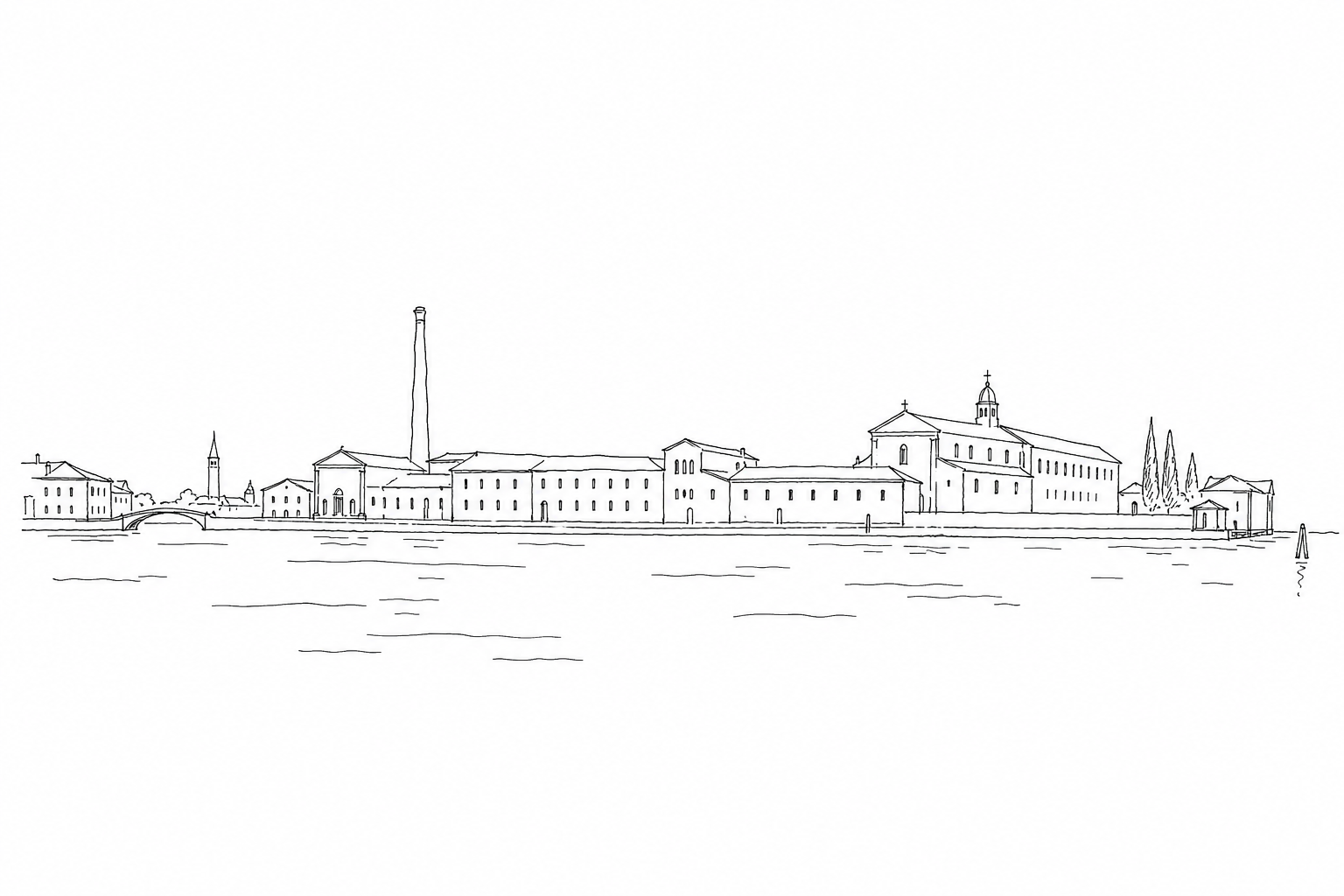
Transformed factories: Molino Stucky, Junghans and Tre Oci
Before sunset, the converted buildings on the long side of the island show their productive origin better: not as picturesque backdrops, but as bodies built for work, logistics, storage. The Molino Stucky, designed at the end of the nineteenth century by Ernst Wullekopf for the entrepreneur Giovanni Stucky, introduces an industrial neo-Gothic language unusual for the lagoon: bricks, turrets, the verticality of a northern European factory and a mass that still dominates the western edge.
Farther east, the Junghans area tells of another period: that of the manufacture of clocks and precision instruments, later reimagined through residential interventions and cultural spaces. Here the transformation is legible in the continuity between sheds, courtyards and new volumes, without completely erasing the memory of the industrial layout.
The Casa dei Tre Oci, built in 1913 by the painter Mario de Maria, was not a factory, but it participates in the same architectural reading: a compact façade, three large openings like eyes toward the canal, and a twentieth-century character that makes this stretch less scenic and more urban.
To conclude the visit, it is useful to think of the island as a sequence to be read at a steady pace. You can begin in the Zitelle area, where the Palladian church immediately brings façade, water and light into relationship, then proceed toward the Redentore: here the perspective lowers and the city opposite appears stretched out, almost at eye level.
Continuing toward Palanca and beyond, the focus changes: not only panoramas, but thresholds, reused warehouses, internal courtyards, brick walls, serial windows. Each short detour inland helps to understand the difference between the open frontage and the inhabited fabric, made of narrow passages and sudden silences.
- Stop often: the raking light highlights frames, plasterwork and converted volumes.
- Look back: the profile of Venice recomposes itself differently at every stretch.
- Keep a slow rhythm: before sunset the value of the route lies in the reading, not in the distance.
For connections and access, it is always prudent to check updated information before departure.
On Giudecca, sunset is not only a scenic moment, but a key to interpretation. The raking light brings out the fondamenta, the converted façades, the voids between one building and another, the continuous relationship between past work and present uses. Crossing it without hurry allows you to see a less monumental and more lateral Venice, where industrial history, architecture and ordinary life remain legible along the water. It is a short itinerary, but capable of widening the gaze on the city.
Related Posts
Venice at sunset: where to go when the light makes the city slower
A slow itinerary among fondamente, campi and rii to see Venice at sunset without haste.Giudecca Seen Up Close: an Urban Island amid Broad Water, Churches and Everyday Life
A slow route on Giudecca, among fondamenta, churches, construction sites, broad water and Venetian everyday life.
Le Zattere: the Venetian walk where the sun says more than the monuments
A slow guide to Le Zattere, the fondamenta in Dorsoduro where light, lagoon and everyday history matter more than the list of monuments.Questions Answered
What makes Giudecca's urban layout different from Venice's historic center?
Its wide waterfronts and horizontal stretch contrast the historic center's narrow calli.How do the old industrial buildings contribute to Giudecca's character?
They show Venice's productive past through restored factories and shipyards.Why is sunset a significant time to experience Giudecca?
Raking light highlights architectural features and spatial rhythms uniquely.What visual experiences does the Giudecca Canal create?
It offers a critical viewing distance and contrasts intimate and monumental scales.
Stay on the edge of Giudecca
Want to follow places where architecture and everyday life meet the wide Giudecca Canal?
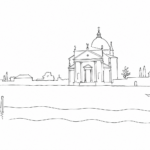 The Redentore on Giudecca: a church born from a vow and watched by the waterHistory, architecture and urban reading of the Redentore on Giudecca, born from the vow against the plague and overlooking the canal.
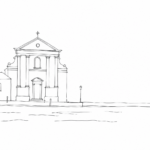 The Gesuati at the Zattere: Tiepolo, light and white façades in front of the Giudecca CanalA brief guide to the Gesuati at the Zattere: history, façade, light of the Giudecca Canal and Tiepolo’s ceilings.
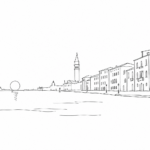 Le Zattere: the Venetian walk where the sun says more than the monumentsA slow guide to Le Zattere, the fondamenta in Dorsoduro where light, lagoon and everyday history matter more than the list of...
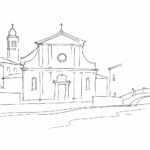 San Sebastiano in Dorsoduro: the church where Veronese transformed the walls into theaterA slow guide to San Sebastiano, the church in Dorsoduro marked by Paolo Veronese’s long work.