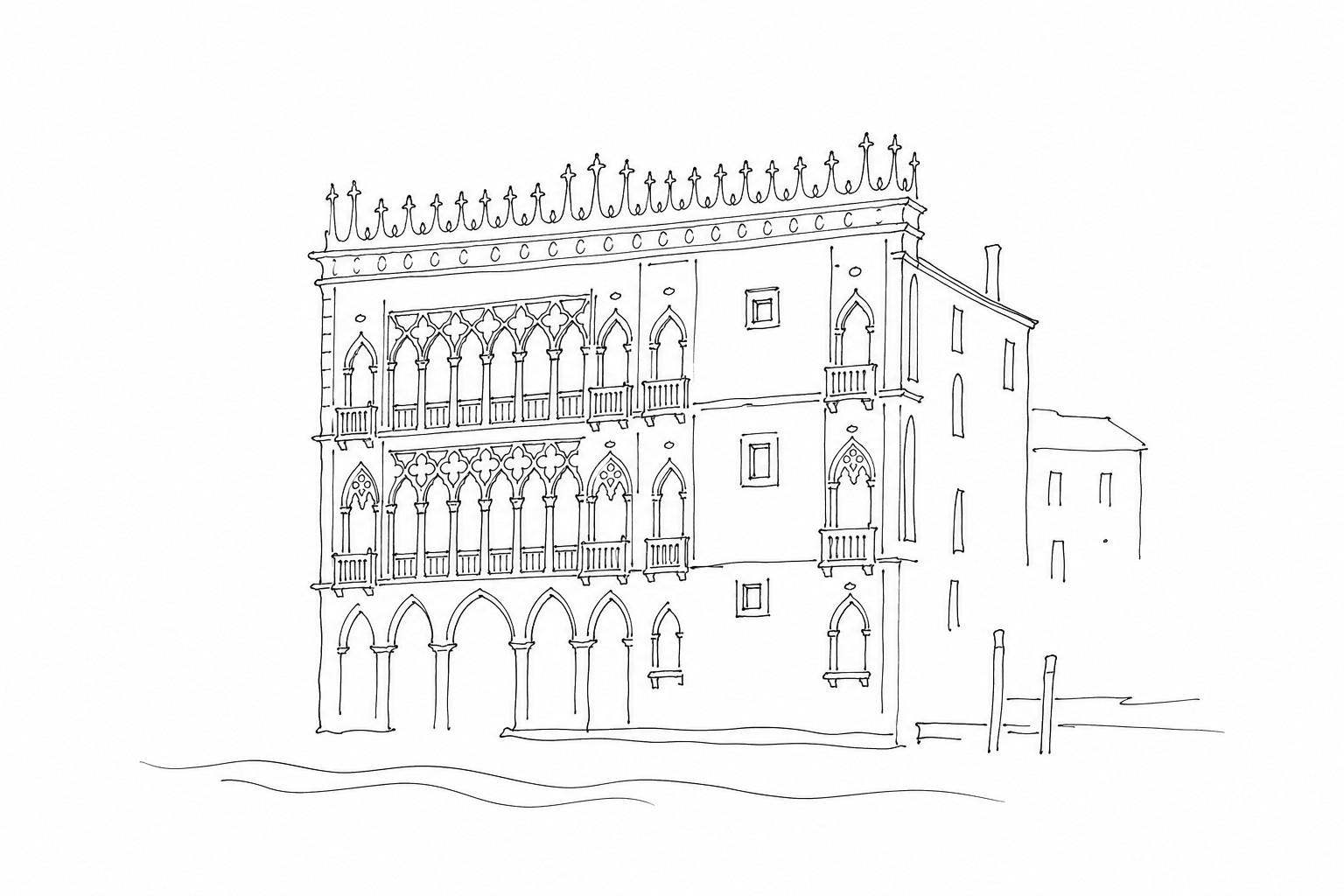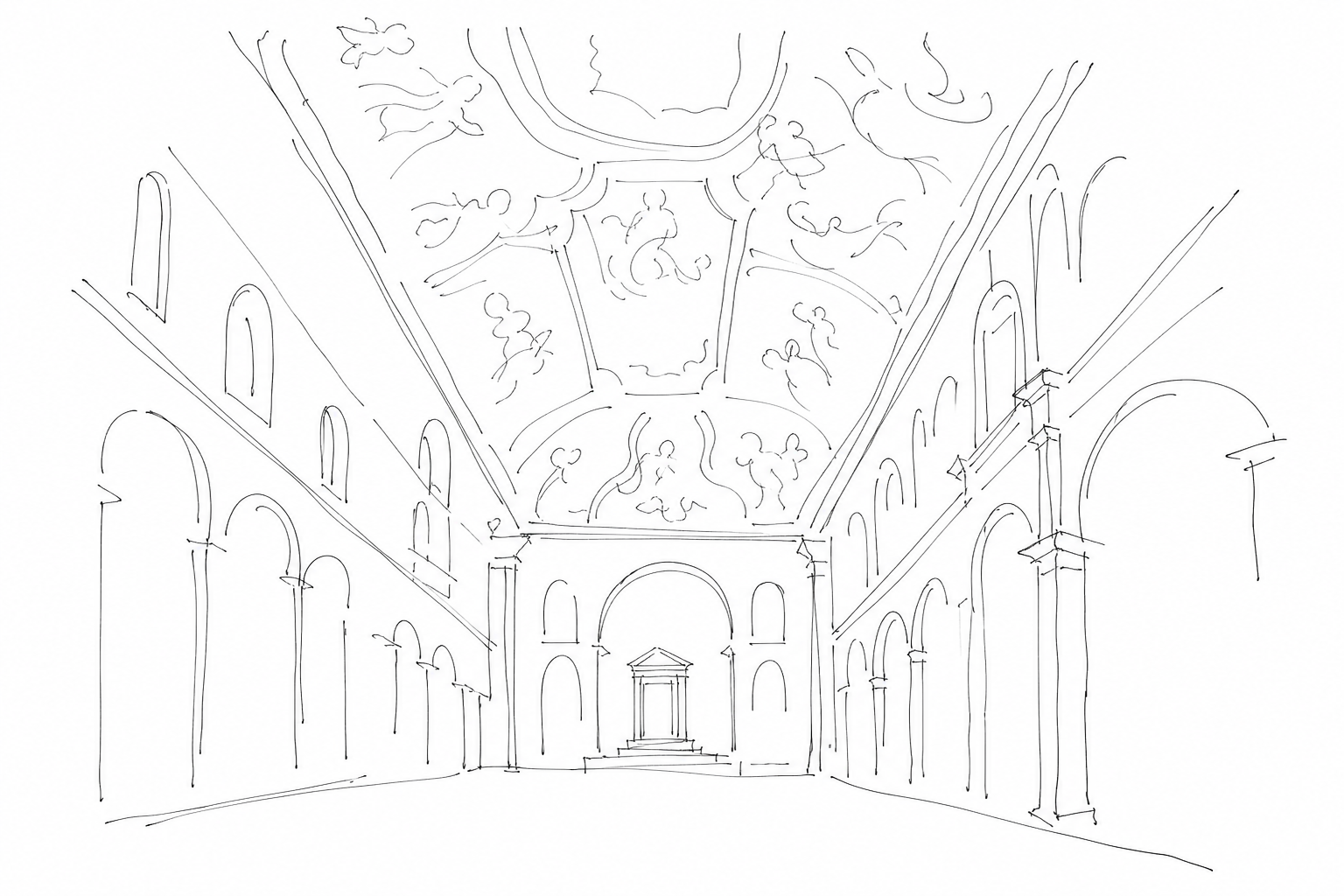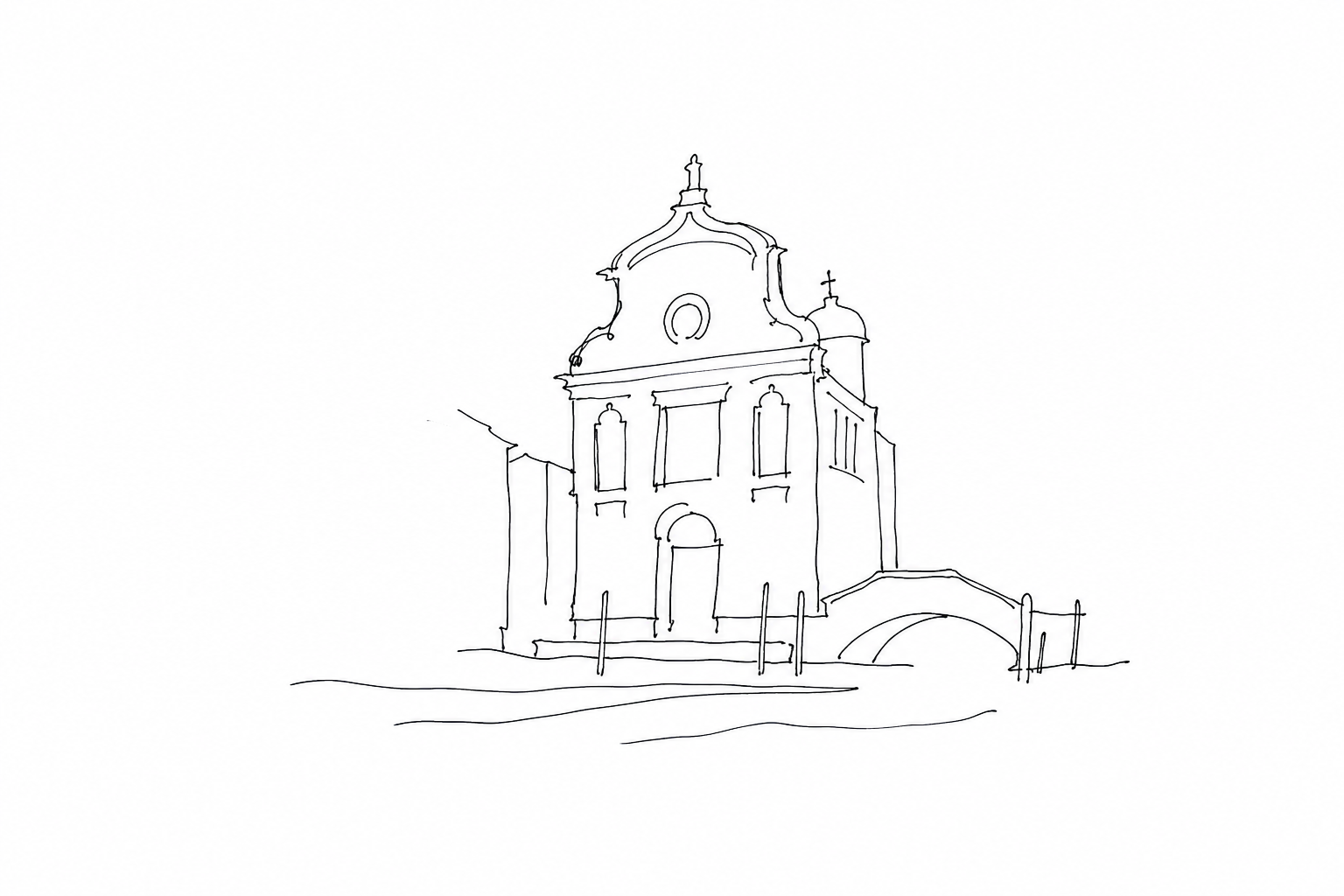

In Dorsoduro, far from the most predictable routes, the church of San Sebastiano preserves one of the most intense relationships between an artist and a Venetian place. Here Paolo Veronese did not leave only a few works: over the course of years, he built a true pictorial environment, where ceilings, walls, organ and sacristy dialogue with the architecture and with the subdued light of the district. Entering San Sebastiano means reading a church as a completed workshop, but also as an urban refuge, discreet and surprisingly coherent.
Why San Sebastiano is linked to Veronese
The church of San Sebastiano, in the sestiere of Dorsoduro, is one of the places where the relationship between an artist and a building becomes almost inseparable. Paolo Veronese worked there for a long time, from the mid-sixteenth century, transforming the interior into a unified pictorial narrative, designed to accompany the liturgical space and the life of the religious community that had commissioned it.
The bond arose from the commission of the Hieronymite monks, who entrusted the painter with an ambitious decorative program. Veronese did not intervene with a single altarpiece, but with an extensive cycle: ceilings, walls, organ, sacristy and presbytery dialogue through sacred scenes, monumental figures, painted architectures and luminous colors. San Sebastiano thus became a sort of Venetian workshop of his maturity.
The “hidden” character of the place also depends on its position, far from the most immediate routes around San Marco. Precisely this distance strengthens the impression of a pictorial refuge: here Veronese is not only represented, but present as the author, interpreter and memory of the church.
A pictorial worksite more than a single work
To understand the church of San Sebastiano, it is not advisable to look immediately for “the masterpiece,” but to follow the path of the gaze. Veronese intervenes as if in a continuous worksite: ceilings, walls, the presbytery area and altars dialogue with one another, transforming the building into an immersive narration.
The ceiling of the nave is the first level of reading. The large canvases dedicated to the story of Esther are not simple suspended decorations: they lift upward themes of salvation, intercession and protection, consistent with the devotional function of the place. The bold perspectives and luminous colors make the space seem more open than it really is.
Moving down toward the nave, the gaze encounters episodes, figures and painted architectural apparatuses that accompany the faithful toward the choir. Here the painting becomes more concentrated: the sacred narrative is not isolated, but inserted within a visual system that prepares the main liturgical area.
In the choir and near the high altar, the reading changes rhythm. The images do not serve only to astonish: they organize the passage from history to devotion, from narrative to sacred presence. It is this continuity, more than a single canvas, that makes the interior one of the most compact places for understanding Paolo in Venice.
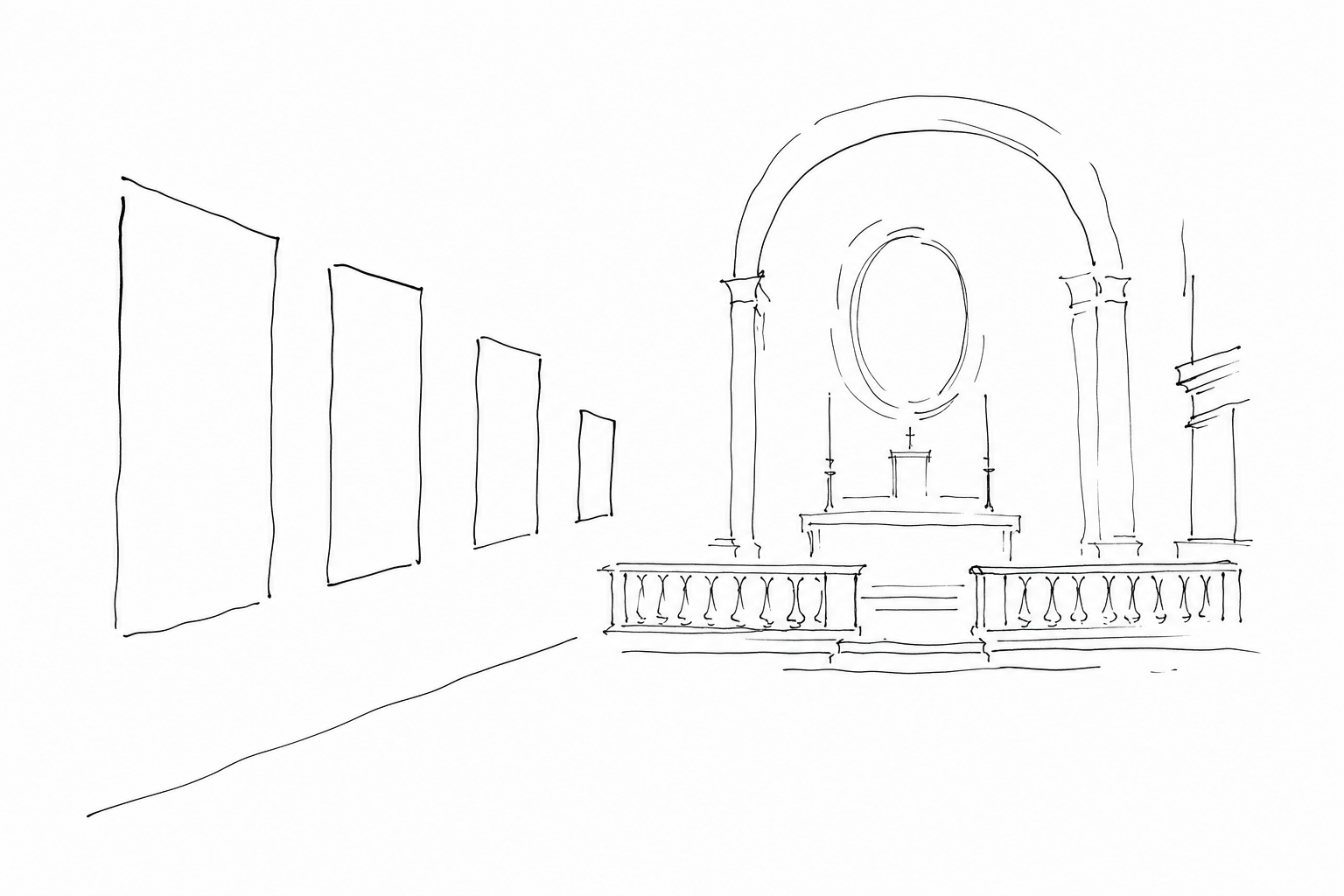
Dorsoduro, between urban margin and space of recollection
Paolo’s Venetian refuge was not born in the ceremonial heart of the city, but in a secluded stretch of Dorsoduro, toward the area of San Basilio and Angelo Raffaele. Here Venice changes pace: the monumental traffic of San Marco gives way to quieter fondamenta, narrow rii, small campi and ancient areas linked to port work along the Giudecca Canal.
This context matters in reading the place. The arrival is not scenic: one enters almost by way of a detour, after a route set to the side of the most frequented itineraries. The façade, sober when compared with the richness inside, prepares for a collected experience, where painting becomes environment and not mere decoration.
Dorsoduro thus offers the urban key to the complex: an inhabited margin, close to the water and far from official representation, ideal for transforming devotion into an immersive space.
How to visit it with a more aware gaze
To truly read this interior, it is best to enter without immediately looking for the single masterpiece. Paolo Caliari’s cycle functions as a unified environment: walls, ceiling, presbytery and organ dialogue with one another, constructing a visual direction designed to accompany the step and the gaze.
A good method is to start from the nave and slowly raise your eyes toward the canvases with the stories of Esther, where the biblical scene becomes court theater, with painted architectures, luminous fabrics and figures arranged as if on a stage. Then it is useful to approach the side areas and the presbytery, observing how color guides the hierarchy of the images: reds, golds and blues are not only ornament, but narrative tools.
The biographical link should not be overlooked: the artist worked here for years and wanted to be buried in this place. The visit thus takes on a different tone, almost of workshop and personal memory. Before making arrangements, it is prudent to check the updated access and visit conditions.
Visiting San Sebastiano calmly allows you to grasp a less immediate Venice, made of margins, silences and artistic stratifications. The value of the church lies not only in the presence of Veronese, but in the continuity with which his painting inhabits the space, transforming it into a unified narrative. Before leaving, it is worth stopping for another moment: observing the position of the canvases, the measure of the naves, the rhythm of the district around it. It is there that San Sebastiano reveals its subtler strength.
Related Posts
San Sebastiano in Dorsoduro: the church where Veronese transformed the walls into theater
A slow guide to San Sebastiano, the church in Dorsoduro marked by Paolo Veronese’s long work.San Salvador: Titian, Bellini and a central church that many pass by without seeing
A short guide to San Salvador, between Rialto and St. Mark’s: history, architecture and works by Titian and Bellini.
The Scuola Grande di San Rocco: Tintoretto and the pictorial cycle that transforms a confraternity into sacred theater
History, rooms and reading of Tintoretto’s cycle at the Scuola Grande di San Rocco, between confraternity, architecture and sacred theater.Questions Answered
Why is San Sebastiano closely linked to Paolo Veronese?
Veronese created an extensive pictorial cycle transforming the church interior.What makes the church a pictorial worksite rather than a single artwork?
Veronese’s paintings create an immersive narrative across ceilings, walls, and presbytery.How does the Dorsoduro location influence the church’s atmosphere?
Its secluded, less trafficked area offers a quieter, more contemplative setting.How should one best approach visiting San Sebastiano?
By viewing the entire painted environment without focusing only on individual masterpieces.
Dorsoduro between art and walking
Which nearby stops are worth connecting without turning the district into a checklist?
 Angelo Raffaele: Tobias, the dog and a Dorsoduro church with an almost narrative toneA reading of the church of Angelo Raffaele in Dorsoduro, between Tobias, the dog, Guardi and the sacred story in Venetian space.
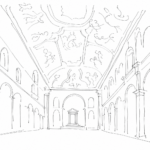 San Pantalon and the Painted Ceiling That Pretends to Be a FrescoAt San Pantalon, in the Dorsoduro sestiere, an enormous painting on canvas creates the illusion of a fresco: history, technique and details...
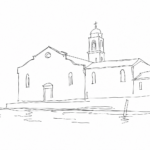 San Nicolò dei Mendicoli: one of the oldest churches where Venice still seems like an outskirtsHistory, urban space and details of San Nicolò dei Mendicoli, an ancient church on the inhabited edge of Dorsoduro.
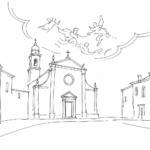 Santa Maria dei Carmini: the Tiepolo ceiling that many miss while rushing toward DorsoduroA brief guide to the Carmini: church, Scuola Grande and Tiepolo ceiling, often skipped between Campo Santa Margherita and Dorsoduro.